
So here’s the question every London visitor with one free day asks at some point: which trio of day-trip stops is right for me? Bath plus Stonehenge plus Windsor, or Oxford plus Stonehenge plus Windsor? They sound similar on paper, but the experience is wildly different. Bath gives you Roman plus Georgian plus spa-town aesthetic. Oxford gives you medieval plus literary plus honey-stone college quads.
This guide is for the Oxford route. If you’re leaning the other way, our Stonehenge, Windsor and Bath day trip guide covers the Roman alternative.
The full day runs about 11 hours from a central London pickup. You’ll cover roughly 250 miles of driving, see three of England’s most photographed places, and arrive back in Victoria or Russell Square just in time for dinner. It’s a long day. But it’s the most efficient way to do all three without staying overnight outside London.
Short on time? Here are my top picks:
Most-booked GetYourGuide option: Full-Day Windsor, Stonehenge and Oxford Tour, around $120. Coach with live guide, 11.5 hours, the route this guide centres on.
Viator alternative with same operator: Windsor Castle, Stonehenge and Oxford Day Trip from London, around $123. Same Evan Evans coach, booked through Viator instead.
Different operator for variety: Windsor, Oxford and Stonehenge Day Tour, around $120. Run by Golden Tours instead of Evan Evans, 10 hours, slightly tighter day.
- Which Trio Is Actually Right for You?
- The Day, Stop by Stop
- Stop 1: Windsor Castle (around 9.30am to 11am)
- Stop 2: Stonehenge (around 12.30pm to 2pm)
- Stop 3: Oxford (around 3.30pm to 5pm)
- Three Tours I’d Actually Book
- 1. Full-Day Windsor, Stonehenge and Oxford Tour, 0
- 2. Windsor Castle, Stonehenge and Oxford Day Trip from London, 3
- 3. Windsor, Oxford and Stonehenge Day Tour, 0
- Why the Stop Order Matters
- Practical Stuff Most Guides Don’t Mention
- What These Three Places Have in Common
- Stonehenge in More Detail
- Stone Circle Access add-ons
- Oxford in More Detail
- Windsor in More Detail
- Windsor, Oxford and Stonehenge: Worth the Day?
- Around This Trip
Which Trio Is Actually Right for You?
Both three-stop routes share two stops: Windsor and Stonehenge. The difference is the third. Here’s the straight comparison.
Pick the Bath route if: you care more about Roman history and Georgian architecture than universities. The Roman Baths complex is genuinely unique in Britain (only natural hot springs in the country, used continuously since AD 70). Bath itself is small, walkable, and prettier than Oxford in the conventional sense. The 18th-century Pump Room and Royal Crescent give you a complete Georgian set.
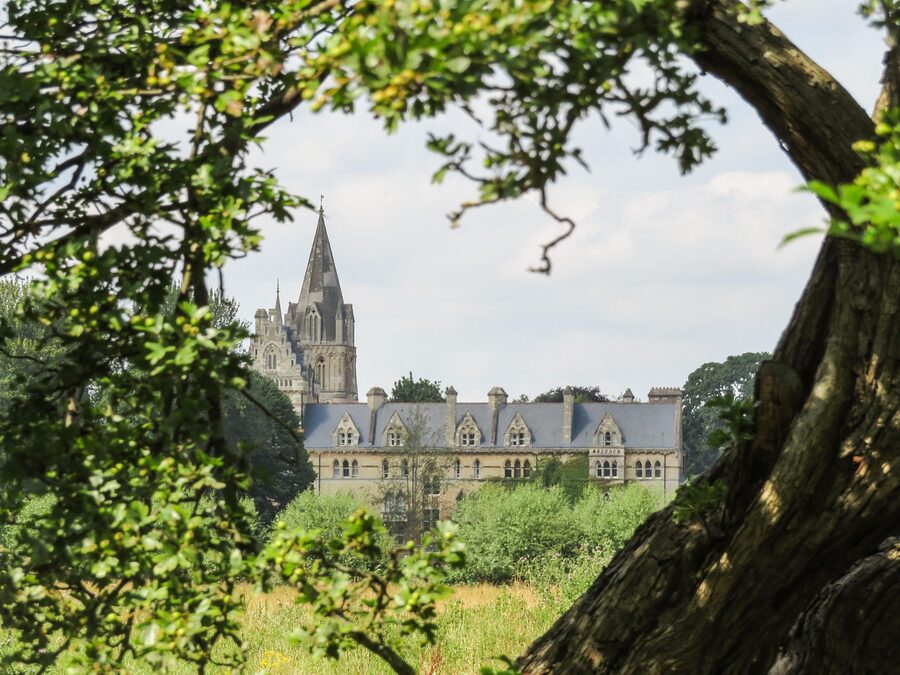
Pick the Oxford route if: you care about medieval academic architecture, literary heritage, or you’ve got Harry Potter fans in the group. Oxford has 38 colleges, the oldest English-speaking university in the world (teaching since around 1096), and Christ Church Hall, which directly inspired Hogwarts’ Great Hall. Christopher Wren designed the Sheldonian Theatre. Every other building has produced a prime minister.
Pick neither if: you want unhurried time at any single one of these. A three-stop day means 60-90 minutes per stop. Stonehenge gets 60-75 minutes (which is genuinely enough). Windsor gets 90 (tight). Oxford gets 60-75 (too short for the place). If Oxford is your top priority, do it as a separate one-day Oxford trip and pair Stonehenge with something else like Salisbury Cathedral.
Don’t pick this trip at all if: you struggle with long coach days, get carsick easily, or have under-fives. The combined drive time is around 5 hours. Pickup is usually 8am or 8.30am. Drop-off is usually 7pm or later. That’s a long stretch on a bus.
If you’re still deciding between the two, our Stonehenge and Bath day trip guide covers the two-stop version of the Bath route, and the Windsor, Stonehenge and Bath sibling article is the direct three-stop comparison. There’s also a budget alternative version of this Oxford route if you’re trying to keep the day under £100.
The Day, Stop by Stop
Almost every operator runs the same route order, and there’s a good logistical reason for it. The geography forces it.
Stop 1: Windsor Castle (around 9.30am to 11am)
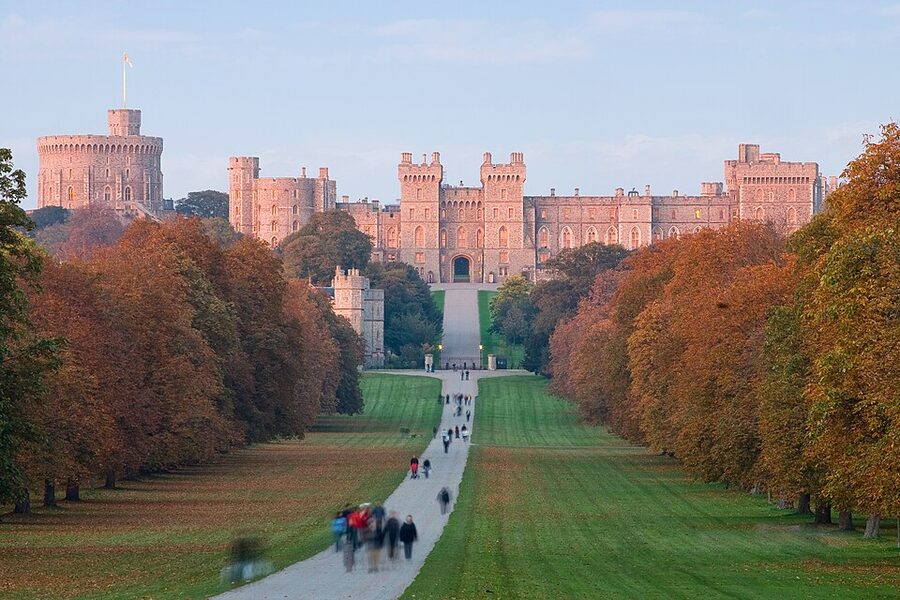
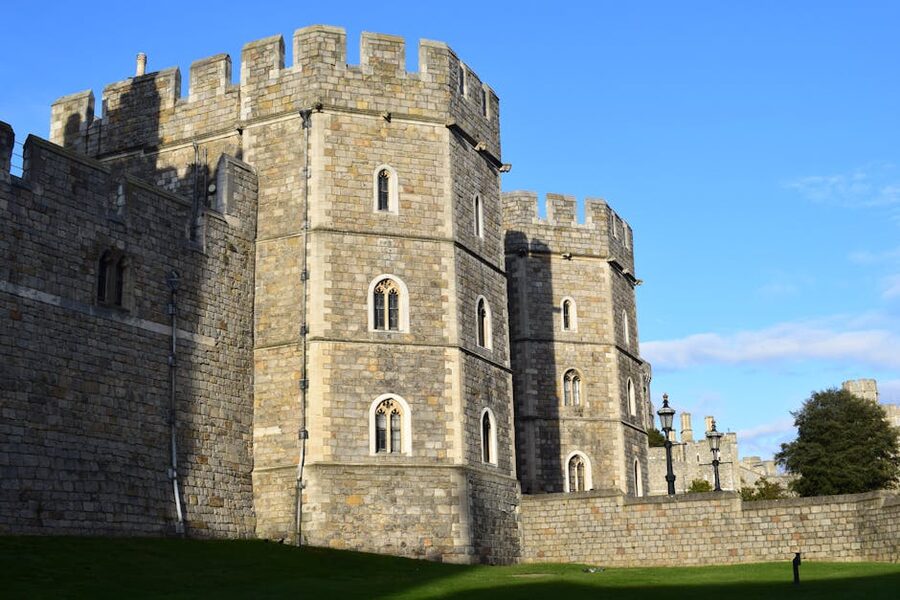
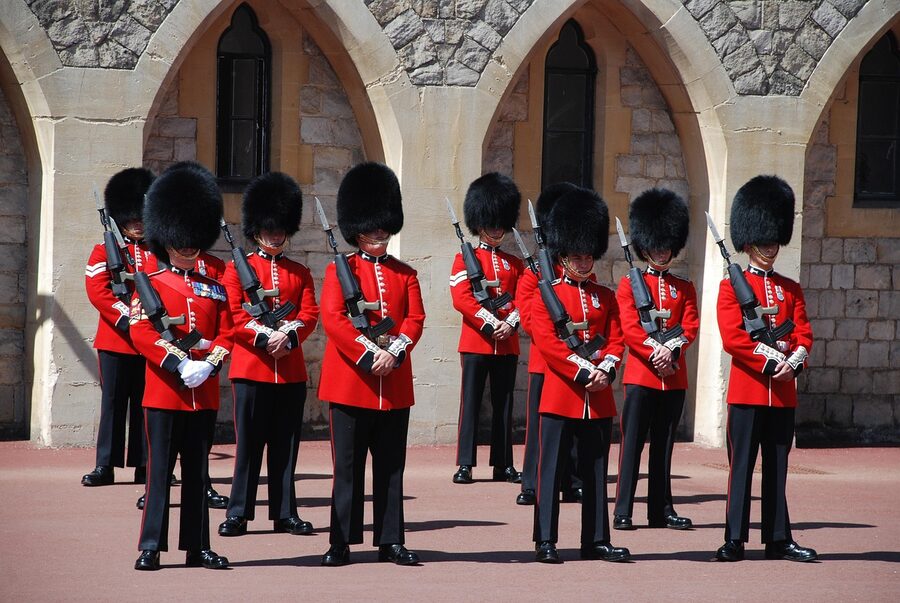
You leave central London around 8am and Windsor is the closest of the three stops, about 25 miles west. The coach pulls in to a coach park on the south side of the castle, you queue briefly to collect your fast-track ticket from the guide, and you’re inside by about 9.45am.
Ninety minutes is what you get. That’s enough for two things, three if you rush. My recommended order:
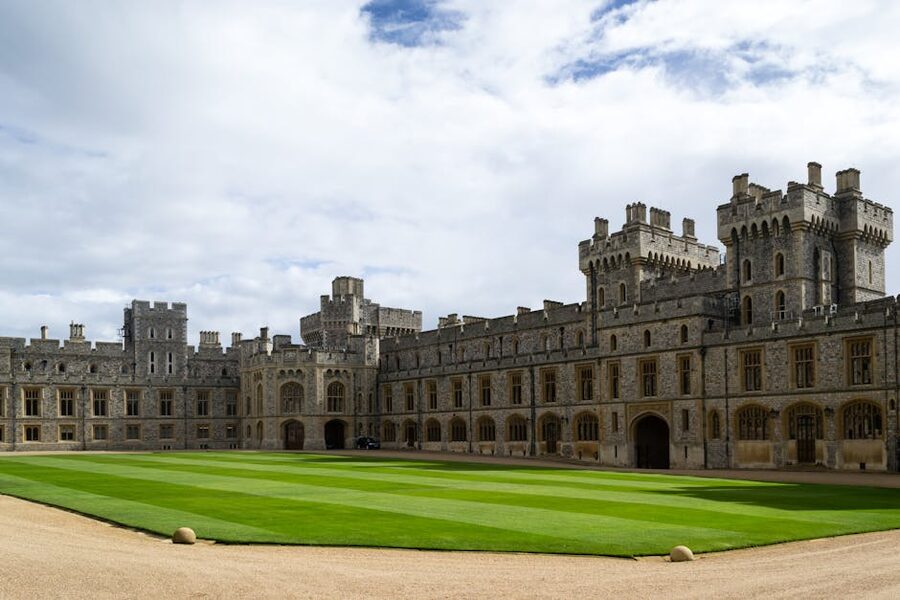
State Apartments first. These are the official rooms still used by the King for state functions. Massive, gilded, completely over the top. The Waterloo Chamber alone takes 10 minutes if you’re paying attention. The route is one-way, so you can’t backtrack.
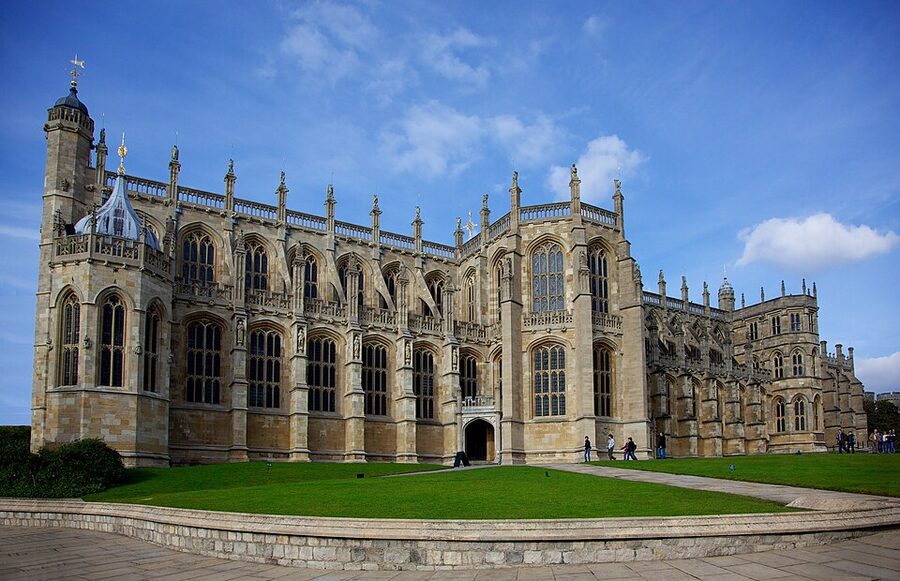
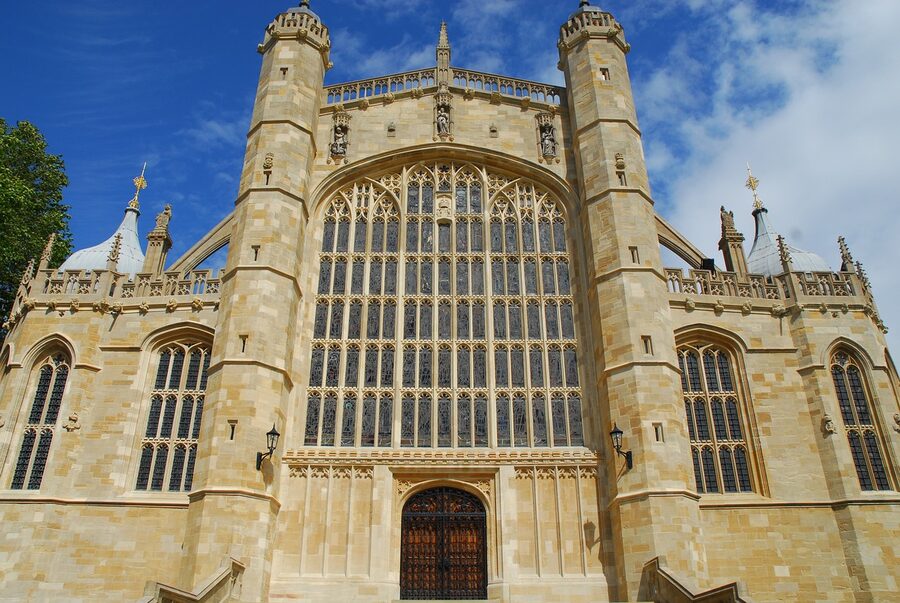
St George’s Chapel second. This is where Queen Elizabeth II and Prince Philip are buried, alongside ten other monarchs including Henry VIII and Charles I. The chapel is also where Harry and Meghan got married in 2018. It’s smaller than people expect and absolutely worth the visit. Note that the chapel is closed Sundays for services, so check before booking a Sunday tour. The guides on most coach tours flag this restriction, but if you’re booking a budget Sunday alternative always confirm the chapel access first.
Skip Queen Mary’s Dolls’ House if you’re tight on time. It’s a famous miniature house with running water and electricity. Charming. Not worth it at the cost of cutting your chapel visit short.
Coffee tip: there’s a small café inside the castle near the entrance, but the queues are long and prices are high. If you need caffeine, grab it from one of the cafés on Castle Hill before you go in. The walk from the coach park to the entrance takes you past three of them.
Stop 2: Stonehenge (around 12.30pm to 2pm)
Windsor to Stonehenge is the longest leg of the day, about 75 miles southwest along the M3 and A303. Lunch usually happens on the road. Some operators include a sandwich. Most leave you to fend for yourself at a service station. Bring snacks.
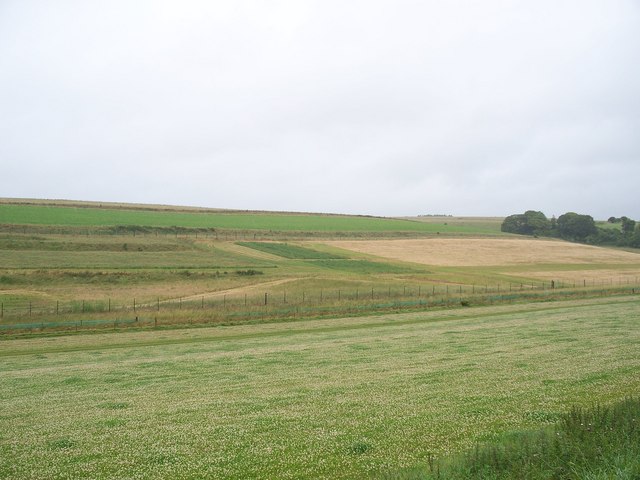
You arrive at the visitor centre, not the stones. The centre sits about 1.5 miles from the stone circle, and a free shuttle bus runs constantly between the two. Most coach tours include the visitor centre admission and the shuttle.
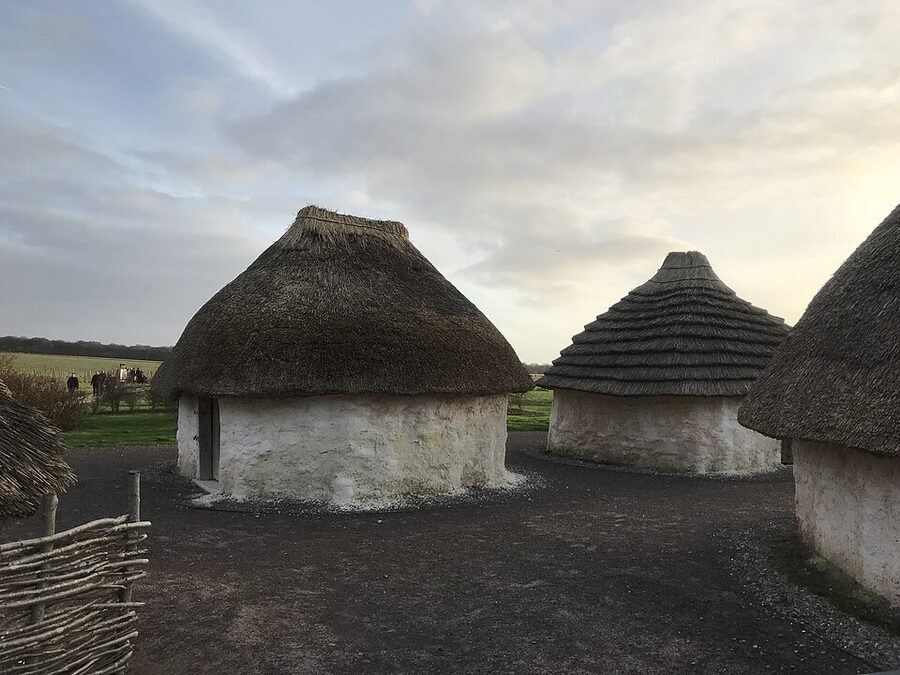
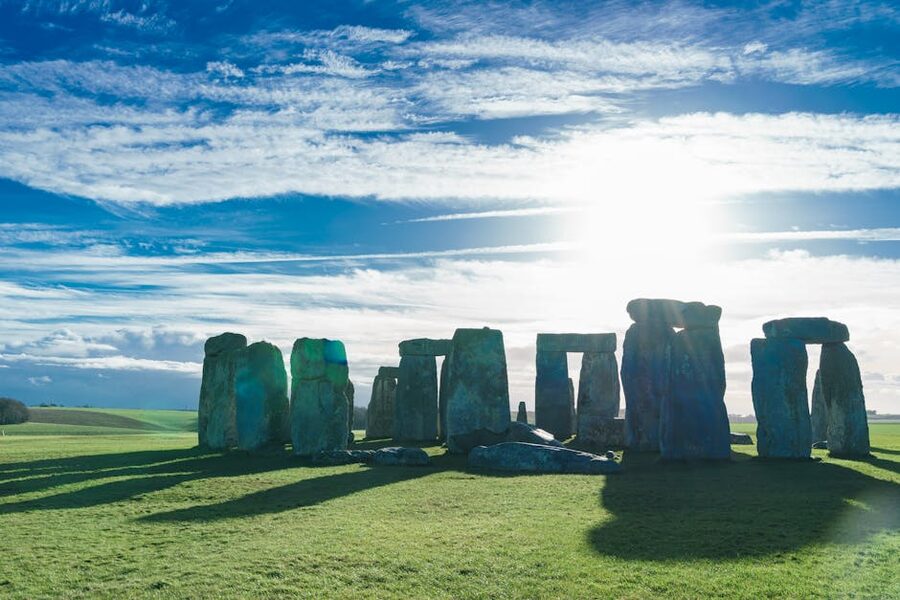
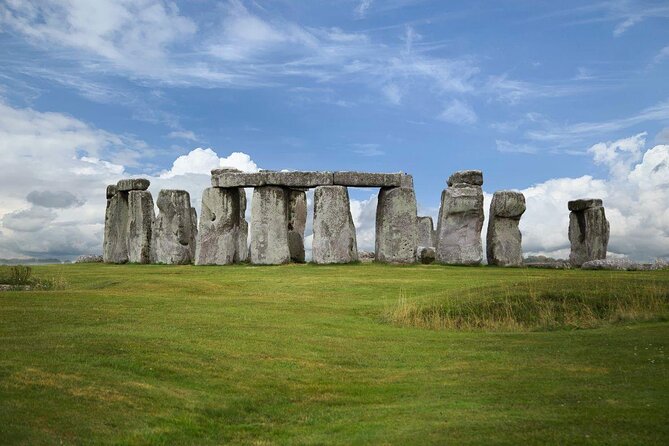
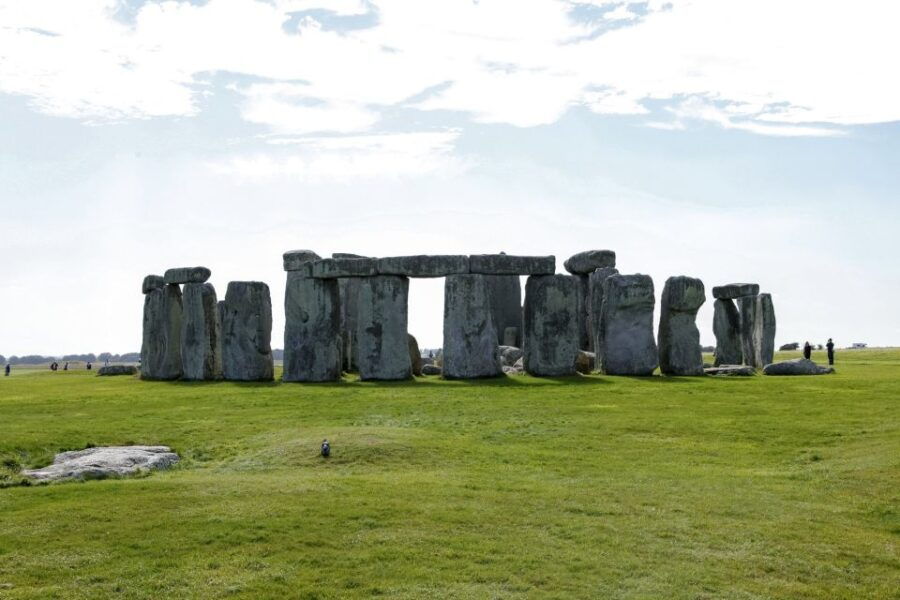
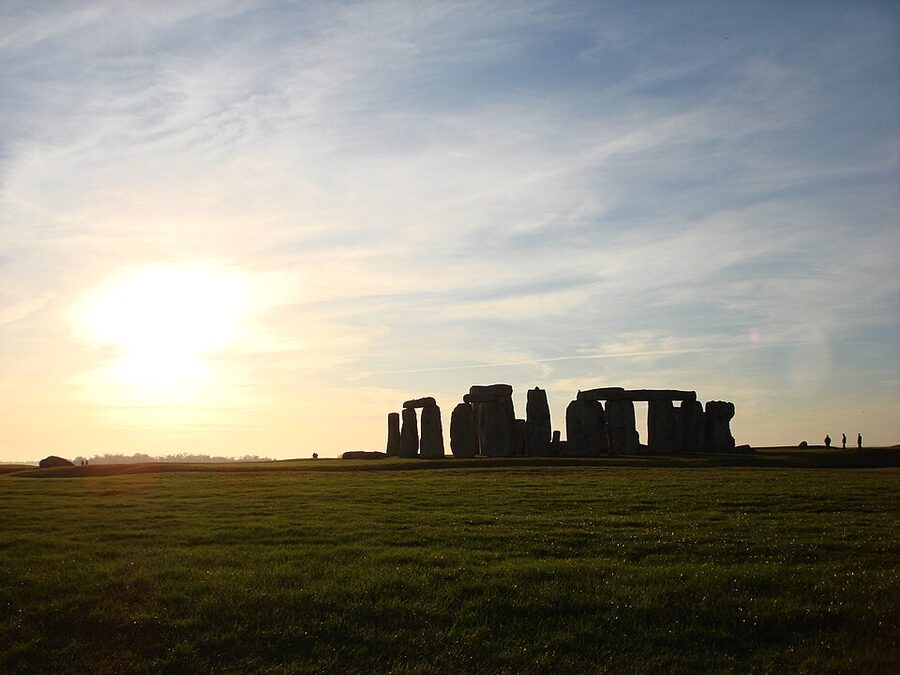
The stones themselves are roped off. You walk a path around them at a distance of about 10 metres. You cannot touch them. You cannot walk inside the circle. This is the part most visitors don’t realise before they arrive. If you want to walk inside, you need a separate Stone Circle Access tour booked months ahead, run before public hours. The standard three-stop coach itinerary runs in standard visiting hours, so the access is the roped path only.
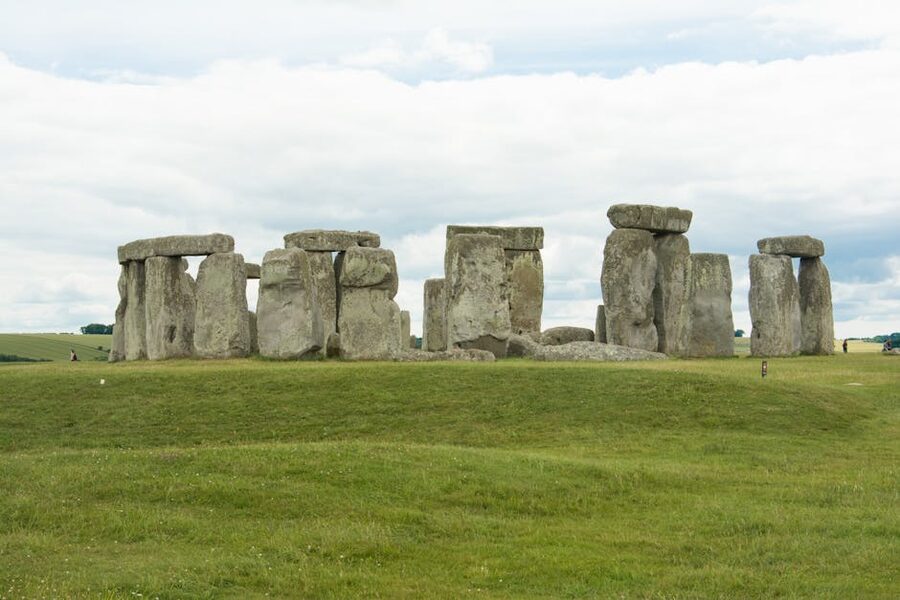
What I tell first-timers: don’t go expecting awe. Go expecting curiosity. The stones are smaller than the photos suggest (the tallest is about 4 metres), the path is well-trafficked, and the audio guide is decent but not amazing. What I find genuinely interesting is the engineering question: how did Neolithic people transport 25-ton sarsens from 20 miles away and 4-ton bluestones from 150 miles away in Wales? Nobody fully knows. The audio guide covers the leading theories.
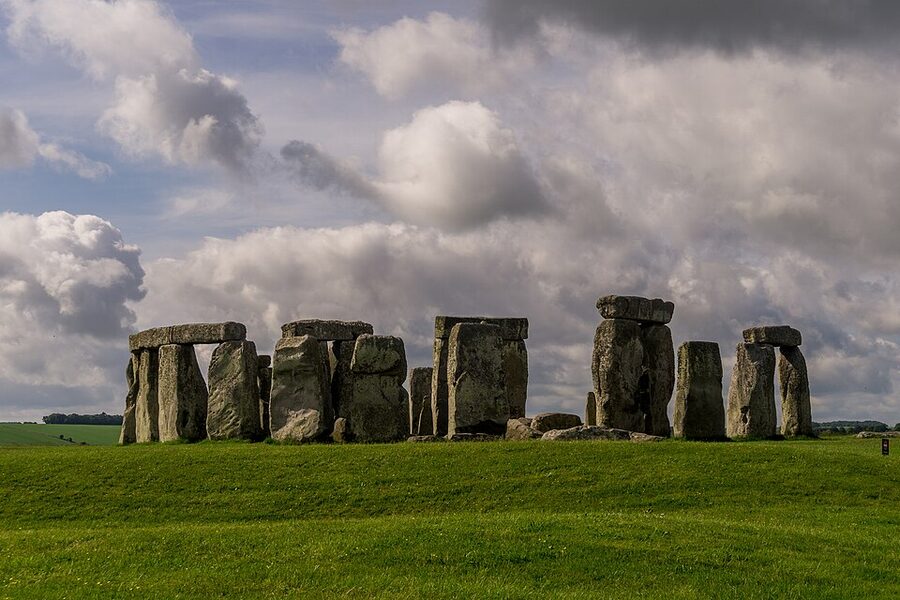
Ninety minutes is the standard window, including shuttle time. That’s about right. Any longer and you’re padding.
Stop 3: Oxford (around 3.30pm to 5pm)
Stonehenge to Oxford is about 75 miles north and takes around 90 minutes. You’ll arrive in Oxford around 3.30pm with roughly 90 minutes on foot in the city centre.
Most coaches drop at Park End Street, near the train station. From there, the historic centre is a 10-minute walk via Castle Street and Cornmarket Street. Your guide will give you a meeting time and a meeting point (usually outside the Sheldonian Theatre or near the Bodleian).
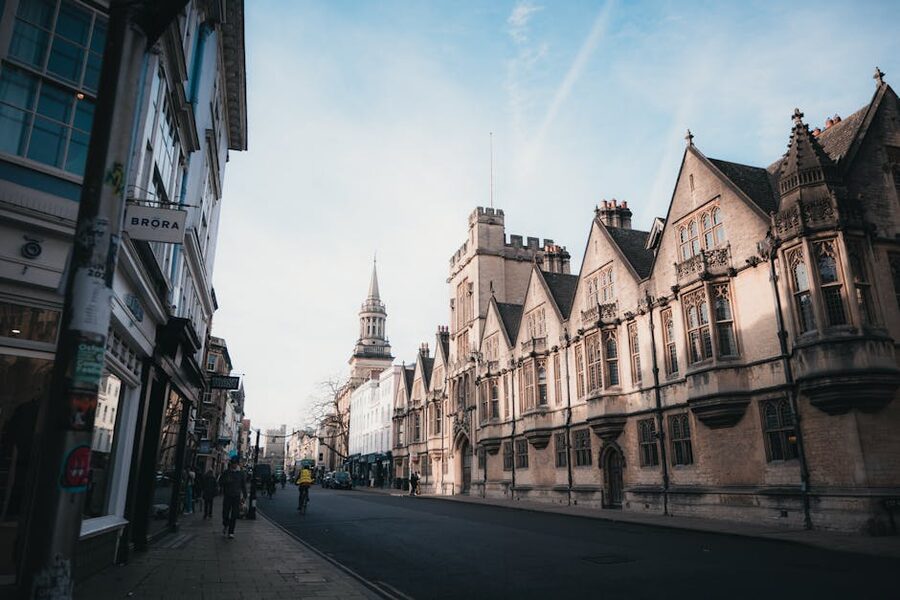
Here’s the route I’d cover in 90 minutes, in order:
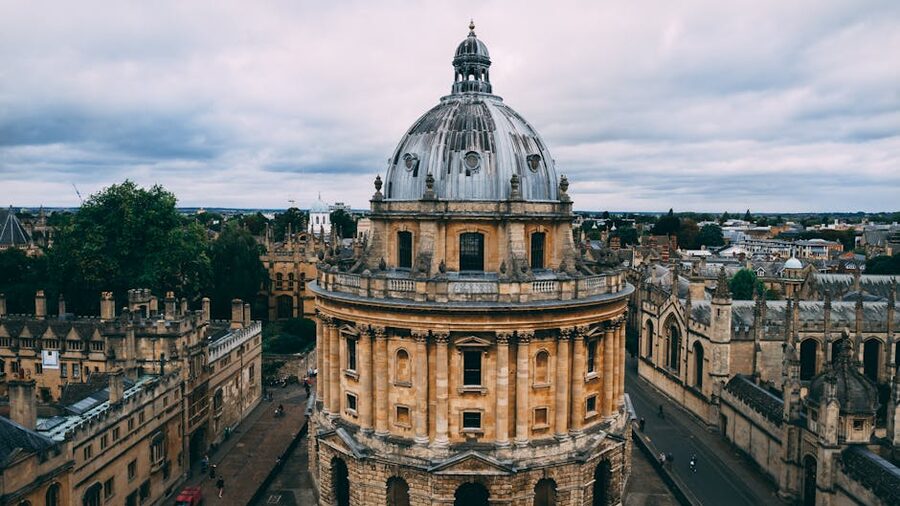
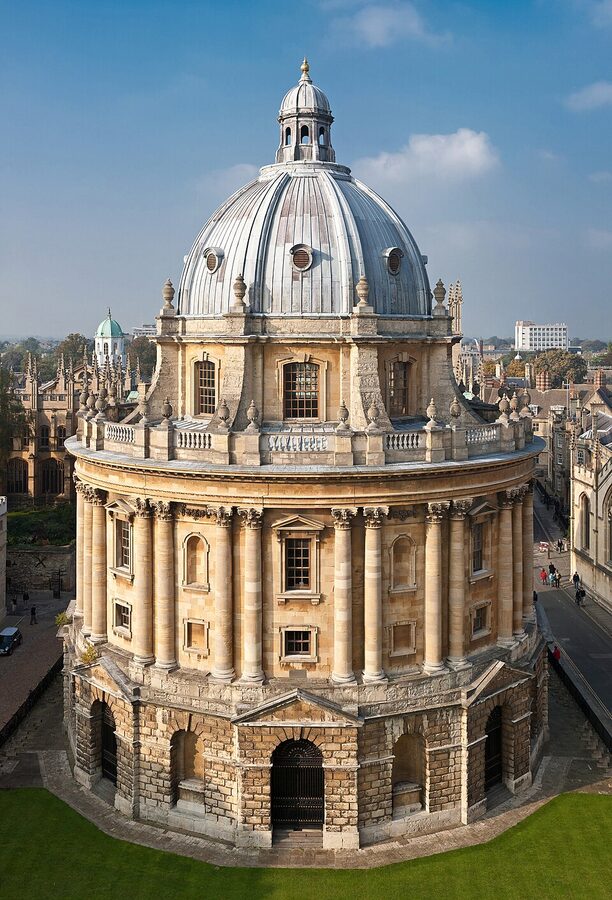
Radcliffe Square first. The Radcliffe Camera (the round library, built 1737-1748) sits in the middle of a perfect Gothic square surrounded by All Souls College, Brasenose College, the University Church, and the Bodleian Library entrance. Stand in the middle and turn 360 degrees. This is the densest concentration of Oxford architecture in any single spot.
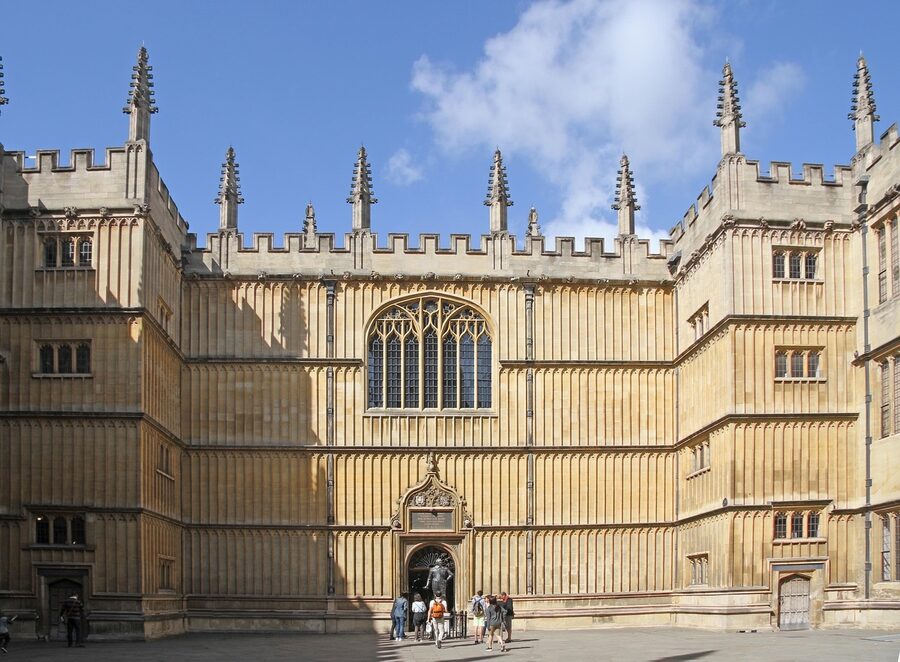
Bodleian Library second. The main quadrangle is open to walk through (free). The Old Schools Quadrangle dates to 1613-1619 and is the architectural heart of Oxford. If you have 30 minutes spare, you can pay for the audio-guide tour of the Divinity School. The Divinity School is where they filmed Hogwarts’ infirmary in the Harry Potter films.
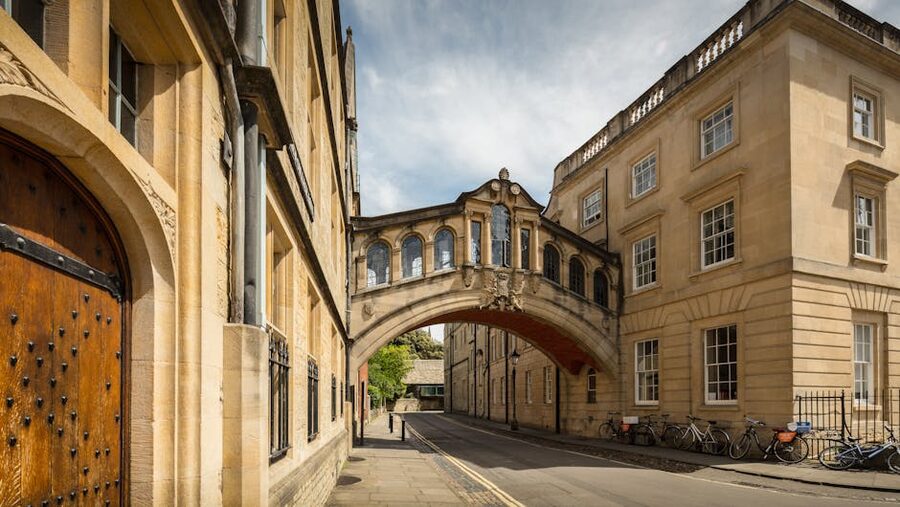
Bridge of Sighs and Hertford College third. The covered bridge connecting two parts of Hertford College, built in 1914, is the most-photographed single feature of Oxford. It’s a 3-minute walk from the Bodleian. Worth a 5-minute photo stop.
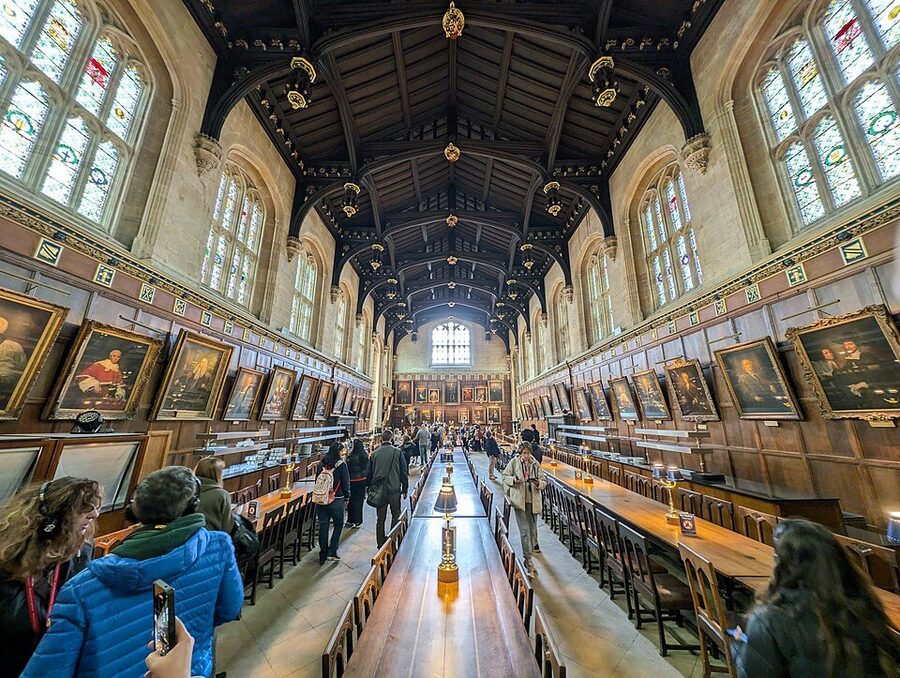
Christ Church College last (if you have 20 minutes spare). The most famous college in Oxford, founded 1546, with the Hall that inspired the Hogwarts Great Hall. The Hall is sometimes closed to tourists for college lunch service (12pm to 2pm), but afternoon visits usually get in. Entry runs around £15-£20. Tight on a coach tour and you’ll be back at the bus before 5.30pm.
Coach pickup is usually around 5pm to 5.30pm at the same drop-off point. Then about 90 minutes back to central London, arriving at Victoria or Russell Square between 7pm and 7.30pm.
Three Tours I’d Actually Book
I’ve gone through the operators running this route and there are three I’d genuinely recommend, depending on what matters to you. All three handle the same three stops in the same order. The differences are the operator, the platform, and small variations in what’s included.
1. Full-Day Windsor, Stonehenge and Oxford Tour, $120

This is the GetYourGuide most-booked option for a reason. Eleven and a half hours, live guide with proper UK history knowledge, fast-track admission for both Windsor and Stonehenge included. Run by Evan Evans, who have been doing London day trips since 1939. Our full review covers the pickup logistics and which guides to look out for.
The 11.5-hour timing is on the longer side but I think it’s about right. Cutting it shorter means you sacrifice Oxford time, and Oxford is the stop where 60 minutes feels short already. Pro tip: pickup is from a central depot, not your hotel. You’ll need to get yourself to Victoria Coach Station or Russell Square by 8am.
2. Windsor Castle, Stonehenge and Oxford Day Trip from London, $123
This is the same physical tour as Pick #1, just sold on Viator. Same operator (Evan Evans), same coaches, same guides, same 11.5-hour day. The price difference is small ($3-4 depending on the day) and reflects the platform’s commission structure, not the tour itself. Worth booking through whichever platform you already use. Our Viator-version review notes the practical differences.
Pick this one if you’ve already got a Viator account with cards saved, or if you’re chaining multiple bookings on Viator and want the loyalty credit on a single platform.
3. Windsor, Oxford and Stonehenge Day Tour, $120
The Golden Tours version. Same three stops, similar price, slightly tighter 10-hour day instead of 11.5. Run by Golden Tours (also known as Gray Line London), who specialise in coach day trips and have been operating since 1986. Our deep-dive on this version covers the operator differences.
The 10-hour day is achieved by trimming Windsor to 75 minutes (instead of 90) and Oxford to 60 (instead of 75). Workable but tighter. Pick this if you’ve heard mixed things about Evan Evans guides specifically, or if you want the slightly earlier return to London (around 6pm versus 7pm).
Why the Stop Order Matters
Almost every operator runs Windsor first, Stonehenge midday, Oxford last. There’s a real reason and it’s not arbitrary.
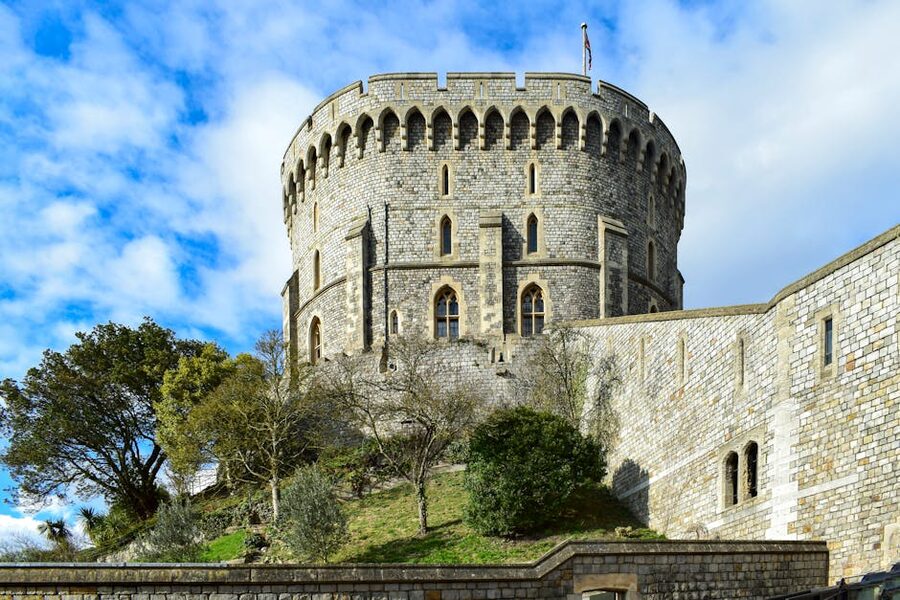
Windsor goes first because it’s closest. About 25 miles west of central London, doable in 45 minutes if traffic cooperates. Doing it first means you arrive when the State Apartments open and you beat the worst of the daytrip-from-London queues. The morning light on the Round Tower is also better.
Stonehenge goes midday because the geography forces it. Stonehenge is roughly equidistant between Windsor and Oxford if you’re driving the natural triangle. Putting it in the middle minimises total drive time. Salisbury Plain is also less interesting visually than the other two stops, so it doesn’t matter that you arrive in flat midday light.
Oxford goes last because of the light. The Cotswold honey-stone of Oxford’s colleges photographs best between 4pm and 6pm in summer (later in winter, where you’d arrive in early dusk). Arriving in late-afternoon golden hour is the visual reward for surviving the long coach day. It’s also the most walkable of the three stops, so foot fatigue at the end matters less.
If you find a tour that does the route in a different order, ask why before you book. The answer is usually that they’re trying to fit a different group’s schedule, not optimise yours.
Practical Stuff Most Guides Don’t Mention
Things I wish I’d known before my first trip on this route.
Toilets are the limiting factor on coach tours. Coaches don’t usually have onboard toilets on this route. You get bathroom stops at Windsor, the Stonehenge visitor centre, and (briefly) Oxford. Plus one motorway service station between Windsor and Stonehenge. That’s four chances in 11 hours. Hydrate carefully.
Lunch is rarely included. Some operators include a Stonehenge visitor-centre voucher (sandwich plus drink). Most don’t. Bring snacks and a refillable water bottle, or buy lunch at the Stonehenge café. The café is fine but expensive (sandwich around £8, hot food around £12). Service-station options on the M3 are cheaper and better than you’d expect.
The Stonehenge audio guide is included with the ticket. You collect the device at the visitor centre. Don’t skip it. The site is meaningless without context, and the guide is well-written. Headphone jack accepts standard 3.5mm so you can use your own earbuds if you don’t trust the supplied ones.
Christ Church Hall is sometimes closed to tourists. It’s a working dining hall for college students. Lunch service runs roughly 12pm to 2pm, dinner 6pm to 8pm. Most coach tours arrive between 3.30pm and 5pm, which is the window. But if you’ve got a tight schedule, check the Christ Church website the night before.
Cancellation policies vary. GetYourGuide’s standard 24-hour cancellation works for most of these tours. Viator usually has a 24-hour window too but check the specific listing. Worth confirming the day before if there’s any chance of weather disruption (heavy rain doesn’t usually cancel, snow on Salisbury Plain occasionally does).
You won’t get hotel pickup on this tour. All three options run from central depots. Victoria Coach Station, Russell Square, and Gloucester Road are the main pickup points. Plan to be at your meeting point 15 minutes early. Coaches leave on time and don’t wait.
Crowds: weekdays are noticeably better. Saturday is the busiest day at all three stops, especially Windsor. Tuesday and Wednesday are the quietest. Sunday is mid-busy but St George’s Chapel is closed for services, so you lose part of Windsor.
Wi-Fi on coaches is patchy. Evan Evans coaches generally have onboard Wi-Fi. Reception drops out around Salisbury Plain, which is exactly when you’d want to look up Stonehenge facts. Download the audio guide app or any maps before you leave London.
What These Three Places Have in Common
Different eras, different functions, but here’s the thread that ties them: each represents a peak of one civilisation’s organisational ambition.
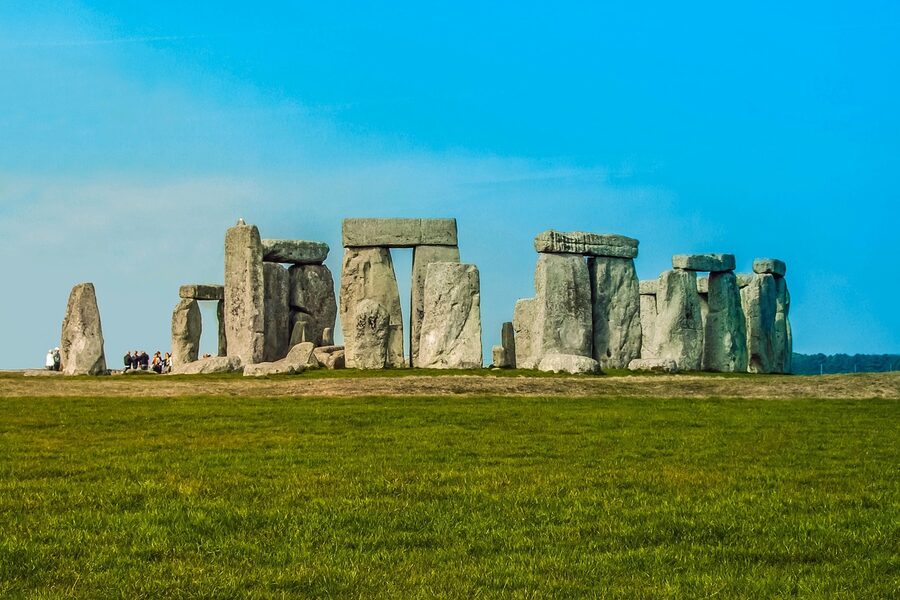
Stonehenge (around 3000 BCE). Late Stone Age and Early Bronze Age society’s monument-building peak. The construction took place in stages over roughly 1,500 years and required coordination between communities across what’s now southern Britain. The final sarsen ring needed about 25 individuals working full-time for 30 years.
Windsor Castle (1070 onwards). Norman administrative power’s highest expression in England. William the Conqueror built it as one of nine castles ringing London at one day’s march from each other, designed to control the surrounding land. The Round Tower is on William’s original 1070 motte, making this the only one of the nine still in continuous use.
Oxford University (founded around 1096). The medieval European intellectual peak, expressed in stone. Oxford predates Cambridge by about 100 years and is the second-oldest university in continuous operation in the world (after Bologna). The 38 colleges between them produced 30 British prime ministers, 72 Nobel laureates, and Tolkien plus Lewis plus Carroll.
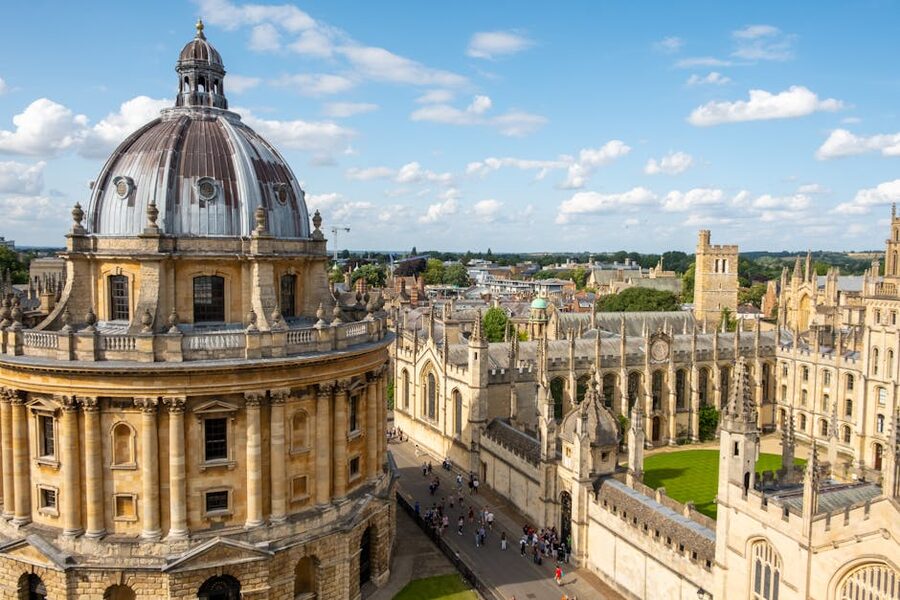
That’s the theme of the day if you’re paying attention: three civilisations, three peaks, three monuments still standing 1,000-5,000 years later. Most coach tours don’t make this connection explicit. The good guides do.
For deeper context, the St Paul’s Cathedral guide covers the Christopher Wren era that connects Windsor’s later expansion to Oxford’s Sheldonian Theatre and Tom Tower. Wren designed all three.
Stonehenge in More Detail
Most coach-tour visitors get the basic audio guide but skip the deeper context. Here’s what’s worth knowing for your 75 minutes on site.
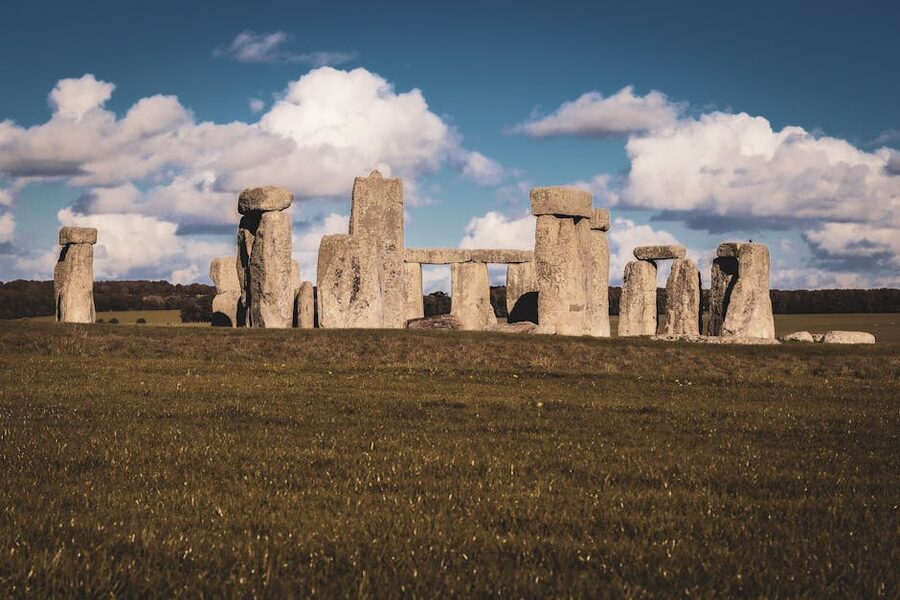
The construction wasn’t a single project. Stonehenge was built in three main phases over 1,500 years. Phase 1 (around 3000 BCE) was just the circular bank and ditch. Phase 2 (around 2900-2400 BCE) added timber structures (since rotted away) and the bluestones from Wales. Phase 3 (around 2500 BCE) brought the massive sarsens that define what we see today. The site was largely abandoned by 1500 BCE.
The alignment is real. The main axis runs through the Heel Stone toward the midsummer sunrise. On the longest day of the year (around June 21), the sun rises directly behind the Heel Stone as seen from the centre of the circle. The opposite alignment (winter sunset) is also visible. Both are observed by the modern Druid orders, and the only times English Heritage opens the inner circle to the public are on these solstice mornings.
The bluestones are the real puzzle. The smaller blue stones (about 2-4 tons each) came from the Preseli Hills in west Wales, about 150 miles away. Nobody fully knows how they were transported. The leading theory involves a combination of land sleds and water transport via the Bristol Channel and the River Avon. Some of the bluestones predate the sarsens at Stonehenge, suggesting they may have stood in an earlier circle elsewhere first.
The audio guide is decent but not great. It covers the basics. For a deeper experience, the visitor-centre exhibition is actually better than the on-site audio. The exhibition has reconstructed Neolithic burials, modern-isotope analysis of the builders’ diets and origins, and a film loop of how the stones were likely raised. Twenty minutes in the exhibition before you take the shuttle is well spent.
Stone Circle Access add-ons
If you want to walk inside the stones (rather than along the roped path), you need a Stone Circle Access tour. These run before public hours (around 6am to 7am in summer, sunrise in winter) or after public hours (after 6pm or 7pm). Tickets are limited to 30 people per session and book up months in advance. Tours typically cost £55 per person and last about an hour. They’re not part of standard coach day trips. You’d need to do a separate sunrise tour from London (around 4am pickup), which is brutal but the only way to actually walk among the stones.
Oxford in More Detail
The 90 minutes you get on a coach tour barely scratches Oxford. Here’s what to prioritise.
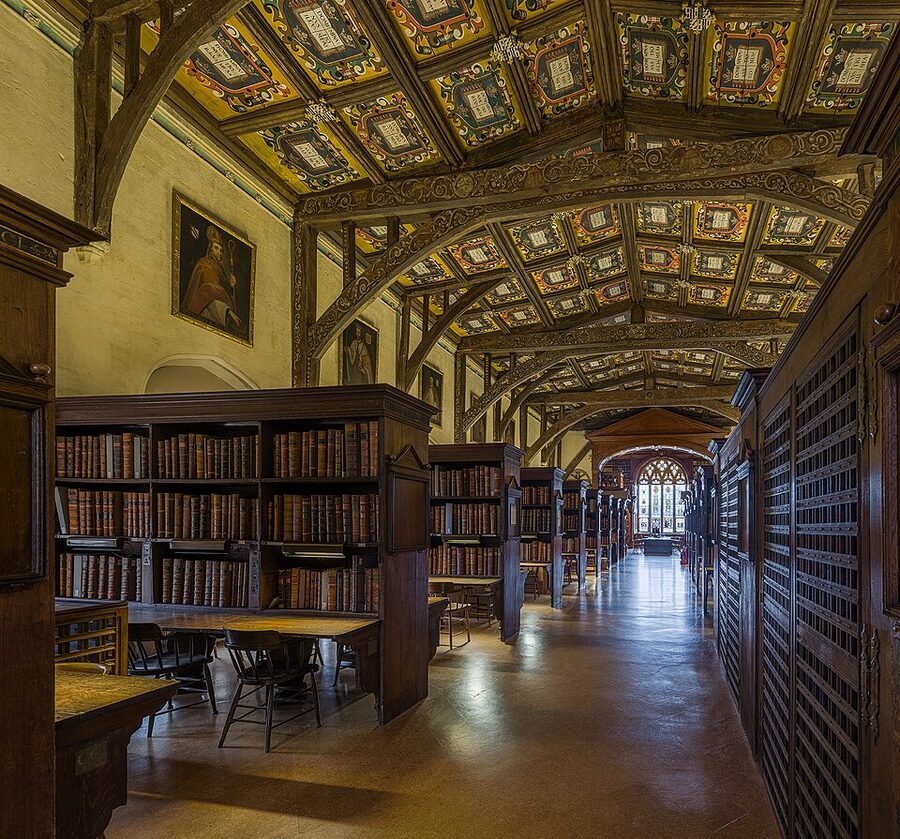
The college system is the key concept. Oxford isn’t a single campus. It’s 38 self-governing colleges scattered across the city, each with its own quads, chapel, hall, library, and student accommodation. Students belong to a college first and the university second. This structure dates to the 1200s and was copied by Cambridge, then later by every major Anglo-American research university.
You can only enter a few colleges as a tourist. Christ Church (£15-£20), Magdalen (£8), New College (£8), Trinity (£3), and Lincoln (free) are the main visitor-friendly ones. Most others are closed to tourists or open only at specific hours. The colleges visible from the street (especially around Radcliffe Square) are not generally open inside.
The Bodleian is one of six legal-deposit libraries in the UK. That means it gets a copy of every book published in Britain and Ireland. The collection is around 13 million printed items plus 8 million pamphlets and around 1 million digital titles. Some of the manuscripts predate the Norman Conquest. You won’t see any of those on a 30-minute tour, but understanding the scale matters when you stand in the Old Schools Quadrangle.
Harry Potter filming locations are scattered across town. Christ Church Hall inspired the Great Hall (the films built a copy at Leavesden, but the inspiration is here). The Divinity School at the Bodleian appears as the Hogwarts infirmary. The cloisters at New College feature in Goblet of Fire. None of these are on a standard coach itinerary; you’d need a dedicated Harry Potter walking tour to see them properly. The actual film studio set is covered in our Warner Bros Studio Tour guide.
The pubs matter. Tolkien and C.S. Lewis met regularly at The Eagle and Child on St Giles’ (closed for refurbishment, reopening 2026). Bill Clinton famously did not inhale at the Turf Tavern down a back alley off Holywell Street. The Lamb and Flag operated as a pub-bookshop hybrid for centuries. None of these are on coach itineraries either. If literary Oxford is the priority, our alternative-operator Oxford route sometimes builds in slightly more walking time near the Bodleian.
Windsor in More Detail
Windsor Castle is the longest-occupied castle in Europe and the oldest royal residence in continuous use. Most visitors don’t realise how unusual that combination is.
The State Apartments are still working rooms. They’re not museum spaces. They’re used by the King for state banquets, investitures, and official functions. The Waterloo Chamber, the Garter Throne Room, and the State Dining Room all see regular royal use. When the King is in residence (the Royal Standard flies above the Round Tower), some apartments may be closed.
St George’s Chapel is the burial site for ten monarchs. Henry VIII (and Jane Seymour), Charles I, Edward VII, George V, George VI, Edward IV, and most recently Queen Elizabeth II and Prince Philip in 2022. The royal vault below the chapel has held some of these, others are in side chapels. The King’s Chapel is reserved for monarchs only.
The Round Tower contains the Royal Archives. Not open to the public. The archives go back to the 12th century and house letters, treaties, and government documents from every monarch since Henry I. Researchers can apply for access but tourists never see inside.
The Long Walk runs three miles south of the castle. A tree-lined avenue ending at the Copper Horse statue of George III on Snow Hill. The classic photo of the castle from the front is taken from this walk. Coach tours don’t include time for it. If you want the shot, you’d need to spend a separate half-day in Windsor.
Windsor, Oxford and Stonehenge: Worth the Day?
Short verdict: yes, with caveats.
If you have one free day in London and want to maximise iconic British sites per hour, this is one of the most efficient day trips on the market. Three places that would otherwise need three separate trips, packed into 11 hours of coach travel. The flagship Evan Evans tour does it well. The price (around $120) is fair for what’s included.
The caveats: 11 hours is a long day. You won’t get deep time at any single stop. Oxford is the one that suffers most. If you’re someone who likes to wander and discover, this tour will frustrate you. It’s optimised for ticking boxes, not exploring.
Better alternative if you have two days: do Windsor as a half-day from London (it’s only 25 miles, easy DIY by train from Waterloo), do Oxford as a full day (also easy by train from Paddington), and slot Stonehenge into the Stonehenge plus Bath day trip with the time you save.
For other London-based day trip routes worth considering, our Madrid two-stop day trip guide shows how a similar three-stop format works in Spain (Toledo and Segovia from Madrid is the closest European parallel), and the Lisbon Sintra day trip is the Portuguese equivalent of a half-day from a capital. The Madrid three-cities tour covers the same logistical territory if you’re heading to Spain next.
Around This Trip
If you’re staying in London and trying to fit other day trips around this one, the natural pair is the Bath route. Doing both gives you Roman plus Georgian on one day and medieval plus academic on another. The full Stonehenge, Windsor and Bath sibling guide covers that combination, and the two-stop Stonehenge and Bath version is the lighter option if you’ve already done Windsor. For something completely different, our St Paul’s Cathedral guide covers the Christopher Wren landmark that ties together the Windsor expansion era and Oxford’s Sheldonian Theatre, and the Warner Bros Studio Tour guide is the obvious pick if Christ Church Hall left you wanting more Harry Potter.