
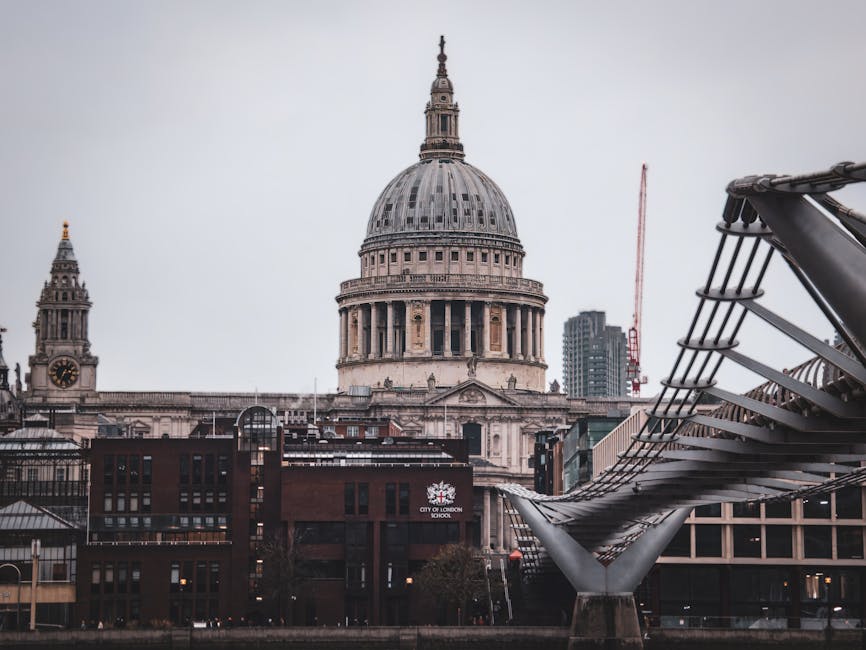
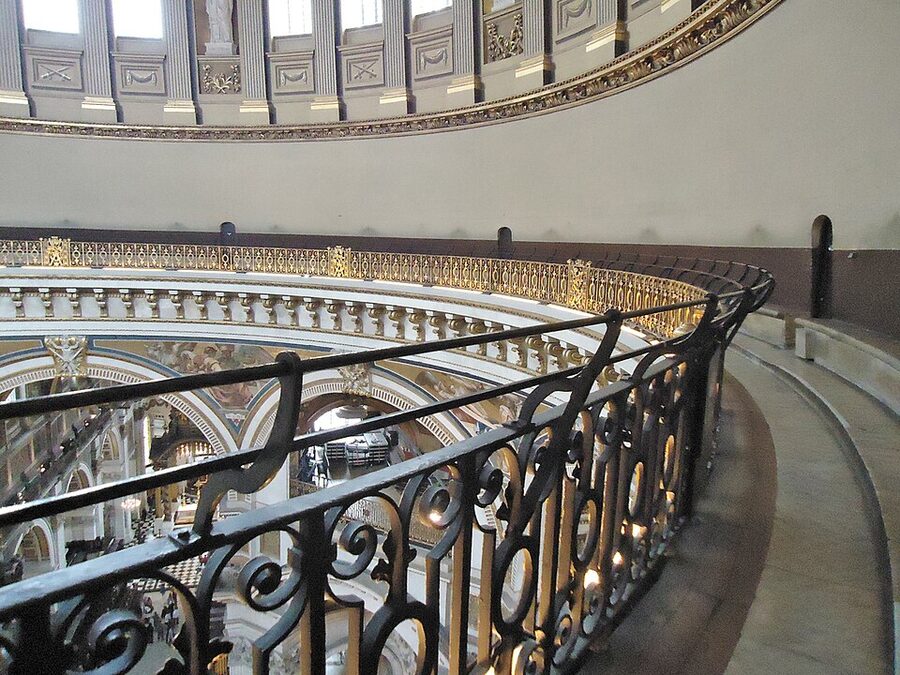
Halfway up the dome of St Paul’s, you reach a curved stone gallery that runs around a perfect circle 30 metres across. Put your mouth a few inches from the wall, whisper something deeply embarrassing, and a friend on the other side will hear it clearly. The sound surfs the concave surface of the dome and arrives the long way round, more than 100 feet away. People who don’t believe it ahead of time go very quiet when it works, then start whispering things they probably shouldn’t.
St Paul’s has been doing this trick since 1710, when Christopher Wren finished it after rebuilding from the ashes of the Great Fire. It’s also where Nelson is buried, where Charles and Diana got married, and where the climb to the top of the dome takes 528 steps and rewards you with the City of London opening up below. The tickets, though, are a small puzzle.
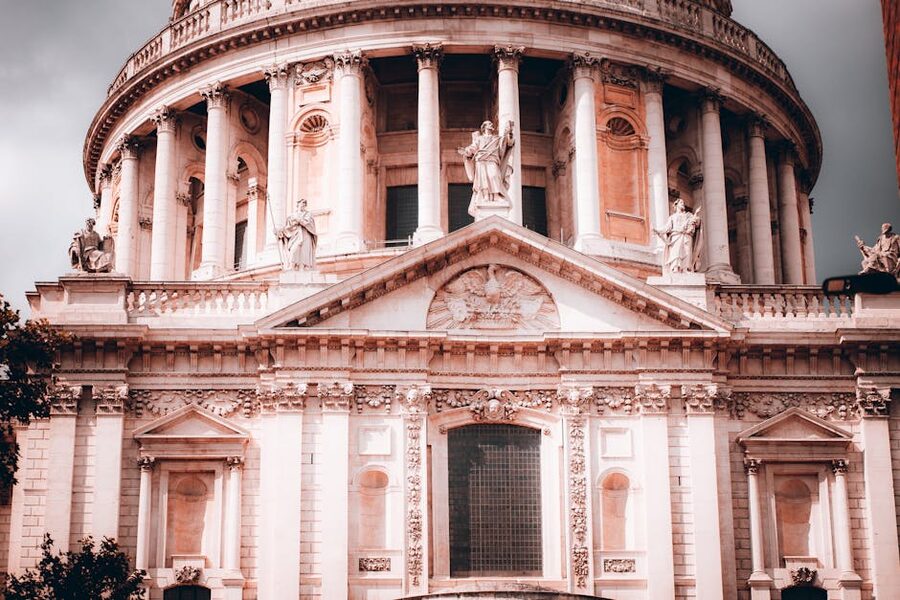
I’ve climbed to the Golden Gallery on a bright June morning, sat through Evensong on a wet Tuesday, and once tried the combo ticket that bundles the cathedral with the London Eye and the Tower of London. The ticket you pick changes the day more than you’d think. Below is what each option actually buys, the three I’d book first, and the practical bits the official site buries.
- In a Hurry? My Three Picks
- Skip-the-Line St Paul’s Cathedral Entry: about
- Total London Experience: London Eye + Tower + St Paul’s: about 0
- St Paul’s + Westminster Walking Tour: about
- What You’re Actually Buying
- The Ticket Options, Plain English
- The Climb: 528 Steps to the Top
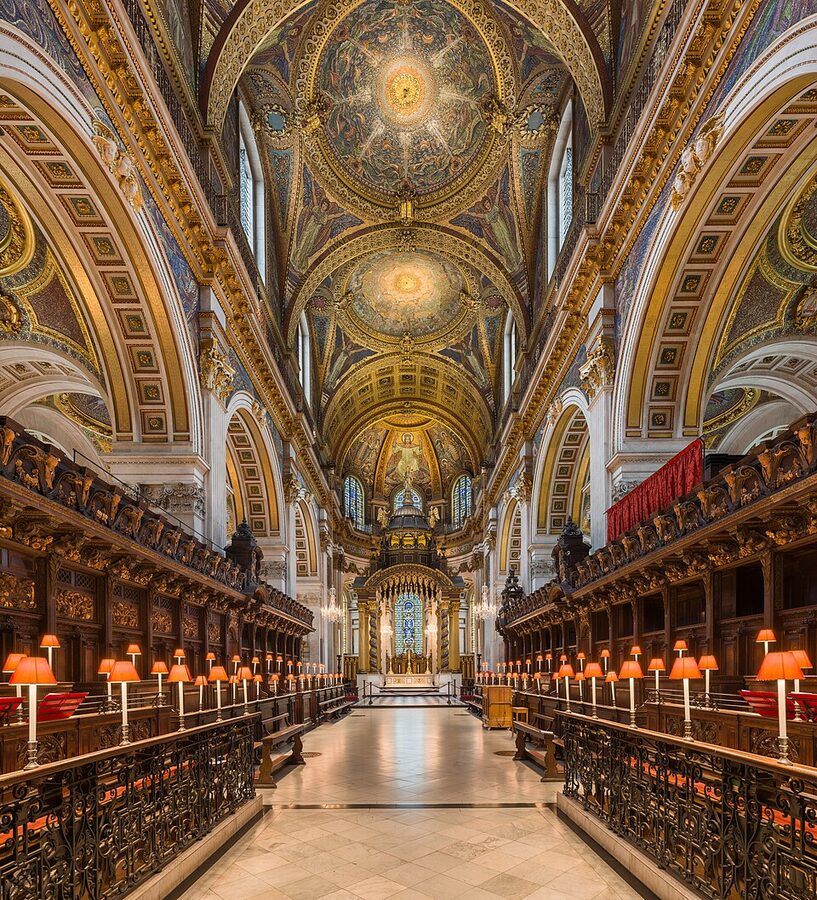
- Why It Looks the Way It Does
- The Famous Funerals and a Wedding
- The Crypt
- Best Time to Go
- Three Tickets in Detail
- 1. Skip-the-Line St Paul’s Cathedral Entry: about
- 2. Total London Experience (Eye + Tower + St Paul’s): about 0
- 3. St Paul’s + Westminster Walking Tour: about
- Getting There
- What Else to See in the Hour Around It
- Practical Bits Worth Knowing
- How It Compares to Other Great Cathedrals
- Day Trips That Pair Well
- If This Is Your First Time
- More London From the City
In a Hurry? My Three Picks
Skip-the-Line St Paul’s Cathedral Entry: about $36
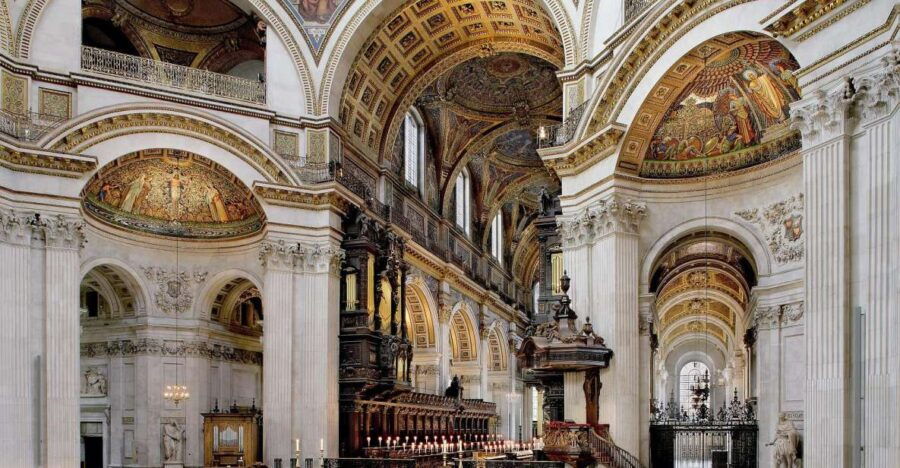
The flagship GetYourGuide ticket. Skip-the-line entry, multimedia guide, full access to the cathedral floor, the crypt, the Whispering Gallery, the Stone Gallery, and the Golden Gallery. The most-booked St Paul’s ticket on the market by a long way.
Total London Experience: London Eye + Tower + St Paul’s: about $200
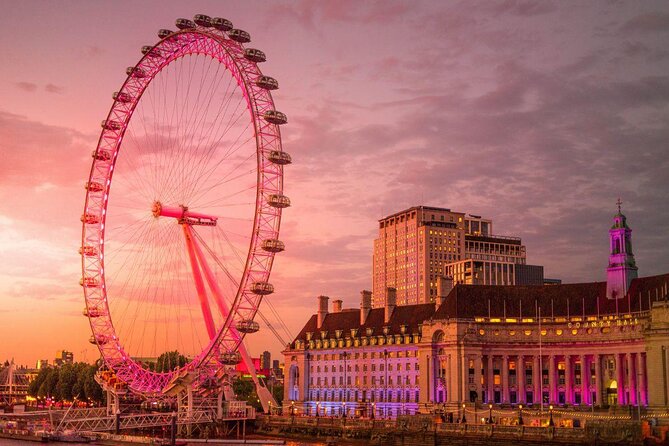
One full day, three big-ticket sites, plus the Changing of the Guard, a Thames cruise, and skip-the-line at the Tower. Pricey, but it crams the headline London hits into one transport-and-guide bundle if you only have a single day.
St Paul’s + Westminster Walking Tour: about $50
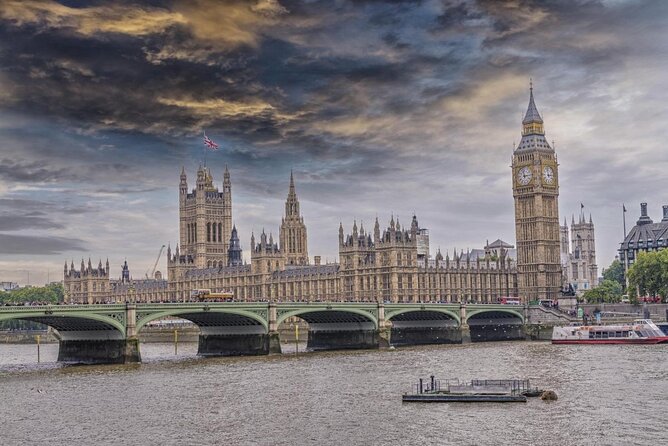
Three-hour guided walk linking Westminster, Whitehall, Trafalgar Square, and the City, ending inside St Paul’s with entry included. Best history-density per pound on this list if you’d rather have a guide than a multimedia handset.
What You’re Actually Buying
Here’s what trips first-timers up. St Paul’s isn’t free like the National Gallery or the British Museum. It’s a working Anglican cathedral, the seat of the Bishop of London, and tourist tickets fund the upkeep. The government doesn’t pay a penny.
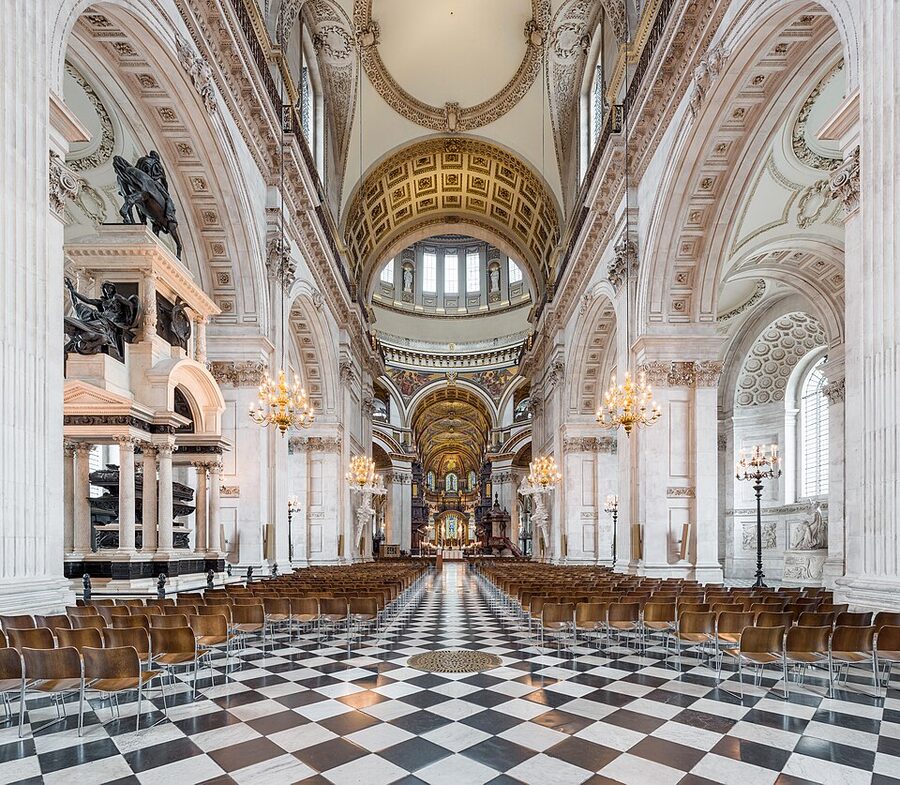
A standard sightseeing ticket gets you the cathedral floor, the crypt, all three dome galleries, and the multimedia guide. Worship is always free. If you turn up for Evensong (5pm Monday to Friday, 3.15pm weekends) you walk in without paying, but you can’t sightsee, and the dome galleries close to the public during services.
That distinction matters. Some readers come back annoyed because they “got in for free” at 4.45pm and didn’t see the crypt or climb the stairs. They didn’t. They went to a service. Two different things.
The Ticket Options, Plain English
Standard sightseeing ticket (about $30 to $36). The default. Buy from the cathedral, GetYourGuide, or Viator. Includes the multimedia guide. Skip-the-line through GetYourGuide saves you a queue on summer Saturdays, which can run 30 to 40 minutes from Ludgate Hill back round to the side door.
Guided tour add-on. The cathedral runs free 90-minute guided tours roughly four times a day for ticket holders. You don’t pre-book these, you turn up at the welcome desk and ask which slot is next. Worth it if your reading of plaques is rusty. The official site doesn’t shout about this and the queues are usually short.
Combo with London Eye + Tower of London. The Total London Experience tour bundles all three with transport, lunch, and a Thames cruise. You’re paying a premium for logistics. If you’re already doing the Eye and the Tower of London on a tight day, the maths can work. If you have two or three days, book each separately and walk between them.
Westminster walking tour with entry. Roughly three hours on foot, ending inside St Paul’s. Pairs the Wren cathedral with Westminster Abbey’s medieval gravity in one stretch. Pick this if you want a person, not an audio device.
Free Evensong. Not a ticket. A service. Beautiful, especially when the cathedral choir sings, but you’re seated in the quire and can’t wander.
The Climb: 528 Steps to the Top
This is the bit most ticket guides understate. There are three galleries up the dome, and the climb gets harder as you go.
Whispering Gallery (259 steps). The first stop, just under 30 metres up. You exit a wooden staircase into a curved gallery that wraps around the dome’s interior. This is where the acoustic trick happens. Find a spot opposite a friend, put your face an inch or two from the wall, and whisper. Don’t shout, that breaks the effect. Your voice tracks the curve and arrives across the void clean enough to make out actual words. It works because the dome’s inner surface is a near-perfect concave hemisphere, so sound waves bounce around the rim instead of crossing it.
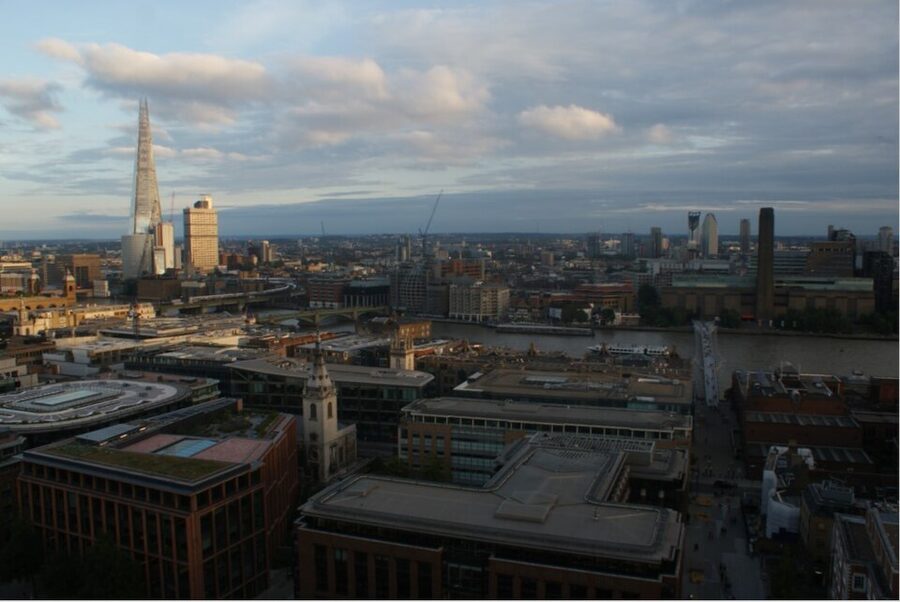
Stone Gallery (376 steps). Outside, halfway up. First taste of City views. You’re roughly 50 metres above ground, which is high enough to see the Shard, the Walkie-Talkie, the Gherkin, and on a clear day all the way out to Hampstead Heath. The gallery is open-air with stone balustrades and railings, fine for any reasonable fitness level, no scary drops.
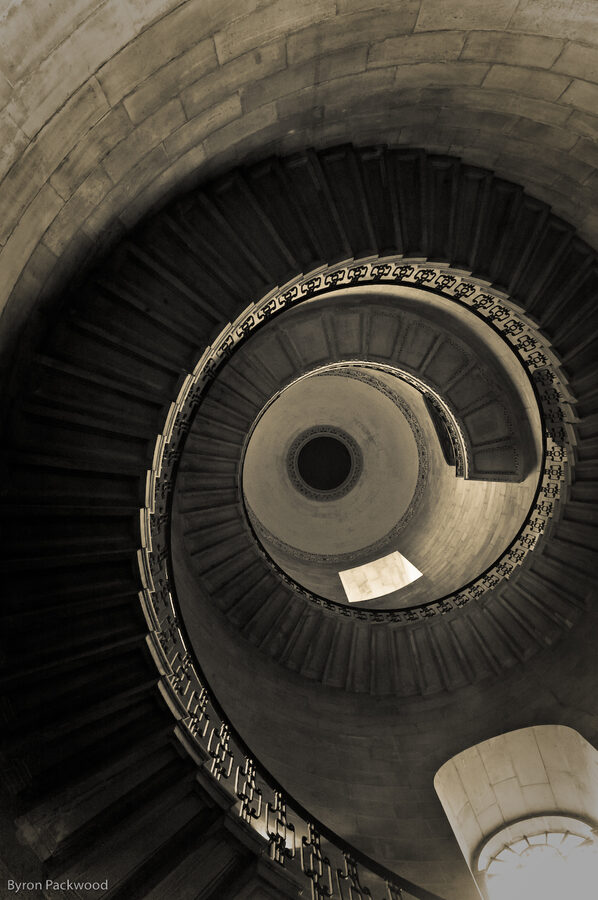
Golden Gallery (528 steps). The top. 85 metres up, just under the cross. The climb between Stone and Golden is the hardest part of the day, narrow stairs, wrought iron, vertigo if you don’t like heights. The reward is a 360-degree view from the highest publicly accessible point in central London. On a clear morning you can see all the way to the Wembley arch.
One thing to know. The dome closes to climbing in bad weather. Strong wind, electrical storms, ice on the steps, and the upper galleries shut. You still get the Whispering Gallery and the cathedral floor, but the outdoor galleries can be off the menu without warning. Check the weather the morning of, not the day before.
Why It Looks the Way It Does
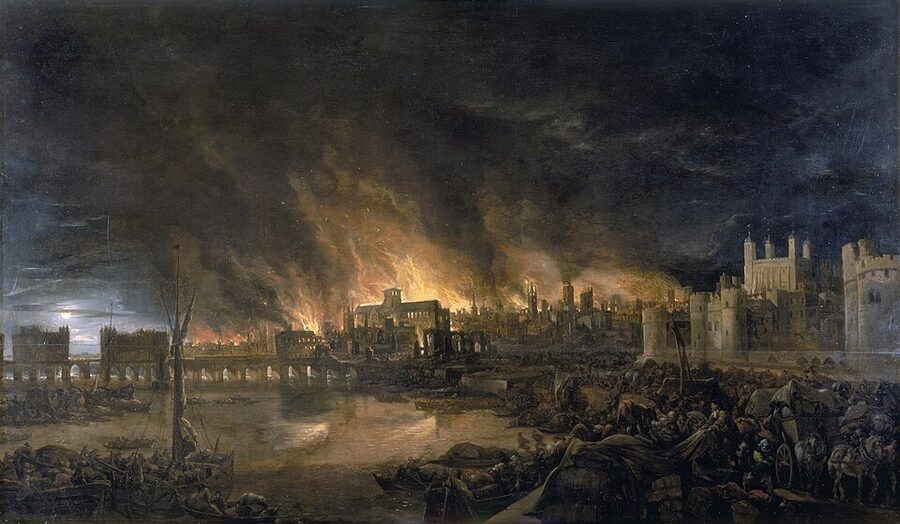
The Old St Paul’s, medieval and gothic with a wooden spire taller than anything in England, burned down in the Great Fire of London in September 1666. Wren had already drawn up plans for renovating the old building. Now he had the chance to design a new one from scratch.
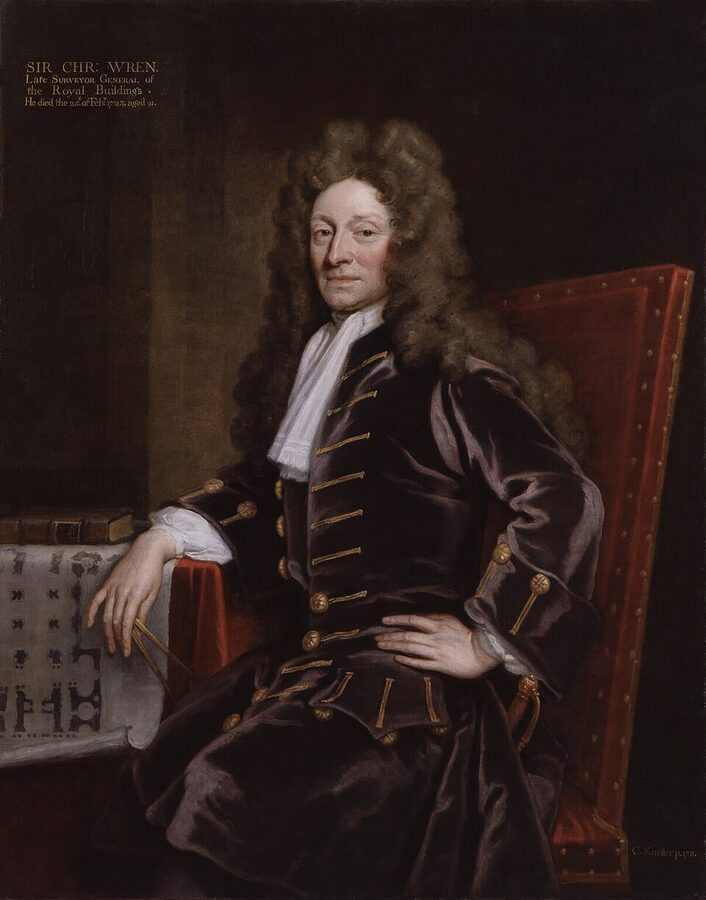
What he built took 35 years. The current building rose between 1675 and 1710. Wren was 78 when it was finished and lived another 13 years to see his crowd of churches reshape the city. He’s buried in the crypt under a slab that reads, in Latin, si monumentum requiris circumspice, “if you seek his monument, look around you.” It’s possibly the best epitaph any architect has ever had.
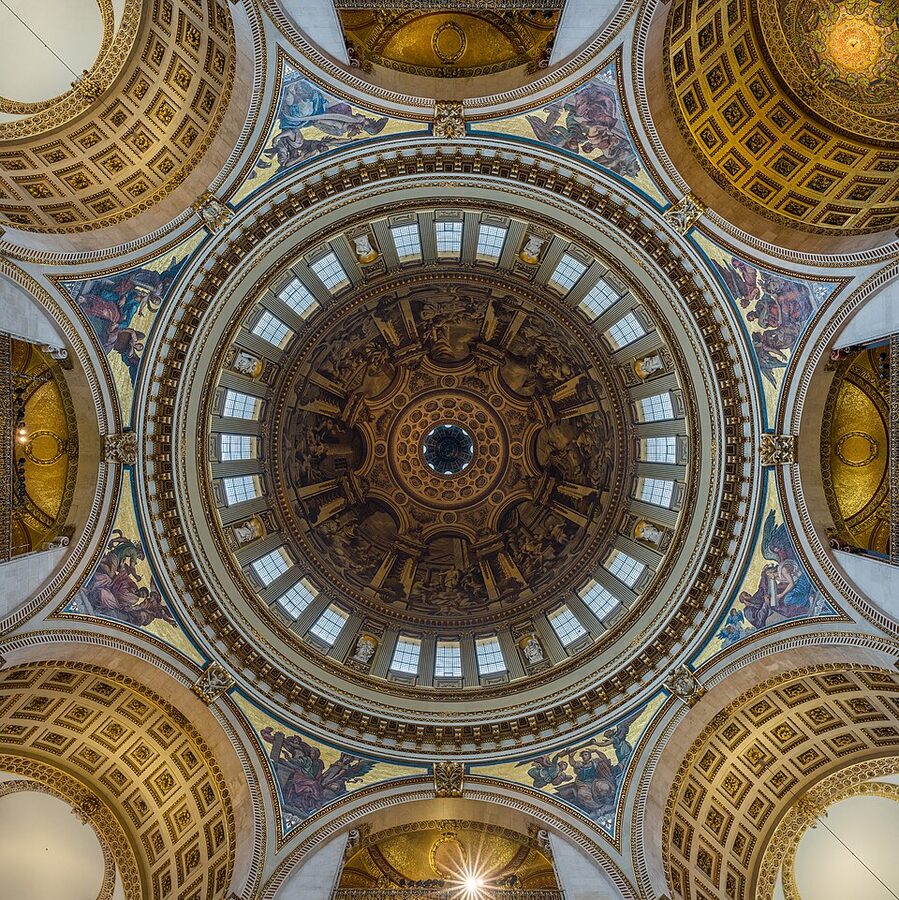
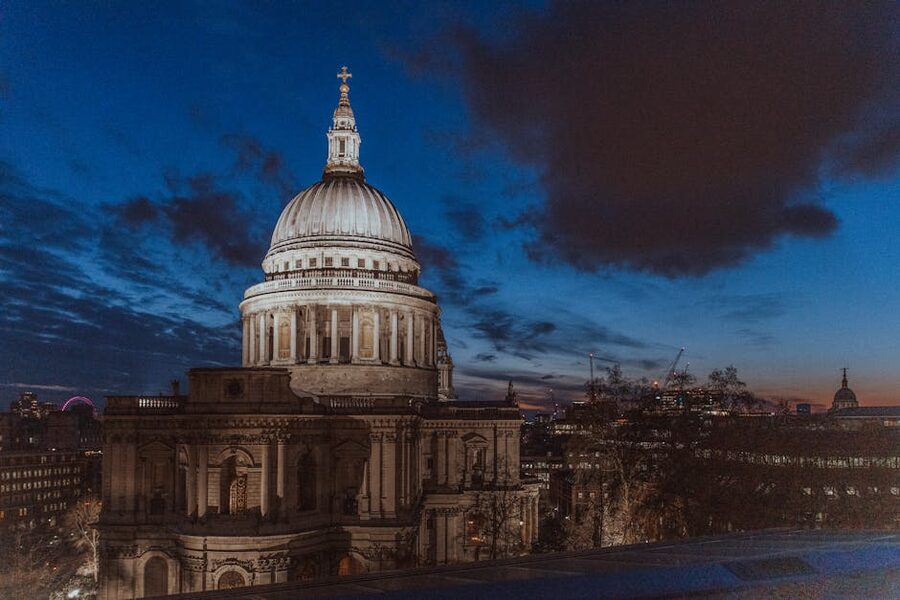
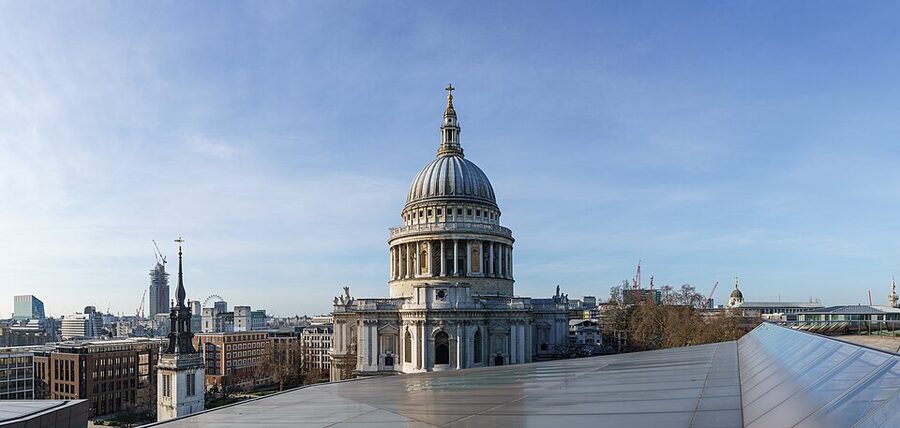
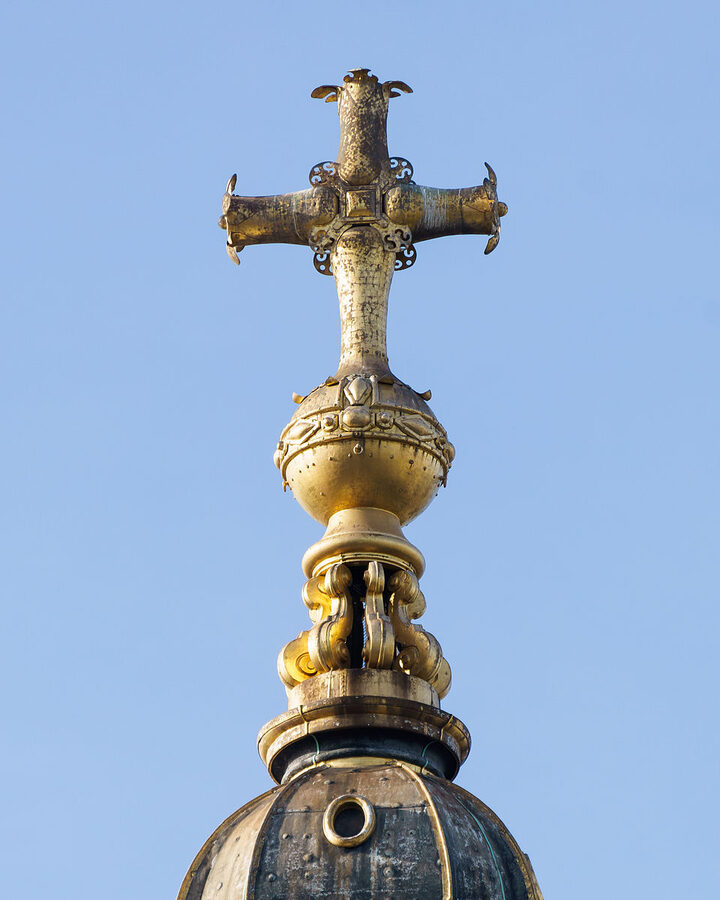
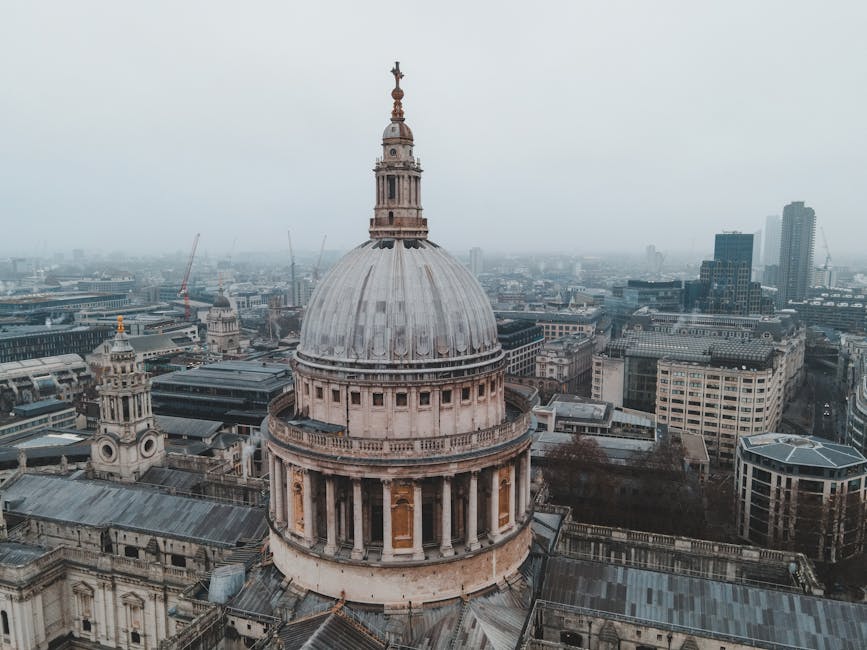
The dome is the architectural showpiece. At 111 metres to the top of the cross it was the tallest building in London until the Post Office Tower in 1962. The triple-shell engineering is what makes the Whispering Gallery possible. Sound from the inner dome curves along the inner shell because the geometry is almost perfectly hemispheric.
The Famous Funerals and a Wedding
St Paul’s has been the venue for the British state’s biggest set-piece moments for two centuries.
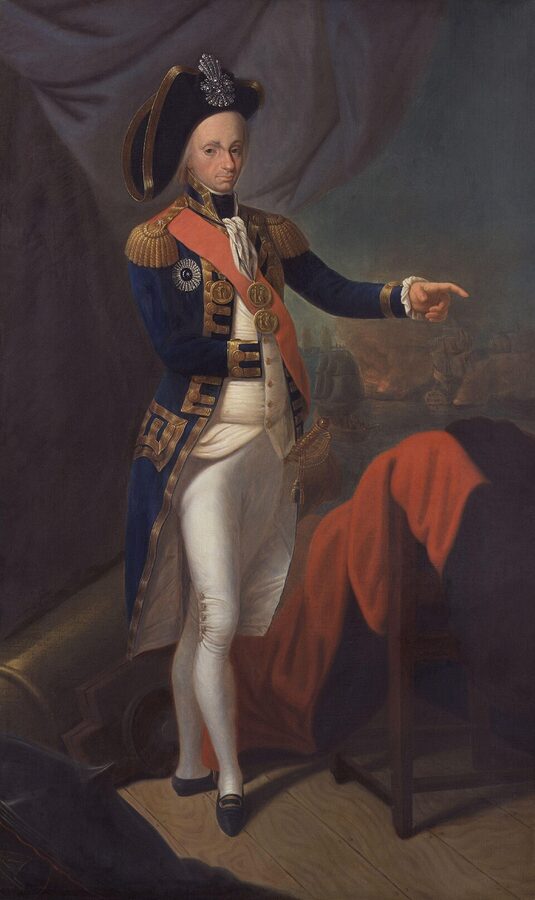
Lord Nelson’s funeral, 1805. Killed at Trafalgar in October, his body was brought back in a barrel of brandy, transferred at Greenwich, taken up the Thames in a state barge, and buried in the crypt directly under the dome. His sarcophagus was originally carved for Cardinal Wolsey 270 years earlier and never used. George III handed it down. You walk past it in the crypt without realising what it is unless you read the panel.
Wellington, 1852. The Duke of Wellington, victor at Waterloo, got the largest funeral procession London had ever seen. His vast tomb is in the crypt next to Nelson’s, with a bronze effigy on top.
Churchill, 1965. Three days of state lying-in-state at Westminster Hall, then a service at St Paul’s broadcast live around the world. The dockers of the Pool of London famously dipped their cranes as his coffin passed by river. Churchill himself isn’t buried here, he’s in Bladon, near Blenheim.
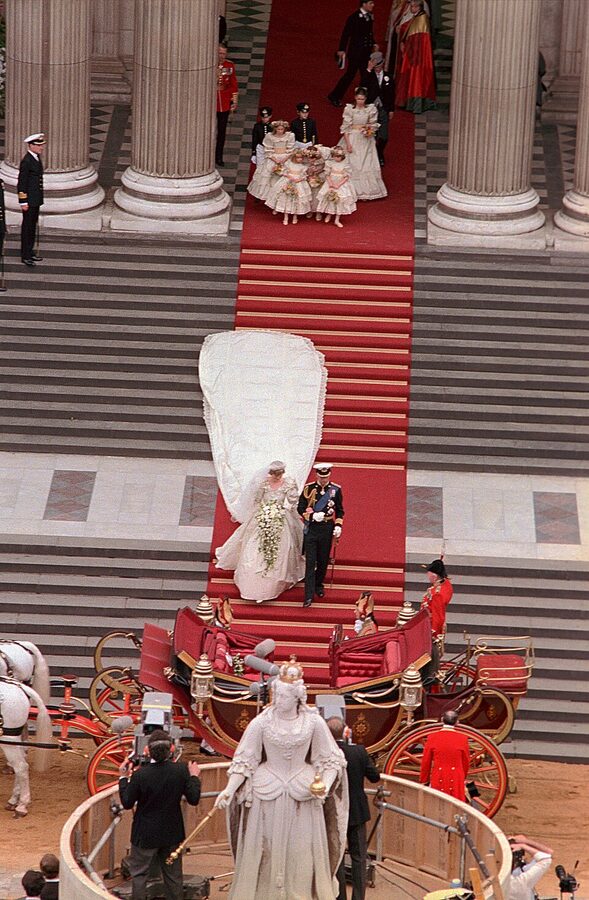
Charles and Diana, 1981. The wedding. Some 750 million people watched it on television. Diana’s train was 25 feet long, the longest in royal wedding history, and there’s a famous photograph of it crumpled in the carriage on the way over because the carriage was too small to lay it flat. It’s the only royal wedding of the modern era held at St Paul’s rather than Westminster Abbey, partly to fit the guest list.
2001 9/11 memorial service. Four days after the attacks, the Queen attended a service at St Paul’s for the British and American victims. It was the first time the US national anthem had ever been played at the changing of the guard at Buckingham Palace, the same day. The cathedral became, for one afternoon, an extension of grieving New York.
The Crypt
Don’t skip the crypt. Most people charge up to the dome and forget about it, then run out of time and exit through the gift shop without ever going down. It’s the largest crypt in Europe and probably the most surprising part of the visit.
You enter from a doorway in the south transept. The atmosphere changes immediately, low brick vaults, dim lighting, a coffee shop tucked into one side. Wren is buried in a small chamber on the right. Nelson’s enormous black sarcophagus sits centre stage under the dome. Wellington’s is the brass-and-stone monster across from it. There are also memorials to artists who never lived to see them: Turner, Reynolds, Constable. And Florence Nightingale. And a rather grand stone for the Duke of Wellington’s horse, Copenhagen, which I find more touching than half the human ones.
Allow 30 minutes minimum down there. The OBE chapel for the Order of the British Empire is at the east end and is genuinely beautiful, art deco brass and gold leaf installed in 1960.
Best Time to Go
The cathedral is open Monday to Saturday, 8.30am to 4.30pm last entry, with a heavy summer queue and a thin January queue. Closed Sundays for worship.
First slot of the day, 8.30am. By far the quietest. The dome galleries open with the cathedral, so you can climb before any tour groups arrive. By 10.30 there are coach groups on Ludgate Hill.
Late afternoon, 3pm. Second-best window. Most morning groups have left, the light through the south windows is good, and you can take your time on the climb. Just keep an eye on the 4pm last-entry-to-the-galleries cutoff, after which the climb is closed.
January and February. Cheapest queues, lowest crowds. London weather is grim but you’ll have the Whispering Gallery practically to yourself, which makes the acoustic trick about ten times more atmospheric.
Avoid: Saturdays in July and August, public holidays, and any day a state funeral or wedding is rumoured.
Three Tickets in Detail
The shortlist again, with the longer take on each.
1. Skip-the-Line St Paul’s Cathedral Entry: about $36
This is the one to book if you only do one thing. Skip-the-line saves you the queue, the multimedia guide is the same handset you’d get at the door, and the access is full: cathedral, crypt, all three dome galleries. Read our take on the St Paul’s Cathedral entry ticket for the small print on group sizes and cancellation. Cancellation is free up to 24 hours before, which is more flexible than the cathedral’s own desk.
2. Total London Experience (Eye + Tower + St Paul’s): about $200
If you have one day in London, this gets you onto the Eye, into the Tower with skip-the-line at the Crown Jewels, past Buckingham Palace for the Changing of the Guard, on a Thames cruise, and inside St Paul’s, in that order. Long day, lots of bus, but it does the headline tick-list for first-timers. Our Total London Experience review walks through who actually fits this, and who would be better off booking each separately. Probably not the best per-pound on this list, but the best logistics.
3. St Paul’s + Westminster Walking Tour: about $50
The pick if you want a person, not an audio device. You start near Westminster Abbey, walk through Whitehall, Trafalgar Square, and Fleet Street, and end inside St Paul’s with the cathedral entry already in hand. Our St Paul’s + Westminster walking tour review covers what the guide actually points out and the typical pace. Good for a half day if you don’t want to charge through it solo.
Getting There
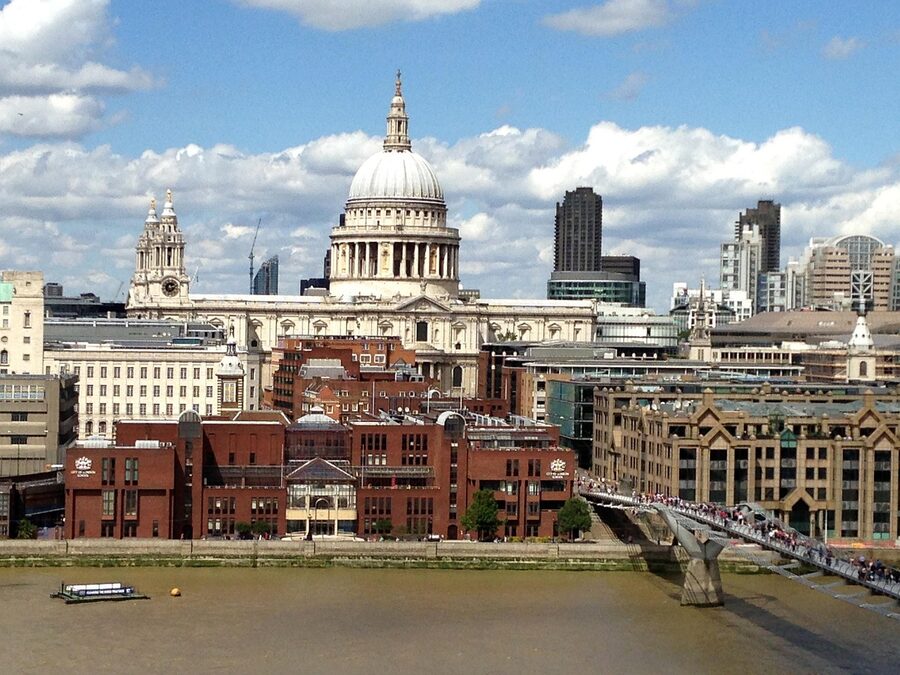
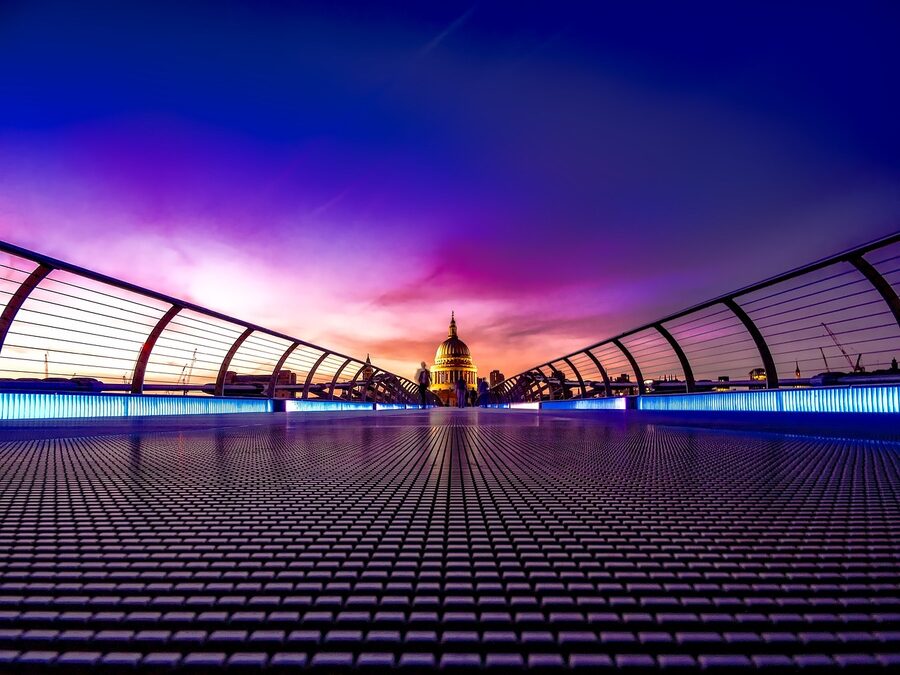
The closest tube station is St Paul’s on the Central Line, which exits directly onto the cathedral steps. Mansion House on the District and Circle Lines is a five-minute walk south, useful if you’re coming from the Tower of London via Bank. Blackfriars on the Thameslink and District is also a five-minute walk, with the bonus of giving you the Millennium Bridge approach.
Buses 4, 11, 15, 25, 26, 56, 76, 100, 172, 521 all stop on or near Ludgate Hill. The 11 from Liverpool Street is the route to take if you want to do the open-top, see-the-City circuit, similar to the hop-on-hop-off bus but for the price of a single Oyster tap.
By Thames Clipper, get off at Blackfriars Pier and walk up. Combine with a Thames cruise from Westminster on the way down and you’ve ticked the river before lunch.
What Else to See in the Hour Around It
St Paul’s sits on Ludgate Hill in the City, the original square mile of London. There’s plenty within a 10-minute walk.
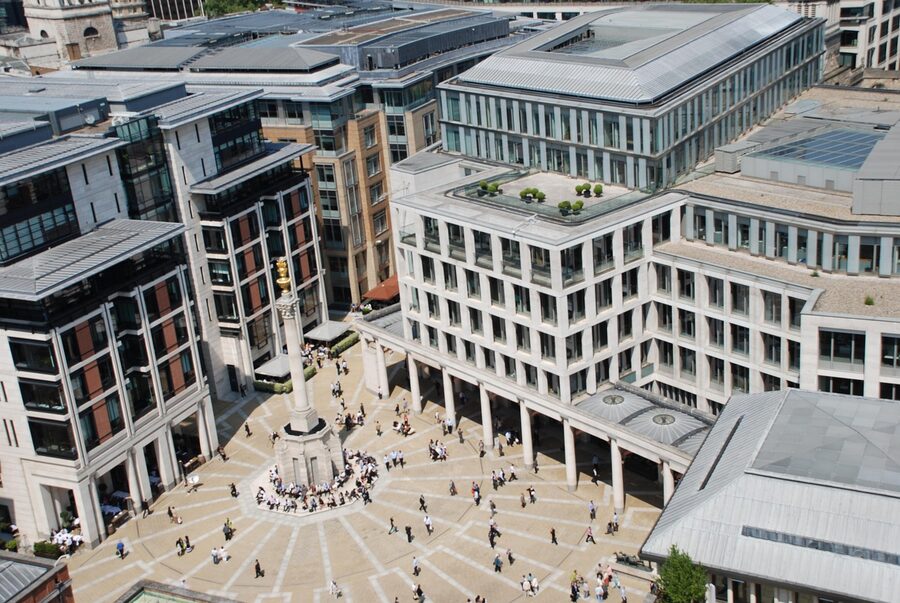
Paternoster Square. Just behind the cathedral, modern stone-and-glass redevelopment with the London Stock Exchange on one side and Temple Bar gateway, originally Wren’s, moved here from Fleet Street in 2004. Coffee, lunches, decent enough.
Bank of England Museum. Free, ten minutes east. Worth 45 minutes for the gold bar you can lift. Combines well with St Paul’s for a banking-and-cathedrals City morning.
Museum of London (now London Museum). Moving to the old Smithfield Market site for late 2026 reopening. Until then, the Docklands branch covers the Thames trade story. Free.
Walk west to Fleet Street. Past the City’s historic pubs, including Ye Olde Cheshire Cheese where Dickens drank. From there it’s another ten minutes to Jack the Ripper territory if you want to keep walking.
Cross the Millennium Bridge to Tate Modern. Five minutes from cathedral steps to Tate doors. Free entry to the main collection, world-class modern art. Add the Shard and Borough Market on the same south-bank loop.
Practical Bits Worth Knowing
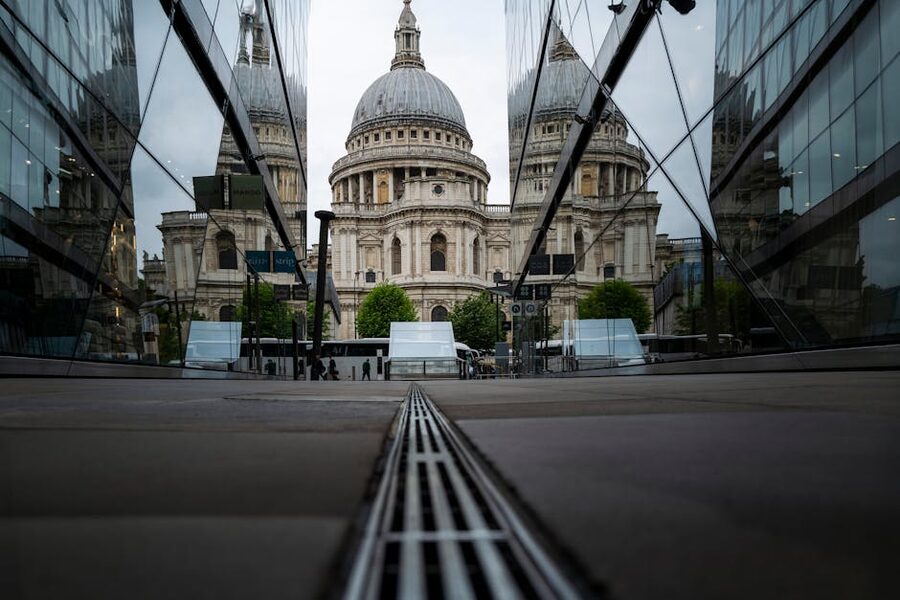
Bag policy: Reasonable-sized bags only. There’s no cloakroom inside, so leave your daypack at the hotel or use a station locker. Photography is allowed throughout the cathedral now (a recent change), but no flash, no video, and no tripods. Phones on silent inside, this is still a working church.
Step-free access: The cathedral floor is fully accessible via a side ramp at the south transept. The crypt is reachable by lift. The dome galleries are not accessible. There is no lift up the dome. The 528 steps are the only route, and they get narrow and steep above the Whispering Gallery.
Toilets and food: Toilets in the crypt and the Crypt Café for coffee and cake. Better lunch options at One New Change directly opposite, or Paternoster Chop House behind the cathedral for a proper sit-down with a cathedral view.
Audio guide languages: The multimedia handset has English, French, German, Italian, Spanish, Portuguese, Mandarin, Japanese, Korean, Russian, and Polish. Children’s version available, separate handset, ask at the welcome desk.
Combination passes: The London Pass and the London Explorer Pass both include St Paul’s. If you’re doing four or five paid attractions in a few days the pass usually pencils out. Cross-check the day rates against your shortlist before you buy. (For day-trippers planning a Stonehenge-and-Bath combo on top of London proper, our Stonehenge and Bath day trip guide covers the coach options.)
Schools and group rates: Children aged 6 to 17 pay roughly half the adult rate, under-6 are free. Family ticket bundles save a few pounds. Education group tickets go through the cathedral’s learning department, not GetYourGuide.
When to skip: If you’re in London for less than 36 hours and you’re not religious, historically inclined, or up for the climb, St Paul’s can be a hard sell. Walk past the west front, take the Millennium Bridge photo, and put the entry fee towards the Tower of London instead, where the Crown Jewels and the Yeoman storytelling give you more obvious payoff for a tight schedule.
How It Compares to Other Great Cathedrals
If you’ve already done the great Catholic cathedrals on the continent, St Paul’s is the English Protestant counter-statement. Seville Cathedral is the largest gothic cathedral in the world, all soaring nave and Columbus’s tomb and gold-encrusted altar. Cordoba’s Mezquita is a Moorish forest of red-and-white horseshoe arches with a Christian cathedral plonked into the middle. Lisbon’s Jeronimos Monastery is gothic-and-manueline, sea-themed stonework celebrating Portugal’s age of exploration.
St Paul’s is none of those. It’s English Baroque, deliberately classical, white Portland stone with a single great dome, built as a statement that London could match Rome and Paris on architectural ambition. If you’ve been to St Peter’s in Rome, you’ll feel echoes. Wren visited Paris in 1665 and saw Bernini’s drawings; the dome is in conversation with Michelangelo’s at St Peter’s, not a copy.
Pair St Paul’s with Westminster Abbey for the full medieval-vs-baroque London comparison. Half a day each, two tube stops apart, completely different architectural worlds.
Day Trips That Pair Well
St Paul’s takes about half a day done properly. The other half, depending on energy, can go a few ways. If you’ve still got morning to burn, a coach day trip out of London works neatly because you’re already in the centre. The Stonehenge and Bath day trip covers Neolithic stones and Roman thermae in one long bus loop. The bigger Stonehenge, Windsor and Bath day trip adds the Castle and runs about 11 hours door-to-door. Or swap Bath for Oxford with the Windsor, Oxford and Stonehenge tour for medieval colleges and Harry Potter filming locations.
None of those work the same day as the cathedral. They’re full-day excursions starting around 7.30am from Victoria. Plan St Paul’s for the day before or the day after, paired with something close like the Tower of London across the river or the Shard on the south bank.
If This Is Your First Time
Here’s the order I’d run a first visit. Arrive at 9am, climb the dome first while you’re fresh and the galleries are quiet. Whispering Gallery, then Stone, then Golden, allow 90 minutes for the round trip including pauses. Come down via the same staircase. Now you’re back on the cathedral floor by 10.30, the early coach groups are arriving, but you’ve already done the hard bit.
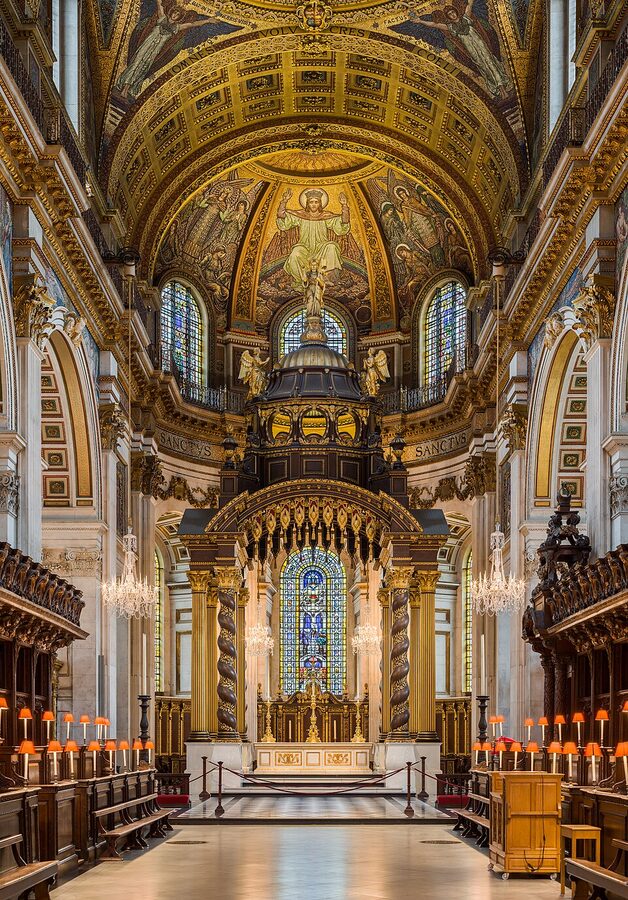
Walk the cathedral floor with the multimedia guide on. The choir, the high altar, the Wellington monument in the south transept, Holman Hunt’s Light of the World in the south aisle. Allow 60 minutes.
Last hour in the crypt. Wren’s chamber, Nelson’s sarcophagus, Wellington’s tomb, the OBE chapel, the artists’ corner with Turner and Reynolds. Coffee at the Crypt Café before you exit.
Out by lunchtime, fed, and you’ve still got the afternoon. That’s the right shape for a single visit. Trying to do St Paul’s in two hours late afternoon means you’ll skip either the dome or the crypt, and both are the parts worth showing up for.
More London From the City
If the cathedral has hooked you on Wren’s London, the natural next stops are Westminster Abbey for the medieval gothic counterpoint, the Tower of London for the Crown Jewels and a thousand years of state cruelty, and a Thames cruise from Westminster Pier to tie the geography together. For a long-day option out of the city, the Stonehenge and Bath combo is the classic pairing.