
You jog out of the players’ tunnel onto the Emirates pitch and the first thing your brain does is flinch upward. The seating bowl rises around you in three deep tiers, 60,704 red seats stacked into a near-perfect oval, all of them empty and all of them pointed at you. Then the audio guide cues a clip of crowd noise from the 2014 FA Cup run and the silence breaks, and you walk back through to the away dressing room where the bench is deliberately too narrow and the lockers face awkwardly inward, and the entire visit makes sense.
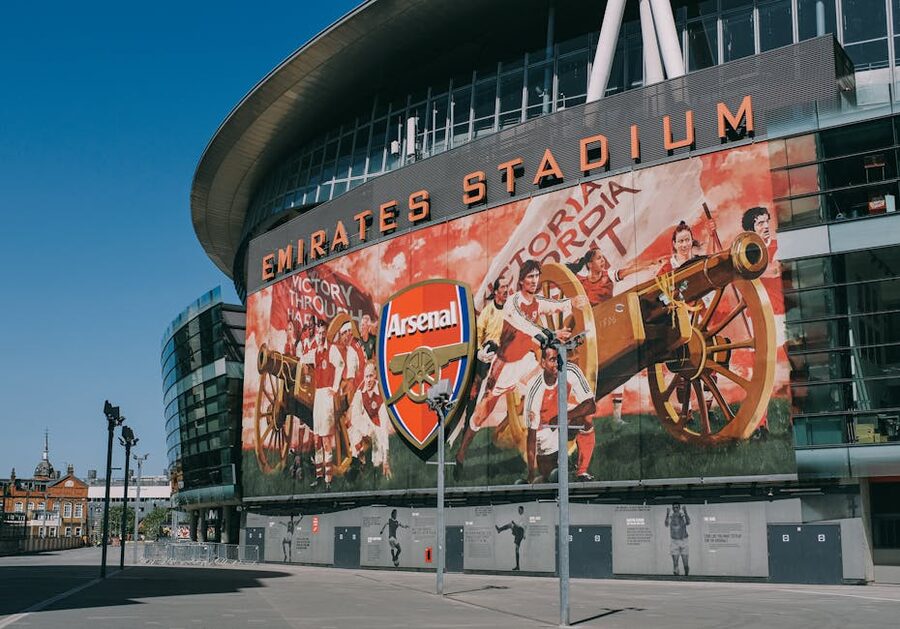
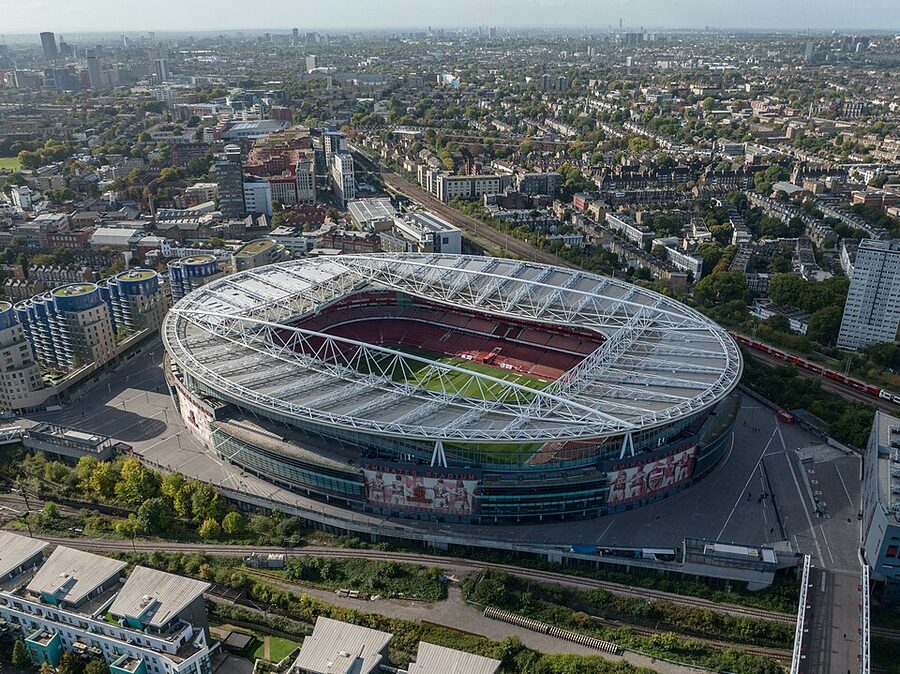
Arsenal moved here from Highbury in 2006, swapping a 38,000-seat Art Deco ground for what is now the Premier League’s fourth largest stadium behind Old Trafford, Tottenham, and the London Stadium. The tour costs about £30 for adults and £16 for kids, lasts roughly an hour, and runs Monday to Sunday on most non-matchdays. This guide covers what’s actually on the route, how to pick between the audio tour and the legends tour, when to book, and why the Arsenal Museum is the bit casual visitors keep underrating.
- Three quick picks
- What you actually walk past on the audio tour
- The Arsenal Museum is the bit you shouldn’t rush
- How tickets work and how much you’ll actually pay
- The Highbury legacy and why it still matters here
- Three picks if you’re booking now
- 1. London: Emirates Stadium Entry Ticket and Audio Guide: from £30
- 2. Emirates Stadium and Arsenal Museum Entrance Ticket Including Audio Guide: similar pricing
- 3. Arsenal Football Match at Emirates Stadium: market-priced
- Getting there, parking, and what to do nearby
- How the Emirates compares with the other big stadium tours in Europe
- Practical timing and what most visitors miss
- Where to head from here
Three quick picks
Best overall ticket: London: Emirates Stadium Entry Ticket and Audio Guide from £30. Self-paced audio tour of the dressing rooms, pitchside, players’ tunnel, manager’s tunnel, press room, directors’ box, and the full Arsenal Museum. Free cancellation 24 hours out.
Best alt with museum-first framing: Emirates Stadium and Arsenal Museum Entrance Ticket Including Audio Guide. Same audio, same route, booked through Viator with a slightly different cancellation window.
Best if you want the live thing: Arsenal Football Match at Emirates Stadium. Match tickets for the current Premier League season, sat in the home end with the genuine crowd. The tour covers the architecture; the match covers what the place was actually built for.
What you actually walk past on the audio tour
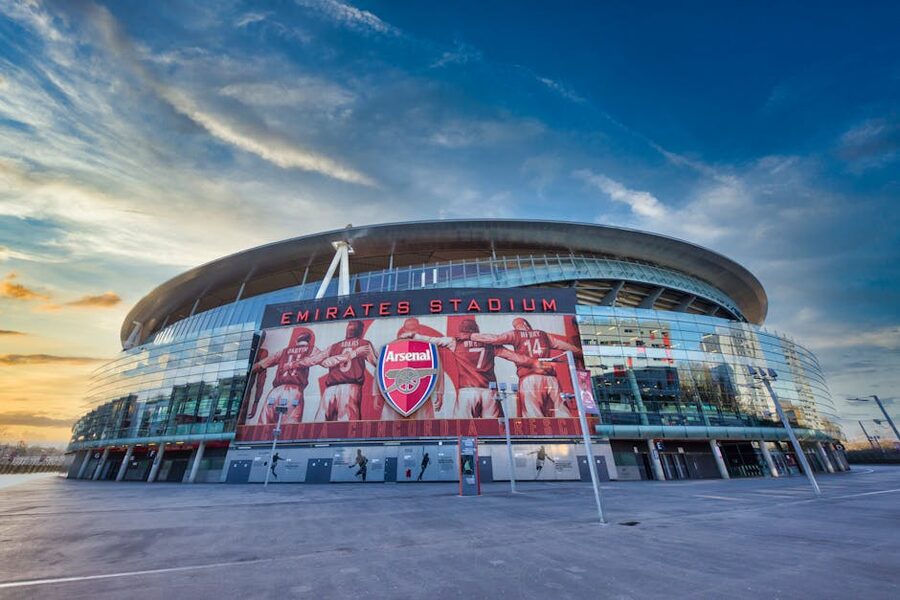
The audio tour starts in the directors’ entrance and runs roughly counterclockwise around the stadium concourse. You’re handed a Sennheiser audio device and a pair of headphones at the start; the audio is keyed to numbered points on the route and you control your own pace. The route covers the home dressing room first, then the players’ tunnel, then a pitch-side walk along the touchline, then the manager’s tunnel, then the press conference room, the directors’ box, and finally the Arsenal Museum. It’s the same route Arsenal players walk on a matchday, in roughly the same order.
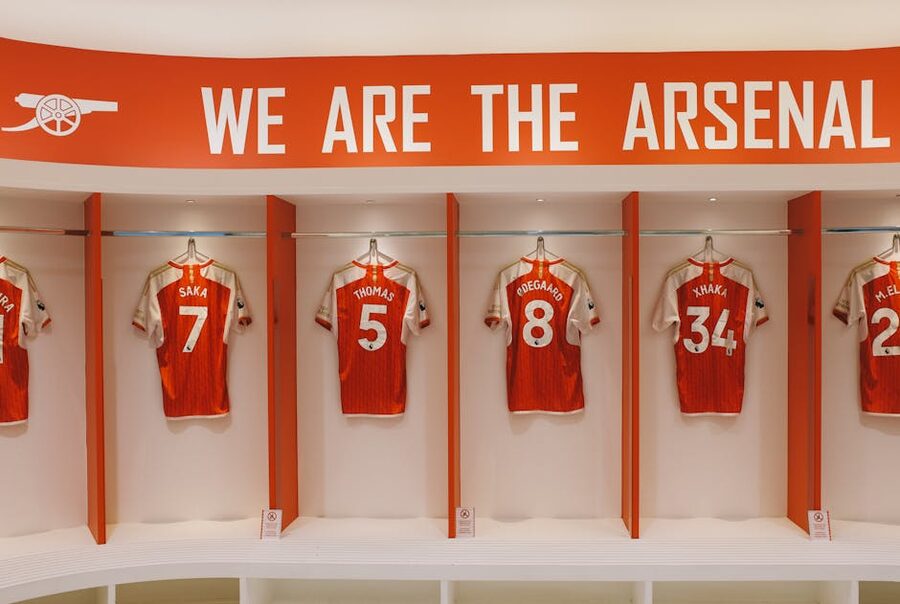
The home dressing room is the one most visitors photograph. Shirts hung up, manager’s whiteboard, ice baths visible through the door at the back. The audio guide narrates a clip of the team-talk before the 2014 FA Cup final at Wembley, which puts the room in some context if you’re not normally an Arsenal supporter. It’s a working dressing room: this is the one Saka, Saliba, Odegaard and the rest get changed in on matchday.
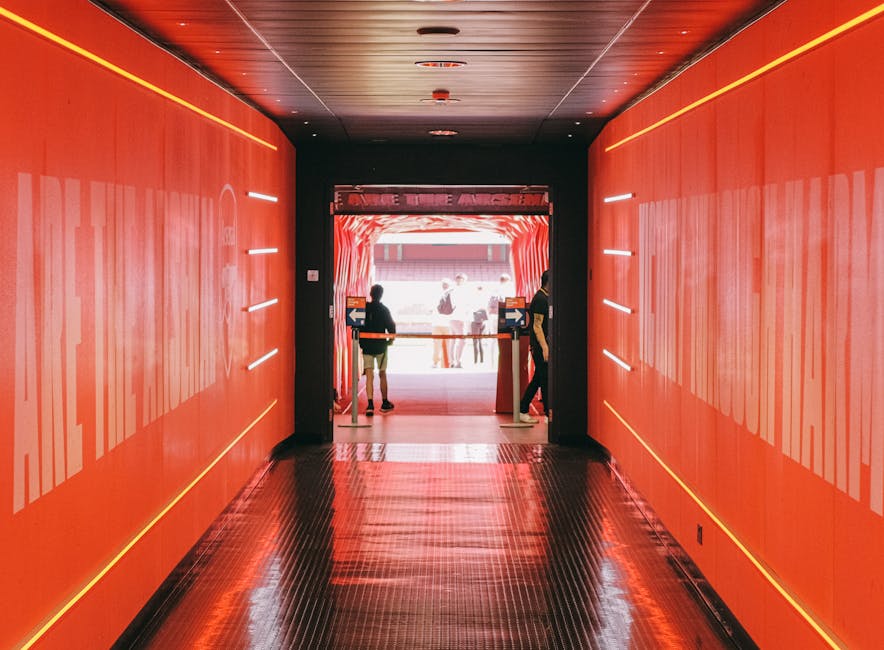
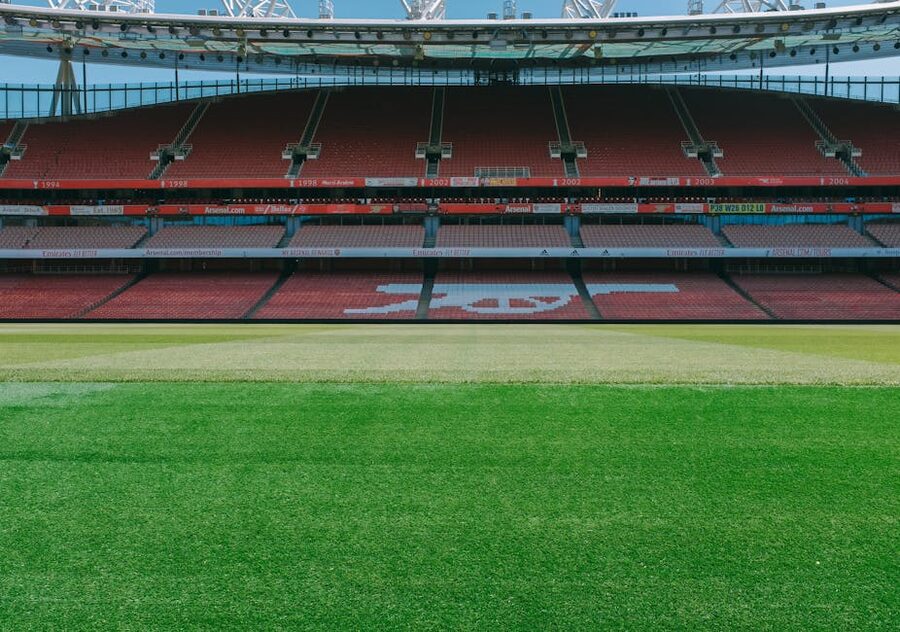
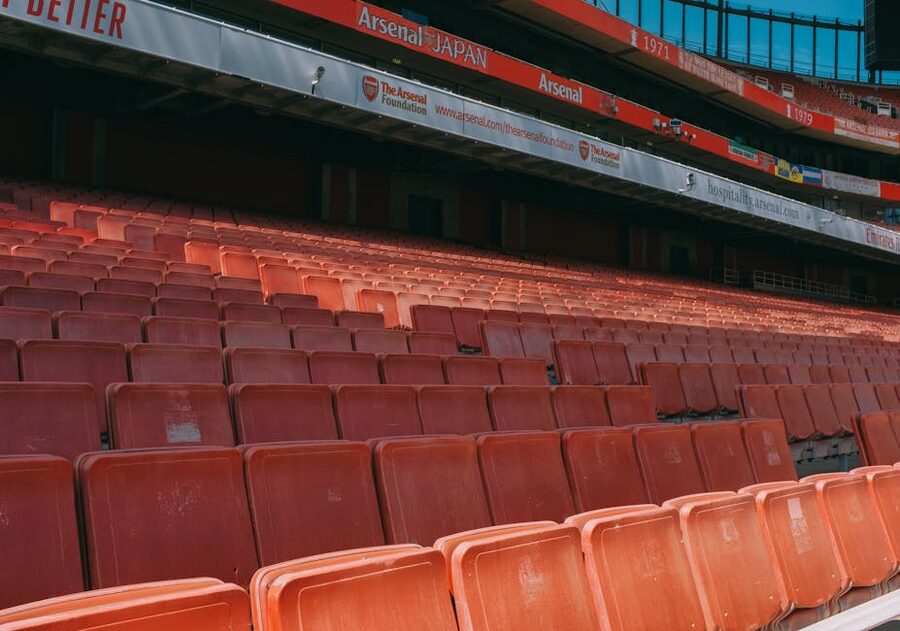
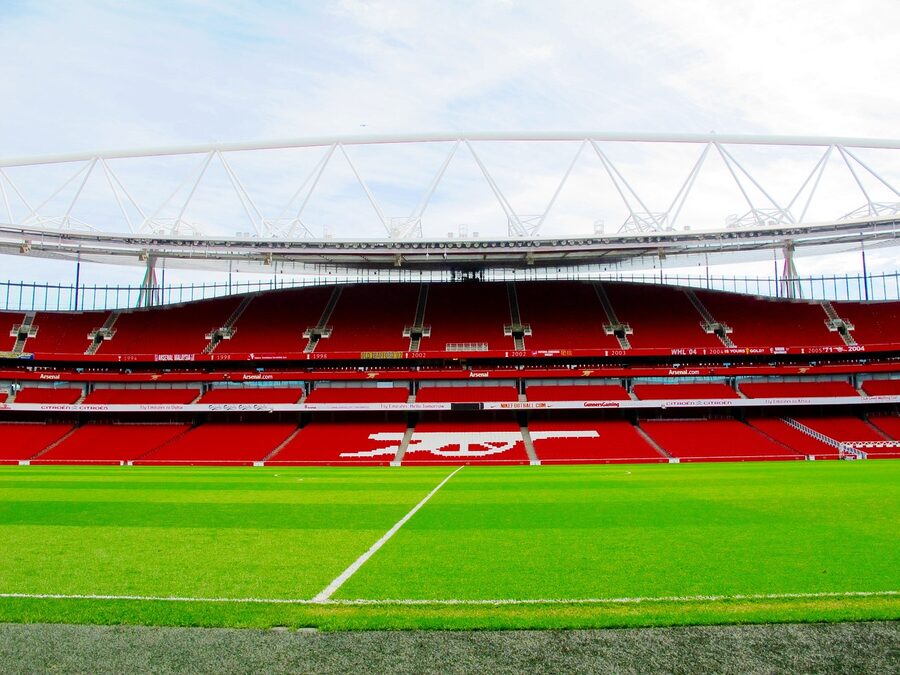
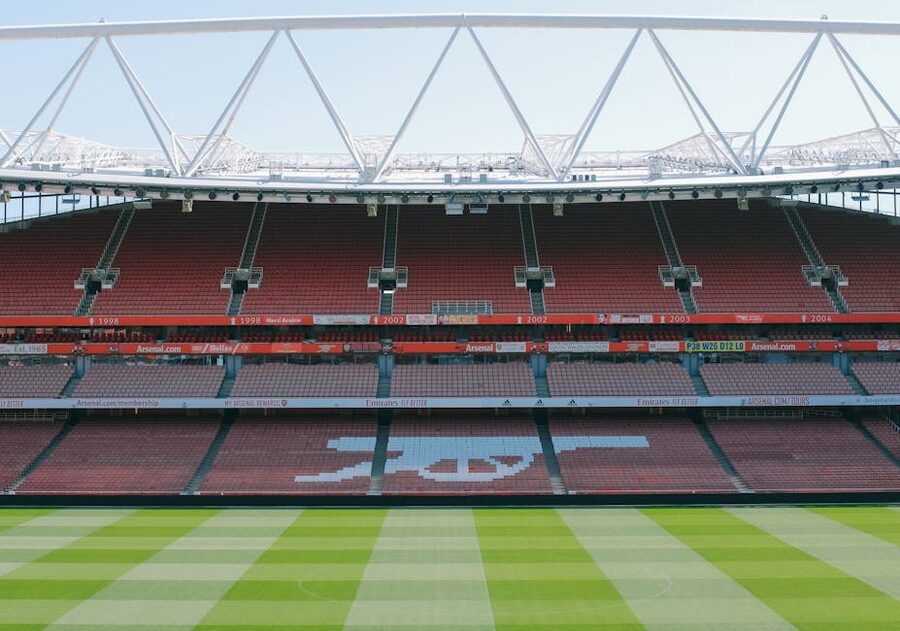
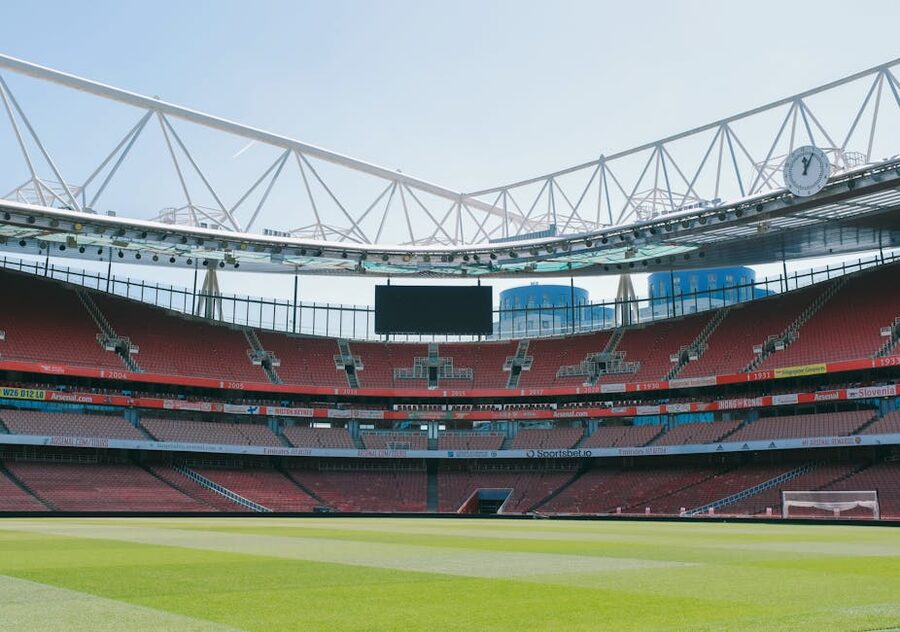
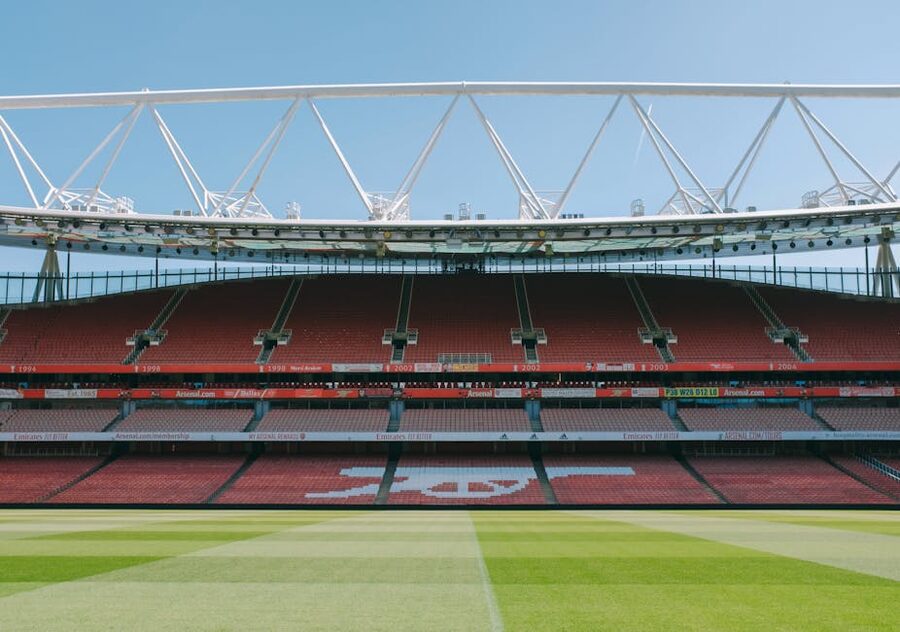
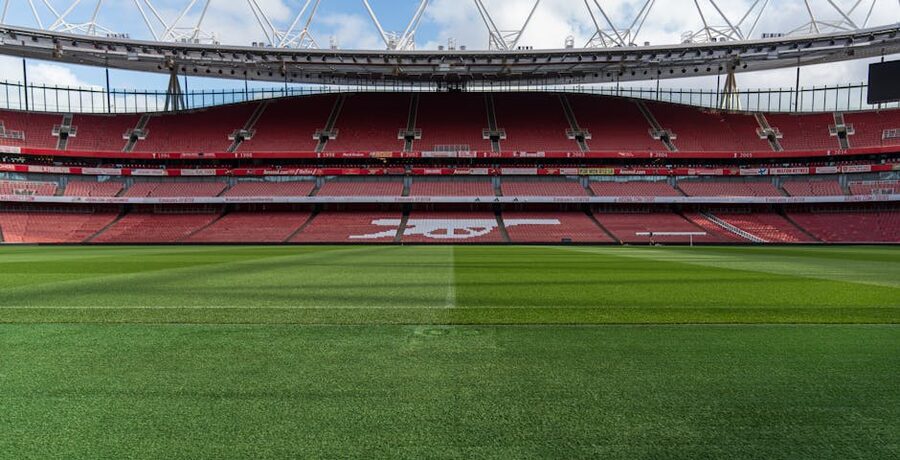
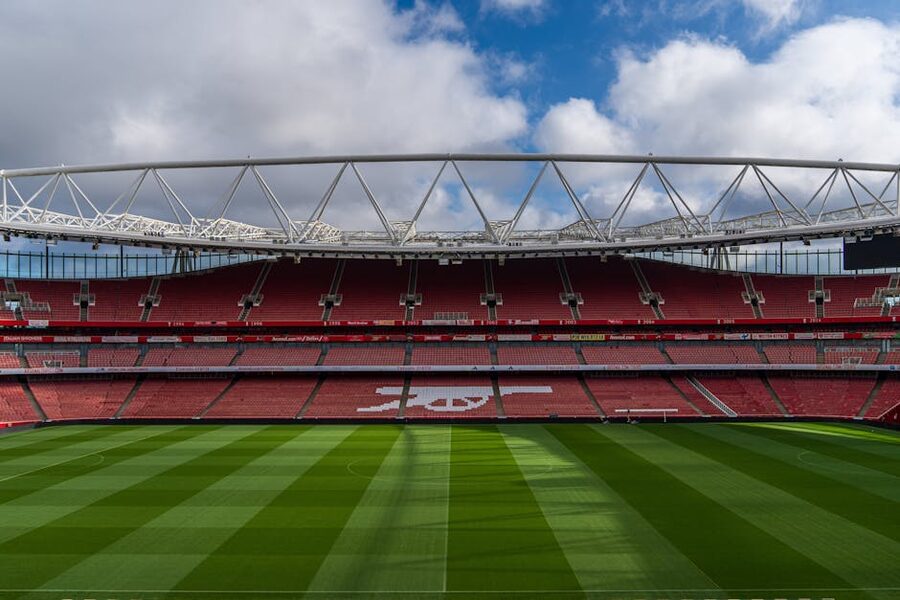
Out of the tunnel and onto the pitch perimeter is where most visitors stop and just look up. The Emirates is a single-tier-feel bowl despite being three tiers, because the geometry is steep enough that the upper tier overhangs the second. From the pitch you see all 60,704 seats at once. The grass is real, hybrid Desso GrassMaster, replaced in mid-summer most years. You can’t actually walk on the pitch, but you can stand in the technical area and on the dugout step.
From the pitch you head back through the manager’s tunnel (a separate, narrower passage that connects directly to the technical area) and into the press conference room. This is the room where Arteta does the post-match presser. There’s a working backdrop with the Arsenal and Premier League sponsor logos, and the audio guide invites you to sit in the manager’s chair for a photo. It’s a strangely small room compared to what TV makes it look like.
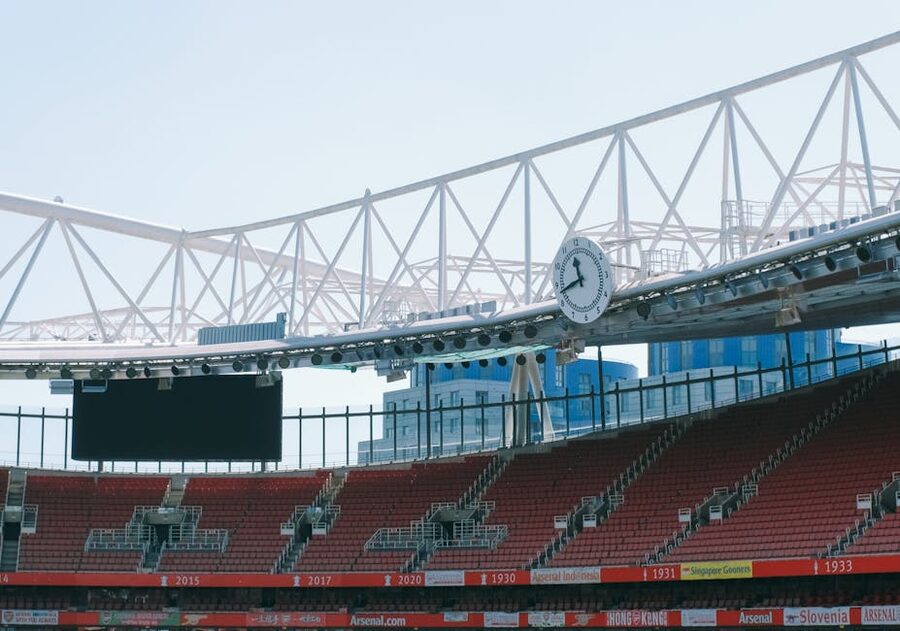
The directors’ box is next: a row of leather seats in the centre of the East stand, with a much better view than most of the lower tier. You sit there for a couple of minutes while the audio plays clips of historic Arsenal games. The East stand is the side cameras film from on TV, which is why this is the most photographed angle of the bowl in match broadcasts. From here you can see the Emirates name on the curved facia and the upper-tier scarves spelling “Victoria Concordia Crescit”, the club motto.
The Arsenal Museum is the bit you shouldn’t rush
The Arsenal Museum sits below the directors’ box and is included in the audio tour ticket. Casual visitors keep treating it as a footnote and then spending 45 minutes inside. The collection covers the whole 1886-onwards history of the club, with the strongest sections on the Highbury era (1913-2006), the Wenger era (1996-2018), and the Invincibles season of 2003-04 when Arsenal went unbeaten in the Premier League across all 38 games. The trophies are real, not replicas: 13 league titles and 14 FA Cups in the cabinets, plus the European Cup Winners’ Cup from 1994.
The Bergkamp, Henry, Pires and Vieira sections are the ones most visitors stop at the longest. Henry’s right boot from the 2002 derby goal is in a glass case. Bergkamp’s number 10 shirt from his last home game against Wigan in 2006 is two cabinets along. There’s a Pires shirt from the Invincibles season and a Vieira armband. None of it is roped off behind glass at the kind of distance that Wembley uses. You get within a foot of the actual boots and shirts.
The Wenger section deserves its own paragraph. Wenger arrived in 1996 from Nagoya Grampus and is the manager who signed Henry, Bergkamp, Vieira, Pires, Petit, and the rest of the late-90s and early-2000s squad. The cabinet has his actual training clipboard, his three Premier League titles (1998, 2002, 2004), and seven FA Cups. The Invincibles trophy, a one-off gold replica created by the Premier League to mark the unbeaten season, is the centrepiece. The audio narration here is by Wenger himself, recorded for the museum after he left in 2018, which is the bit that makes most longtime supporters get a bit emotional.
How tickets work and how much you’ll actually pay
Standard adult ticket is around £30, concession (65+, students with ID, registered disabled visitors) is £20, child ages 5 to 15 is £16, and under-fives are free. There are two ticket structures sold by Arsenal directly: Dated Tickets for a specific date and time slot, and Flexi Tickets for any non-matchday within a window. Dated are slightly cheaper; Flexi let you reschedule if your London plans change. Most third-party platforms only sell the Dated equivalent, so if you want flexibility book direct through Arsenal or pick the marketplace ticket with the most generous cancellation window.
The flagship audio tour ticket on GetYourGuide covers the same route with the same audio guide as the Arsenal-direct version, with free cancellation up to 24 hours before. Our full review of the Emirates audio tour covers what the audio sounds like, which language tracks are available (English, Spanish, Italian, French, German, Japanese, and British Sign Language), and which time slots tend to be quietest. The audio device hire is included, and you can keep using it for as long as the tour route is open.
If you’re booking through a marketplace, the audio-tour-and-museum bundle is the right default. The legend tours, where a former Arsenal player guides the tour in person, run a couple of times a month and cost roughly £80 to £120 depending on the legend. They’re worth it if you’re a serious supporter and you’ve already done the audio tour, but for first-time visitors the audio version has the better narration and lets you go at your own pace. The legend tours run on a fixed schedule; Arsenal direct is the only place that publishes the calendar.
The Highbury legacy and why it still matters here
You can’t visit Highbury, but the museum spends a meaningful chunk of its space on the old ground because the move was emotional and a lot of supporters never quite got over it. Highbury was Arsenal’s home from 1913 to 2006: 93 years, 13 league titles, 9 FA Cups, the entire Wenger trophy haul up to 2004. The capacity was 38,419 in its final season, which is roughly 22,000 fewer seats than the Emirates. The stadium itself sat on a smaller plot, with steeper stands, and a much closer relationship between crowd and pitch.
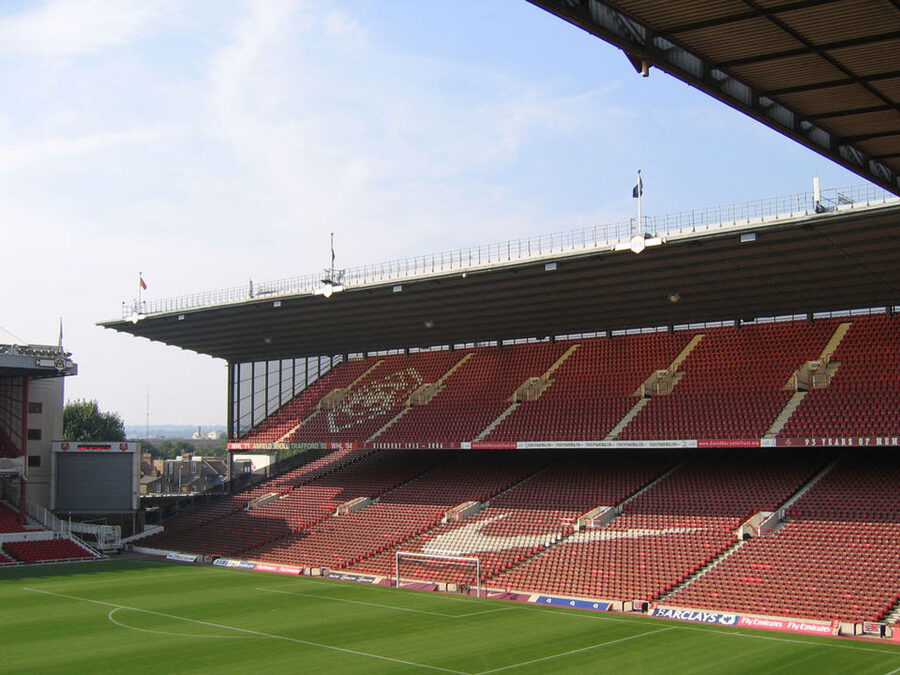
The reason the move happened: Highbury was hemmed in by listed Art Deco facades on the east and west sides, residential streets on the north, and a railway line on the south. Capacity could not be increased without demolishing the listed buildings. By the late 1990s, with Manchester United and Liverpool both running 60,000-plus stadiums and Arsenal averaging 38,000 sell-outs, the gap in matchday revenue was widening every year. The Ashburton Grove site half a mile north was the only viable plot in the area. Construction started 2002, opened 2006, and Highbury was demolished in stages over the following four years.
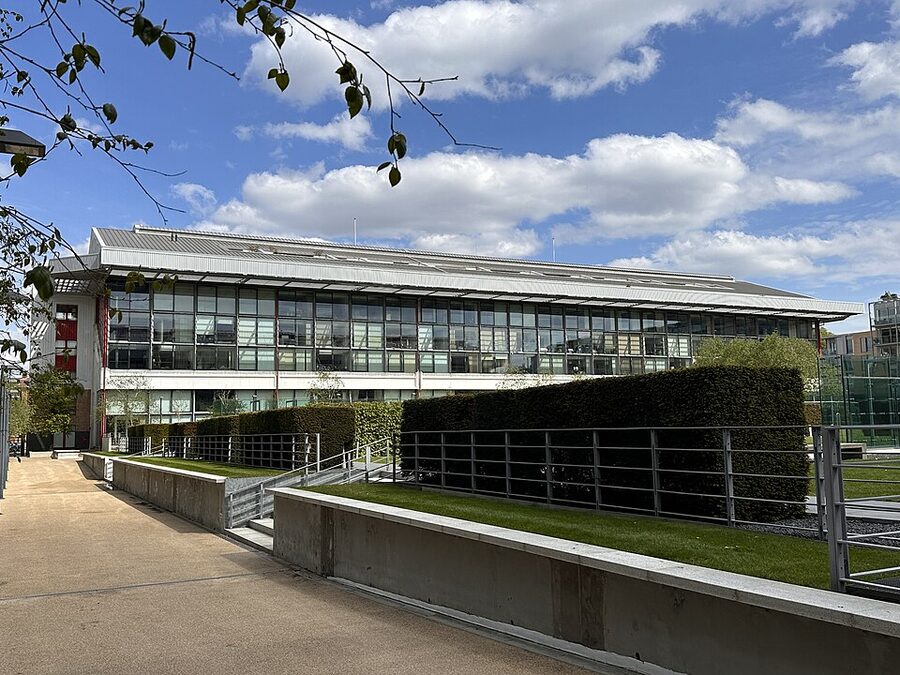
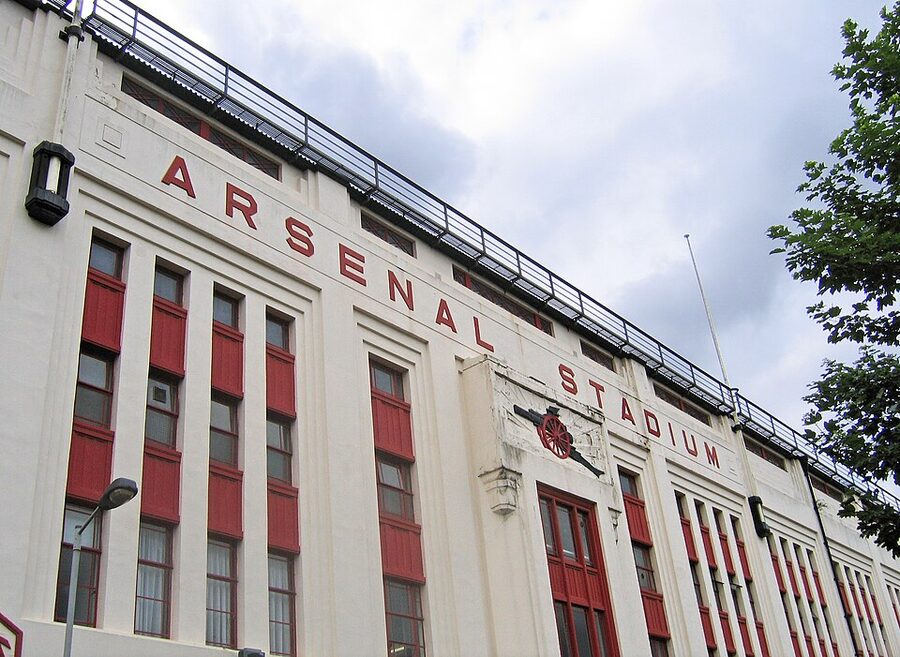
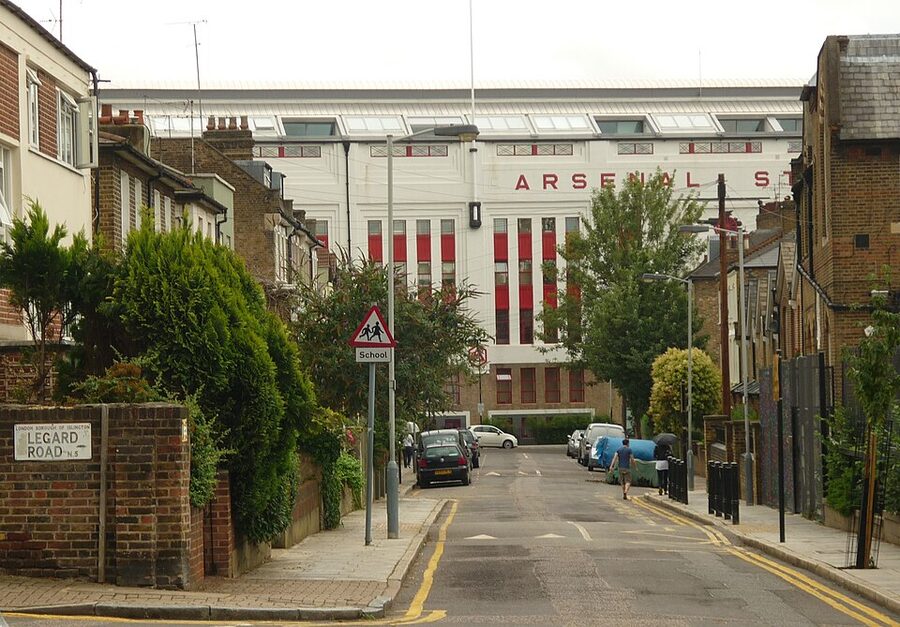
The Highbury site is now Highbury Square, a residential conversion with the listed East and West stand facades preserved as the building exteriors, and the old pitch turned into a private communal garden in the middle. Arsenal supporters still pilgrim there, and you can walk around the perimeter on Avenell Road and Highbury Hill. There are no signs telling you what it used to be. The Art Deco letters spelling “ARSENAL STADIUM” are still on the East stand facade. A historic pubs walking tour in central London won’t take you here, but the Twelve Pins and the Arsenal Tavern on Blackstock Road are the supporter pubs that survived the move and will still have memorabilia from Highbury matchdays on the walls.
The clock from the Clock End was relocated to the Emirates and is mounted at the south end of the new stadium, and the audio tour points it out specifically. It’s the most direct physical thread between the two grounds. The Bergkamp statue at the Armoury also faces the direction of Highbury, which is supposed to be intentional but the club has never quite confirmed it.
Three picks if you’re booking now
1. London: Emirates Stadium Entry Ticket and Audio Guide: from £30
This is the headline ticket and the one you should book unless you’re a season ticket holder going for a legend tour. Free cancellation up to 24 hours before, valid for the time slot you pick on the day, audio guide in seven languages plus British Sign Language. Our full review covers what the audio narration sounds like and which time slots tend to be quietest.
2. Emirates Stadium and Arsenal Museum Entrance Ticket Including Audio Guide: similar pricing
This is the alt to book if your trip is being expensed and your company prefers Viator, or if the GetYourGuide cancellation window doesn’t suit your dates. The route, audio, and museum are identical to the flagship; the difference is purely platform-side. Our full review walks through what’s the same and what’s different about the booking experience.
3. Arsenal Football Match at Emirates Stadium: market-priced
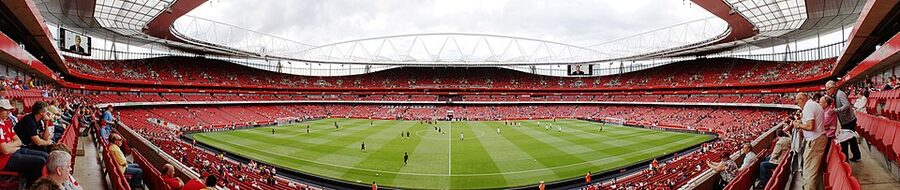
The tour gives you the building. The match gives you the reason the building exists. If your London trip overlaps with a home fixture, this is the booking that justifies the trip on its own. Our full review covers which fixtures are easiest to get tickets for, where in the bowl to sit, and how the matchday concourse routine works around kickoff.
Getting there, parking, and what to do nearby
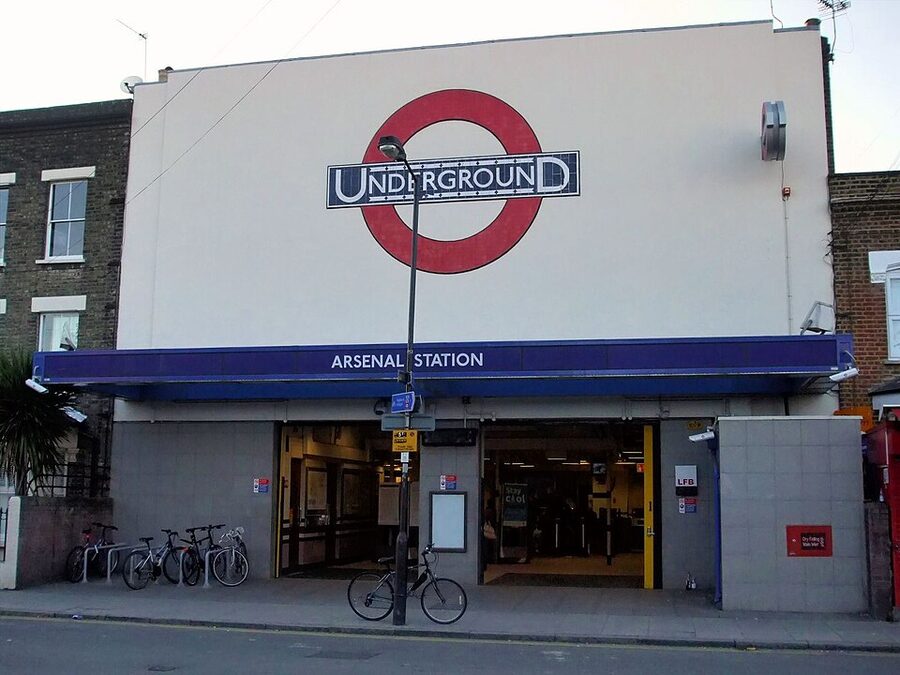
The closest tube is Arsenal on the Piccadilly line, about 5 minutes’ walk to the stadium entrance. Holloway Road on the same line is 10 minutes south, and Highbury & Islington on the Victoria line is 12 minutes east; both are useful walk-up alternatives if Arsenal station is doing matchday-only flow. There’s no visitor parking at the stadium itself; the nearest paid lot is Sobell Leisure Centre on Hornsey Road, but on a non-matchday tube is faster, cheaper, and easier than driving anywhere in north London.
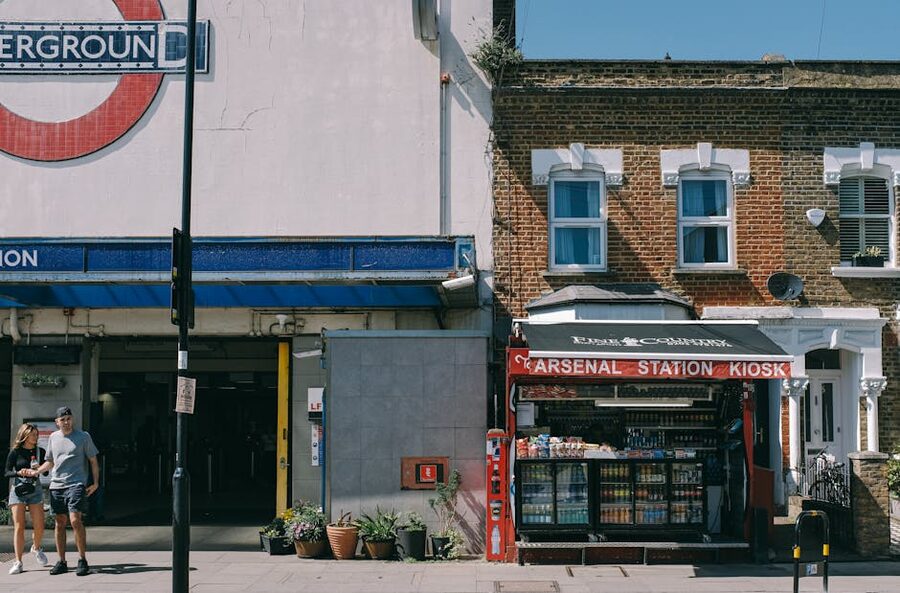
The neighbourhood around the stadium is residential and quietly upmarket, not a tourist district. There’s a row of cafes and pubs on Blackstock Road and Holloway Road, plus a couple of dedicated Arsenal supporter pubs (the Twelve Pins, the Arsenal Tavern) that have memorabilia on the walls and are cheaper than anywhere in central London. If you want a bigger evening pivot, Islington is a 15-minute walk south with the Almeida Theatre, the Camden Passage antique shops, and the Upper Street restaurants. A Jack the Ripper walking tour in Whitechapel runs in the evenings if you want a complete tonal swing after the stadium.
If you’re combining the stadium tour with other London plans, the practical groupings are: a full football day pairs the Emirates tour with a Chelsea FC stadium tour at Stamford Bridge in the afternoon, which gives you the rivalry contrast in one day. Architecture buffs pair it with Tower Bridge for the Victorian engineering counterpoint or the Shard for the modern London skyline. Most casual visitors fold the tour into a north London afternoon with Kensington Palace or Buckingham Palace in the morning before crossing town.
How the Emirates compares with the other big stadium tours in Europe
For context: the Bernabéu tour is the bigger, more theatrical experience with the new retractable roof and the 360-degree LED ring, but the dressing rooms feel less personal because the tour route is more controlled. Camp Nou is currently in mid-renovation but historically has the best museum on the list (more trophies, better Messi/Cruyff/Maradona-era memorabilia). Estádio da Luz in Lisbon is the smaller scale, more intimate version with much shorter queues, and a real eagle in the museum (not joking).
Within London the obvious comparison is the Chelsea FC stadium tour at Stamford Bridge, which has roughly the same ticket structure but a smaller stadium (40,343 capacity) and a museum heavily skewed to the Roman Abramovich-era Champions League trophies of 2012 (Munich) and 2021 (Porto). Where the Emirates wins is the architecture and the Wenger-era continuity; where Chelsea wins is the trophy density of the 2003-2017 period. If you only have time for one stadium tour in London, the choice tracks which club you support, or if you’re neutral, which of the two trophy collections you find more interesting visually. Both are good.
Practical timing and what most visitors miss
Tour duration is officially “around 90 minutes” but realistically you can do the audio circuit in 60 to 75 minutes if you skim the museum, or stretch it to 2 hours if you read everything. Bring water; there’s a cafe at the start and end of the route, but nowhere to refill in between. Photography is allowed everywhere except the directors’ box (no flash) and there’s no specific dress code, though the dressing rooms are climate-controlled and slightly cold.
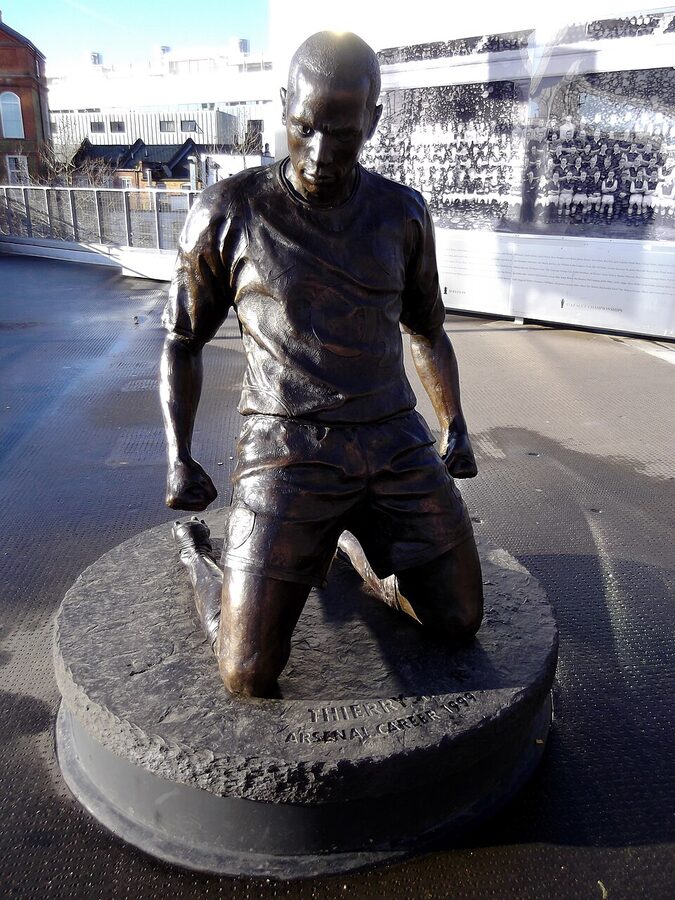
Things visitors miss: the Arsène Wenger statue is on the south plaza alongside Tony Adams and Herbert Chapman (Henry’s is around the front by the Armoury), and most tour groups walk straight past it on the way to the entrance. There’s a memorial to David Rocastle (1960s-90s Arsenal midfielder, died 2001) on the inner concourse that the audio guide doesn’t draw attention to but is worth pausing at. The Clock End clock is at the south end mounted high on the second tier; it’s the same clock that was at Highbury, relocated. None of these are signposted; you just have to know.
One small warning: the tour does not run on Premier League home matchdays, the day before some European fixtures, and for several days in mid-summer when the pitch is being relaid. Always check the booking calendar before booking transport. The Arsenal direct site has the most accurate calendar; third-party platforms occasionally show availability that turns out not to exist, in which case they refund automatically but it’s annoying. The alternative audio guide listing on our site covers the alt-platform booking flow if you’ve had problems with the flagship.
Where to head from here
If you’re stitching this into a wider London plan, the natural pairing for a football-focused day is the Chelsea FC stadium tour at Stamford Bridge in the afternoon for the rivalry contrast. For a broader north London afternoon, the Tower of London works as the deep-history pivot. And if you’re a stadium completist with European trips lined up, our guides to the Bernabéu and Estádio da Luz cover the same kind of dressing-room-and-trophy tour at the other big clubs.