
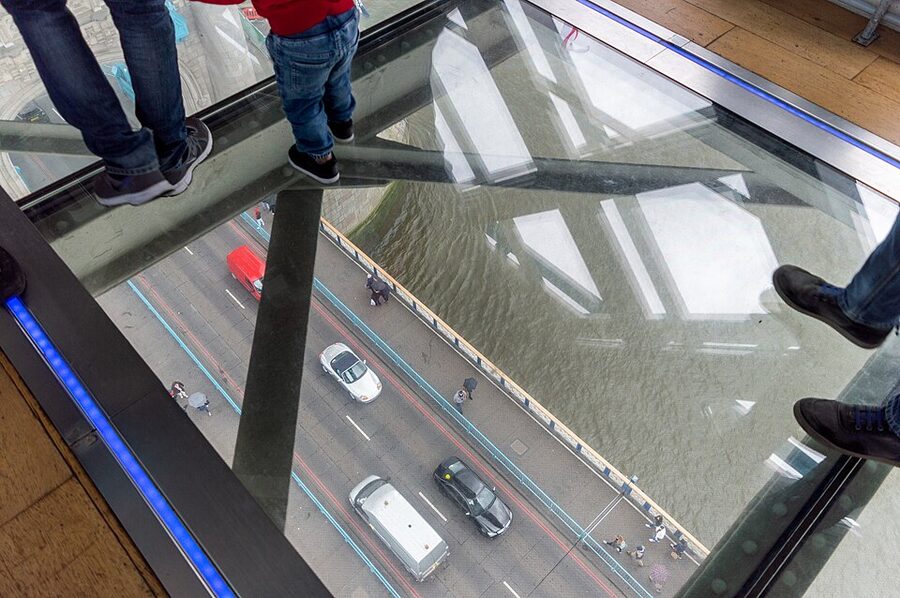
You step out of the lift onto the high-level walkway, 42 metres above the Thames, and the floor is glass. Below your feet a tour boat slides east through the gap between the bascules, looking smaller than your shoe. A double-decker bus crosses the road bridge directly underneath. You stand there longer than you meant to.
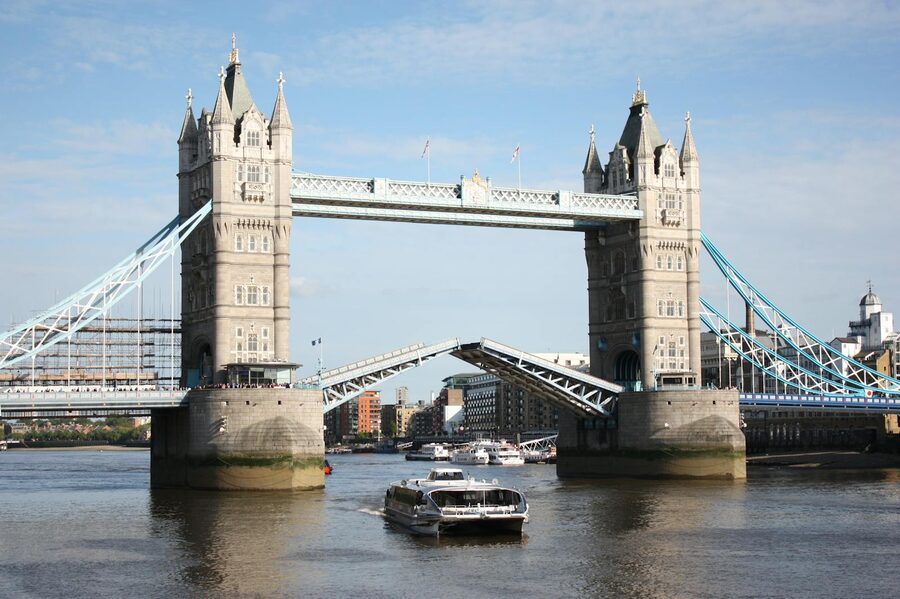
This guide is the booking-side companion to the experience. Tower Bridge Entry Ticket is the headline product, and the bulk of visitors should just buy that. But there are useful combos with a Thames cruise or a London-icons walking circuit, and a few quirks about timing, accessibility, and the engine rooms that change which option suits you.
Quick clarification first, because every trip planner gets this wrong: Tower Bridge is not the same ticket as the Tower of London. They sit next to each other and look like a matched pair. They are two completely separate attractions with separate tickets, separate operators, and separate queues. If you want both, you book both. The Tower of London guide is the sibling article, and I’d plan them as a half-day pair if your legs are willing.
- In a Hurry? Three Picks
- What you actually pay for
- The glass floor: what it actually feels like
- The Victorian Engine Rooms
- How to time the bascule lift
- Combining with a Thames cruise
- The combo with a London-icons walking tour
- Top picks for booking right now
- 1. Tower Bridge Entry Ticket:
- 2. Westminster to Tower Bridge River Thames Cruise:
- 3. Top 15 Sights Walking Tour with Tower Bridge Exhibit:
- Tower Bridge in 1894: built for a working river
- How Tower Bridge compares to the other London height views
- The bridge as a bridge: photographing the lift
- Practical: getting in, getting around, who shouldn’t bother
- Timing your visit
- Tickets you can skip
- Why the bridge keeps working
- Where to go from here
In a Hurry? Three Picks
Best for most visitors: Tower Bridge Entry Ticket from $21. Walkways, glass floor, engine rooms. Free cancellation 24 hours out.
Best with a Thames cruise: Westminster to Tower Bridge River Thames Cruise from $18. See the bridge from below, then walk it from above.
Best with context: Top 15 Sights Walking Tour with Tower Bridge Exhibit from $87. Long day, but you cover most of central London plus the bridge with a guide.
What you actually pay for
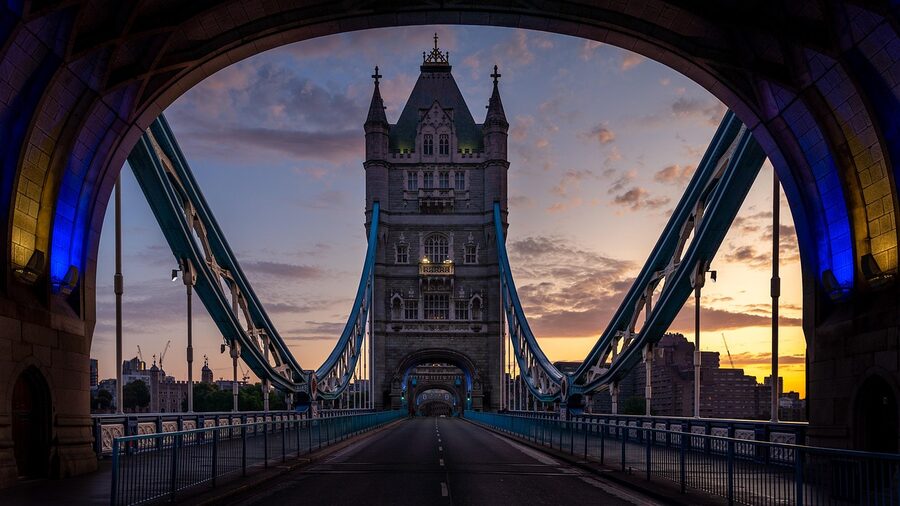
The Tower Bridge ticket gets you into three connected spaces. The high-level walkways span the gap between the two towers, 42 metres above the road. Both walkways now have a glass-floor section near the middle, added in 2014 (west side first, east side a year later). Below the bridge sit the Victorian Engine Rooms, where the original 1894 hydraulic mechanism still sits, polished and labelled.
You don’t get to walk the road bridge as part of the ticket, because it’s a public road. Anyone can cross it for free, any time of day. So the ticket is specifically for the high stuff and the engine rooms. The road crossing is yours regardless.
Standard adult entry runs around twelve to fourteen pounds at the gate, depending on the season. The flagship online ticket on GetYourGuide currently sits at $21 per person and includes free cancellation up to 24 hours before. The marginal cost over the door price covers flexibility plus skip-the-queue entry, which matters more than I expected on a busy summer Saturday.
The glass floor: what it actually feels like
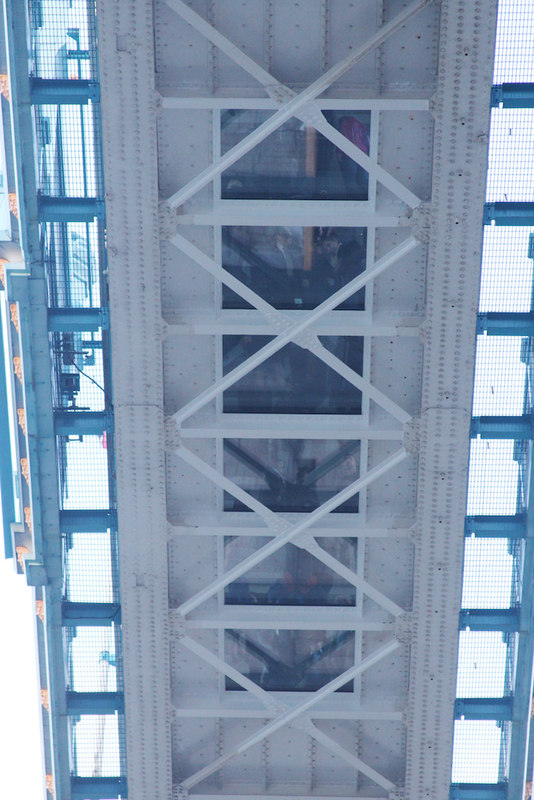
I went in mildly nervous. I’m fine with heights but glass floors are a different category, and 42 metres over moving traffic is not nothing. In practice it’s calmer than you’d guess. The panels are thick, the structure is rigid, and there’s no flex underfoot. After about thirty seconds I forgot I was standing on glass and started looking properly. Cars below look the size of matchboxes. River buses look like bath toys.
The east walkway and the west walkway both have glass sections, so you don’t need to choose. Most visitors do a full loop: up the north tower, across the east, down briefly into the central section, back up the west, down the south tower. The whole circuit takes about forty-five minutes if you read the panels and stop for photos.
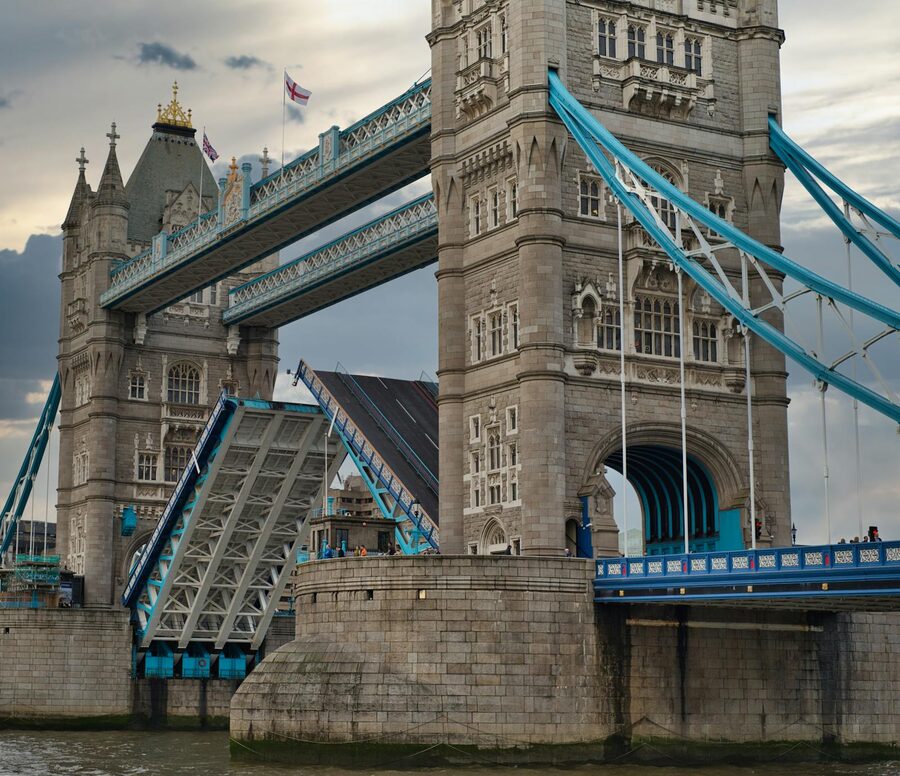
One thing competitors don’t mention: there’s a short film about the bridge’s history played on the walkway windows on a loop. It’s projected onto the glass so you can watch it and see the river through it at the same time. Sounds gimmicky, plays well in person. Worth catching at least one full cycle.
The Victorian Engine Rooms
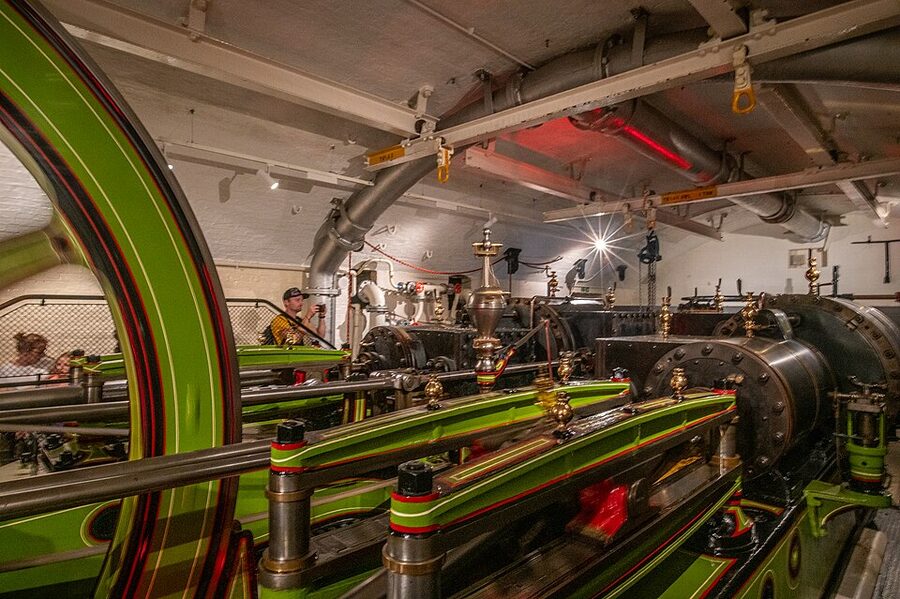
This is the part of the visit I went in cold to and left raving about. The engine rooms sit beneath the southern approach, accessed at the end of the walkway loop. Inside, the original Victorian steam-powered hydraulic engines are preserved in working order, with explanatory panels that actually make sense even if you don’t read engineering normally.
Until 1976 the bridge ran on coal. The boiler crews fed pressurised water into accumulators, which stored energy that drove the bascule lifting motors. The whole system was a marvel of late-19th-century engineering and is still here, quiet now and electric-driven, but absolutely understandable as a machine. If you’ve seen the engine rooms at the Tower of London or the period machinery hall at any major Victorian site, you know the texture: green-painted iron, brass fittings, the smell of polished metal.
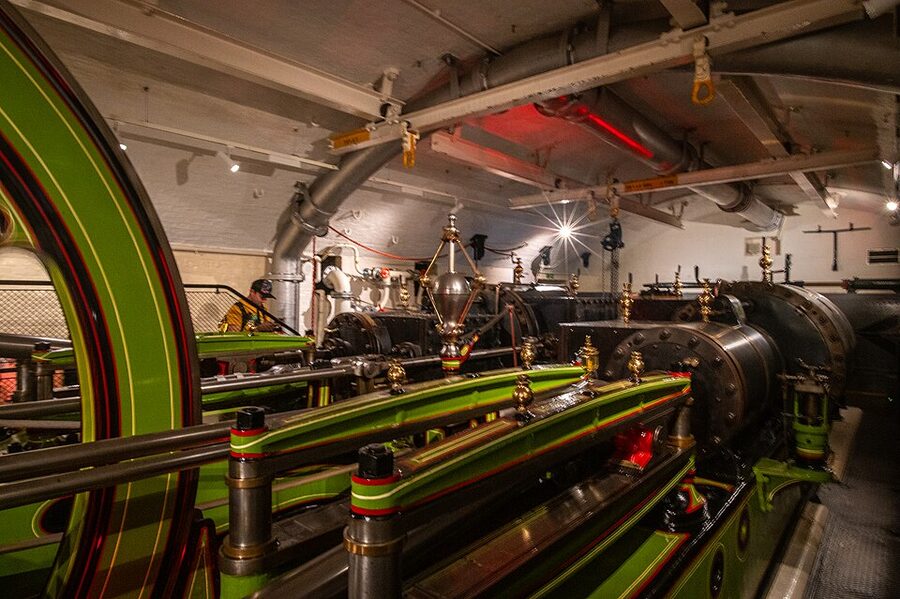
Practical note: the engine rooms are a separate building from the walkway exit, but the route is signposted from the south tower descent. You don’t need a fresh ticket. Some visitors miss this entirely because the path crosses a small forecourt and isn’t obvious. Look for the signs at the bottom of the south tower stairs.
How to time the bascule lift
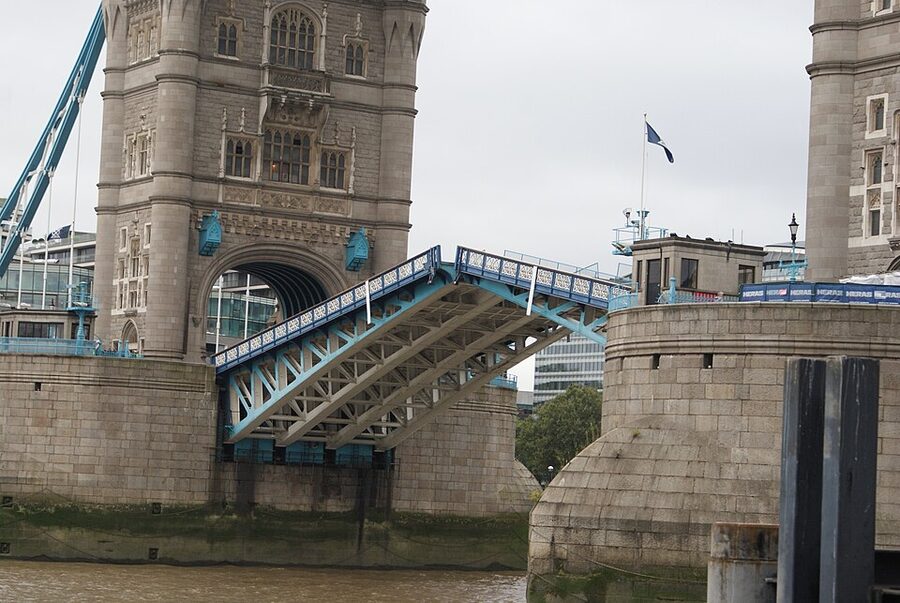
The bridge opens around 1,000 times a year, an average of three lifts a day. Most are scheduled because tall-masted vessels have to book in advance. The lift schedule is published on the official Tower Bridge website, usually 4-6 days ahead, sometimes longer.
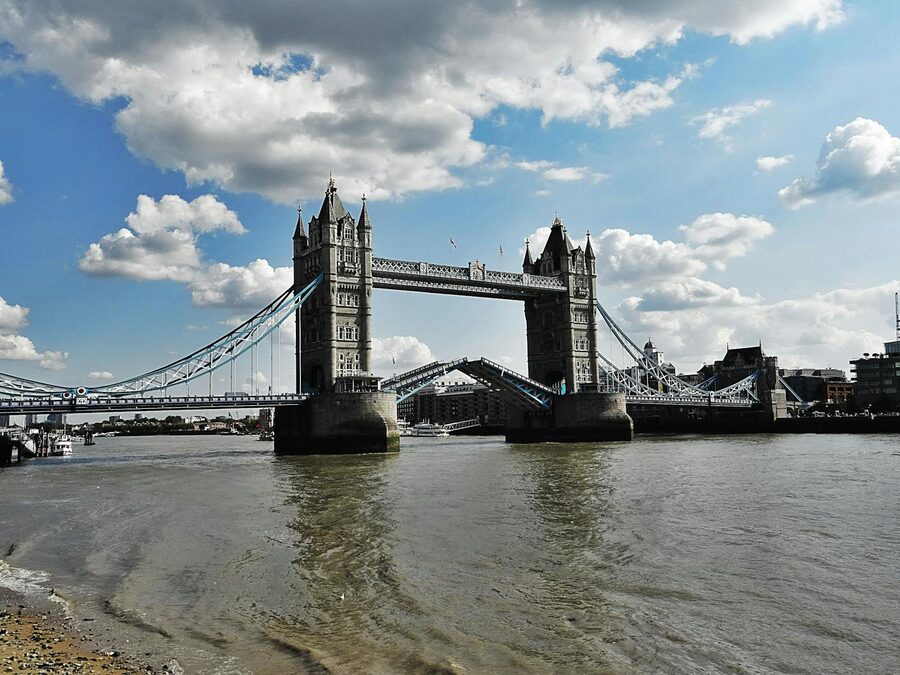
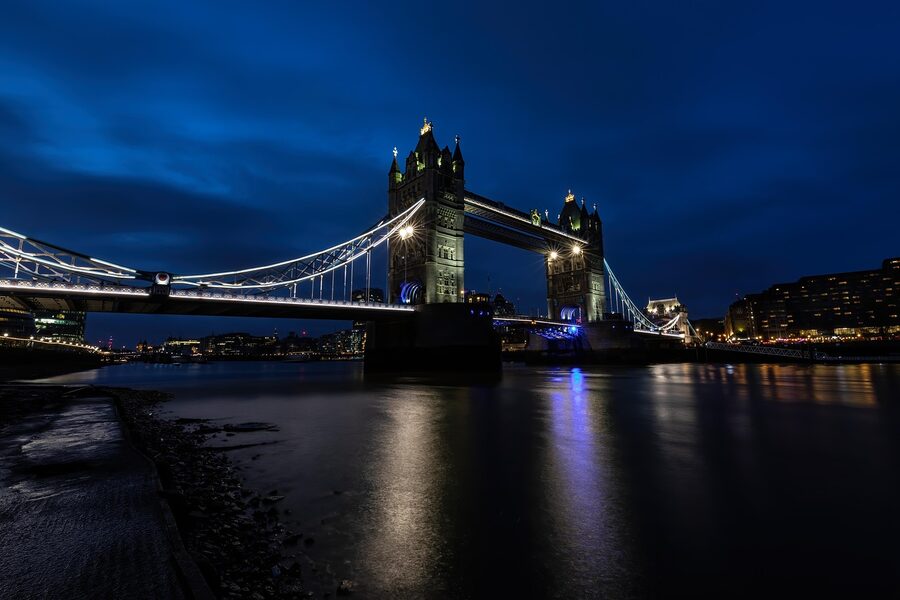
If you can plan your visit to overlap with a scheduled lift, the experience changes completely. From the high-level walkway you watch the road traffic stop, the gates close, and the two leaves rise into the air directly underneath you. From the Thames Path on either bank you get the iconic profile shot. From a Thames cruise (more on that below) you sail through the lifted bridge, which is the rarest and best version of all three.
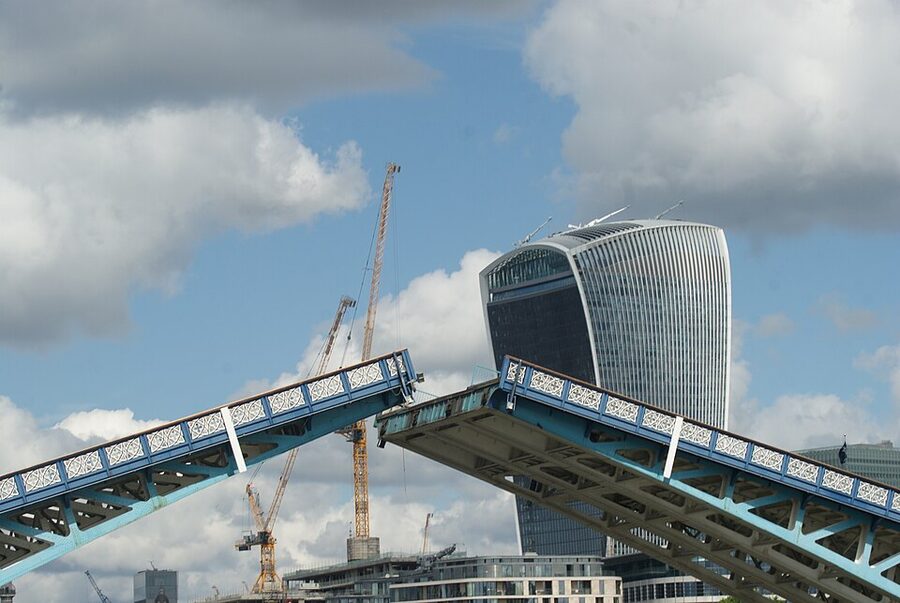
Worst case if no lift is scheduled: you still get the walkways, the engine rooms, and the river views. You haven’t wasted the ticket. Best case: build the rest of your day around the lift time. I’d give it a 30 percent priority bump. It’s good enough that I’d reschedule my London Eye slot to make it work.
Combining with a Thames cruise
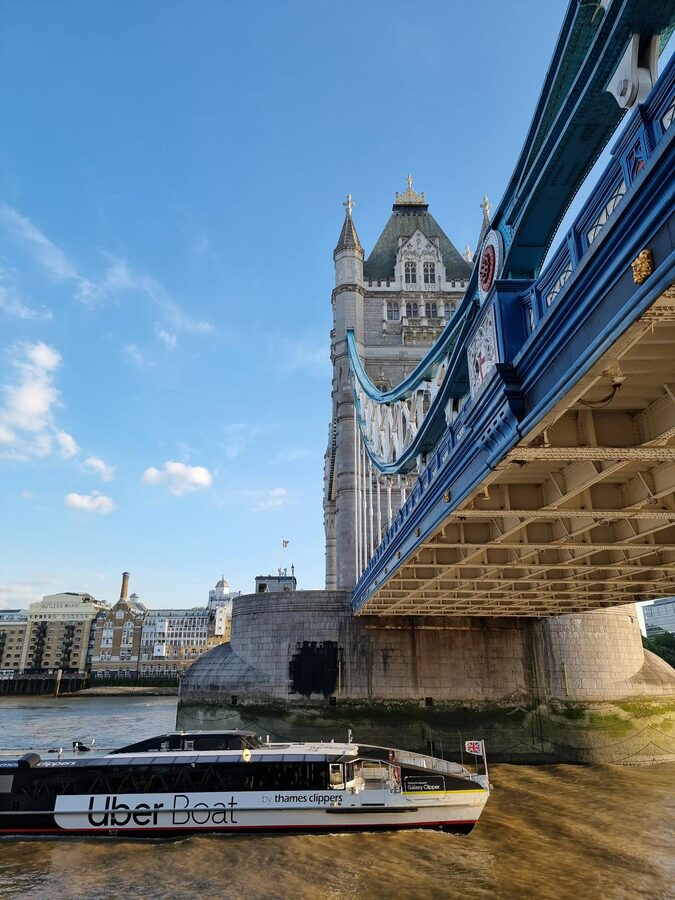
Tower Bridge is one of those landmarks that genuinely improves with a river-level companion view. You walk the walkway, you cross the road bridge, you see the engine rooms. You then want to see the whole thing from the water, ideally with someone explaining what you’re looking at.
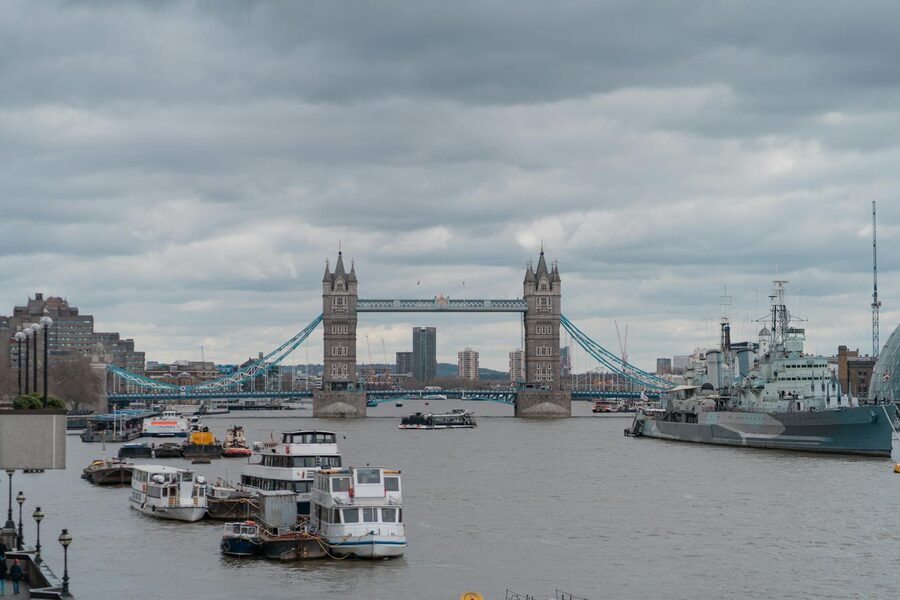
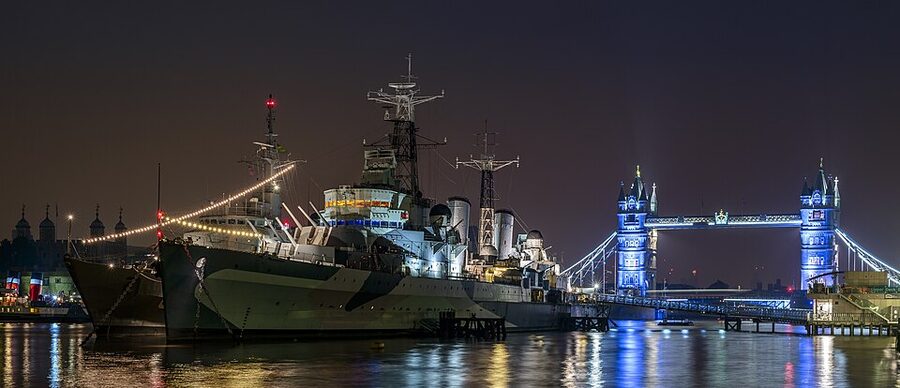
The cleanest combo is the Westminster to Tower Bridge River Thames Cruise, which runs roughly 30-60 minutes and uses the bridge as the eastern turnaround. You board near Big Ben, sail east past St Paul’s, the Tate Modern, the Shard, and HMS Belfast, then U-turn at Tower Bridge before returning. There’s a bar onboard. The guide commentary is variable in quality but at minimum gives you a checklist of what you’re seeing.
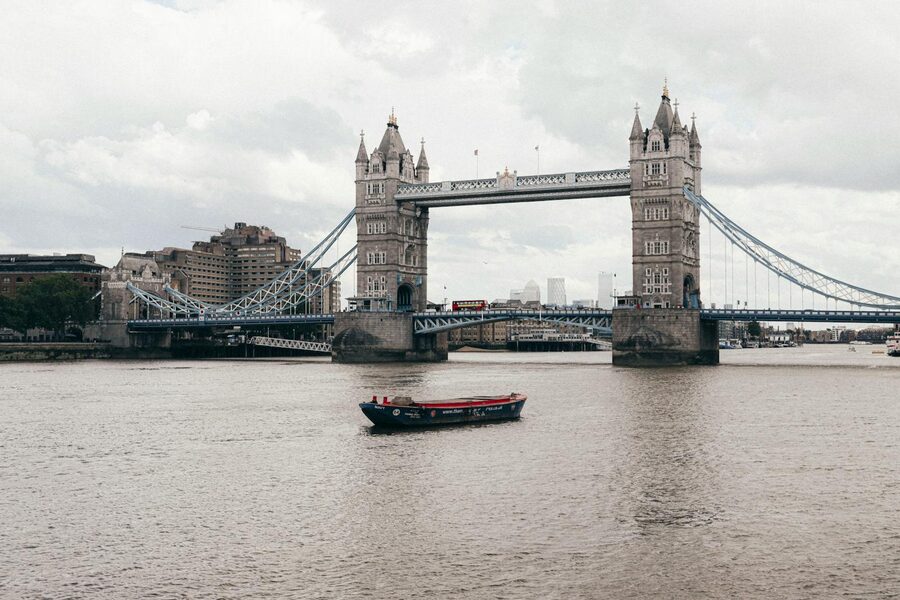
An alternative is the Tower Bridge River Sightseeing Cruise from Westminster, which is run by a different operator with a slightly different route and schedule. Lower review volume than the flagship cruise, but I’ve seen it pop up on combo bookings. Check the times against your other plans.
If you want a longer, sunset-themed water experience, our Thames cruise guide covers the full menu including the Greenwich runs and the evening dinner cruises. For Tower Bridge specifically, a 30-60 minute Westminster turnaround is the sweet spot.
The combo with a London-icons walking tour
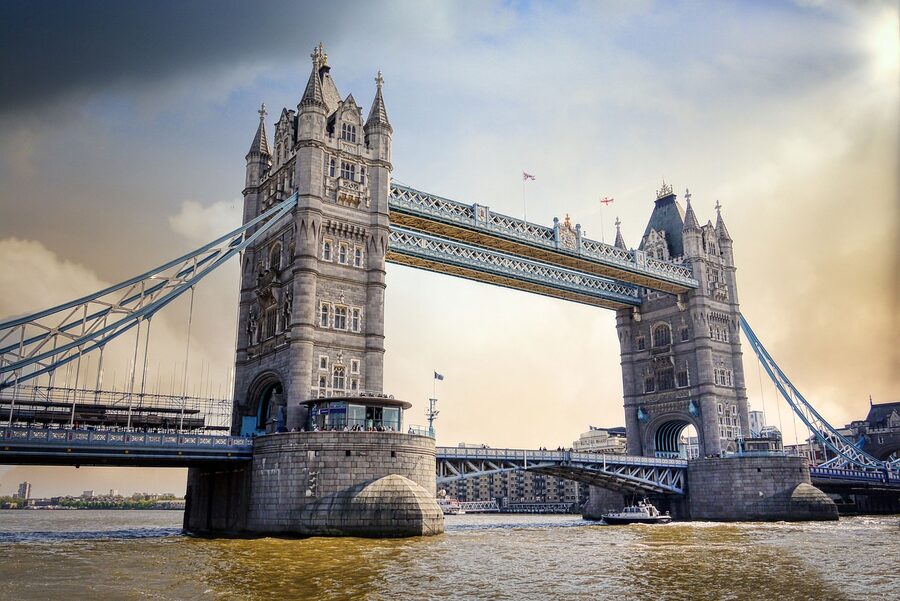
The third option in our pool is a long walking tour that covers most of central London’s icons and ends with the Tower Bridge exhibit. It’s a 7-hour day that takes in Westminster Abbey, Parliament, Big Ben, Trafalgar Square, the West End, St Paul’s, and the Tower of London before reaching Tower Bridge.
The truth? It’s only worth it if you have one day in London and want a guide to talk you through everything. Seven hours on your feet is a lot. The bridge component is the standard ticket experience, just at the end of a marathon. If you have two or three days, skip this and book the bridge separately, then a shorter walking tour earlier.
Top picks for booking right now
I’ve narrowed the field to three options. The first covers most visitors, the second adds a river view, the third is for the time-pressed first-timer who wants a guided whip around all of central London.
1. Tower Bridge Entry Ticket: $21
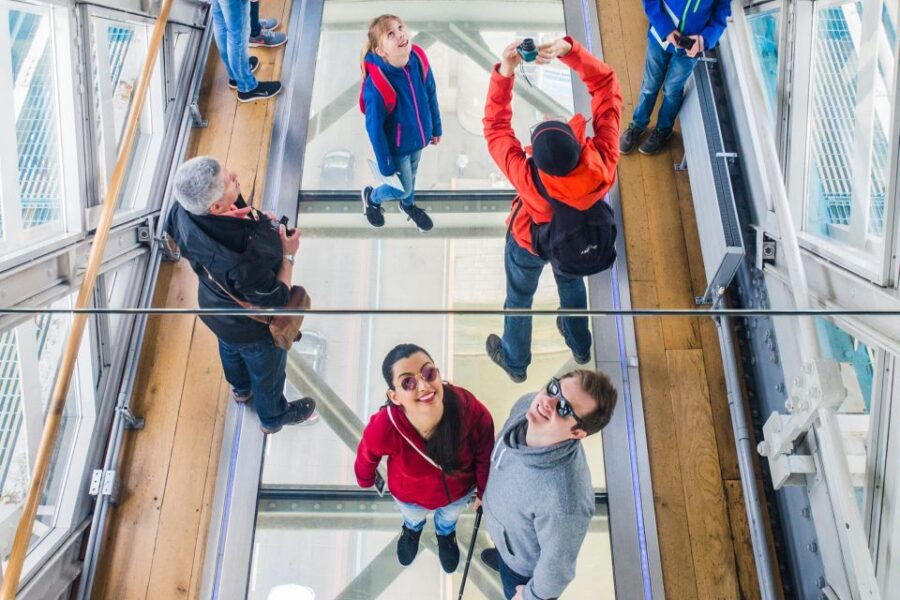
This is the default and it earns the spot. Free cancellation 24 hours out, wheelchair accessible across the whole route, and it’s the most-booked Tower Bridge ticket on the market by a wide margin. If you only buy one Tower Bridge product, our full review walks through the access details and the small differences between morning and afternoon slots.
2. Westminster to Tower Bridge River Thames Cruise: $18
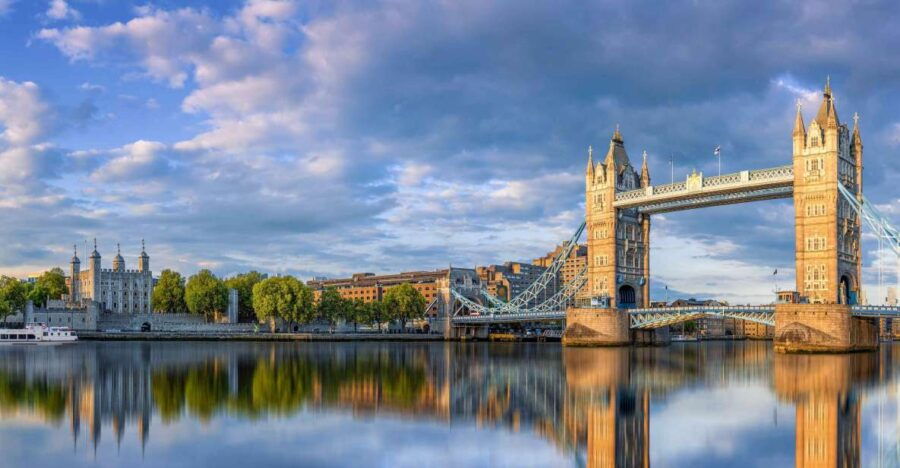
I keep recommending this as the natural pairing because it doubles your view of the bridge from above and below within the same day. Multiple piers along the Thames let you board where it suits your route. The cruise review goes into the pier-by-pier breakdown and which seat to grab for the best Tower Bridge approach shot.
3. Top 15 Sights Walking Tour with Tower Bridge Exhibit: $87
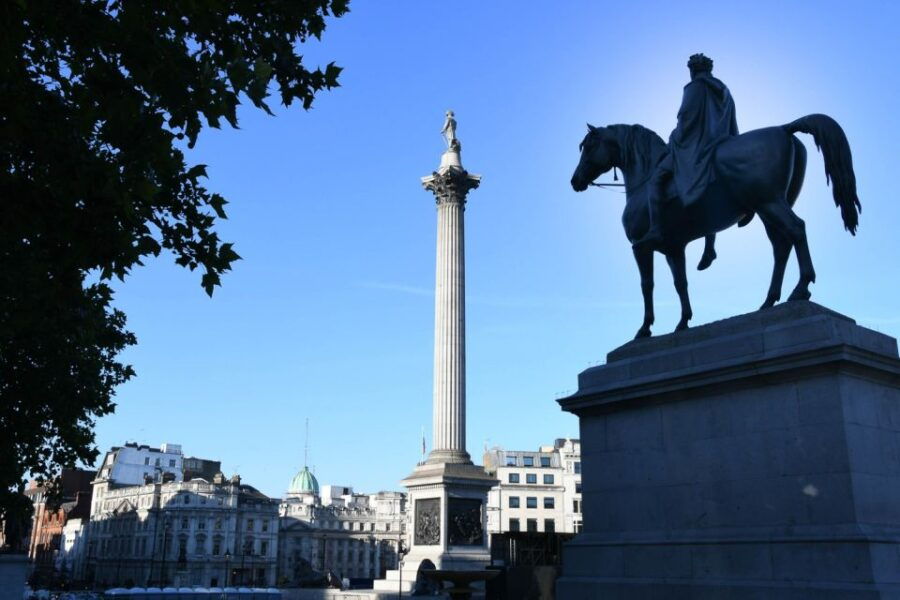
The seven-hour all-rounder. Only book this if you have one day and a strong pair of legs. Our full review lists what’s covered between the start point and the bridge, and where the lunch breaks tend to fall on different operator schedules.
Tower Bridge in 1894: built for a working river
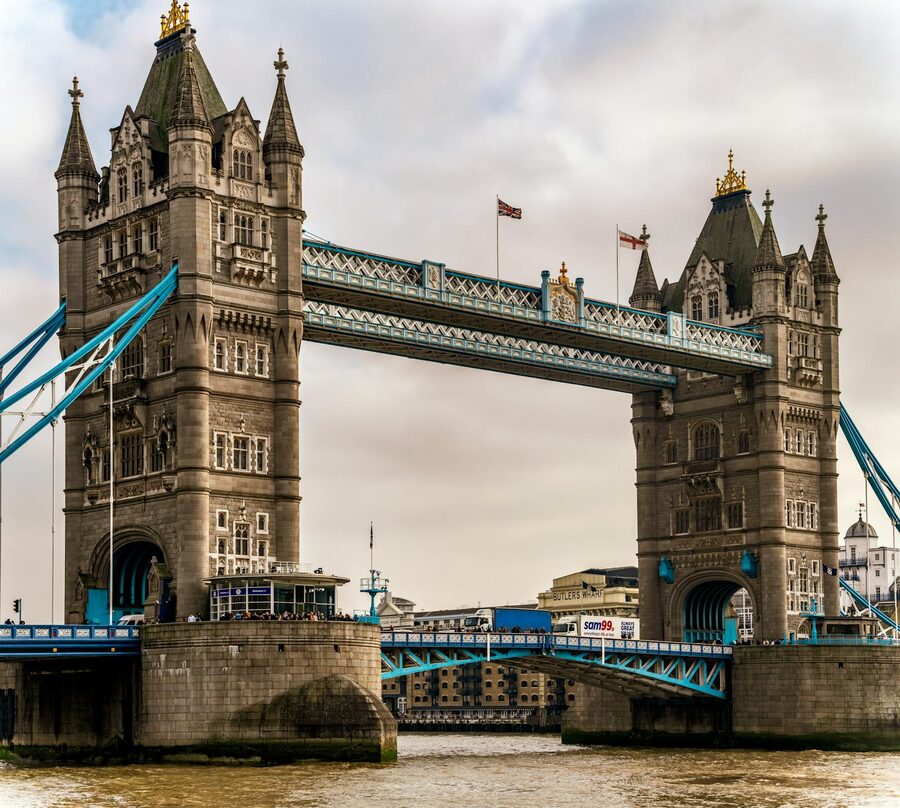
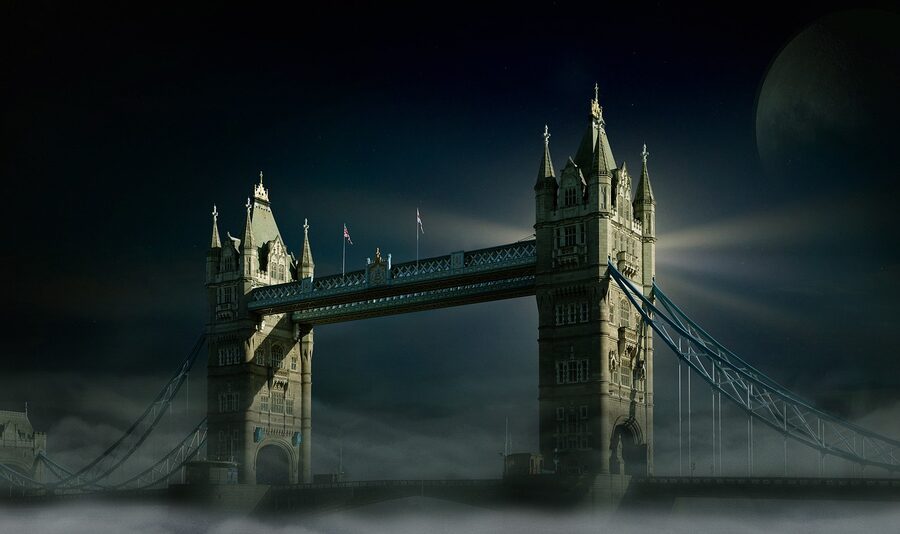
The bridge opened in June 1894, after eight years of construction, on a stretch of the Thames that desperately needed crossing. The Pool of London was choked with cargo ships and a fixed bridge would have killed the wharves upstream. Sir Horace Jones designed a structure that could both carry road traffic and lift to let masted vessels through. He died before it opened, so his colleague John Wolfe Barry finished the job.
Prince Edward, then Prince of Wales and later King Edward VII, opened the bridge with his wife Princess Alexandra. The opening drew vast crowds. London had spent the better part of a decade watching the towers rise and the bascules being fitted, and there was widespread skepticism that the lift mechanism would work in practice. It worked. It still does.
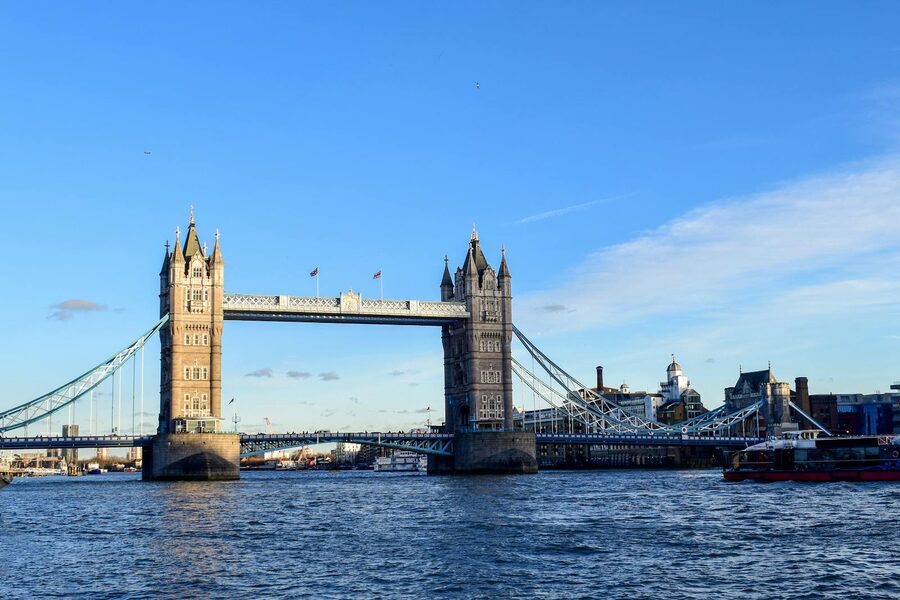
The original mechanism was steam-powered. Coal-fired boilers drove pumps that pressurised water into accumulators. When a lift was due, the stored hydraulic energy spun the lifting motors and the bascules rose. The whole rig is what you visit in the engine rooms today. The bridge switched to electric power in 1976 but the original kit was preserved, painted, and labelled, which is why this is one of the most rewarding industrial-history visits in London.
How Tower Bridge compares to the other London height views
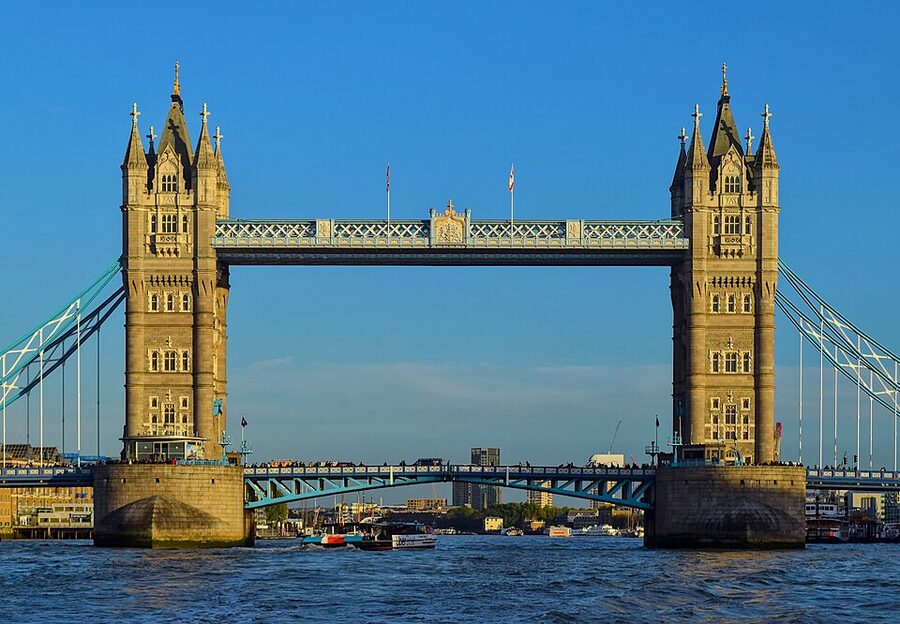
People often ask how the Tower Bridge walkway compares to the London Eye or the Shard. Different products, different prices, different experiences.
The London Eye is taller (135m) and slower (a 30-minute rotation). You see central and west London best. It costs more than triple a Tower Bridge ticket. The Shard is much taller still (244m to the public viewing level) and gives a panoramic 360 view of the whole city. It’s the priciest of the three. Tower Bridge is the cheapest, the most engineering-rich, and the only one where you can stand on glass directly over the river itself.
If you only have time for one height experience, pick by what you care about: the iconic ferris wheel ride goes to the Eye, the highest panorama goes to the Shard, and the historic-bridge-with-glass-floor goes to Tower Bridge.
The bridge as a bridge: photographing the lift
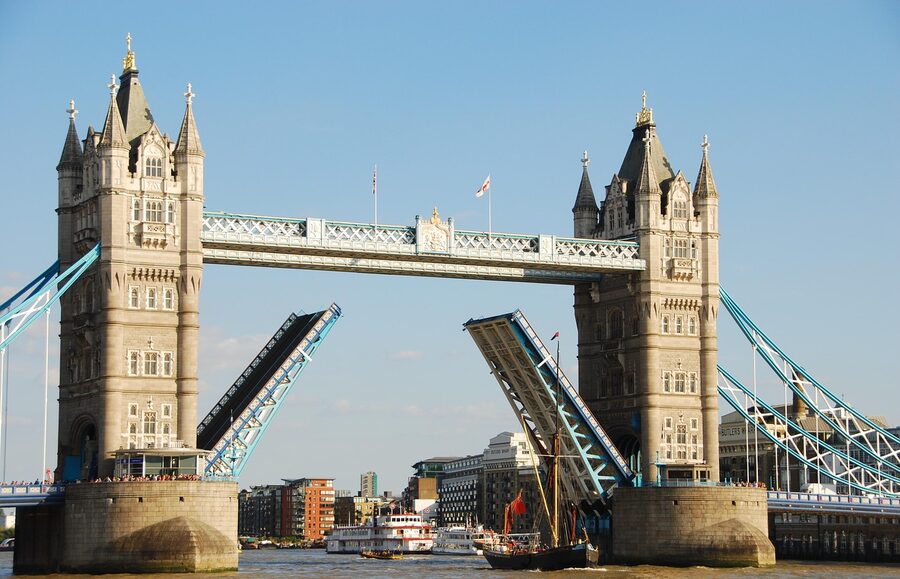
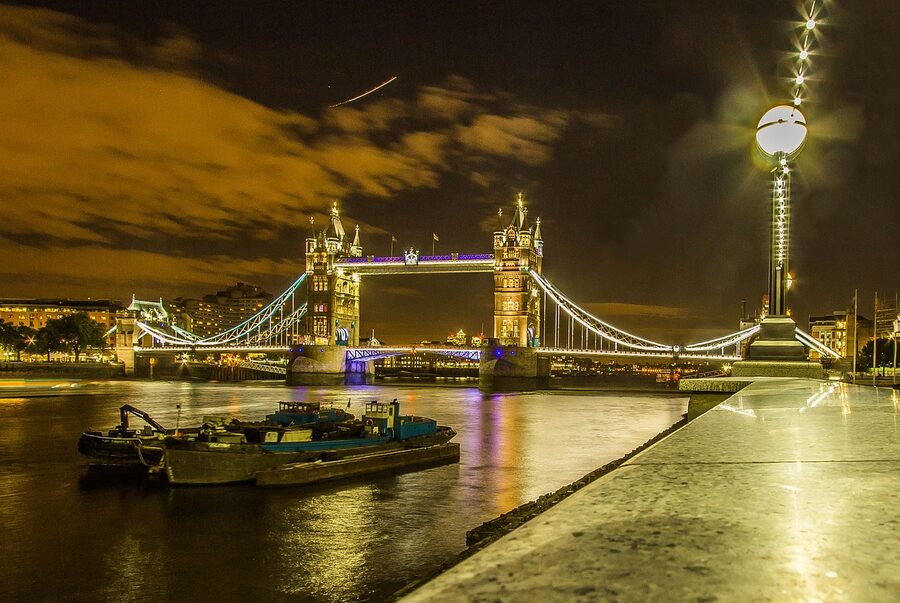
If you’re shooting the bridge for the camera roll, three vantage points consistently deliver. The south bank between Butler’s Wharf and City Hall gives you the symmetrical eastward shot in morning light. The north bank near the Tower of London gives you the western shot in afternoon. From a Thames cruise the underneath-and-receding angle is uniquely available because tour boats slow down for the photo opportunity.
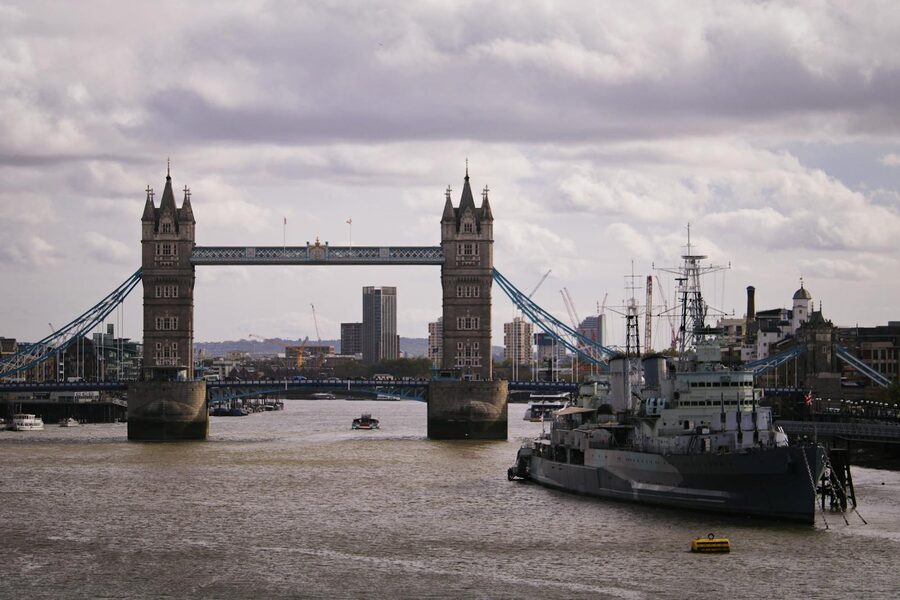
For the bascule-lift money shot, position yourself on the south bank near Potter’s Fields Park ten minutes before the scheduled lift time. You’ll get the full sequence: gates closing, road clearing, bascules rising, vessel passing through, bascules lowering, road reopening. It’s about ten minutes of action total. Phone cameras handle it fine. A short telephoto is nicer.
Practical: getting in, getting around, who shouldn’t bother
Tower Bridge is wheelchair accessible across the entire route. Lifts run to the high-level walkway and into the engine rooms. The official site lists step counts and lift dimensions. There are accessible toilets at both ends of the walkway loop.
The nearest tube station is Tower Hill (District and Circle lines), about 5-7 minutes’ walk to the north entrance via St Katharine Docks. London Bridge station is about 10 minutes’ walk to the south entrance. Both have step-free access. The Thames Clippers river bus stops at Tower Pier (north side) and London Bridge City Pier (south side), both within five minutes.
Who should skip Tower Bridge? Anyone who’s only got 24 hours in London and is doing the Tower of London, the Eye, and a Thames cruise. The marginal value of adding a fourth landmark experience drops sharply. Anyone severely afraid of heights who can’t tolerate glass floors should still visit, but stick to the road bridge crossing rather than the paid ticket: you don’t lose much because the towers themselves look the same from below.
Anyone with kids over six gets full value. The engine rooms are an unexpected hit with anyone who likes machines. The glass floor is brilliant or terrifying depending on the kid; if you’ve got a wobbler, the solid panels are right there to retreat to.
Timing your visit
Open daily, roughly 09:30 to 18:00 in summer, 09:30 to 17:00 in winter. Last entry is 30 minutes before close. The official site has the precise current schedule, which shifts a little around bank holidays.
Quietest time to visit: weekday mornings, 09:30 to 11:00. Walk-up tickets are usually fine before 11:00. The big crowds arrive after lunch and peak between 14:00 and 16:00. By 16:30 it’s quieter again as tour groups move on to dinner reservations.
Worst time: school holidays, especially the August-September window and the Christmas-New Year week. The walkways are narrow and queue management gets fragile. If your travel dates fall in those windows, book the morning slot specifically and arrive when doors open.
Tickets you can skip
A few combo tickets to be wary of. Anything bundled with the Tower of London at a heavy discount looks great on the booking page but often forces same-day use of both, which is rushed. Two attractions and you’re spending six hours queueing, walking, and resetting your concentration twice. I’d rather pay full price for both and split them across two days.
Anything sold as “VIP Tower Bridge” tends to mean priority entry that’s not really priority during quiet hours. The flagship online ticket already gives you skip-the-queue access. Check the description carefully before paying double.
Why the bridge keeps working
One detail I keep coming back to: this bridge has been lifting on demand since 1894 and has rarely failed to lift on schedule. Storm winds occasionally delay a lift. The 1952 incident where a London bus had to leap a partially-raised bascule (driver Albert Gunter, his story is in the engine room exhibits) is famous because it’s so unusual. The mechanism, even pre-1976 in its steam form, was reliable to a remarkable degree.
The replacement to electric in 1976 was simpler than you’d think: same accumulators, same lifting motors, just a different power source feeding them. The bridge engineering office calls it the same machine with a new heart. Walking the engine rooms you can see exactly what they mean.
Where to go from here
If you’ve got a half-day in this part of London, the natural pairing is the Tower of London next door (separate ticket, very different experience), or a Thames cruise to put the bridge in its river context. For visitors building a longer London itinerary, our Westminster Abbey guide covers the other end of the river. If bridges as engineering interest you, our Porto bridges cruise is the closest cousin we’ve published; bonus reading for the bridge-curious.