
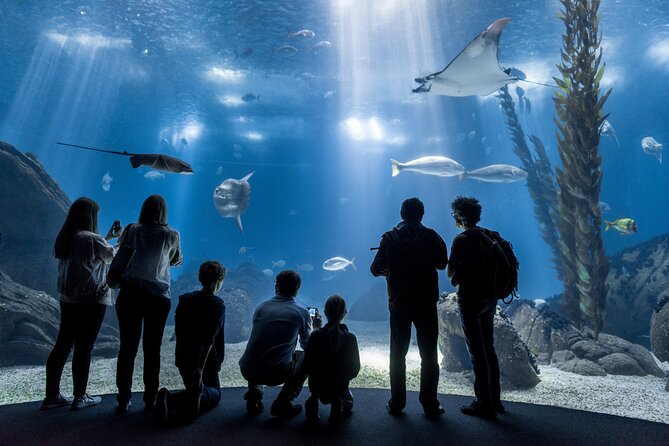
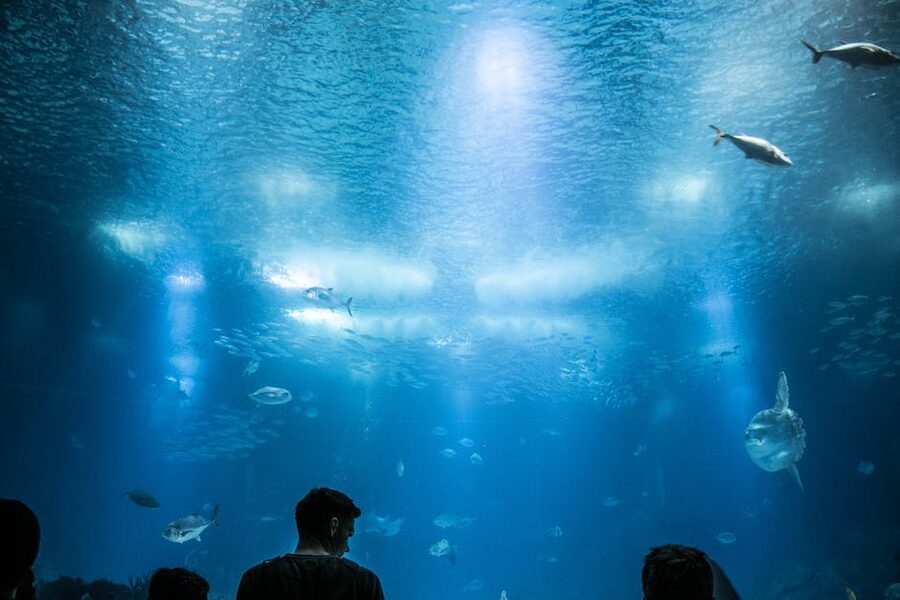
Most people walk into the Oceanário expecting one big tank with a catwalk around it. The reality is stranger. The central Atlantic tank holds about seven million litres, but the four secondary habitats around it (North Atlantic rocky coast, Antarctic, temperate Pacific kelp forest, tropical Indian Ocean reef) are not separate rooms. They are the visible walls of the central tank. You walk past sea otters and the same ocean is behind them. You walk past the puffins and the same ocean is behind them. Same fish, four different oceans, one continuous loop. It takes ten minutes to realise what you’ve just been looking at.
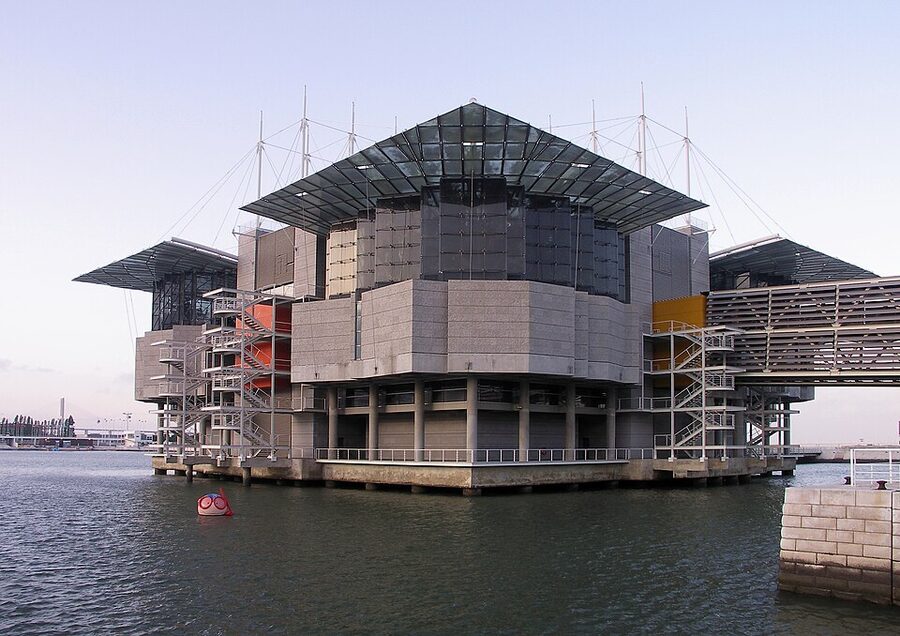
This is the booking guide for the Oceanário de Lisboa in Parque das Nações, the leftover-from-the-1998-Expo aquarium that ranks as the second largest in Europe (after Valencia’s Oceanogràfic; the more design-conscious counterpoint is Barcelona’s aquarium). Adult tickets are €25. Below is what to actually book, when to go, and how to get there from central Lisbon without overpaying for the easy bit.
In a hurry? My three picks:
- Oceanário de Lisboa Entrance Ticket, around $29. The flagship timed-entry ticket. The one to book if you only want the aquarium itself, no add-ons.
- Oceanário Behind-the-Scenes Guided Tour, around $42. Ninety minutes with a marine biologist on the upper service level above the central tank. Tiny groups. The pick if you want the version casual visitors don’t see.
- Oceanarium Admission Ticket on Viator, around $30. Same standard entry, different platform. Useful if Viator is where you book everything else.
- What you’re actually buying with an Oceanário ticket
- The four ocean realities
- North Atlantic rocky coast
- Antarctic
- Temperate Pacific kelp forest
- Tropical Indian Ocean reef
- The central Atlantic tank
- Standard entry vs behind-the-scenes
- The best Oceanário tickets and guided tours
- 1. Oceanário de Lisboa Entrance Ticket:
- 2. Oceanário Behind-the-Scenes Guided Tour:
- 3. Oceanarium Admission Ticket (Viator):
- Getting to Parque das Nações
- Around the Oceanário
- Centro Vasco da Gama mall
- Telecabine cable car
- Vasco da Gama Bridge views
- Forests Underwater and the temporary gallery
- Hop-on hop-off + Oceanário combo: worth it?
- When to go
- Practical notes you’ll wish you knew
- The 1998 Expo backstory
- Where else to add a Lisbon water-and-bridge afternoon
What you’re actually buying with an Oceanário ticket
One ticket gets you the full visit. There’s no two-zone trick like at Jerónimos Monastery where the church is free and the cloister costs extra. You pay €25, you walk in, you do the whole thing.
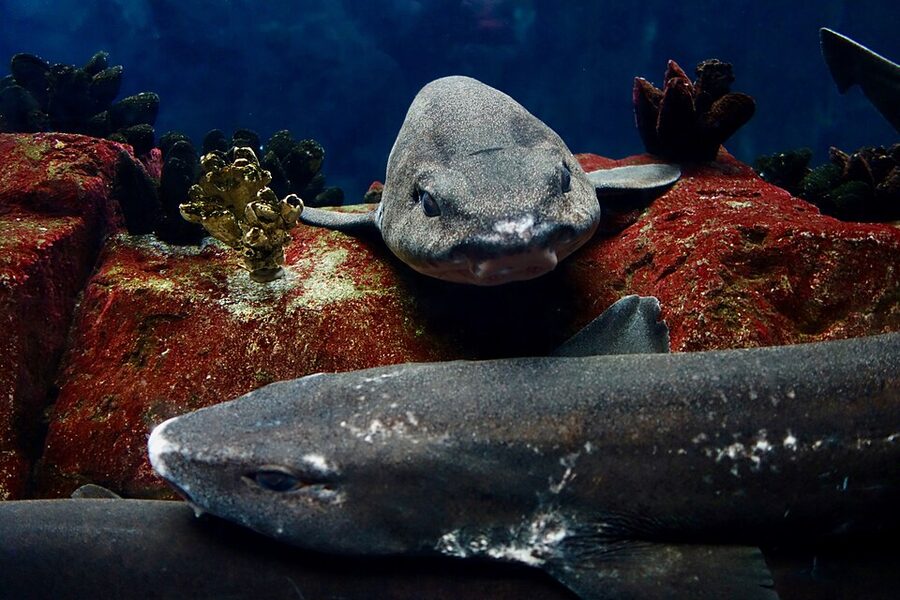
The standard route is a continuous loop, not a series of rooms with doors. You start on the upper level. You walk past the North Atlantic habitat (puffins, rocky coast, cold), through the Antarctic (penguins on rocks), into the temperate Pacific (sea otters, kelp), and out into the tropical Indian Ocean (coral, reef fish). Each habitat sits on the perimeter. The central tank is behind every one of them, visible through different glass. Then you go down to the lower level and see the same central tank from underneath, with the manta rays and tuna and sharks closer than they were upstairs.
The loop usually takes between an hour and a half and two and a half hours. Families with kids who actually read the species panels can hit three. If you blast through, you can do it in under an hour, but you’ll have wasted your money. The temporary exhibition (currently the long-running Forests Underwater) is in a separate wing across the lobby and is included in your ticket. Skip it and you’ll regret it.
The four ocean realities
The architectural conceit is the whole point of the visit. The Oceanário was designed by Peter Chermayeff for the 1998 Expo, whose theme was The Oceans, A Heritage for the Future. The building’s job is to show you that the world’s oceans are one continuous body of water with different climates around its edges. So the central tank holds the same animals you’d find in the open Atlantic, and the four ecosystems around it are the four major Atlantic-adjacent habitats arranged like a compass.
North Atlantic rocky coast
Puffins, gannets, common murre. The recreated cliff is loud (gulls), cold-feeling, and smells faintly of seabird. Kids freeze at the puffin viewing window and don’t move for ten minutes. The audio guide tells you these are the same birds that nest on the Berlengas islands off the Portuguese coast, which is the bit nobody else points out.
Antarctic
Magellanic and rockhopper penguins on a fake icefield. The room is genuinely cold. The penguins don’t move much in the late afternoon, so go in the first hour after opening if you want them swimming and not standing.
Temperate Pacific kelp forest
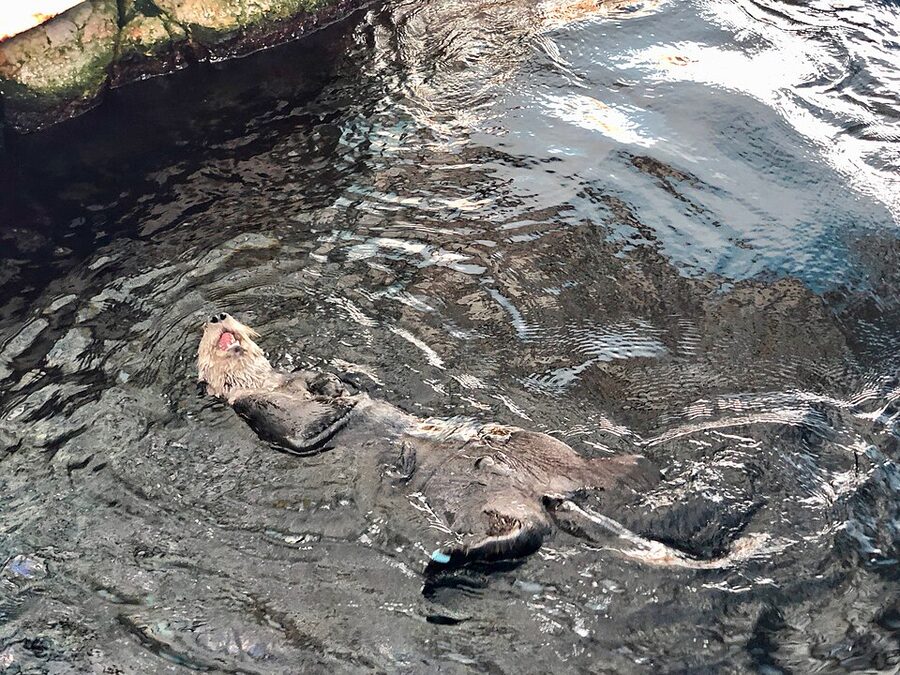
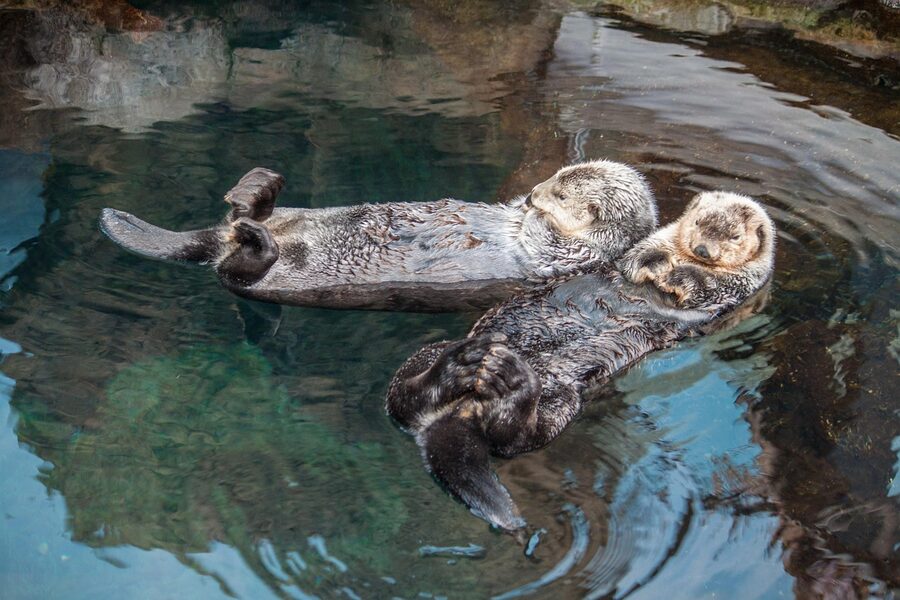
This is where most visitors lose track of time. The sea otters are funny in a way that’s hard to script. They float on their backs, they crack things on their stomachs, they wrestle each other out of the line of sight of the keepers, and one of them will inevitably stare directly back at you for a long uncomfortable second. If you’re with kids, plan the rest of the visit around how long you spend here. Allow at least twenty minutes.
Tropical Indian Ocean reef
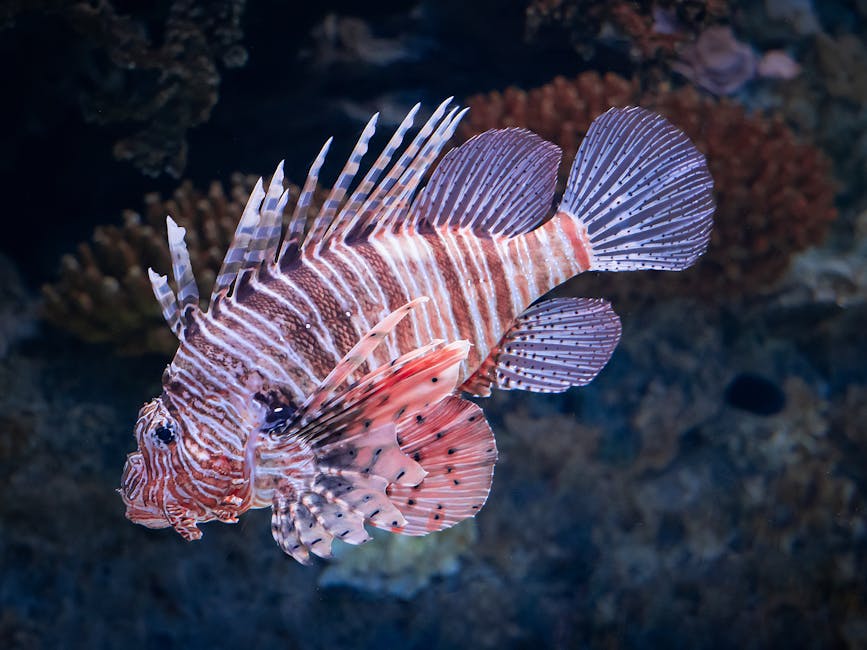
The smallest of the four habitats and the easiest to skip if you’re tired. Don’t. The lionfish, the moray eel, and the small tropical reef tank with the cleaner shrimp are the visual highlight of the upper level. Linger here.
The central Atlantic tank
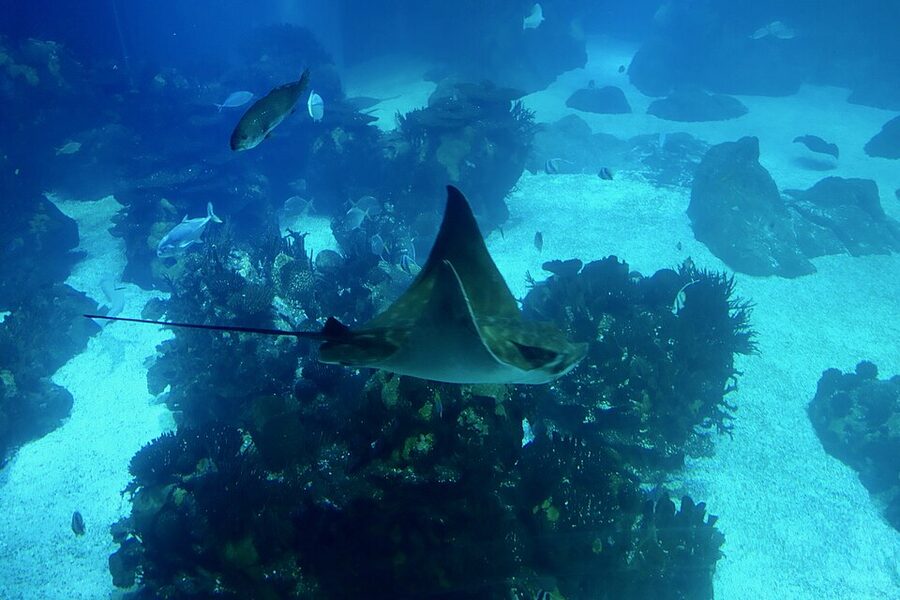
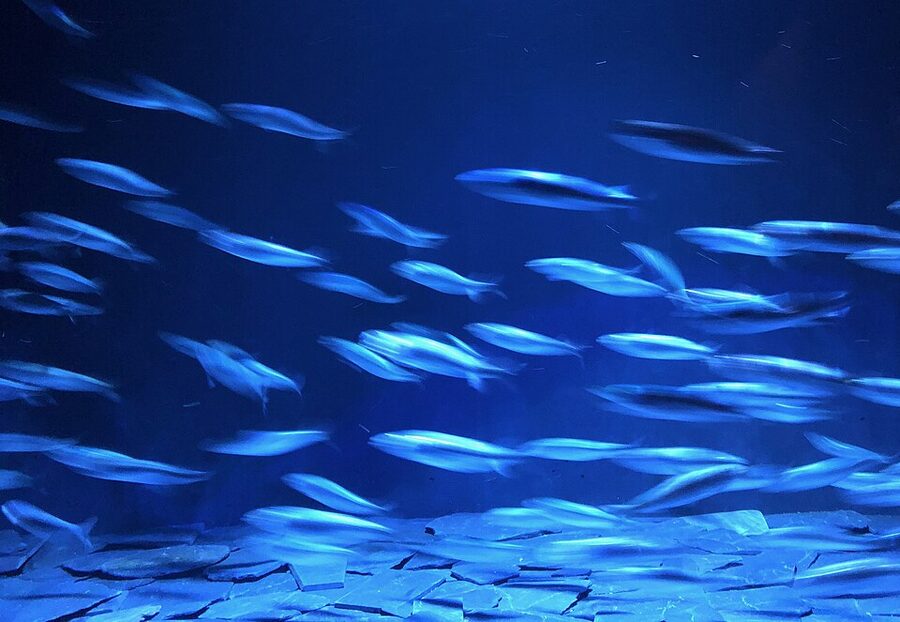
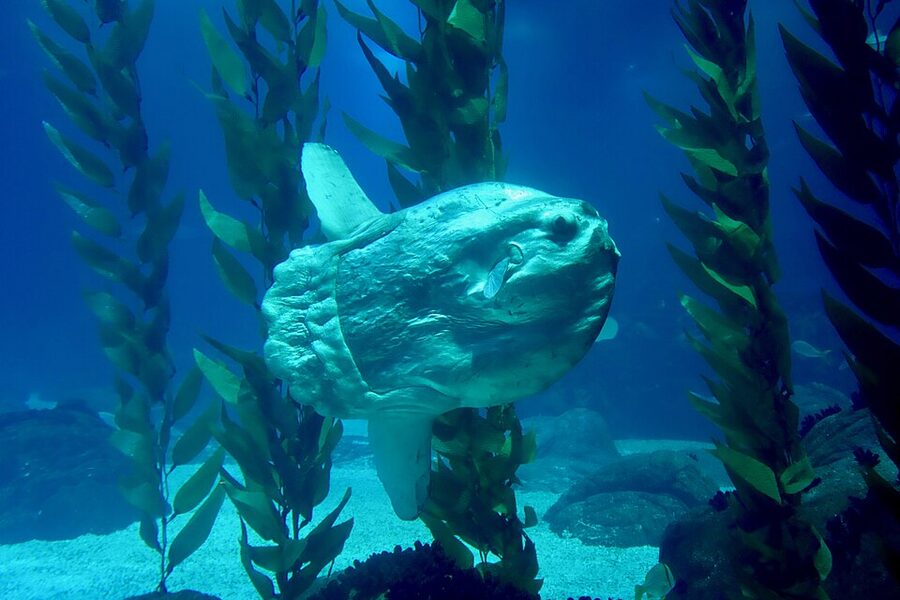
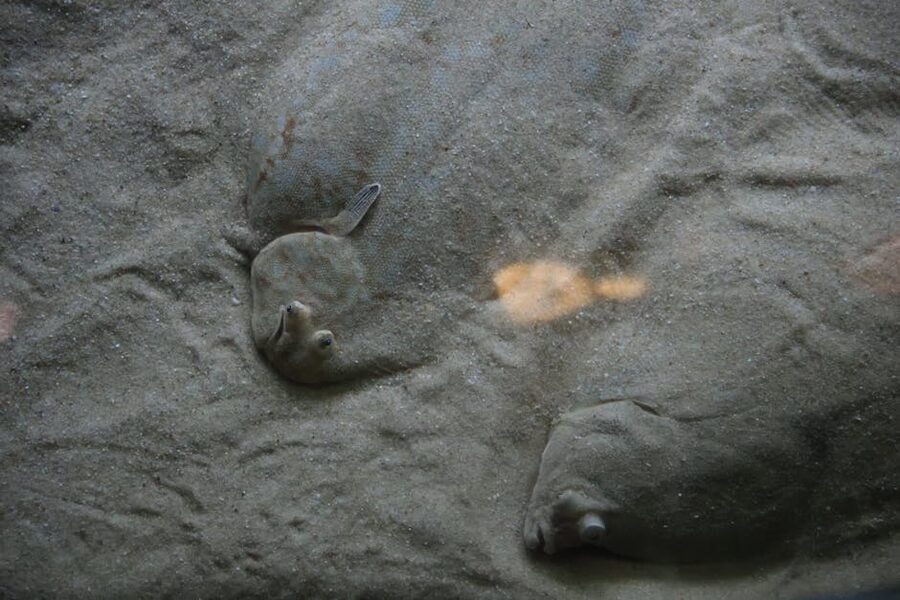
About seven million litres, 25 metres long, ten metres deep. Sand tiger sharks, schools of tuna, barracuda, two species of ray, and the famous resident Mola mola (ocean sunfish) when one is on display. The big rays make the lap that goes past every viewing window roughly every six to eight minutes. Sit on the bench in the lower-level viewing room and wait. They will come back. They always come back.
Standard entry vs behind-the-scenes
There are two real ticket choices, plus the various combos.
The standard timed-entry ticket at €25 is what most people want. Pre-booked, valid for a 30-minute window, then you can stay as long as you like. It includes the temporary exhibition. Children 4 to 12 are €15. Kids under 3 are free. Seniors 65+ get €17. There’s a family bundle that knocks a few euros off if you’re a party of four with two paying adults.
The behind-the-scenes guided tour at around €40 is the one nobody talks about and is genuinely different. You go up to the service level above the central tank, where the divers prep, the food gets weighed, and the open top of the tank is right there. You see the filtration plant. You see the divers feeding the rays. The group is capped (usually six to eight people), the guide is one of the marine biologists, and the tour takes 90 minutes to two hours. They run a few times a week, not daily. Book the slot before you book your flights if it matters. Our review of the behind-the-scenes tour covers what’s actually included and what the timing looks like.
The best Oceanário tickets and guided tours
I’ve narrowed it to three. The flagship entry, the small-group behind-the-scenes, and the alternative-platform admission for people who book everything else through Viator.
1. Oceanário de Lisboa Entrance Ticket: $29

This is the standard timed-entry ticket and what 90% of visitors should book. Our full review goes through the cancellation policy and the difference between the morning and afternoon entry windows. The 30-minute slot is generous and you can stay inside as long as you want once you’re through.
2. Oceanário Behind-the-Scenes Guided Tour: $42

Ninety minutes to two hours with a marine biologist on the upper service level. The group is small enough that you can ask the kind of questions a guide on a bigger ticket can’t answer. Our review notes that the timing is fixed (specific weekly slots only) and the booking window can fill up a fortnight ahead in summer.
3. Oceanarium Admission Ticket (Viator): $30
This is the same standard timed-entry ticket but on Viator instead of GetYourGuide. The price is similar and the cancellation policy is generous. Our review compares the two booking platforms in detail; the difference comes down to which app you’d rather have your tickets sit in.
Getting to Parque das Nações
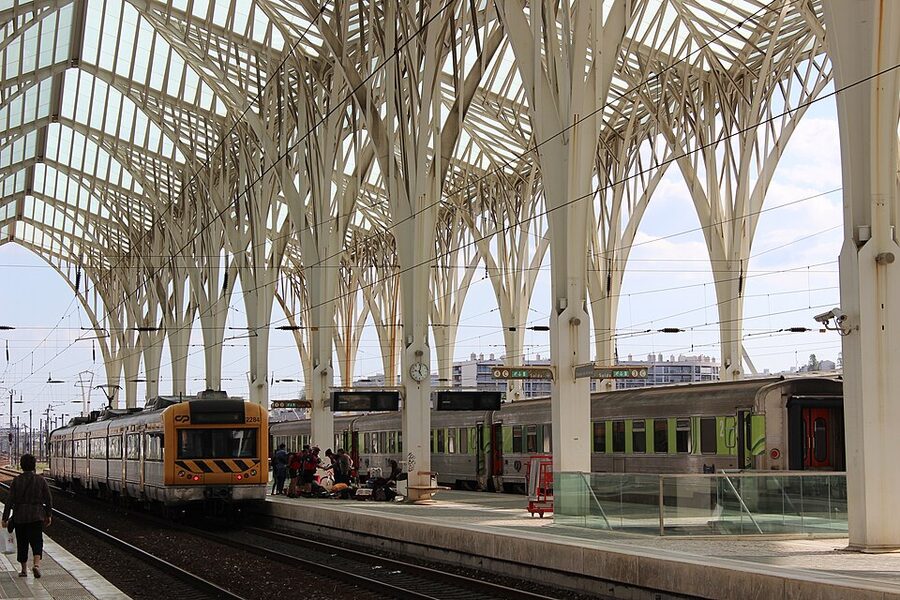
The Oceanário sits in Parque das Nações, the eastern edge of Lisbon, about 6km from the city centre. There’s no walking it from Baixa. The simplest way is the metro. Red line to Oriente. A single ticket is €1.85 on a Viva Viagem card (the card itself is a one-off €0.50). From Baixa-Chiado the trip takes around 22 minutes with one change at Alameda or São Sebastião.
Buses 705, 728, 750, 759, 794 all stop at Oriente. They’re slower than the metro but useful if your hotel is on a direct line. The 705 from Cais do Sodré is the most useful one if you’re staying near Time Out Market and want to skip the metro change.
A tuk-tuk transfer from Baixa runs around €25-€35 one-way and is the most expensive way to do this 6km, but it’s the only option that combines the trip with a city tour on the way. Skip it for the Oceanário-only run; book it if you’re stitching the aquarium into a half-day east-Lisbon city tour.
By car, there’s parking at the Centro Vasco da Gama mall (€2 for the first hour, €5 for two, capped around €15). Don’t drive on weekends in summer; the parking fills by 11am.
If you have a Lisboa Card, the metro ride is included and you get a small discount on the Oceanário entry, but check the card’s discount rate against the online ticket price. Some weeks the card discount is bigger than the online discount, some weeks the online ticket is the better deal.
Around the Oceanário
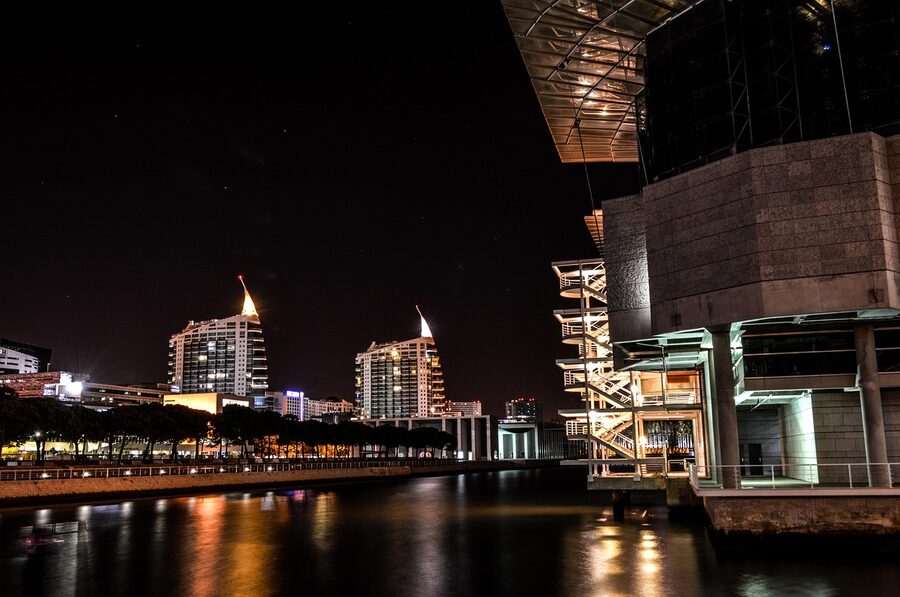
This is where the Oceanário visit gets interesting. Parque das Nações was built from scratch for the 1998 Expo (theme: oceans) and the surviving pavilions and infrastructure are now an actual neighbourhood. You can spend half a day here without trying. The architecture is jarringly modern by Lisbon standards, which is part of the appeal if you’ve spent the last three days walking around old Lisbon and need a visual break.
Centro Vasco da Gama mall

The Centro Vasco da Gama mall is right on top of Oriente station. It’s an ordinary mall (Zara, H&M, Fnac, Worten, a multiplex cinema) and exists mostly for the locals. You don’t come to Lisbon for a Portuguese mall. But the food court on the top floor has cheap, fast, decent options if you have kids who refuse the proper Portuguese restaurants in the rest of the district. Bifana, francesinha, that kind of thing.
Telecabine cable car
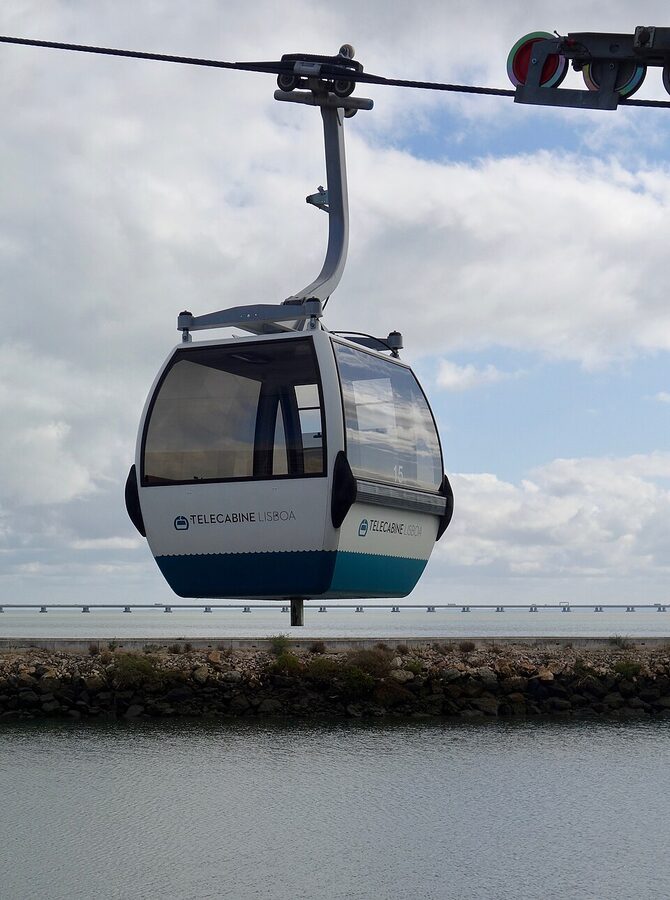
The Telecabine Lisboa runs from the south end of the park (near the Oceanário) to the north end (Vasco da Gama Tower) along the river. It’s about 1.2km, takes around eight minutes one way, and costs €4.50 single or €7 return. The view is the river, the Vasco da Gama Bridge, and the back end of the Oceanário from above. Weather has to cooperate; they shut it in strong wind. If you have kids, do it after the aquarium, not before. The bridge angle from the cable car is the photo most people show their friends back home.
Vasco da Gama Bridge views
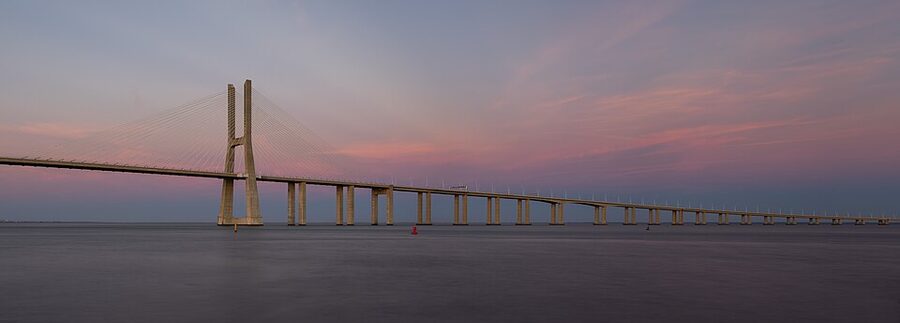
The Vasco da Gama Bridge is more than 12km long. From the ground you can’t see the far end. It opened in 1998, also for the Expo, and was the longest bridge in Europe at the time (still the longest, depending on how you measure it). The riverside promenade north of the Oceanário is the best free view in Parque das Nações. Walk the boardwalk for ten minutes and the bridge fills your whole horizon. Late afternoon is the right time. Sunset is the best time. Bring a coat in winter; the wind off the Tagus is sharper than central Lisbon.
Forests Underwater and the temporary gallery
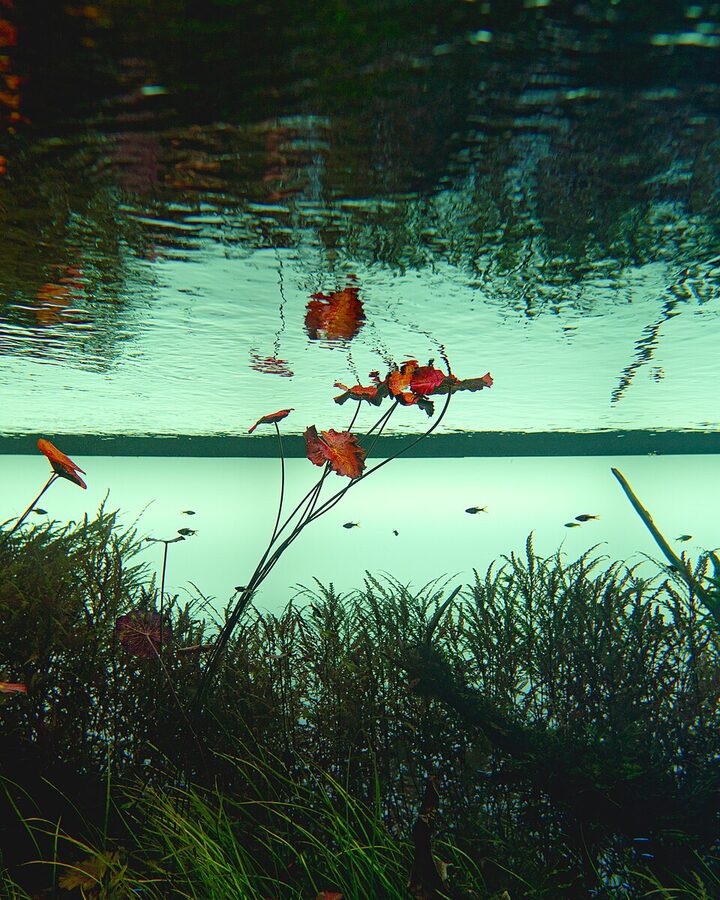
The temporary exhibition (which has now run for years; Oceanário has stopped pretending it’s temporary) is Forests Underwater, a 40-metre aquascape designed by the late Japanese aquarium designer Takashi Amano. It’s the longest planted aquarium in the world. There are no big animals here. There are clouds of cardinal tetras and rasboras moving through underwater forests of rotala, java fern, and crypts. It’s quiet and meditative and the lighting is staged to mimic dawn and dusk on a 12-minute cycle.
Most visitors miss it because the temporary gallery is across the lobby from the main entrance, in its own building. Don’t. It’s included in your standard ticket. Allow 20 to 30 minutes. It’s the part of the visit you’ll think about a week later.
Hop-on hop-off + Oceanário combo: worth it?
The hop-on hop-off bus + Oceanário combo on most platforms costs around €58 and includes 24 to 72 hours of the city’s tourist bus alongside the aquarium ticket. It only makes sense if you were going to buy the HOHO bus anyway. If you weren’t, you’re paying about €33 for a bus you don’t need on top of the €25 you were already going to pay for the aquarium.
The genuine logic for the combo: if you’re already booking the hop-on hop-off bus for the Belém run (it’s the easiest way to do Jerónimos Monastery and the Belém Tower in one afternoon), then the combo can save you a few euros versus buying the two tickets separately. If you’re staying central and using the metro for everything, the standalone tickets win every time.
One footnote: most HOHO routes do not stop at the Oceanário itself. They stop at Oriente or Parque das Nações entrance, and you walk the last 8 minutes. So the combo doesn’t save you a transfer; it just bundles the cost.
When to go
The Oceanário is open daily from 10am to 8pm (last entry 7pm). Closed only on Christmas Day. The crowds map onto Lisbon’s tourist day in a predictable way.
The quietest slots are opening (10am) on weekdays and the last two hours (around 6pm onwards). The busiest is weekend lunchtime in summer when half of Lisbon’s families and most of its school groups are converging. Spring weekday mornings in March-April are the genuinely calm version of the visit. School holidays in any country with a direct flight to Lisbon (UK half-term, French Toussaint, Spanish Semana Santa) are the loudest.
Hot tip: feeding times. The divers feed the central tank at posted times (usually 11.30am and 4pm, but check the board at the entrance). The big rays come close to the glass at feeding. If you can build your visit around 11.30am, do.
If you’re already doing a Sintra day trip on a different day, plan the Oceanário for the morning of a flat-feet recovery day. The aquarium is mostly indoors, mostly seated viewing if you want it to be, and is a much easier visit than another set of palace gardens after a 12,000-step day.
Practical notes you’ll wish you knew
- Allow 2 hours minimum, 3 if you’re with kids who read panels, 1.5 if you blast through.
- Strollers are fine; the building is fully step-free with lifts between the two main levels.
- The lower level is colder than the upper. You’re at sea-water temperature against thick glass for ten metres. Bring a layer in winter even though you’re indoors.
- Lockers are at the entrance, €1 coin deposit, refunded.
- The cafe inside is mediocre. Eat at the riverfront restaurants in Parque das Nações afterwards or grab something at the Vasco da Gama mall.
- No flash photography. They actually enforce this and the staff will quietly tap your shoulder. You don’t need it; the tank lighting is bright enough for a phone camera if you press your lens against the glass to kill reflections.
- Audio guides in eight languages, around €4 extra. Worth it for kids over eight; pointless for younger.
- Free entry on World Oceans Day (8 June, usually with timed slots that book up the morning they open). Great if you’re in town, painful if you’re trying to combine with other June plans.
The 1998 Expo backstory
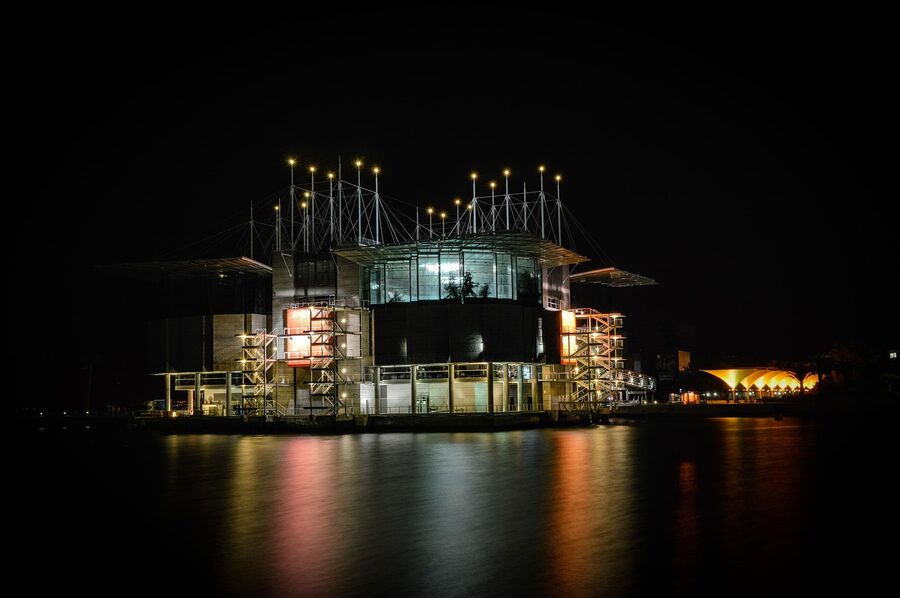
The 1998 Expo (formally Expo ’98) was Lisbon’s hosting of the World’s Fair, marking 500 years since Vasco da Gama’s voyage to India. The theme was The Oceans, A Heritage for the Future. Portugal spent heavily, the city built a metro line and a bridge to serve the site, and the architects were given a brief to make a permanent civic district instead of a six-month festival ground.
That’s why Parque das Nações exists. After the Expo closed, the pavilion buildings were converted: the Pavilhão de Portugal (the one with Álvaro Siza’s hanging concrete canopy) became a conference centre, the Pavilhão Atlântico became a concert arena (now Altice Arena), and the Pavilhão dos Oceanos became the Oceanário de Lisboa. Architect Peter Chermayeff (an American who specialised in aquariums) got the commission. The Oceanário opened to the public on 22 May 1998 and stayed open after the Expo wrapped.
The four-ecosystem-around-a-central-tank design was Chermayeff’s response to the brief: show that the world’s oceans are one ocean. It’s a clever piece of architecture pretending to be a piece of marine biology, and it works.
Where else to add a Lisbon water-and-bridge afternoon
If you’re already going east for the Oceanário, build the day out. The boardwalk up to the Vasco da Gama bridge is the city’s quietest river walk and pairs well with the bus-and-tram day-pass logic of the hop-on hop-off bus. Across town in Belém, Jerónimos Monastery is the obvious counterpoint to the Vasco da Gama theme, since the monastery was built to thank God for the same voyage. For an evening that pairs well with a Parque das Nações afternoon, the fado dinner shows in Alfama are a 25-minute metro back. The aquarium-comparison day in Spain is Valencia’s Oceanogràfic, which has the size record but lacks the design conceit.