
So, do you actually need a hop-on hop-off bus in Lisbon? It’s a fair question. The old-town core of Baixa, Chiado and Alfama is genuinely walkable, the metro charges €1.50 a ride, and the famous Tram 28 already shadows half the route a sightseeing bus would take.
The short answer: a HOHO bus only really earns its keep on the Belém run and on the longer Modern Lisbon loop out to Parque das Nações. Inside the historic centre it’s mostly redundant. This guide walks through how Lisbon’s bus network actually works, which ticket length makes sense, and why some operators bundle a tram and a Tagus boat into a single pass.

Short on time? Skip ahead to the three tickets I’d actually book.
Quick picks:
- Lisbon 1 or 2-Day Hop-On Hop-Off Bus from $25. The classic flagship, both routes covered.
- Lisbon 72/96-Hour Bus, Tram and Boat from $55. Adds a tourist tram loop and a Tagus boat to the bus pass.
- Lisbon Amphibious Sightseeing Tour from $35. The Hippotrip bus that drives into the river. Different beast, but worth knowing.
- Lisbon by bus, tram, metro and foot, what each one is good for
- How the Lisbon HOHO network is actually structured
- What you actually get with a Yellow Bus ticket
- Choosing between 24, 48, 72 and 96-hour tickets
- Belém: the one route where the bus genuinely earns its place
- Parque das Nações: where the Modern Lisbon route comes alive
- The 3 Lisbon HOHO tickets I’d actually book
- 1. Lisbon: 1-or 2-Day Hop-On Hop-Off Bus Tour: from
- 2. Lisbon: 72/96-Hour Hop-On Hop-Off Bus, Tram and Boat Ticket: from
- 3. Lisbon: Amphibious Sightseeing Tour: from
- Hippotrip: the amphibious bus people don’t realise exists
- Tuk-tuks vs HOHO bus: the local alternative
- Where to actually catch the bus
- Cruise passengers: the special case
- Boat add-ons: which one is bundled, which one isn’t
- Practical things I wish I’d known
- How the city’s other transport tickets compare
- When the HOHO is genuinely the wrong choice
- What I’d actually do
- Other Lisbon guides worth bookmarking
Lisbon by bus, tram, metro and foot, what each one is good for
Before you spend €22 on a 24-hour HOHO ticket, it helps to know what the alternatives cost and where they go.

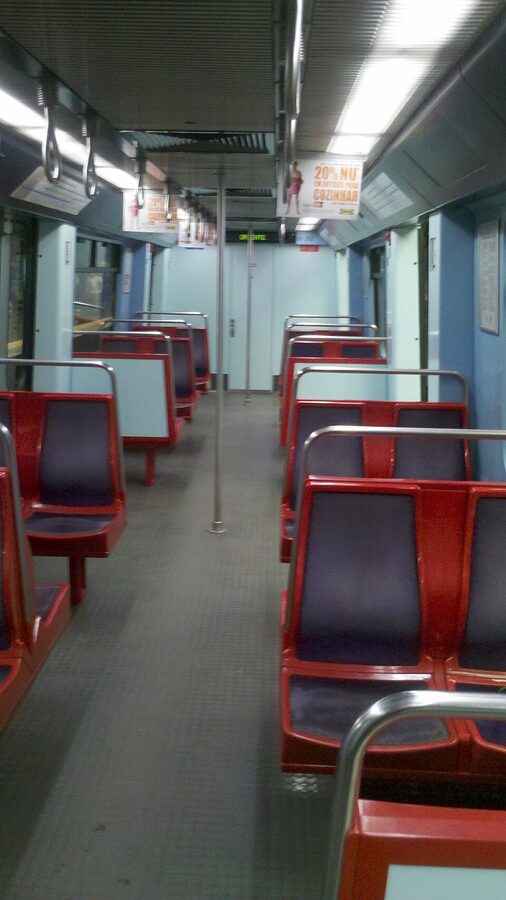
The metro is the workhorse. A single ride is €1.50 with a rechargeable Viva Viagem card (the card itself costs €0.50 once). A 24-hour pass for unlimited metro, bus and tram is €6.80. That’s already a third of what a HOHO pass costs and gets you anywhere a local goes.
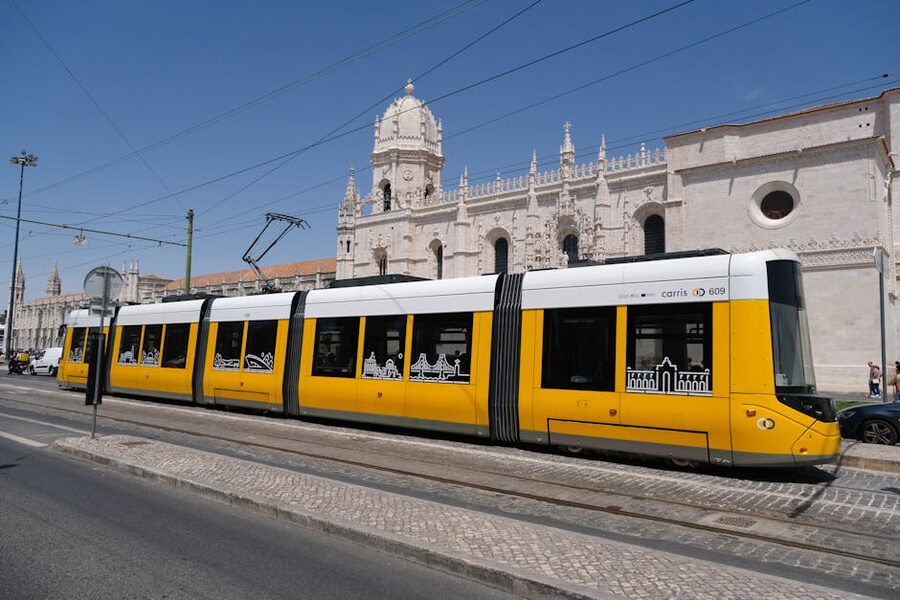
Tram 28 is the famous yellow rattler that loops through Graça, Alfama, Baixa, Chiado and out to Estrela. It’s covered by the same €1.50 single. The trade-off is the queues at Martim Moniz in summer can run 40 minutes, and pickpockets work the route hard. If you can board at Estrela or Campo Ourique going the other direction, you’ll usually walk straight on.
Walking is the under-rated option. Praça do Comércio to Castelo de São Jorge is 25 minutes uphill on foot through Alfama. Praça do Comércio to Cais do Sodré is 10 minutes flat along the river. You don’t need a bus for any of that. I covered most of those streets in my Lisbon city walking guide if you want a proper foot itinerary.
So where does the HOHO actually win? Belém. It’s about 6km west of Praça do Comércio, the bus runs there directly, and the alternative is tram 15E (which is fine, but crowded) or a 25-minute Uber. Same logic for Parque das Nações in the opposite direction. That’s the real value of a sightseeing pass.

How the Lisbon HOHO network is actually structured
One operator dominates: Yellow Bus, run by the same Carristur arm that runs the public trams. Their double-deckers are the bright canary-yellow ones you see parked at Restauradores and Praça do Comércio. A second operator, Cityrama Gray Line (red buses), works the same routes with similar pricing. They’re functionally interchangeable for tourists. Yellow Bus has the deeper integration with the city’s public transport, which I’ll get to.
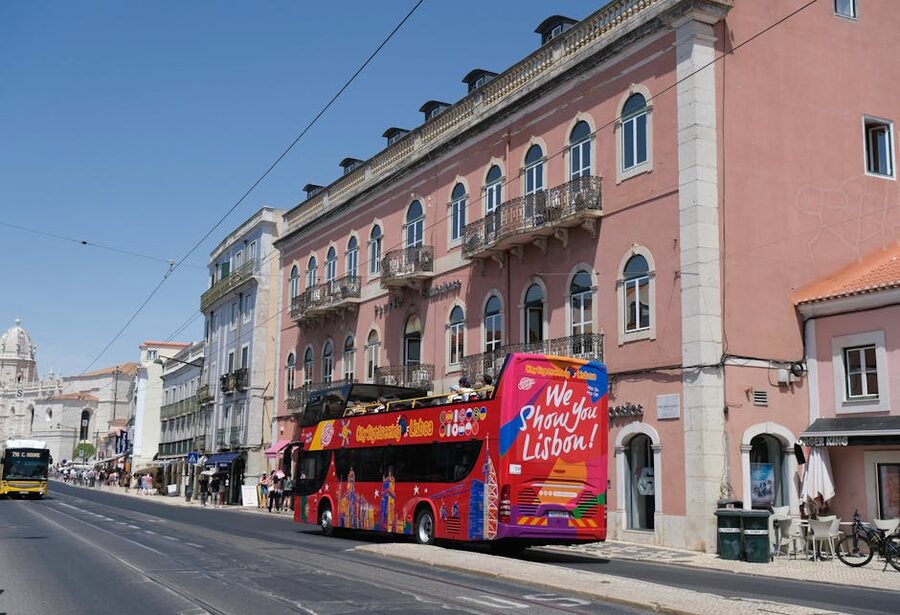
There are two main routes you need to understand:
Historic Lisbon (Blue Line): the bread and butter route. Runs from the Marquês de Pombal area down through Avenida da Liberdade, Restauradores, Praça do Comércio, then west along the riverfront to Belém and back. This is the one most visitors actually use. Frequency is every 20 minutes from 9am to 5pm, dropping to every 30 minutes from 5pm to 7pm.
Modern Lisbon (Purple Line): heads east instead, out to Parque das Nações via Santa Apolónia. This is the route that includes the Oceanário de Lisboa stop. Frequency is every 30 minutes, runs 9am to 6:45pm. Less popular than the Belém line, but the only sensible way to combine the aquarium with the rest of your day if you don’t want to mess with the metro.
If you only want one of the two routes, that’s possible too. Yellow Bus sells a Belém-only pass and a Modern Lisbon-only pass, both 24 hours, both around €18. Most people just go for the combo ticket because the price gap isn’t large.

What you actually get with a Yellow Bus ticket
This is where Lisbon’s HOHO does something most cities don’t. A standard Yellow Bus ticket isn’t just for the tourist bus. During the validity window you can also use:
- All public yellow trams (the ones run by Carris, including Tram 28 and Tram 15E to Belém)
- The three street funiculars: Glória, Bica and Lavra
- The Santa Justa Elevator
That’s a real differentiator. If you bought a 48-hour bus ticket and wanted to skip the bus entirely on day two, you could ride Tram 28 four times, take a funicular up to Bairro Alto, and ride the Santa Justa Elevator down, all on the same ticket. The €1.50 metro single doesn’t cover any of those.

Where it gets a bit lawyer-flavoured: the deal does not cover the metro, regular Carris city buses (the green-and-white ones, not yellow), or the suburban Cascais and Sintra trains. So if you were planning to use a HOHO ticket as a general transit pass for, say, a Sintra day trip, that won’t work. Buy a separate train ticket for €4.55 each way.
Choosing between 24, 48, 72 and 96-hour tickets
Yellow Bus prices its tickets in steps. As of this season the published gate prices are €22 for 24 hours, €38 for 48 hours, €47 for the 72-hour version that adds a tram and boat ride, and €57 for the 96-hour equivalent. Children 4 to 10 get roughly half off. Under-fours ride free.
Here’s how I’d actually choose:
24 hours: only worth it if Belém is your sole reason for buying the ticket and you’re going to bounce around the western riverfront for a single packed day. Otherwise the maths doesn’t work; you’d basically be paying €22 for one bus ride to Belém and one back.
48 hours: the sweet spot for most three-day visits. Day one in Belém, day two in Parque das Nações, with tram-and-funicular access between. €38 over two days is roughly what you’d spend on metro plus tram singles plus the Santa Justa lift, and you skip a lot of queues.
72 hours with tram and boat: this is what Yellow Bus internally calls “All in One” and is the package most affiliate platforms list as the headline product. It adds the tourist tram loop (the red Hills Tramcar tour) and a Tagus river cruise. If you’re going to do those things anyway, it’s a clear save. The 72-hour bus-tram-boat combo is reviewed in detail at our All in One bus, tram and boat ticket page.
96 hours: only makes sense if you’re staying five-plus nights and doing things slowly. If your Lisbon trip is a long weekend, don’t pay for time you won’t use.

Belém: the one route where the bus genuinely earns its place
Belém is where most casual visitors discover that walking everywhere has limits. From the centre it’s roughly 6km west along the river. Tram 15E goes there for €3 single (or free with your HOHO pass). The HOHO bus does the same trip but you stop on top of the major sights instead of walking ten minutes from the tram terminus.
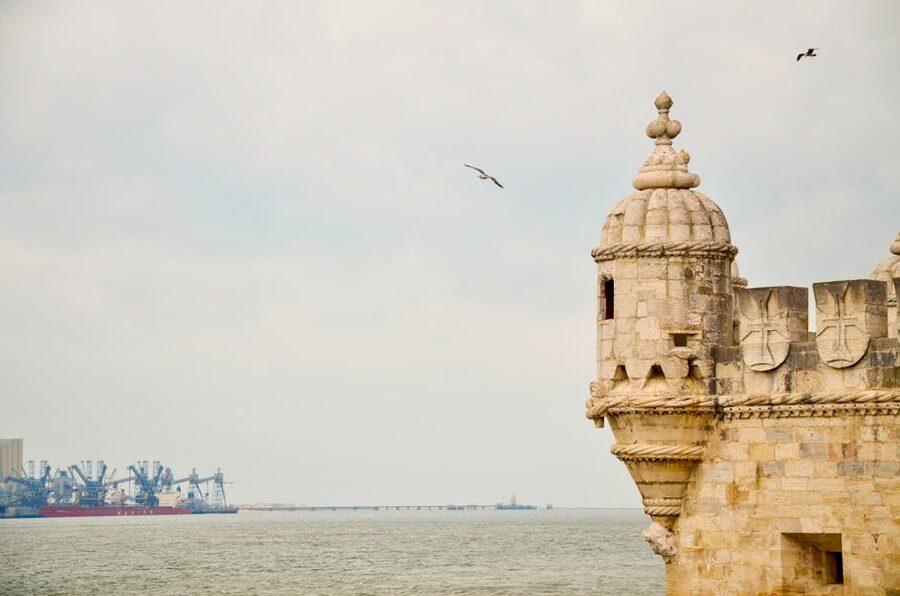
The Belém stops on the Historic Lisbon route are the ones that matter:
- Mosteiro dos Jerónimos: the UNESCO monastery and the most-visited single building in Lisbon. Tickets and timing are covered separately in our Jerónimos Monastery booking guide.
- Belém Tower: the small fortress you’ve seen on every Lisbon postcard. Skip the queue if it’s after 4pm; the line moves fast in the last hour.
- Pastéis de Belém: the original 1837 custard tart bakery. The bus stops directly outside. If the line outside is 50 deep, walk past, have a coffee at the bar inside, and order from the seated menu instead. Much faster.
- Padrão dos Descobrimentos: the big 1960 monument shaped like a ship’s prow. Worth the photo, less worth the €10 to go inside.
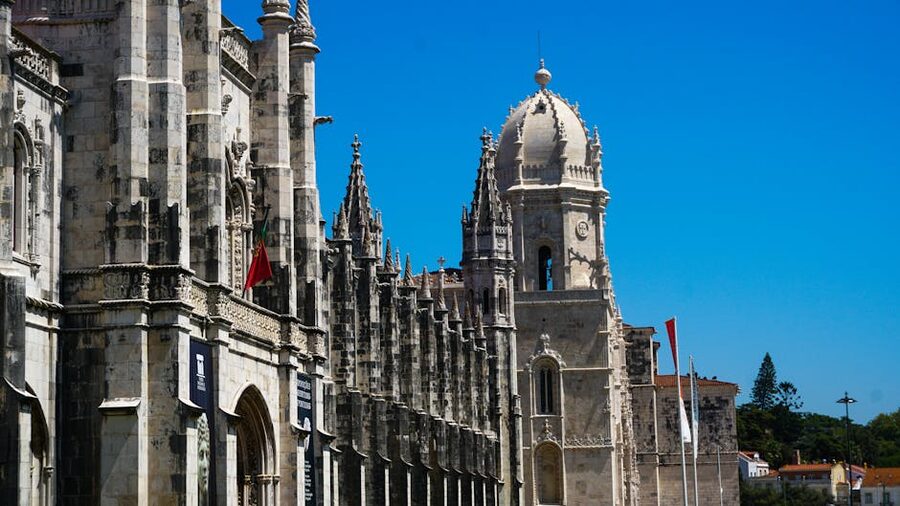
Real talk: the Belém run from Praça do Comércio takes around 35 to 45 minutes by HOHO with normal stops. By Tram 15E it’s about 30 minutes. By Bolt or Uber, 15 to 20 outside rush hour and roughly €10 to €12. If you’re tight on time, grab a rideshare to Belém first thing, then use the HOHO to come back at your leisure with stops along Avenida 24 de Julho.
Parque das Nações: where the Modern Lisbon route comes alive
The eastern route is the one most people skip and the one I’d argue makes the 48-hour ticket worth buying. Parque das Nações was built on a derelict industrial waterfront for the 1998 World Expo and now houses the Oceanário de Lisboa, the Vasco da Gama Tower, and a long boardwalk under the longest bridge in Europe.

The Modern Lisbon route picks up at Restauradores, runs along the riverfront past Santa Apolónia and Parque das Nações, then loops back via the airport area. If you’re staying near Saldanha or up in the modern north of the city it’s actually the more useful loop than the Belém one, even though it’s less famous.
The Yellow Bus also sells a combo ticket that bundles 48 hours of Modern Lisbon plus a timed Oceanário entry for €48 adult. That’s a small saving over buying both separately and a clear winner if the aquarium is on your list anyway. There’s a similar combo with the Belém route as well, useful if you want to pair it with the monastery visit.
The 3 Lisbon HOHO tickets I’d actually book
I went through the numbers and the route maps. These are the three tickets that earn their price across most kinds of trip. The first is the standard pass, the second is the upgrade that adds a tram and a boat ride, and the third is a different category of vehicle entirely.
1. Lisbon: 1-or 2-Day Hop-On Hop-Off Bus Tour: from $25

This is the default ticket: 24 or 48 hours, both routes, plus the Santa Justa Elevator and yellow trams thrown in. Visitors who tried both this and the City Sightseeing red bus in our full review of the 1-or-2-day pass usually pick this one for the better tram integration. If you only want one bus ticket for Lisbon, it’s this.
2. Lisbon: 72/96-Hour Hop-On Hop-Off Bus, Tram and Boat Ticket: from $55
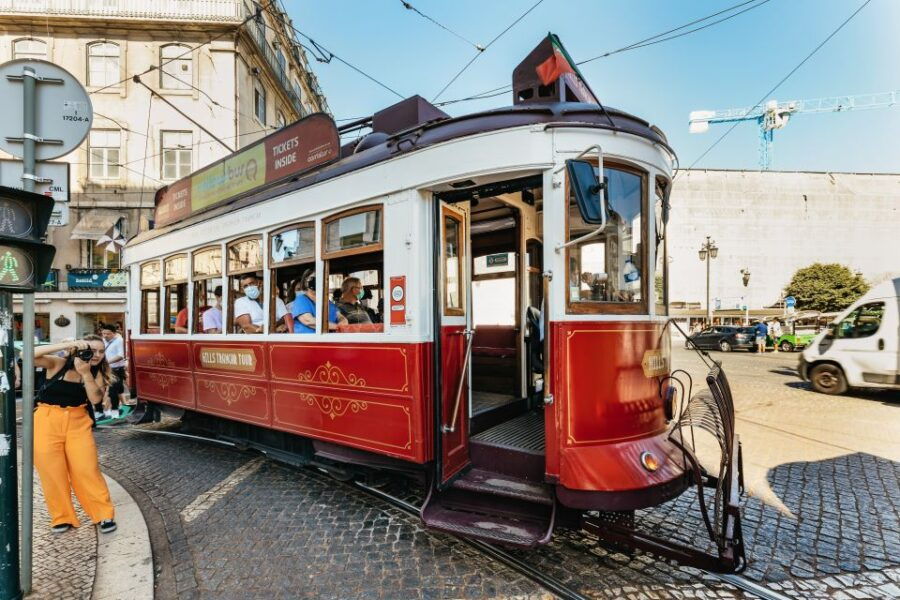
If you’re doing four days in Lisbon and the Tagus river cruise is on your list, this is the version that pays for itself fastest. Our breakdown of the 72/96-hour combo ticket walks through where the boat picks up and the slightly fiddly redemption process. Worth it if you’d buy the boat tour anyway. Skip if you wouldn’t.
3. Lisbon: Amphibious Sightseeing Tour: from $35

Different category. Not really a HOHO; a guided 90-minute amphibious loop that drives Lisbon’s streets, then ramps into the Tagus to cruise the riverfront from below. Family-friendly, more entertainment than serious sightseeing. The Hippotrip review covers booking and the meeting point at Cais do Sodré. Pair it with a half-day pass on a regular bus and you’ve covered everything.
Hippotrip: the amphibious bus people don’t realise exists
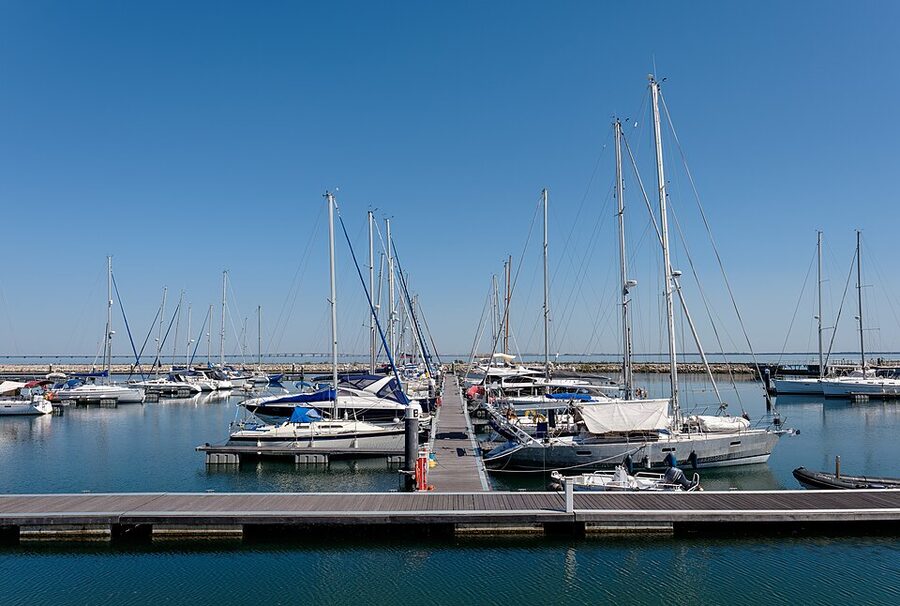
If the regular HOHO sounds boring and you want a story to take home, the Hippotrip amphibious bus is the alternative. It’s a converted military duck-boat painted bright yellow that drives 45 minutes through Doca de Santo Amaro and Belém, then noses straight into the Tagus near the marina and floats around for another 45 minutes. The route doesn’t really compete with the city-wide HOHO; it’s a single 90-minute loop with a guide.

Cost is €30 adult, €18 child or senior. Cheaper than buying a 24-hour HOHO and a separate boat tour, more entertaining than either, no real overlap with what a regular bus shows you. The downside is it leaves four times a day from a single dock at Doca de Santo Amaro, so you have to plan around the timetable. The Cityrama 3-in-1 bus, tram and boat product is a softer alternative if you want a similar mix at a lower price; we cover it in our 3-in-1 bus and tram review.

Tuk-tuks vs HOHO bus: the local alternative
You can’t walk five minutes through Baixa without seeing a tuk-tuk driver waving a laminated card at you. They’re a real thing in Lisbon and they fill a niche the bus cannot: getting up the steep, narrow streets of Alfama, Mouraria and the Castelo. A HOHO bus literally cannot drive those routes. It’s too wide.
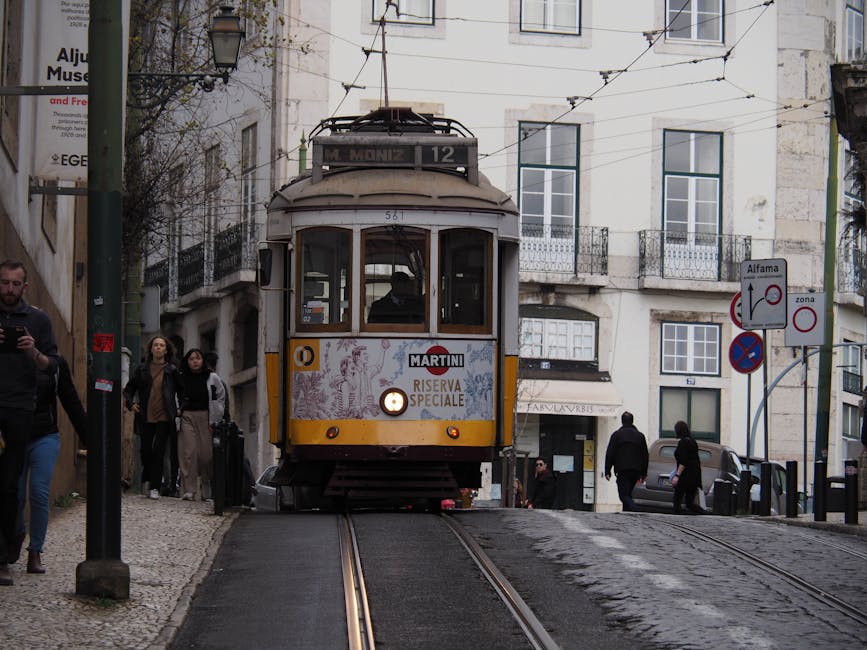
A typical 1-hour private tuk-tuk tour runs €40 to €60 for up to four people. The pricing splits well across a couple, less well solo. Drivers usually customise the route and they know all the small miradouros that don’t show up on Google Maps. The Lisbon tuk-tuk guide goes deeper on which operators are reliable and which routes work best. If your priority is the upper city, take a tuk-tuk and skip the bus. If your priority is Belém, do the opposite.
Where to actually catch the bus
Both Yellow Bus and Cityrama use the same major hubs. The two you’ll see most often:
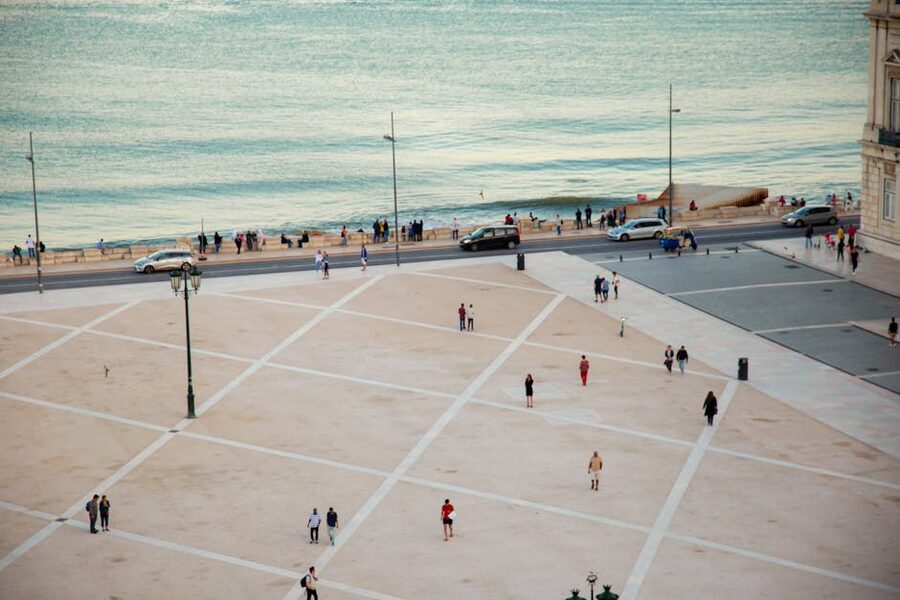
Praça do Comércio (the riverfront square with the big arch). All routes pass through. There’s a clearly marked Yellow Bus kiosk on the eastern side of the square. If your hotel is anywhere in Baixa or the Bairro Alto, this is your stop.
Restauradores (top of Baixa, just below Avenida da Liberdade). The official Yellow Bus departure hub for both routes. There’s a ticket office and a clearly marked queueing area. If you’re staying around Avenida or Marquês de Pombal, this is closer than Praça do Comércio.
Other useful stops along the Historic Lisbon route: Cais do Sodré (where the trains to Cascais leave), Belém (multiple stops), and Marquês de Pombal (for the metro interchange). On the Modern Lisbon route the key non-obvious stop is Santa Apolónia, useful if you’re arriving by train from Porto or by cruise ship at the eastern terminal.
Cruise passengers: the special case
Lisbon takes a lot of cruise traffic. The two main terminals are at Santa Apolónia (eastern, closer to the historic centre) and Alcântara (western, near the 25 de Abril Bridge). Both have HOHO stops within walking distance, but the routing is different from each.

From Santa Apolónia, the Modern Lisbon route is your fastest way to Parque das Nações and the Oceanário, and you can transfer to the Historic Lisbon route at Praça do Comércio for Belém. From Alcântara, you’re already roughly halfway to Belém by foot; pick up the Historic Lisbon route eastbound for the city centre, then double back westbound for the monastery. Buying a 24-hour ticket on the dock the morning you arrive almost always works out cheaper than two taxi runs.
Boat add-ons: which one is bundled, which one isn’t
The Tagus river is part of why Lisbon looks the way it does, and most operators sell some kind of boat add-on. Worth knowing what’s actually in your ticket.
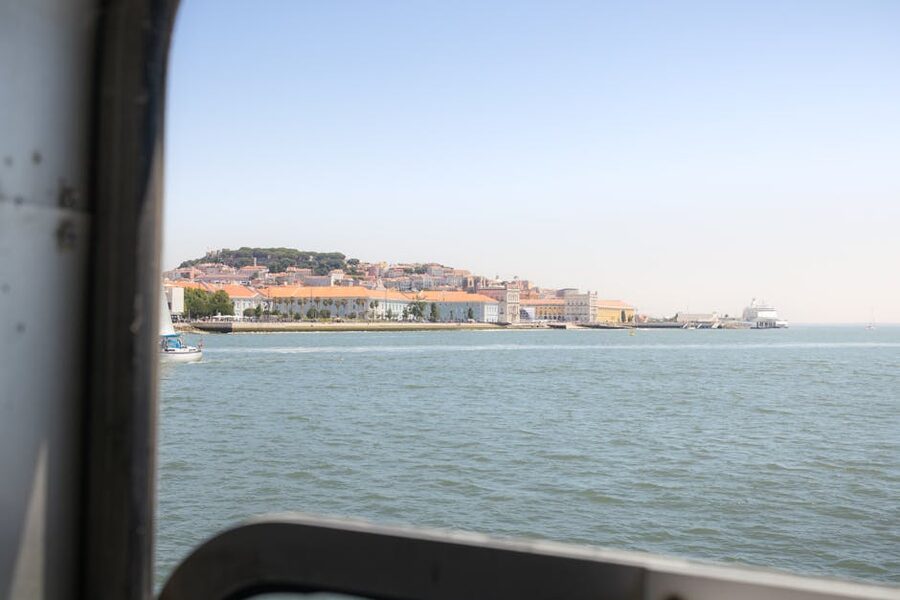
The 72-hour Yellow Bus pass includes a 60-minute Tagus cruise from Terreiro do Paço. That’s the big differentiator versus the standard 24/48-hour ticket. The 48-hour bus and boat pass sold separately covers just the Historic Lisbon route plus the boat, no Modern Lisbon and no Hills Tramcar. It’s an option if you specifically want bus-plus-boat without the longer validity. The 48-hour bus and boat ticket review walks through the timing. The Cityrama 3-in-1 has a similar boat element on a slightly shorter loop.
The amphibious Hippotrip is technically a boat ride too, but you don’t need a HOHO pass for it. It’s its own standalone €30 ticket.
Skip the boat if you’ve already booked a sunset Tagus cruise separately, which a lot of people do. There’s no point paying twice for the same hour on the river.
Practical things I wish I’d known
A handful of small details that aren’t obvious from the Yellow Bus website:
The audio guide. Headphones are dispensed onboard. They run a 12-language commentary that’s actually decent in Portuguese and Spanish, average in English, and a little flat in Italian. The script changes between routes; don’t expect the Belém commentary to make sense if you’re on the Modern Lisbon loop.
Top deck or bottom. The top is open-air and panoramic but cold from October through March and brutal in mid-summer afternoons (the white seats genuinely scorch). The bottom deck has air-con, but the windows are tinted in a way that murders photo quality. I usually take the top going out and the bottom coming back when it’s hot.
Validity timing. The clock starts on first scan, not when you buy the ticket. I once bought a 24-hour pass at 6pm thinking I’d have it for the next day; first scan at 9am the following morning gave me a full day. Always wait until you’re actually about to board before you tap in.
Frequency drops in winter. The published 20-minute frequency on the Historic route is the summer schedule. November through February it’s closer to every 30 minutes, and on rainy days you’ll wait longer. Don’t plan a tight day in January around hitting four buses on time.
Last departure is not the same as last bus through your stop. If you’re at the eastern end of the Historic Lisbon route, the last bus from Restauradores at 7pm won’t reach you until 7:25 or 7:30. Plan accordingly. There’s nothing more annoying than waiting for a HOHO that has already finished for the day.
How the city’s other transport tickets compare
If you’re wavering between a HOHO pass and one of the city’s official tourist passes, here’s the short version. The Lisbon Card covers all metro, bus, tram, the Sintra train and the Cascais train, plus free admission to major museums and Jerónimos. It’s €22 for 24 hours, €37 for 48 hours, €46 for 72 hours. Compared with HOHO at the same lengths, the Lisbon Card is the better value for sightseeing inside the historic centre and for day-trips to Sintra and Cascais. The HOHO is the better value if you specifically want the Belém route comfortably and the bundled boat ride.
For most people, the practical mix is a Lisbon Card for transit and museums, plus a single HOHO day for the Belém run. That’s roughly €60 for the pair and covers everything I’d want to do in three or four days.
When the HOHO is genuinely the wrong choice
Three situations where I’d skip the bus entirely:
One day only. If you’ve got 24 hours in Lisbon, walk Baixa and Chiado in the morning, take a tuk-tuk through Alfama at lunchtime, and Uber to Belém in the afternoon. You won’t recover the time you lose to bus frequencies and route inefficiency on a one-day trip.
Solo budget travel. The Lisbon Card and a single Tram 28 ride will cover almost everything a HOHO does for €15 less. You give up the bundled boat and the slightly more comfortable ride; that’s it.

Bad weather. Open-top double-deckers in pouring January rain are miserable. The bottom deck is fine but the windows are no good for photos. A €1.50 metro ride and a coffee somewhere covered makes more sense.
What I’d actually do
If you’ve read this far, you don’t really need a verdict, but here’s mine. For a typical three or four-day Lisbon trip I’d buy a Lisbon Card for transit and museums, then add a 24-hour Yellow Bus pass on the morning I plan to do Belém. That uses the HOHO for what it does best (the western run) and covers everything else more cheaply through the public network.
If your trip is longer or your group has kids, the 72-hour bus, tram and boat package is genuinely good value. The boat ride alone is the better part of an hour of Lisbon you wouldn’t otherwise see, and the Hills Tramcar loop bundled in is a different route from Tram 28 so it’s not a duplicate. And if you want one ridiculous experience, do the Hippotrip on a separate ticket and combine it with whatever else you’ve got.

Other Lisbon guides worth bookmarking
If you’re building out the rest of your trip, the same logic of “what’s actually worth booking and what isn’t” applies to the city’s other major experiences. Our Lisbon Fado evening guide is a sensible starting point for the music side, and the Lisbon food tour booking guide covers where the petisco crawls actually go versus the generic ones. For a cluster of nearby HOHO comparisons, the Seville HOHO guide and the Madrid panoramic city tour guide are useful if you’re stitching an Iberian trip together.