
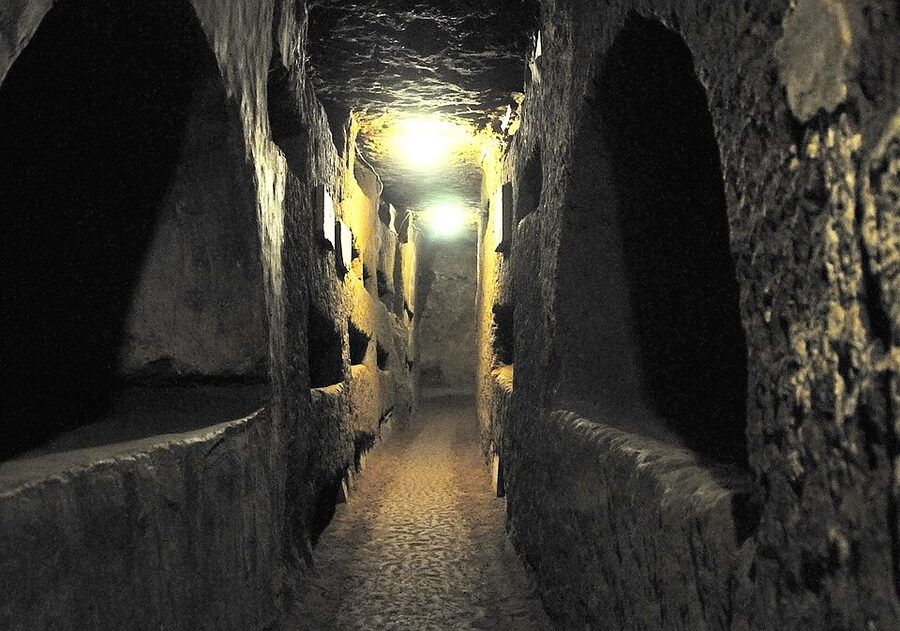
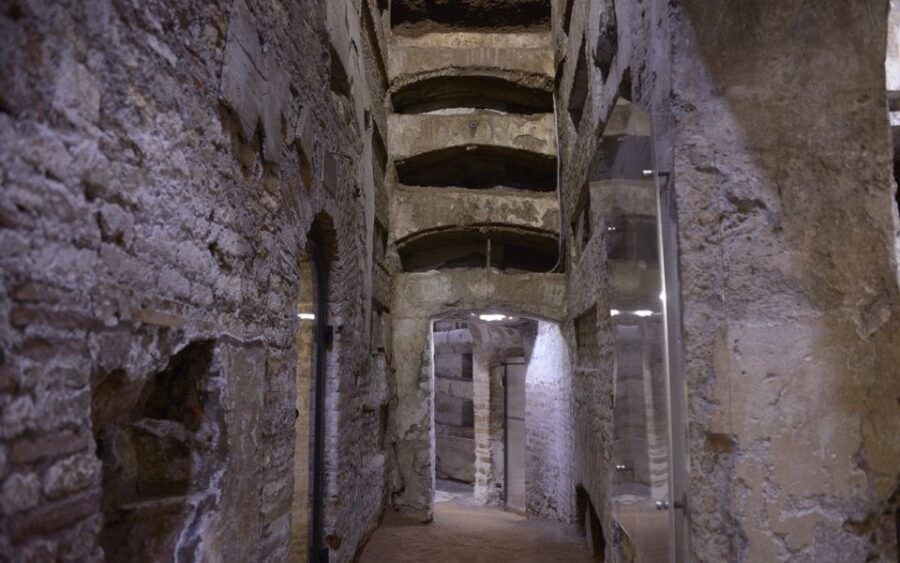
The first thing you notice is the temperature. Twenty metres below the Appian Way, even in August, you’ll want a jacket. The second thing is the silence. Above ground, scooters and tour buses; down here, just stone passages narrow enough that two people can’t walk side by side, and tomb niches stacked four and five high on either side of you.
I had no idea what to expect on my first visit to the Catacombs of San Callisto. I’d booked the standard 30-minute guided tour because the website said you couldn’t go in alone. Forty minutes in I was still down there, listening to a guide explain why a fish symbol meant Christ, and I’d already decided I’d come back to do San Sebastiano on a separate trip.
- In a Hurry? My Top Picks
- Which Catacomb You Actually Visit
- How to Get There Without Losing Half a Day
- Why You Need a Guide (and Why That’s Not a Bad Thing)
- Tickets, Prices, and Booking
- What to Expect Inside
- The Capuchin Crypt: Different Thing, Same Trip
- The Tours I’d Actually Book
- 1. Rome Crypts & Catacombs Underground Tour with Transfers: from
- 2. The Original Roman Crypts and Catacombs Tour: from
- 3. Catacombs of San Callisto Entry Ticket & Guided Tour:
- Brief History (Why They’re Even Down There)
- Practical Tips From Two Visits
- If You’re Doing the Underground Rome Theme
- Combining the Catacombs With Other Rome Sites
- Common Mistakes I Made My First Time
- FAQs
- Heading Back Above Ground
In a Hurry? My Top Picks
1. Rome Crypts & Catacombs Underground Tour with Transfers, from $74. The default pick. Three sites in one go (catacombs, Capuchin Crypt bone chapel, basilica with Christian crypt) and the coach takes you to the Appian Way and back. No bus 118 fiasco.
2. The Original Roman Crypts and Catacombs Tour, from $66. Same three-site format on Viator, slightly cheaper, capped at small group size. Pick this if Viator is your platform of choice.
3. San Callisto Entry Ticket & Guided Tour, $16. Cheapest way in. Just the catacomb, no transfers. Take this if you’ll get yourself out to the Appian Way under your own steam.
Which Catacomb You Actually Visit
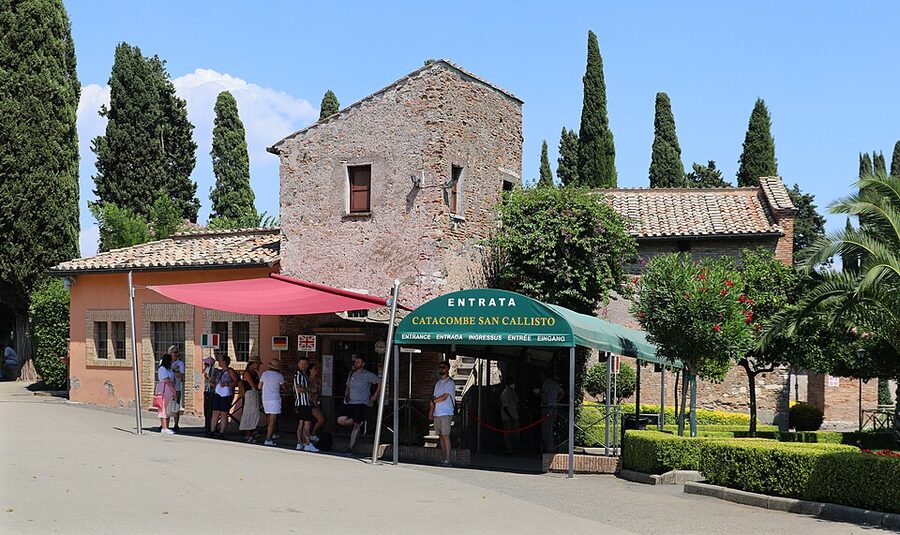
“The Catacombs” sounds like one place. There are sixty of them around the edge of Rome, and you can only enter five or six. The rest are closed off for excavation, structural reasons, or because nobody runs tours there. Which one you visit matters more than most people realise, and most package tours don’t tell you in advance.
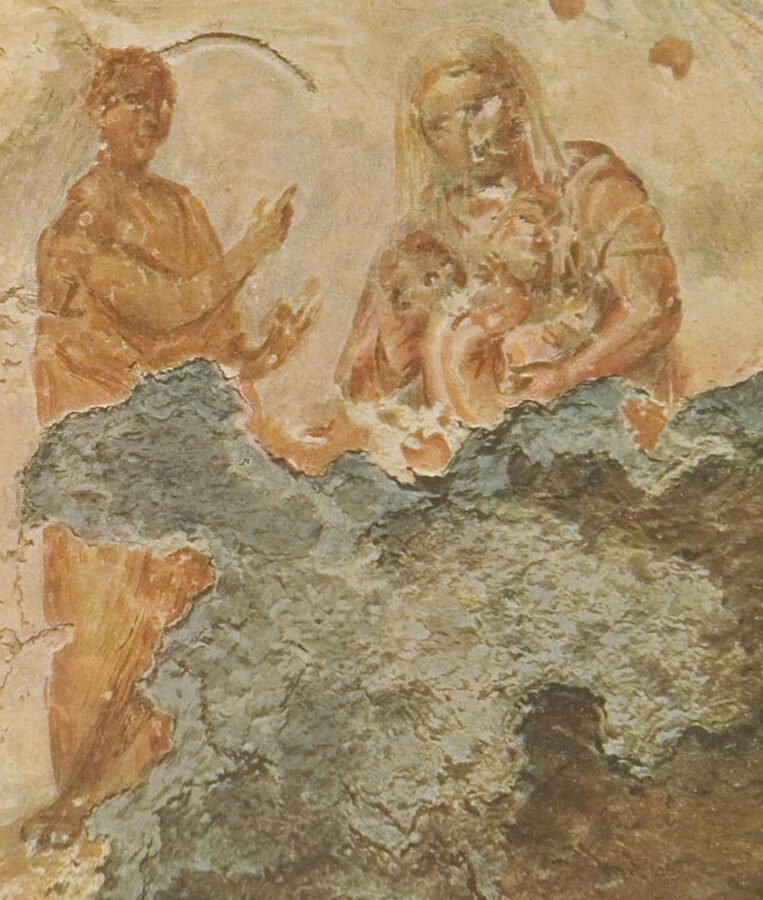
San Callisto and San Sebastiano are the two big ones on the Appian Way and they alternate which days they’re open. Domitilla is also on the south side, slightly off the Appian Way proper, and has the only intact underground basilica. Priscilla is on the opposite side of the city, off the Via Salaria, and has the famous early Christian frescoes including what’s claimed to be the oldest image of the Virgin Mary. The Capuchin Crypt is a different thing entirely. Not catacombs, but five small chapels decorated with the bones of about 4,000 friars. It’s in central Rome on Via Veneto, near the Spanish Steps.
If you only do one, San Callisto is my pick. It’s the largest, has the most popes buried in it (sixteen, including a martyred pope from the third century), and the guides there are mostly the nuns and friars who actually live on the property. The 30-minute tour is included with the €10 entry. It runs in English, Italian, German, French, Spanish, and Polish on a rolling schedule throughout the day.
San Sebastiano is the second-most visited and gets a slight edge for atmosphere. The surface church above it is more dramatic, the frescoes are well-preserved, and the underground basilica there has a reliquary with what’s traditionally believed to be one of the arrows that killed the saint. If San Callisto is closed (it shuts on Wednesdays), San Sebastiano is your fallback.
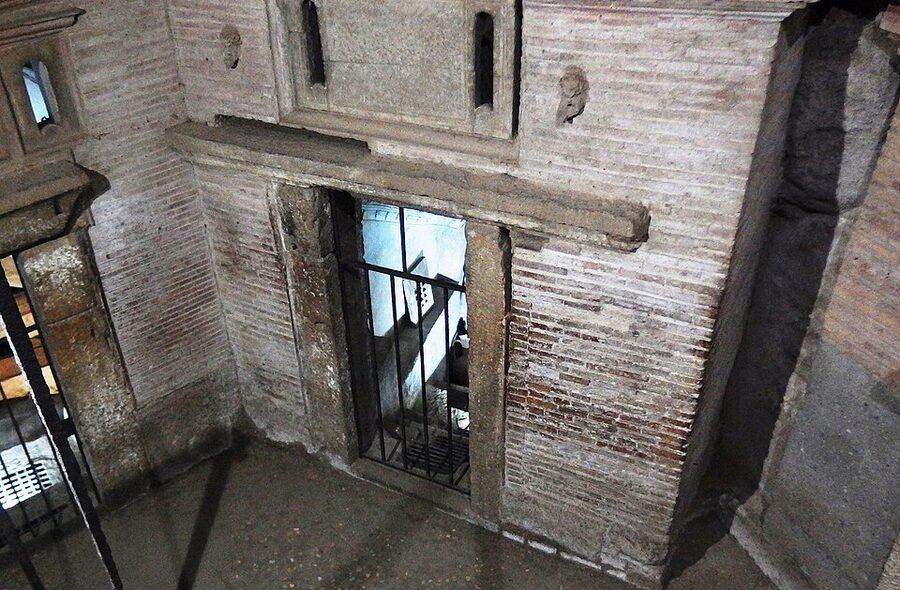
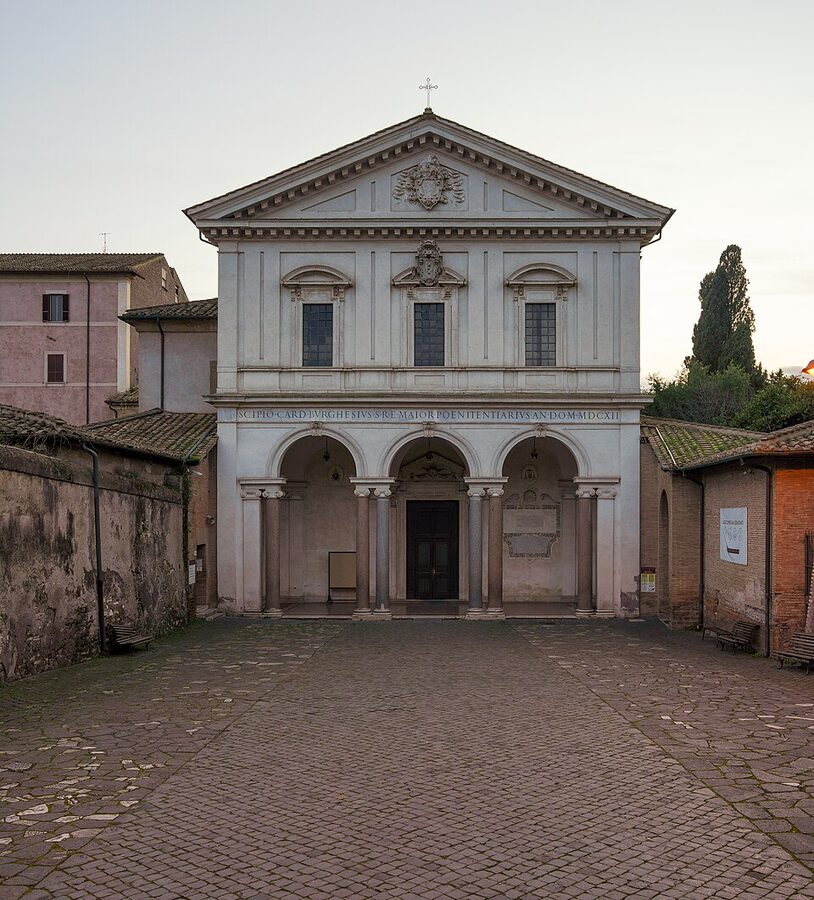
Domitilla wins on the underground basilica alone. You walk down into a fully intact 4th-century church, still consecrated, that you wouldn’t even know exists from the surface. Of the three Appian Way catacombs, this is the one I’d revisit first.
How to Get There Without Losing Half a Day
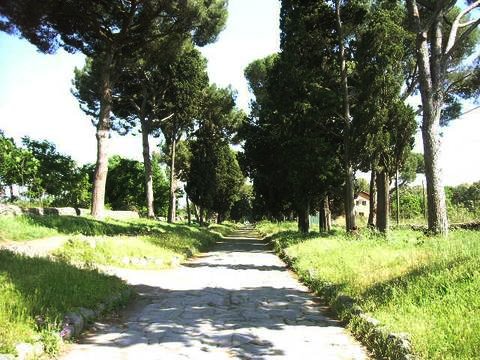
The Appian Way catacombs are about 5 kilometres south of the Colosseum. There’s no metro stop near them. Your three real options:
Bus 118. Free with the Roma Pass or a regular ATAC ticket (€1.50). It leaves from Piazzale Ostiense and runs down the Appian Way past San Callisto and San Sebastiano. The catch: it runs every 20-30 minutes on paper, and in practice it can be 40+ minutes between buses on weekends. If you’re already using a Roma Pass, the bus is genuinely the cheapest way out there. Just don’t book a tight return time.
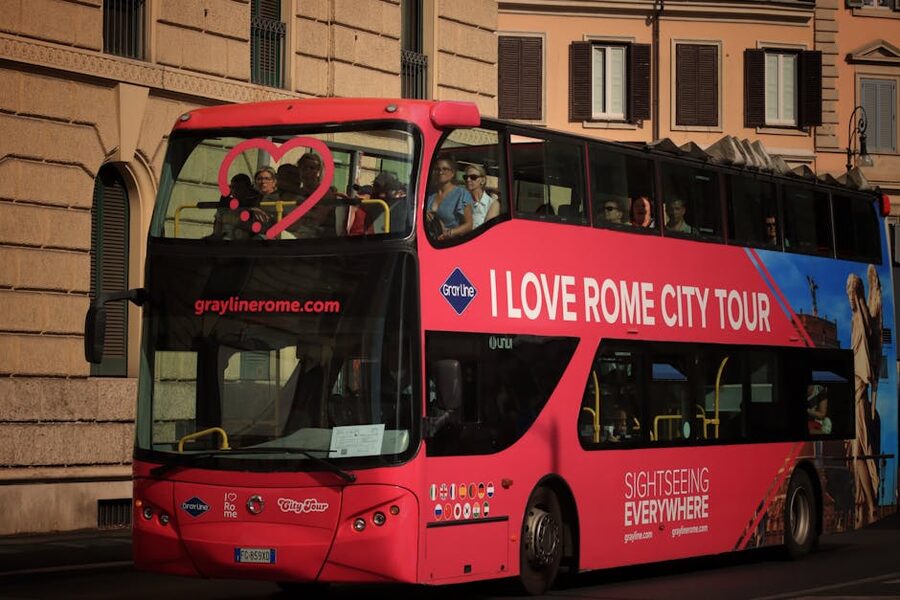
Taxi. About €15-20 from central Rome each way. Useful if you’re in a group of three or four splitting the fare, or if you’ve already lost two hours to a closed catacomb and don’t want to lose another to bus 118.
Coach transfer included with a tour. What I’d do every time. The big Crypts & Catacombs Underground Tour picks you up near Piazza Barberini, drops you back two and a half hours later, and slots in two extra sites along the way. The price difference once you factor in three site entries plus return transfers usually comes out roughly even. The hours saved are the real win.
If you’re tempted to walk down the Appian Way instead, do it on a different day. The road itself is worth a half-day on a bike or e-bike, and there are tours that combine the catacombs with cycling the ancient road. But trying to walk 5 kilometres each way and see a catacomb in one afternoon is how you end up exhausted and missing dinner.
Why You Need a Guide (and Why That’s Not a Bad Thing)
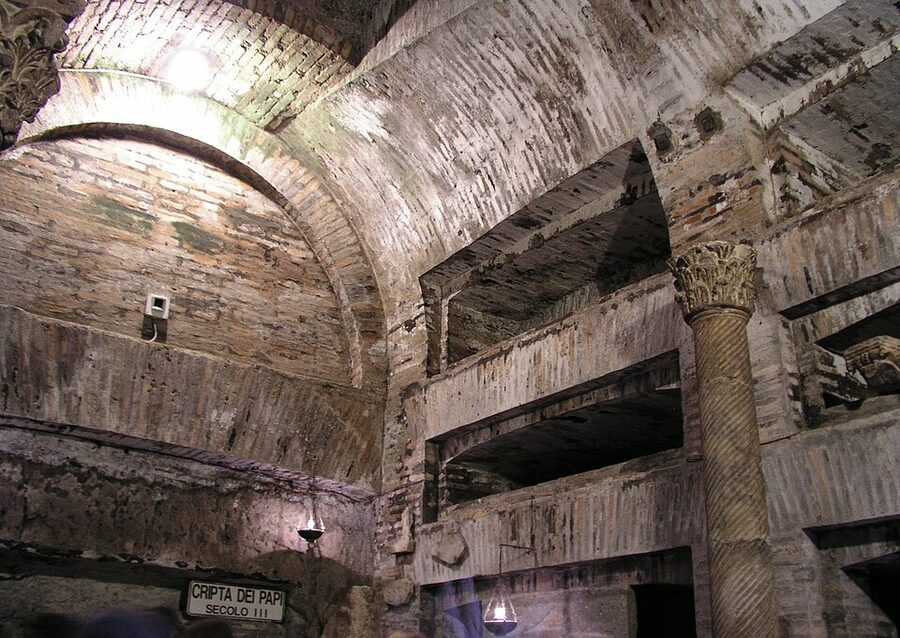
You can’t wander the catacombs alone. The official policy at every open catacomb in Rome is that you join a small guided group, and they’re not flexible about it. The reason is partly safety, since the tunnels stretch for kilometres and people have got lost in them, and partly preservation. The frescoes are 1,700 years old and easily damaged by hands and breath.
The good news is the on-site guides are usually excellent. At San Callisto they’re nuns and friars from the religious order that runs the property. At San Sebastiano they’re employees of the Franciscan community. The 30-minute included tour covers the basics: who’s buried where, what the carvings mean, why the early Christians used the same word (cubiculum) for a bedroom and a burial chamber.
If you want more than the basic tour, that’s where a private guided experience with transfers earns its keep. The Original Roman Crypts and Catacombs Tour uses an expert guide who stays with you for the full three hours and weaves the catacombs into the broader Christian Rome story. The on-site monk’s tour is good for the catacomb itself; an expert guide is better for context.
Tickets, Prices, and Booking
Standalone catacomb tickets are cheap. Here’s what each site charges if you turn up at the gate:
- San Callisto: €10 standard, €7 children 7-16, free under 7. Includes the 30-minute guide.
- San Sebastiano: €10, same concession structure.
- Domitilla: €10, same.
- Priscilla: €10.
- Capuchin Crypt (Bone Chapel): €10, includes audio guide and a small museum.
You can pre-book San Callisto and a couple of others on their official websites, but the booking systems are clunky and the available slots only run a few days ahead. In high season (April through early June, and September) the late-morning slots fill up. The simplest fix: pre-book your San Callisto slot through GetYourGuide, which costs about the same as the on-site ticket and locks in the time.
If you’re doing more than one site, the maths usually flips toward booking a multi-stop tour. Three separate €10 entries plus a taxi each way already exceeds the cost of a coach-transfer tour that handles all of that for you.
What to Expect Inside
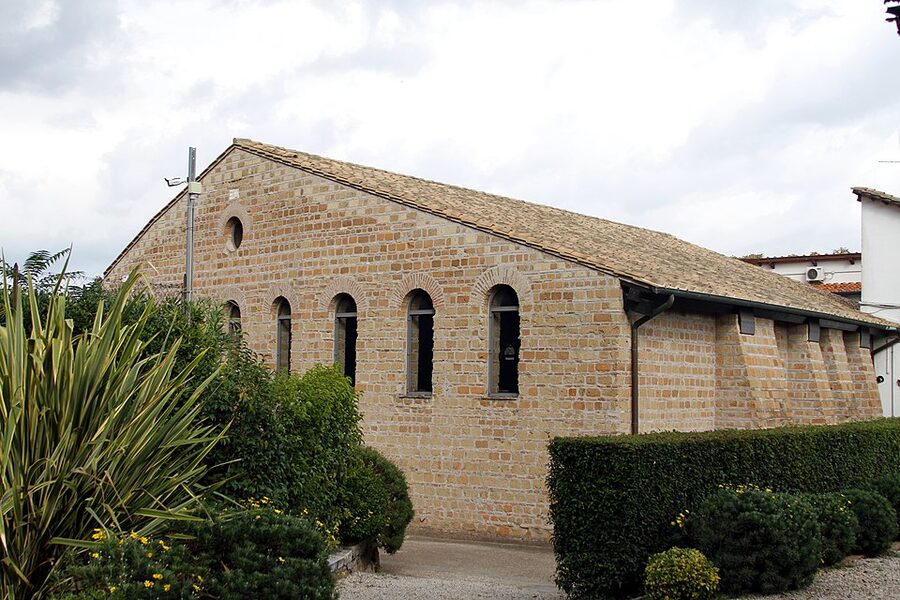
The tunnels are narrow. About 80cm wide in places, and the ceilings are uneven. If you’re over 1.85m, expect to duck a few times. The floor is original packed earth, sometimes uneven. Anyone with mobility issues will struggle, and most catacombs aren’t accessible by wheelchair. San Sebastiano has a slightly easier route than San Callisto.
The temperature is steady around 14°C year-round. In summer that feels cold against the heat outside, in winter it’s actually warmer than street level. Wear a layer either way. The air is also damp and a bit musty, which I didn’t mind, but a few people on my San Callisto tour were noticeably uncomfortable after about 15 minutes.
Photography is forbidden in every Rome catacomb. The reason is preservation (camera flashes degrade pigments) and respect (these are still consecrated burial sites). Phones should be put away, not just on silent. The rules are enforced, and guides will end a tour early if a group keeps trying to sneak photos.
The visit covers maybe 500 metres of the total tunnel network. The rest is sealed. At San Callisto you’ll see a few of the 16 papal tombs in the Crypt of the Popes, the tomb of Saint Cecilia (or rather, the niche where her body was found before it was moved to a basilica in Trastevere), and several galleries of ordinary Christian burials. Domitilla adds the underground basilica. San Sebastiano includes the surface church above and a small museum.
The Capuchin Crypt: Different Thing, Same Trip
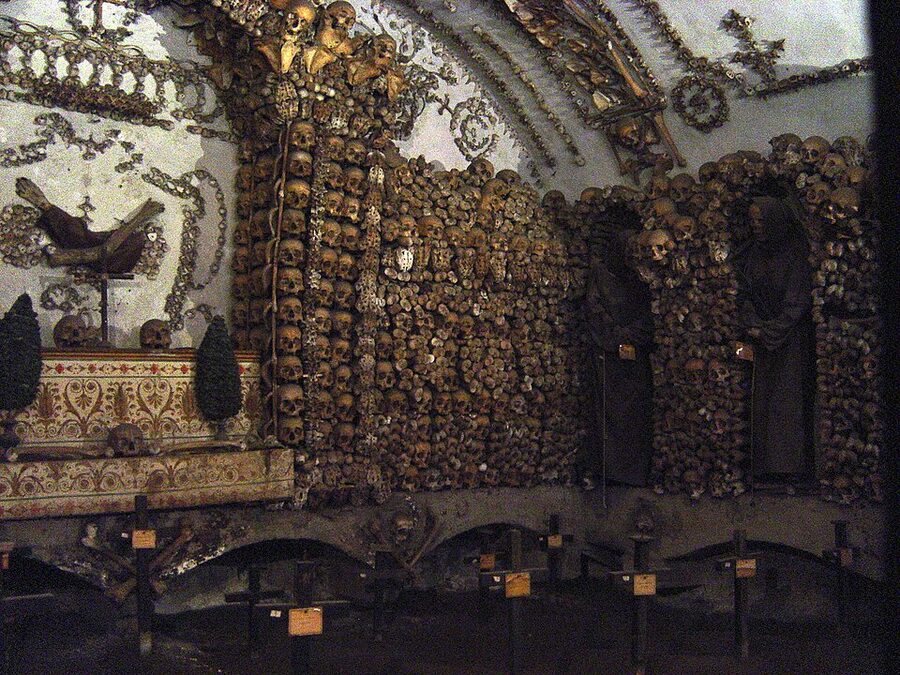
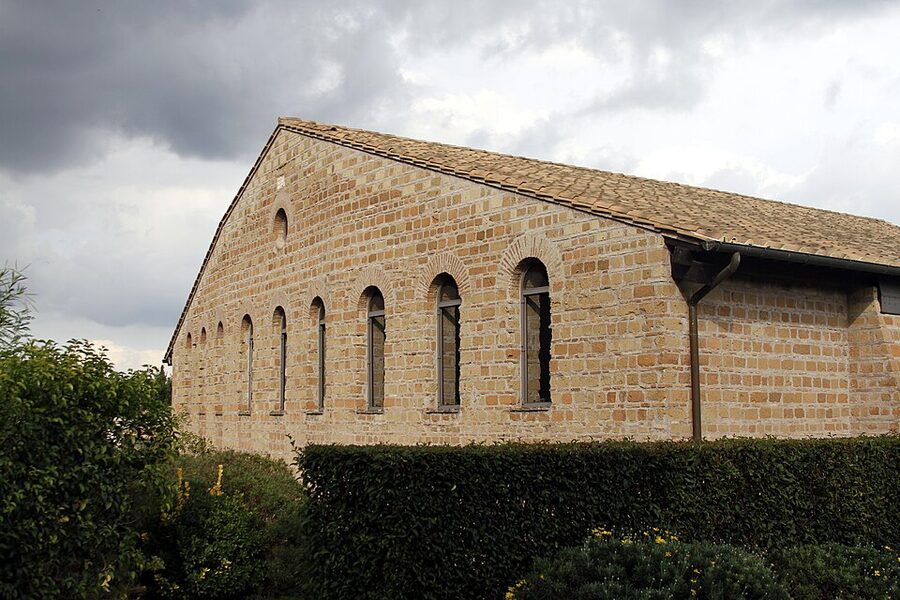
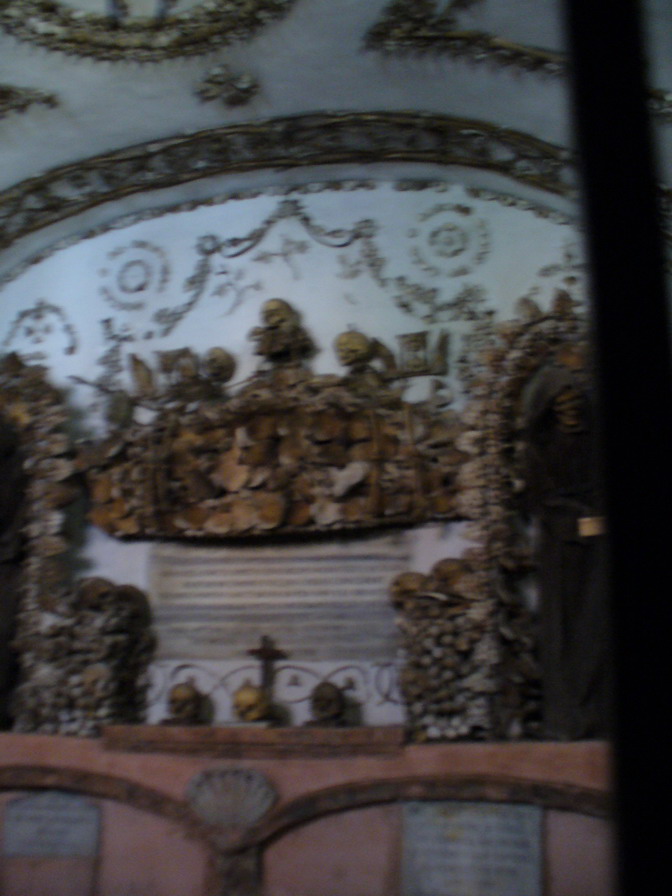
The Capuchin Crypt isn’t really catacombs, but it gets bundled into “underground Rome” tours and most visitors come away saying it was the most striking part. Five small chapels under the church of Santa Maria della Concezione on Via Veneto, decorated with the bones of around 3,700 Capuchin friars who died between 1500 and 1870. Femurs are arranged into rosettes, vertebrae into chandeliers, full skeletons in Franciscan habits propped against the walls.
It’s not as graphic as it sounds. The lighting is low, the design is reverent rather than ghoulish, and the inscription at the end (in five languages) translates to: “What you are now we used to be; what we are now you will be.” That’s the point of the place. It’s not a museum, it’s a memento mori.
Two practical things. First, the Capuchin Crypt is in central Rome, not on the Appian Way, so combining it with a catacomb visit usually means a packaged tour that handles the transit. Second, the crypt has its own ticket (€10) and a 25-minute audio guide. You can do it as a standalone in under an hour. If you’re already booked on the multi-site Crypts & Catacombs tour, both are included.
The Tours I’d Actually Book
I’ve narrowed this to three options, all on the same theme but with different trade-offs. If you’re picking by reviews and reliability, any of these works. The differences come down to whether you want transfers and bundled extras, or just the catacomb itself for the lowest possible price.
1. Rome Crypts & Catacombs Underground Tour with Transfers: from $74
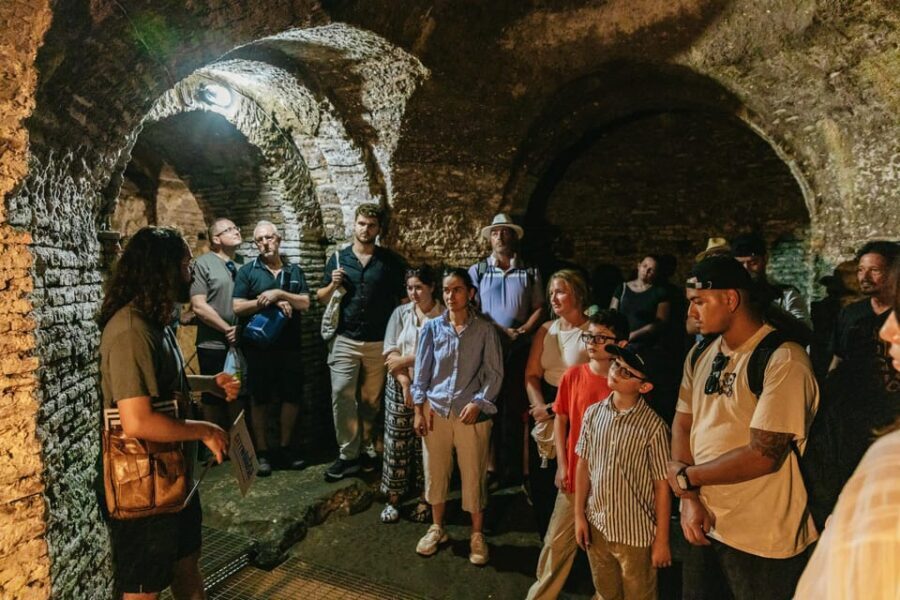
This is the most-booked Rome catacombs tour going. Three sites in three hours, comfortable coach transfers from central Rome, and a single expert guide for the whole thing. Our full review covers what’s actually included and which catacomb you visit on which day. Pick this if you want one booking that handles everything.
2. The Original Roman Crypts and Catacombs Tour: from $66
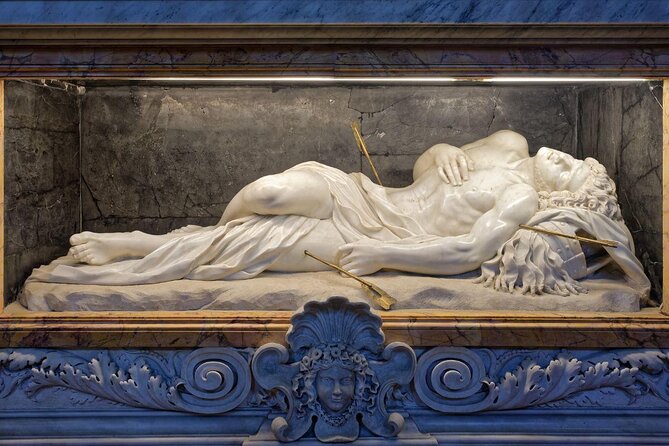
If you’ve got Viator credit or it’s the platform you already book through, this is the equivalent. Same itinerary as the GetYourGuide tour above (catacombs, Capuchin Crypt, Christian basilica), just routed through a different operator. Read what we found on the small-group format if you’d rather avoid coach-sized groups.
3. Catacombs of San Callisto Entry Ticket & Guided Tour: $16
If you’re going to make your own way out on bus 118 anyway, this locks in your San Callisto entry without paying for transfers you don’t need. The 30-minute tour is led by one of the resident religious community, which is the best part of the visit. Our take on the San Callisto-only option covers when it makes sense to go this route.
Brief History (Why They’re Even Down There)
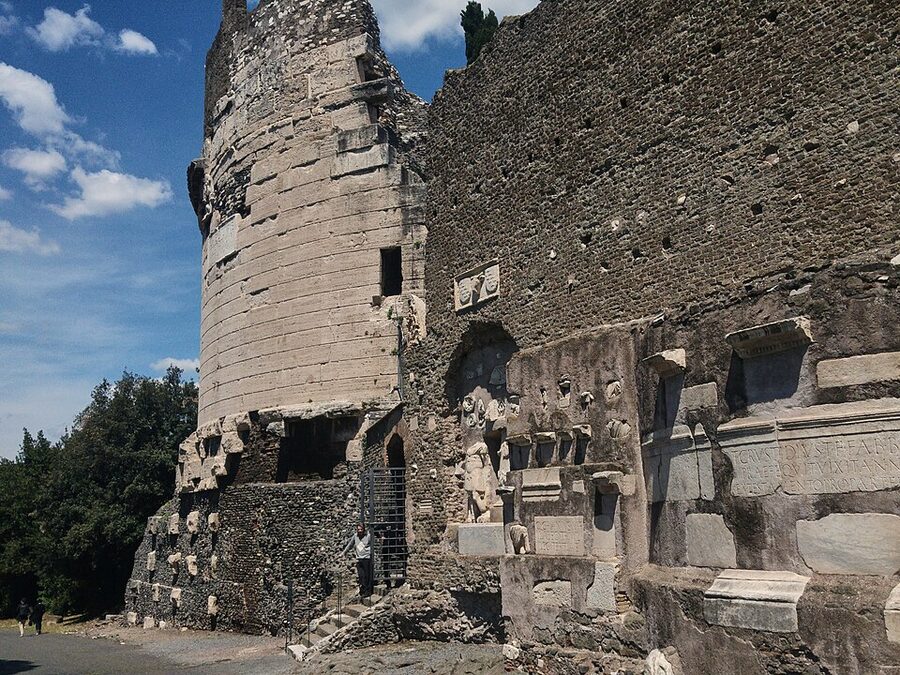
The catacombs aren’t just early Christian burial grounds, but that’s how they ended up famous. Roman law forbade burial inside the city walls, so anyone who didn’t have a family tomb on the consular roads (the Appian Way being the most prestigious) needed somewhere else. The soft volcanic tufa rock under the outskirts of Rome cuts easily, holds its shape once cut, and stays cool. By the second century someone realised you could just dig downward instead of outward, stack the niches floor-by-floor, and fit thousands of burials into a small footprint.
The early Christians weren’t the only group using catacombs. There are Jewish catacombs at Vigna Randanini and Villa Torlonia too. But they made the practice their own. Christianity was illegal in the Roman Empire until 313 CE. Catacombs gave Christians a place to bury their dead with their own symbols, hold memorial services for martyrs, and meet underground for liturgies that couldn’t happen in public. By the 4th century, when Christianity was legalised, the Appian Way catacombs had grown into massive multi-level networks.
They mostly fell out of use by the 6th century. As the city emptied during repeated barbarian raids, popes started moving martyrs’ relics into the safer churches inside the walls. By the late Middle Ages most of the catacombs had been forgotten and lost. The systematic archaeology started in the 16th century with Antonio Bosio and accelerated dramatically in the 19th century with Giovanni Battista de Rossi, whose work in the 1850s rediscovered the Crypt of the Popes at San Callisto.
That history is the reason a half-hour catacombs visit feels like more than a half-hour. You’re walking past the actual bones of people who were buried clandestinely in the second century, and the inscriptions on their tomb slabs were written by their families.
Practical Tips From Two Visits
The visit-day stuff that matters and isn’t on the official site:
The catacombs close every day from 12:00 to 14:00. Roman Catholic priests and nuns are running the place, and they take lunch seriously. Plan around it: morning tours start at 9:00 (best for cooler tunnels and fewer crowds), afternoon tours pick up at 14:00.
San Callisto is closed Wednesdays. San Sebastiano is closed Sundays. Domitilla is closed Tuesdays. Priscilla is closed Mondays. All catacombs close on major Christian holidays (Easter Sunday, Easter Monday, Christmas Day, Boxing Day, sometimes the Feast of the Assumption on August 15). If you’ve only got one day for catacombs, pick a Tuesday or Friday.
You can’t bring large bags into the tunnels. Anything bigger than a small daypack has to stay in the cloakroom at the entrance. Rome’s catacombs aren’t a hotbed of bag theft, but the rule is enforced.
Modest clothing is required at all of them. The catacombs are still consecrated burial sites and the religious orders running them ask for shoulders and knees covered. In summer that means bringing a scarf or light cardigan.
Most catacombs don’t have a cafe or significant gift shop. San Callisto has a small shop with religious medals and a few books. The Appian Way itself has a couple of restaurants near the entrance to San Sebastiano (try Hostaria Antica Roma if you’ve got time for a long lunch). Otherwise, stock up before you head out.
If You’re Doing the Underground Rome Theme
The catacombs aren’t the only “underground Rome” experience and most visitors who like one will want to do the others. The two big complementary visits are the Colosseum Underground tour, which takes you below the arena floor into the gladiator preparation chambers, and the basilicas with their own crypts beneath.
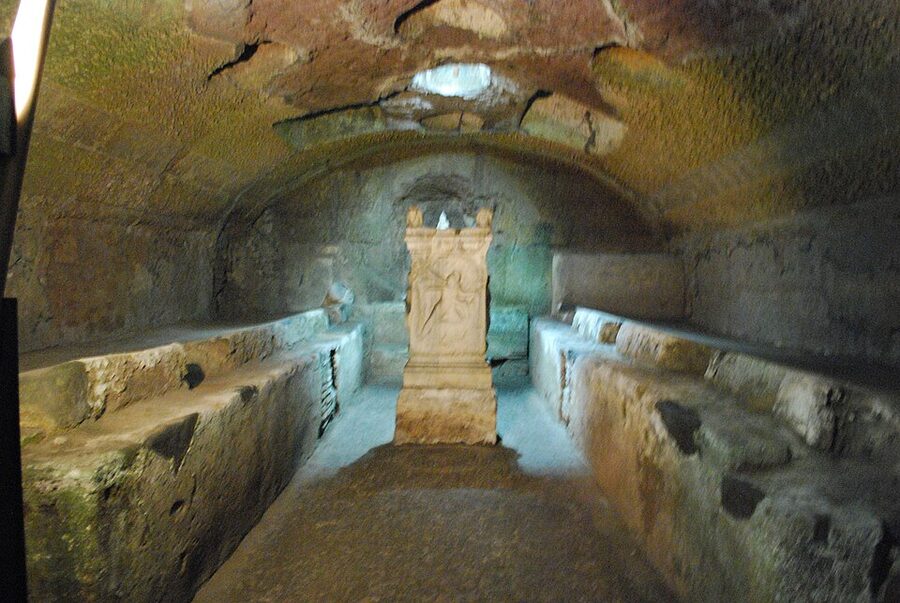
San Clemente, ten minutes’ walk from the Colosseum, has three layers of buildings stacked on top of each other. A 12th-century basilica on top of a 4th-century church on top of a 1st-century Roman house with a Mithraic temple in the basement. You buy a separate ticket on-site (€10) and walk down through the layers. It pairs naturally with a catacombs visit on the same theme.
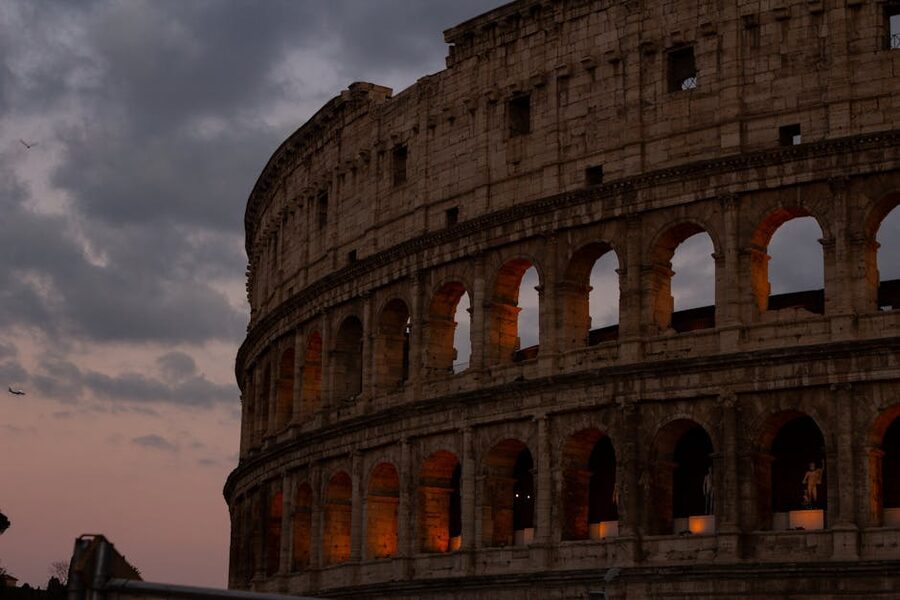
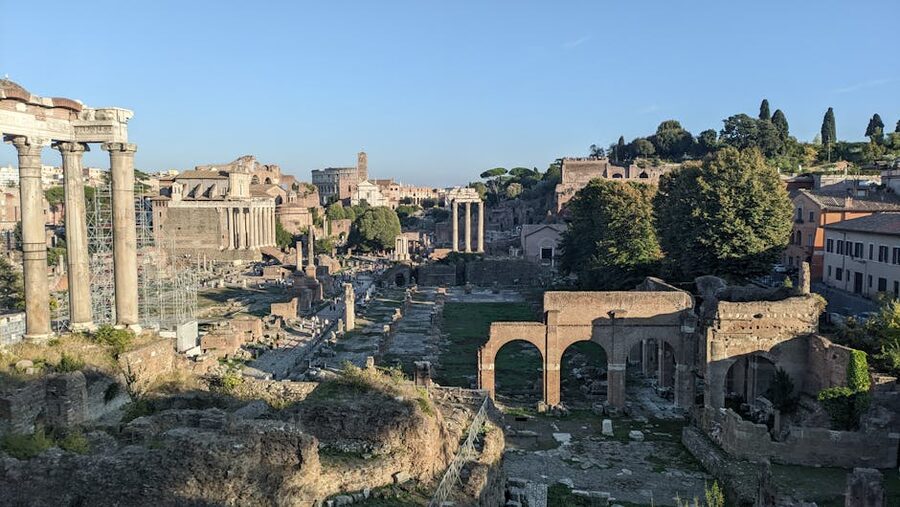
If you’re prioritising actual ruins over crypts, the Colosseum and Roman Forum combination is the obvious afternoon. The Forum is partly underground in the sense that you’re walking 6-8 metres below the modern street level. The Pantheon, while above ground, has a small accessible crypt area where Italian kings are buried. St Peter’s Basilica has the Vatican Grottoes underneath, which include the tombs of most popes from the modern era and the supposed bones of St Peter himself in the Scavi excavation deeper below (separate, hard-to-book tour).
Combining the Catacombs With Other Rome Sites
If you’ve got a single half-day for the catacombs, that’s enough. If you’ve got more, here’s how I’d build it out.
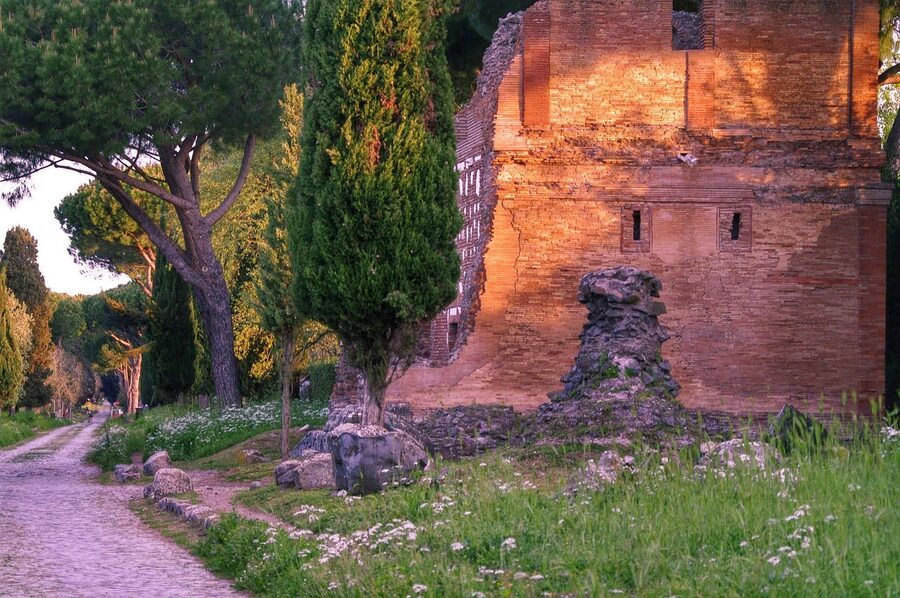
Pair the catacombs with the Appian Way itself. Walking or biking the original road is one of the few experiences in Rome that takes you out of the tourist crush. The road is largely flat for the first 4-5 kilometres past San Sebastiano, paved with original Roman basalt stones in long stretches, and has minimal traffic on Sundays when it’s closed to most cars. Rent a bike at the Appia Antica visitor centre or join an e-bike tour from central Rome.
If you’re catacombs-shopping in the morning, do something completely different in the afternoon. The Pantheon is a fast hit (45 minutes including queueing now that they’ve started charging), the Borghese Gallery if you’ve pre-booked a slot, or an evening food tour through Trastevere as the right kind of contrast after a morning underground. The Trastevere walking and food combo is what most repeat visitors recommend after a heavy ancient-history day. Castel Sant’Angelo is another natural pairing, since it sits across the Tiber from the Vatican and gives you a roof-level view of the city after the catacombs’ compressed underground angles.
For day-trips, the catacombs pair surprisingly well with a Pompeii day-trip, but on different days. They’re both ancient-history-heavy, both involve walking, and your brain will thank you for spacing them out. Two days apart is the sweet spot.
Common Mistakes I Made My First Time
Booking the catacomb tour at the same time as a Vatican visit. The Vatican Museums demand a couple of hours of standing, walking, and crowd-tolerance. Stacking that with a 30-minute underground tour and the bus 118 round-trip turned out to be too much for one day.
Skipping the cardigan in July. The temperature shock from 35°C street heat to 14°C tunnel air is brutal. I came out shivering and ended up sitting in the sun on the Appian Way for half an hour to warm up.
Buying the on-site ticket without checking which catacomb was open that day. I walked up to San Callisto on a Wednesday, found it closed, and ended up taxi-ing across to San Sebastiano with two cranky travel companions. Always check the closing day.
Trying to walk back to central Rome from San Sebastiano. It’s 5 kilometres of road with intermittent footpath. Bus 118 was still better.
FAQs
Are the Rome catacombs scary? Not really. The tunnels are well-lit, the guides keep groups together, and the niches are mostly empty (bones were moved to ossuaries centuries ago in most catacombs). The Capuchin Crypt is more confronting because of the actual bone arrangements, but even that is presented as religious meditation rather than horror. Kids over about 8 are usually fine.
How long does a catacombs visit take? The on-site guided tour is 30 minutes inside the catacomb. Add transfer time and you’re looking at 2.5 to 3 hours total for an Appian Way visit from central Rome. Multi-site tours that include the Capuchin Crypt run 3 to 3.5 hours total.
Can I visit the Vatican Necropolis instead? The Scavi excavation under St Peter’s is a different tour, run by the Vatican itself, with very limited slots and a long booking lead time (months ahead). It’s incredible if you can get a place but it’s not a substitute for the Christian catacombs experience.
Is the Capuchin Crypt the same as the catacombs? No. The Capuchin Crypt is a 19th-century ossuary made by Capuchin friars decorating five chapels with their dead brothers’ bones. The catacombs are 2nd-4th century underground burial grounds. Different era, different purpose, different feel. Most multi-site tours include both because they’re both “underground Rome” and tourists want both.
When’s the best month to go? April-May or September-October. Summer is hot above and crowded below; winter sees reduced opening hours at some sites. The Appian Way is at its best in late spring when the wildflowers are out.
Do I need a Roma Pass for this? No. The catacombs aren’t included in the Roma Pass, but the bus 118 to get there is covered by the transit element. If you’ve already got a Roma Pass for other reasons, it’s a small saving on the bus fare.
Heading Back Above Ground
After the catacombs, my standard play is a long lunch on the Appian Way (or back in central Rome) followed by something visual rather than historical. The Borghese Gallery if you can get a ticket, the Pantheon for free, or just a wander through Trastevere. The catacombs are heavy, in a quiet way, and you’ll want sunlight afterwards. If you’re chasing more underground Rome, the Colosseum’s hypogeum is the natural next stop. If you’d rather stay in for a single ancient-history theme, the Appian Way and aqueducts on a half-day tour rounds out the catacombs experience nicely. Bus 118, despite my grumbling, is genuinely fine if you keep your expectations modest about its frequency.