
My friend Mara came back from Seoul with a little laminated card in her wallet that she’d flash like a driver’s licence. “Soft autumn,” she said, tapping it. “I don’t even look at cobalt blue anymore.” She’d spent 90 minutes in an Apgujeong studio under lights calibrated to daylight, had about 120 coloured fabrics draped under her chin, and left with a verdict that has genuinely changed the way she shops.
I booked mine two weeks later. Here’s how the whole thing works in Seoul right now — what to expect in the chair, how much you actually pay, and which studios I’d point a friend toward.
- In a Hurry? Top Picks
- What Korean Color Analysis Actually Is
- Where the studios are clustered
- How Much You’ll Actually Pay
- Booking Windows and When to Book
- The Tours I’d Actually Book
- 1. Koreal Personal Color and Make-up Analysis in Hongdae — 9
- 2. Detailed Seoul Image and Personal Color Analysis in Hongdae — 0
- 3. Private K-Beauty: Personal Color to Cosmetic Shopping — 0
- What Happens In the Chair
- The drape sequence
- The makeup demo
- Apgujeong vs Gangnam vs Hongdae — Which Neighbourhood
- Apgujeong
- Gangnam proper
- Hongdae
- What to Wear and Bring on the Day
- Is It Worth the Money
- Common Mistakes Travellers Make
- Getting There and Payment Logistics
- Pairing the Session With the Rest of Your Day
- Before You Book — A Few More Tips
- Rounding Out Your Seoul Trip
In a Hurry? Top Picks
- Koreal in Hongdae — $179 — the flagship session, 100 minutes, full makeup lesson included.
- Detailed Seoul Image in Hongdae — $180 — 50-minute deep dive for travellers who’ve already studied up.
- Private K-Beauty to Cosmetic Shopping — $140 — four hours of analysis plus an Olive Young haul with a Korean buyer.
What Korean Color Analysis Actually Is
The premise sounds simple. Everyone falls into one of four “seasons” — spring, summer, autumn, winter — and within each season there are usually three or four sub-types. Your season tells you which colours make your skin look rested and which make you look like you’ve been up all night arguing with an airline.
What makes the Korean version different from the Western one is the rigour. A Seoul studio will put you in front of a daylight-balanced LED panel, drape you with 100 to 140 coloured fabrics, narrow it down to your sub-type, and then apply makeup in your palette so you can see the before-and-after in real time. That last part — the actual application — is the bit most Western consultations skip.
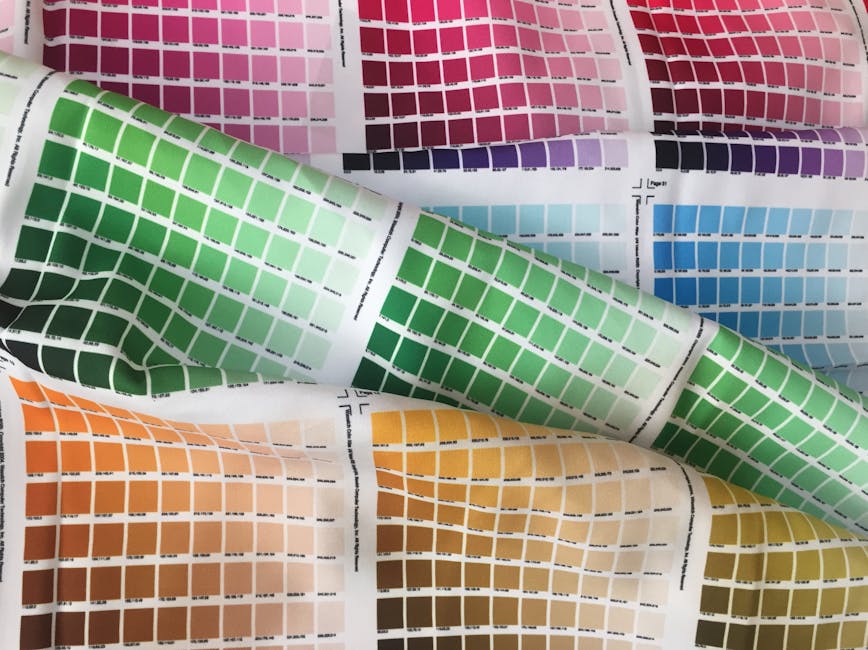
You leave with a personalised palette card, a list of makeup shades that work for you (lipstick, blush, eyeshadow, sometimes hair colour), a recommendation on gold versus silver jewellery, and in most cases a set of photos showing your face under different drapes.
Where the studios are clustered
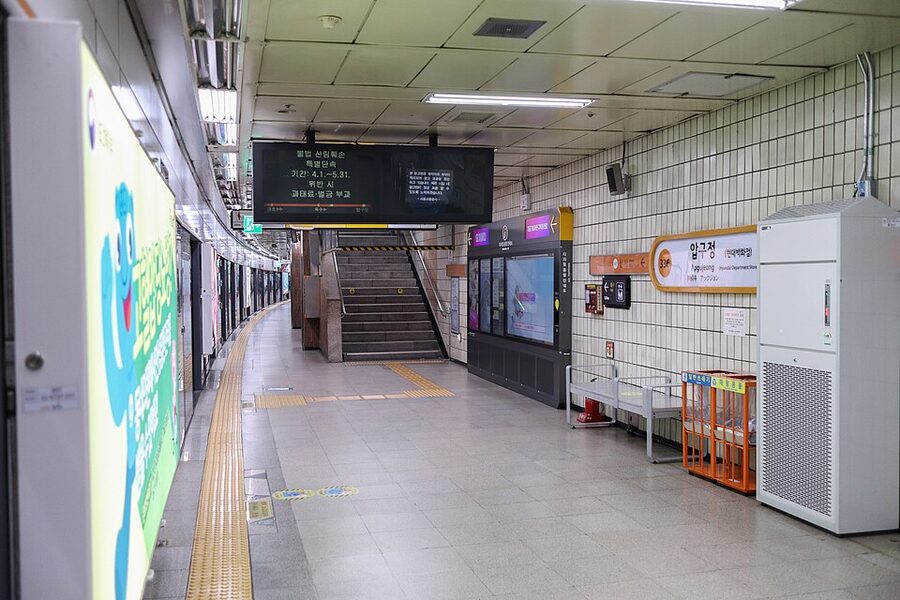
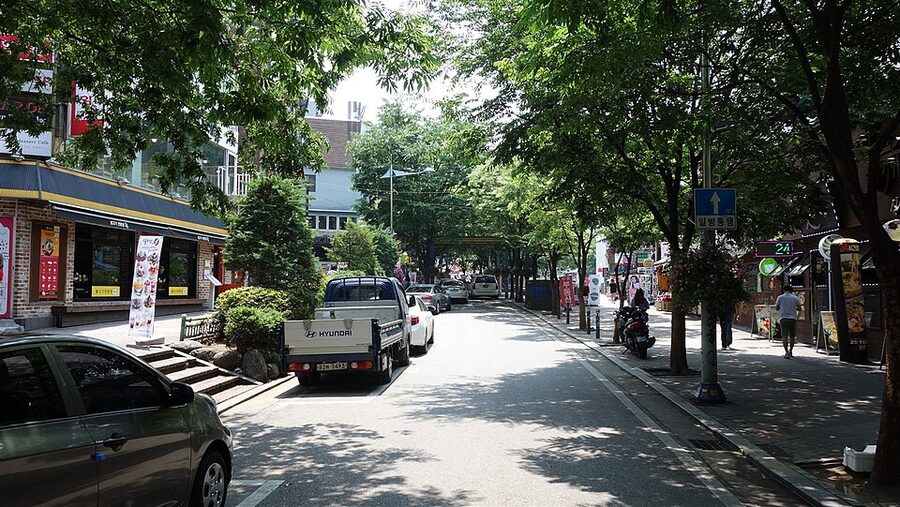
Three neighbourhoods matter. Apgujeong is the luxury end — Gangnam district, high ceilings, champagne on arrival, premium prices. Gangnam proper (around Teheran-ro and Gangnam Station) has the bigger, corporate-feeling studios that cater to Chinese and Japanese tour groups. Hongdae, across the river near Hongik University, is the younger, more affordable end and where most English-speaking travellers end up.
How Much You’ll Actually Pay
Prices spread more than I expected. The cheapest sessions in Hongdae run around ₩70,000 (roughly $50) for a rushed 30-40 minute consultation — fine if you already know the theory and just want your season confirmed. The middle band, ₩120,000-200,000 ($90-150), is where most travellers land. You get 60-90 minutes, the full drape set, a makeup demo, and a printed swatch card.
Premium studios in Apgujeong push past ₩400,000 ($300+) for 2-hour sessions with a celebrity stylist. Koreal, the flagship Hongdae studio most English speakers book through GetYourGuide, sits in the upper-middle at $179 for 100 minutes including makeup — that’s the one I’d send a first-timer to.
One thing worth knowing: the lower-priced sessions often charge extra for add-ons that the mid-tier studios include by default. A printed palette card can be ₩30,000 extra. A photo set is another ₩30,000-50,000. By the time you add those on, the cheap session isn’t cheap anymore. Book the 90-minute package from the start.
Booking Windows and When to Book
If you want a specific date, book two to three weeks ahead. Weekend slots at the popular Hongdae and Apgujeong studios fill first and they fill hard — I’ve seen Koreal’s Saturday slots sold out a full month in advance during spring and autumn.
The booking channels vary by studio tier:
- GetYourGuide and Klook — pricier than direct booking but you get confirmation in English, a refund policy, and translated instructions. Worth the markup if you don’t speak Korean.
- Instagram DMs — how most studios actually communicate. Response times are good but you need to be patient if you’re messaging from a time zone that’s 10+ hours off.
- KakaoTalk — the default Korean messaging app. Once you’re in Seoul, half the transaction happens here (directions, arrival confirmations, rebooking).
Spring (April-May) and autumn (September-October) are the peak seasons for inbound tourism and the studios book up first. Summer and January-February are easier windows — you can sometimes walk in at the Gangnam studios on a weekday afternoon, though I wouldn’t bet a trip on it.
The Tours I’d Actually Book
I’ve dug through the color analysis listings on GetYourGuide and Viator and compared prices, session lengths, locations, and what’s actually included. These three are the ones I’d send a friend to — one flagship, one specialist, one combined shopping experience.
1. Koreal Personal Color and Make-up Analysis in Hongdae — $179
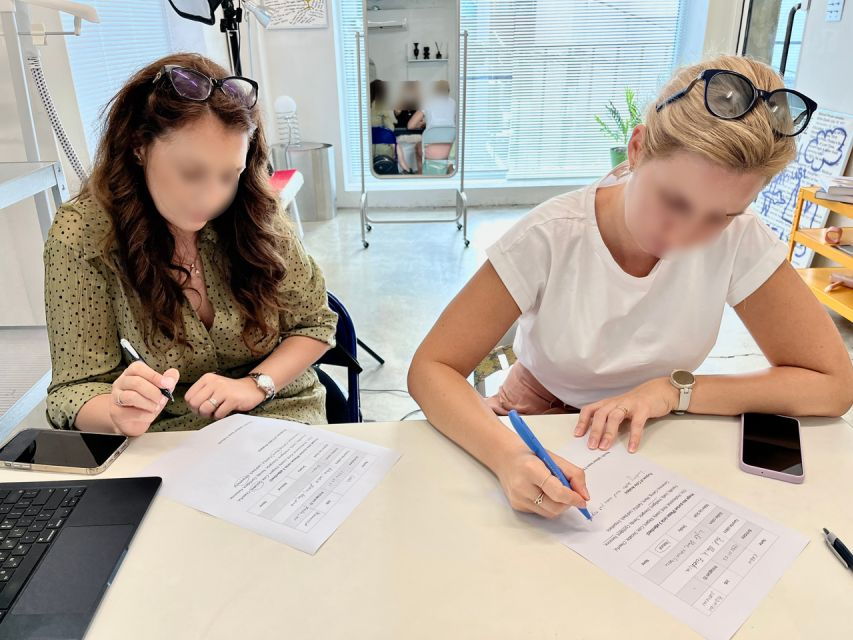
This is the one I’d book if I was flying in for a short trip. A hundred minutes, drapes plus makeup application, the analyst speaks enough English to explain why certain shades move your complexion, and the location near Hongik University Station makes it easy to add on a Hongdae food-and-drinks evening after. I went into the deep-dive on the Koreal session here, including what to wear on the day and what the palette card looks like.
2. Detailed Seoul Image and Personal Color Analysis in Hongdae — $180
Faster than Koreal at 50 minutes but more analytical. It leans into image consulting — body line, fabric weight, silhouette — so it’s the pick if you already know your basic season and want someone to dig into the sub-type. Read our breakdown of the Detailed Seoul Image session for what the image-consulting side actually covers.
3. Private K-Beauty: Personal Color to Cosmetic Shopping — $140

A different animal — lighter on the analysis, heavy on the shopping. You get a quick personal color read, a skincare assessment, and then four hours in Seoul’s cosmetic districts with a Korean-speaking buyer pulling products matched to your palette. The Private K-Beauty walkthrough covers which Olive Young branch they usually take you to and what the shopping budget should look like.
What Happens In the Chair
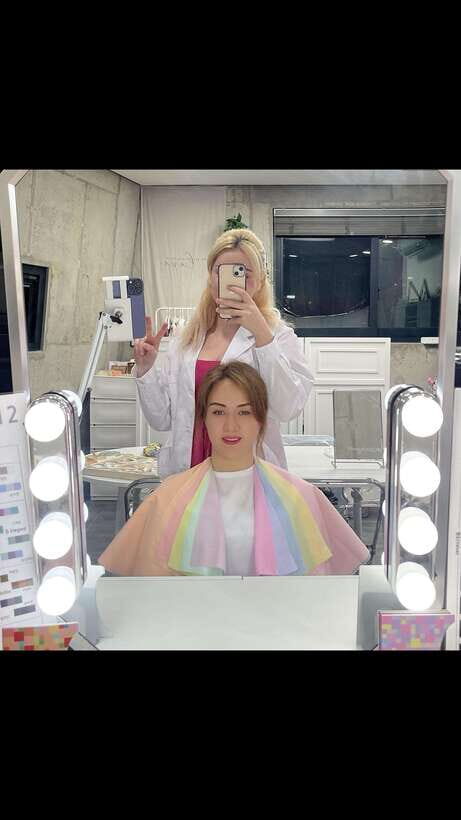
You arrive, take off your coat, and the analyst asks you to remove makeup if you’re wearing any. Most studios ask you in advance to turn up with a bare face and a plain white or beige T-shirt — clothing colour interferes with the drape read, so anything loud goes in the “no” pile before you’ve even sat down.
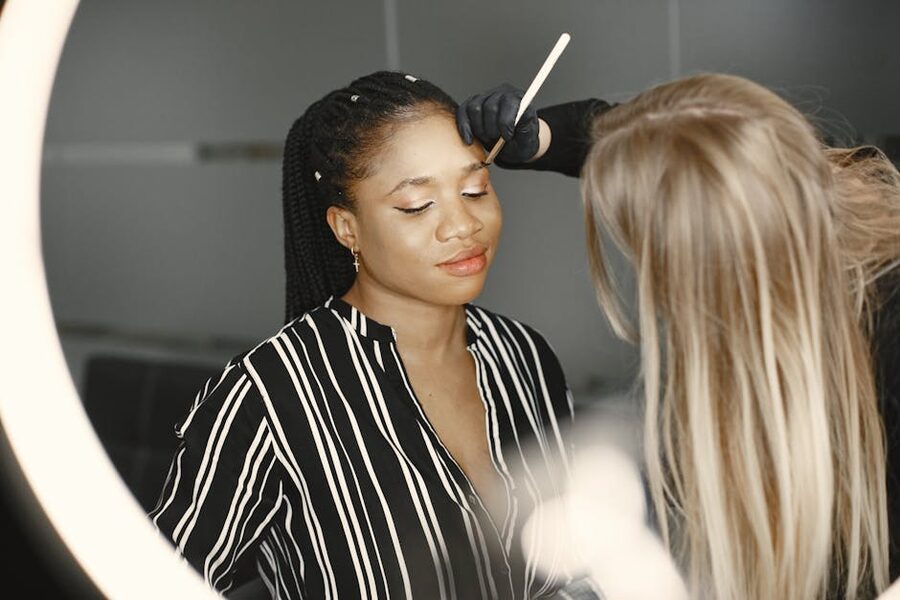
Then they put you in front of a mirror about three feet away, flip on a daylight-balanced LED panel that erases shadows, and cover your hair with a white band. Hair colour shifts the read as much as clothing does, so everything gets neutralised before the drapes come out.
The drape sequence
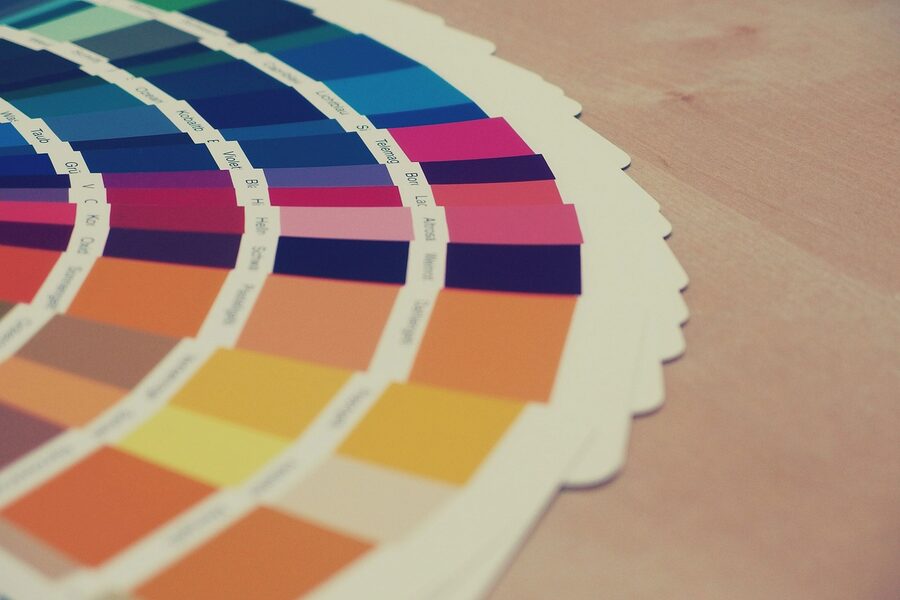
It goes in waves. First, warm-versus-cool — a mustard yellow against a lemon yellow, an ivory against a pure white, an orange-red against a cherry-red. Your analyst watches your skin, the whites of your eyes, and your jawline for the contrast. About ten passes in, they’ll have you sorted into a half.
Then saturated-versus-muted. A clear tomato red against a dusty brick. A cobalt against a denim. A sharp emerald against a sage. Another five passes and you’ll have your season — spring, summer, autumn, winter.
Then comes the sub-type pass. If you’re autumn, are you soft, warm, or deep? If you’re winter, are you bright, deep, or cool? This is where the precision pays off. The difference between soft and deep autumn is subtle on paper but enormous on the rack — one wears rust and olive, the other wears mahogany and forest green.
The makeup demo
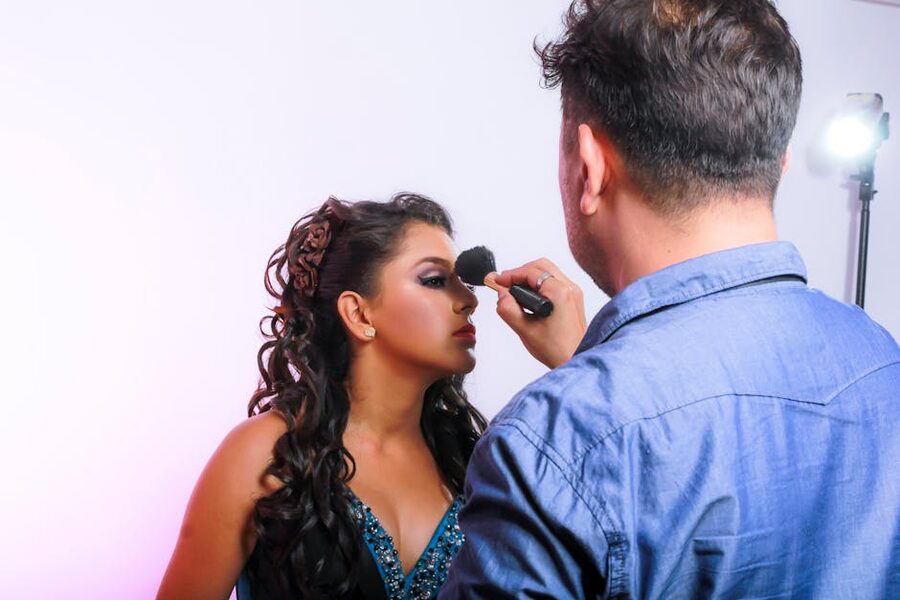
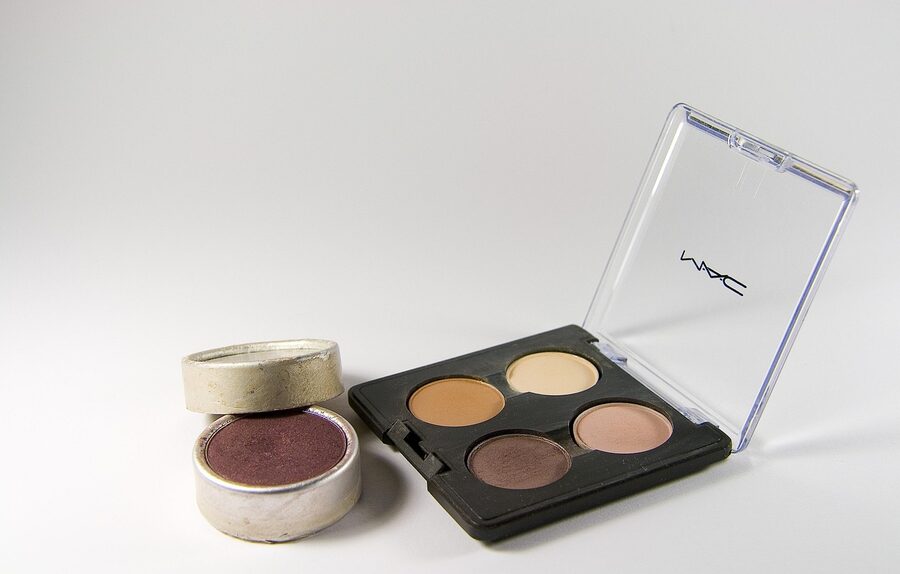
After the season call, the analyst will apply a full face of makeup in your palette. They usually do half your face first — one side done, one side bare — so you can compare in the mirror. It’s the most convincing part of the session because the contrast is impossible to argue with.
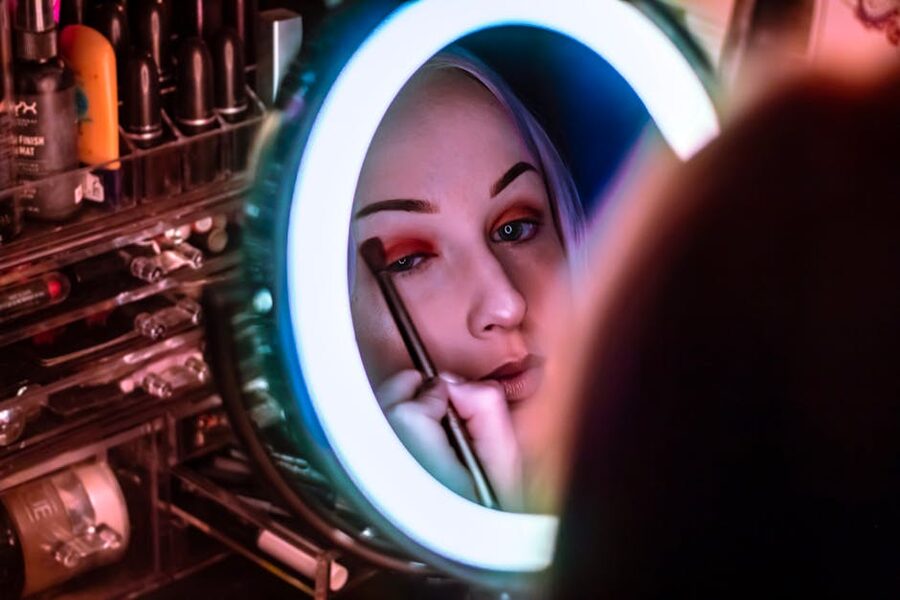
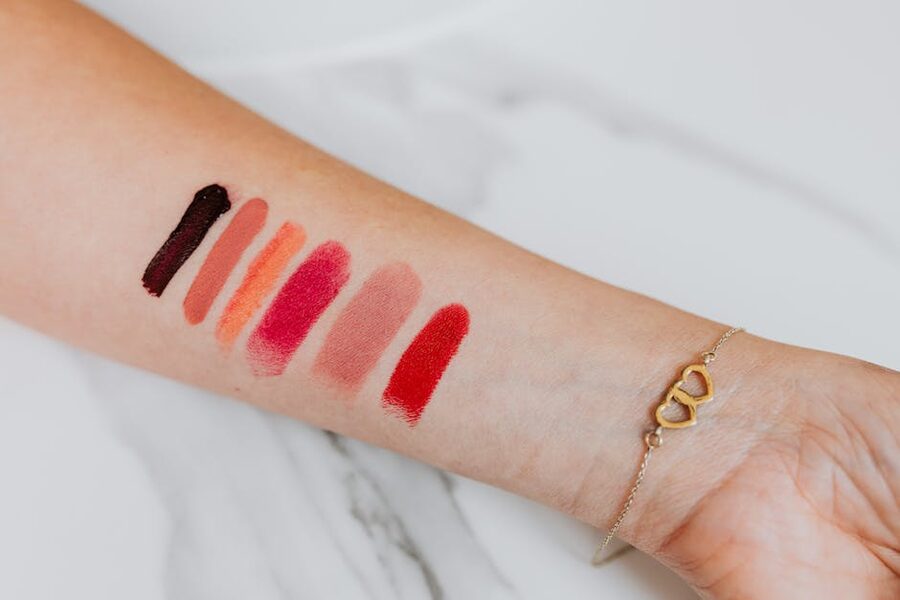
You’ll leave with lipstick, blush, and eyeshadow shade recommendations by name (most studios work with Korean brands, but Western equivalents are easy to cross-reference). Gold or silver jewellery gets a definitive answer, and hair colour recommendations are usually included if you ask.
Apgujeong vs Gangnam vs Hongdae — Which Neighbourhood
The location you pick changes the whole tone of the experience.
Apgujeong
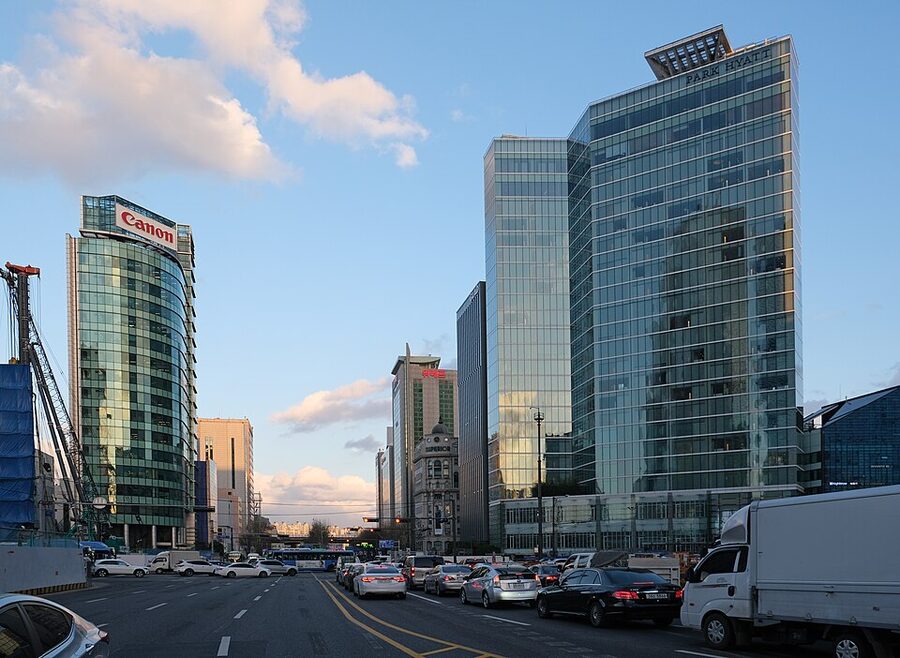
Apgujeong is the luxury lane. You’ll pay ₩300,000-500,000 for a 2-hour session with a stylist who might have done celebrity work. The studios feel like private apartments — sofas, green tea service, sometimes a private dressing room. If you want a splurge experience or you’re giving this as a gift, Apgujeong is where it lives. Studios like Amoment and Vic’s Lab cluster around Apgujeong Rodeo Station on the Bundang line.
Gangnam proper
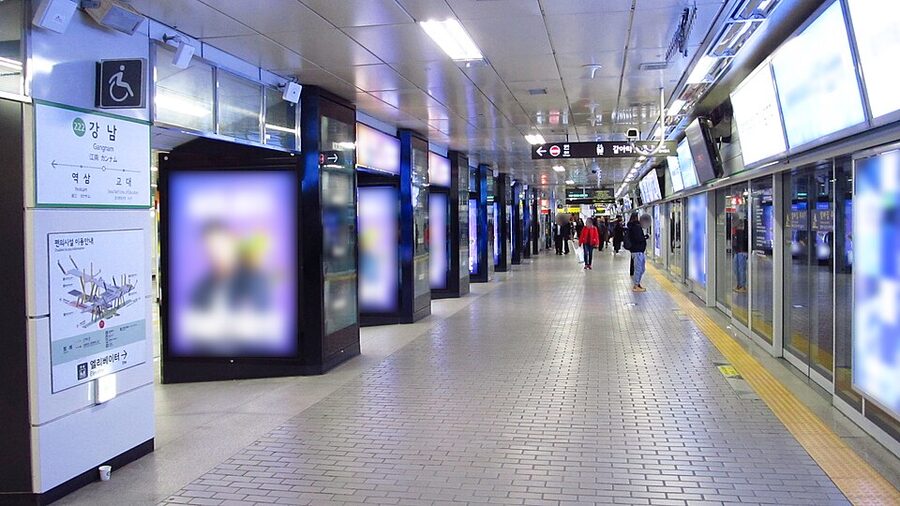
Mid-range, volume operators. Big studios with three or four analysts working in parallel rooms, slicker English, and more predictable pricing. Good if you want efficiency. Less good if you wanted a one-on-one atmosphere. Color Signal Seoul and Colobrity Official are the names you’ll see most often — reachable from Gangnam Station exit 10 or 11.
Hongdae
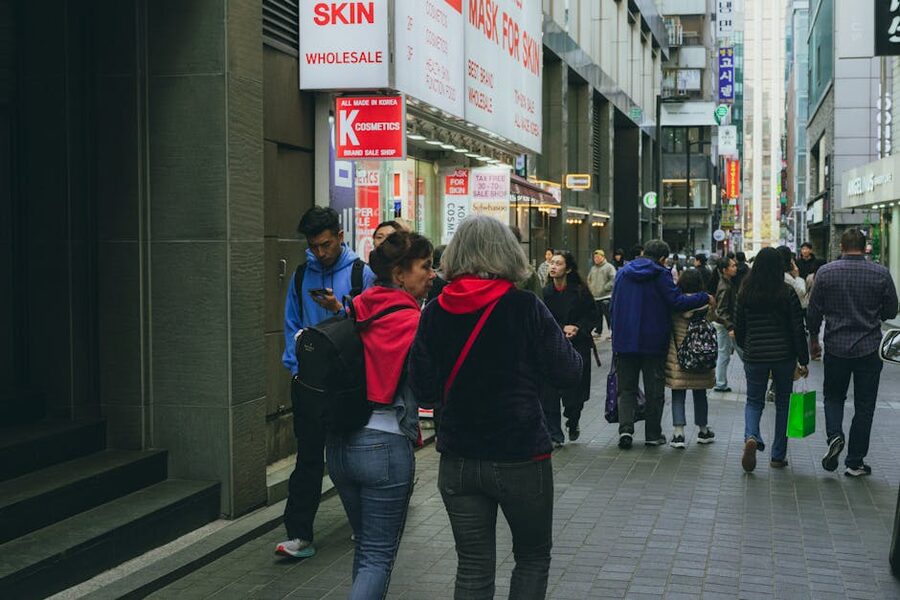
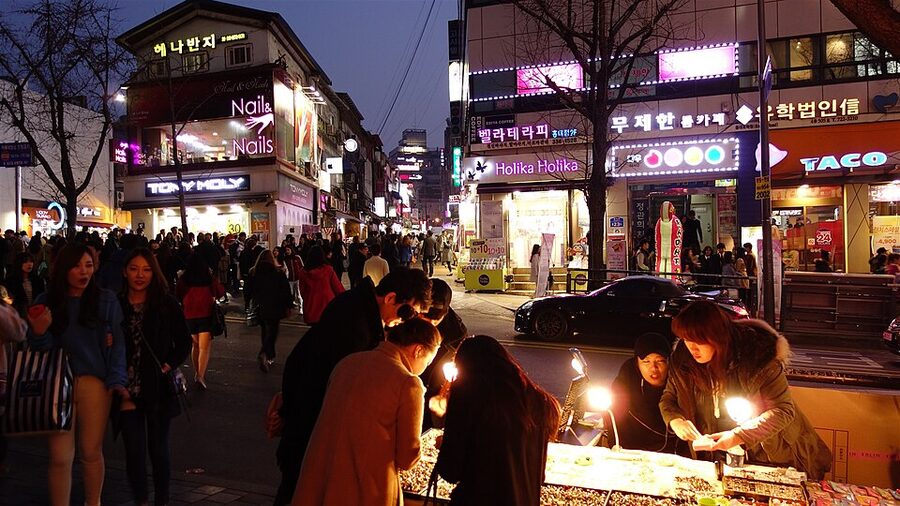
Younger, cheaper, more eclectic. The studios are smaller, often above coffee shops or on second floors of commercial buildings. Prices run ₩100,000-200,000 with friendlier English-speaking staff (Hongdae is the university district so the operators are used to foreign exchange students). Koreal, Hybrid Rainbow, Cocory Personal Color, and Color Society all sit within a 15-minute radius of Hongik University Station.
What to Wear and Bring on the Day
Wear: a plain white, off-white, or beige T-shirt or blouse. No graphics, no loud colours, no heavy jewellery. The drape read depends on a neutral backdrop against your skin. If you show up in a saturated burgundy jumper, the analyst will politely ask you to swap into one of the studio’s loaner tees.
Don’t wear: tinted sunscreen, coloured contacts, self-tanner fresh from the night before, or heavy eye makeup. Your natural skin tone is what gets read. Anything that warps it — even a light tint — skews the result.
Bring: a phone with storage space (most studios send photos via KakaoTalk or Instagram DM after the session), a notebook if you take notes well, and ₩50,000 cash as a buffer for a printed palette card if the base package doesn’t include one.
Is It Worth the Money
Honest answer: depends on why you’re doing it.
If you’re a casual shopper and you don’t care much about coordinating your wardrobe, it’s a novelty. Fun for 90 minutes, a good story, maybe a laminated card that lives in your wallet for a year before you lose it.
If you genuinely want to stop buying the wrong colours — and most of us buy the wrong colours because we fall for trends — it’s one of the better investments you can make under $200. Mara has bought two items of clothing since her session that she actually wears every week. She used to buy two items a month and wear them twice. That math adds up fast.
The one caveat: if you’re not prepared to follow through on a wardrobe-and-makeup refresh, the palette card will sit in your phone’s photo library unused. You need to actually implement what the session tells you. About a third of travellers don’t, and for them the experience is a ₩150,000 curiosity.
Common Mistakes Travellers Make
Booking the day they fly in. Jet lag warps your skin tone and the read. Give yourself 36-48 hours in Seoul before the session — you’ll get a more accurate result.
Booking a group session with friends. Most studios only allow the paying client in the consultation room. If you and a friend both want analyses, book two back-to-back slots, not one joint one. A handful of studios do allow a guest observer if you ask in advance.
Skipping the makeup demo to save time. The drape read on its own is interesting but abstract. The makeup application is what makes the palette memorable. If a studio offers a “drape only” package to shave off 30 minutes, don’t take it.
Not asking for hair colour recommendations. It’s often included free if you request it but they won’t volunteer it. If you’re considering dyeing your hair, this is the moment to get a professional second opinion — and a neutral one, since the analyst isn’t the one taking the salon booking.
Getting There and Payment Logistics
All three neighbourhoods are on the Seoul Metro. Hongdae: Line 2, Hongik University Station. Apgujeong: Line 3 or Bundang Line, Apgujeong or Apgujeong Rodeo Station. Gangnam: Line 2, Gangnam Station.
Payment is split: the big GetYourGuide and Klook listings charge your card at booking. Direct Instagram and KakaoTalk bookings usually take a deposit via Korean bank transfer (tricky for foreigners) and the balance on the day — in cash or card. Bring ₩200,000 cash if you’re booking direct, just in case their card machine is down (it happens more than you’d expect).
Tipping isn’t a thing in Korean personal-service culture, so don’t bother trying. A thank-you KakaoTalk message with a photo afterward is the local equivalent.
Pairing the Session With the Rest of Your Day
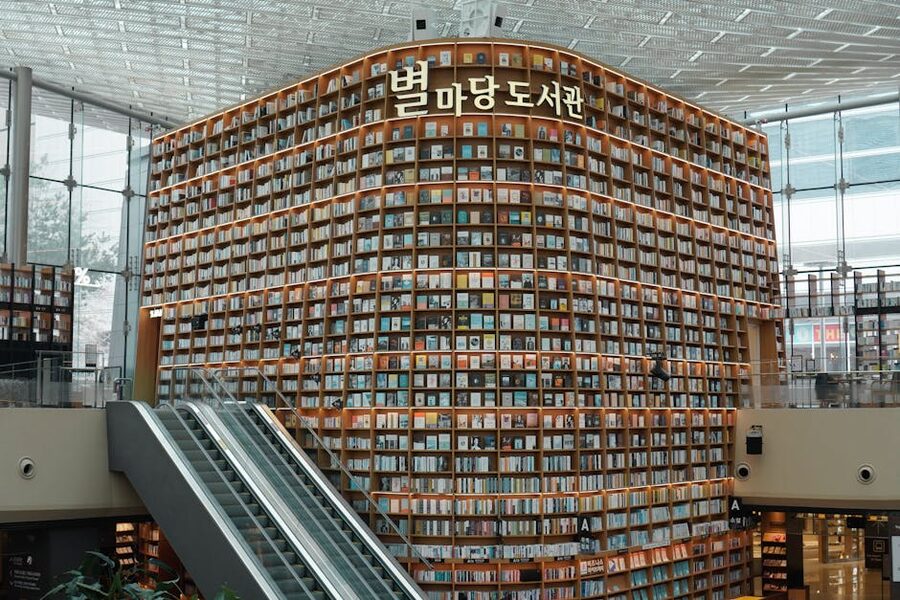
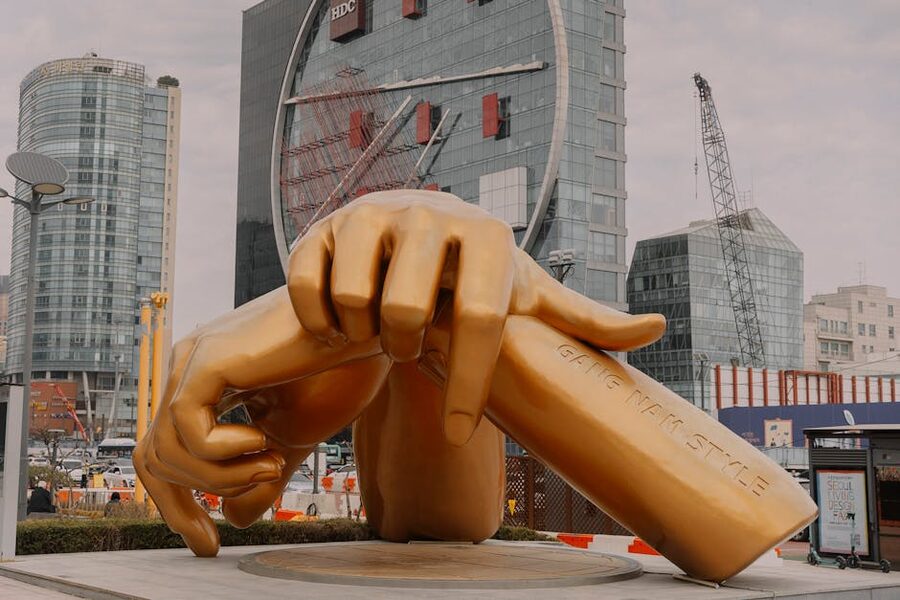
Book the color analysis for early afternoon. You’ll leave wearing makeup in your new palette and you won’t want to take it off for dinner. In Hongdae, walk up the main drag for tteokbokki and soju at any of the Wausan-ro basement bars. In Gangnam, the COEX mall is a 10-minute walk from Samseong Station and gives you three hours of shopping to try your new palette against actual clothes on racks.
If you’re in Seoul for a longer stay, stack the color analysis with a hanbok photoshoot a few days later — the traditional outfit styling actually benefits from knowing your palette in advance. You’ll pick the rental hanbok that flatters you rather than the one that looks best on the rack.
Before You Book — A Few More Tips
I’ve done three of these sessions across two trips and picked up a few things the studios don’t tell you:
- Request photos at each stage. The end-of-session photo is standard. Ask them to also photograph the drapes that were clearly wrong — the comparison later is more educational than the “right” shots alone.
- Ask for a digital palette. Most studios only give a physical card. A digital version on your phone is far more useful when you’re shopping and trying to match a hex code on a website.
- Request the sub-season details in writing. “Autumn” on its own is not actionable. “Soft autumn, leaning into muted rust and olive, avoid high-saturation winter reds” is actionable. Push for the specificity before you leave.
- Get the jewellery answer definitively. Gold vs silver vs rose gold vs platinum. The analyst will often hedge. Ask them to commit to a primary metal and a secondary metal.
- Don’t shop the same day. Sleep on the palette for 48 hours. Then hit Olive Young or a department store with a shopping list that matches your new shades. Shopping on the high of a session is where mistakes happen.
Rounding Out Your Seoul Trip
A color analysis slots neatly into a wider K-beauty and K-culture day in Seoul. If you’re building a full itinerary, the K-pop dance class in the same Hongdae/Gangnam studio clusters pairs especially well — you can dance in the morning, analyse in the afternoon, and walk out with both a video and a palette card from the same neighbourhood. Pair it with a hanbok photoshoot at Gyeongbokgung the next day for a two-part styling narrative — traditional costume in one location, personal color in another, the palettes weirdly complement each other.
If you’re flying down to Busan for a few days, a Busan cooking class is the perfect flavour swap from the Seoul styling angle. And for sheer trip-wide practicalities, I’d loop in a Seoul hanbok rental, a Gangnam walking tour, and a Seoul pub crawl to balance the beauty-heavy day with the other things Seoul is famous for. If you’re short on time and doing a single overnight, the Seoul layover tour will get the highlights in under 10 hours between flights.