
A sumo tournament fills a stadium with twelve thousand people, a brass band, and a ceremonial sound system. A morning practice fills a single tatami room with five wrestlers, one trainer, and the flat thud of two men colliding at full weight. Same sport, completely different room. If you are in Tokyo outside the six weeks a year when the tournaments run, the practice is the version to see — and this guide walks through how to actually book it.
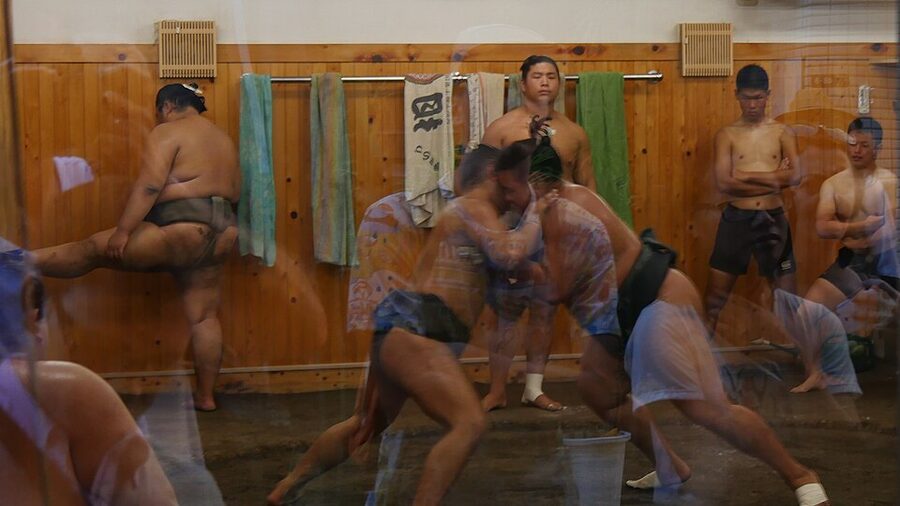
Practice tours work very differently from the paid demonstrations sold as tickets elsewhere in the city. You sit on the floor of an actual working beya (stable), silent, watching the sumo world’s daily workday. The stables choose when to allow visitors. Cancellations happen more often than with most Tokyo tours. Getting the logistics right matters — and below I walk through which tour to pick, how the morning actually runs, and the rules that keep you from being asked to leave.
Short on time? Here are my top picks:
Best all-round Tokyo pick: Tokyo: Sumo Morning Practice Viewing Tour — $81. Full two hours, English guide, small group. The one I point friends to first.
Best if you want a short, cheaper trip: Tokyo: Sumo Morning Training Visit — $77. One-hour slot with hotel pickup included. Less context, but easy and done before breakfast.
Best for photos: Tokyo: Sumo Wrestler Morning Practice Tour & Photos — $96. Two hours plus a guaranteed photo session with the wrestlers afterwards.
- Why Morning Practice Beats the Demo Shows (For Some Visitors)
- What Actually Happens During a Practice Tour
- My Top Three Tours
- 1. Tokyo: Sumo Morning Practice Viewing Tour —
- 2. Tokyo: Sumo Morning Training Visit —
- 3. Tokyo: Sumo Wrestler Morning Practice Tour & Photos —
- The Rules — Read These Before You Go
- Which Weeks Practice Is Closed
- Practice vs Tournament vs Demonstration — When Each Makes Sense
- How Much to Budget
- Where to Stay for an Easy Morning
- A Brief History — Why This Tradition Still Works
- Can You Meet the Wrestlers?
- Common Mistakes to Avoid
- What to Pair This With
- Your Questions, Answered
- Worth Reading Before You Go
Why Morning Practice Beats the Demo Shows (For Some Visitors)
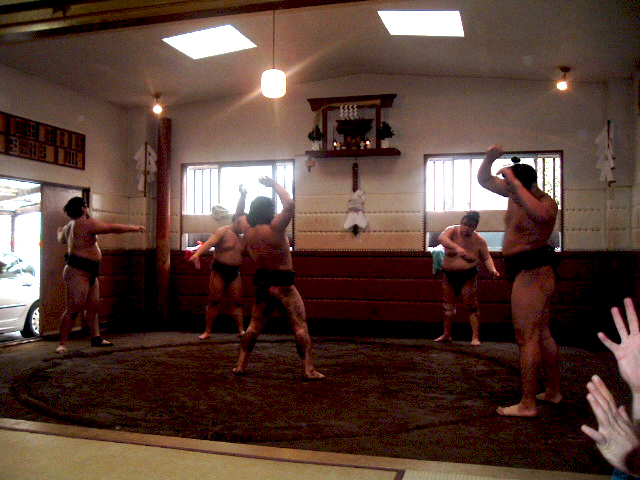
Tokyo sells two very different sumo experiences. One is the paid sumo show with chanko nabe, where retired or off-season wrestlers put on a scripted demonstration in a restaurant setting. The other is what this article covers — watching a working stable do its real morning training. The demo show is more predictable, runs in the evening, includes a meal, and works for travellers who want the spectacle. The morning practice is rougher, quieter, earlier, and closer to the sport.
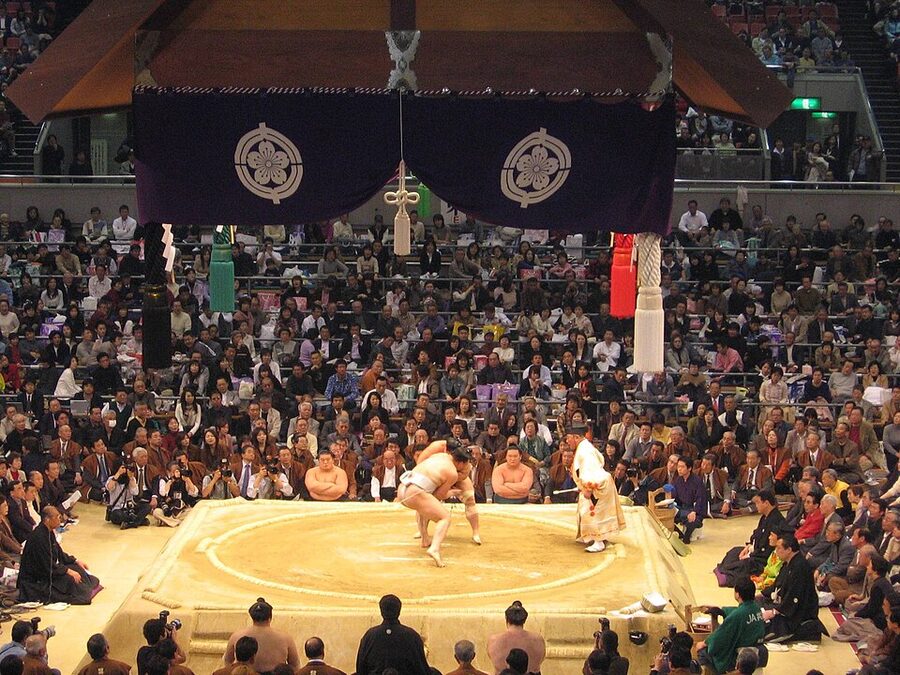
If you have already seen or plan to see a tournament at Kokugikan, the morning practice is what fills in the gaps. Tournaments show you ninety seconds of action per bout, refereed by a man in a kimono, with rules you have not studied. The morning shows you the reps behind those ninety seconds — the stretches, the sparring, the hundred squats, the way juniors clean the ring after seniors leave. It is where the sport makes sense.
What Actually Happens During a Practice Tour
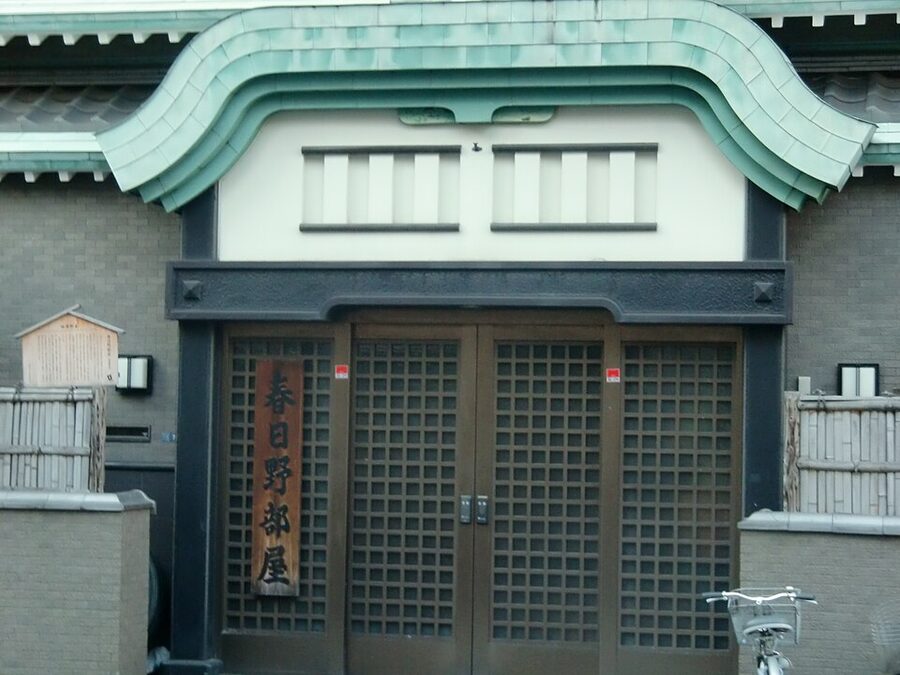
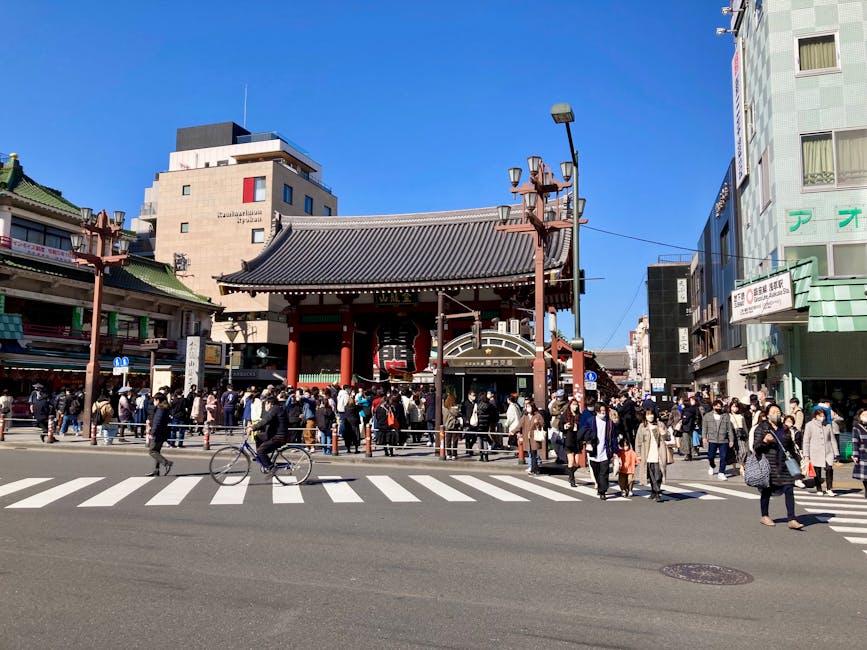
You meet your guide at a station exit in Asakusa or Ryogoku, usually around 7:30 am. From there it is a short walk or a local bus ride to the stable. Tours that include hotel pickup will collect you earlier — around 6:30 — which makes staying in the area worth planning for, because no one wants a cab ride across Tokyo before sunrise on holiday.
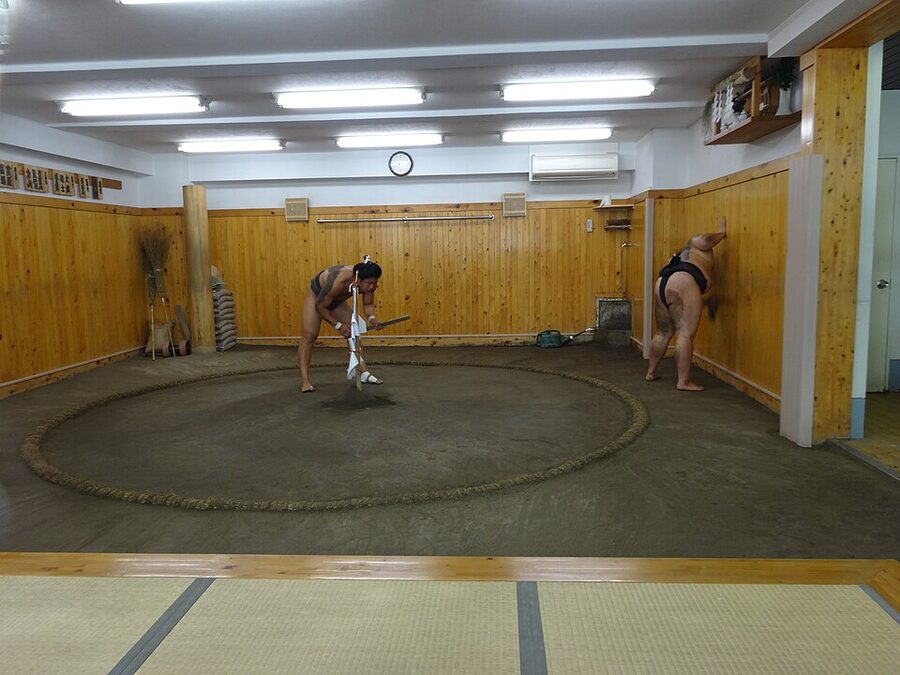
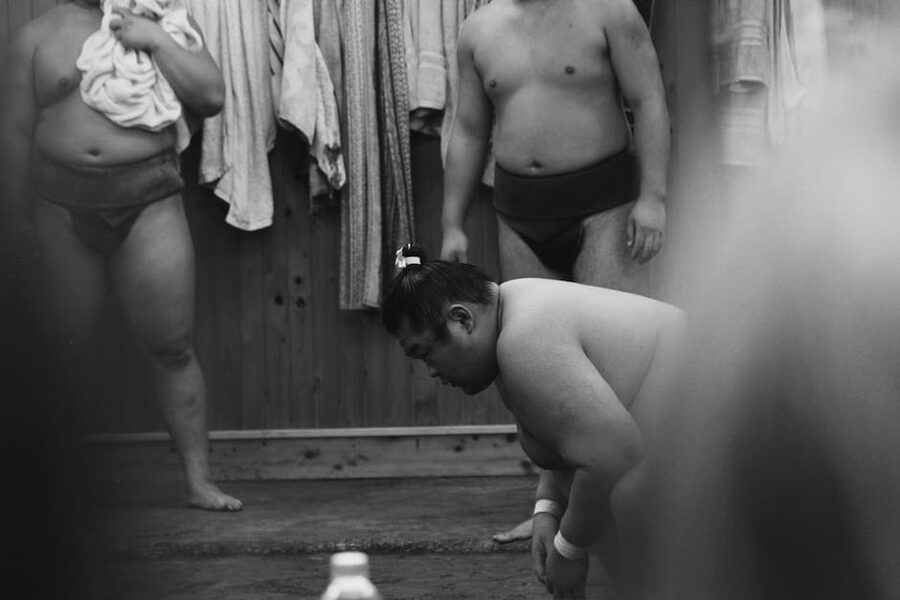
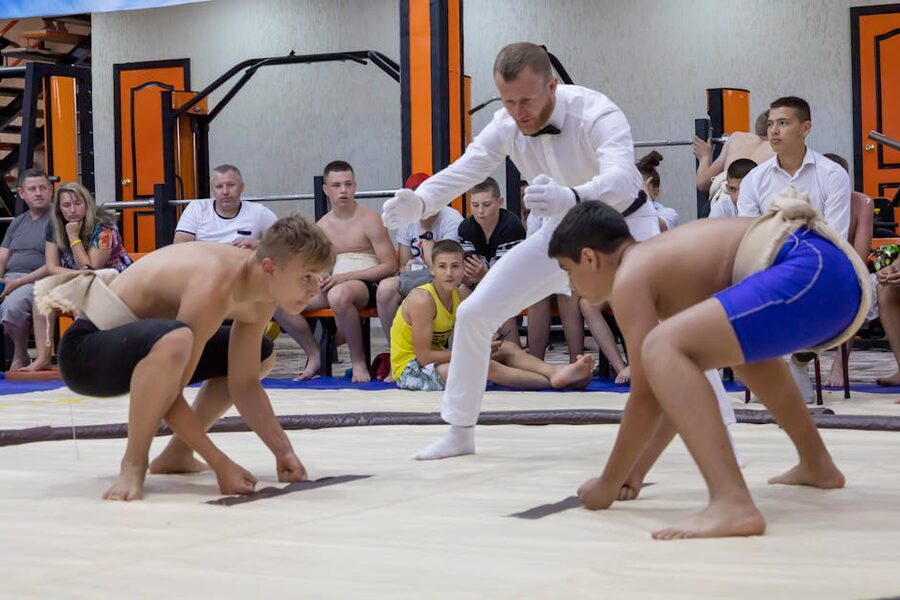
At the stable, the guide gives a short briefing outside before you go in. This is where the rules land — which I cover below. You sit on tatami or on a small cushion around three sides of the ring. The wrestlers ignore you. That is the deal. They already know you are there, the trainer already agreed, and they have three to four hours of work ahead of them. Being ignored is a good sign.
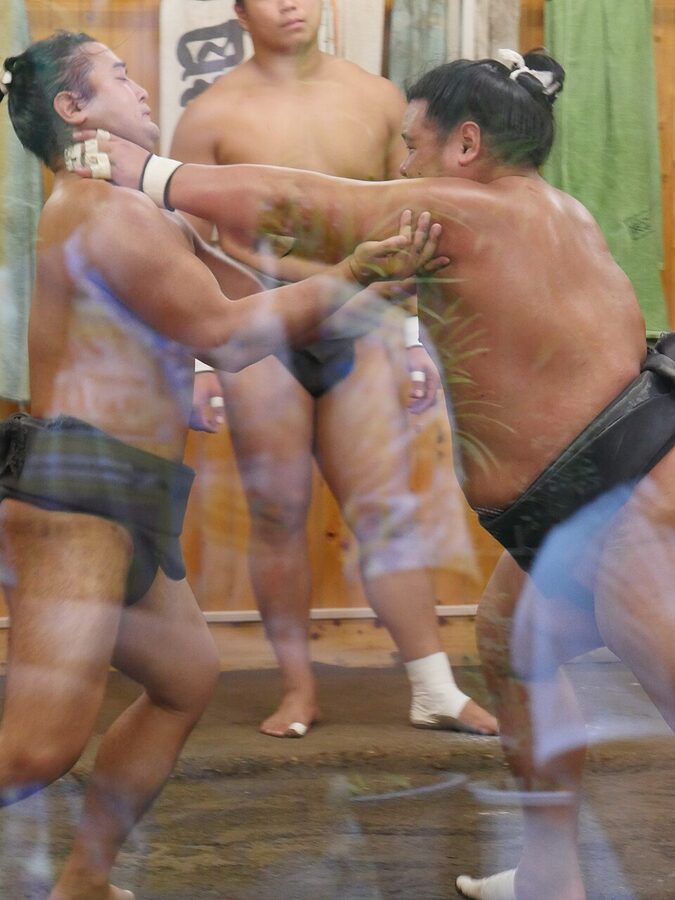
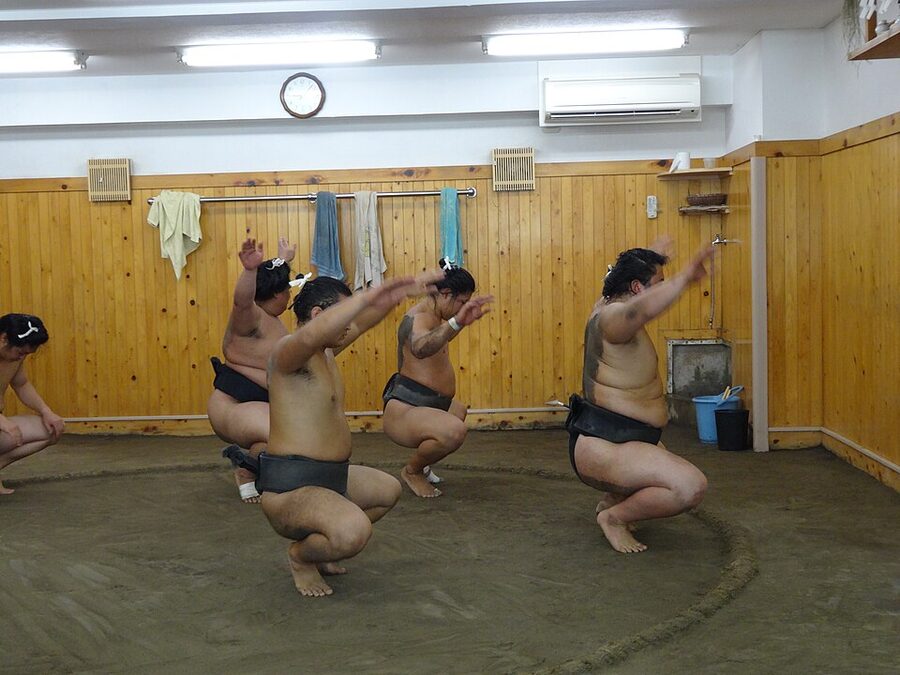
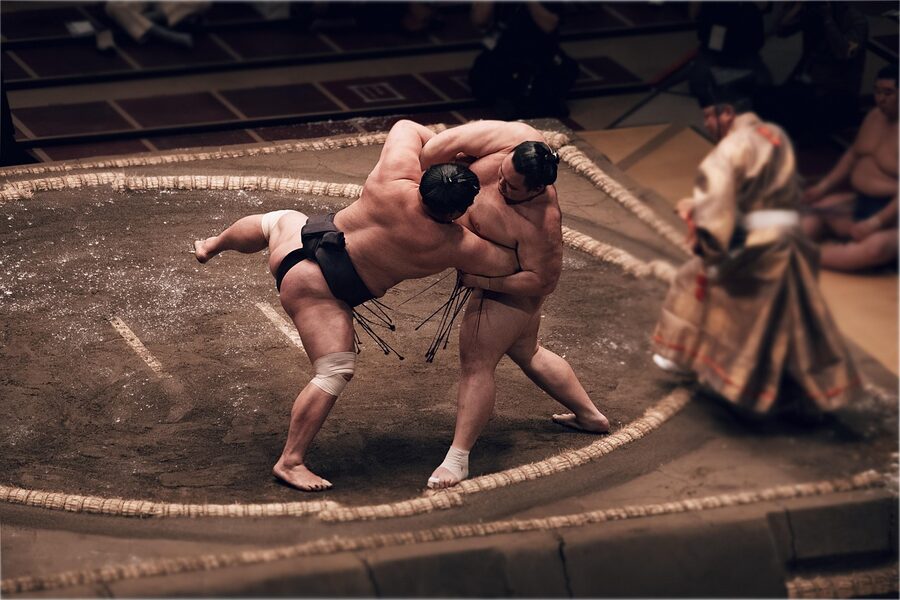
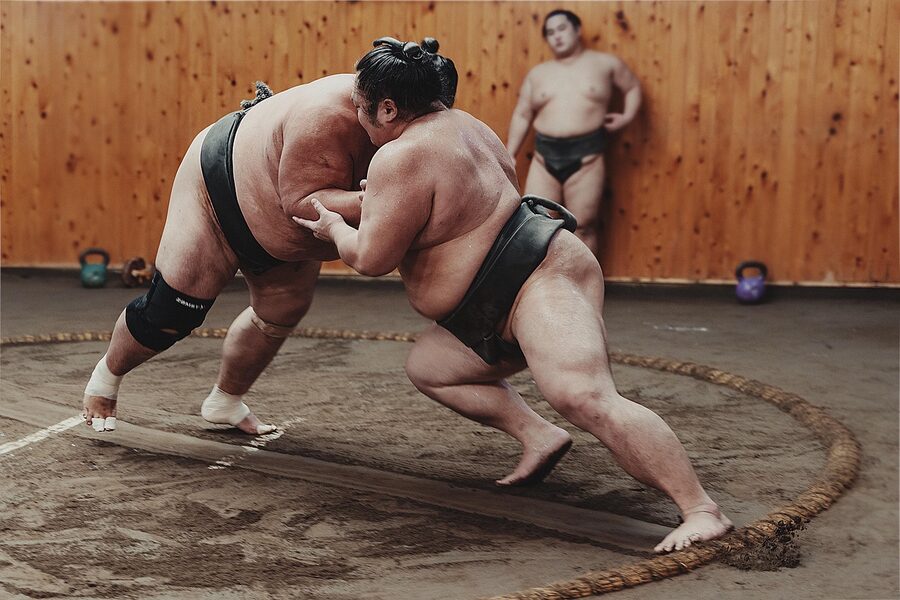
The warmup runs first. Stretching, shiko leg stomps, teppō palm slaps against a wooden pillar, and one hundred squats, all led by a senior wrestler counting in Japanese. It is a good chance to learn to count to ten, because you hear ichi, ni, san, shi, go about eighty times. Then the sparring starts.
The sparring format is moshi-ai. The winner of each bout stays in the ring and picks the next opponent. A strong wrestler can go ten rounds in a row. Bouts last ten to thirty seconds. The sound carries — two-hundred-kilo bodies hitting at a distance of two metres from your head is a thing you feel in your chest. I thought the first time that photos would convey it. They do not.
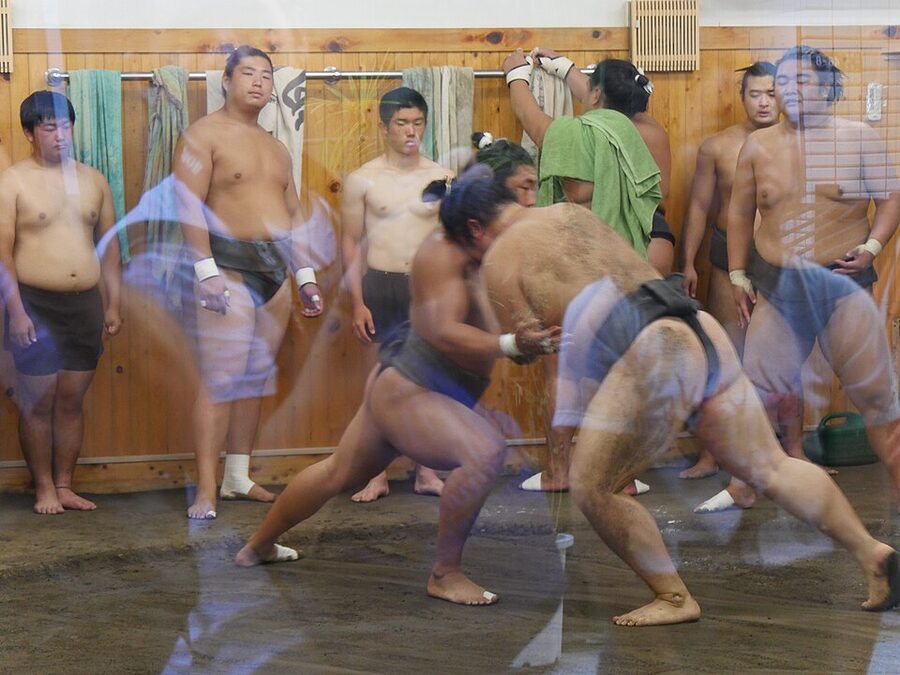
After about an hour of sparring, the senior wrestlers take a break and the juniors and trainers run their own rounds. This part often feels lighter — the trainer will sometimes call out jokes, the wrestlers laugh. It is the one section of the morning where the room relaxes.
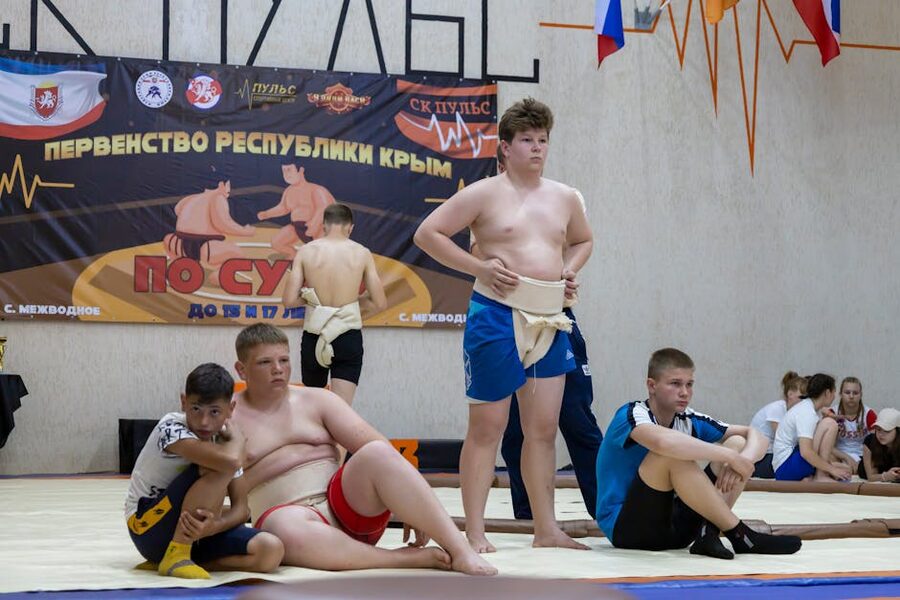
The closing section is stretches and the famous sumo “conga” — wrestlers walk around the ring in a line, each holding the mawashi of the man in front. That is your signal the morning is almost over. After that, depending on your tour, you either wait five minutes for the wrestlers to change into yukatas and come out for a photo session, or your guide walks you back to the station.
My Top Three Tours
These are the three practice tours that get the most bookings and the strongest repeat reviews from Tokyo visitors. I have listed them in the order I would pick them for a first-time visitor, rather than by price.
1. Tokyo: Sumo Morning Practice Viewing Tour — $81
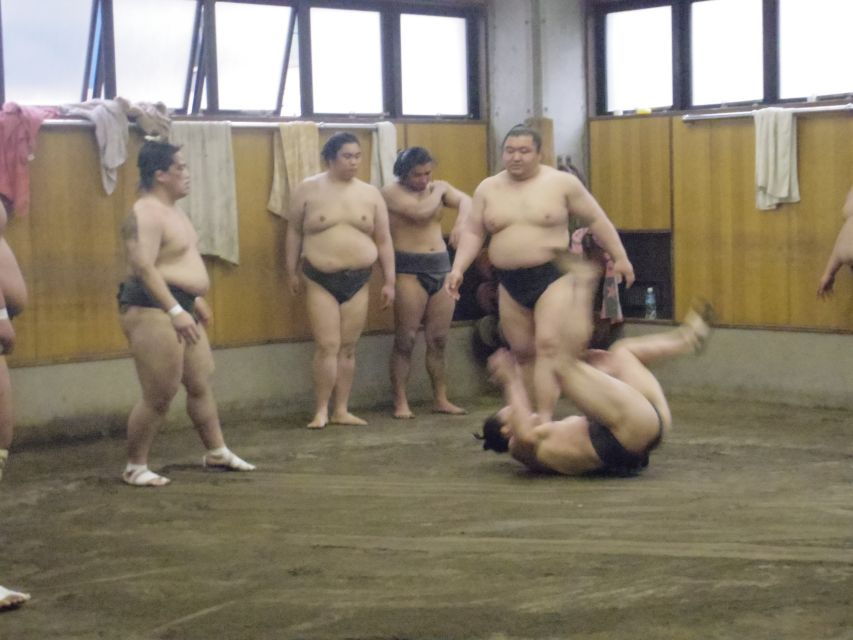
This is the one I would book if it were my first sumo anything. The guide rotation is tight, the context is good, and the two-hour window gives the stable’s morning time to build. Our full review has the detail on which stables they rotate between and what the group size feels like in person.
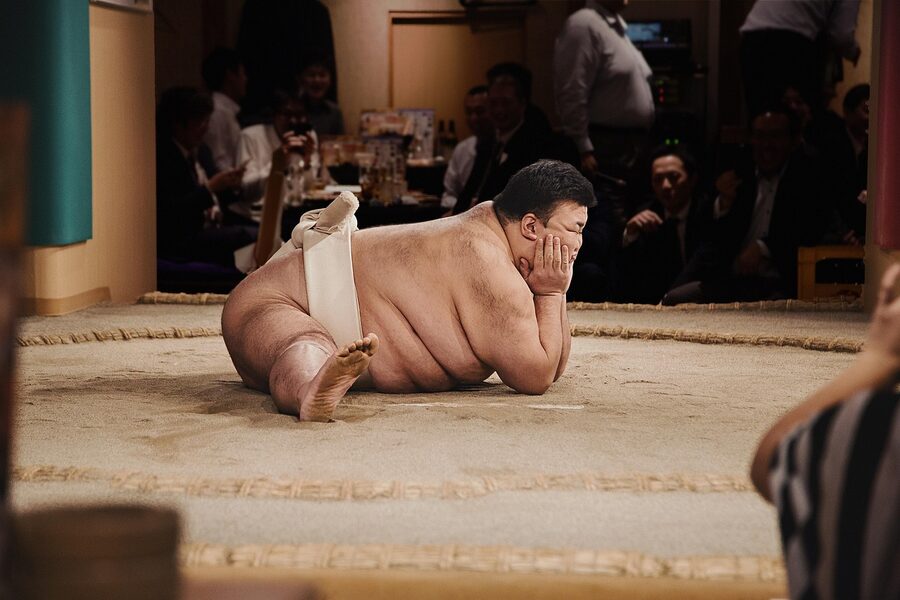
2. Tokyo: Sumo Morning Training Visit — $77

A good pick if you are tight on time or staying far from Asakusa. The one-hour window catches the middle of the stable’s morning, so you still get the full sparring block. My write-up goes into the trade-offs of the shorter slot and which hotels are inside the pickup zone.
3. Tokyo: Sumo Wrestler Morning Practice Tour & Photos — $96
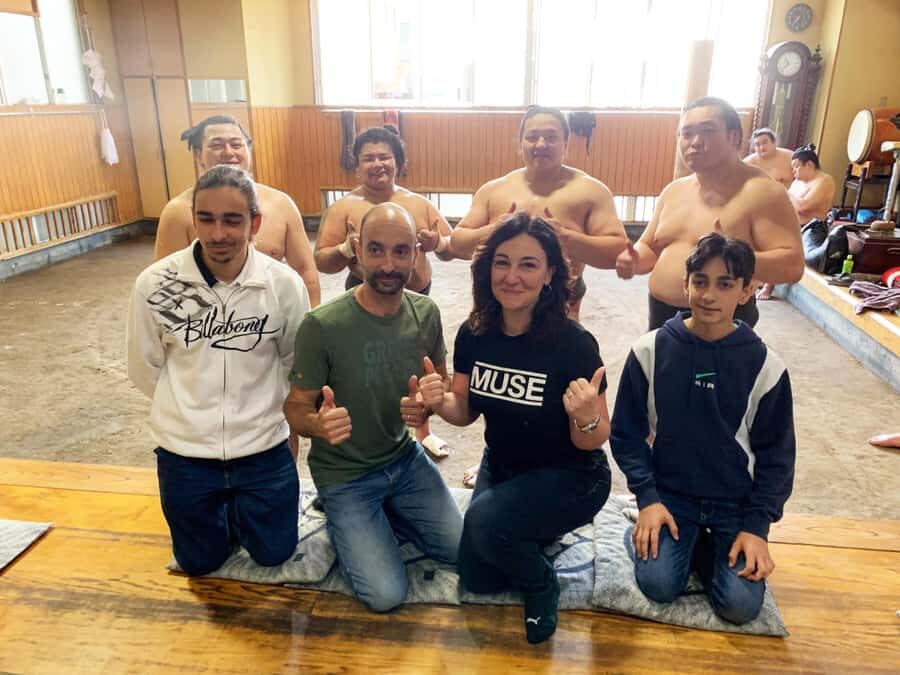
Pick this one if the photo with the wrestlers is the memory you want to take home, or if you are travelling with kids who will ask later. The practice window is the same length as tour #1. Read our review for notes on how the photo session runs and whether you can use your own phone or camera.
The Rules — Read These Before You Go
The stables are real workplaces, not tourist venues. They open the door on the strict condition that the morning is not disturbed. Breaking these rules does not just embarrass you — it means the stable stops accepting that tour operator. That is why the good operators drill them hard before you walk in.
The core list:
- Silence inside. No talking, even in whispers. Questions are for the guide outside, before and after.
- Phones on silent, camera sounds off. Most iPhones from Japan cannot silence the shutter. If yours does not, do not photograph. Airplane mode is safer than silent.
- Do not point your feet at the ring. Sit cross-legged, kneel, or fold them to one side. This is the one rule foreigners break most.
- No eating, drinking, or gum. Water is sometimes allowed — check with the guide.
- Shoes off at the entrance. Standard for any Japanese home. Socks, please.
- Stay seated until the guide moves. Even if the sparring pauses. The trainer sets the tempo.
- Do not photograph the trainer (oyakata) unless invited. Wrestlers are usually fine. The trainer is a senior figure and many prefer not to be in visitor photos.
- Dress modestly. No vests, no short shorts, nothing with offensive prints. Visitors have been refused entry for this.
- Leave bags at the edge of the room. Keep your lap and hands visible.
Which Weeks Practice Is Closed
Morning practice is not a year-round product. The stables close their doors to visitors in several windows, and the tour listings do not always make this obvious. If you book a date that lands in a closed window, the operator will simply cancel and refund you — which is fine, except that you have already built your Tokyo morning around it.
Windows when practice is usually closed:
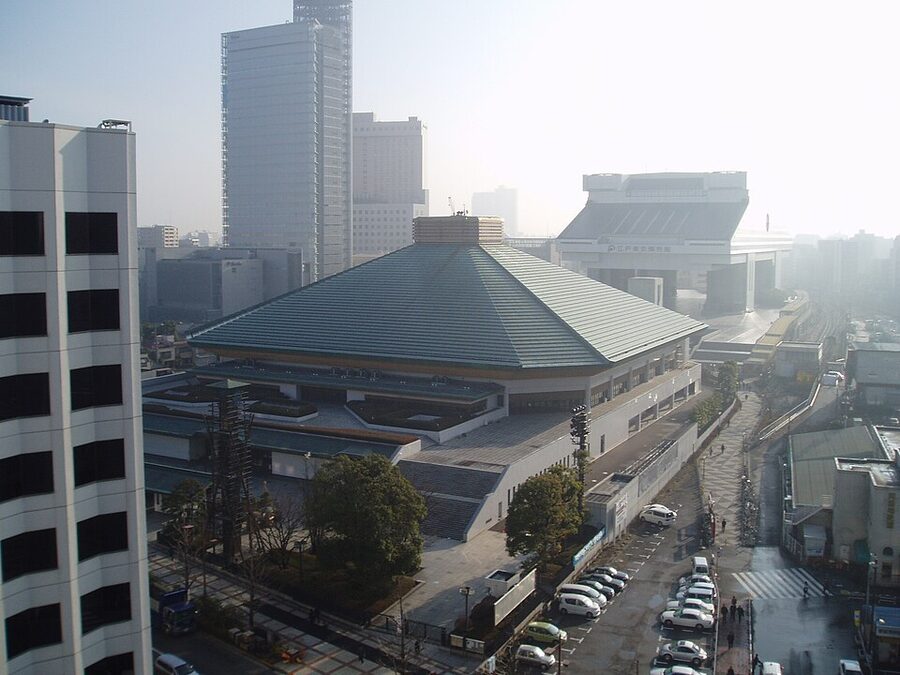
- Tournament weeks in Tokyo — January, May, September. Plus the week before. Wrestlers are at the Kokugikan or resting.
- Away tournaments — March (Osaka), July (Nagoya), November (Fukuoka). Most Tokyo-based stables travel with their wrestlers for the duration. That is six weeks a year where the rosters are out of town.
- The regional tour (jungyo) — spring and autumn. Wrestlers tour Japan putting on exhibition bouts. Usually two to three weeks blocked each season.
- Sundays and some Mondays. Rest days vary by stable.
- Foundation holidays (early January, Obon in mid-August). Whole stables close.
Translation: the safe months to book are February, April, June, August, October, and December, on a weekday, outside Obon week. If Tokyo sumo is high on your list, pick your dates first and plan the rest of the trip around them.
Practice vs Tournament vs Demonstration — When Each Makes Sense
Tokyo offers three distinct sumo experiences, and the right one depends entirely on when you are in town and what you want from the morning.
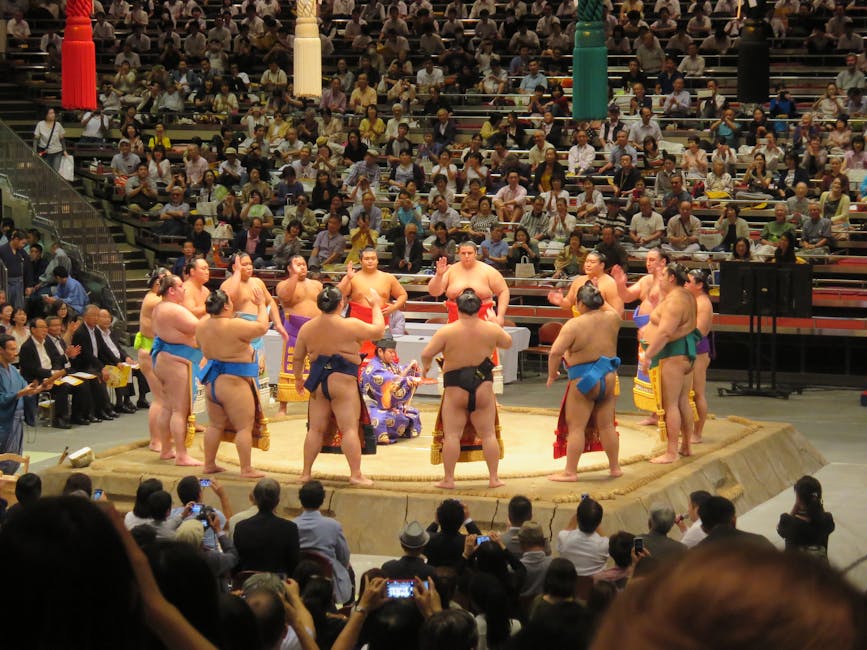
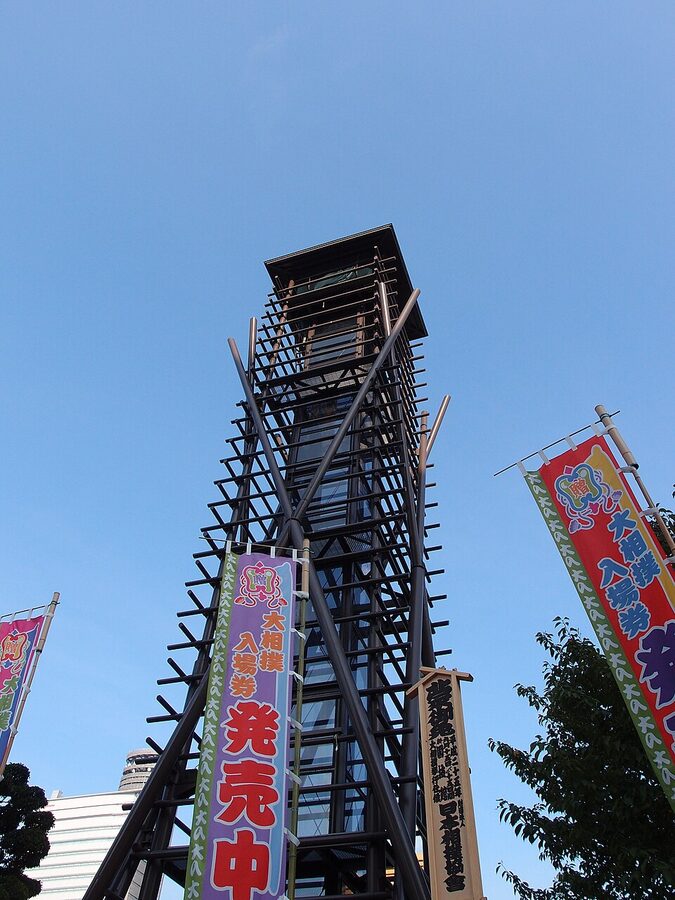
Tournament (basho). Runs fifteen days in January, May, and September in Tokyo. Tickets range from ¥3,800 for a far-back chair seat to ¥50,000+ for a front box. Atmosphere is the best thing about it — the crowd shouts, the judges enter in robes, the wrestlers’ names are chanted. Downside: you are far away, the bouts flash past in seconds, and without background the ceremony reads as slow. Book through the official sumo ticket channels three months ahead.
Morning practice (asageiko). What this article is about. Close up, quiet, real work, no ceremony. Best for people who have some interest in sport or process, or who want the unmediated version. Runs roughly six months a year.
Paid demonstration. Retired or off-season wrestlers perform a condensed show with chanko nabe dinner. Tokyo has several of these, all evening events, always available. Covered in our Tokyo sumo show guide. Best for groups with mixed interest levels — the meal plus the show plus the photo carries everyone.
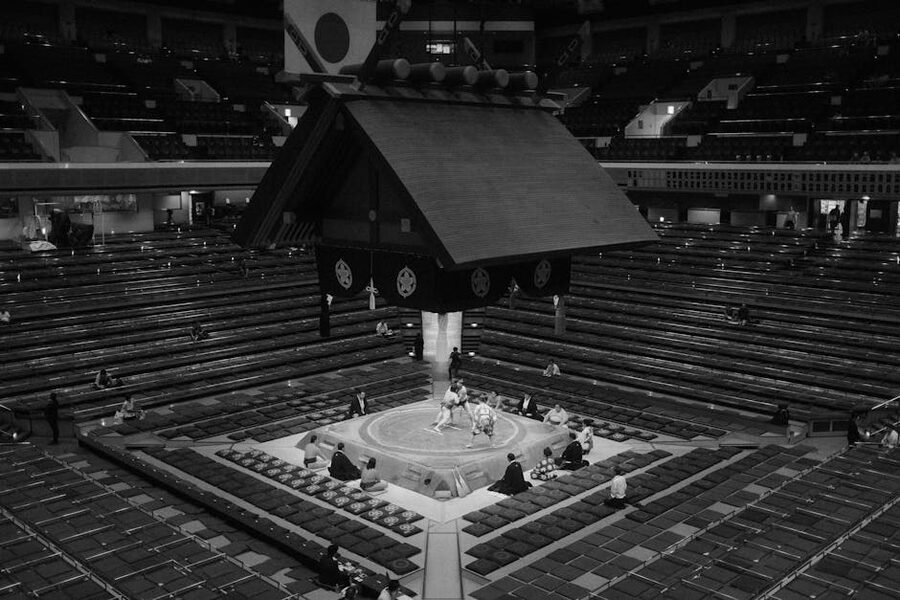
If your trip covers a tournament month and you can only do one sumo thing, do the tournament. If you land in any other month, do the morning practice. The paid demonstration fills the gap when you want sumo plus dinner and the other two do not fit.
How Much to Budget
Practice tours cluster in a narrow band. The three on offer here run $77 to $96 per person, and all three work on the same structure: a fee to the stable (most of the cost), a fee to the guide, and a small margin to the operator. There is no meaningful way to do this cheaper. Bookings do not discount at volume, and walk-in rates are actually higher than tour rates once you add the guide you will need for translation.
Things to know about the pricing:
- The stable fee is the expensive line item. It covers the fact that outside visitors slightly disrupt the morning. Operators only pay the stable when they deliver visitors, which is why they are strict about the rules.
- Hotel pickup adds about $10-15 versus the meet-at-station format. Worth it if your hotel is not in Asakusa or Ryogoku.
- Photo-session tours add about $10-15 on top. Worth it for a family trip or a significant occasion.
- Cancellation policies vary. The three I listed above all allow free cancellation up to 24 hours before.
- Group size affects price almost not at all. Private tours exist at around $400-500 per group, but the standard small-group is where most people end up.
Where to Stay for an Easy Morning
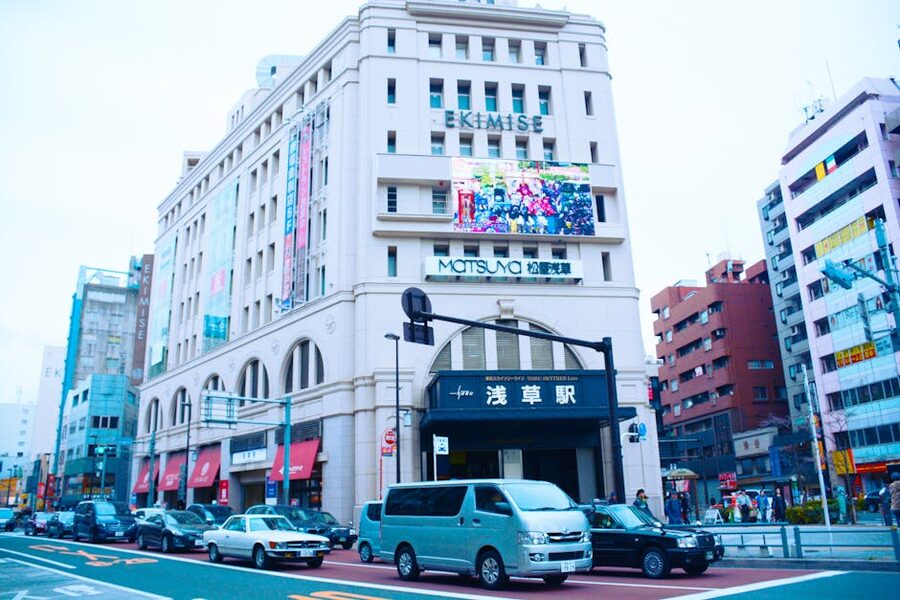
Two neighbourhoods work for a morning practice tour: Asakusa (where most meetup points sit) and Ryogoku (where many stables actually are). Both are easy to book in mid-range and work for the rest of your Tokyo itinerary — Asakusa especially, because it is one of the city’s core sightseeing districts anyway.
Staying anywhere else in Tokyo — Shinjuku, Shibuya, Ginza, Roppongi, Tokyo Station — means a 30 to 45 minute cab or metro trip starting at 6 am, and that is a bad way to open the day. If your hotel is already booked in one of those areas and you are committed to the tour, pay the $10-15 upgrade for the hotel pickup and you will sleep an extra twenty minutes.
A Brief History — Why This Tradition Still Works
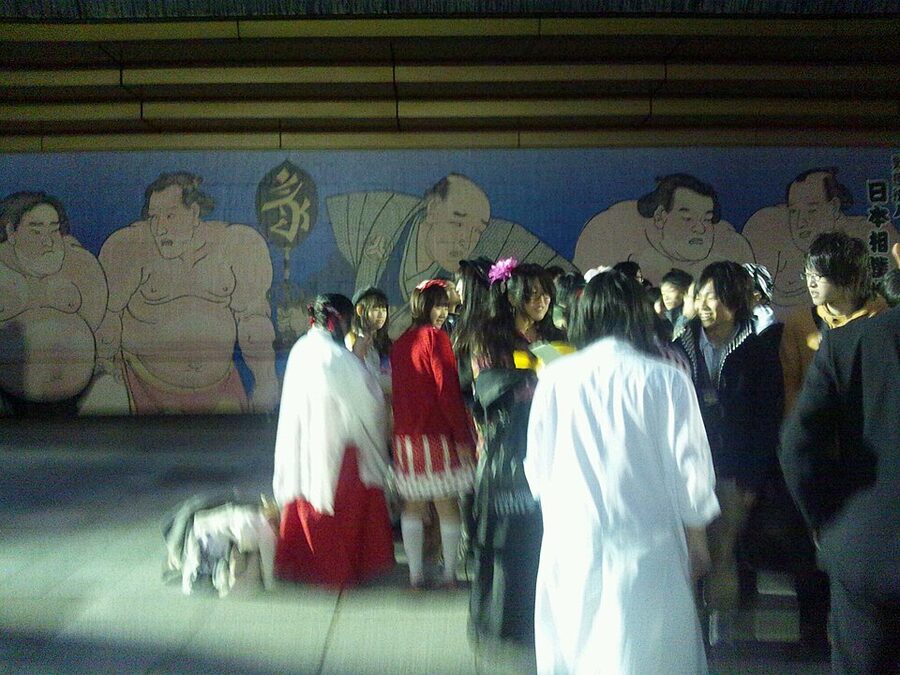
Sumo’s practice ritual is older than the sport’s professional form. The first recorded matches go back to the seventh century, held at the imperial court as harvest offerings. The modern training system — young wrestlers joining a stable, living and training under an oyakata (retired master) — solidified in the Edo period. That is the structure you are walking into when you step over the threshold.
The practice you watch follows a script that has barely changed in two hundred years. The drills (shiko, teppō, matawari), the moshi-ai sparring format, the ring rebuild at the end — all of it matches what a nineteenth-century woodblock print would show. Some stables still cook chanko nabe over wood stoves. The continuity is part of why this works as an experience.
What has changed is who watches. Practice visits by outsiders were rare until about twenty years ago and almost impossible for tourists without a Japanese intermediary until roughly 2010. The modern practice tours are the product of a handful of operators — Japan Wonder Travel, H.I.S., Air Choice — who built relationships with individual stables over years. If you are on one of those tours, you are piggybacking on a relationship someone else spent a decade building. That is also why the behaviour rules matter: one rude guest can close the door on the operator.
Can You Meet the Wrestlers?
Not during practice. After, sometimes. It depends on the stable, the day, and the tour.
The third tour listed above — the photo tour — guarantees a post-practice photo session. The first tour usually runs one if the wrestlers are willing, but does not guarantee it. The second tour rarely does, because the one-hour window ends before the wrestlers finish.
Even on the photo tours, conversation is limited. The wrestlers are often in their early twenties, many speak some English, many do not, and they have a long day ahead of them. What you usually get is: a photograph, a quick handshake, a brief question through the guide (favourite food is the standard), a bow, you go. Some visitors describe it as the highlight of their Tokyo trip. Others find the photograph moment itself the point.
Common Mistakes to Avoid
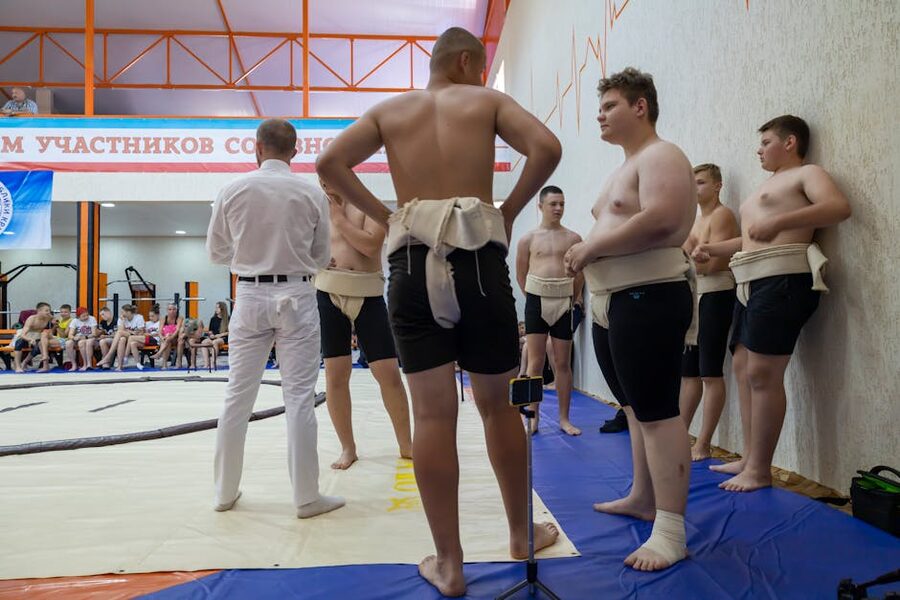
Things I have seen go wrong for visitors, mostly small, one or two serious:
- Booking on the wrong date. The closed windows above catch a lot of people. Read them before you book.
- Not staying near the meetup. A 6 am hotel exit from Shibuya is much worse than a 7:15 am hotel exit from Asakusa.
- Bringing a DSLR without a silent shutter. Phones are fine with shutter sound off. DSLRs without electronic shutter are a problem. If you cannot silence it, do not bring it.
- Trying to reserve directly with the stable. Some advanced visitors succeed. Most fail — the stables answer in Japanese and manage a schedule you cannot read. The operators exist for a reason.
- Wearing shoes that take effort to untie. You will feel every second.
- Ordering a large breakfast before. You are sitting on the floor for two hours. A light breakfast is better.
- Pointing camera at the trainer without asking. The guide will warn you. Listen.
- Asking to touch the wrestlers during photos. Some tours allow it, some do not. Follow the guide’s cue.
- Booking the day of. Most stables confirm visitor lists the night before. Book at least 48 hours ahead.
What to Pair This With
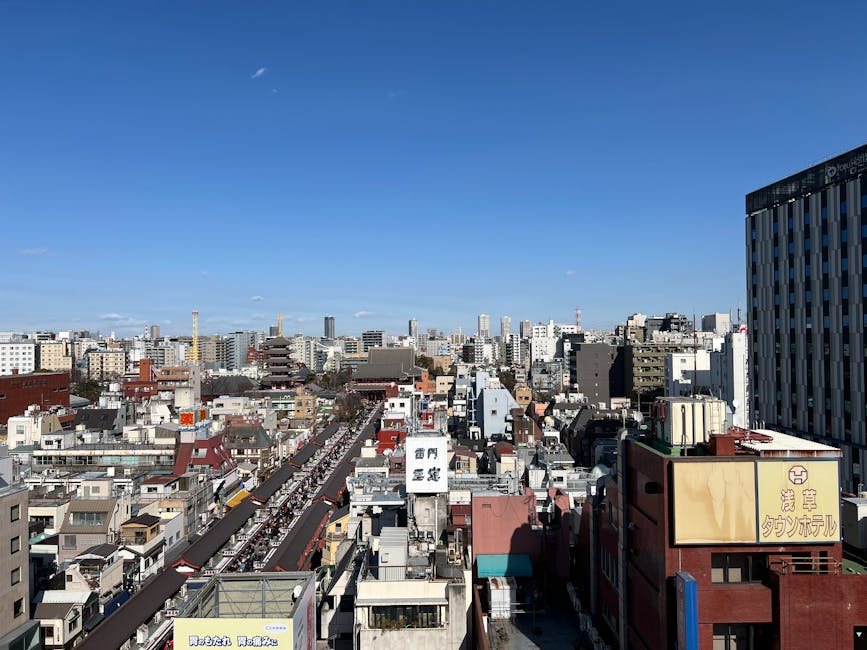
Morning practice ends between 9:30 and 10:30 am, which is an oddly energising start to a Tokyo day. You are in Asakusa or Ryogoku already, so the rest of the day practically writes itself — stay in the neighbourhood, push into Ueno, cross to Akihabara, or grab a train west. A few options that pair well:
After the tour, you are roughly fifteen minutes from Senso-ji temple on foot, which is where most visitors go next. A full-day Tokyo sightseeing tour starts at 9 or 10 am and can pick you up near Asakusa Station, which makes it a practical follow-on if you wanted a guide for the rest of the day. Or if you woke up for the practice and want something completely different in the afternoon, the Tokyo ninja experience is indoor, active, and an easy metro ride away — enough of a contrast that your brain does not blend the two.
If you are bringing the household, pairing the practice with something slower in the afternoon works well — a tea ceremony in Tokyo is probably the best wind-down after a morning of watching men collide. And if your Tokyo trip is also going to cover the airport on the way out, the Haneda airport transfer guide covers the logistics most visitors underthink.
Your Questions, Answered
How early do I need to wake up? Meetup times run 7:00 to 7:45 am for station-meet tours and 6:15 to 6:45 for hotel-pickup tours. If you stay in Asakusa, a 6:45 alarm works.
Can children attend? Yes, and they often enjoy it more than parents expect. Most tours accept kids aged 7+. The silence rule can be hard for under-7s — check with the operator.
What if practice gets cancelled? Operators refund you in full. Cancellation can be same-day if a wrestler is injured, a tournament schedule shifts, or the trainer’s circumstances change. Do not book the only morning of your Tokyo trip as your sumo window — keep a backup day.
Is there a bathroom? Some stables have a visitor bathroom, some do not. Use your hotel before leaving.
Do I need to speak Japanese? No. All three tours above run in English. The wrestlers and trainers speak mostly Japanese — the guide translates.
Is it really silent? Inside the stable, yes. The guide might whisper an explanation during the slower warmup parts, but that is the ceiling. No questions, no commentary.
Can I film video? Photos usually yes, video usually no. Stables vary on this — your guide will tell you the rule for the day.
What if I am vegetarian and the tour includes chanko? Most practice tours do not include chanko — that is the demo shows. If you book a combined practice + lunch tour and are vegetarian, tell the operator at booking.
Can I book directly with a stable? Some stables (Arashio, most famously) allow peering through a window from the street during their open practice days. That is free. But it is not the same experience as sitting inside, and the schedule is not published reliably.
Is this suitable for someone who doesn’t follow sumo? Yes. A good guide fills in enough context that no prior knowledge is needed. Most visitors I have talked to arrive knowing roughly nothing and leave hooked.
Worth Reading Before You Go
If you are planning the broader Tokyo half of your trip and want the logistics handled cleanly, our Haneda airport transfer guide and the Tokyo-to-Kyoto day trip guide cover the transport decisions most visitors overthink. For Kyoto specifically, if you are continuing the cultural-immersion angle that brought you to sumo practice, the Kyoto cooking class guide is the closest spiritual match on the food side — same early-morning discipline, completely different room. And if you want another Tokyo experience in the same category as the morning practice (low production, high authenticity), the Tokyo private tour and Tokyo tea ceremony guides are the two to read next.