You will leave a good Kyoto cooking class with something most food experiences do not give you: the ability to walk into your own kitchen at home and actually recreate what you just ate. That payoff is the whole point. Booking the right class is how you get there.
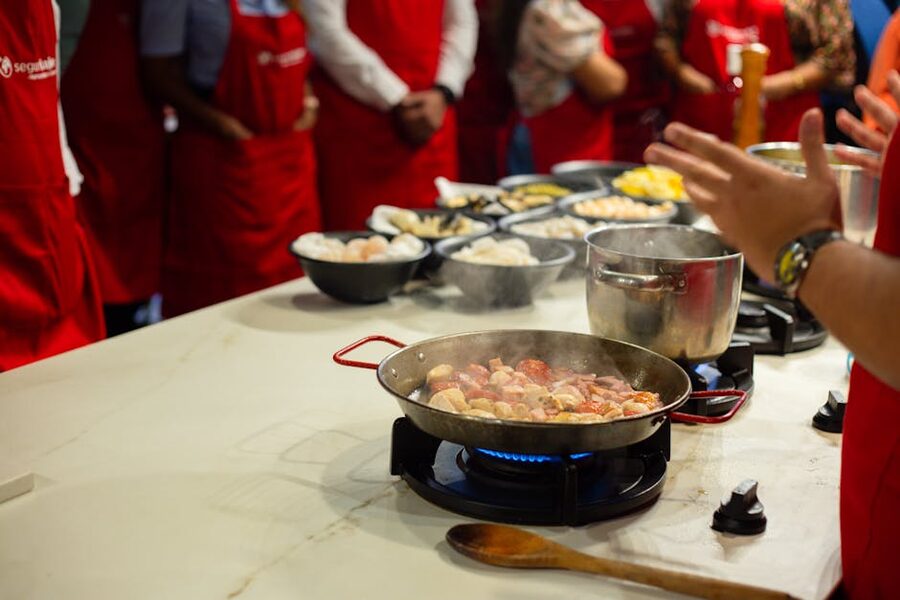
Kyoto is a stronger cooking-class city than Tokyo for one simple reason. The food here is built on washoku, the home-cooking tradition UNESCO recognised in 2013, and the schools lean heavily into that style. You end up learning techniques that translate to real weeknight meals, not just party-piece sushi rolls.
- In a Hurry? Three Kyoto Cooking Classes Worth Booking
- What You Actually Learn in a Kyoto Cooking Class
- How Booking Works — Platforms, Prices, Timing
- My Three Recommended Kyoto Cooking Classes
- 1. Ramen Cooking Class at Ramen Factory in Kyoto — around 1
- 2. Sushi Making in Kyoto (Kawaramachi) — around
- 3. Kyoto Washoku Bento Small Group Cooking Class — around
- The Ingredient You Will Learn to Respect: Dashi
- Where the Classes Actually Happen
- What to Expect on the Day
- Dietary Requirements — What You Can Actually Handle
- Traveling with Kids
- History — Why Kyoto Cooks Differently
- Pairing a Cooking Class with the Rest of Your Kyoto Day
- Best Time of Year to Book a Cooking Class
- Common Booking Mistakes
- After the Class — How to Not Forget Everything
- Other Kyoto Guides That Pair Well With a Cooking Class
In a Hurry? Three Kyoto Cooking Classes Worth Booking
- Ramen Cooking Class at Ramen Factory — around $131 — the most-booked cooking class in Kyoto; you make broth, noodles and toppings from scratch. Book on Viator
- Sushi Making in Kyoto (Kawaramachi) — around $54 — cheapest of the three, central, same-day bookings often available. Book on Viator
- Washoku Bento Small Group Class — around $58 — the one I would pick if I had to choose only one; teaches the actual home-cooking framework. Book on GetYourGuide
What You Actually Learn in a Kyoto Cooking Class
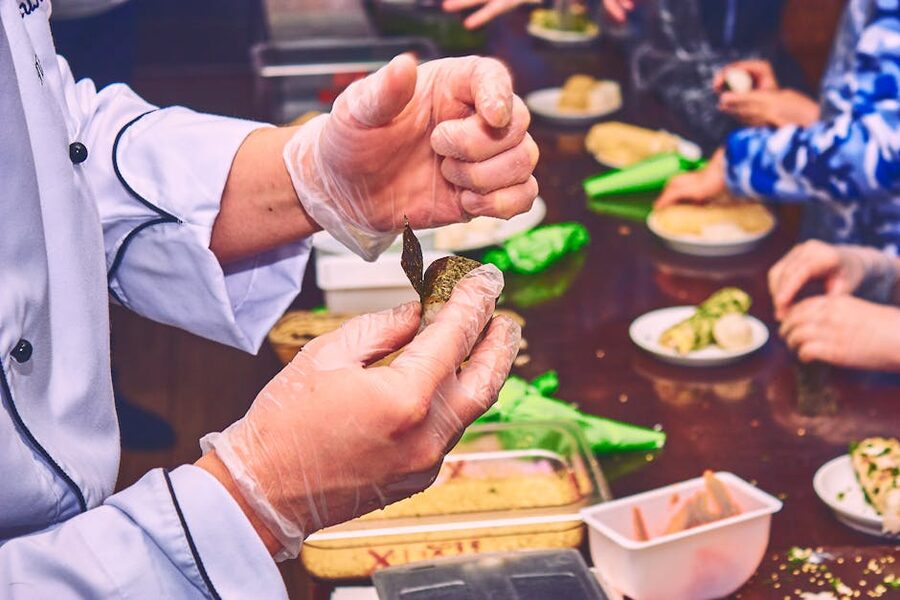
Most first-time bookers picture sushi. That is one option, but it is not the most common. Kyoto cooking classes split roughly into four categories, and knowing which one you are booking matters.
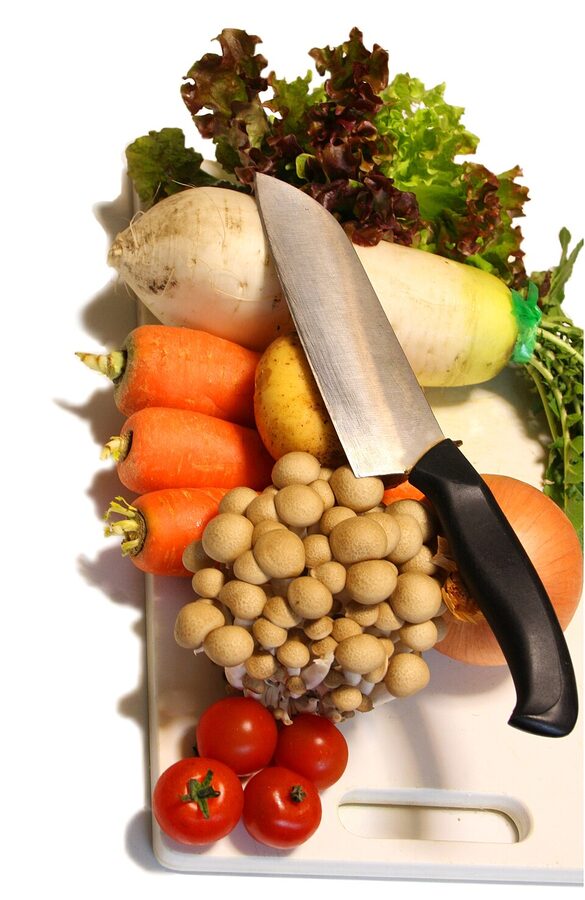
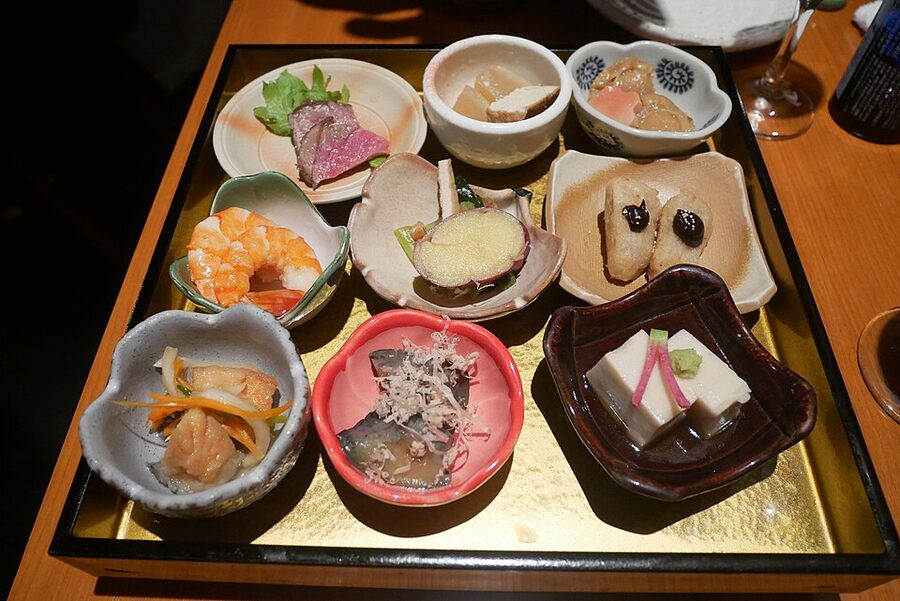
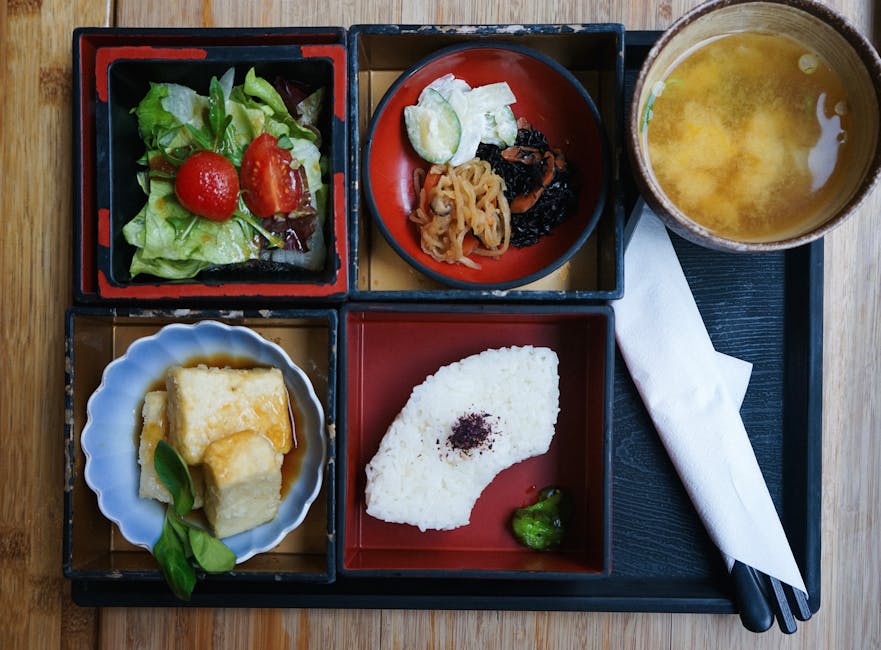
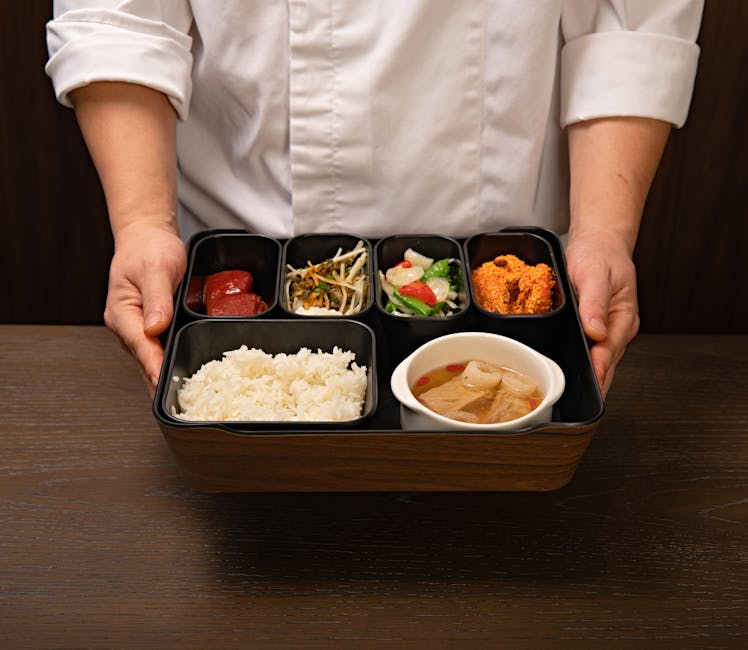
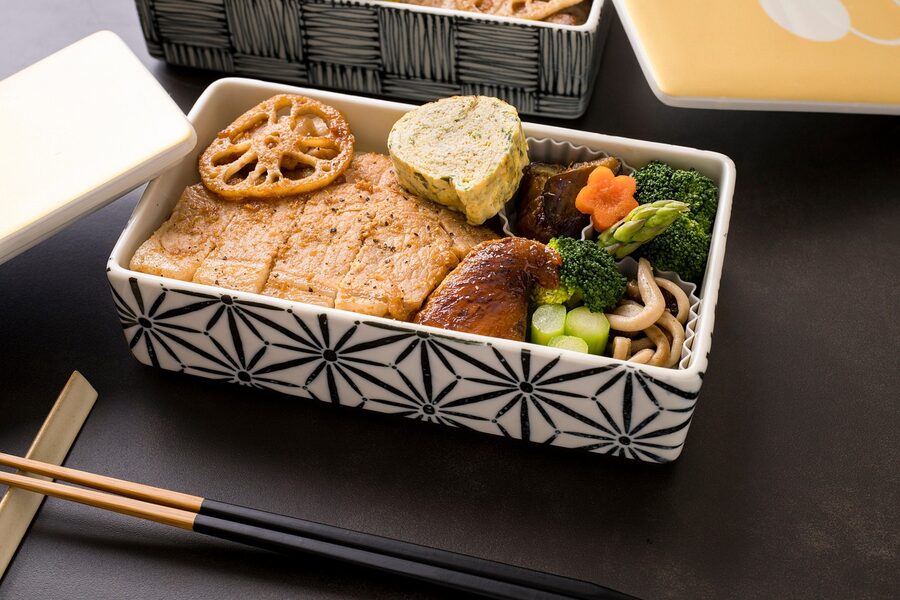
Washoku / bento classes teach the full Japanese home-cooking framework. You learn to make dashi stock from scratch (the one skill that changes everything at home), simmered vegetables, a grilled fish dish, and rice cooked properly. You leave with a packed bento and the actual grammar of Japanese cooking. This is what I recommend to anyone who cooks for themselves at home.
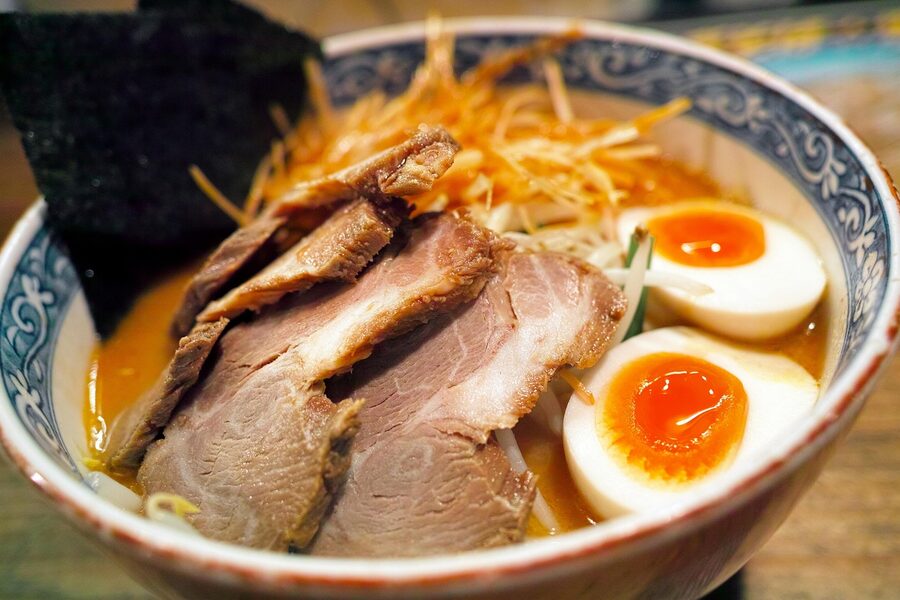
Ramen classes are showier and take longer. You make the noodles from wheat flour, simmer a broth, and assemble bowls with chashu pork and toppings. Fun, photogenic, but the techniques are narrow. You can probably not recreate a proper ramen at home without the right alkaline noodle water and a stockpot you do not own. Still a great day out.
Sushi classes are the shortest and cheapest. Ninety minutes, mostly nigiri and maki. You will not become a sushi chef, but you will learn how to season rice correctly and roll a tight maki, which is genuinely useful.
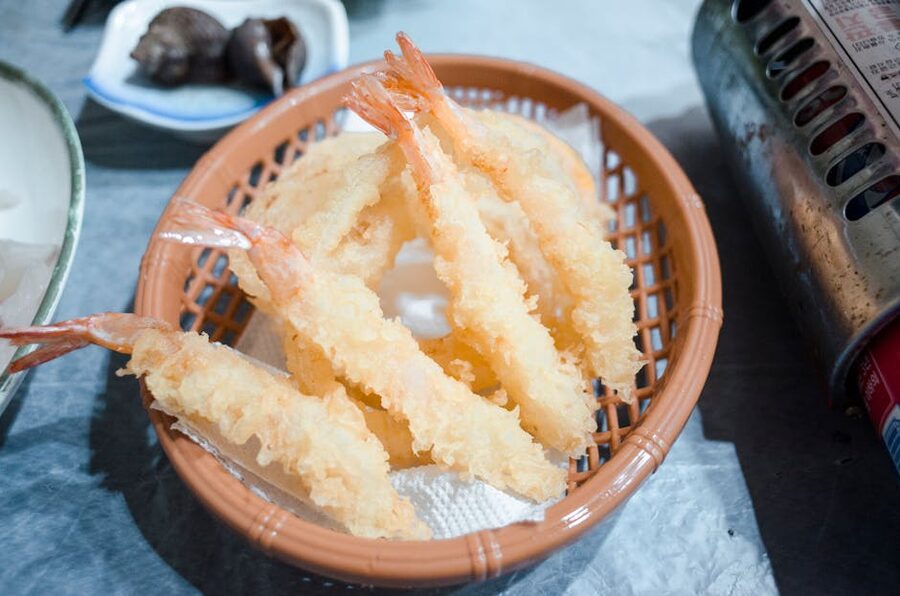
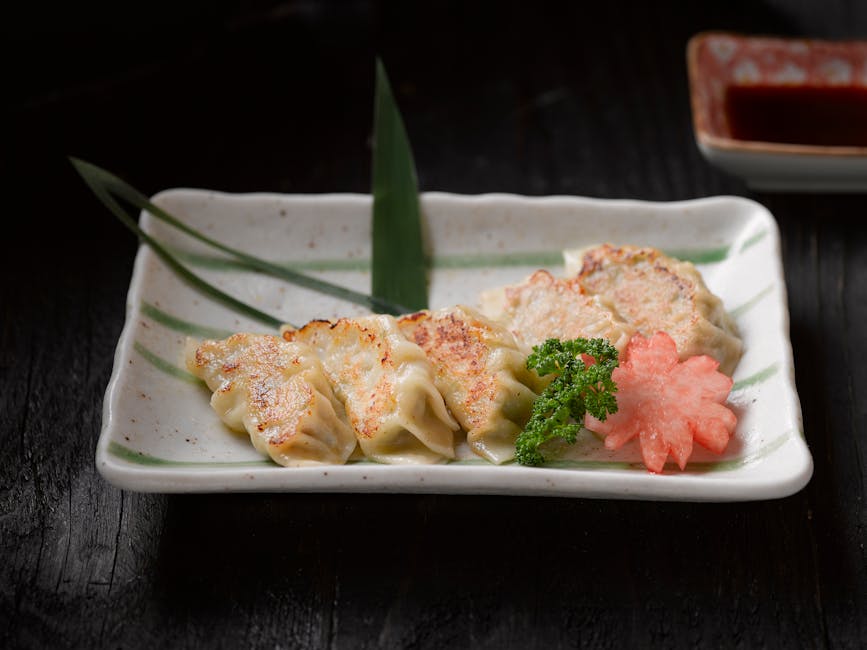
Specialty classes cover wagashi (Japanese sweets), soba noodles from scratch, gyoza, okonomiyaki, and tempura. These exist but get booked out faster and are rarely cheaper than the main three.
How Booking Works — Platforms, Prices, Timing
You have three real booking routes: Viator, GetYourGuide, and a few direct-booking schools that show up in the top Google results. I have used all three. For most people I would point at the two big platforms, here is why.
Viator and GetYourGuide aggregate the classes with instant confirmation, full refunds up to 24 hours before, and reviews from thousands of past students. You can filter by duration, price, and dietary restrictions. The schools themselves often list the same slots on their own sites, sometimes a few dollars cheaper, but the cancellation terms are usually worse.
Direct booking only pays off for specialty classes the platforms do not carry. Haru Cooking Class in northern Kyoto, for example, is mostly direct. Cooking Sun does both. If a class is famous enough to have its own domain and it is on Viator too, book through Viator — you get the same instructor, same lesson, better safety net.
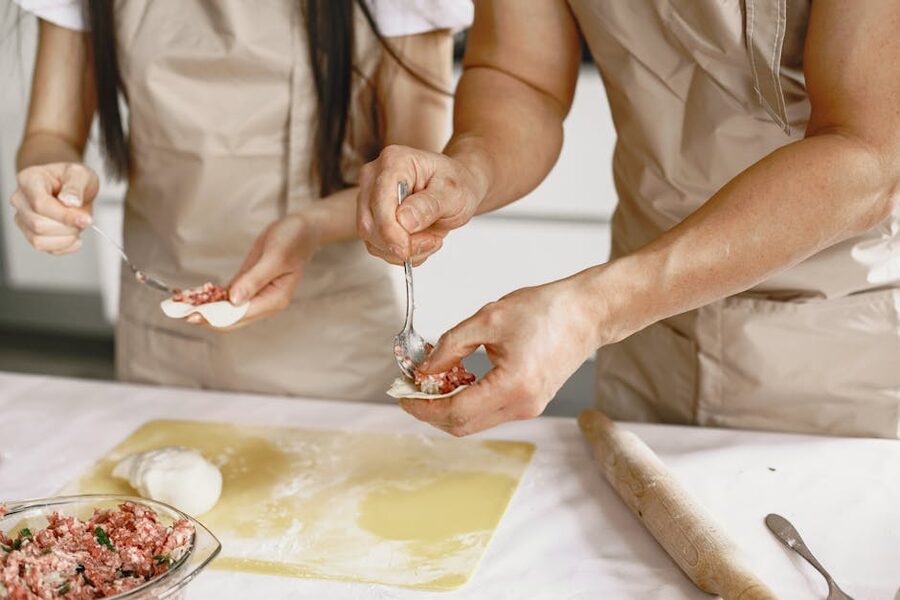
Prices run from around $50 for a 90-minute sushi class to $130+ for a three-hour ramen session with souvenirs. The sweet spot is around $55-80 for a two-hour washoku class. Anything below $40 is usually a demonstration-heavy experience rather than hands-on. Anything above $150 is usually a private-home class — lovely but not better value.
How far in advance to book: For March-May (cherry blossom) and October-November (autumn leaves), book at least three weeks out. Summer and winter are easier, but popular teachers still fill a week ahead. Same-day bookings work for a few central sushi classes — the Kawaramachi sushi studio advertises this explicitly — but do not count on it.
My Three Recommended Kyoto Cooking Classes
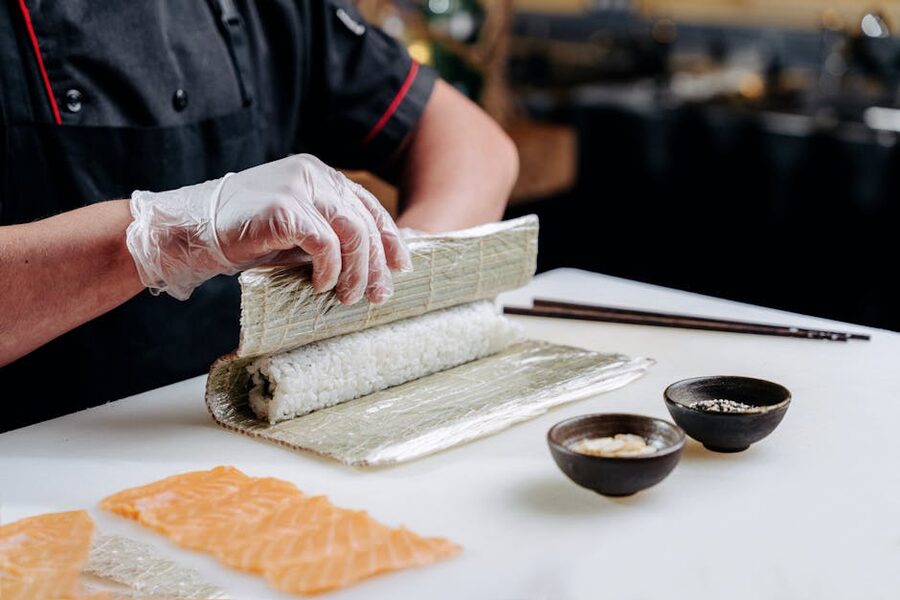
1. Ramen Cooking Class at Ramen Factory in Kyoto — around $131

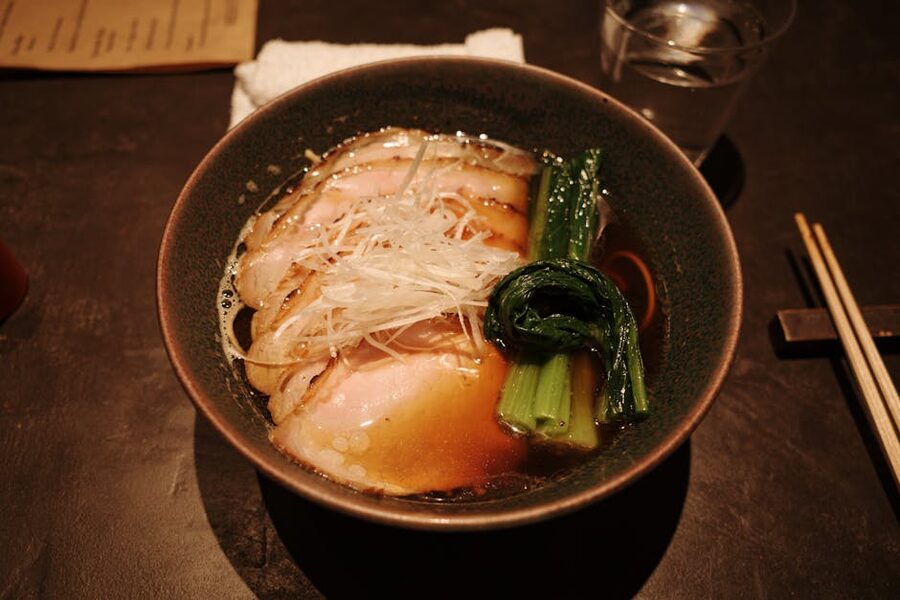
This is the biggest ramen class in Kyoto and still, somehow, keeps its small-group feel. You make the wheat noodles from scratch using a proper roller, simmer a shoyu or miso-based broth, and finish with your own chashu pork and toppings. I would pick this one if you are a ramen obsessive, travelling with kids (the studio is wheelchair and stroller-accessible), or want a longer class that fills an entire afternoon — our full review breaks down the vegetarian option and the souvenir noodle cutter you take home.
2. Sushi Making in Kyoto (Kawaramachi) — around $54
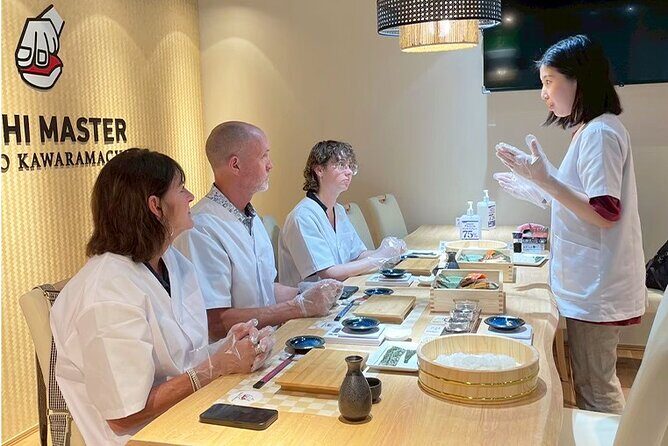
The cheapest of the three and the one I send people to when they want sushi specifically. Ninety minutes of hands-on nigiri and maki, led by English-speaking instructors, in a studio a short walk from Kawaramachi Station. Same-day bookings are genuinely available — a rarity in Kyoto — so this is the class to remember if you turn up with a free afternoon and no plan. The studio covers vinegar ratios for the rice, which is the single most useful thing to learn; our review walks through what you make and how much fish you actually get to handle.
3. Kyoto Washoku Bento Small Group Cooking Class — around $58
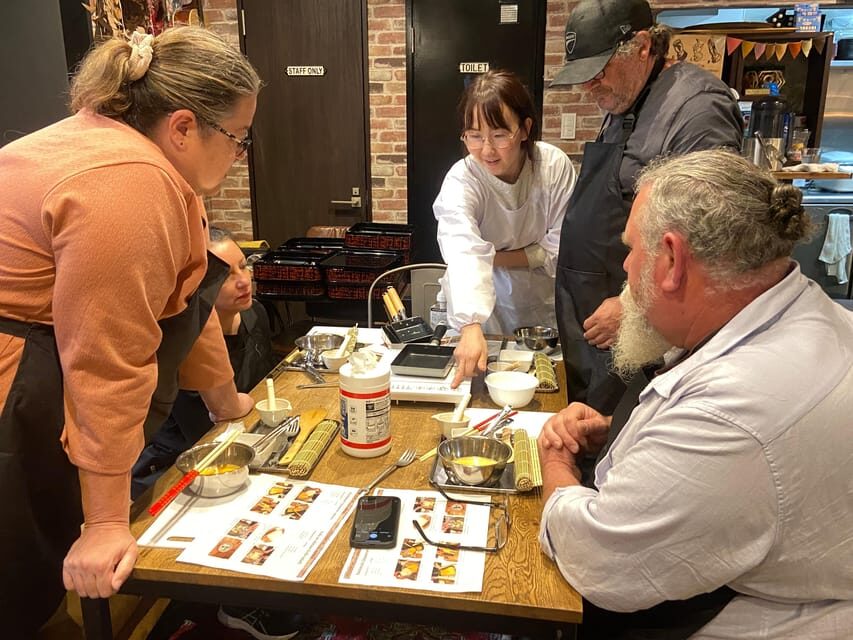
If you cook at home and want techniques you will actually use again, this is the one. The 150-minute session teaches you to assemble a proper traditional bento — more structured than a packed lunch, an entire balance philosophy. Chef Rie is patient with complete beginners and genuinely good at explaining why things work, not just how. The small group (usually 6-8) means real one-on-one time. I found the lesson on dashi alone worth the booking fee.
The Ingredient You Will Learn to Respect: Dashi
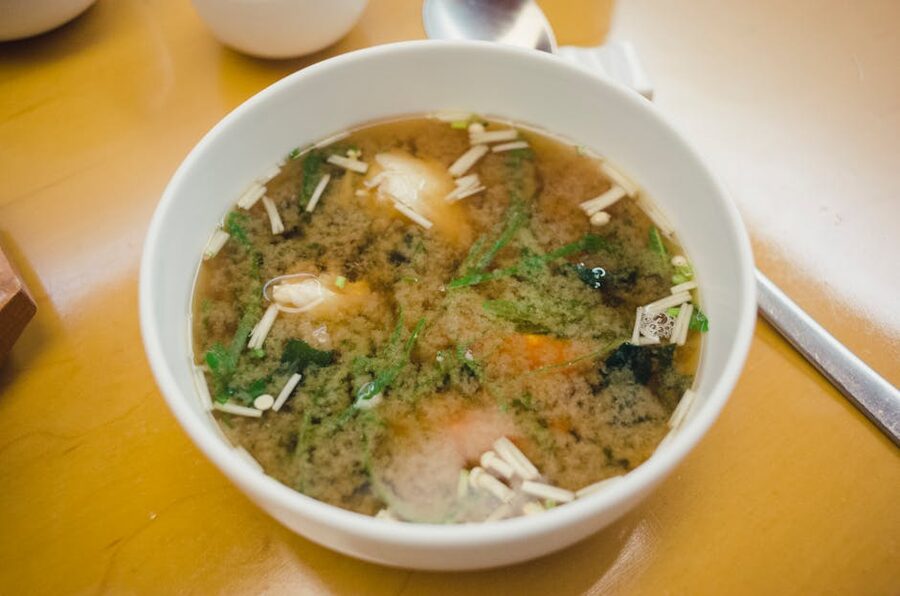
Every serious Kyoto cooking class teaches dashi in the first 20 minutes. If yours does not, the class is not worth the booking fee. Dashi is a clear, savoury stock made from kombu (dried kelp) and katsuobushi (shaved dried bonito). It is the foundation of miso soup, simmered vegetables, noodle broths, and most sauces you taste all over Japan.
The real lesson in a class is not the recipe — you can find dashi recipes online. The lesson is the feel. How long you steep the kombu before it goes bitter. When to pull it out. The exact moment the katsuobushi starts to release its aroma. Watching an instructor do this three metres from your station, then doing it yourself, is the difference between a recipe you read and a technique you own.
Where the Classes Actually Happen
Most Kyoto cooking classes cluster in three areas. Knowing which area your class is in tells you how to plan the rest of the day.
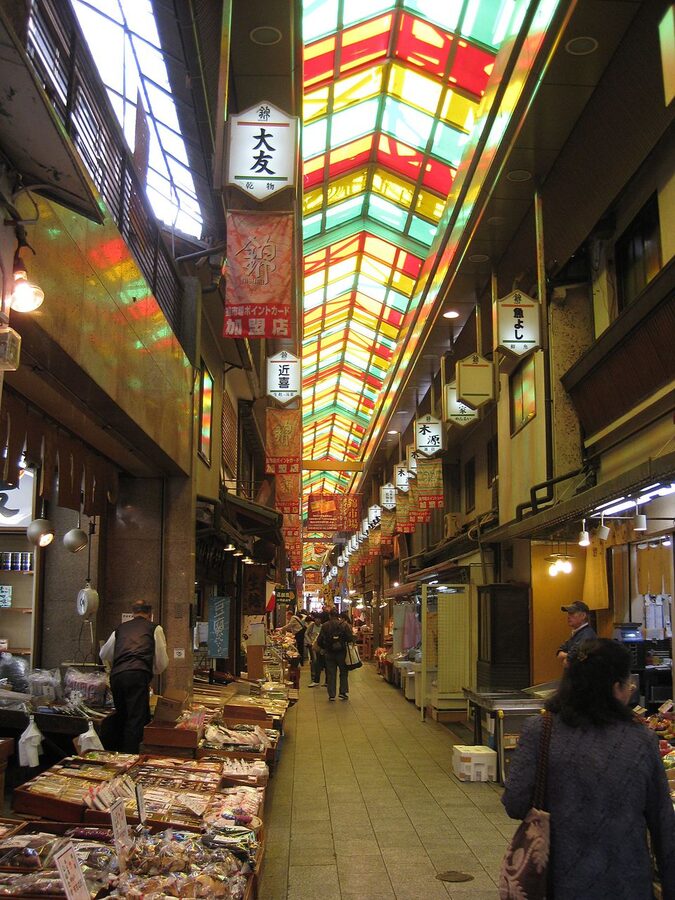
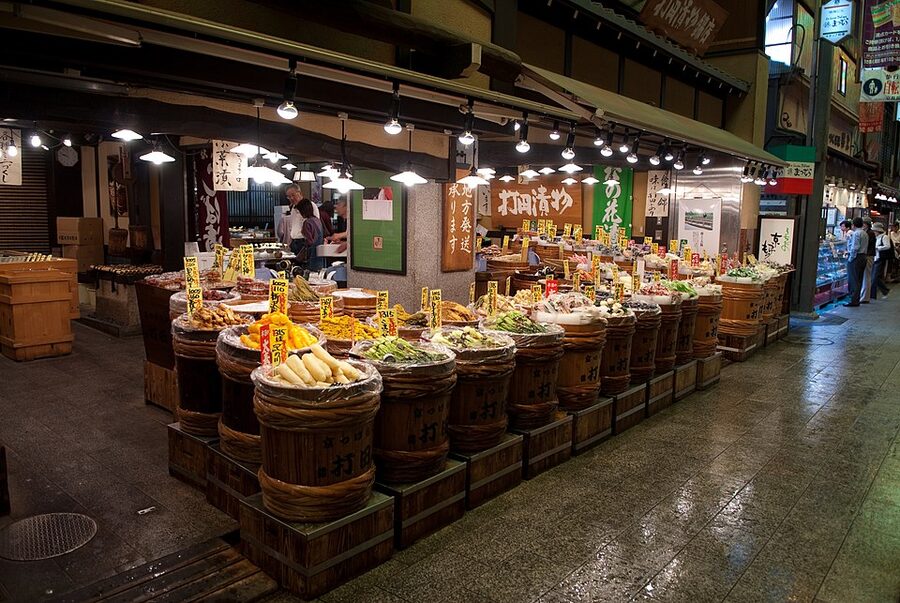
Shijo / Karasuma / Kawaramachi is the central downtown strip. This is where most of the budget sushi and bento classes are, because the area is walkable from both Kyoto and Kawaramachi stations. You can combine a class here with shopping at Nishiki Market or dinner in Pontocho without changing neighbourhoods.
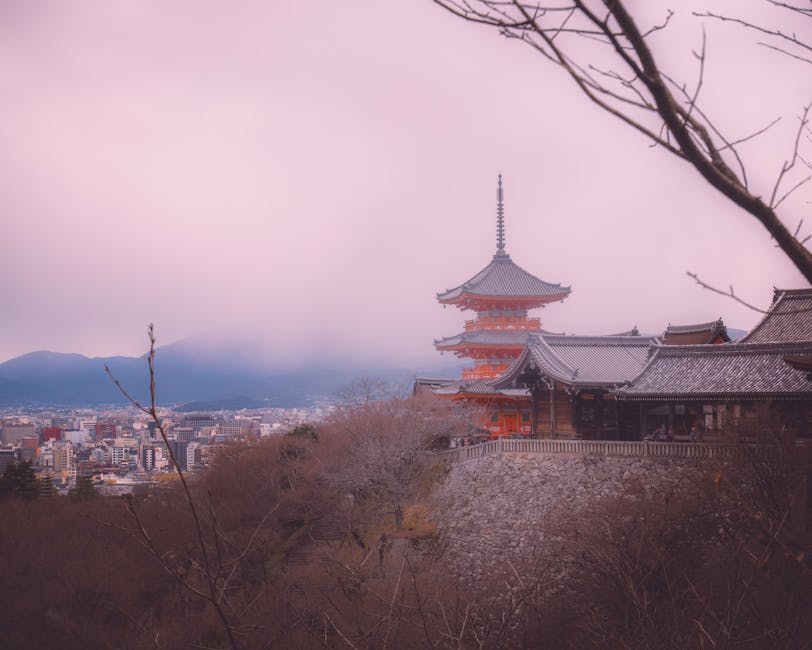
Higashiyama / Gion sits on the east side, near Kiyomizu-dera. Ramen Factory is here, plus a handful of specialty classes. The area is more touristy and the alleys are narrow, but if you are already planning a temple morning, a class here saves you a crosstown trip.
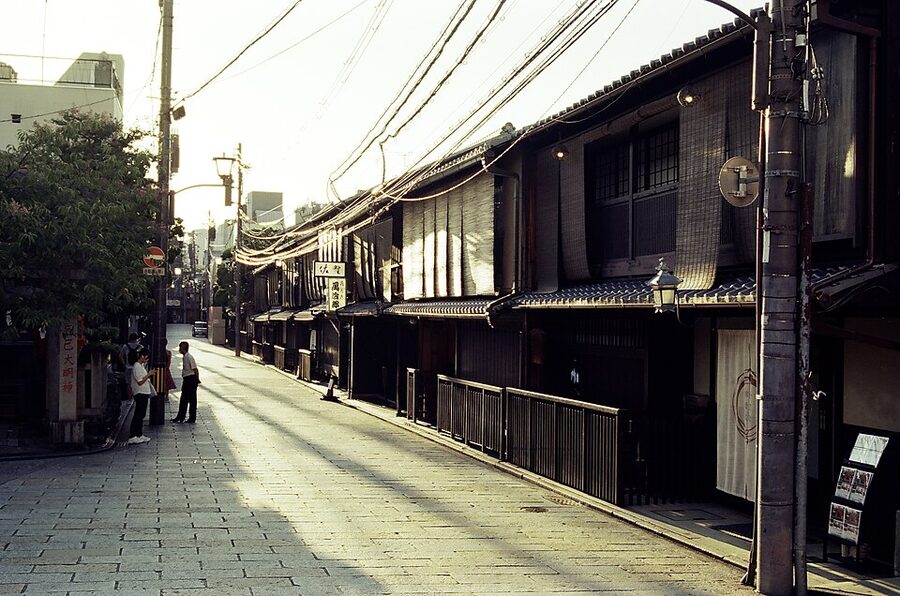
Northern Kyoto / residential areas are where the home-based private classes hide. Haru Cooking Class is in this zone. These are farther from the tourist core, usually require a bus or a 20-minute taxi, but the experience is more personal. Worth it for the right person, wrong call if your Kyoto time is tight.
What to Expect on the Day
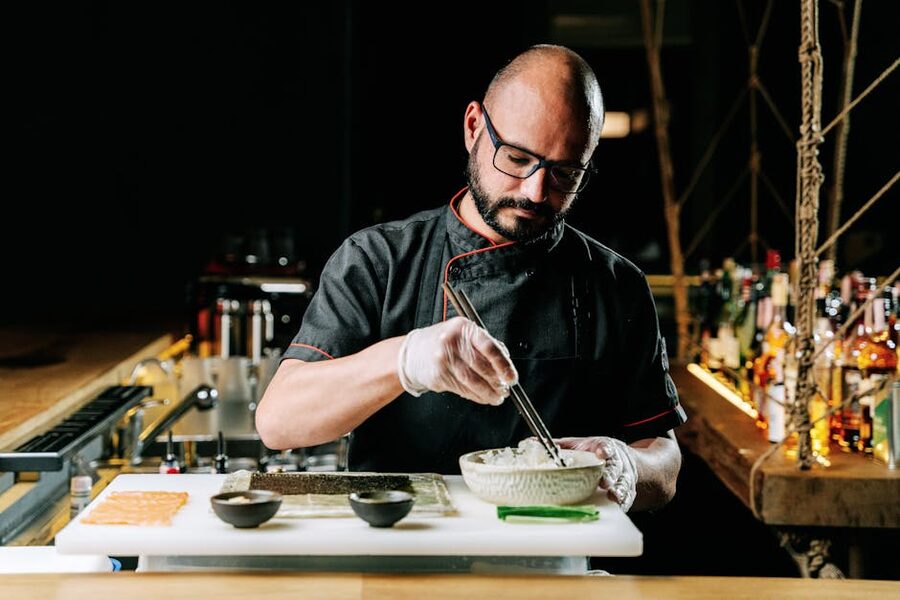
Arrive 10 minutes early. Kyoto classes almost always start exactly on time, and if you are five minutes late they will have moved on to the wash-and-prep stage without you. Bring a water bottle. Wear clothes you do not mind getting a splash of sauce on. Closed-toe shoes are standard in most kitchens — flip-flops will usually be politely refused at the door.
The structure is fairly consistent. Introduction and apron-on for the first five minutes. Demo of the first dish. Hands-on prep at your station. The instructor circulates, corrects, answers questions. You taste as you go. At the end you sit down together and eat what you made — this is the part that feels special, and it is also when most of the honest questions get asked.
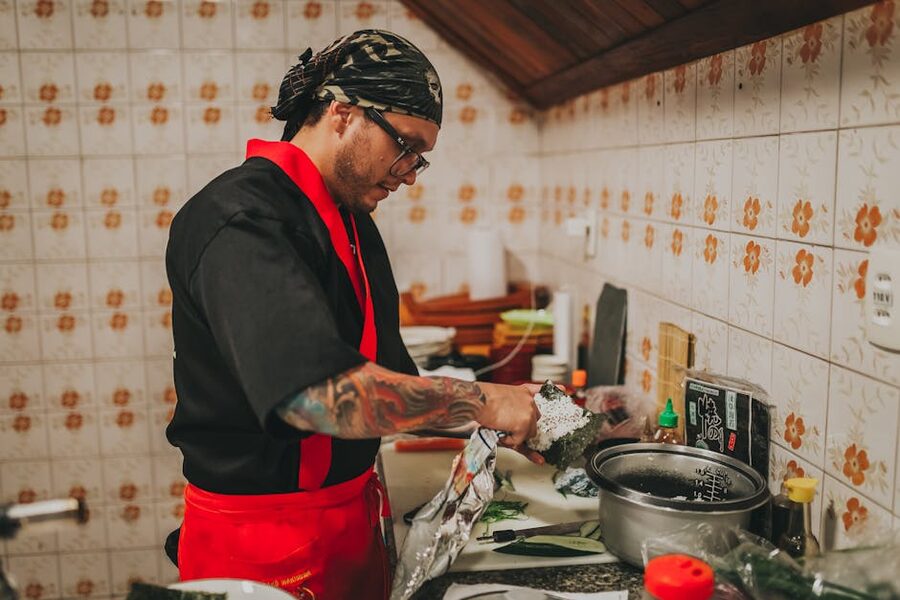
Expect English to be the working language — almost every class on the platforms confirms English instruction. A few schools offer Spanish, Mandarin or French on request, but book those with lead time. Photography is usually encouraged. Ask before you film a full sequence — some chefs do not love the tripod-on-the-counter look.
Dietary Requirements — What You Can Actually Handle
Most Kyoto cooking classes handle dietary needs better than Kyoto restaurants do. Vegetarian and vegan options exist at almost every school — flag your needs when you book, not on the day. Gluten-free is trickier because soy sauce contains wheat; a few schools (Haru, Cooking Sun) offer tamari-based menus with prior notice.
Halal and kosher are harder. Halal classes exist but you need to book specifically for them. Kosher is effectively unavailable outside private-chef arrangements. Nut allergies and shellfish allergies are usually fine — chefs are careful — but mention them in the booking notes, not as a surprise when you arrive.
One practical note: the washoku framework is naturally low in meat. Even non-vegetarian classes often use fish and vegetables more than meat. If you eat fish but not red meat, you will probably not need to request anything.
Traveling with Kids
Not every class is family-friendly. The ones that are, are worth their weight. The Ramen Factory in Higashiyama is the most kid-accessible — wheelchair and stroller friendly, and the dough-rolling is fun for small hands. Sushi classes work well for kids aged around 8+. Gyoza and bento are the other two I would pick for families.
Skip the wagashi (Japanese sweets) classes if your children have short attention spans — the precision work does not forgive wandering focus. Skip the knife-heavy classes (tempura, some obanzai) for children under 10.
History — Why Kyoto Cooks Differently
Kyoto was the imperial capital from 794 to 1868 — over a thousand years. The food culture that grew up around the court became its own thing, called kyo-ryori. The key ingredients were whatever made it up the mountains and through the land routes: tofu, pickled vegetables, freshwater fish, seasonal mountain greens. Kyoto is not on the coast, so there is much less seafood in the local tradition than you would expect from a Japanese city.
That limitation shaped everything. Chefs got very good at extracting maximum flavour from simple ingredients. Dashi became central. Seasonal variation became an art form rather than a fallback. The kaiseki tradition — multi-course tasting menus — was born here. When your class instructor talks about shun (peak seasonality), they are drawing on a thousand years of practice, not a modern marketing line.
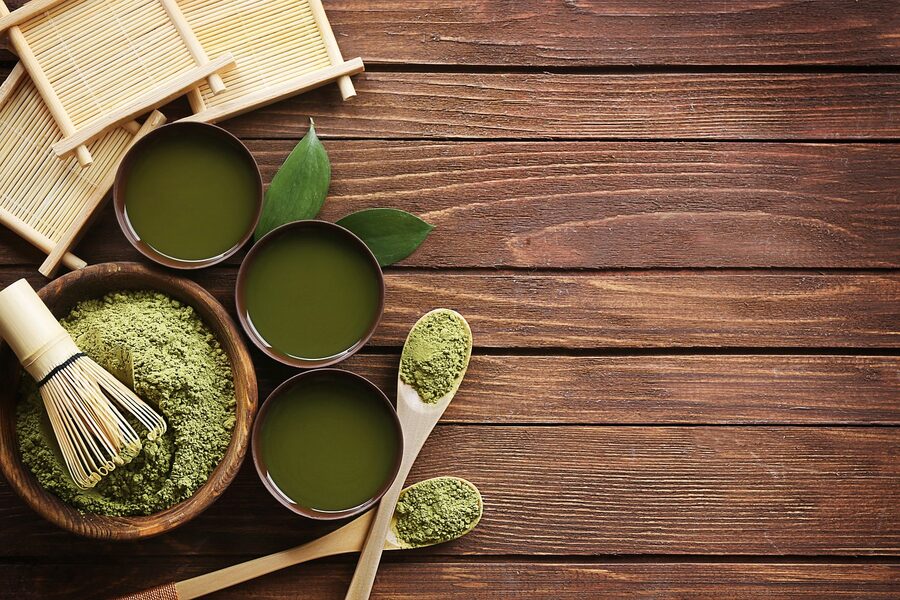
This matters when you are booking because it tells you what to expect. A Kyoto class will usually emphasise precision, seasonal ingredients, and presentation. It is less about volume and flash, more about control and balance. If what you want is a loud, generous, eat-until-you-drop cooking experience, Osaka is the better booking city — Kyoto’s temperament is quieter and more technical.
Pairing a Cooking Class with the Rest of Your Kyoto Day
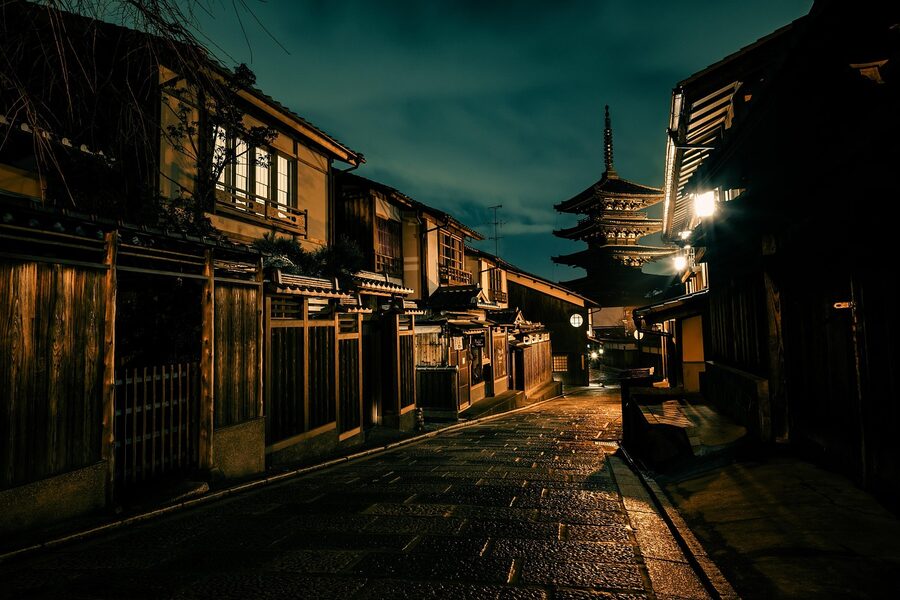
Most classes run two to three hours. That leaves half a day. Here is how I sequence them without feeling rushed.
Morning class (10am start): Finish around 1pm. Walk Nishiki Market to window-shop the ingredients you just cooked with. Late afternoon at a temple — Fushimi Inari works well because you can arrive as crowds thin. Evening in Pontocho or Gion.
Afternoon class (2pm start): Morning at temples (Kiyomizu-dera opens early and is worth the 6am arrival). Quick lunch at a market stall. Class from 2 to 5pm. Evening is already covered because you have just eaten what you cooked.
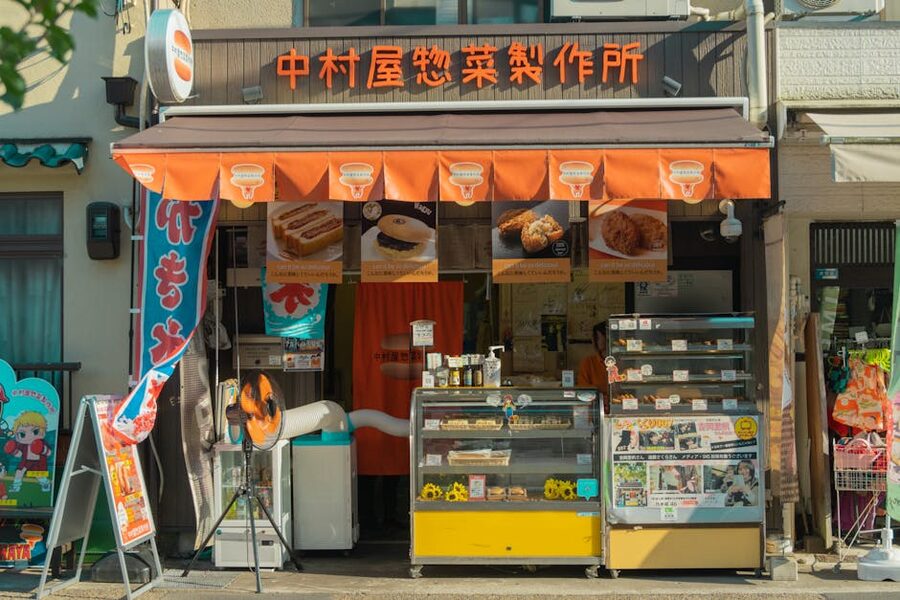
The Nishiki Market question: some classes include a market tour as an optional add-on. It usually adds around $20 and roughly an hour. I always say yes. The market walk turns a cooking class from a technique session into a broader food lesson — the pickle shops alone are worth the add-on.
Best Time of Year to Book a Cooking Class
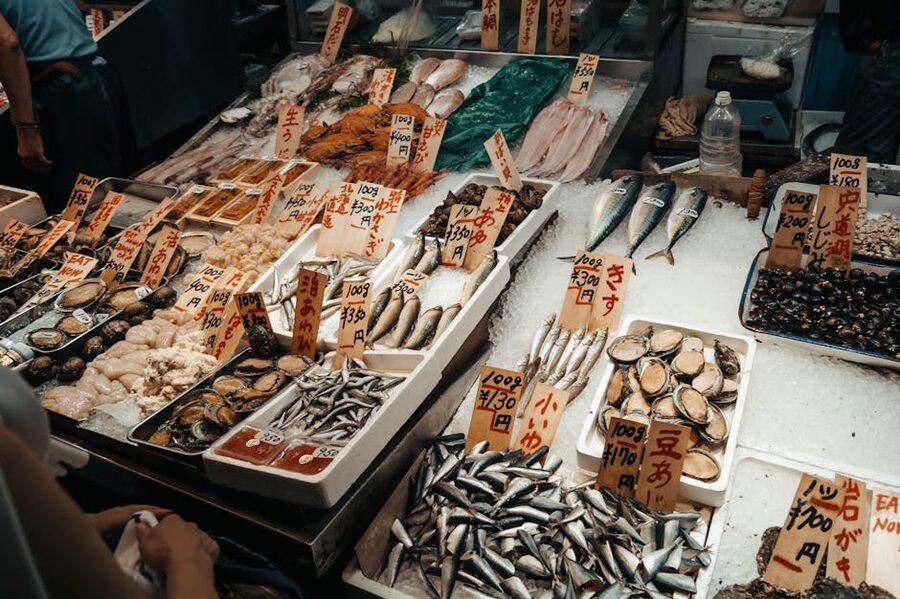
Every season teaches a slightly different menu. A good class will work with shun — peak-season ingredients — which means the same class in April versus November will cook different dishes.
Spring (March-May): Bamboo shoots, early mountain vegetables, cherry blossom sweets. Classes fill up fastest because of hanami tourism. Book three weeks out minimum.
Summer (June-August): Cold somen noodles, hamo (pike eel — very Kyoto), seasonal tofu dishes. Weather is humid. Book a morning class to avoid the afternoon heat.
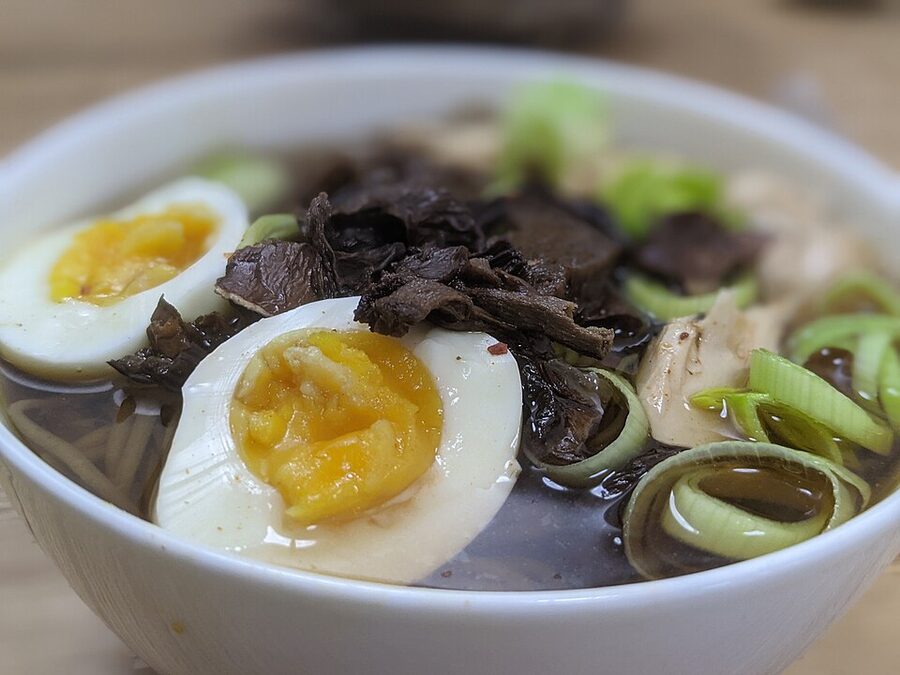
Autumn (September-November): Matsutake mushrooms, autumn vegetables, chestnuts. The quietly best season. Weather is mild, menus are generous, crowds are lighter than spring.
Winter (December-February): Nabe (hot pot), ramen, heartier dishes. My favourite season for ramen classes specifically — the technique feels more meaningful when you are actually cold when you start.
Common Booking Mistakes
A few things I have seen go wrong that are all avoidable.
Booking a demo instead of a class. Some listings look like hands-on classes but are demonstrations. Read the description. “Watch and taste” means you are not cooking. “Hands-on” means you are. If it is unclear, message the operator before booking.
Scheduling back-to-back with another heavy meal. You will eat what you cook. That is a full meal. Do not book dinner at 7pm after a 5pm class ends. You will either waste the reservation or leave the class bloated.
Booking on arrival day. Jet lag plus three hours on your feet plus knife work is a recipe for a bad experience. Give yourself one full day in Kyoto before a cooking class. Your palate and your hands both work better.
Assuming location matches the booking platform’s map pin. Check the actual address on the confirmation email. Some studios send you to a pickup point that is not the studio. A 15-minute walk from the wrong station will eat into class time.
Skipping the market tour add-on. Already said this, worth repeating. The $20-30 add-on is usually the best-value hour of the day.
After the Class — How to Not Forget Everything
Most classes send you home with printed recipes. That is the bare minimum. The real retention trick is to cook what you made within 72 hours of getting home. Any later than that, and the specific muscle memory — the feel of the dough, the smell of dashi coming up to heat — has faded.
I always stop by a grocery store on the way home and buy the staples: kombu, katsuobushi, good soy sauce, miso paste. You can usually get them at Nishiki, at supermarkets in Kyoto Station, or at the airport. Packed properly they will survive the flight home and let you start cooking the first week you are back.
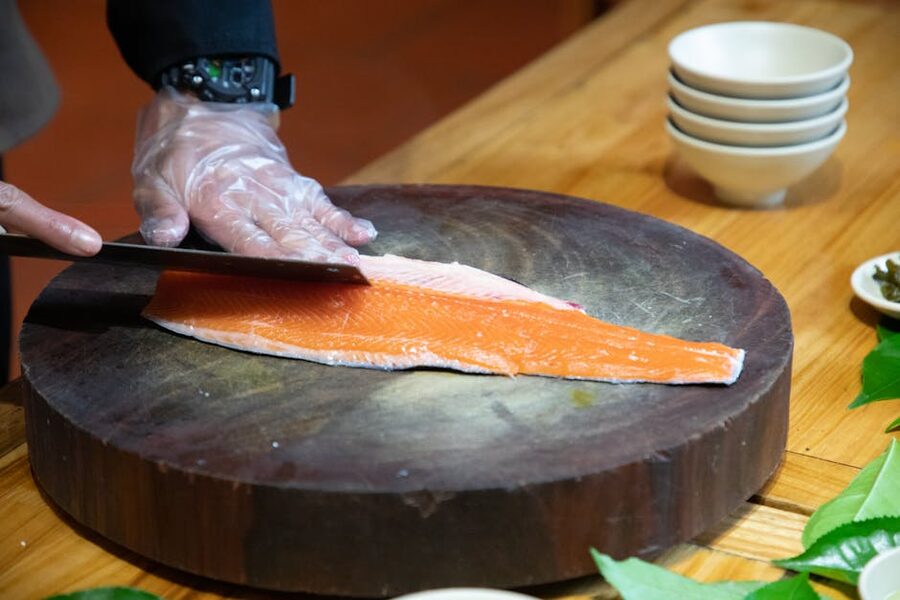
If you did a ramen class, pick up a small noodle roller at a kitchen shop — again, $10-15. Anything from Nishiki’s kitchen-supply side streets is reliable. Bring a fraction of what you use back home; the rest is muscle memory and attitude.
Other Kyoto Guides That Pair Well With a Cooking Class
If you are building a Kyoto trip around food experiences, a few other guides are worth bookmarking. Cooking classes pair nicely with one of the early morning temple tours — the schedules genuinely do not clash, and you can do a 6am walk, a mid-morning class, and still have the afternoon free. If you are coming up from Tokyo and wondering whether to day-trip or stay, I wrote a whole piece on the Tokyo-to-Kyoto day trip — the short answer is that a day trip does not leave enough time for a proper cooking class, so you will want at least one overnight in Kyoto.
For evening plans after class, the Kyoto night food tours are a natural complement — you cook in the afternoon, walk and taste in the evening, see the same ingredients in restaurant form. And if you are arriving or leaving through Tokyo, the Haneda airport transfer guide covers the logistics that make the Kyoto food week actually possible. For first-timers to Japan curious about less typical experiences, a sumo morning practice in Tokyo books as an early-morning slot the same way a 6am cooking-prep class does — two things I would try to fit if time allows. A Gion food tour is the other natural pair if you want someone to walk you through the evening dining scene without the risk of ordering blind.