The first time I did Tokyo to Kyoto as a day trip, I pinned seven sights on a map and told myself I could catch the 6am Nozomi to hit Kinkaku-ji by 10. By 4pm I was on a crowded 206 bus, still hadn’t eaten, and I’d skipped Fushimi Inari entirely because I was scared of missing the last return train. The mistake wasn’t going for the day. The mistake was trying to see Kyoto the same way I would if I was staying three nights.
Done right, a day trip from Tokyo to Kyoto is about two or three anchor sights, a long lunch, and a Shinkansen window seat with Mt Fuji on your right. This guide covers how to book the train, how to book a guided tour that does the logistics for you, and the small decisions (seat side, ticket type, which neighbourhood to prioritise) that separate a memorable day from a stressful one.
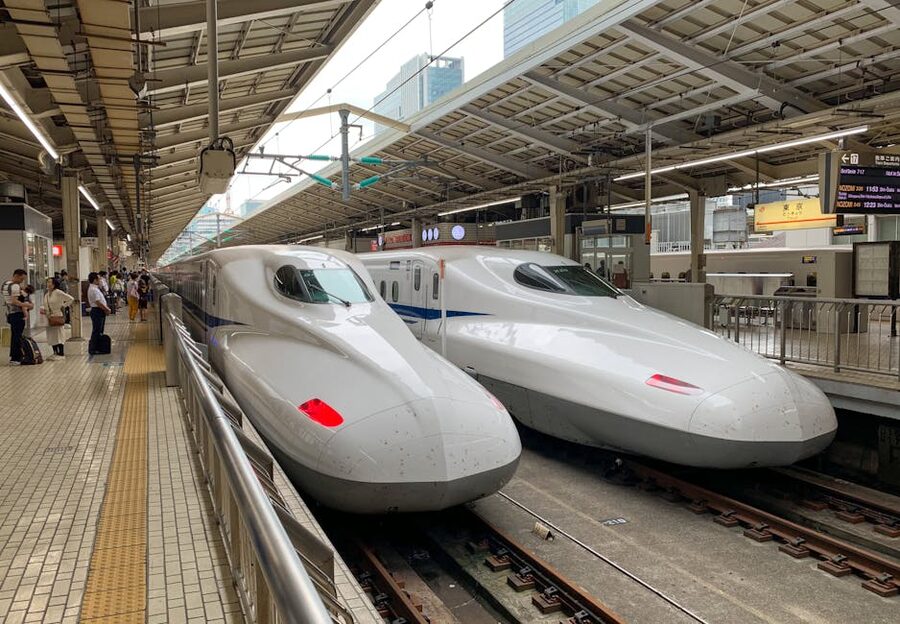
Short on time? Top picks for a Tokyo to Kyoto day trip
- 1-Day Kyoto Rail Tour by Bullet Train from Tokyo — the most-booked option. English-guided, hits Fushimi Inari, Sanjusangen-do and Kiyomizu-dera, lunch included. Check availability on Viator.
- Kyoto Day Trip from Tokyo by Bullet Train — Private Tour — you pick the stops, the guide handles the trains. Best if you want Kinkaku-ji instead of Fushimi. Check availability on GetYourGuide.
- Super Express Nara & Kyoto Private 1-Day Tour from Tokyo — squeezes in Nara Park and Todai-ji alongside Fushimi. Long day but unbeatable for first-timers. Check availability on Viator.
- Short on time? Top picks for a Tokyo to Kyoto day trip
- Is a Tokyo to Kyoto day trip actually worth it?
- The fastest way: Nozomi Shinkansen from Tokyo Station
- Booking the ticket
- The Fuji seat (this actually matters)
- The other option: book a guided day tour and let someone else drive
- The best Tokyo to Kyoto day tours
- 1. 1-Day Kyoto Rail Tour by Bullet Train from Tokyo — from 2
- 2. Kyoto Day Trip from Tokyo by Bullet Train — Private Tour — from 7
- 3. Super Express Nara & Kyoto Private 1-Day Tour from Tokyo — from 4
- What you can realistically do in Kyoto on a day trip
- Option A: Higashiyama — the east-side walk (my default)
- Option B: Fushimi Inari — the red torii pilgrimage
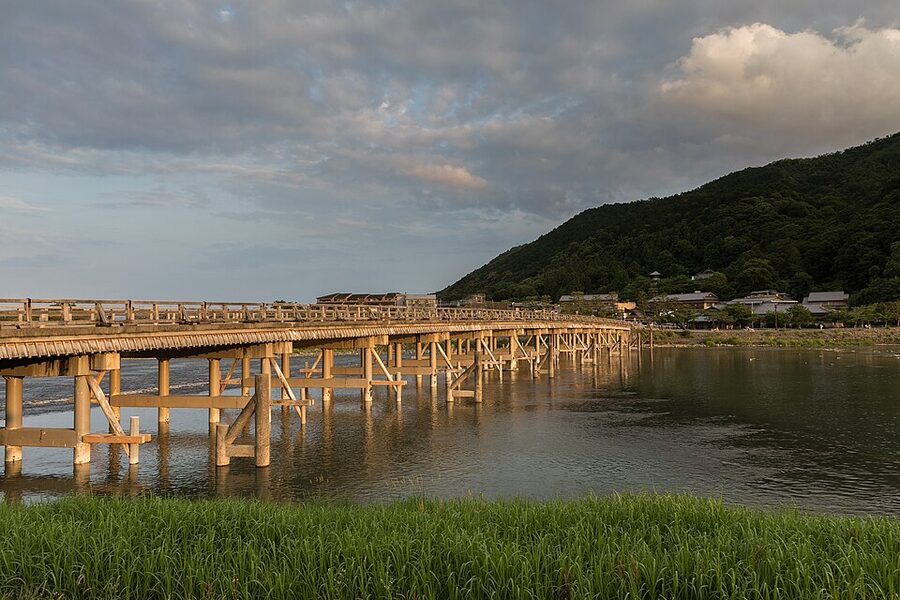
- Option C: Arashiyama — the bamboo and the bridge
- What I’d actually skip on a day trip
- Lunch — the part most day-trippers get wrong
- A quick history note that makes the day hit harder
- Timing and logistics
- Best Nozomi services for a day trip
- When not to do a day trip
- What to pack
- Sunset and getting back
- If you liked this, you’ll probably want to read
Is a Tokyo to Kyoto day trip actually worth it?
Honestly? For most people, yes — but only if you lower your expectations about what “seeing Kyoto” means. You are not going to experience the city the way someone staying two nights will. You will not see Kinkaku-ji, Fushimi Inari, and Arashiyama. You will not stroll Pontocho after dark. What you can do is pick one eastern cluster (Kiyomizu-dera, Ninenzaka, Yasaka Pagoda, Gion) or one southern sight (Fushimi Inari) and actually be present for it.
The train takes 2 hours 14 minutes each way on the fastest Nozomi service. Add 45 minutes to get from central Tokyo to Tokyo Station and pick up tickets. Add 20 minutes to get from Kyoto Station to your first sight. That’s roughly 4 hours of travel and admin before you even start sightseeing. With a 7am departure and a 7pm return, you have about 7–8 hours on the ground. That’s enough for two anchor visits and a proper lunch — not more.
If you’re based in Tokyo for 5+ nights and Kyoto isn’t going to get its own overnight, a day trip is the right call. If you have 3 nights total and you’re thinking of dropping one for this, don’t — stay in Tokyo and do the things Tokyo does best instead.
The fastest way: Nozomi Shinkansen from Tokyo Station
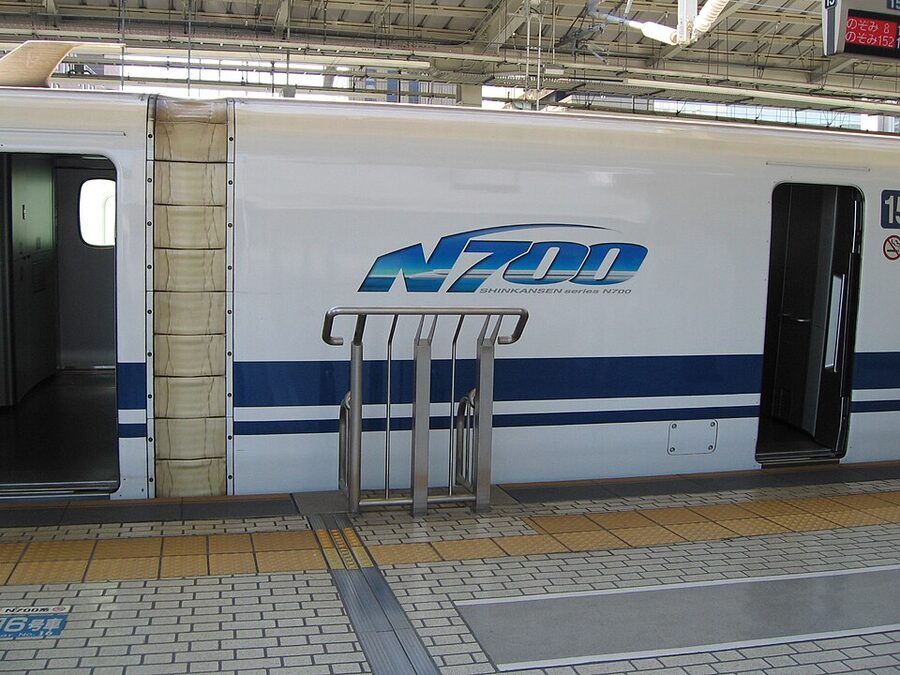
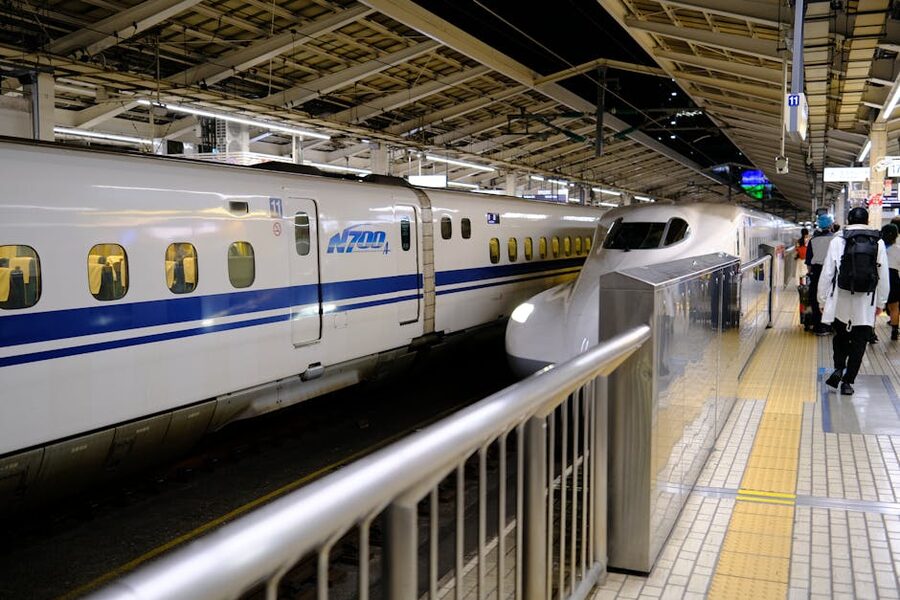
Three services run this line. Nozomi (2h 14m) stops only at the biggest cities. Hikari (2h 40m) adds a few mid-tier stops. Kodama (3h 50m) stops everywhere. For a day trip, always book Nozomi. The 25 minutes you save over Hikari is 25 extra minutes at Kiyomizu-dera.
One-way economy (ordinary car) runs about ¥13,970. Round-trip is roughly ¥27,940. Green Car (first class) adds about ¥5,000 each way — the seats are 2+2 instead of 3+2, and it’s quieter, but for a 2-hour ride it’s a nice-to-have, not a must. If you’re tall or travelling as a couple who want to chat without leaning into strangers, Green Car is worth it on the morning leg.
Booking the ticket
You have four real options:
- Eki-net (JR’s official site) — cheapest if you can navigate it. The site is functional and in English, but seat-picking is clunky and foreign cards sometimes get declined.
- Klook or SmartEx — a few hundred yen more than face value, but the interface actually works. You pick up a physical ticket at the JR ticket machine using your confirmation QR code. I use Klook when I want the trip to feel effortless.
- Tokyo Station ticket windows — you can walk up and buy on the day, but queues at 6:30am are surprisingly long in peak season. Don’t do this on a day trip; you waste the margin.
- Japan Rail Pass — does not cover Nozomi on most pass types. You can use it on Hikari, but the time cost is real.
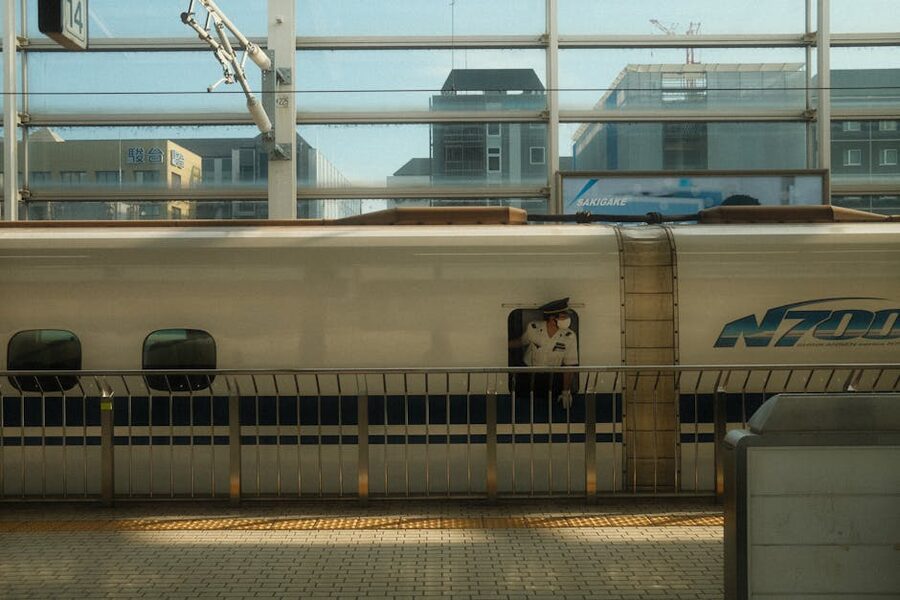
Whichever route you pick, have your physical ticket in hand the night before. The shinkansen gate scans a paper stub, not your phone.
The Fuji seat (this actually matters)
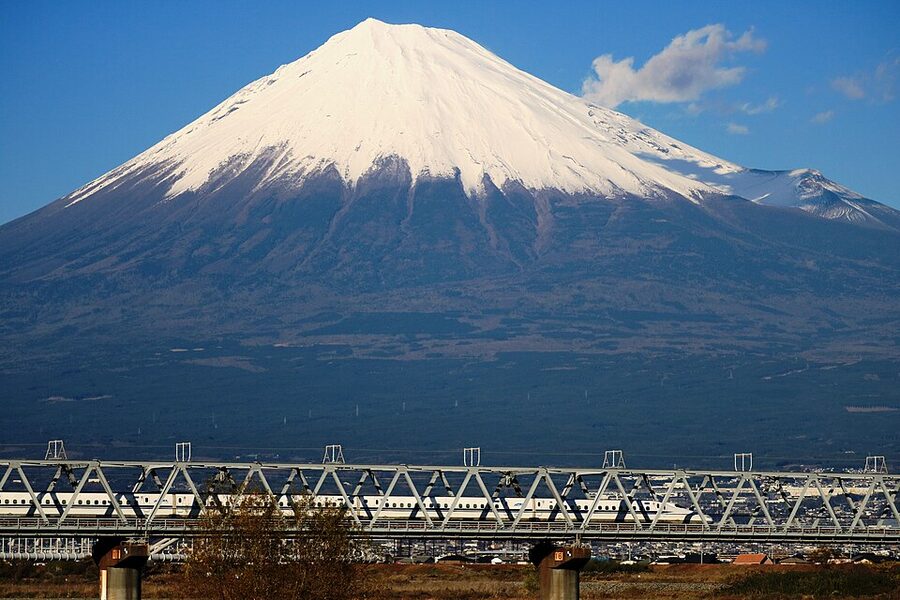
About 40 minutes into the ride, the train crosses the Fuji River and you get a clean view of Mt Fuji — if you’re on the right side (seats D or E) heading towards Kyoto. If the weather’s clear, it’s one of the better free views in Japan. On the return leg, the mountain is on the left side. When you book, the seat maps use letters; ask for a D or E seat in Car 5, 6, or 7 (middle of the train, smoother ride, closer to the forward doors at Kyoto).
The other option: book a guided day tour and let someone else drive
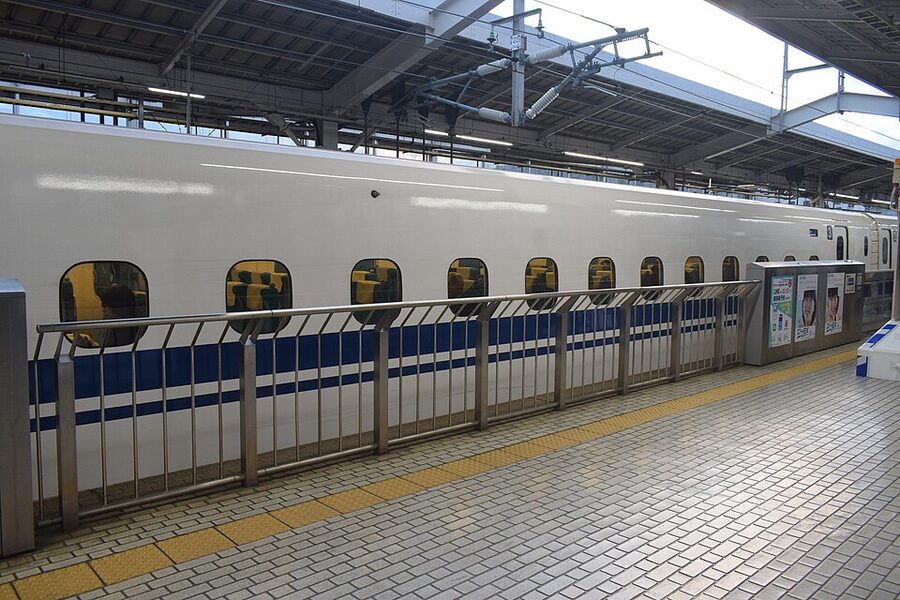
A guided tour costs more, but it collapses a lot of decisions. Someone else books the train. Someone else knows which bus stop is D1 and which is D2. Someone else has already figured out that Nishiki Market is better for lunch than a rushed Kyoto Station bento. You sit, you walk, you look, you eat.
This is the model I’d recommend if (a) it’s your first time in Japan, (b) you’re traveling with kids or older family, or (c) you just want a day that doesn’t require you to make 30 small logistical decisions. Below are the three guided day trips I’d pick from, each different in price and scope.
The best Tokyo to Kyoto day tours
1. 1-Day Kyoto Rail Tour by Bullet Train from Tokyo — from $452

This is the default pick. It’s a small-group tour run by JTB, with an English-speaking guide meeting you at Tokyo Station around 7am and getting you back around 9pm. You’ll visit Fushimi Inari, Sanjusangen-do Hall (the one with 1,001 Kannon statues — wildly underrated), and Kiyomizu-dera, with a proper Kyoto-style lunch in the middle. Our full review of the 1-Day Kyoto Rail Tour gets into the itinerary pacing — it’s the best-organised of the group options, and the price includes the Nozomi ticket both ways.
2. Kyoto Day Trip from Tokyo by Bullet Train — Private Tour — from $967
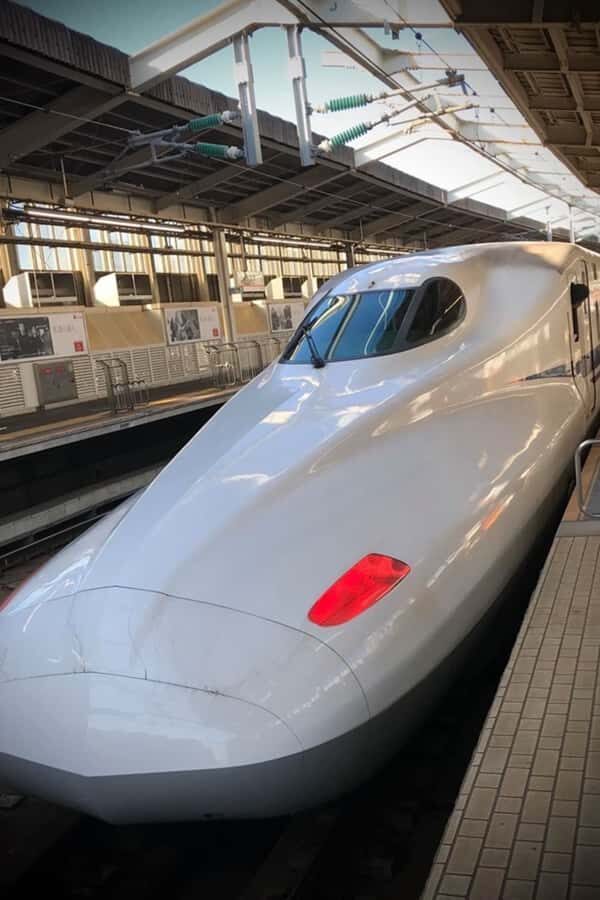
The private tour is roughly double the group tour per person, but you’re paying for control. Guide meets you in central Tokyo, rides with you to Kyoto, and the itinerary is yours to shape — Kinkaku-ji and Ryoan-ji, or Arashiyama, or a Gion walk instead of Fushimi. For a couple splitting the cost, our review of this private bullet train tour explains how the guide handles the trickiest bit — getting between Kyoto’s clusters quickly — via taxi rather than bus when time is tight.
3. Super Express Nara & Kyoto Private 1-Day Tour from Tokyo — from $624
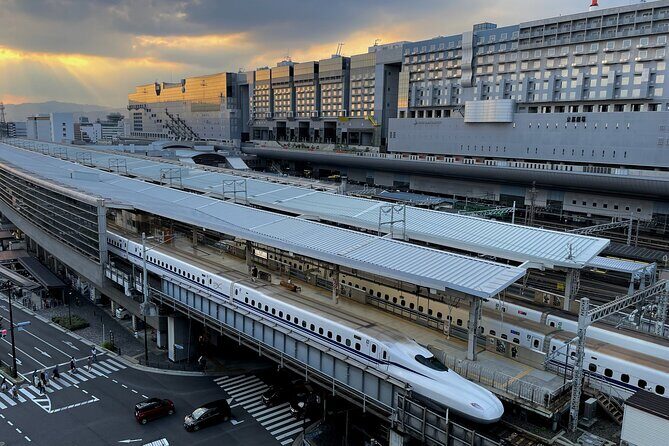
This is the “see both ancient capitals” option — you start at 6:30am with a Tokyo hotel pickup, hit Nara Park (yes, the deer) and Todai-ji in the morning, then swing back up to Fushimi Inari before the shinkansen home. It’s packed. Our team’s Super Express Nara and Kyoto review notes the pace is fast but the private-guide format means nobody’s waiting on a 30-person group.
What you can realistically do in Kyoto on a day trip
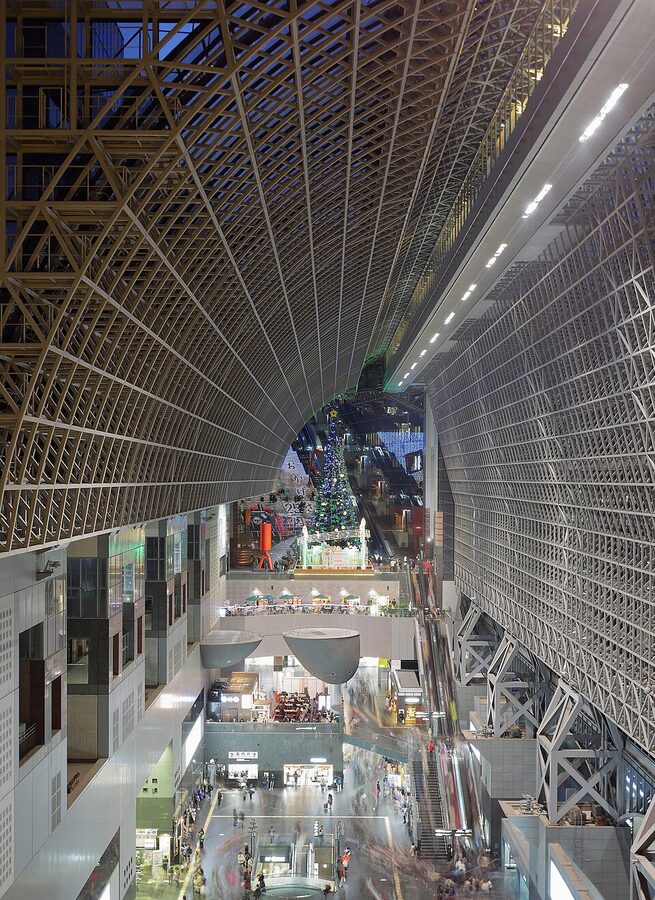
The mistake most day-trippers make is trying to do a greatest-hits loop. Kyoto isn’t laid out that way. Kinkaku-ji is in the northwest. Fushimi Inari is in the south. Arashiyama is out west. Kiyomizu-dera is in the east. Moving between those clusters on public transport eats an hour and change each time, and Kyoto buses get slow in peak season.
Pick one cluster and stick to it. Below are the three day-trip itineraries that actually work — no filler, no padding.
Option A: Higashiyama — the east-side walk (my default)
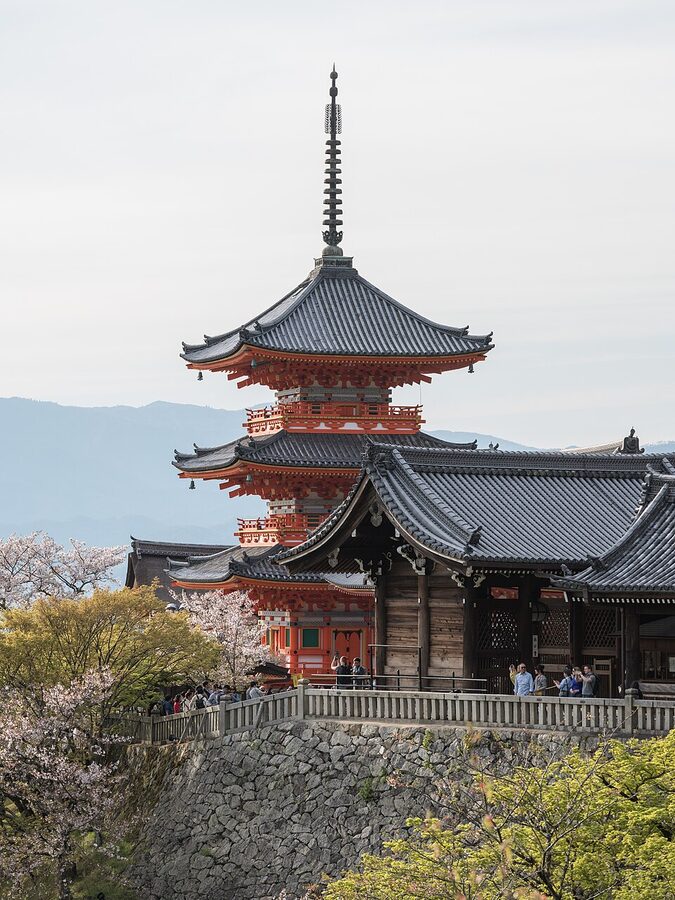
This is the one I keep going back to. From Kyoto Station, take the 206 bus (or a ¥1,500 taxi — worth it) to Gojo-zaka. Walk up to Kiyomizu-dera, come back down through Sannenzaka and Ninenzaka, drift north through Yasaka Shrine into Gion, end the afternoon with a Pontocho walk or a Kamo River sit.
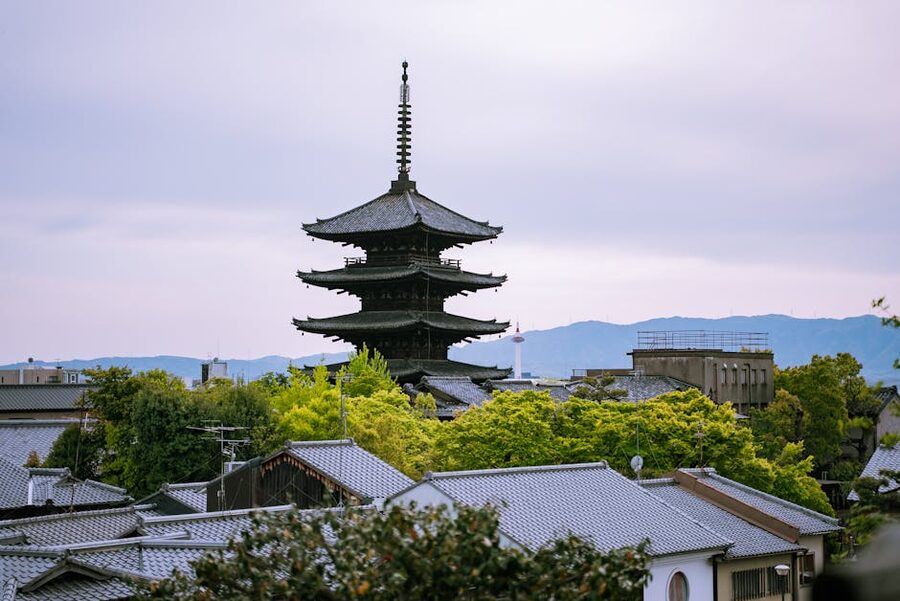
Total walking is about 4km. It’s uphill on the way to Kiyomizu and downhill after, so it’s forgiving. You can do this whole route without a single bus after the first one. And you can eat your way through it — Ninenzaka alone has 20+ spots for matcha soft-serve, yatsuhashi, or a proper sit-down lunch.
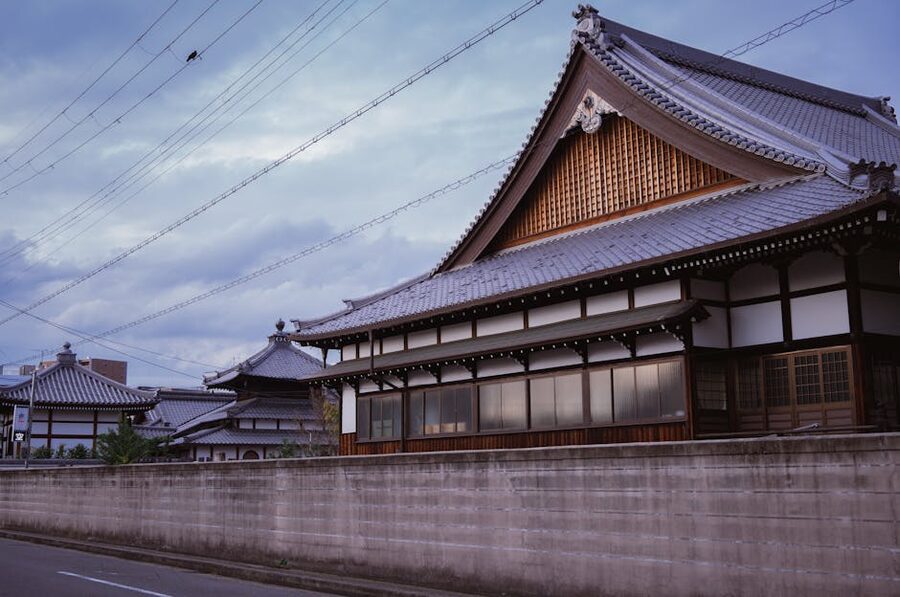
Option B: Fushimi Inari — the red torii pilgrimage
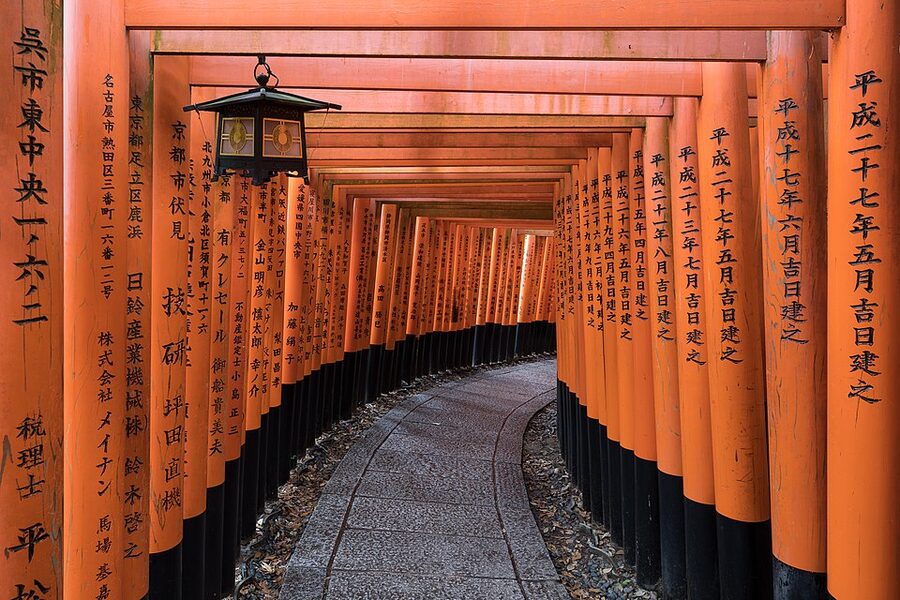
Fushimi Inari is the easier add-on because it’s on the JR Nara line, two stops south of Kyoto Station. You can get off the shinkansen, switch to a local train, and be at the torii in 30 minutes from arrival. The full mountain loop is 2–3 hours and climbs about 230m — hard but not brutal. Most day-trippers turn around at the Yotsutsuji lookout, which is 45 minutes up and has one of the best free city views in Kyoto.
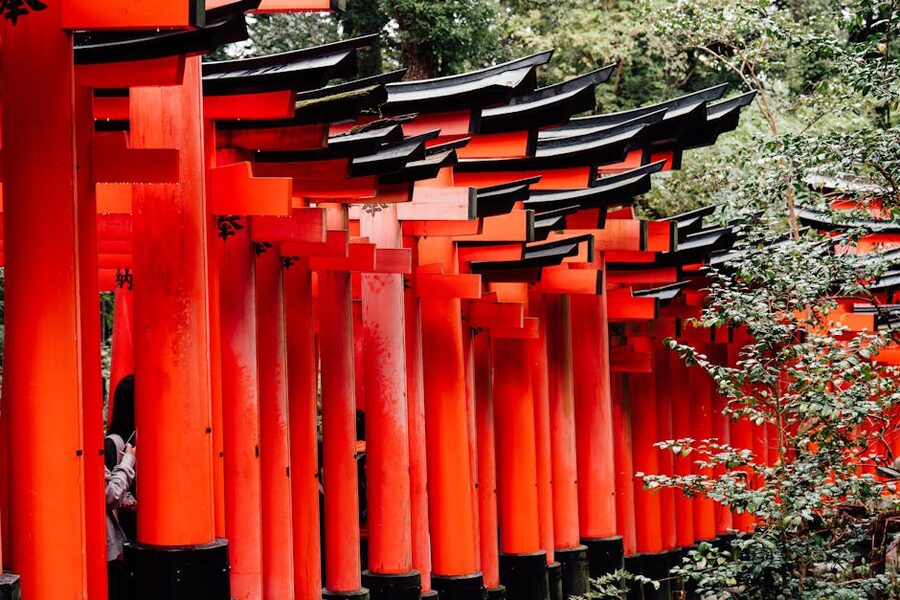
Combine Fushimi with either Higashiyama (doable but tight — you lose Nishiki) or with Kyoto Station sights like the Kyoto Railway Museum if you’re travelling with kids.
Option C: Arashiyama — the bamboo and the bridge
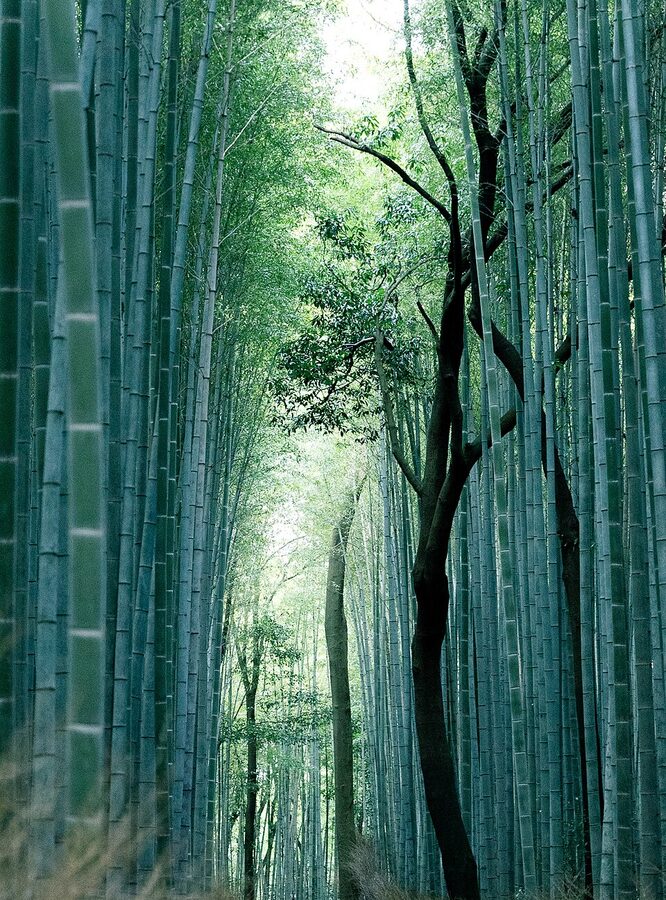
Arashiyama is the hardest of the three to combine with anything else on a day trip. It’s 20 minutes by JR Sagano line from Kyoto Station, plus a walk from Saga-Arashiyama Station. If you commit to this option, commit fully — the bamboo grove, Tenryu-ji Temple, the Togetsukyo bridge, and a walk up the Monkey Park or out to Adashino Nenbutsu-ji. Don’t try to squeeze in Kiyomizu afterwards; you’ll feel rushed.
What I’d actually skip on a day trip
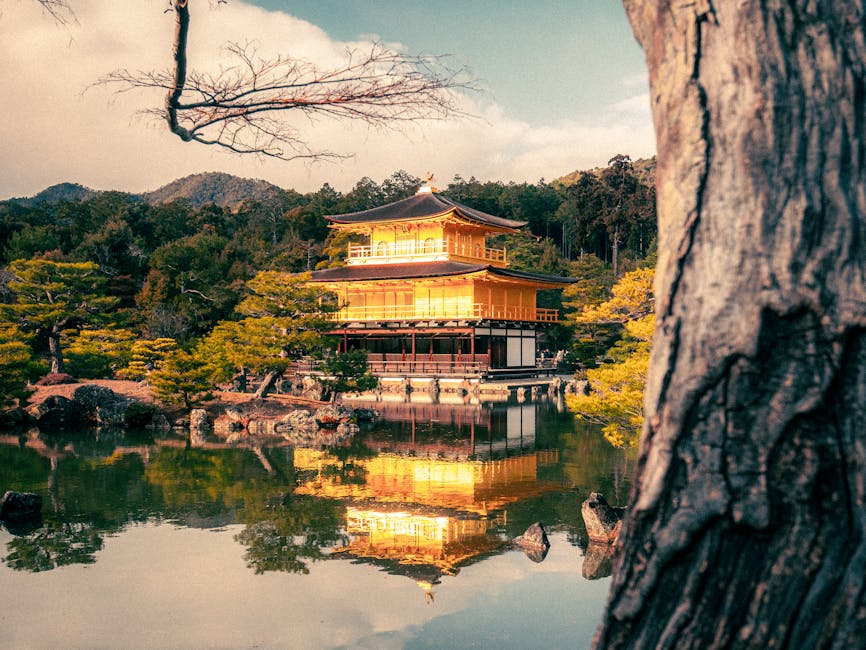
Kinkaku-ji, Ryoan-ji, Ginkaku-ji, and the Philosopher’s Path are all beautiful. They’re also all on the outskirts, poorly connected to each other, and hard to pair with anything else without burning 2 hours on buses. I’d skip all of them on a day trip and save them for a Kyoto-overnight visit.
Same goes for Sagano Scenic Railway, the Kyoto Aquarium, and the Manga Museum. All great, all easier on a Kyoto trip where you’re not flying back to Tokyo at 7pm.
Lunch — the part most day-trippers get wrong
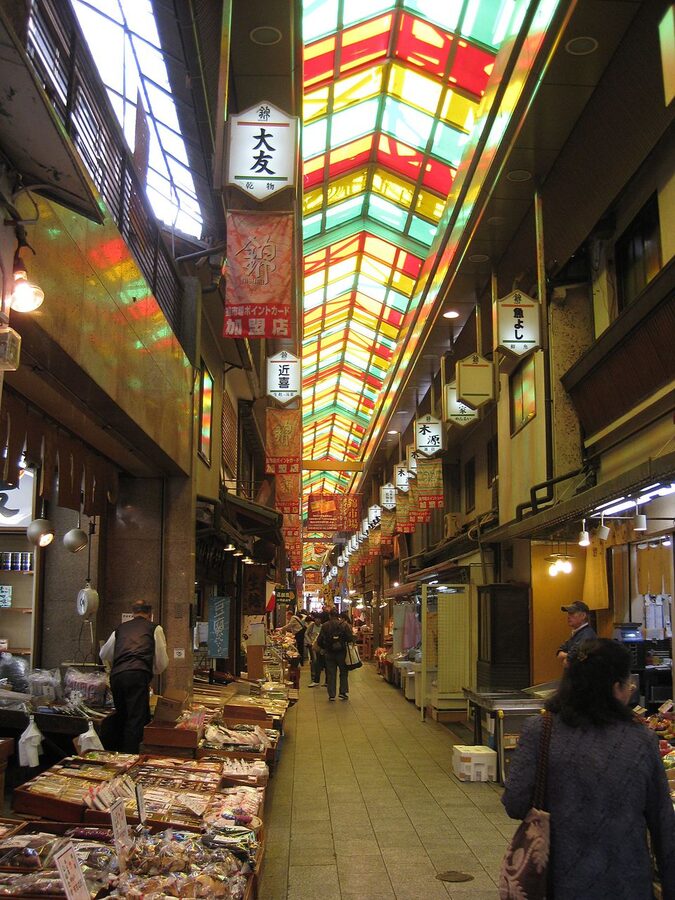
Do not eat at Kyoto Station. The basement food courts are fine, but they’re the thing you do on the way out when you’re exhausted, not the thing you plan your day around.
Nishiki Market is the obvious answer — grilled eel skewers, fresh tofu soft-serve, tako-tamago (baby octopus with a quail egg stuffed where the head was — sounds weird, it’s great). Most stalls only take cash. Budget ¥1,500–¥2,500 per person and graze through ten things rather than sitting down for one.
If you want to sit down, the Gion side streets — Pontocho or Shirakawa — have lunch-only kaiseki or tempura menus in the ¥3,000–¥5,000 range that would cost three times that at dinner. Book a day ahead on Tabelog or TableCheck; walk-ins for the good places don’t work.
A quick history note that makes the day hit harder
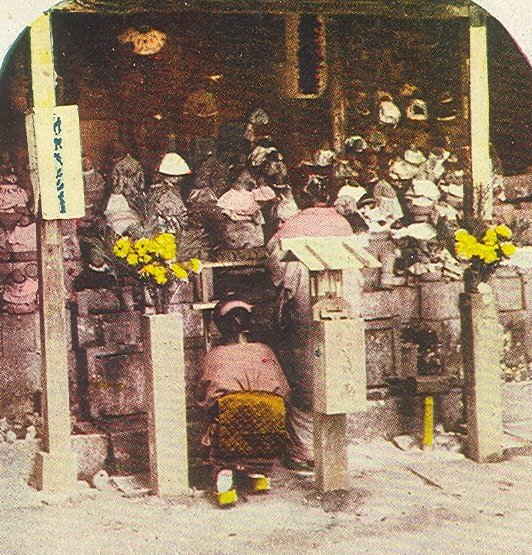
Kyoto was Japan’s capital for over a thousand years — from 794 to 1868. Tokyo only took over when the emperor moved east after the Meiji Restoration. That’s why Kyoto has 17 UNESCO-listed temples and shrines, and Tokyo has almost none older than 1950. It’s also why the Tokaido — the old post road between the two capitals — was the most important piece of infrastructure in pre-modern Japan.
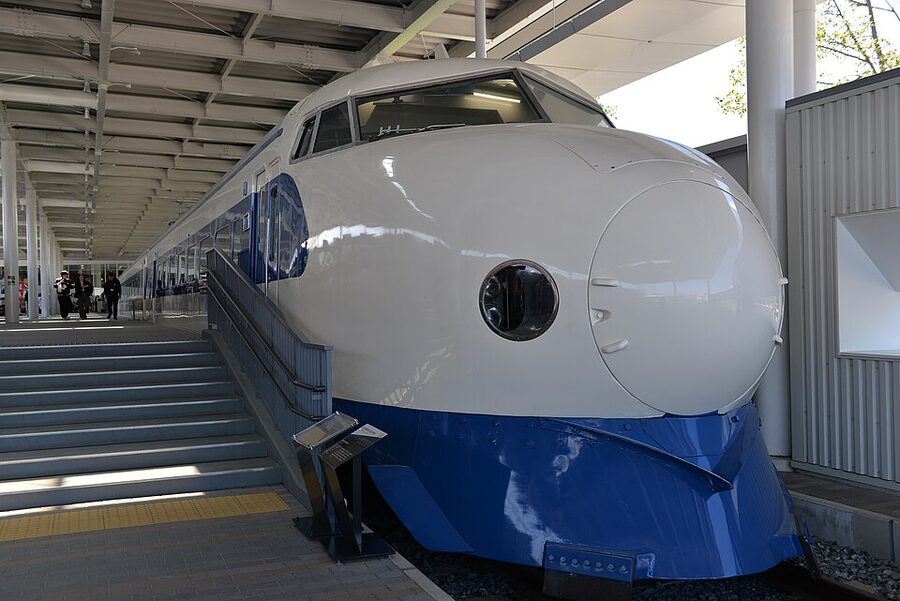
When you ride the Nozomi, you’re retracing a route that was a ten-day walk with overnight stops at 53 post stations. Hiroshige made his career painting them. What you’re doing in 2h14 used to take an entire month. It’s hard not to feel a little awe about that when the train slides out of Tokyo Station.
Timing and logistics
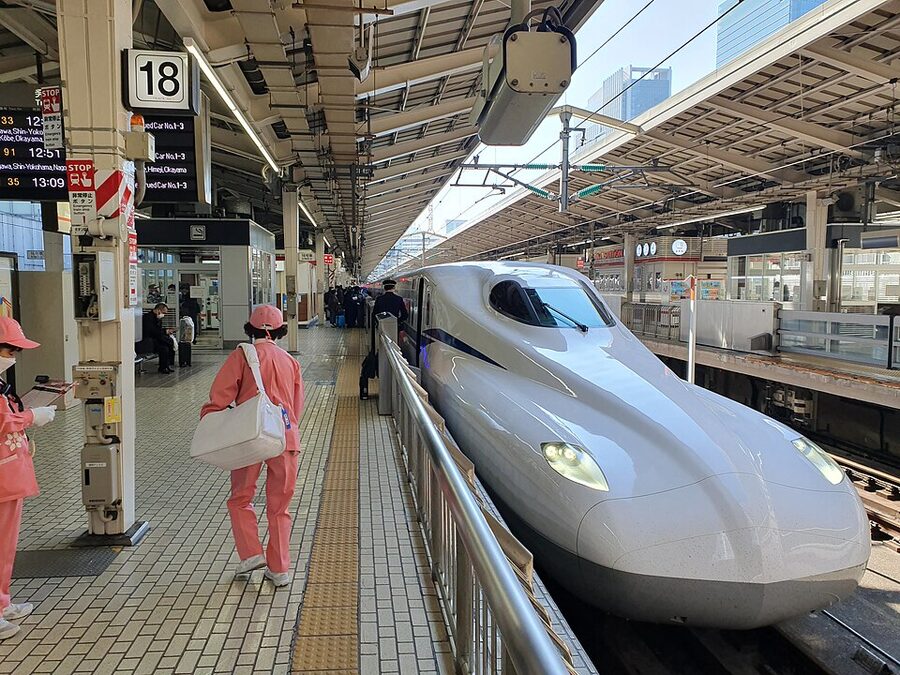
Best Nozomi services for a day trip
- 06:00 Tokyo → 08:14 Kyoto — the earliest sensible departure. Gets you into Kyoto before the tour bus surge.
- 06:33 Tokyo → 08:47 Kyoto — 30 minutes more sleep; still early enough to beat the 10am crowds at Kiyomizu.
- 07:00 Tokyo → 09:14 Kyoto — the latest I’d recommend for a real day trip.
- Return: 19:15 Kyoto → 21:29 Tokyo — gives you a 10-hour day in Kyoto.
- Return: 20:17 Kyoto → 22:31 Tokyo — if you want dinner in Kyoto proper.
When not to do a day trip
- Cherry blossom peak (late March to early April) — Nozomi tickets sell out 2+ weeks ahead. Crowds at Kiyomizu, Maruyama Park and the Philosopher’s Path are absurd.
- Koyo peak (mid to late November) — same story. Incredible scenery, but the same queue-everywhere problem.
- Golden Week (late April–early May) — Japan travels. Everything is full and loud.
- Obon (mid-August) — same.
The best months for a day trip are late May to mid-June, late September to mid-October, and all of winter except New Year’s week. Clear skies, no crowds, and often the Fuji view is cleanest on a crisp January morning.
What to pack
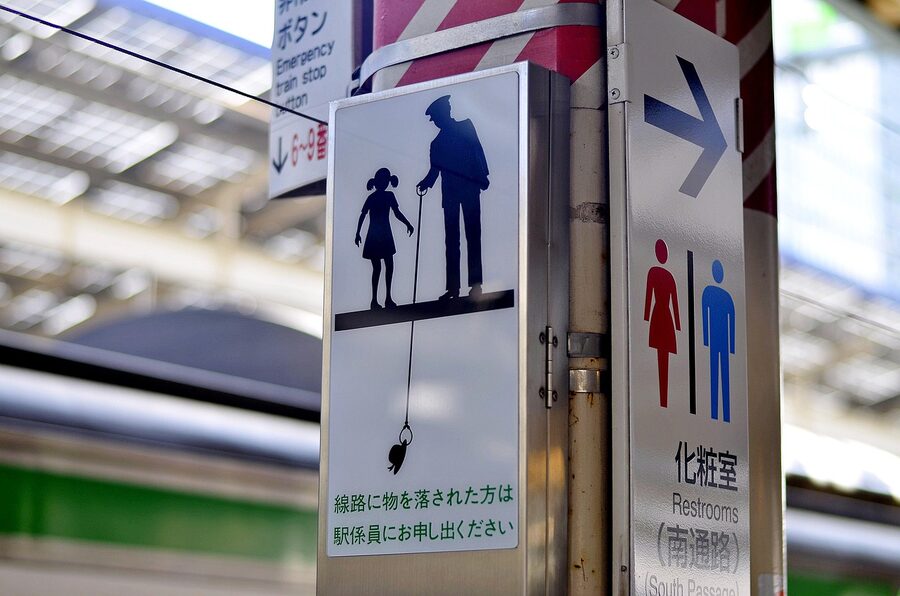
Travel light. Whatever you bring to Kyoto, you carry all day. Leave the day bag at Tokyo Station coin lockers or your hotel.
- A small cross-body bag or backpack — nothing bigger.
- Cash. Many Nishiki stalls, temple admissions, and small Gion restaurants don’t take cards.
- A fully charged phone with Google Maps downloaded offline for Kyoto.
- IC card (Suica or Pasmo) — for Kyoto buses and subway. Don’t try to buy individual tickets on the bus; you’ll hold up the queue.
- Layers. Kyoto is meaningfully colder than Tokyo in winter and hotter in summer. The basin sits between mountains.
- A refillable water bottle. Temple water fountains are safe to drink from.
Sunset and getting back
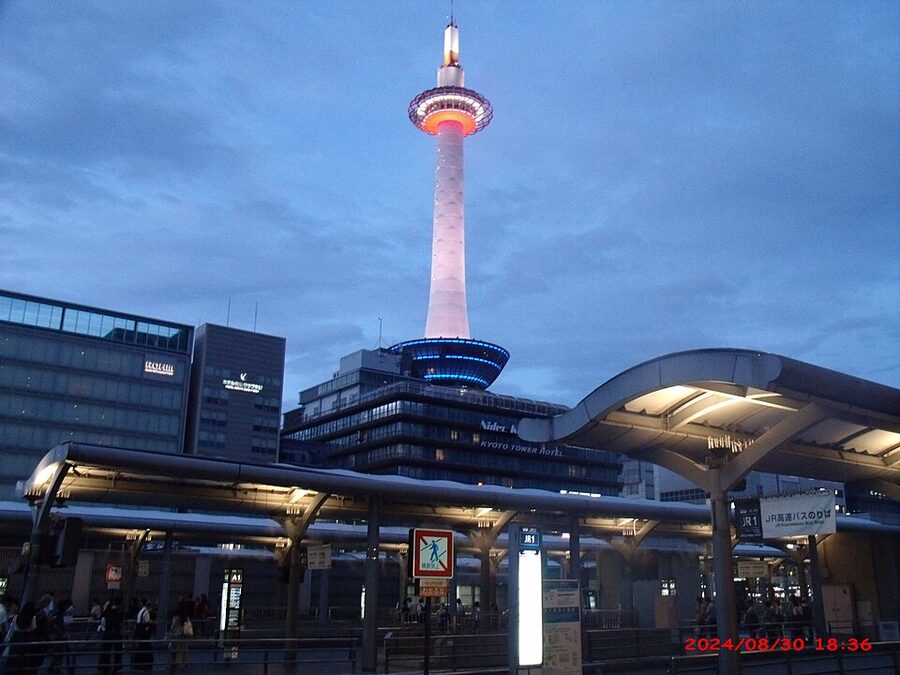
If you’ve got an hour to kill before your return shinkansen, the Kyoto Tower observation deck is directly opposite the station and underrated. Most people walk past it on their way to temples. If you’re leaving on a 7:15pm train, going up the tower at 5:30pm gives you the city lighting up at dusk, then you’re on the platform with 15 minutes to spare.
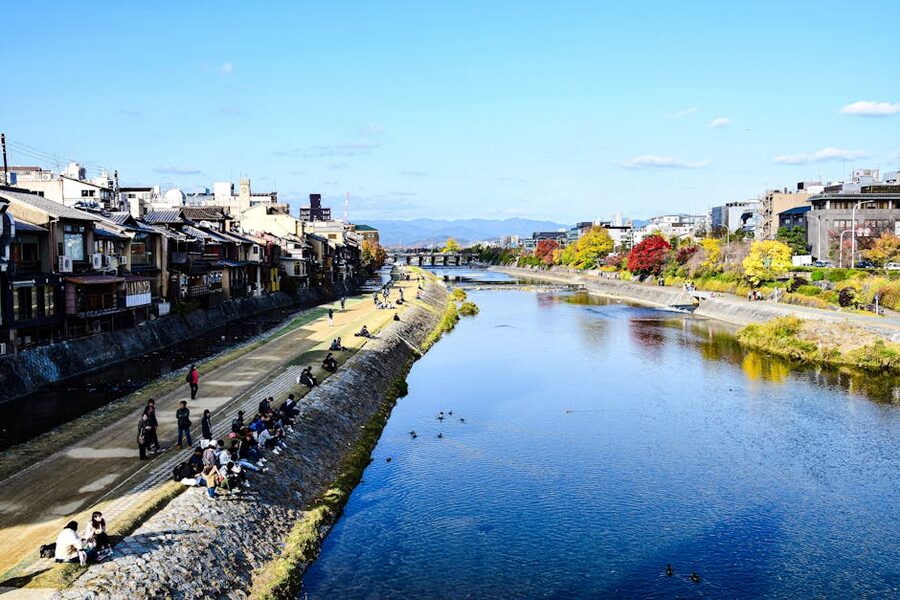
If you’re booking a guided tour, the return is handled — you’re escorted back to Tokyo Station, and the guide usually says goodbye at the Yaesu exit. If you’re DIY, get to Kyoto Station 20 minutes before your departure. Return shinkansen gates work the same as outbound — scan your paper ticket, go up the escalator, find your car number.
If you liked this, you’ll probably want to read
If you’re planning a few Japan days around this one, a few of our other booking guides pair well. For the other classic day trips from Tokyo — Mt Fuji and Hakone, Nikko’s shrines and waterfalls, and Kamakura’s temples — start with our Mt Fuji and Hakone day trip guide, our Nikko day trip walkthrough, and our Kamakura and Enoshima guide.
Once you actually land in Kyoto — whether on this day trip or a longer stay — the two things I’d pair are an early morning temple visit (so peaceful it reframes your whole idea of Kyoto) and a Gion-area food walk at night. Our Kyoto early morning tours guide covers the first, and the Gion food tour guide covers the second. If you happen to be doing this day trip alongside a Tokyo-to-Kyoto transfer for the night, a Kyoto geisha show is a 90-minute evening option most people don’t know exists.
And if you’re handling airport logistics for the Japan trip overall, our Haneda airport transfer guide covers the cheapest and least painful ways in and out of Tokyo — worth reading before you book your Kyoto day trip, since the train times only work if you’re already in central Tokyo the night before. And if Kyoto’s making you hungry for a hands-on version of that cuisine, our Kyoto cooking class guide is a solid way to stretch a weekend into something memorable.
And if you’ve got a Tokyo morning free before the bullet-train west, our sumo morning practice tour guide is a quieter, earlier alternative to anything touristy — 60 minutes watching real stable training, then out into the day.