
So you’ve landed at Haneda, your luggage is coming down the belt, and in about fifteen minutes you need a plan. The fastest trains stop running sooner than you think. Taxis exist, but a central Tokyo taxi meter from Haneda can clear 10,000 yen before you see your hotel. So what’s the actual best way to get to your hotel — and is prebooking a private transfer worth the money, or is it the thing that separates jet-lagged travellers from people who land smiling?
Short on time? My three picks
- Haneda Airport Private Transfer (2 passengers) — from $104 — the most-booked option. Driver tracks your flight, meets you in arrivals, door-to-door to your hotel.
- Haneda Arrival Private Transfer to Central Tokyo — from $119 — wheelchair and stroller accessible, multilingual driver, plate with your name on arrival.
- Tokyo to Haneda Departure Private Transfer — from $119 — the one to book the night before you fly home. Pickup from any central Tokyo hotel.
- Short on time? My three picks
- Why prebook a private transfer at all?
- How the booking process actually works
- What you need to have ready when booking
- My three recommended Haneda transfers
- 1. Tokyo Haneda Airport (HND) Transfer — Private Transfer — from 4
- 2. Private Arrival Transfer From Haneda to Central Tokyo — from 9
- 3. Private Departure Transfer Tokyo City to Haneda — from 9
- What a private transfer actually costs vs the alternatives
- How Haneda compares to Narita
- The trains that compete with a transfer
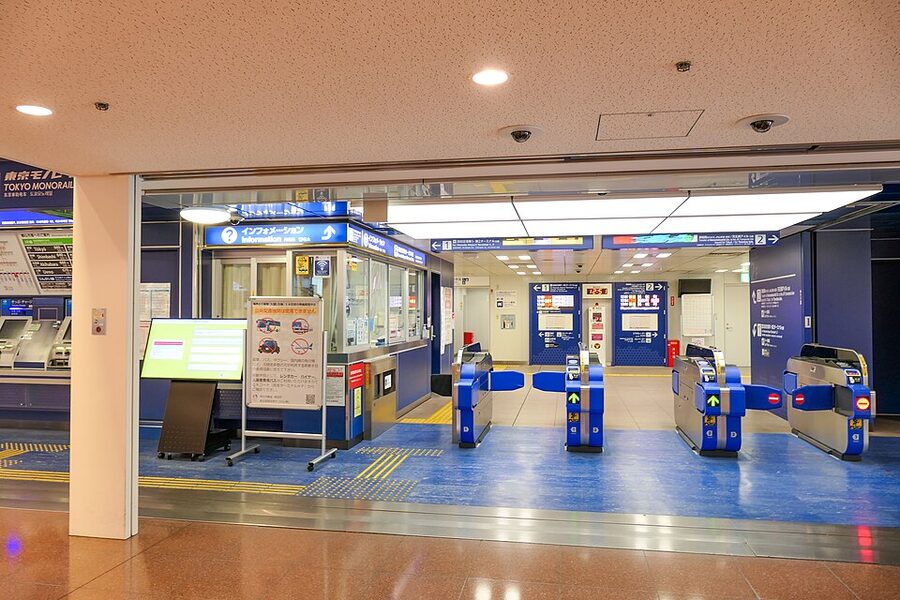
- Tokyo Monorail — the classic option
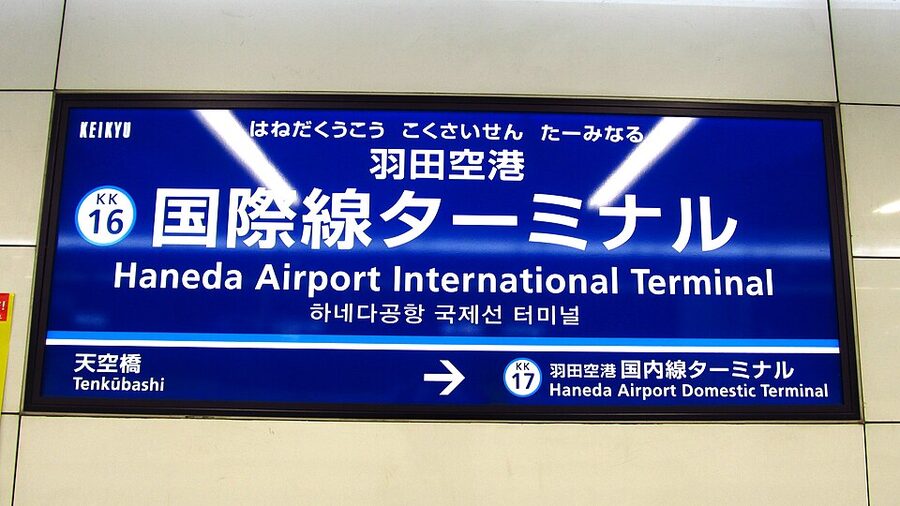
- Keikyu Line — the cheap express
- Airport Limousine Bus — underrated for hotels
- Regular taxis vs fixed-rate airport taxis
- Terminal-by-terminal guide to the pickup points
- Terminal 3 (International)
- Terminals 1 and 2 (Domestic plus some international)
- A quick history of Haneda, for the spare ten minutes before your flight
- Common mistakes I see people make
- Payment, tipping, and what the final cost includes
- If your flight is delayed or diverted
- When a transfer isn’t worth it
- Planning the rest of your Tokyo-Kyoto week
Why prebook a private transfer at all?
Haneda is the one Tokyo airport where you can, in theory, get out under your own steam without ruining your first night. Trains run late, signage is in English, the Monorail goes straight to Hamamatsucho. So the honest case for a transfer isn’t “you can’t manage the train.” It’s that your first hour in Tokyo is the worst hour to start problem-solving.
Here’s what I’ve seen people get caught by. A late flight lands at 12:30am — the last Keikyu train left at 11:57pm, the last Monorail at midnight. Airport taxis still run, but central Tokyo is an eye-watering meter fare after the midnight surcharge kicks in. Or the flight lands on time, but the family has two toddlers, four cases, and a stroller to wrangle through two train transfers. By the time they reach the hotel at 9pm they’ve missed dinner and everyone is crying. If a family-friendly intro-to-Tokyo is what you’re planning, prebooking a private Tokyo tour for day two pairs naturally with the same logic — skip the cognitive load.
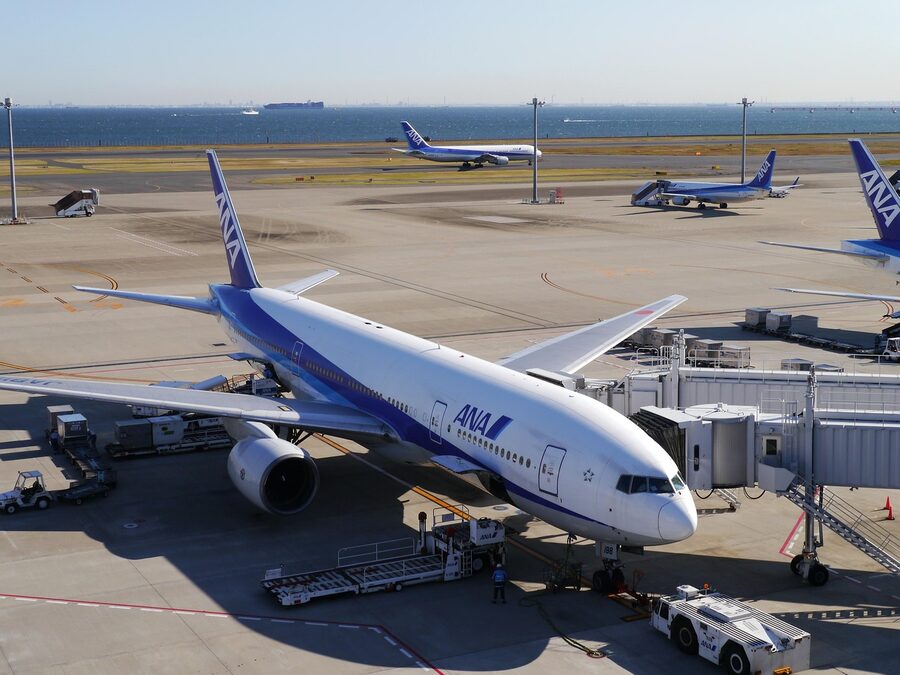
A private transfer solves a specific set of problems: late arrivals, tight schedules, big groups, heavy bags, language worries, and the general “I don’t want to think” moment after a 12-hour flight. If you don’t have any of those, the Tokyo Monorail is fine and costs 500 yen. If you have one or two of them, a flat-rate transfer is worth it. If you have three or more, prebook without hesitation.
How the booking process actually works

Every private transfer I’ve used from Haneda follows the same basic flow, whether it’s via Viator, GetYourGuide, or a direct operator like MK Taxi. You book online, you enter your flight number, you add the hotel address, you confirm the number of passengers and bags. The operator’s system pulls live flight data so the driver knows when to be there.
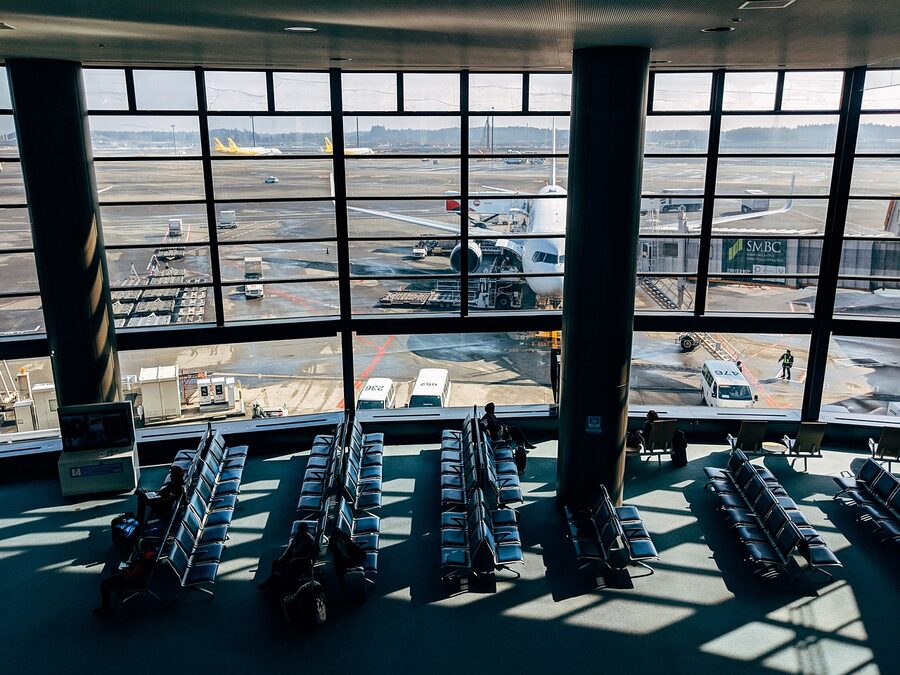
For arrivals, the meeting point is almost always the same place: after you clear immigration and customs, walk out into the arrivals hall and look for a driver holding a sign with your name. At Haneda Terminal 3, the pickup point is on the second-floor arrivals level, near one of the two main exits. The driver usually waits up to 60 minutes after your flight’s actual landing time, so immigration queues don’t blow up the booking.
For departures, the driver collects you from your Tokyo hotel at the time you specify. I’d always book for 3 hours before international departures and 2 hours before a domestic one at Haneda — Tokyo traffic is genuinely unpredictable and nobody enjoys rushing through security.
What you need to have ready when booking
Keep these in a single note so you don’t lose them:
- Flight number — the operator tracks it automatically, so arrival time adjusts if you’re delayed.
- Full hotel address in English — the Japanese address is useful too if you have it, because drivers will use it to navigate.
- Hotel phone number — some operators will text the driver’s name and plate to the hotel if there’s any handover confusion.
- Number of passengers and bag count — this determines the vehicle size. A standard sedan fits 2 adults plus 2 large bags. Anything beyond that pushes you to a minivan.
- Your mobile number — the booking confirmation email usually includes a WhatsApp or local contact for the driver.
The booking page will ask if you’re arriving or departing. Don’t mix these up — I once watched a friend try to rebook a transfer the morning of his flight because he’d selected “arrival” when his trip was long over.
My three recommended Haneda transfers
I’ve pulled these from our tour reviews database, sorted by how many real travellers have booked them. All three are run through vetted Viator suppliers and pay out via the same affiliate network, so the booking experience is identical. The difference is who you’re paired with — fleet type, included extras, and what happens if your flight slips.
1. Tokyo Haneda Airport (HND) Transfer — Private Transfer — from $104
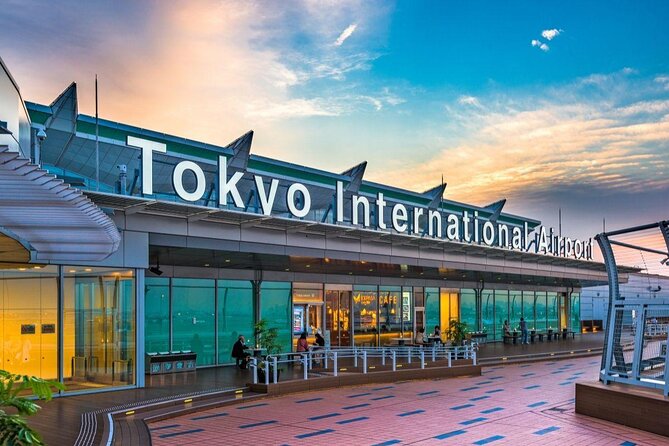
This is the one I’d book by default — the most popular Haneda transfer on our site for a reason. The driver tracks your flight and waits without charging extra for reasonable delays, the car is air-conditioned and spacious enough for two adults with mid-size bags, and our full review walks through what the pickup signboard looks like and where to find it at T3. The only thing to watch is the 2-passenger cap — if you’re 3 or more, pick one of the others.
2. Private Arrival Transfer From Haneda to Central Tokyo — from $119

A slightly more expensive but much more forgiving option. What makes this one stand out, and what our review covers in detail, is the accessibility and language support. Wheelchairs and strollers fit without repacking, and the driver’s English is reliable — something I’d actively look for on a midnight arrival when you’re too tired to pantomime directions. Cancellation terms are also more generous.
3. Private Departure Transfer Tokyo City to Haneda — from $119
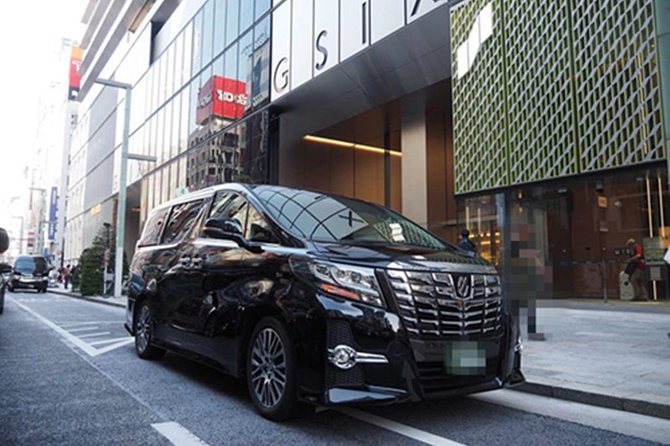
This is the mirror image for the way out. I use it specifically for early-morning international flights when the first Monorail won’t get me there in time, or for late-evening flights when I’m too shattered from a full last day in Tokyo to deal with trains plus bags. Our review lays out the free cancellation window and the window where the driver confirms the pickup time the night before — that text is genuinely reassuring at 4am.
What a private transfer actually costs vs the alternatives
Real prices, Tokyo-side, for getting from Haneda to a central hotel (Shinjuku, Ginza, Shibuya, Tokyo Station area):
- Tokyo Monorail + train transfer: 500-700 yen per person. Fast (13 minutes to Hamamatsucho), then a JR transfer. Useless after midnight, and awkward with four bags.
- Keikyu Line: 300-650 yen per person. Direct to Shinagawa for onward JR connections. Same post-midnight shutdown problem.
- Airport Limousine Bus: around 1,300 yen per person, one-way. Direct to major Tokyo hotels. Leaves you at the lobby but runs on a fixed schedule.
- Regular airport taxi: around 6,000-11,000 yen for central Tokyo, depending on traffic and surcharge time. Midnight surcharge adds 20% between 22:00 and 5:00.
- Fixed-rate airport taxi (MK, Nihon Kotsu): around 6,800-7,500 yen to central areas. Prebooked, predictable.
- Shared taxi (Nearme and similar): around 4,000-7,000 yen per person. Cheaper than private, more stops, longer rides.
- Private transfer (the Viator picks above): $104-$119 (around 15,000-18,000 yen) for the vehicle, not per person. Per-person cost drops fast with a group of 3-4.
The maths flips somewhere around 3 passengers. For a solo traveller, the Monorail or Keikyu is almost always cheaper. For a group of 4 with real luggage, a private transfer at $119 works out to under $30 per person — and you don’t have to bundle bags onto trains.
How Haneda compares to Narita
This is worth knowing before you book, because the airport changes the maths. Haneda is 20km from central Tokyo; Narita is 70km. A Narita private transfer typically runs $140-$180 for the same vehicle, and the drive is 60-90 minutes versus 25-45 minutes from Haneda. Narita also has the Skyliner train — a faster, more comfortable direct train than anything Haneda offers — so the case for a private transfer from Narita is slightly different.
From Haneda, the transfer competes with the Monorail and Keikyu; both are fast and direct. From Narita, the transfer competes with the Narita Express and Skyliner, which are faster but more expensive. If your flight lands at either, a late or awkwardly-timed arrival is where the transfer earns its keep.
The trains that compete with a transfer
Skipping trains entirely would be dishonest because they’re excellent. If you’re a solo traveller with a single case, on a weekday before midnight, pick the Monorail or Keikyu. Both exist for a reason.
Tokyo Monorail — the classic option
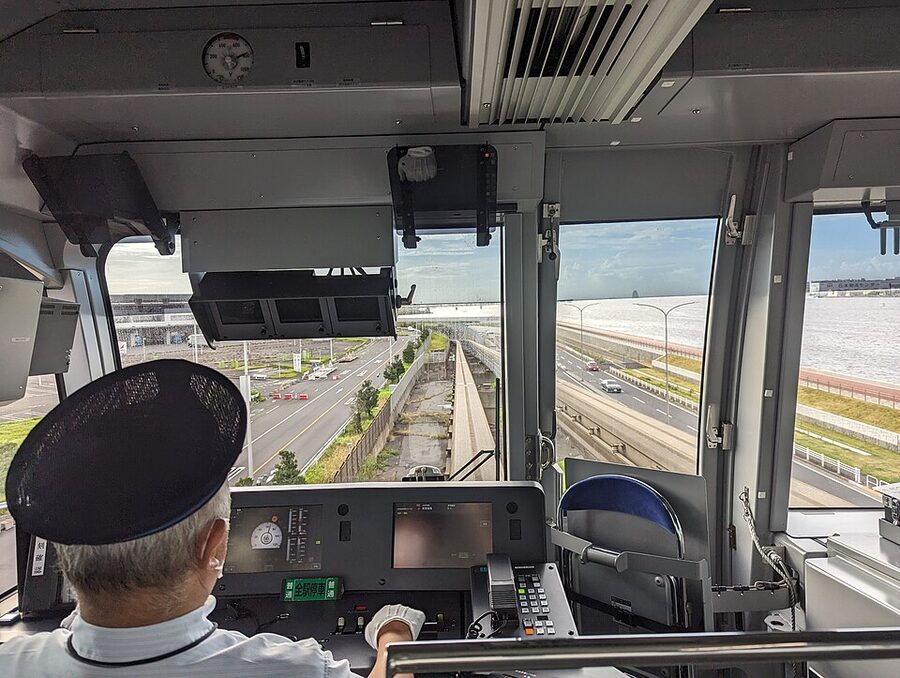
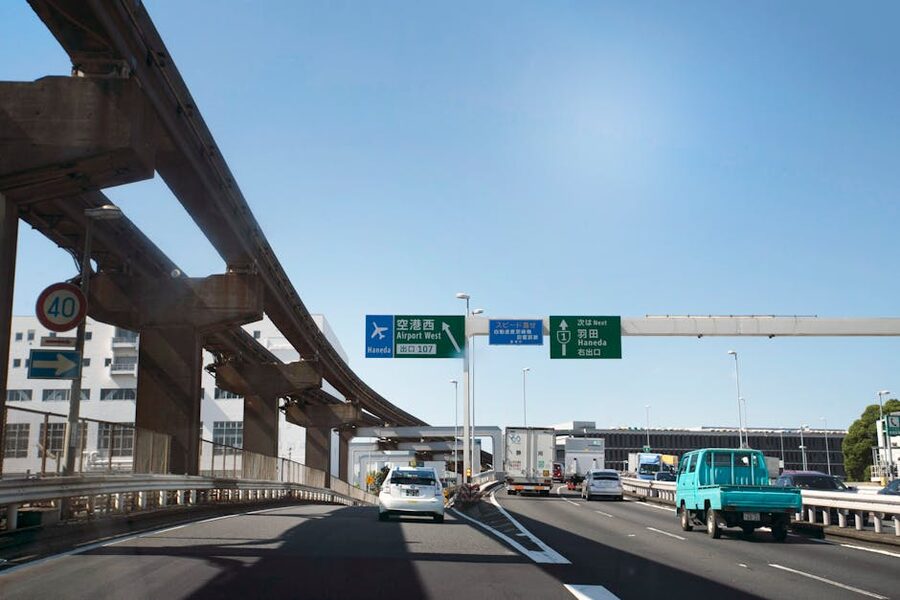
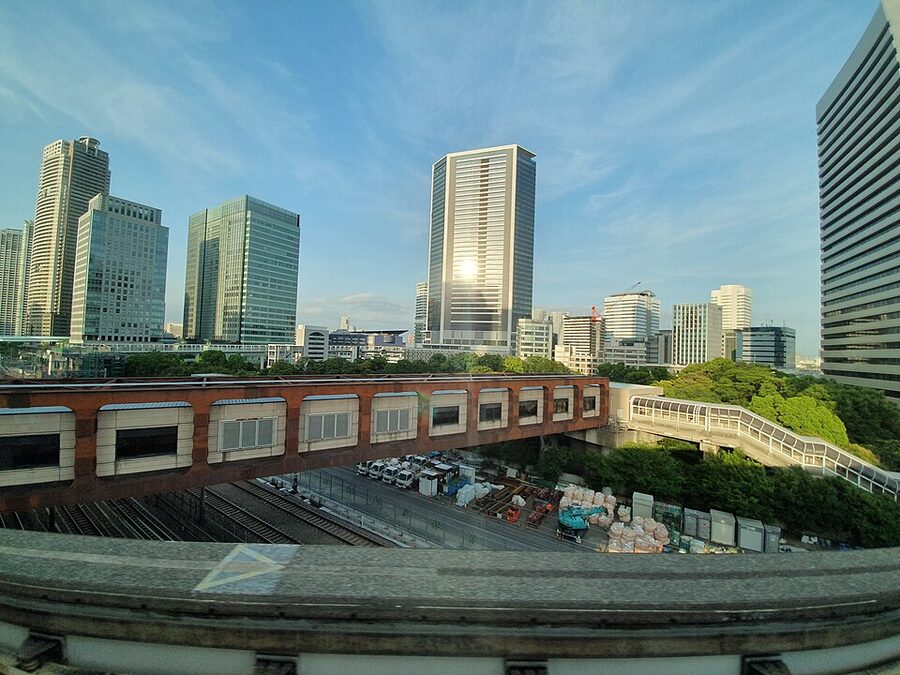
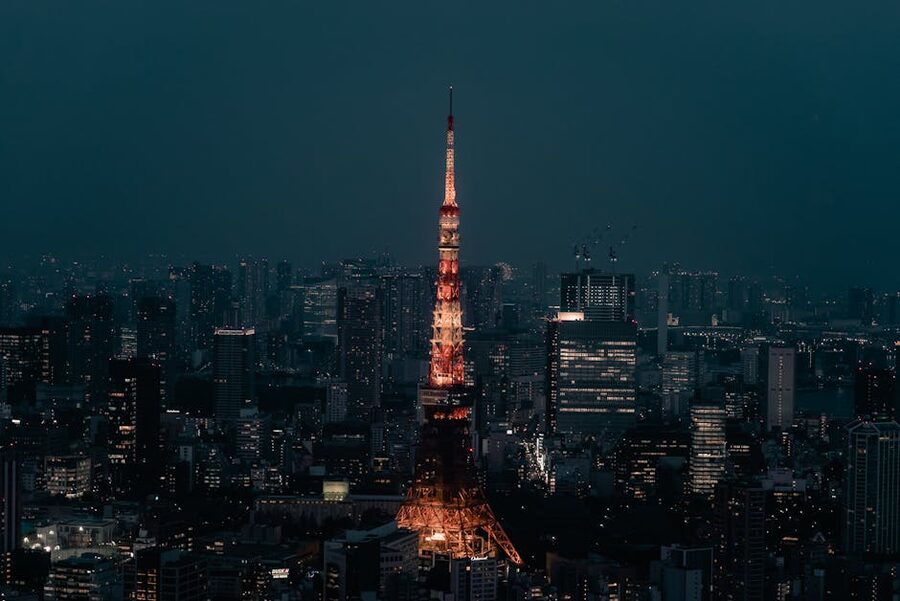
The Monorail has been running to Haneda since 1964 and it still does the single best job of anything on this list: get you from the terminal to central Tokyo in under half an hour for 500 yen. The fastest services (Haneda Express) take 13 minutes to Hamamatsucho, where you transfer to the JR Yamanote Line for Tokyo Station, Shinjuku, Shibuya, or wherever else. From Hamamatsucho you’re also five stops from Daimon where the Tokyo Tower observation decks sit, so the Monorail drops you within range of the first real attraction most visitors want to tick off.
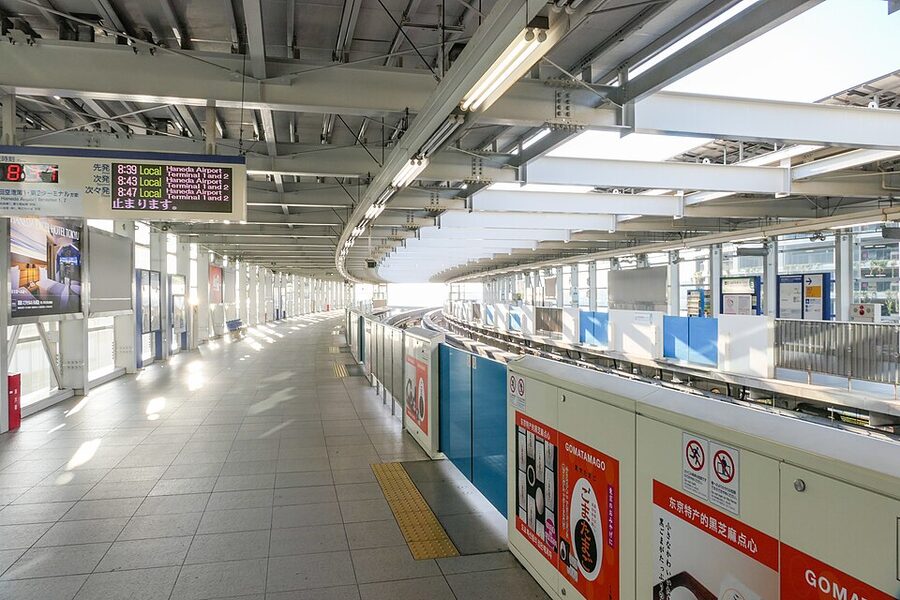
What stops me recommending it universally: the first train is around 5:15am, the last is around 00:10, and transferring at Hamamatsucho with heavy bags involves stairs unless you know exactly which lift to use. Solo or duo with a carry-on — fine. Family of five with big cases after a red-eye — a nightmare.
Keikyu Line — the cheap express
Cheaper and often faster if your hotel is near Shinagawa, Shimbashi, or anywhere along the south side of Tokyo. The Keikyu Airport Line runs from Haneda terminals to Shinagawa in 13 minutes for 300 yen (international terminal) or 650 yen for rapid limited express to Asakusa via the Asakusa subway line. If your hotel is in Ginza or Asakusa, Keikyu plus the Asakusa Line is the most direct option of any train pairing.
Airport Limousine Bus — underrated for hotels
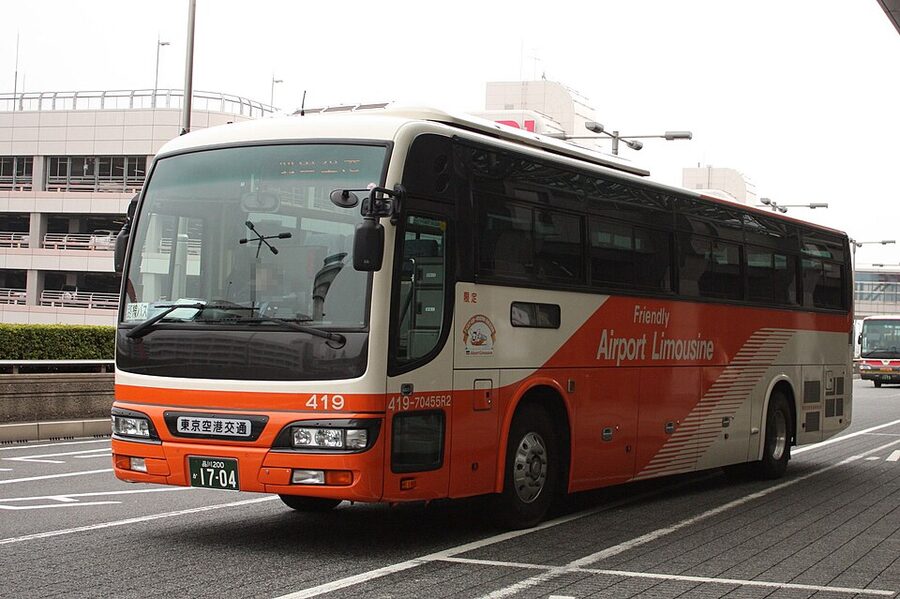
This is the option most guides skip. The Airport Limousine Bus connects Haneda to major Tokyo hotels directly — Imperial Hotel, Keio Plaza, Park Hyatt, Hilton Tokyo, the big Shinjuku and Shinagawa clusters. Tickets run around 1,300 yen per person. You buy at the ticket counter in arrivals, the driver loads your bags into the hold, and 60-90 minutes later you’re at the hotel lobby. No transfers, no stairs.
The catch is the schedule — the bus runs every 15-30 minutes, and the last service to most hotels is around 22:30. If your hotel is on the route list, this is the single best bang-for-yen option for solo travellers with big bags. If it isn’t, you’d still need a taxi or train from whichever terminal bus stop is closest.
Regular taxis vs fixed-rate airport taxis
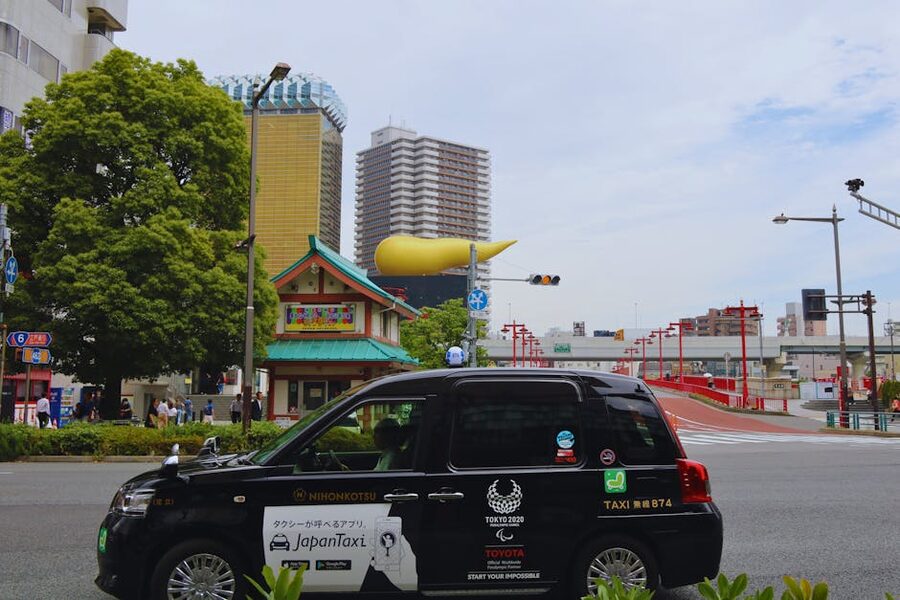
Tokyo taxis from Haneda fall into two camps. The ones queueing at the kerb are meter-only. A typical Haneda-to-Shinjuku meter fare runs 7,500-10,500 yen, plus 20% surcharge if you’re between 22:00 and 5:00 in the morning. They’re safe, clean, and drivers are reliable — but the fare is completely dependent on traffic.
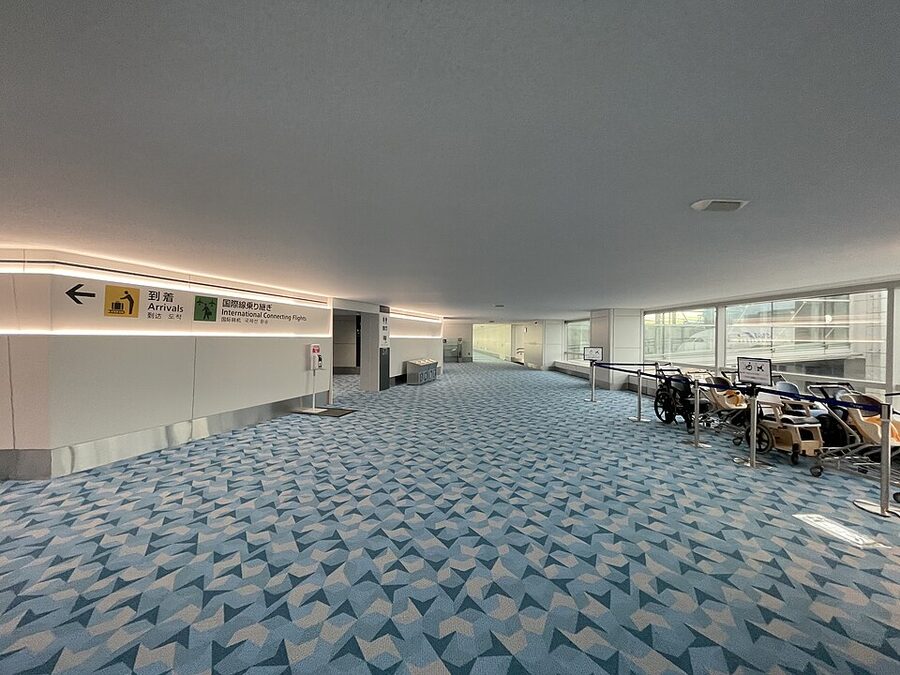
Fixed-rate airport taxis (MK Taxi, Nihon Kotsu, Tokyo MK) are different. You book in advance or at the arrivals taxi counter, pick a zone, and pay a fixed price regardless of traffic. Central Tokyo works out to about 6,800-7,500 yen for a sedan, which makes the fixed-rate option almost always cheaper than the meter for a midnight run. MK’s English booking is straightforward — ANA’s website links to it directly for their transfer reservations.
If you want a taxi but don’t want to gamble on the meter, book a fixed-rate one before you fly. If you want an English-speaking driver who greets you with a signboard, book a private transfer. The extra cost of the transfer buys you the sign, the tracking, and the lack of decision-making when you’re tired.
Terminal-by-terminal guide to the pickup points
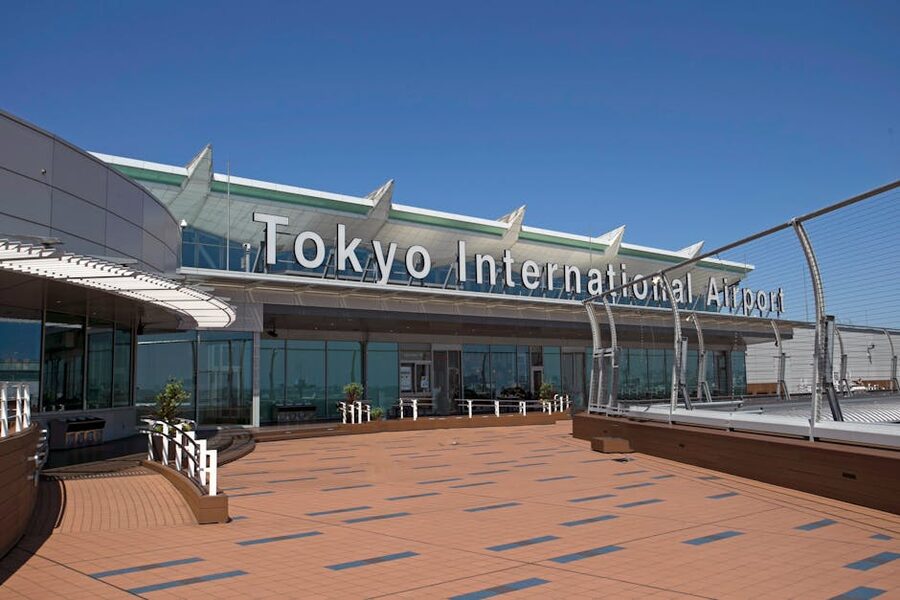
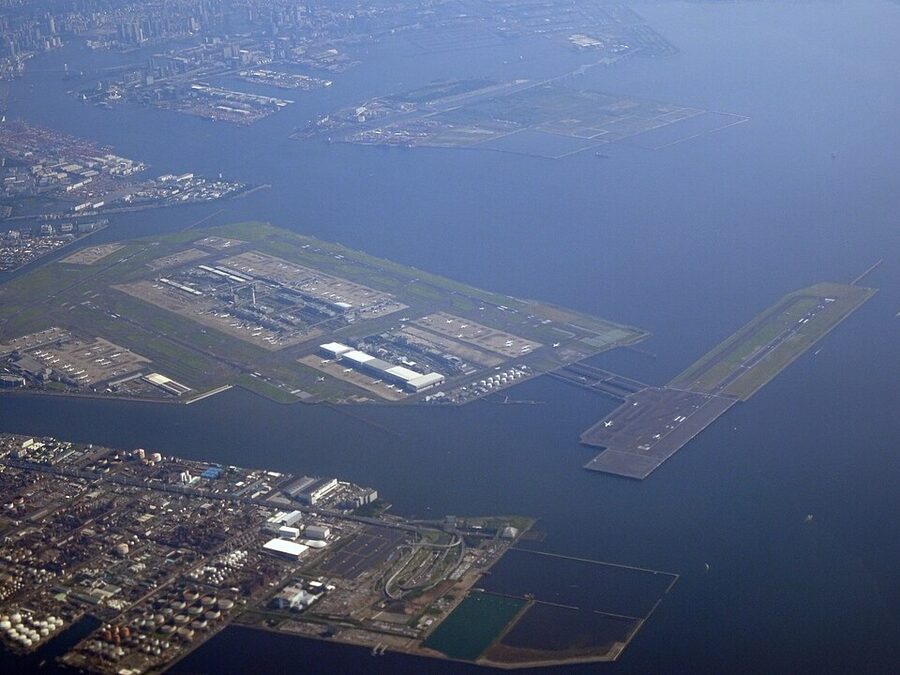
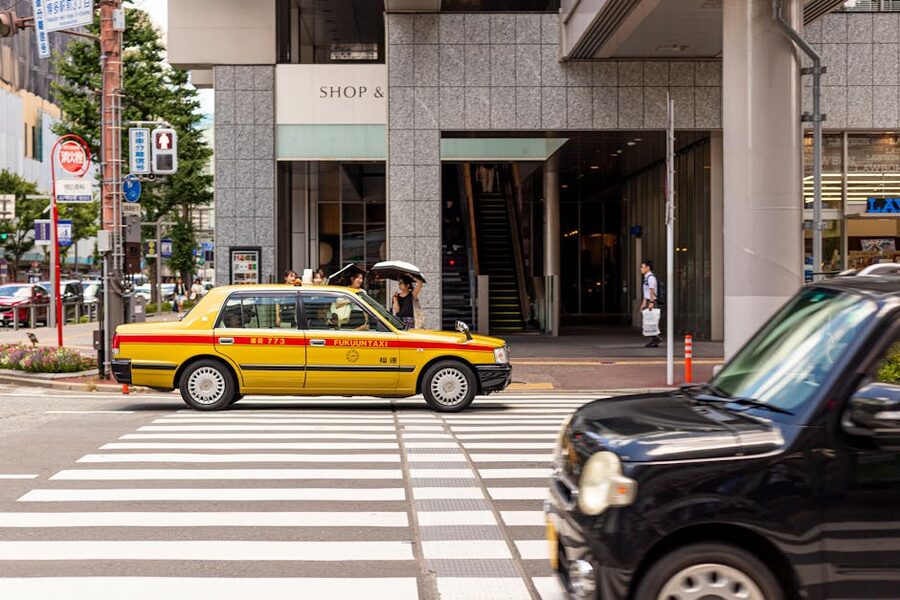
Haneda has three terminals. Terminal 3 is the international one (most international flights go here), and Terminals 1 and 2 handle domestic flights plus some international ANA/JAL routes.
Terminal 3 (International)
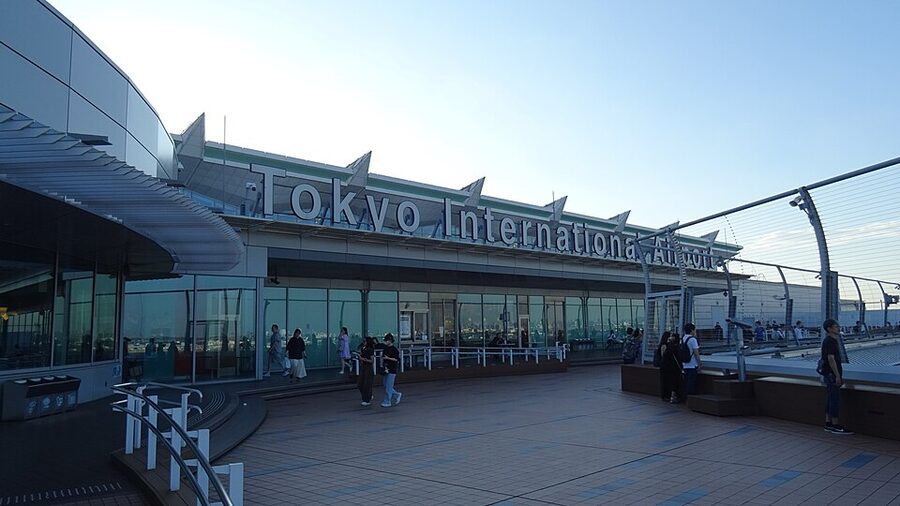
Almost every private transfer arrives here. After you clear immigration and customs, walk out into the arrivals hall on the second floor. Drivers with signboards stand in a dedicated meeting zone near exits A and B — the signboard will show your name, the booking reference, or the operator’s logo. If you can’t see your driver within 10 minutes, call the number on your booking confirmation; don’t wander off.
Terminals 1 and 2 (Domestic plus some international)
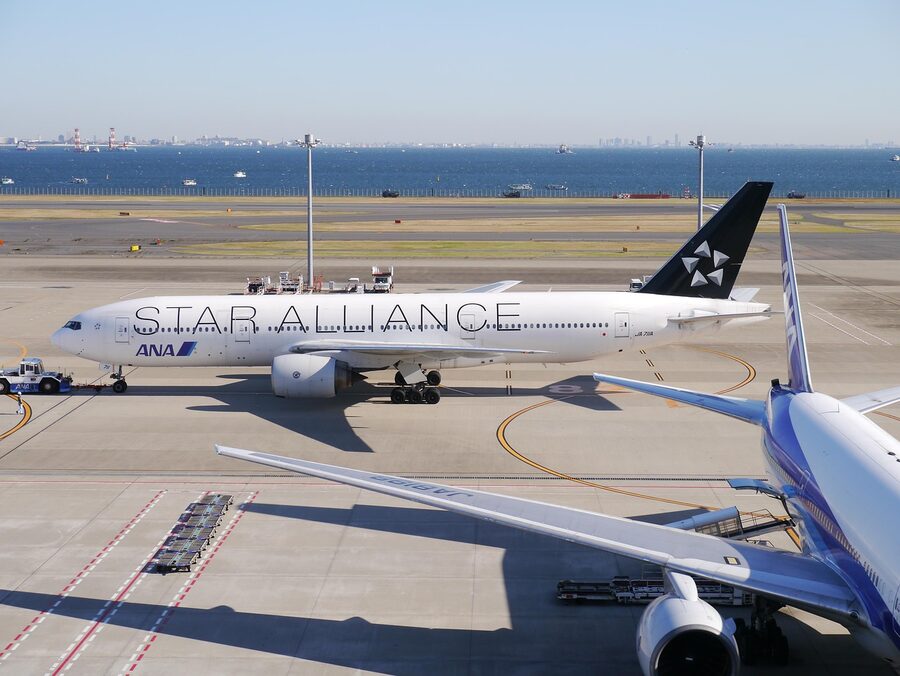
If you’re flying ANA or JAL and your international flight terminated at T2 or T1 (some routes do — especially the US-based ones after the 2020 route reshuffle), pickup is on the first floor at the domestic arrivals exit. Your booking confirmation tells you which terminal. If you’ve got the wrong one, a free shuttle runs between all three every 5-7 minutes.
A quick history of Haneda, for the spare ten minutes before your flight
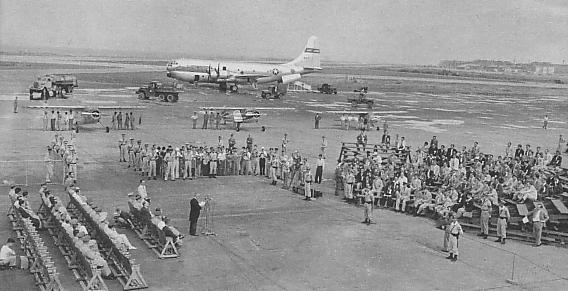
Haneda opened in 1931 as Tokyo’s first modern airport — it was called Tokyo Koku Kuko back then. It was requisitioned by the US military in 1945 and only returned to Japanese civilian hands in 1952, which is when the photo above was taken. When Narita opened in 1978, Haneda was mostly domestic. The 2010 opening of the current international terminal — then called the International Passenger Terminal, now Terminal 3 — put Haneda back on the global aviation map.
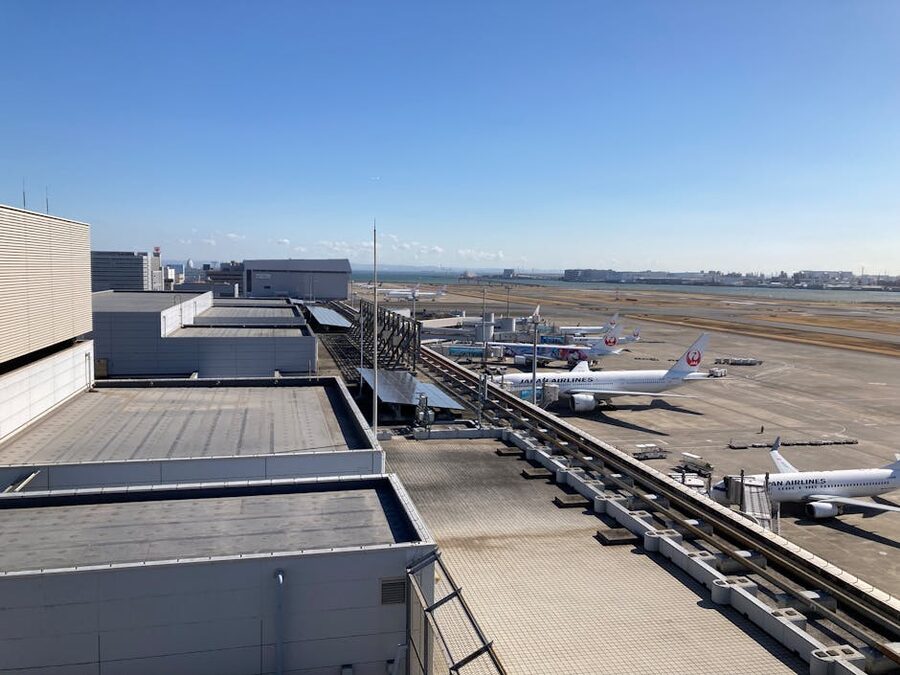
Today Haneda handles about 87 million passengers per year, nearly three times Narita’s intake. The Monorail and Keikyu both extended lines to it early, which is why your train options are so good. And because the airport was built on reclaimed land at the edge of Tokyo Bay, you get unexpectedly nice sea views on landing.
Common mistakes I see people make
From watching friends, and from one or two of my own rookie moments, the same patterns keep coming up.
Booking for the wrong terminal. Haneda has three. If your confirmation email lists the wrong one, change it before you fly — most operators allow a free terminal swap up to 24 hours before arrival.
Cutting the departure pickup window too fine. Tokyo traffic is fine on paper and ruthless in practice. A 2.5-hour buffer before an international flight is the absolute minimum; 3 hours is safer.
Forgetting the hotel’s English address. Drivers navigate using either the address or a phone number lookup. Japanese addresses are complex — if you only have the English name of the hotel, the driver can still find it, but the routing works faster with a full address. Screenshot the confirmation email.
Trying to split a minivan between strangers. Private transfers are the whole vehicle, not per seat. If you’re 2 people hoping to share a van with another couple, you need a shared shuttle (Nearme and similar), not a private transfer. The booking systems don’t mix the two.
Not checking the cancellation window. Most Viator and GetYourGuide Haneda transfers allow free cancellation up to 24 hours in advance. After that, you’re paying regardless. If your flight is on a tight-connection itinerary, pick an operator with a 12-hour or shorter cancellation window.
Payment, tipping, and what the final cost includes
Everything you pay is on the website at booking. Tokyo runs on no-tip culture — drivers will refuse a tip if you try, and there’s no expectation of one. The only surcharges I’ve ever seen added after the quote were for flights arriving in the 22:00-5:00 window, and those are disclosed at booking.
Toll roads are included in the quoted price. Child seats are usually free if you request them at booking (up to 24 hours before). Luggage is almost always included up to a “reasonable” count — 2 large bags plus 2 carry-ons per passenger for a sedan, more for a minivan.
Payment is by credit card at booking on every major platform. The driver takes nothing from you on the day; you just thank them and walk into the hotel.
If your flight is delayed or diverted
Flight tracking is the feature that matters most on a Haneda transfer, and every operator I’ve listed has it. The driver’s app updates when your flight changes status — delayed, diverted, cancelled. The one thing you should do is email the operator (not text the driver directly) if your flight is cancelled outright. Most will re-schedule the pickup for whenever you actually land, no refund-rebook hassle.
Diversions are rare but do happen at Haneda — usually to Narita in bad weather. If you’re diverted, the operator will typically arrange a transfer from the new airport at the original price plus a modest surcharge for the extra distance. It’s worth reading the diversion clause before booking if you’re flying in peak typhoon season (late August through September).
When a transfer isn’t worth it
I’d skip the transfer if all of the following are true: you’re a solo traveller, your bag fits in a Monorail luggage rack, your flight lands before 10pm, and you’re staying on the Yamanote Line or near Shinagawa. In that case, Keikyu or Monorail plus JR will get you there for under 700 yen and under 45 minutes. The extra $100 for a transfer buys you a nicer ride, not a faster one.
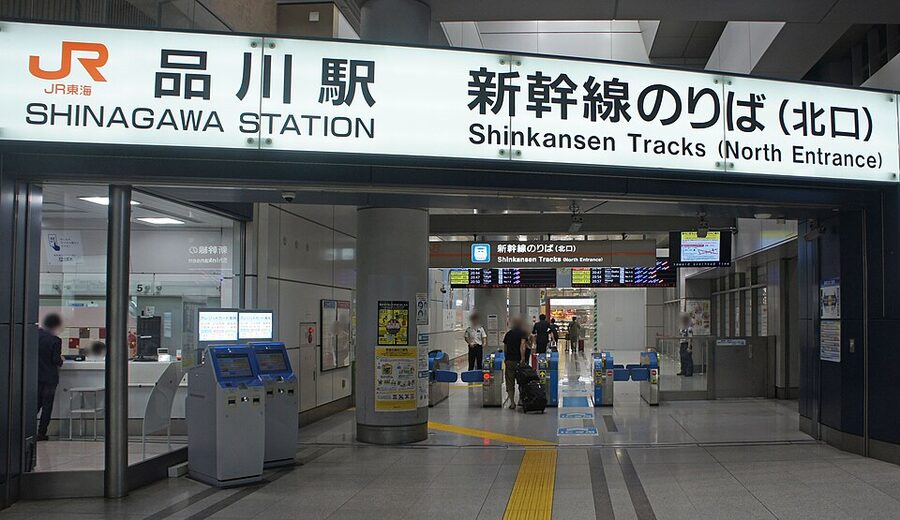
And I’d book the transfer if any one of these is true: you’re landing after 22:00, you have more than 2 bags per person, you’re travelling with kids or someone who needs accessibility support, or your hotel is in an awkward area like Daiba, Shin-Yokohama, or outside the central wards. (Shin-Yokohama is actually where you’d catch the shinkansen west, so if a Tokyo-to-Kyoto day trip is on your itinerary, factor that into how close your Tokyo hotel needs to be to the stations.) In that case the transfer isn’t a luxury; it’s the thing that stops your first Tokyo evening from becoming a logistical exercise.
Planning the rest of your Tokyo-Kyoto week
If you’re sorting the airport transfer, chances are you’re also piecing together the actual days in Tokyo and beyond. A few booking guides that pair naturally with this one: if you want a morning of training watched live, check the sumo morning practice booking guide — it’s one of the few activities worth dragging yourself out of bed jet-lagged for, because the practice sessions only happen early. For a fuller day-trip west, the Tokyo to Kyoto day trip guide walks through the question of whether Kyoto in a day from Tokyo (short answer: yes, but). And if you’re keen to learn rather than just eat your way through Japan, our Kyoto cooking class guide is the best pairing for a post-transfer afternoon or early-evening slot.
Other useful pairings: the Tokyo private tour guide for day one, the full-day sightseeing tour if you want the greatest-hits version, and the Mt Fuji + Hakone day trip for the classic Mount Fuji combo. All four are the sort of thing where booking a transfer from Haneda lets you hit the ground running instead of spending your first Tokyo morning sorting logistics.