
My first attempt at grinding matcha took 15 minutes and produced about one teaspoon of powder. My arms hurt. The tea master watched politely and then ground her portion in about 90 seconds.
She was holding back. She could have done it faster. But she was being kind.
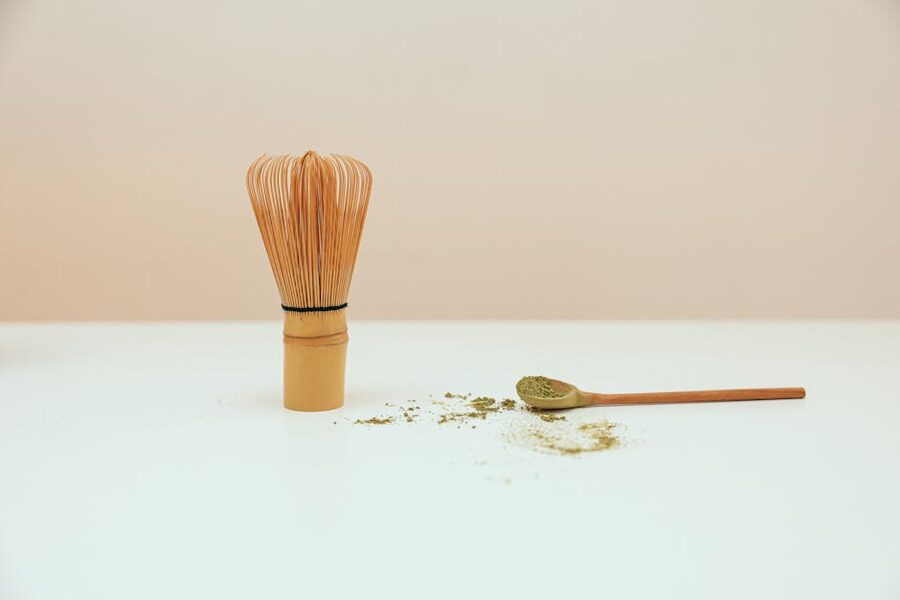
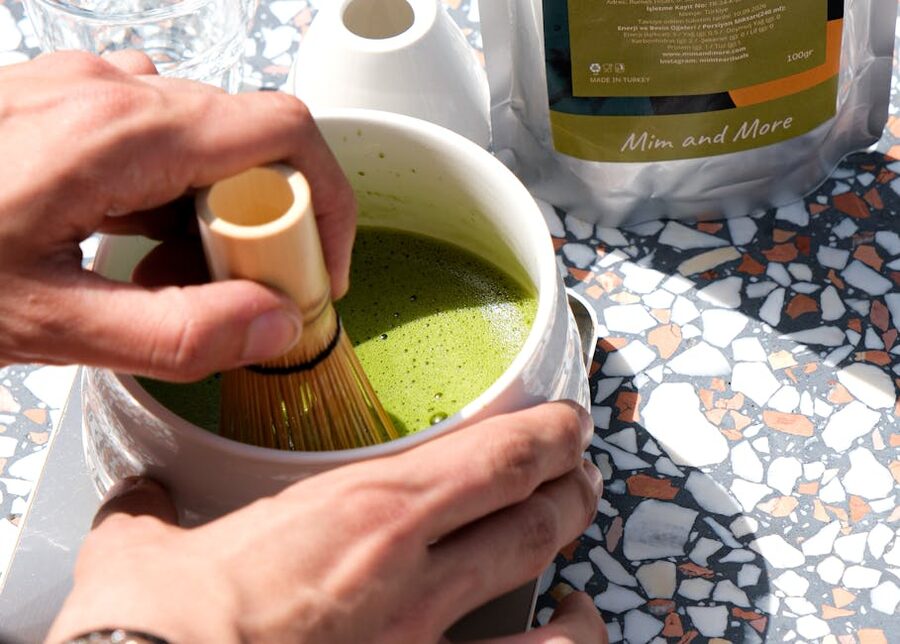
Kyoto’s matcha experiences range from 45-minute hands-on classes in traditional machiya houses to full afternoons at the Chazuna Tea Museum in nearby Uji. You grind real leaves on a real stone mill, whisk the powder into real tea, drink it with a wagashi sweet, and walk away understanding a drink you probably thought you already understood.
This is not the same thing as a formal tea ceremony — that’s the ritual performance side of chanoyu. The matcha experiences are the making-it-yourself side. Both are worth doing on the same trip.
Short on time? Here are my top picks:
Best budget pick: Tea Museum Tickets and Matcha Grinding Experience — $23, 1 hour, 739 reviews. Includes the Chazuna Museum in Uji plus the stone mill grinding session.
Most social: Table-Style Tea Ceremony at a Kyo-Machiya — $45, 90 min, 1,211 reviews. Table seating means no tatami-induced knee pain. The most-reviewed matcha experience in the city.
Most personal: Make Your Own Matcha with a Tea Master — $45, 45 min, 406 reviews. Smallest group, most one-on-one instruction.
- What Happens When You Grind Matcha Yourself
- The Stone Mill
- The Whisking
- The Drinking
- The 3 Best Kyoto Matcha Experiences
- 1. Tea Museum Tickets and Matcha Grinding Experience —
- 2. Table-Style Tea Ceremony at a Kyo-Machiya —
- 3. Make Your Own Matcha with a Tea Master —
- 800 Years of Matcha: Why Uji Exists
- Uji vs Kyoto City: Which Experience to Book
- Matcha Experiences vs Tea Ceremony: What’s the Difference?
- Booking and Practical Tips
- A Full Kyoto Tea Day
- How to Get to Uji
- More Kyoto Experiences
What Happens When You Grind Matcha Yourself
Here’s the sequence at the Chazuna Tea Museum experience in Uji. The Kyoto city experiences follow a similar but shorter version.
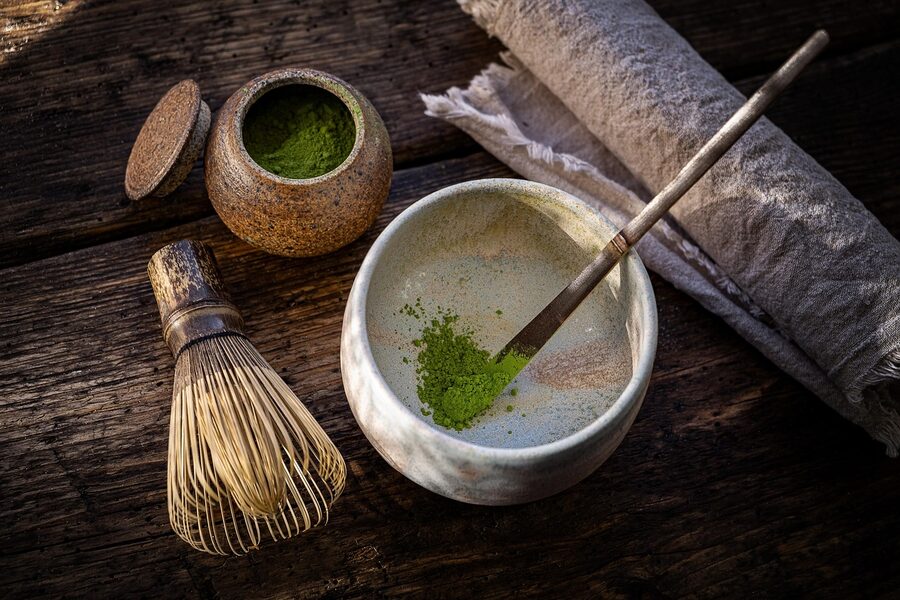
You start in a small room with a tea instructor, a stone mill (called an ishiusu), and a tiny mountain of tencha — the semi-finished tea leaves that become matcha once they’re ground. The leaves smell like hay crossed with seaweed. That’s normal.
The Stone Mill
The instructor demonstrates first. You pour a small amount of leaves into the top of the mill, place your hand on the handle, and turn it in slow circles. The mill is heavier than it looks. The powder comes out the edges as a fine green snowfall.
Keep going. Don’t rush. The ideal matcha is ground at exactly the right speed — too fast and the friction generates heat that damages the flavour. Too slow and you’re still there an hour later. The sweet spot is about one rotation per 2 seconds.
The Whisking
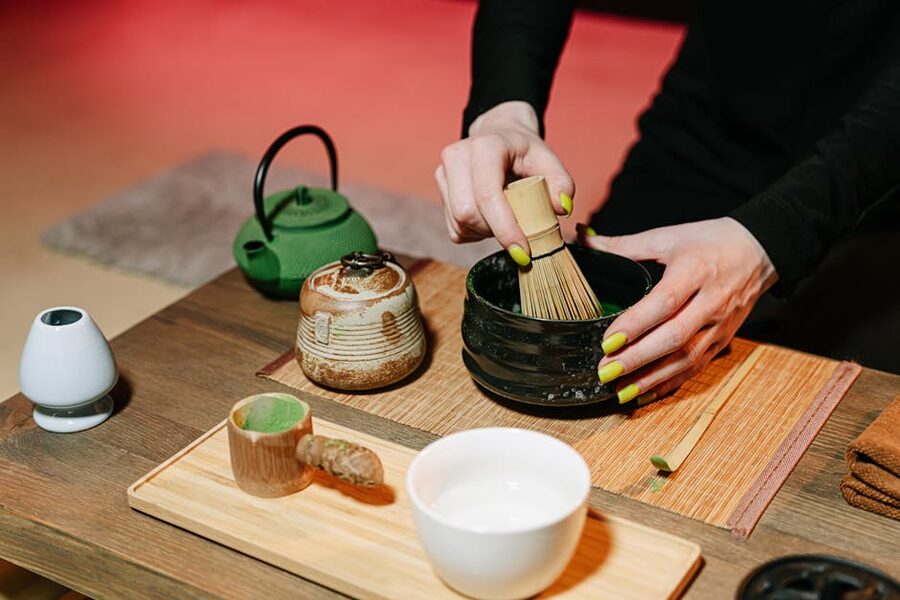
Two scoops of powder into a preheated bowl. Hot water (80°C, not boiling — this matters). Then the whisk comes out.
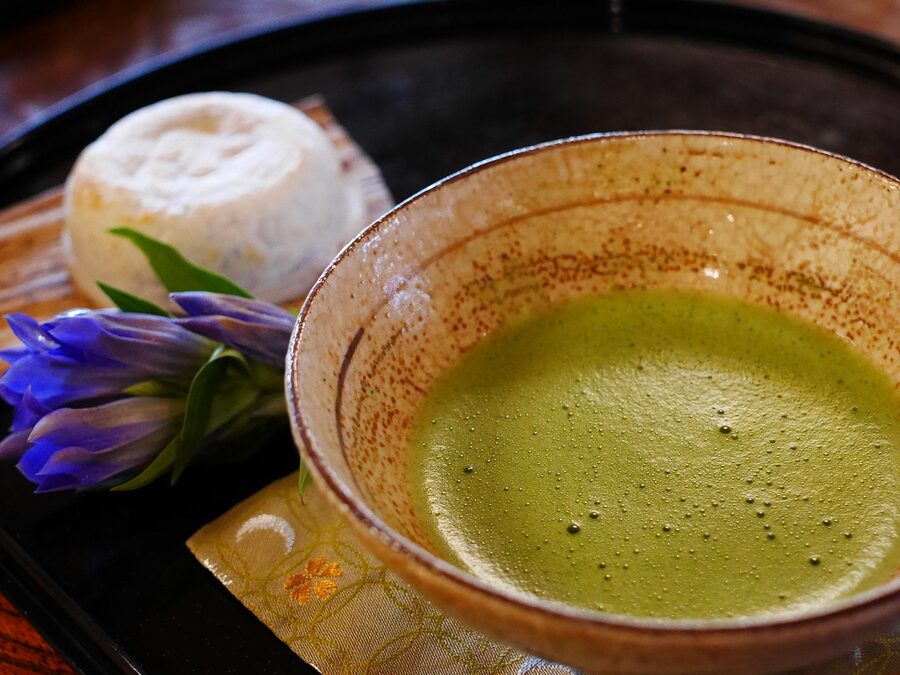
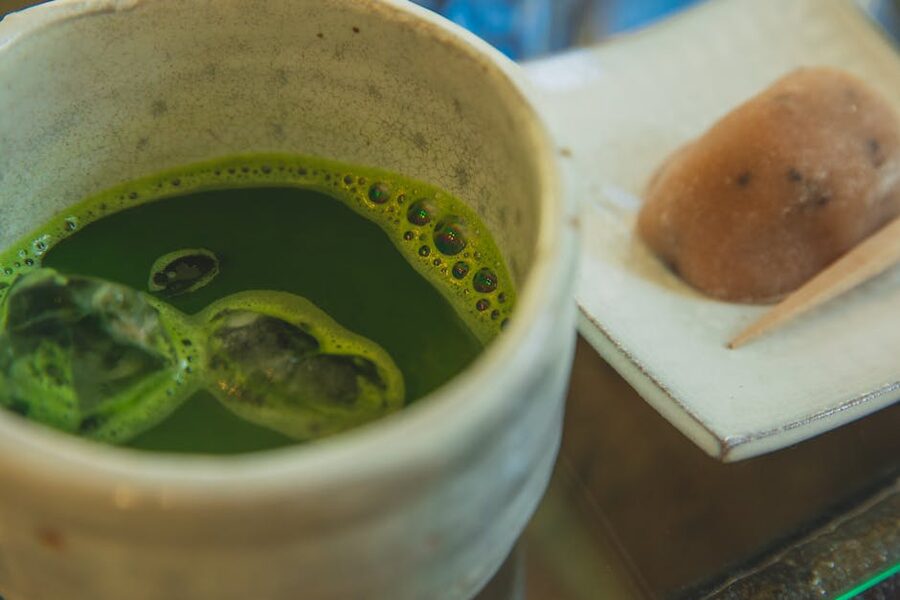
The correct motion is a rapid W-shape with your wrist, not a circular stir. Your wrist will hurt. The froth builds slowly. When it’s right, the surface looks like green milk foam — thick, uniform, holding tiny bubbles.
The Drinking
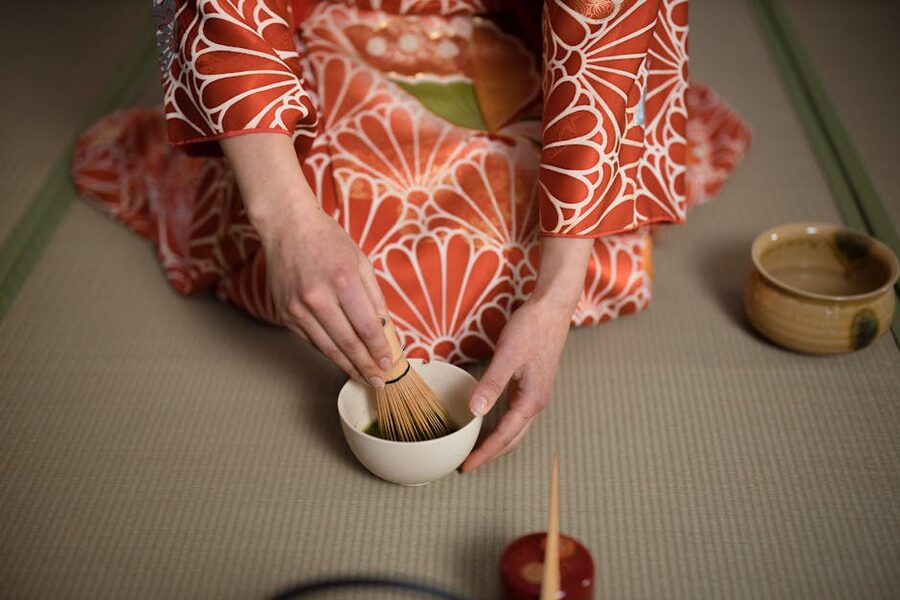
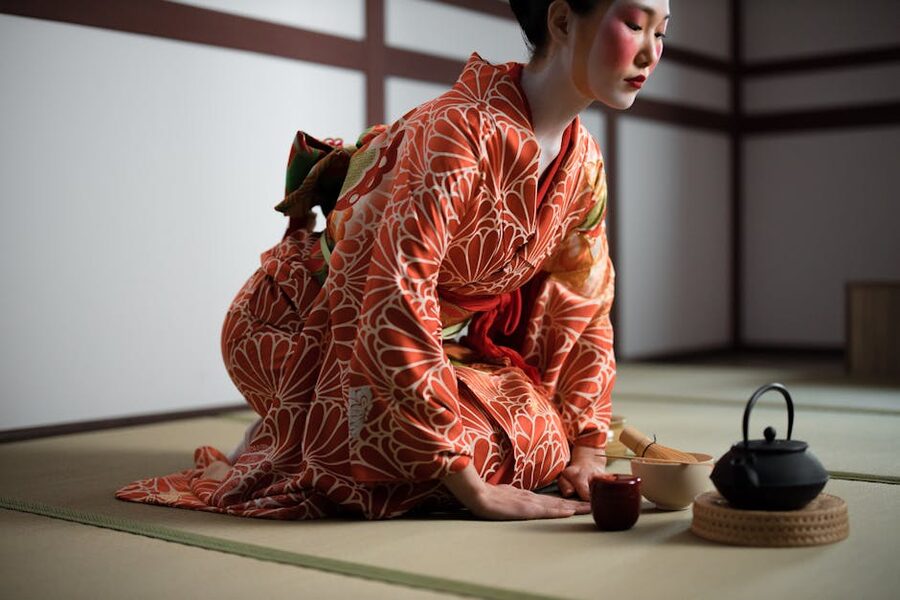
The bowl is placed in front of you. You bow. You pick it up with your right hand, rotate it clockwise twice (to avoid drinking from the “front” of the bowl — a gesture of respect), drink in three sips, and place it back down.
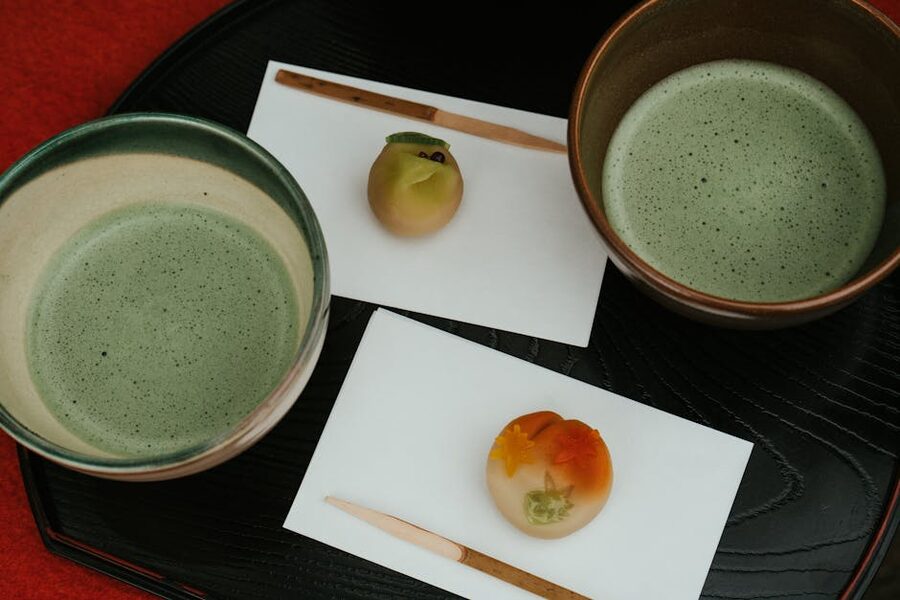
First sip is thick and earthy. Second sip is where the sweetness comes through. Third sip is the finish — long, grassy, slightly astringent. Good matcha is not bitter. If yours is, the water was too hot or it was ground too long ago.
The 3 Best Kyoto Matcha Experiences
1. Tea Museum Tickets and Matcha Grinding Experience — $23
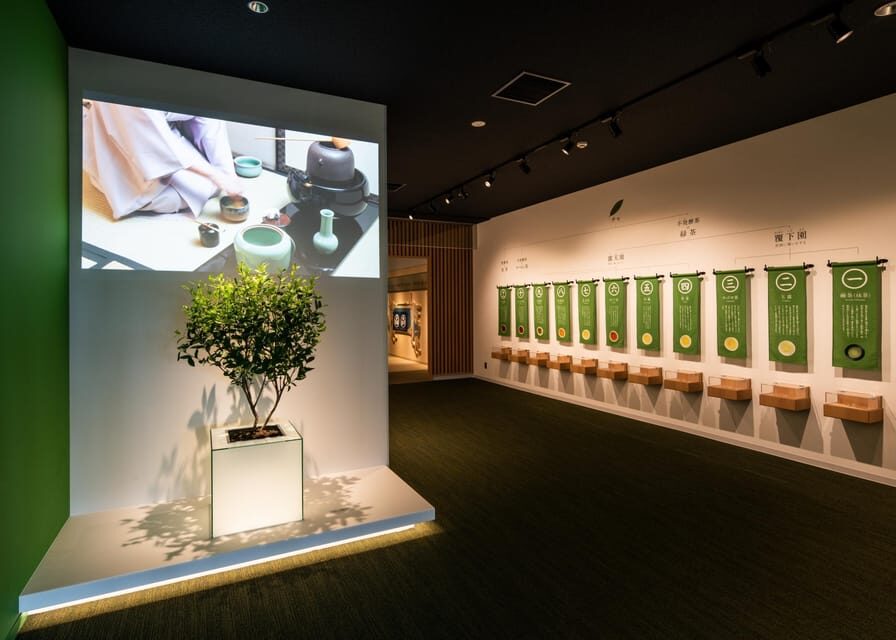
The cheapest full experience at $23 with 739 reviews. You get the stone mill grinding session plus full admission to the Chazuna Tea Museum — a dedicated tea-culture facility with tea fields, exhibits, and photogenic town views. Bethany from a recent visit said the experience was very good and loved that museum entry is included. Our full review covers the Uji trip and museum layout.
2. Table-Style Tea Ceremony at a Kyo-Machiya — $45
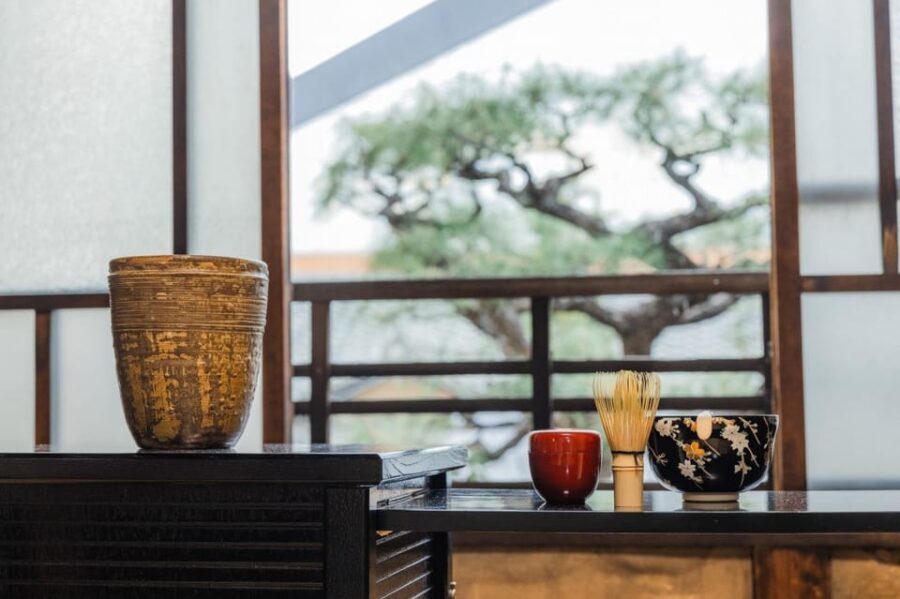
Over 1,200 reviews and a 4.9 rating — the most popular matcha experience in Kyoto. Held in a traditional Kyo-machiya (townhouse) but at normal tables and chairs. No tatami, no knee pain. Nadezhda called it the highlight of her whole Kyoto trip, praising the hosts’ patience and English. Our review explains the table-style format and why it works better for many visitors.
3. Make Your Own Matcha with a Tea Master — $45
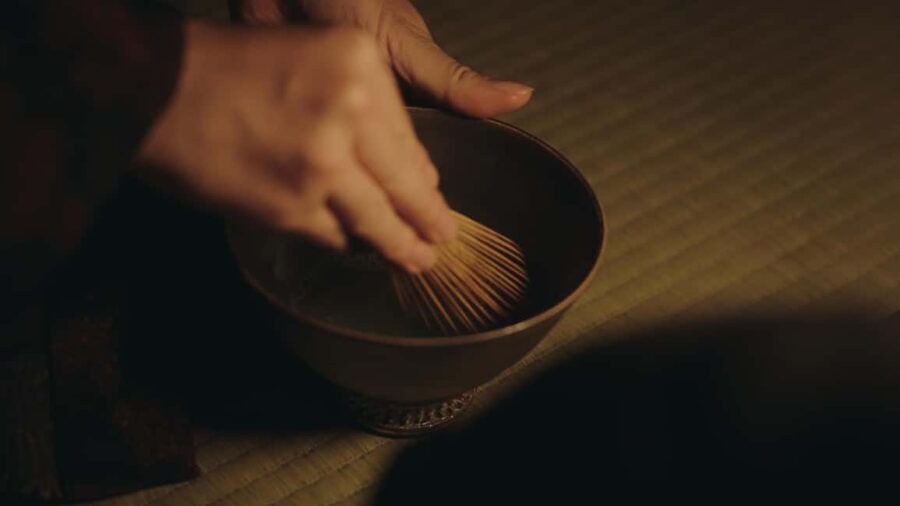
This is the one to book if you want to learn to make matcha properly at home. 406 reviews, $45, 45 minutes. Small groups, personal instruction, and you leave with enough technique to actually recreate it. Yuanbing’s review was short and enthusiastic — excellent experience and wants to come back. Our review breaks down what the tea master teaches.
800 Years of Matcha: Why Uji Exists
Matcha didn’t start as a drink. It started as medicine.
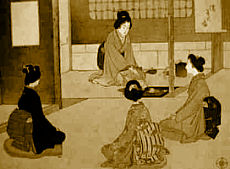
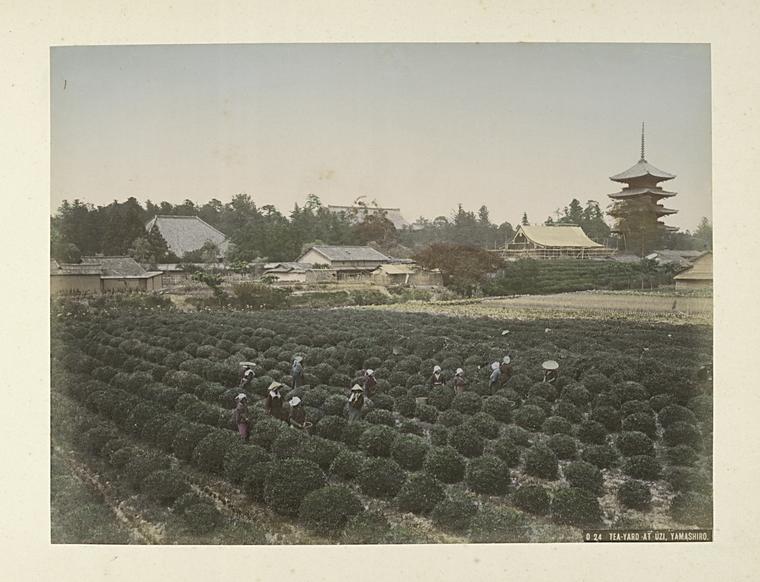
In 1191, a Japanese monk named Eisai returned from studying Buddhism in China carrying tea seeds and a book about their medicinal properties. He planted the seeds in a temple garden near Kyoto. One of his students — another monk named Myoe — took some of those seeds and planted them in a village called Uji, about 20km south of the capital.
That village became the centre of Japanese tea. It still is.
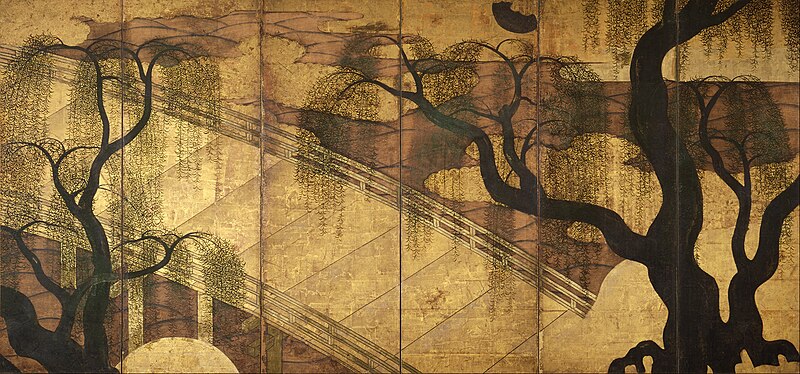
For the first couple of centuries, tea was an elite drink. Samurai, monks, and aristocrats drank it as a luxury. Then, in the 1500s, a tea master named Sen no Rikyu simplified the whole thing into a ritual called wabi-cha — rustic, simple, focused. He invented the modern tea ceremony in the process.
Rikyu’s ceremony is still the one being performed today. When you rotate the bowl twice before drinking, that’s Rikyu’s rule from 1580. When the room is tatami-floored and small enough that you have to enter on your knees, that’s Rikyu’s design. The slow pace, the silence, the wagashi before the tea — all 450 years old and all intentional.
Why this matters when you visit: The tea master teaching you the W-shaped whisk motion is doing exactly what Rikyu’s own students did in the 1580s. When they correct your wrist angle, they’re correcting a mistake that’s been getting corrected for 450 years. You’re not learning a recipe. You’re joining a relay race.
Uji vs Kyoto City: Which Experience to Book
You can do matcha in central Kyoto or take the train to Uji. Both work. They’re different experiences.
Central Kyoto (Gion, Higashiyama): 45-90 minute experiences in traditional machiya townhouses. Perfect if you’re short on time, already exploring the old city, or prefer the intimate 1-on-1 vibe. The Table-Style and Tea Master options above are both here. You can combine easily with a Gion geisha walking tour or a samurai kenbu show in the evening.
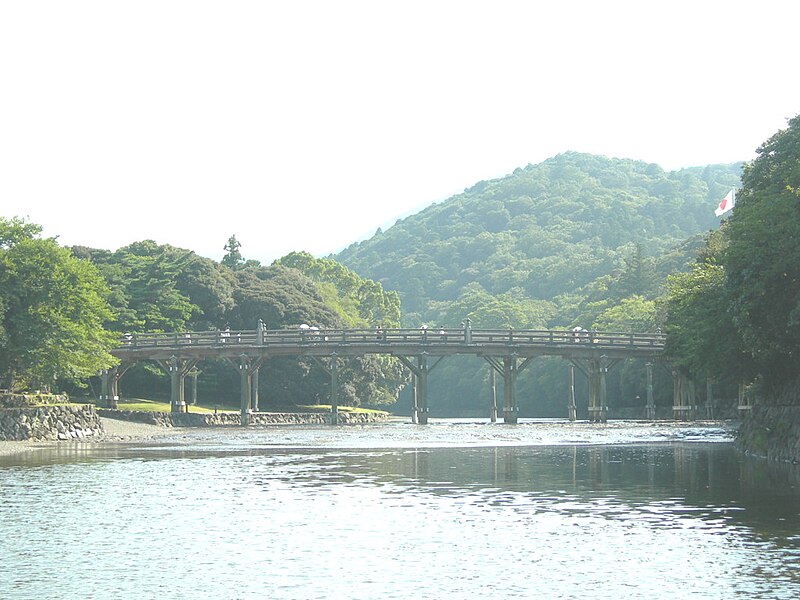
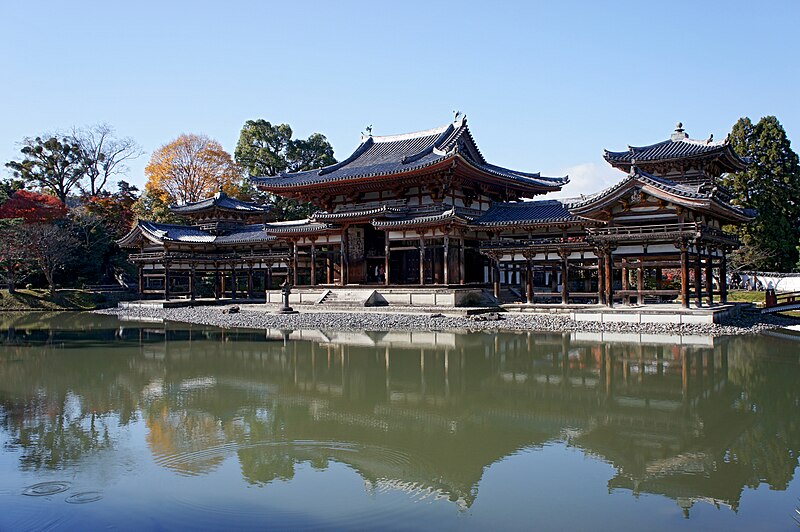
Uji (Chazuna Museum): Half-day trip 20 minutes south by train. Perfect if you want the full tea-culture immersion — fields, museum, multiple experiences. Uji also has Byodoin Temple (the building on the 10-yen coin) and some of the best matcha soft-serve ice cream in Japan. Budget half a day minimum.
Matcha Experiences vs Tea Ceremony: What’s the Difference?
Kyoto offers both, and visitors often confuse them.
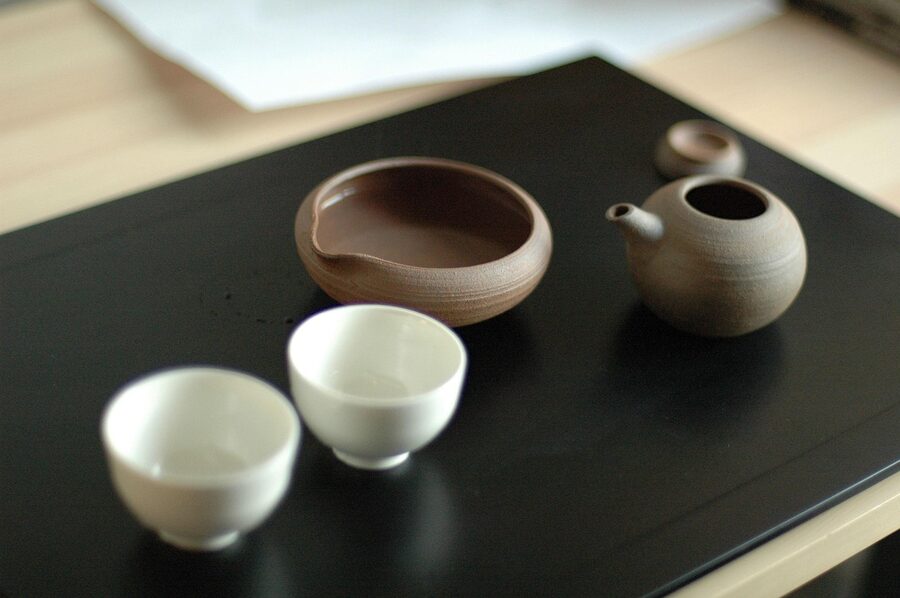
Matcha experience: Hands-on. You grind or whisk the tea yourself. Learn the technique. The focus is on doing it. Informal, friendly, 45-90 minutes. Best for curious visitors, first-timers, and anyone who likes learning by doing.
Formal tea ceremony (chanoyu): Watching. A tea master performs the full ceremony for you — every bow, every turn, every pause. The focus is on receiving. Meditative, quiet, historically accurate. Best for visitors who want to witness the ritual rather than make the tea.
If you only have time for one, book the matcha experience. If you have time for two on different days, do the matcha experience first (to learn the vocabulary) then the formal ceremony (to see it done at a master level).
Booking and Practical Tips
When to book: 2-3 days ahead for standard experiences. A week ahead for weekends in cherry blossom season (late March-early April) and autumn colour season (November).
Duration: Plan 1.5-2 hours total for in-city experiences including travel. Plan 4-5 hours for Uji (30 min train each way, 1-2 hours at the museum, 1-2 hours exploring the town).
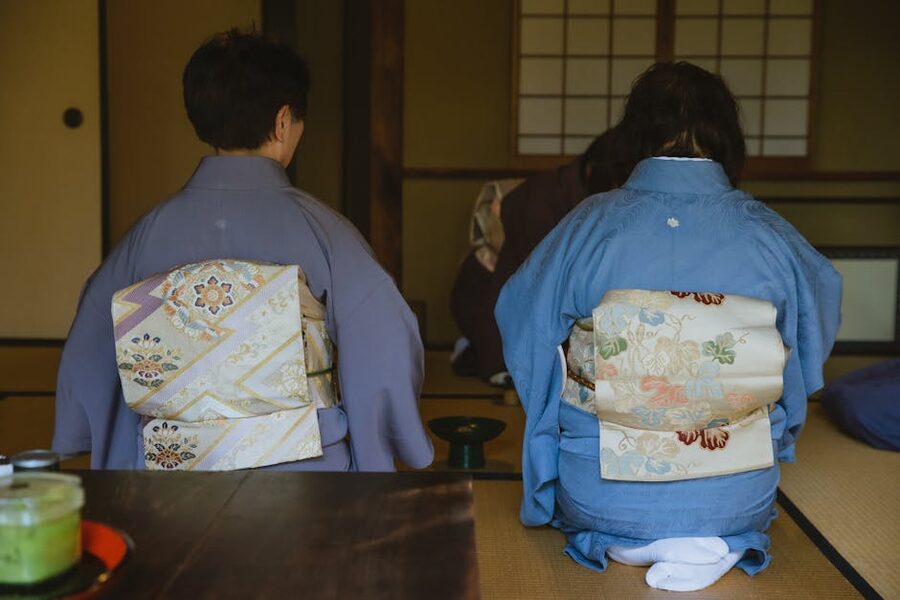
What to wear: Anything comfortable. Many experiences offer optional kimono rental — do it once for the photos. Otherwise, wear clothes you can sit cross-legged or on a chair in comfortably.
Can you take the matcha home? Most experiences sell small tins of the tea you just ground. Expect to pay 1,500-3,500 yen for 30g. It’s cheaper at the Uji tea shops a few minutes’ walk away, but the one from your class has sentimental value.
Cancellation: Most GYG-listed experiences offer free cancellation up to 24 hours before the session.
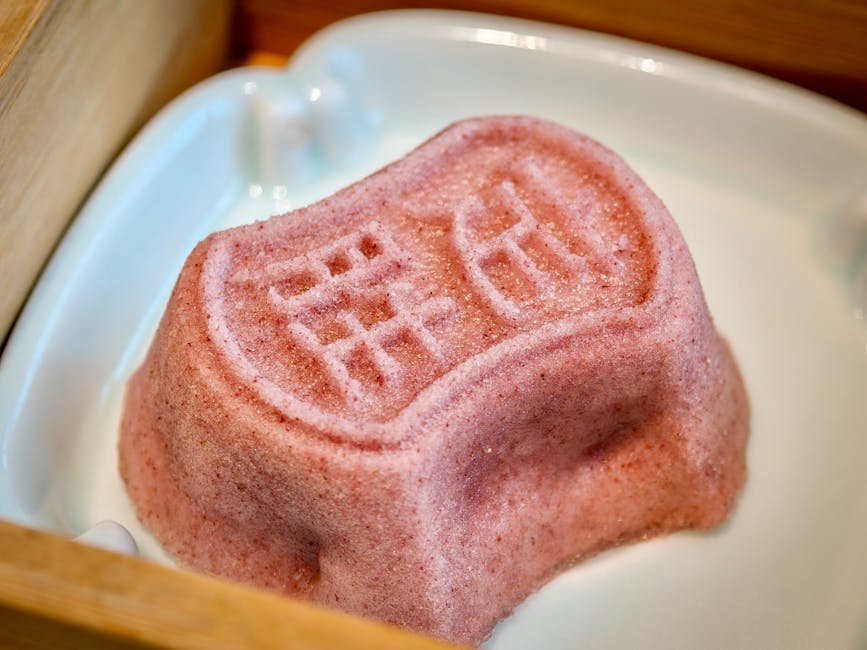
Dietary needs: Matcha is caffeinated. One bowl contains roughly the caffeine of a single espresso. If you’re sensitive, drink it before 3pm. The wagashi sweet contains sugar and sometimes red bean paste — let the host know in advance if you have allergies.
Accessibility: The table-style experiences work well for mobility issues. Traditional floor seating can be difficult for many visitors. Check specifics when booking.
A Full Kyoto Tea Day
If matcha is why you came to Kyoto, here’s how to build a full day around it.
Morning: Early train to Uji (30 min from Kyoto Station). Visit Byodoin Temple at 9am — it’s on the 10-yen coin and worth the visit before the crowds build.
Late morning: Chazuna Tea Museum matcha grinding experience (1 hour) + museum visit (1 hour).
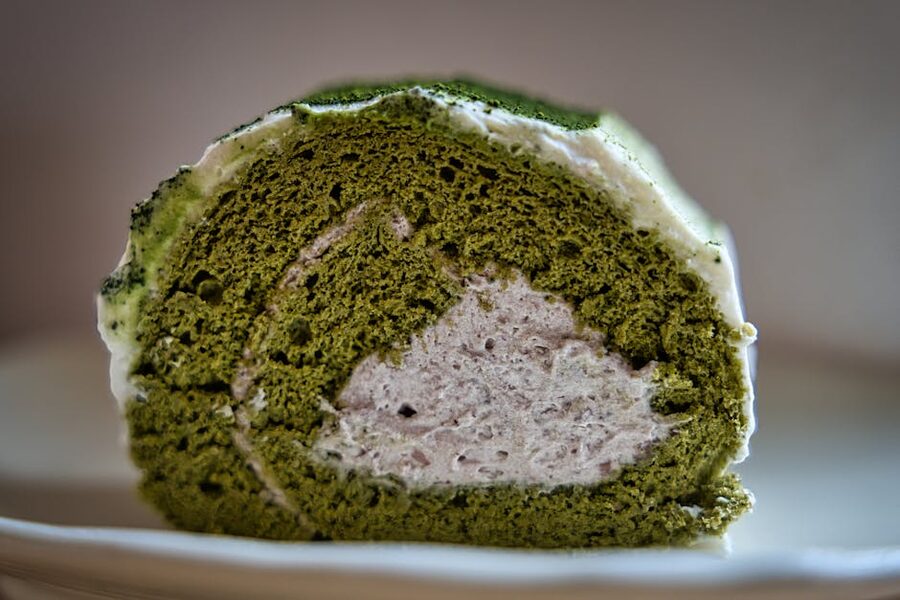
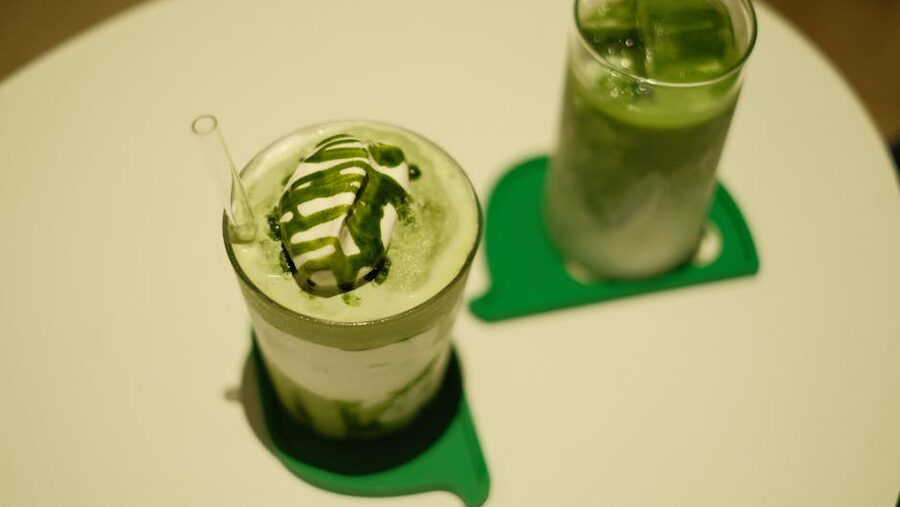
Lunch: Matcha soba noodles or matcha tempura at one of the Uji restaurants. Dessert = matcha soft-serve. It’s a tea town. Lean in.
Afternoon: Train back to Kyoto. Walk the Philosopher’s Path or visit Nijo Castle.
Evening: Back to Higashiyama for a Gion geisha walk. Dinner in Pontocho. Night food tour if you’re still hungry.
How to Get to Uji
From Kyoto Station: JR Nara Line to Uji Station (17 minutes, 240 yen one way). No need to book, just tap your IC card.
From Osaka: Keihan Main Line from Yodoyabashi to Chushojima, transfer to Keihan Uji Line, get off at Uji Station (about 1 hour total, around 500 yen).
Chazuna Museum location: 10-minute walk from JR Uji Station. Signs are in English and Japanese. Hard to miss — the building is modern and prominent.
Combine with: Byodoin Temple (5 min walk from Uji Station), the tea shopping street along Byodoin-omotesando, and the Uji River walk. Full Uji day trip = matcha museum + temple + riverside walk + matcha ice cream at sunset.
More Kyoto Experiences
Matcha is one of many doors into old Kyoto. From here, the formal tea ceremony is the natural next step — once you understand the making, go watch a master perform the ritual. Kenbu sword dance pairs well in the evening (warrior tradition meets tea tradition). The Nishiki Market food tour is where local Kyoto shops sell matcha at all grades — a good place to buy home supplies cheaper than Uji. For historical context, Nijo Castle shows you the shogun court that consumed this tea, and the Fushimi Inari hike is a 10-minute detour on your way back from Uji. Finally, if you want to work off all that matcha sugar, cycling Kyoto covers more ground than walking and takes you through tea shops hidden on the back streets.