
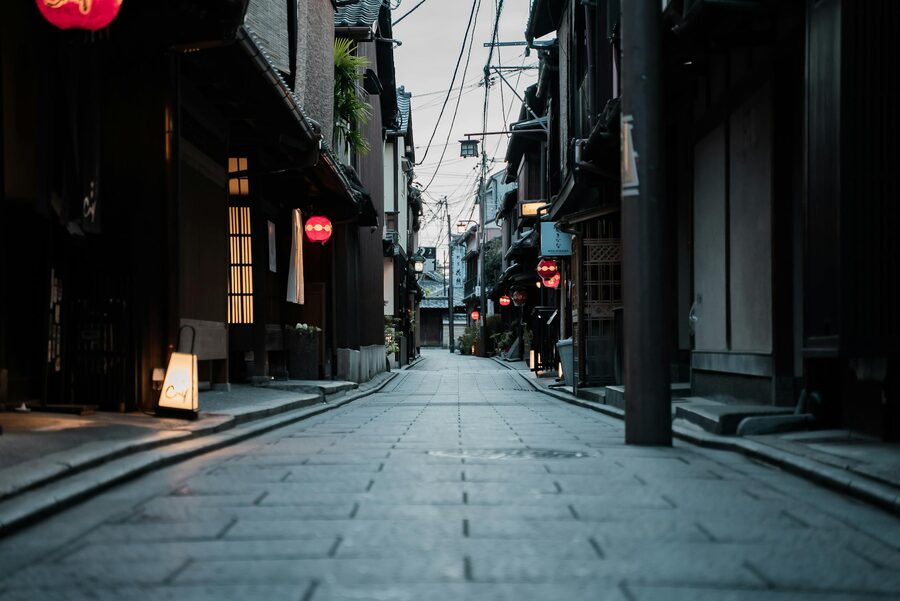
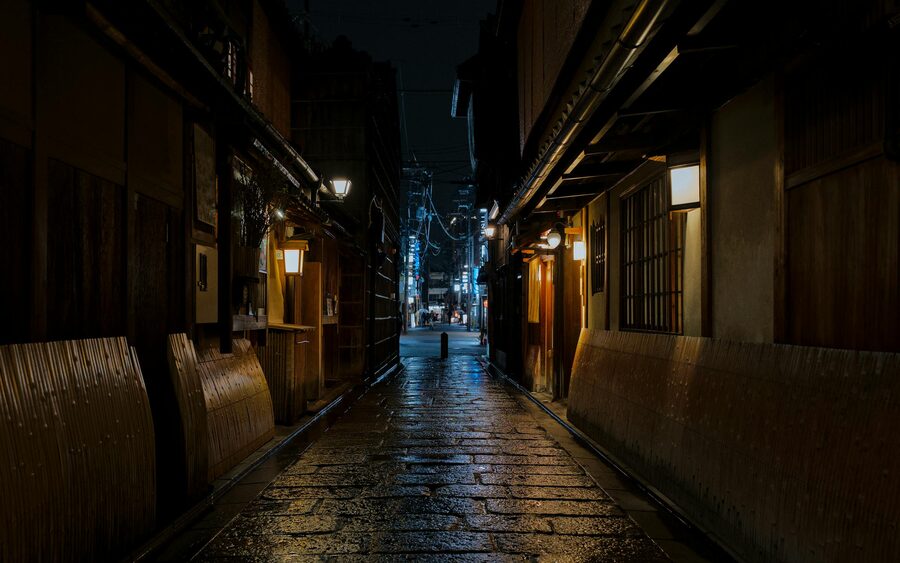
Pontocho is a single alley. One hundred and eighty metres long, barely wide enough for two people to pass without turning sideways. Both sides are lined with restaurants whose front doors are sliding screens, whose menus are handwritten on wooden boards, and whose prices are deliberately not displayed. In Kyoto, the rule is: if you have to ask the price, it’s expensive. If there’s no price at all, it’s very expensive. The night food tours take you past both types and into the ones where you won’t need a second mortgage.
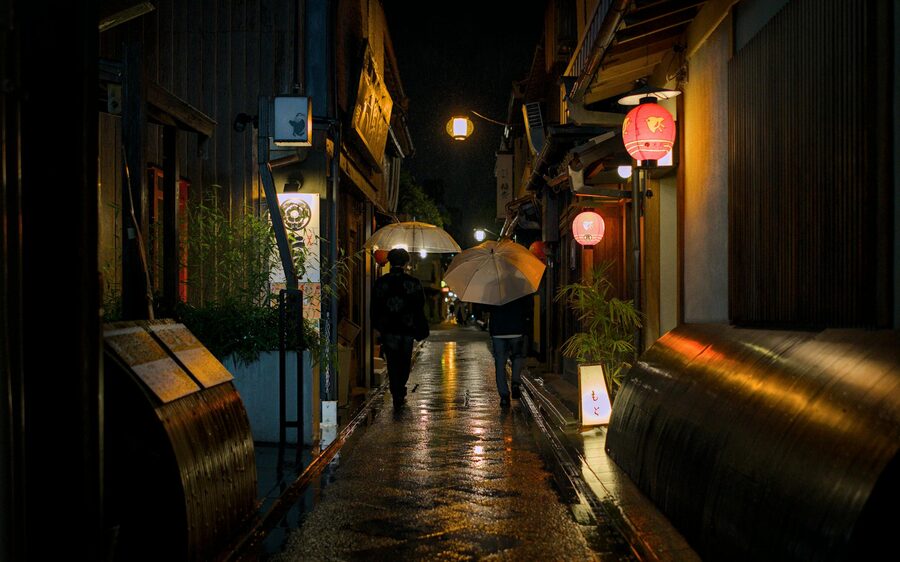
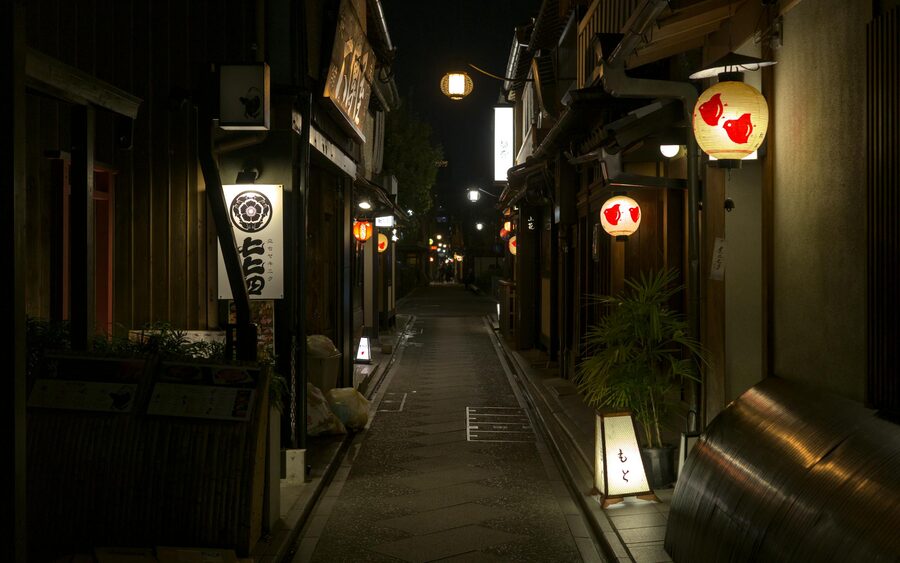
Kyoto’s food scene runs on two parallel tracks. During the day it’s temples, matcha, and tourist-friendly restaurants with English menus and plastic food displays. At night, the tourist track shuts down and the local track opens: tiny kappo counters where chefs serve 8-course meals to 6 people, standing bars in Gion where the sake selection is better than most dedicated sake bars in Tokyo, and backstreet izakayas where the yakitori is grilled over bincho-tan charcoal that costs more per kilogram than the chicken.
The night food tours bridge the gap between these two worlds. They take you into the places that require local knowledge — not because they’re hidden (they’re right there on the street), but because the language barrier, the intimidating unmarked doors, and the lack of any online presence make them invisible to travelers operating independently.
Short on time? Here are my top picks:
Best overall: Kyoto Night Foodie Tour — $163. All-inclusive: 13 dishes at 4 eateries across Pontocho and Gion. The most comprehensive Kyoto night food experience. Perfect 5.0 rating.
Best value: Kyoto Night All-Inclusive Eats & Streets — $92. Gion and beyond with multiple food stops included. Nearly half the price of Tour 1 for a comparable experience.
Premium all-inclusive: Nighttime All-Inclusive Eats & Streets, Gion and Beyond — $119. Similar to Tour 2 but through Viator with a slightly different route.
- What You’ll Eat
- Where the Tours Go
- Pontocho
- Gion
- Which Tour to Book
- 1. Kyoto Night Foodie Tour — 3
- 2. Kyoto Night All-Inclusive Eats & Streets —
- 3. Nighttime All-Inclusive Eats & Streets, Gion and Beyond — 9
- Pontocho — 400 Years of Feeding Kyoto After Dark
- Kyoto vs Osaka Food Culture — Why They’re Different
- Kyoto Food Vocabulary
- When to Go
- Practical Tips
- More Kyoto Food and Night Experiences
What You’ll Eat
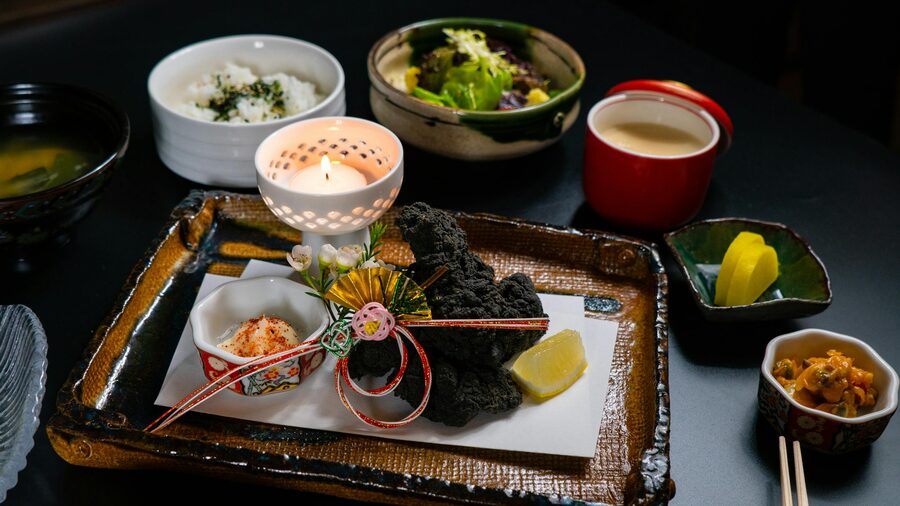
Kyoto’s food identity is distinct from Osaka’s (which is loud, fried, and proud of it) and Tokyo’s (which is diverse and expensive). Kyoto food is subtle. It’s about technique, seasonal ingredients, and presentation that borders on art. The city invented kaiseki — the multi-course Japanese fine dining tradition — and that precision filters down to even the simplest dishes.
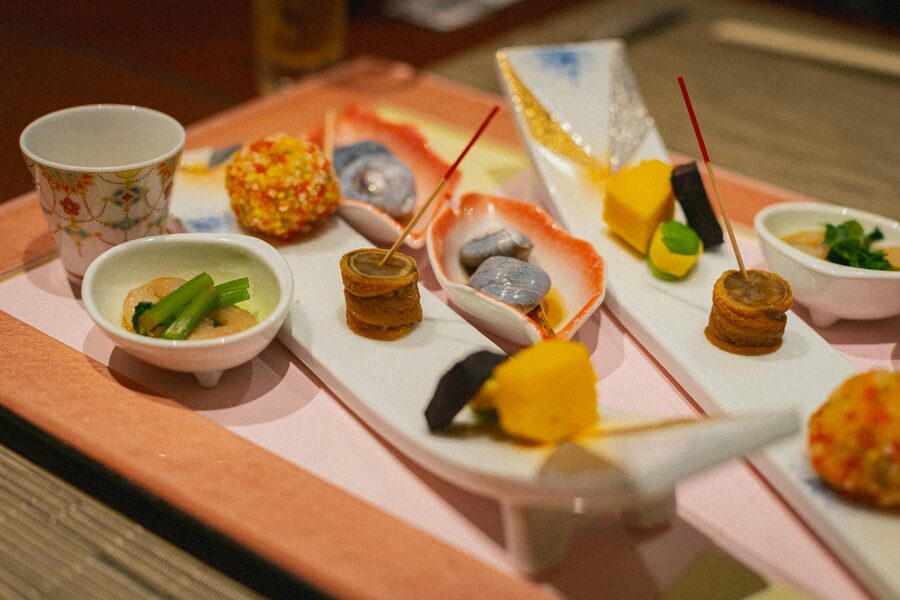
The night food tours typically include 8-13 dishes across 3-5 stops. Here’s what to expect:
Tofu. Kyoto takes tofu seriously. The city’s soft water (from mountain springs flowing through granite) produces a silkier, more delicate tofu than anywhere else in Japan. You’ll have it in at least one form — yudofu (simmered in hot broth), agedashi (deep-fried in dashi), or as part of a shojin ryori (Buddhist vegetarian) course. If you think you don’t like tofu, Kyoto tofu will change your mind. It’s a completely different product from the supermarket blocks back home.
Obanzai. Kyoto’s answer to home cooking — small seasonal dishes served at izakayas and restaurants. Think simmered vegetables in dashi, pickled daikon, grilled aubergine with miso, braised mackerel. The plates are small, the flavours are delicate, and the idea is to eat several dishes together. The night tours use obanzai restaurants as their main stops because the format works perfectly for groups — you order a spread and share.
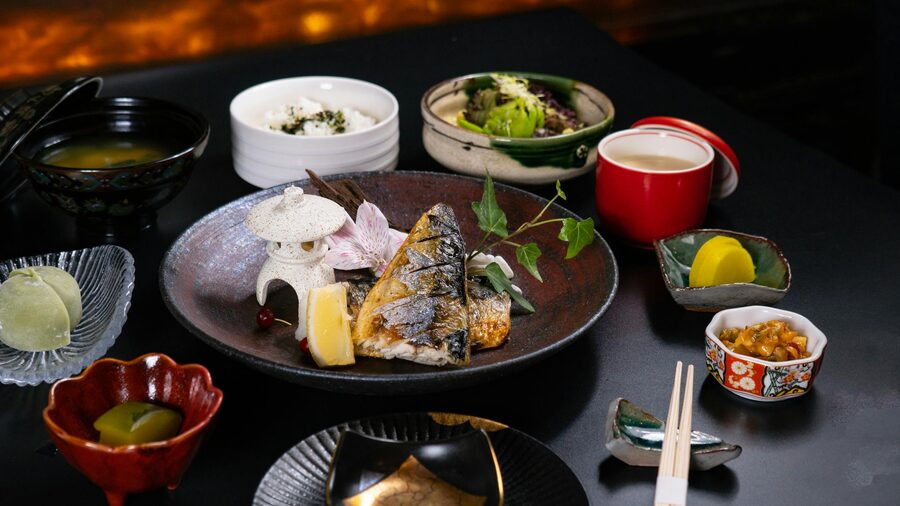
Kyoto-style yakitori and kushikatsu. Charcoal-grilled skewers are universal across Japan, but Kyoto versions tend to use local ingredients — Kyoto chicken (a specific breed with firmer texture), yuba (tofu skin), Kyoto vegetables. The charcoal is usually bincho-tan — ultra-dense white charcoal that burns hotter, cleaner, and longer than regular charcoal.
Sake. Kyoto has been brewing sake for over 1,000 years. The Fushimi district in southern Kyoto is one of Japan’s most important sake-producing regions (second only to Nada in Kobe). The night food tours include sake at every stop, usually paired with the food. Our separate Kyoto sake brewery tour guide goes deeper if you want a dedicated sake experience.
Where the Tours Go
Pontocho
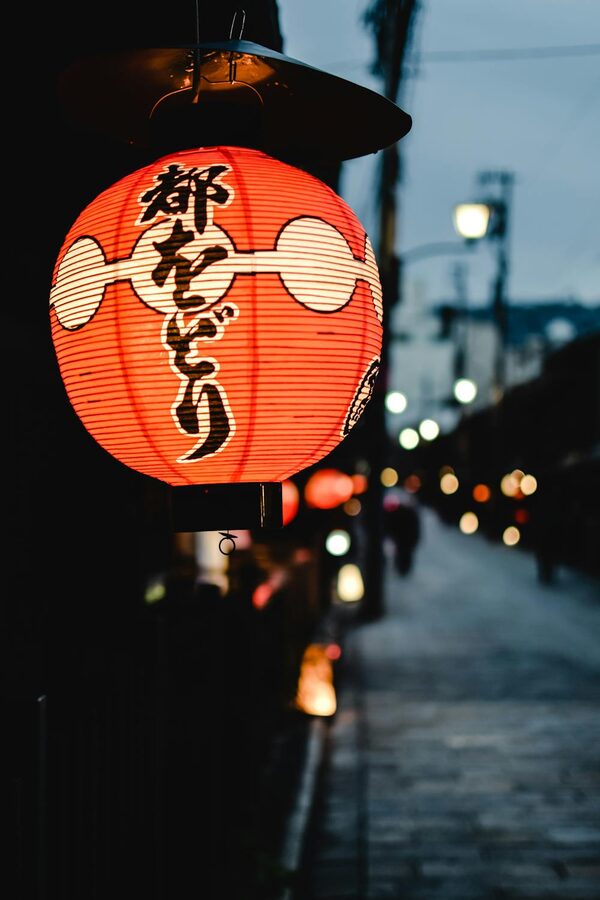
The narrow alley running from Shijo-dori to Sanjo-dori, parallel to the Kamogawa River. This is Kyoto’s most famous dining street and it’s been the city’s premier evening food destination since the 1600s when it served as the entertainment district for the nearby Gion geisha quarter.
Pontocho’s restaurants range from casual (standing bars, yakitori counters) to extremely high-end (multi-course kaiseki at 50,000 yen per person). The night food tours stick to the middle ground — quality restaurants with reasonable prices that welcome small groups.
In summer (May to September), many Pontocho restaurants extend terraces (kawayuka) over the Kamogawa River. Dining on these platforms — with the river flowing below and the Higashiyama mountains visible across the water — is one of Kyoto’s most iconic experiences. The tours sometimes include a kawayuka stop during summer months.
Gion
Kyoto’s former geisha district, now a mix of traditional teahouses, upscale restaurants, and tourist-oriented shops. The night food tours use Gion as a walking route between food stops, with the guide explaining the district’s history and architecture along the way.
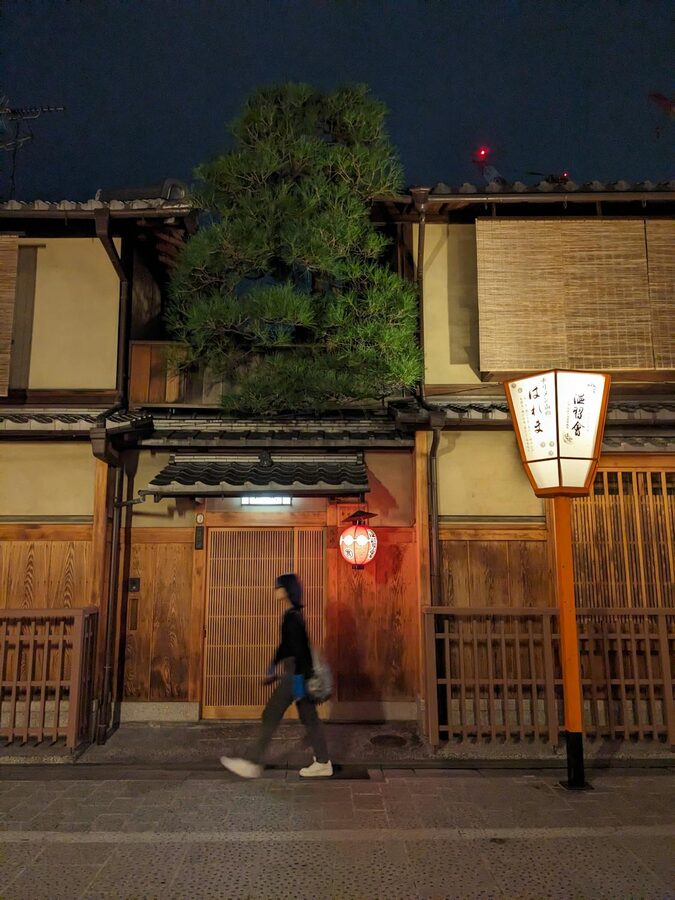
The backstreets of Gion (behind the main tourist-facing streets of Hanamikoji and Shijo) contain some of Kyoto’s most interesting small restaurants. These are the places the tours gravitate toward — off the main path, run by a single chef, seating 8-12 people, with a menu that changes daily based on what was available at the market that morning.
Which Tour to Book
1. Kyoto Night Foodie Tour — $163
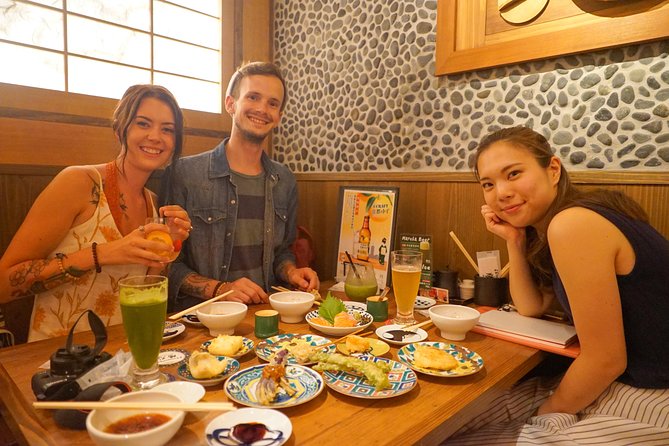
The flagship Kyoto night food experience. At $163 per person, this is all-inclusive: 13 dishes at 4 different eateries across Pontocho and Gion, plus 3 drinks (beer, sake, or soft drinks). The tour runs about 3 hours and the pace is unhurried — you eat, you walk, you learn about Kyoto’s food culture, you eat more.
The perfect 5.0 rating across 1,700+ bookings is remarkable for a food tour. The operator is Magical Trip, who also run the early morning tours — they clearly know Kyoto inside out. Our review covers the typical food stops. The dish count (13) means you’re getting substantial portions — this replaces dinner, not supplements it.
The price is the highest of the three options but the value is defensible. Try ordering 13 dishes and 3 drinks at 4 Pontocho restaurants on your own without a reservation or Japanese language skills and see what happens. (Hint: you’ll eat at the places with English menus and pay tourist prices.)
2. Kyoto Night All-Inclusive Eats & Streets — $92
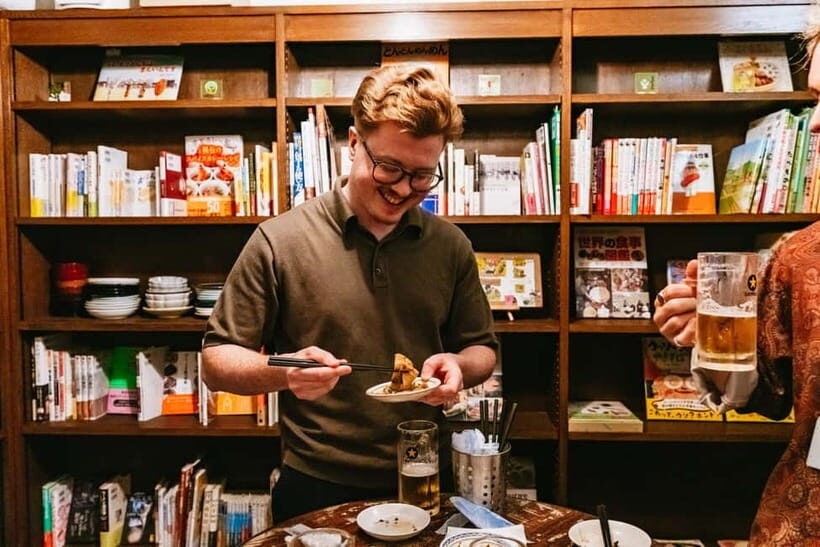
The best value option. At $92 per person, this covers Gion and surrounding areas with multiple all-inclusive food stops. The format is similar to Tour 1 — guided walk with food and drinks at each stop — but the route goes “beyond Gion” into areas that Tour 1 doesn’t cover.
The 4.7 rating is slightly lower than Tour 1’s perfect 5.0, but at nearly half the price, the value equation works differently. Our review compares the food quality between the two options. If you’re watching your budget but want the guided night food experience, this is the pick.
3. Nighttime All-Inclusive Eats & Streets, Gion and Beyond — $119
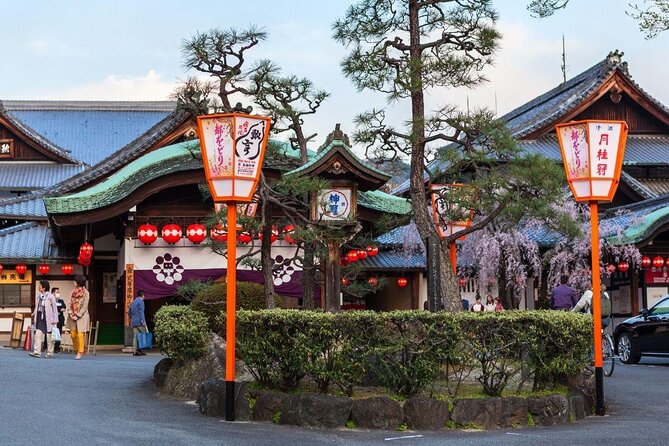
The middle ground at $119 per person. Same concept as Tour 2 — all-inclusive food and drinks during a guided Gion walk — but through Viator with a slightly different operator and route. Our review has the details on how this differs from Tour 2. Choose between this and Tour 2 based on availability and departure time — the experiences are comparable.
Pontocho — 400 Years of Feeding Kyoto After Dark
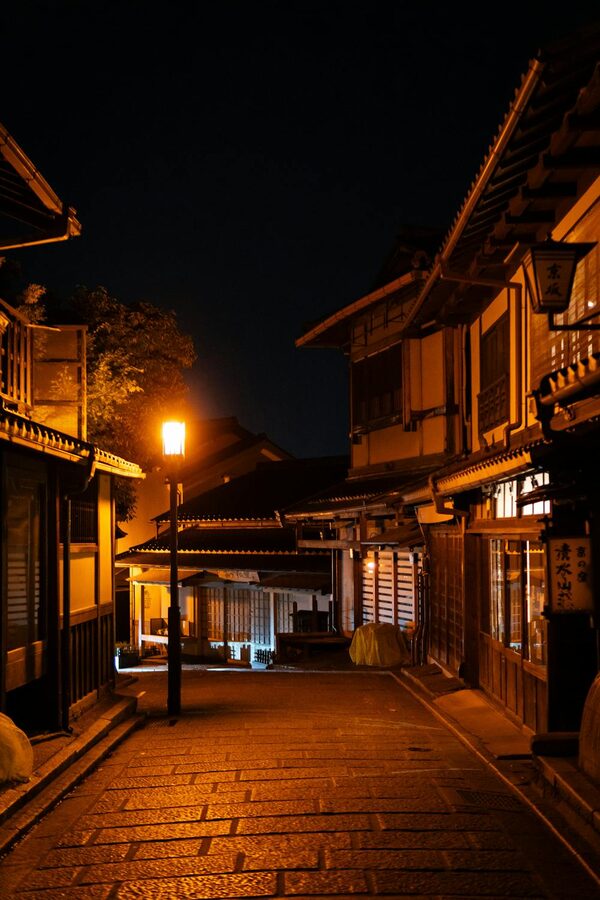
Pontocho was established in 1670 as one of Kyoto’s five official geisha districts (hanamachi). While Gion was the most prestigious, Pontocho developed its own identity — slightly less formal, more food-focused, and more accessible to the merchant class. The restaurants that line the alley today evolved from the teahouses and restaurants that served geisha clients during the Edo period.
The alley’s relationship with the Kamogawa River shaped its character. Restaurants on the east side of Pontocho back directly onto the river, and the tradition of building terraces over the water (kawayuka) began in the 1600s when merchants discovered they could charge premium prices for the riverside views and the cooling breeze. The tradition continues — every summer, the riverside terraces are assembled and the prices go up accordingly.
What survived was not the buildings themselves (fire and earthquakes took most of the originals) but the culture of the alley: the narrow width that forces intimacy between customer and chef, the custom of handwritten menus, the expectation that the food changes with the seasons, and the unspoken hierarchy where the best restaurants don’t need to advertise because everyone who matters already knows they exist.
The night food tours are an equaliser. They get you past the unmarked doors and the Japanese-only menus into restaurants where the food is excellent and the experience is genuinely Kyoto — not the sanitised tourist version but the real thing.
Kyoto vs Osaka Food Culture — Why They’re Different
Kyoto and Osaka are 30 minutes apart by train but their food philosophies could not be more different. Understanding why helps you appreciate what you’re eating on the Kyoto night food tour.
Osaka’s food motto is kuidaore — “eat until you drop.” Osaka food is bold, heavy, fried, and designed to fill you up cheaply. Takoyaki, okonomiyaki, kushikatsu — these are street foods built for volume and flavour. Osaka is proud of being the working-class food capital. Portions are big. Prices are low. Subtlety is optional.
Kyoto’s food motto is ichigo ichie — “one time, one meeting.” Every meal is treated as a unique, unrepeatable event. The same restaurant serves different dishes in spring than in autumn because different ingredients are in season. The chef selects the plates based on the meal. The sake is paired, not just poured. Nothing is accidental.
This philosophical difference shows up in every detail. An Osaka takoyaki stall sells the same takoyaki all year round — it’s perfected. A Kyoto obanzai restaurant changes its entire menu monthly because the seasons demand it. Neither approach is better. But the Kyoto approach is more expensive to produce and more interesting to eat — which is why a Kyoto night food tour costs more than an Osaka backstreet tour and delivers a completely different experience.
The tours handle this well. They explain the differences, they show you the seasonal dishes, and they translate the handwritten menus that even Japanese visitors from other regions can’t always read (Kyoto’s culinary vocabulary includes terms specific to the city that aren’t used elsewhere).
Kyoto Food Vocabulary
Knowing a few terms before your food tour makes the experience richer and impresses the guides:
Kaiseki (懐石/会席): Multi-course Japanese cuisine. Literally “breast stone” — monks in Zen temples tucked warm stones against their stomachs to stave off hunger, and the food tradition evolved from the simple meals served before tea ceremonies. Two kanji spellings exist: 懐石 (tea ceremony kaiseki, lighter) and 会席 (banquet kaiseki, more elaborate). The night tours typically serve a condensed version of the banquet style.
Obanzai (おばんざい): Kyoto’s home-style cooking. Small, seasonal side dishes — pickled vegetables, simmered roots, grilled fish. Not fancy. The opposite of fancy. But executed with the same precision as kaiseki. Think of obanzai as kaiseki’s humble but equally talented sibling.
Yudofu (湯豆腐): Simmered tofu — Kyoto’s most famous single dish. Sounds boring. Tastes transcendent. The tofu is made fresh from local soybeans and Kyoto’s famously soft water. It is served in kombu dashi broth with a dipping sauce. The simplicity is the point. If the tofu isn’t good enough to eat with almost nothing on it, it isn’t Kyoto tofu.
Tsukemono (漬物): Pickled vegetables. Kyoto’s pickle tradition is among Japan’s oldest — the city has pickle shops that have been operating for over 300 years. Shibazuke (pickled in red shiso leaf) is Kyoto’s signature pickle and appears on practically every dinner table in the city.
Matcha (抹茶): You know this one. But in Kyoto, matcha isn’t just a drink — it’s an ingredient. Matcha soba, matcha ice cream, matcha tofu, matcha salt on tempura. The Uji region south of Kyoto produces some of the highest-grade matcha in the world. The night food tours sometimes include a matcha course as a palate cleanser between dishes.
When to Go
Autumn (October-November) is peak food season. The Japanese culinary calendar peaks in autumn when matsutake mushrooms, Pacific saury (sanma), chestnuts, and persimmons are in season. Kyoto’s obanzai restaurants go into overdrive with autumn menus. If you can time your Kyoto visit for late October or November, the food alone justifies the trip.
Spring (March-May) is the second-best season. Bamboo shoots, sakura shrimp, fresh sansho pepper, and young vegetables dominate menus. The cherry blossom backdrop doesn’t hurt either.
Summer (June-August) has its own appeal. Kawayuka riverside dining in Pontocho is a summer-only experience. The food shifts to cold dishes — hiyashi somen (cold noodles), hamo (dagger-tooth pike conger, a summer speciality), and cold tofu. The heat and humidity are brutal but the evening cooling along the Kamogawa River helps.
Winter (December-February) is kaiseki season. Rich, warm courses with yuzu citrus, root vegetables, and crab. Fewer travelers, better availability, and a cosiness to dining in small, lantern-lit restaurants when it’s cold outside.
Practical Tips
Tours start at 5-6pm. Kyoto’s food scene peaks between 6-9pm. Earlier tours catch the sunset transition, later tours start in full darkness. Both work — the atmosphere is different but equally good.
Come hungry. The all-inclusive tours serve 8-13 dishes across 3-5 stops. This is your dinner, not a supplement. Skip lunch or eat light if you’re doing an evening food tour. You want stomach capacity, not pre-existing fullness.
Dietary restrictions need advance notice. Kyoto’s cuisine relies heavily on dashi (fish-based broth), so vegetarian and vegan options require advance communication with the tour operator. Most tours can accommodate restrictions if given 48+ hours’ notice but the day-of options are limited.
Wear shoes you can slip on and off easily. Several restaurants require removing shoes at the entrance (traditional tatami-mat seating). Shoes with laces mean spending 30 seconds at every doorway. Slip-ons are the local move.
The tours work best as a cultural experience, not just a meal. If you’re only interested in eating, Pontocho is walkable and many restaurants welcome walk-ins. The value of the tour is the guide — the explanations of what you’re eating, why it’s prepared that way, and the Kyoto food culture context that turns dishes into stories.
Book 3-5 days ahead during peak season. Cherry blossom (late March to mid April) and autumn foliage (mid November to early December) fill up fast. During these periods, both tour spots and restaurant seats are limited.
More Kyoto Food and Night Experiences
If the night food tour sparks your interest in Kyoto’s culinary side, our Kyoto sake brewery tour guide covers dedicated sake experiences including distillery visits. The tea ceremony guide is the other side of Kyoto’s food culture — the meditative, structured tradition that influenced kaiseki dining.
For nighttime Kyoto beyond food, the Gion geisha district walking tour covers the area from a cultural and historical angle rather than a food angle — pairs perfectly with a food tour on a different evening. And if you’re doing the early morning temple tour, the combination of morning temples and evening food tour gives you the two best Kyoto experiences in a single day.