
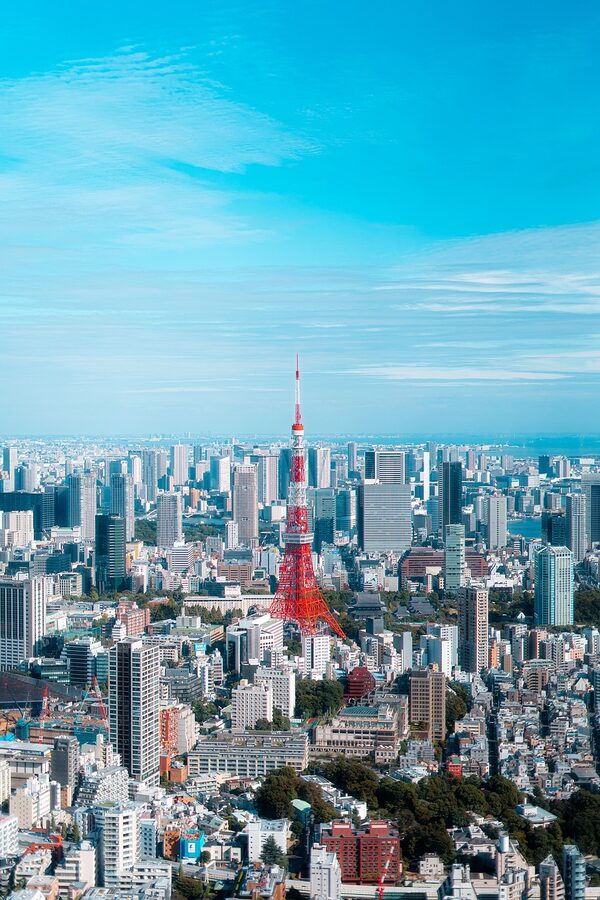
There’s a moment on the observation deck where you stop looking at the view and start looking at the tower itself. The red steel lattice runs past the window at angles that shouldn’t be structurally possible, and you realise you’re standing inside a 333-metre Eiffel Tower replica that was built in 1958 by a country that had been firebombed flat 13 years earlier. Japan didn’t just rebuild after the war. It built things taller than the Eiffel Tower.
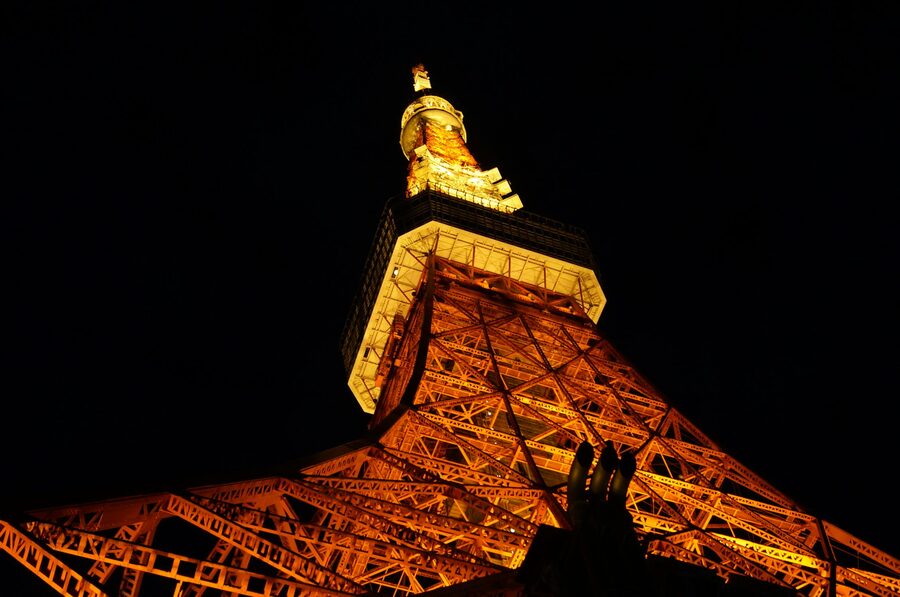
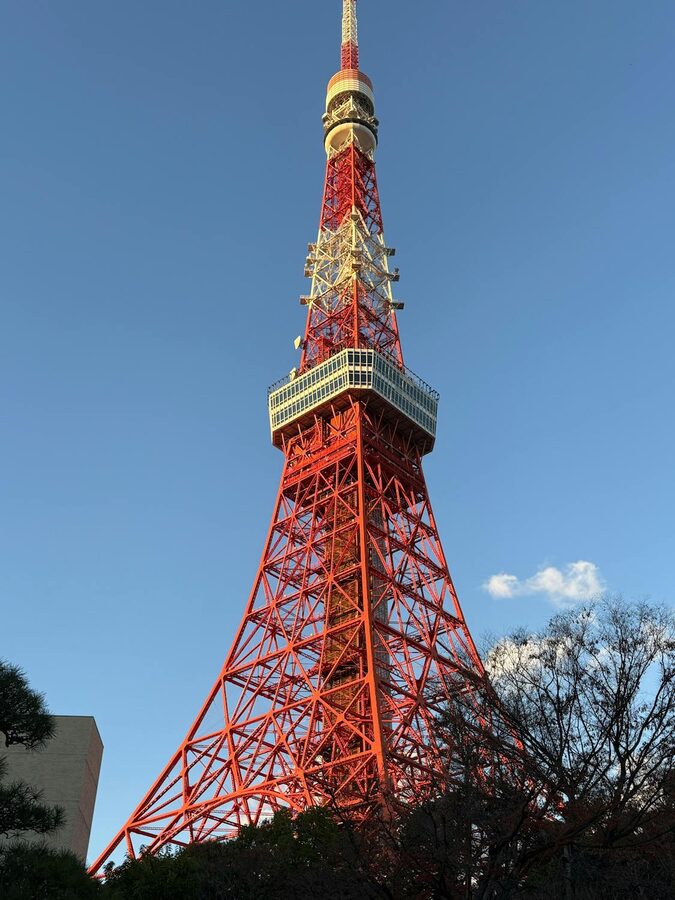
Tokyo Tower is not the tallest structure in Tokyo anymore — Skytree took that title in 2012 at 634 metres. But Tower still gets more love. It’s warmer, more personal, more photogenic. Skytree is a technical achievement. Tokyo Tower is a personality.
This guide covers how to book tickets, what each observation level offers, how it compares to Skytree, and whether the RED digital amusement park inside is worth adding.
Short on time? Here are my top picks:
Main observation deck: Tokyo Tower Admission Ticket — $9. Access to the Main Deck at 150 metres. The best value observation deck in Tokyo by a wide margin.
Digital experience: RED Tokyo Tower Digital Amusement Park — $23. Interactive digital art exhibits on multiple floors. Different from the observation deck — this is ground-level entertainment.
- What You Get at Each Level
- Main Deck (150 metres) —
- Top Deck Tour (250 metres) —
- RED Tokyo Tower (Ground Level) —
- Which Ticket to Book
- 1. Tokyo Tower Main Deck Admission —
- 2. RED Tokyo Tower Digital Amusement Park —
- Tokyo Tower — Built to Outdo the Eiffel Tower
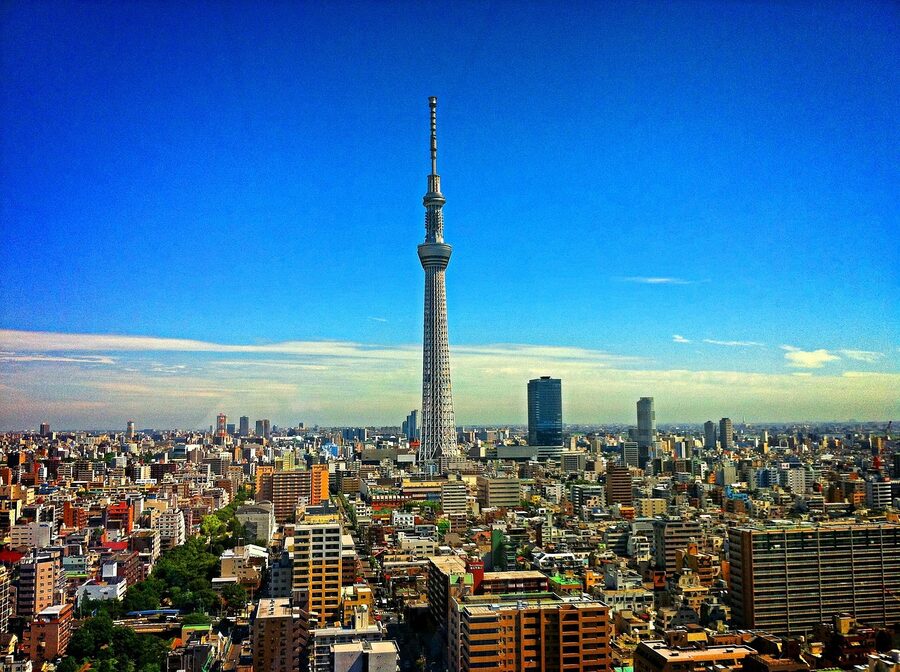
- Tokyo Tower vs Tokyo Skytree — Which to Visit
- What You’ll See From the Main Deck
- Tokyo Tower in Japanese Culture
- Special Lighting Events
- The Neighbourhood — Shiba-koen and Zojoji
- Practical Tips
- Getting to Tokyo Tower
- Combining Tokyo Tower With Other Activities
What You Get at Each Level
Tokyo Tower has two observation levels and a separate digital entertainment complex.
Main Deck (150 metres) — $9
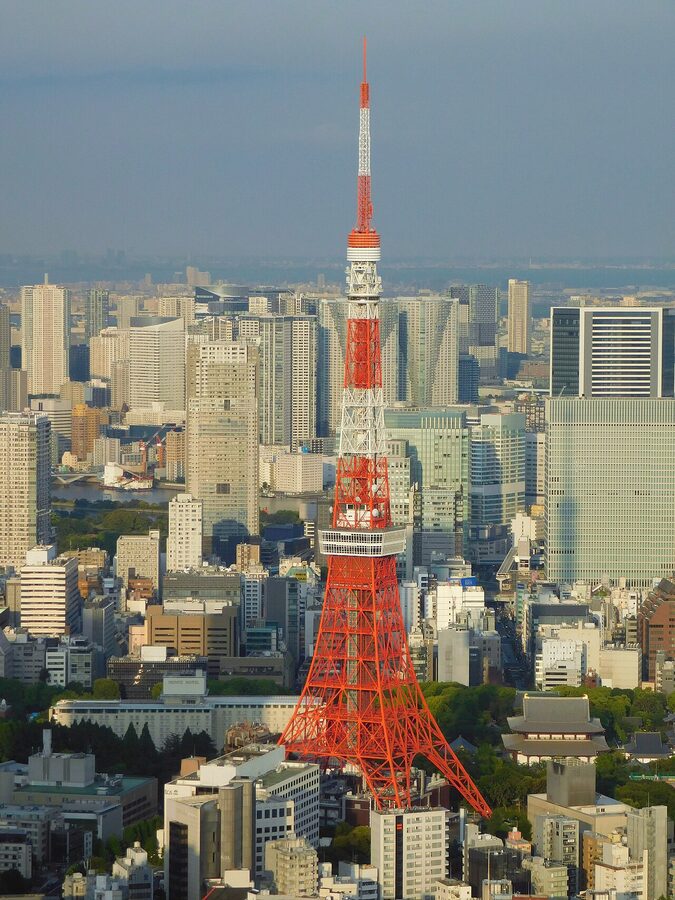
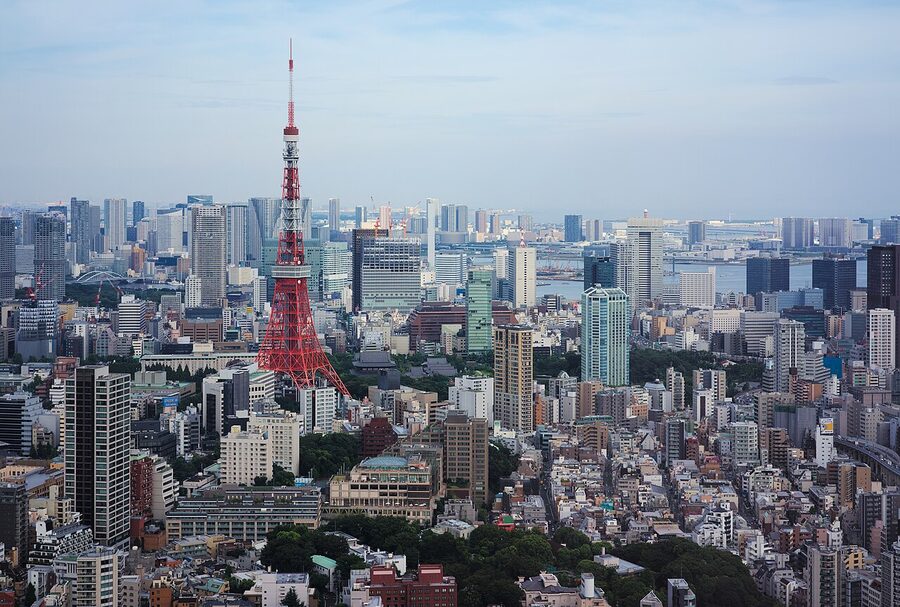
This is the standard admission and frankly the only one most visitors need. At 150 metres, the Main Deck gives you a 360-degree view of Tokyo through floor-to-ceiling windows. On clear days you can see Mount Fuji to the west (roughly 100 kilometres away). On every day you can see the sprawl of the city extending to the horizon in every direction.
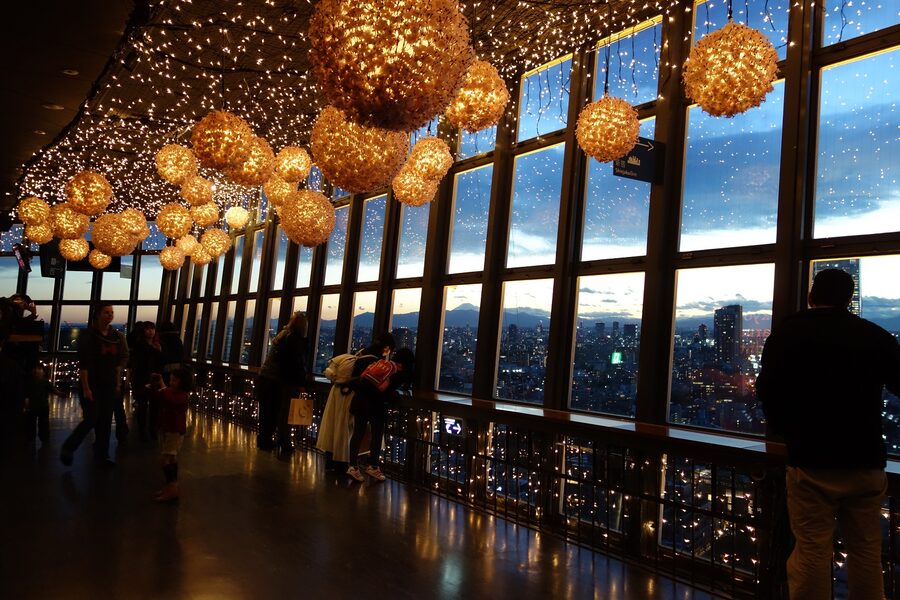
At $9 per person, this is absurdly cheap for a major Tokyo observation deck. The Skytree Tembo Deck costs $18. The Shibuya Sky costs $20. The Mori Tower observation deck costs $18. Tokyo Tower’s Main Deck gives you comparable views at half the price — the height difference (150m vs 350m for Skytree) matters less than you’d think because at 150m you’re already above every building in the surrounding area.
Top Deck Tour (250 metres) — $24
The Top Deck adds another 100 metres of elevation and is accessed via a separate guided tour (not included in the basic $9 ticket). At 250 metres, the views are noticeably wider — you see more of Tokyo Bay, more of the western mountains, and the city below looks flatter and more abstract.
The Top Deck tour runs at scheduled intervals and includes a multimedia presentation about Tokyo Tower’s history on the way up. Is it worth the extra $15? For most visitors, no. The Main Deck view is already exceptional and the Top Deck doesn’t add enough to justify tripling the price. Exception: if you’re a photographer chasing specific shots (Tokyo Bay at sunset, Fuji at dawn), the extra height and slightly less crowded space help.
RED Tokyo Tower (Ground Level) — $23
RED is a digital amusement park occupying several floors at the base of Tokyo Tower. Opened in 2022, it’s a collection of interactive digital art installations, VR experiences, and game-style attractions. Think teamLab but smaller, louder, and more game-oriented.
At $23 per person, it’s a reasonable price for 1-2 hours of entertainment but the reviews are mixed (4.1 rating — lower than most activities we recommend). The main complaints: some exhibits feel dated, the space is smaller than expected, and it’s crowded on weekends. The positives: kids love it, the digital effects are genuinely impressive in places, and it’s air-conditioned (relevant in summer).
RED is completely separate from the observation deck — you need separate tickets for each. If you’re choosing between the two, the observation deck wins for most visitors. If you have kids or you’ve already done the observation deck, RED is a decent rainy-day option.
Which Ticket to Book
1. Tokyo Tower Main Deck Admission — $9
The recommendation for 90% of visitors. At $9 per person, it’s the cheapest major observation deck in Tokyo and the view is excellent. The Main Deck at 150 metres puts you above the surrounding skyline with clear views of Tokyo Bay, the Minato ward skyscrapers, and (on clear days) Mount Fuji.
The pre-booked ticket through GetYourGuide gives you a timed entry slot, which means no queuing at the ticket counter. This matters during peak hours (sunset time is especially busy — everyone wants the day-to-night transition). Our review covers the best times to visit for photos and crowds.
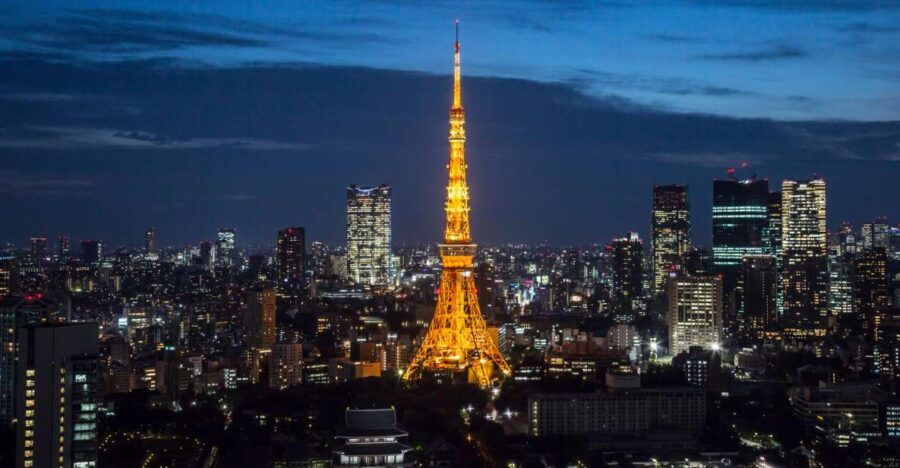
Pro tip: visit at sunset. Arrive 30-40 minutes before and watch the city transition from daylight to city lights. The neon coming on across Tokyo while Fuji’s silhouette disappears into the dusk is genuinely one of the best free shows in the city — well, $9 shows.
2. RED Tokyo Tower Digital Amusement Park — $23
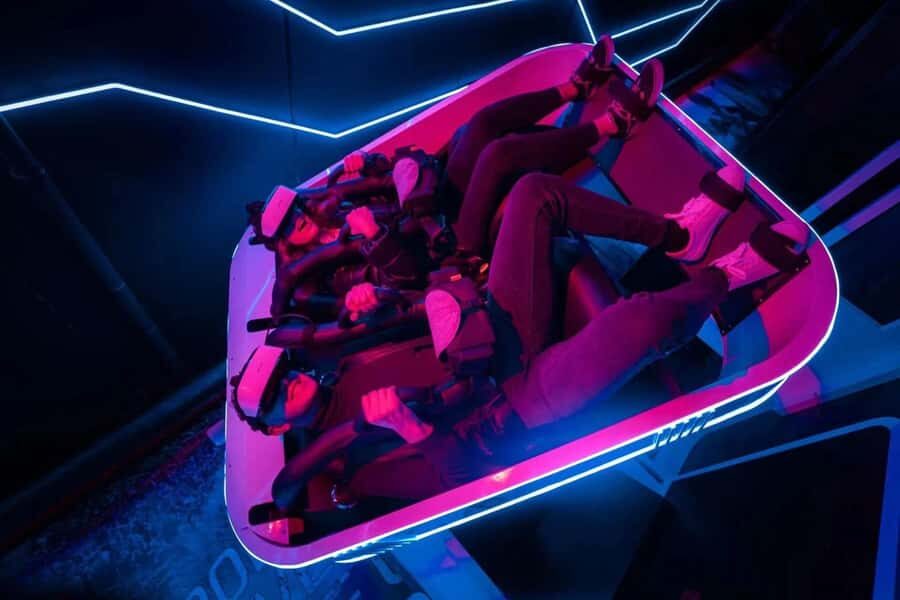
A different kind of Tokyo Tower experience. RED is a ground-level digital entertainment complex with interactive exhibits, VR attractions, and game-style installations across multiple floors. At $23 per person, it’s decent value for 1-2 hours of entertainment, though the mixed reviews (4.1 rating) suggest the experience varies.
The best attractions: a large-scale digital art room that responds to movement (similar to teamLab but smaller), a VR racing experience, and several competitive game stations. The weakest: some installations feel like upgraded arcade games rather than premium digital art. Our review has the full breakdown of what’s inside.
Consider combining both tickets: observation deck at sunset ($9), then RED for the evening ($23). Total $32 for 3-4 hours of entertainment at one of Tokyo’s most iconic landmarks.
Tokyo Tower — Built to Outdo the Eiffel Tower
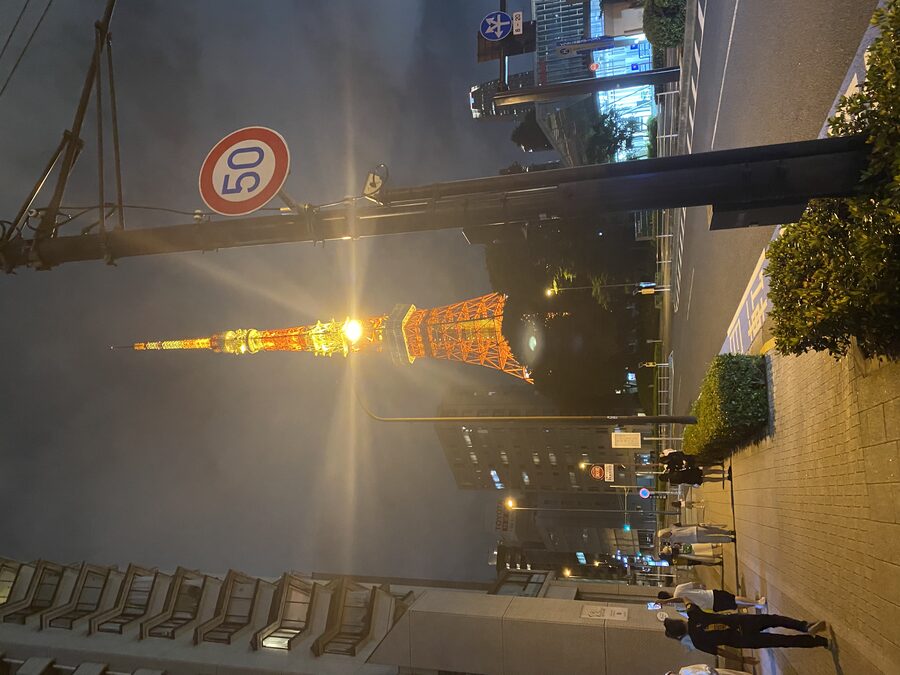
The story of Tokyo Tower is really the story of Japan’s post-war recovery. By the mid-1950s, Tokyo had multiple TV and radio broadcasters, each with their own transmission tower cluttering the skyline. The solution: one massive tower that could broadcast for all of them.
Construction started in 1957 and took 15 months. The tower used 4,000 tonnes of steel — some of it recycled from American tanks left over from the Korean War (a detail that the Japanese found satisfyingly ironic). It was designed to withstand earthquakes and typhoons, and in 67 years it has survived both without structural damage.
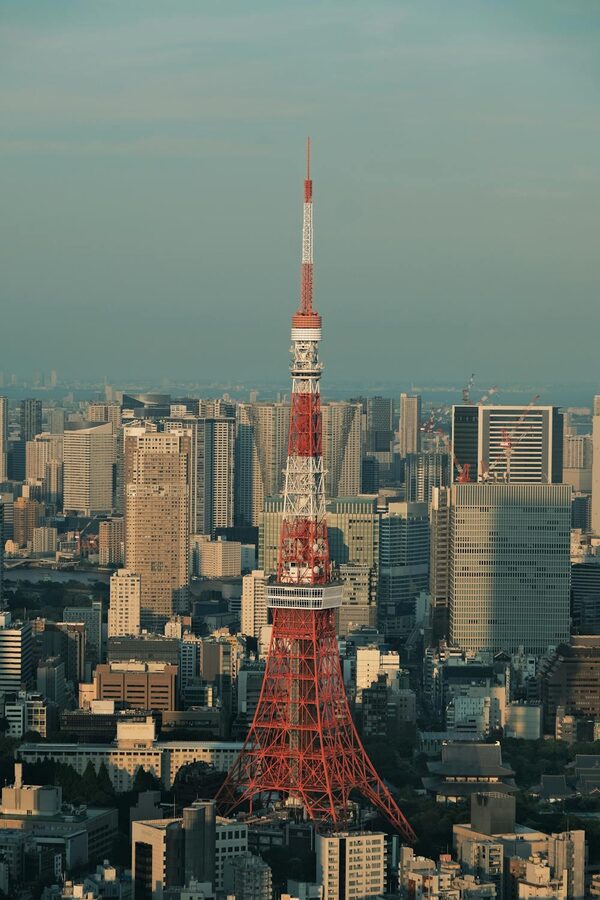
When it opened on December 23, 1958, Tokyo Tower was the tallest self-supporting steel structure in the world. The international-orange paint job — inspired by aviation safety regulations — became iconic immediately. For a country still rebuilding from war, the tower was a statement: Japan was back, and it was building higher than anyone.
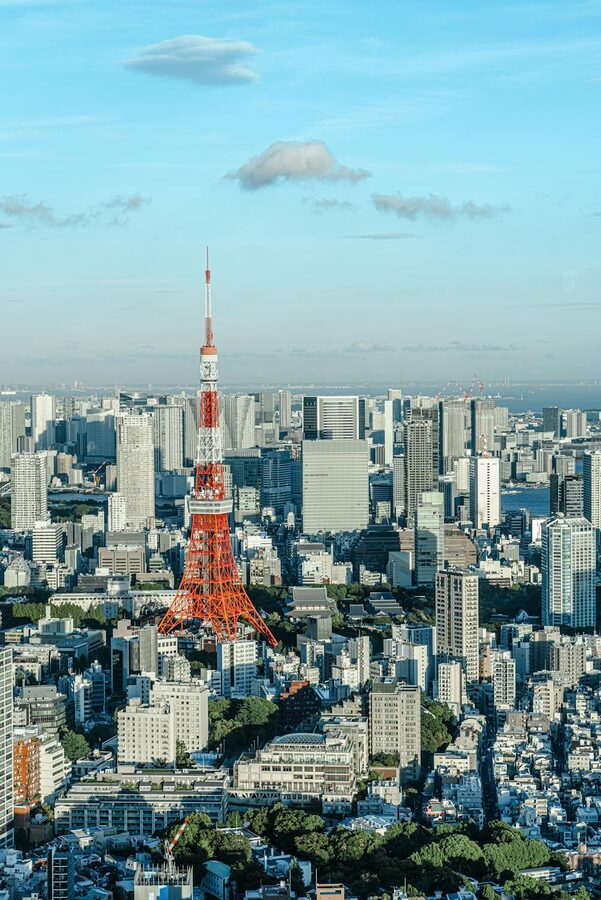
The tower’s role as a broadcast antenna diminished when Skytree opened in 2012 at nearly twice the height. But Tokyo Tower refused to become irrelevant. It reinvented itself as a tourist landmark and cultural icon. Annual visitors exceed 3 million. The tower appears in more anime, movies, and TV shows than any other Tokyo building. When the city lights the tower in special colours for holidays and events, social media explodes.
The Eiffel Tower — the structure Tokyo Tower was built to surpass — now reciprocates the compliment. The two towers have an official partnership and occasionally light up in each other’s colours. It’s a nice full-circle moment for a structure that was born from post-war determination to prove Japan could build something bigger.
Tokyo Tower vs Tokyo Skytree — Which to Visit
This is the question every Tokyo visitor asks, and the answer is simpler than the internet makes it.
Visit Tokyo Tower if: you want a more personal, less crowded experience at a fraction of the price. The $9 Main Deck is unbeatable value. The neighbourhood around it (Shiba-koen, Zojoji Temple) is pleasant for walking. The tower itself has more character — it’s warmer, more photogenic, and the observation deck feels closer to the city because it’s lower.
Visit Skytree if: you specifically want the highest possible vantage point. At 350-450 metres (depending on the deck), Skytree gives you views that Tower physically can’t match. It also has a massive shopping complex at its base. But tickets cost $18-30, the crowds are heavier, and the experience is more corporate.
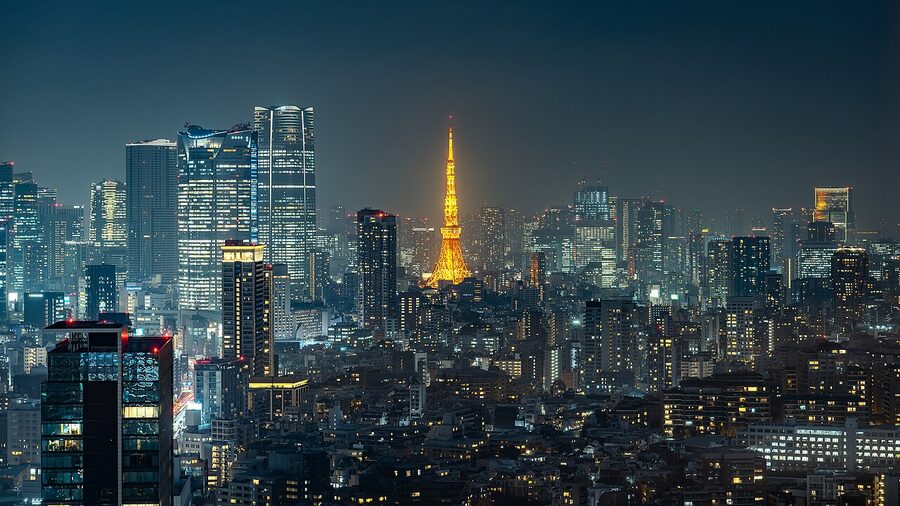
Visit both if: you have time. They’re in different parts of Tokyo, they offer genuinely different perspectives (Tower from Minato in the south, Skytree from Sumida in the east), and seeing the city from two elevations gives you a better understanding of its scale. Our Skytree tickets guide covers that side of the comparison.
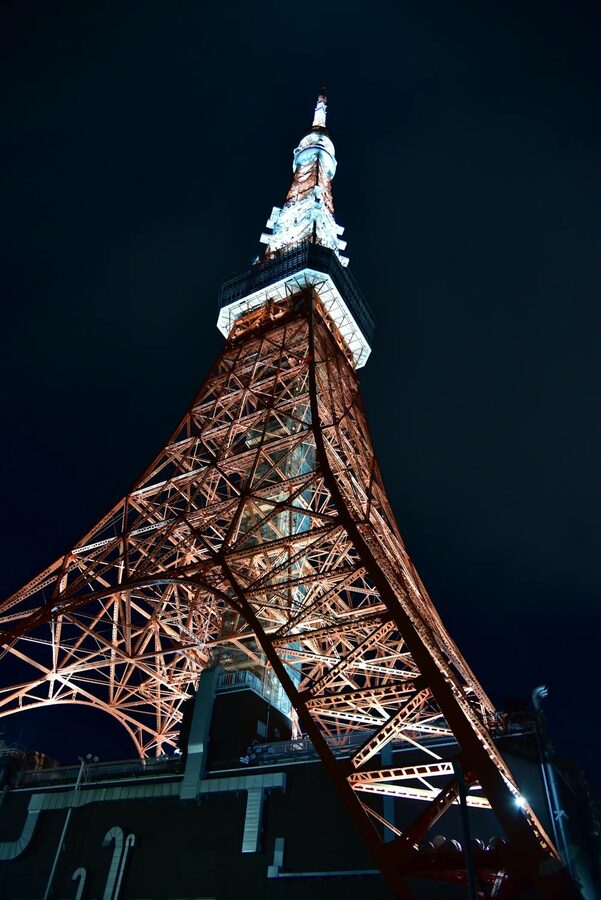
What You’ll See From the Main Deck
The view from 150 metres rotates depending on where you stand on the circular observation deck. Each direction offers something different.
North: The Shinjuku skyscraper cluster dominates the mid-distance, with the twin towers of the Tokyo Metropolitan Government Building clearly visible. Beyond Shinjuku, the Saitama suburbs stretch to the horizon. On exceptional days you can see the Chichibu Mountains 80 kilometres away.
East: Tokyo Bay and the Odaiba waterfront district. Rainbow Bridge is directly below, and the shipping lanes in the bay are busy with container ships and ferries. The Haneda Airport flight path crosses your view — planes on approach appear to be at roughly the same altitude as you, which is disconcerting and fascinating.
South: The industrial areas of Shinagawa and Ota-ku, with Haneda Airport’s runways visible on clear days. Less photogenic than the other directions but interesting for the contrast between modern skyscrapers and the low-rise industrial zone.
West: Mount Fuji. This is the money shot and the reason the sunset hour is so popular. Fuji is visible from the observation deck about 80 days per year — most commonly in winter when the air is dry and clear. On a good day, the mountain’s snow-capped cone sits on the horizon like a postcard. On a bad day, you see haze. There is no predicting which you will get.
The glass floor section (called Lookdown Window) is on the Main Deck and included in the ticket. A section of the floor is transparent, giving you a direct view 150 metres down to the street below. Children tend to love it immediately. Adults tend to approach it cautiously, stand on the edge for 5 seconds, then walk across once they realise the glass is 25mm thick and rated for far more weight than humans can produce.
Tokyo Tower in Japanese Culture
Tokyo Tower holds a place in Japanese popular culture that goes far beyond tourism. It has appeared in hundreds of anime series, manga, films, and TV shows. Godzilla has destroyed it multiple times across different films. The manga series Tokyo Tower by Lily Franky was a bestselling novel about growing up in the shadow of the tower. The tower appears so frequently in Japanese media that it functions as shorthand for this story is set in Tokyo — the same way the Eiffel Tower signals Paris.
For Japanese people, the tower also carries emotional weight. It represents the optimism of the post-war economic miracle — a physical symbol of Japan’s ability to rebuild, innovate, and surpass expectations. When the tower was completed in 1958, Japan was still a developing economy with memories of firebombing and occupation. Within a decade, it would become the world’s second-largest economy. Tokyo Tower was one of the first visible signs that the recovery was real.
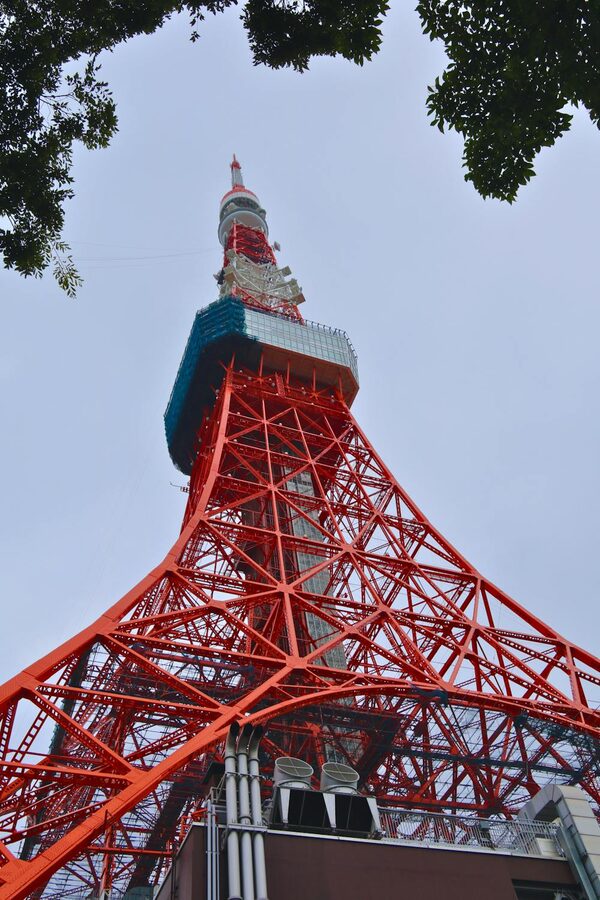
Today the tower is maintained by the Nippon Television City Corporation, which operates the observation decks, the antenna equipment, and the commercial facilities at the base. The tower is repainted every 5 years — the same international orange and white pattern, applied by hand by workers suspended on ropes. Each repainting takes about a year and uses roughly 28,000 litres of paint.
Special Lighting Events
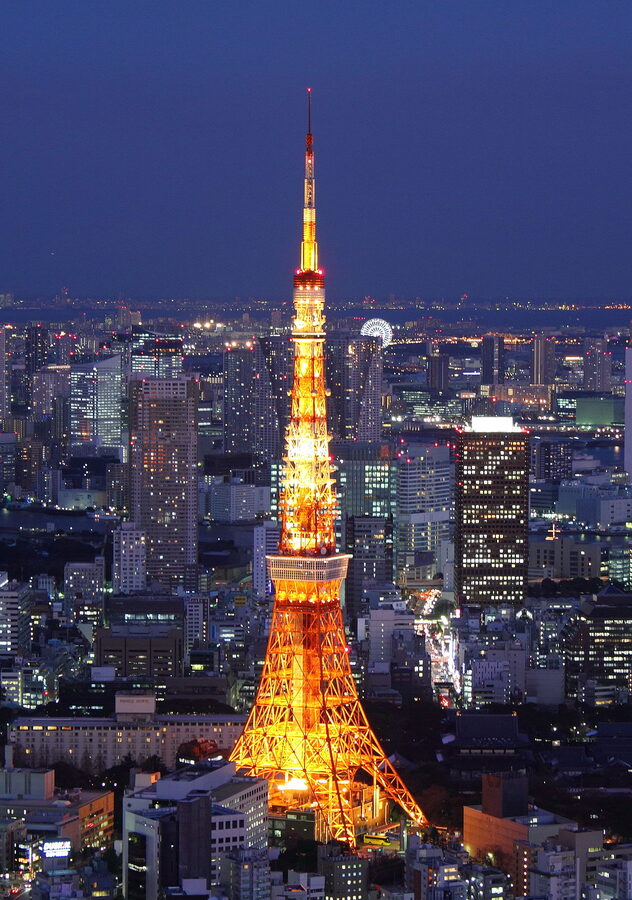
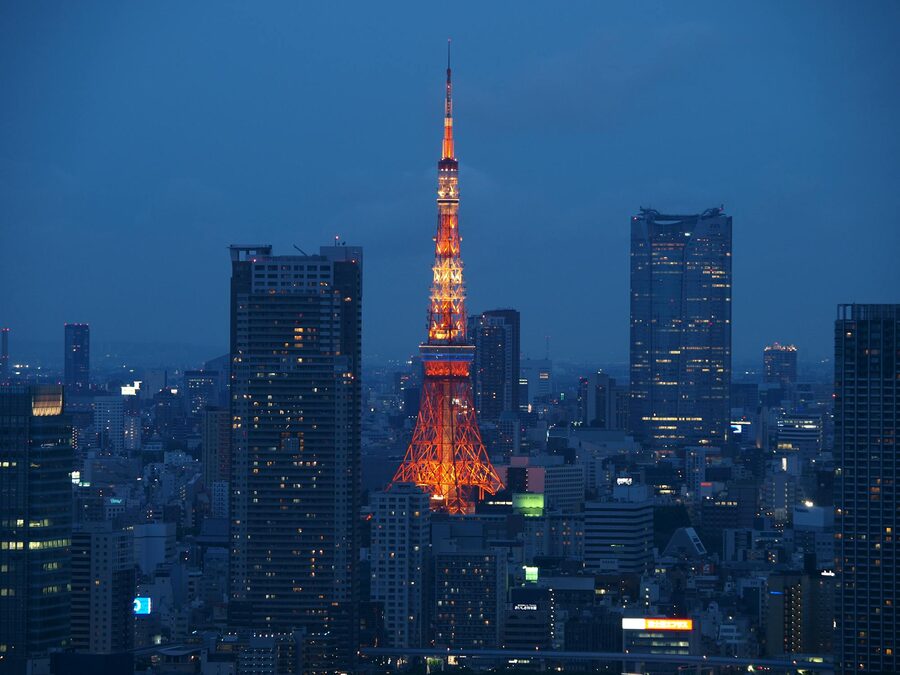
Tokyo Tower changes its lighting pattern for different seasons and events. The standard illumination is warm orange (called Landmark Light), but throughout the year the tower switches to special colours:
Diamond Veil: 17,000 LEDs create shifting colour patterns — used for special events and holidays.
Cherry blossom pink: During sakura season (late March to mid April).
Rainbow colours: For Pride events and international celebrations.
Team colours: When Japanese teams win major sporting events, the tower lights up in victory colours.
If you time your visit to coincide with a special lighting event, the exterior experience is enhanced significantly. The tower’s official website and social media accounts announce lighting schedules. Even if you don’t go inside, walking around Shiba-koen park and Zojoji Temple with the tower lit in special colours overhead is a memorable evening.
The Neighbourhood — Shiba-koen and Zojoji
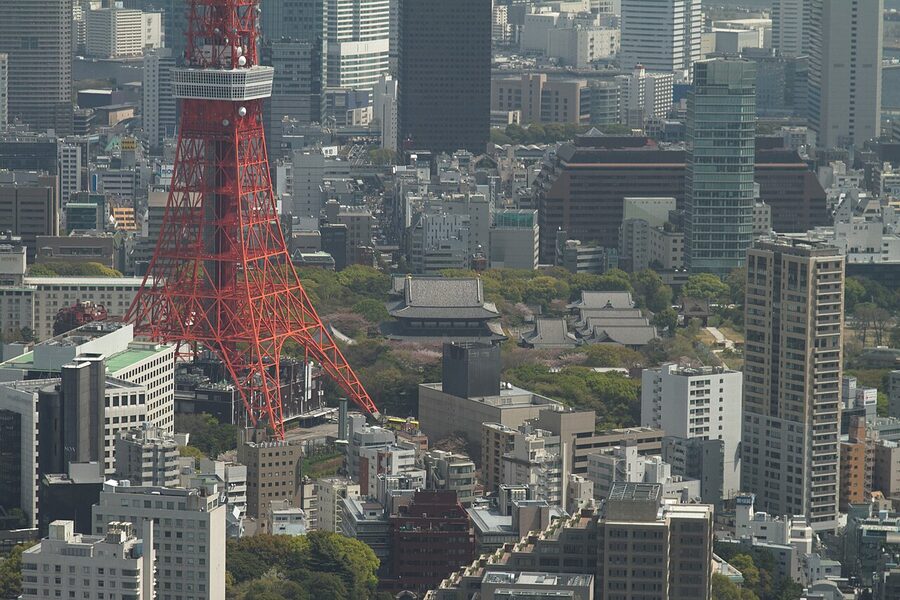
The area around Tokyo Tower is worth exploring independently of the tower itself. Zojoji Temple, one of Tokyo’s most important Buddhist temples, sits directly at the base. The temple was founded in 1393 and served as the family temple of the Tokugawa shoguns — six of them are entombed on the grounds.
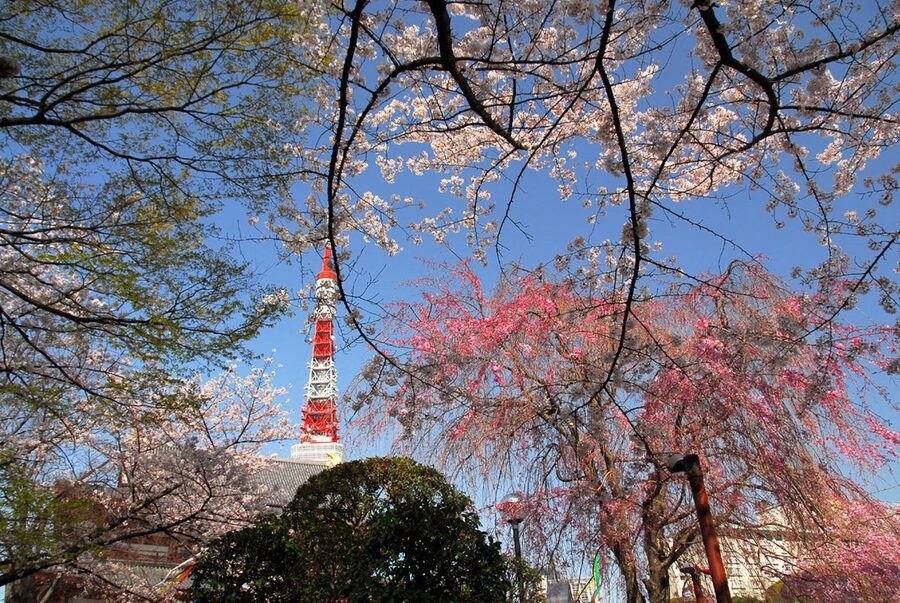
The juxtaposition of Zojoji’s 600-year-old wooden buildings against the 333-metre steel tower behind them is one of Tokyo’s most photographed scenes. Early morning is best for photos — the light hits the temple’s main gate (Sangedatsu-mon, built in 1622 and the oldest wooden structure in Tokyo) at a beautiful angle, with the tower rising directly behind it.
Shiba-koen (Shiba Park) surrounds the temple and offers green space, walking paths, and excellent ground-level views of the tower. On weekday mornings, office workers use the park for running and tai chi. On weekends, families spread picnic blankets and the park takes on a festival atmosphere, especially during cherry blossom season.
For food, the neighbourhood has excellent tempura restaurants (Tennmatsu on Shiba-daimon street has been serving since 1885), good ramen (Ramen Jiro near Mita Station is famously large and cheap), and several soba shops that have been operating for decades. It is noticeably less touristy and less expensive than Roppongi or Ginza, both of which are a 10-minute walk away.
Practical Tips
Sunset is the best time. Arrive 30-40 minutes before sunset to catch the daylight view, then stay for the transition to city lights. The observation deck doesn’t empty until well after dark, so there’s no rush. Sunset times vary by season: around 4:30pm in winter, 7pm in summer.
Skip weekends if possible. Saturday and Sunday afternoons see the heaviest crowds, especially during school holidays. Weekday mornings (before 11am) are the quietest. If you must visit on a weekend, go late — after 7pm the crowds thin significantly and you get the night view.
Pre-book your ticket. Walk-up tickets are available but pre-booking through GetYourGuide gets you a timed slot, meaning no queue at the ticket counter. During peak season the queue can be 20-30 minutes.
The area around the tower is worth exploring. Zojoji Temple (directly at the base of the tower) is a major Buddhist temple worth 15-20 minutes of your time. Shiba-koen is a pleasant park for walking. The neighbourhood has good restaurants — especially for tempura and soba — at more reasonable prices than Roppongi or Ginza nearby.
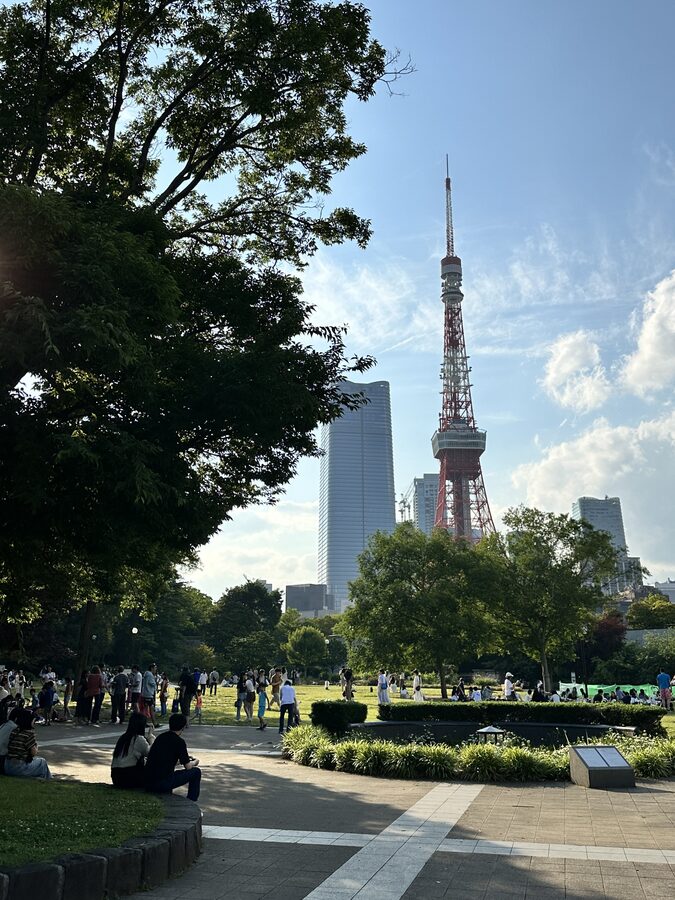
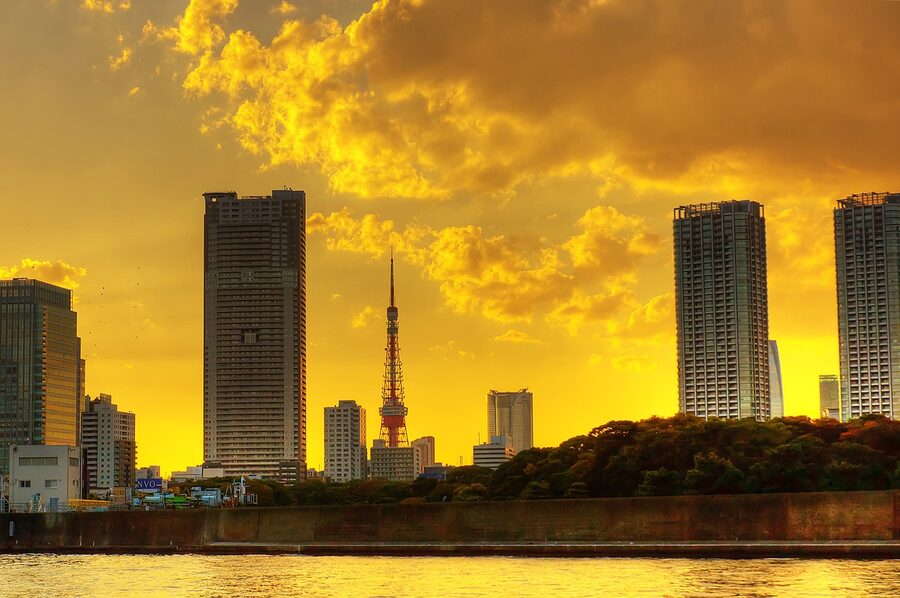
Photography tip: The best ground-level photos of Tokyo Tower come from the park next to Zojoji Temple (the tower framed against temple buildings), the crossing at Akabanebashi intersection (the classic straight-on shot), and from the pedestrian bridge near Kamiyacho Station (elevated angle with office buildings framing the tower).
Getting to Tokyo Tower
Tokyo Tower is accessible from multiple train stations, none of which are particularly close. This is one of the quirks of the tower’s location — it was built in an area optimised for broadcast coverage, not public transport convenience.
Nearest stations:
Akabanebashi Station (Oedo Line) — 5-minute walk. The most direct route.
Kamiyacho Station (Hibiya Line) — 7-minute walk. Good if coming from Roppongi.
Onarimon Station (Mita Line) — 6-minute walk. Closest to Zojoji Temple entrance.
Hamamatsucho Station (JR Yamanote Line) — 15-minute walk. Useful if you have a JR Pass.
The walk from any station takes you through pleasant Minato-ward streets. The tower is visible from a distance, so navigation is straightforward — just walk toward the big orange thing.
Taxis from central Tokyo cost 1,000-2,000 yen depending on starting point and traffic. From Shinjuku Station, expect about 2,500 yen and 20-30 minutes.
If you are combining Tokyo Tower with a sightseeing bus tour, most bus routes include a Tokyo Tower stop with 30-60 minutes of free time — enough for the Main Deck visit.
Combining Tokyo Tower With Other Activities
The tower sits in southern central Tokyo, making it easy to combine with several nearby activities. A full-day sightseeing bus tour typically includes a Tokyo Tower stop. The yakatabune dinner cruises depart from nearby Hamamatsucho and you’ll see the tower from the water — a different perspective worth experiencing.
For evening activities after your Tower visit, the Shinjuku night walking tour starts around 6-7pm and is a 20-minute subway ride from the Tower area. The bar hopping tours also start in the evening and pair well with a sunset Tower visit followed by drinks.