
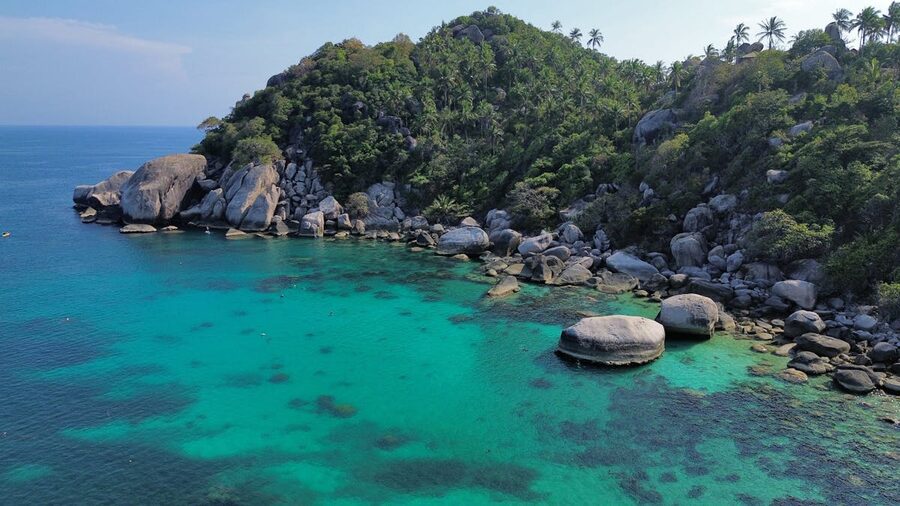
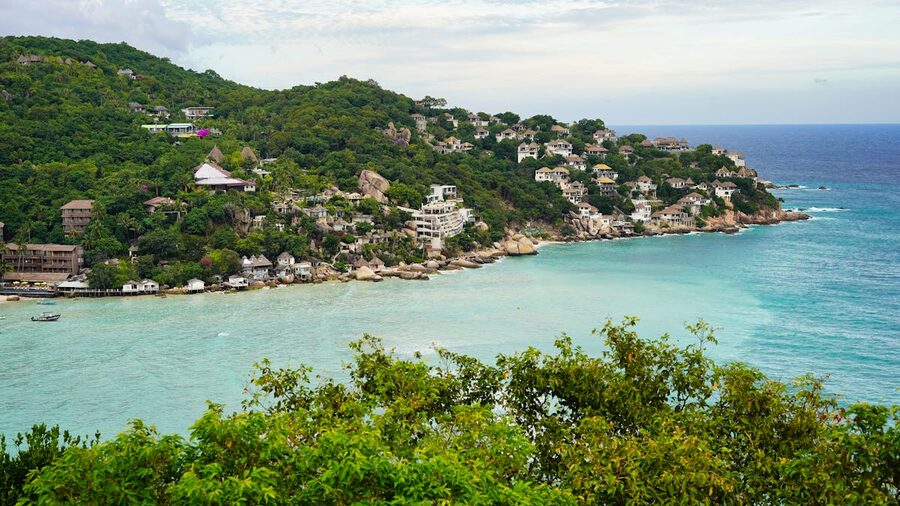
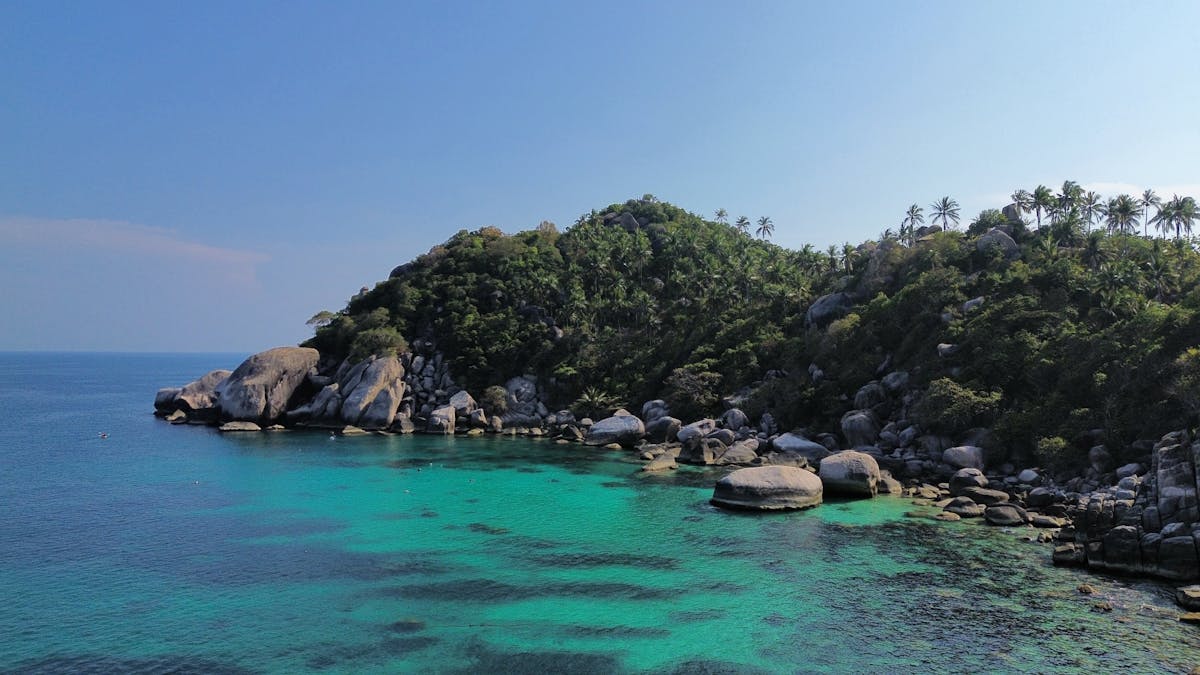
Koh Tao sits on one of the largest coral reef systems in the Gulf of Thailand. Over 130 species of hard coral carpet the shallow bays around the island, and you don’t need a dive certificate to see any of them. That’s the part nobody told me before I showed up with a PADI course budget and left with a snorkel instead.
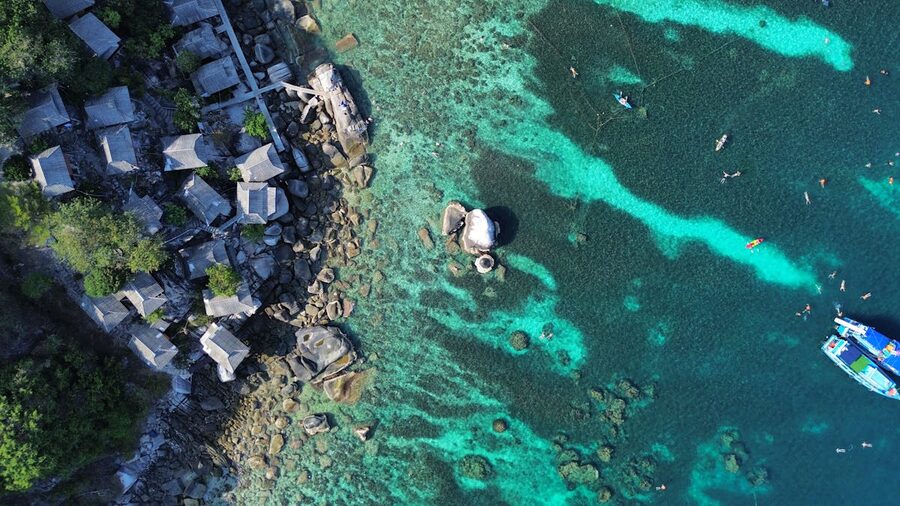
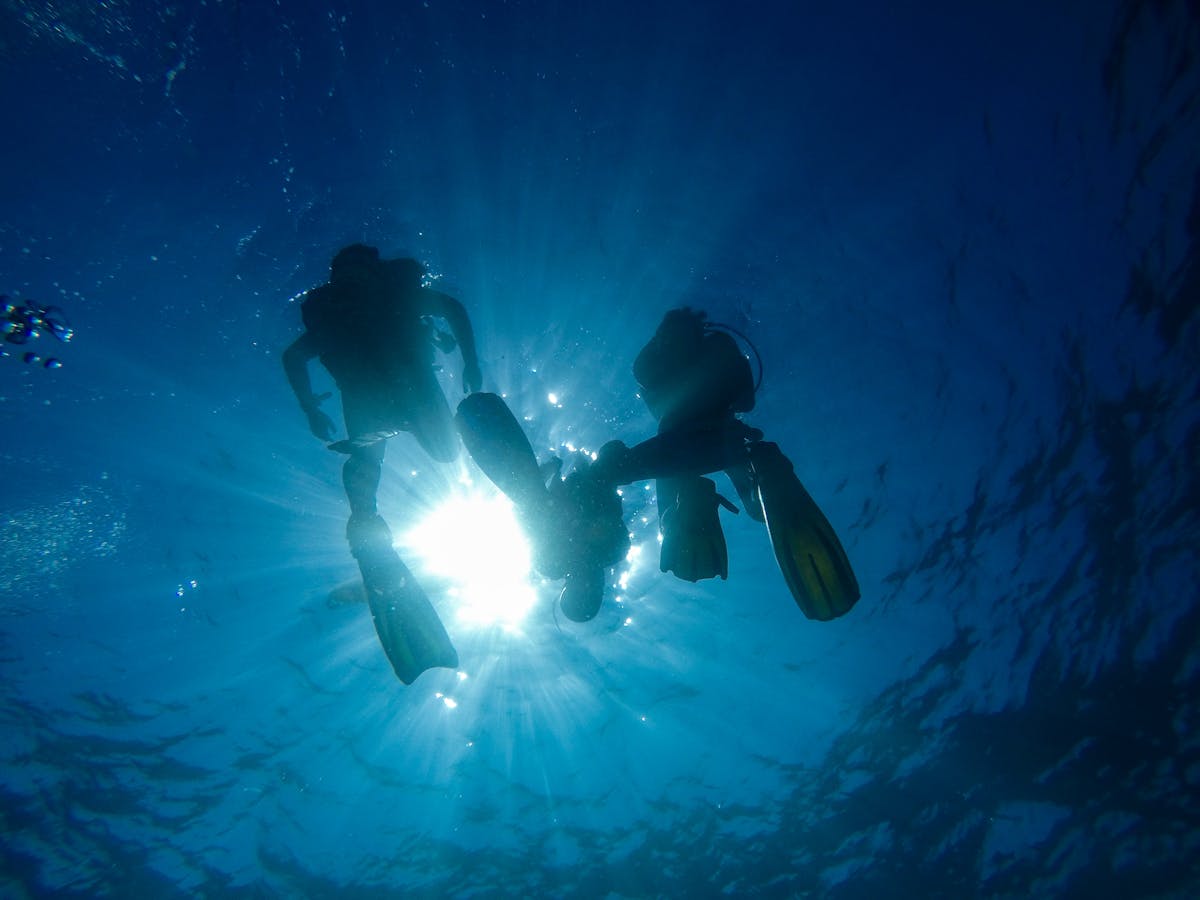
I’d planned to get certified. That was the whole point of dragging my bags onto the ferry from Koh Samui. But between the 10,000-baht course fee and the four days it would take, I opted for a single-day snorkeling trip instead. Best financial decision I made in Thailand, honestly. The reef coverage around Koh Tao is shallow enough that snorkelers see nearly as much as open-water divers on their first couple of dives — blacktip reef sharks, green sea turtles, giant clownfish colonies, the works.
This guide covers how to actually book a snorkeling tour on Koh Tao — which operators are worth it, what you’ll pay, where the boat takes you, and what to do if you’re coming from Koh Samui or the mainland instead.
Short on time? Here are my top picks:
Best overall: Koh Tao Islands Snorkeling Highlights Day Tour — $27. Full day hitting five bays with lunch included. The one most people should book.
Best value: Full Day Snorkeling Adventure Around Koh Tao — $24. Slightly cheaper, same route, perfect 5.0 rating from over 2,000 bookings.
Best from Koh Samui: Koh Samui to Koh Tao & Nangyuan Tour — $73. Includes the speedboat transfer, so you don’t need to stay overnight on Koh Tao.
- How Snorkeling Tours on Koh Tao Work
- Booking Through an Operator vs. Walk-Ins
- The Best Koh Tao Snorkeling Tours to Book
- 1. Koh Tao Islands Snorkeling Highlights Day Tour & Lunch —
- 2. Full Day Snorkeling Adventure Around Koh Tao —
- 3. Koh Samui to Koh Tao & Nangyuan Snorkeling Tour —
- 4. Koh Tao, Koh Nangyuan & Hidden Bays Snorkeling Tour —
- When to Go Snorkeling on Koh Tao
- How to Get to Koh Tao
- Tips That Will Save You Time and Sunburn
- What You’ll See Underwater
- Where to Go Next in Thailand
How Snorkeling Tours on Koh Tao Work
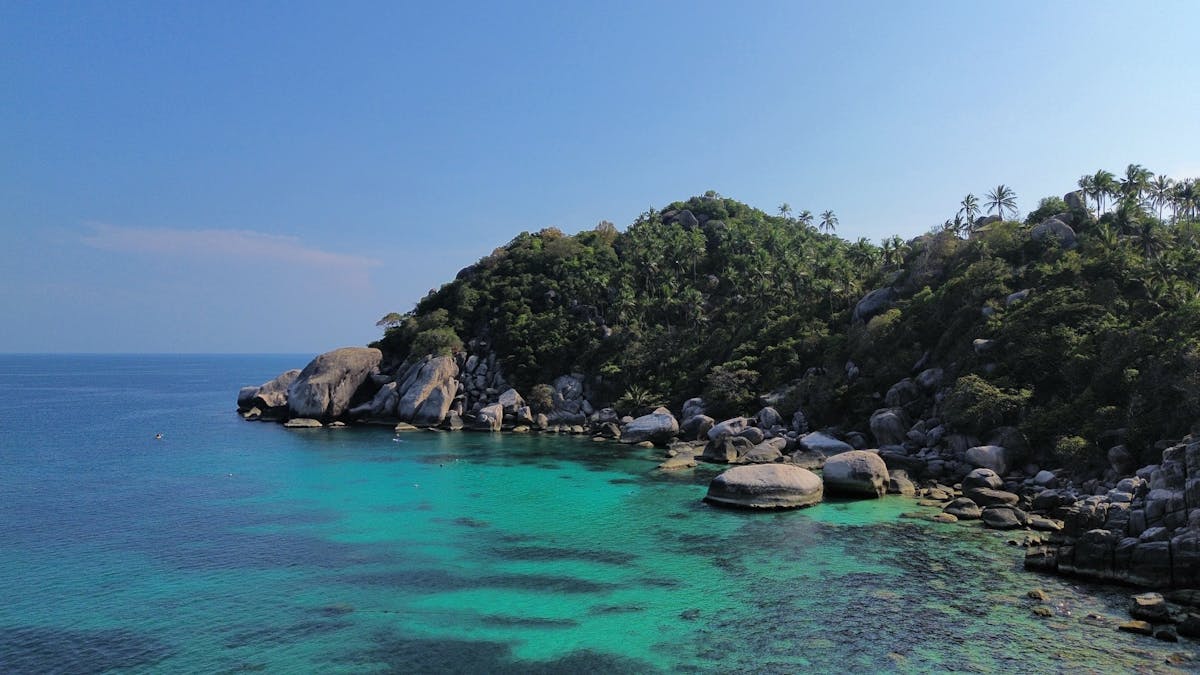
There’s no centralized booking system for Koh Tao snorkeling. The island runs on a network of dive shops, tour agencies, and hostel front desks that all sell essentially the same product. Walk down the main strip in Mae Haad (the ferry pier area) and you’ll pass a dozen shopfronts with identical chalkboard signs advertising “Full Day Snorkeling — 800 THB.”
Most tours follow the same five-bay circuit, just in a different order so the boats don’t all stack up at the same spot. A typical day looks like this:
8:00-8:30 AM — Check in at the operator’s office near Mae Haad pier
9:00 AM — Board the boat (usually a converted fishing boat or a larger wooden vessel for 20-30 people)
9:30 AM – 4:00 PM — Hit 4-5 snorkeling spots with a lunch break on one of the beaches
4:30 PM — Back at the pier
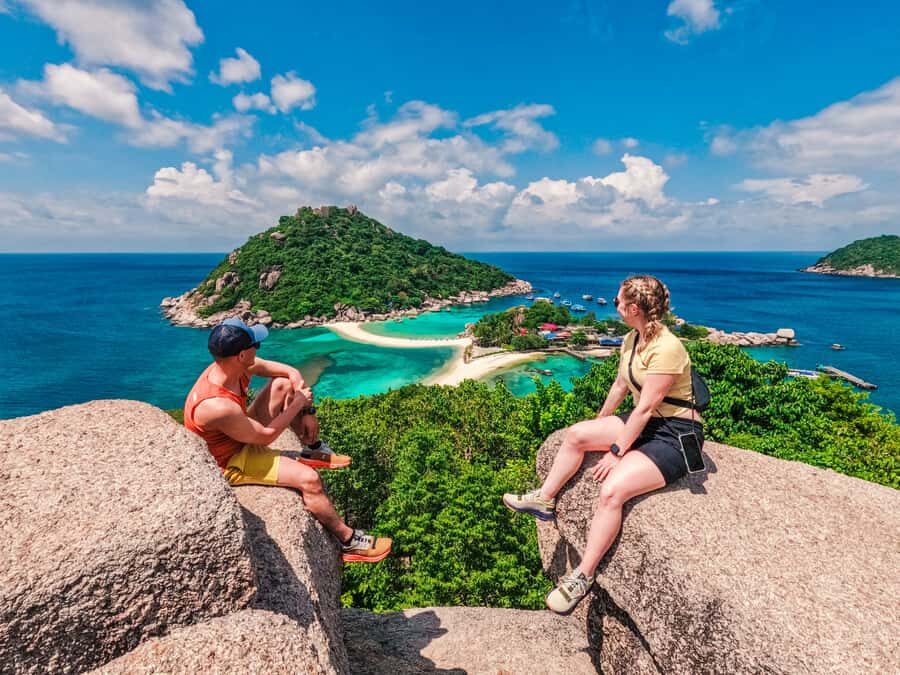
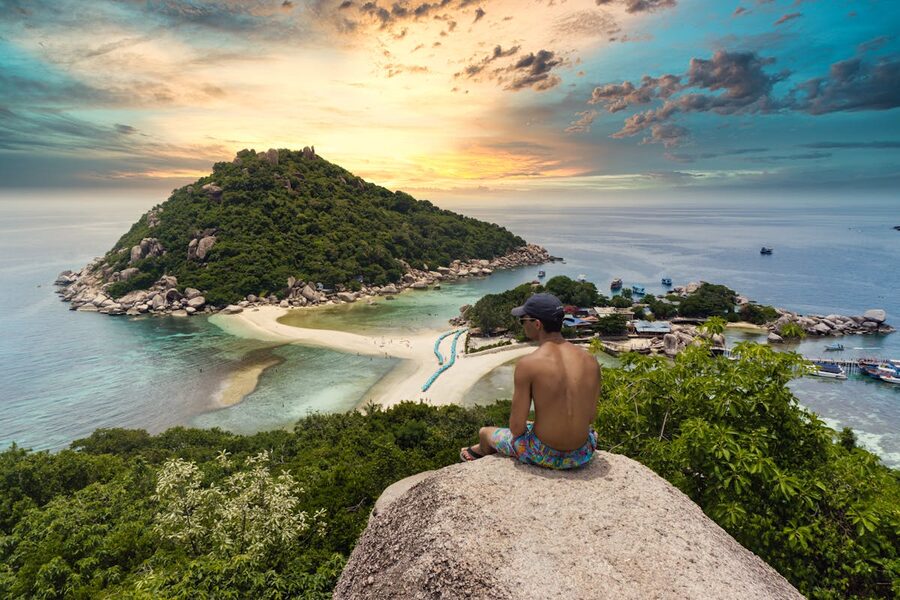
The stops almost always include Japanese Garden, Shark Bay (Ao Thian Ok), Mango Bay, Koh Nangyuan (the iconic triple-island sandbar), and either Hin Wong Bay or Laem Thian.
You’ll get a snorkel and mask for the day. Fins are sometimes included, sometimes an extra 100-200 THB. Lunch is basic but decent — fried rice, pad thai, fruit, and water.
Booking Through an Operator vs. Walk-Ins
Here’s the thing about Koh Tao: walk-in prices at the shops on the island are often cheaper than what you’ll find online. I paid 700 THB ($20) walking into a random dive shop, compared to the $24-27 listed on booking platforms. The trade-off is you don’t get a guaranteed spot — during high season (December through March, and around Songkran in April), popular tours fill up days in advance.
If you’re coming specifically for the snorkeling and your schedule is tight, book online before you arrive. The price difference is a few dollars and you won’t waste a day hoping for availability. If you’re already on the island and flexible, walk the strip and haggle — you’ll save a bit and the experience is basically identical.
One thing to watch for: some tour agencies bundle the Koh Nangyuan entrance fee (150 THB) into the price, others don’t. Always ask before you book. Getting hit with an unexpected 150 baht at the dock isn’t a fortune, but it’s annoying when you thought everything was included.
The Best Koh Tao Snorkeling Tours to Book
I’ve gone through the major operators and compared prices, routes, what’s included, and what thousands of past travellers have experienced. These are the four worth your money.
1. Koh Tao Islands Snorkeling Highlights Day Tour & Lunch — $27
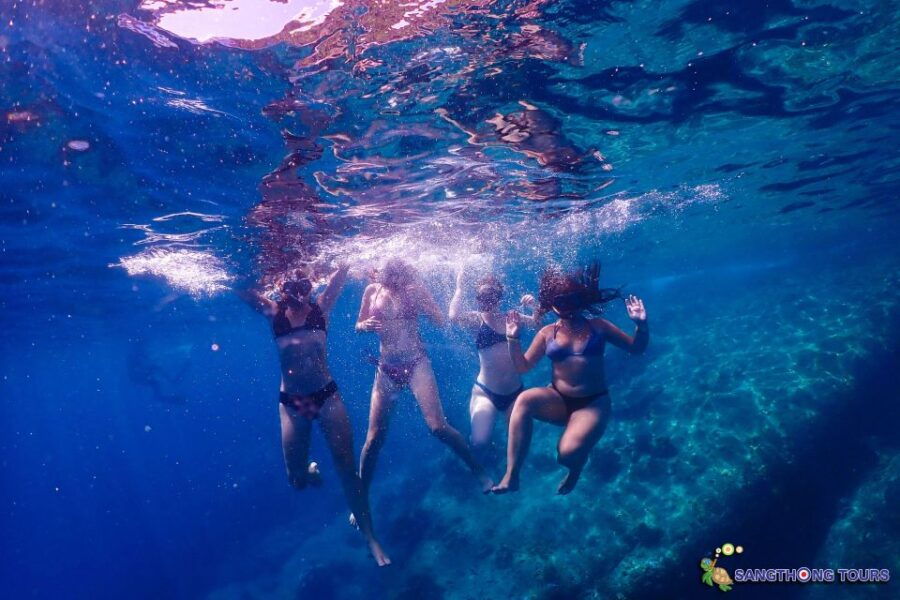
This is the default choice for most visitors and there’s a good reason for it. The tour hits all five major bays in a single day, lunch is included, and the guides actually know the reef — they’ll point out turtles and reef sharks rather than just dumping you in the water and waiting on the boat.
At $27 for a full 7-hour day, the value is hard to beat. The boat is bigger than some of the budget operators, which means more stability in choppy water but also more people. Expect 20-30 snorkelers on the same vessel. If you prefer a quieter experience, that’s worth knowing upfront. But for a first-time Koh Tao snorkeling tour, this is the one I’d pick.
2. Full Day Snorkeling Adventure Around Koh Tao — $24

This one edges out the competition on two fronts: it’s the cheapest of the lot at $24, and it carries a perfect rating from well over 2,000 bookings on Viator. That’s not a small sample size. The route covers the same bays as the tour above — Japanese Garden, Shark Bay, Mango Bay, the Nangyuan sandbar — just in a slightly different order.
The main difference I noticed is the group tends to skew younger and more backpacker-oriented. The guides are enthusiastic and will freedive down to show you things, which adds to the experience. If you’re on a tight budget and don’t care about which specific operator runs the boat, this is the full-day snorkeling adventure to grab.
3. Koh Samui to Koh Tao & Nangyuan Snorkeling Tour — $73
This is the right option if you’re based on Koh Samui and don’t want to overnight on Koh Tao. The $73 price tag is steeper, but it includes the high-speed catamaran transfer from Koh Samui, snorkeling at both Koh Tao and Koh Nangyuan, plus lunch. Without this tour, you’d spend nearly that much just on the ferry tickets alone.
The downside is the travel time. You’re looking at 7.5 hours total, and a decent chunk of that is on the boat getting there and back. You’ll get maybe 3-4 hours of actual snorkel time versus 5+ hours on the Koh Tao-based tours. But if Koh Samui is your base and you only have one free day, this is the Koh Samui to Koh Tao day trip that makes sense.
4. Koh Tao, Koh Nangyuan & Hidden Bays Snorkeling Tour — $27
Same price as the top pick, same duration, but this one takes a slightly different route that includes some of the quieter bays on Koh Tao’s eastern side. If you’ve already done the standard five-bay circuit on a previous trip (or if you just prefer fewer people at each stop), the hidden bays tour is a solid alternative.
The “hidden” part is a mild stretch — these bays aren’t exactly secret — but they do get less boat traffic than Japanese Garden or Shark Bay. At $27 with lunch included, there’s no pricing penalty for choosing the less-traveled route. Good for repeat visitors or anyone who’d rather have more space in the water.
When to Go Snorkeling on Koh Tao
The Gulf of Thailand has its own weather pattern that doesn’t match the Andaman coast (Phuket, Krabi) at all. Koh Tao’s prime snorkeling season runs from March through September, when the water is calmest and visibility regularly hits 15-25 meters.
Best months: April through June. Flat calm seas, warm water (28-30C), and fewer travellers than the December-January peak. This is when the whale sharks occasionally appear too, though sightings are extremely rare.
Good months: July through September. Still good visibility but you might catch afternoon rain. Tours still run daily.
Risky months: October and November. This is monsoon season on the Gulf side. Heavy swells can cancel tours for days at a time, and visibility drops to 5-10 meters even on calmer days. I wouldn’t plan a trip around snorkeling during these months.
High season (decent conditions): December through February. The water is slightly cooler and the island is packed with travellers. Tours run daily but you’ll share the reef with more people. Book in advance during this period.
How to Get to Koh Tao
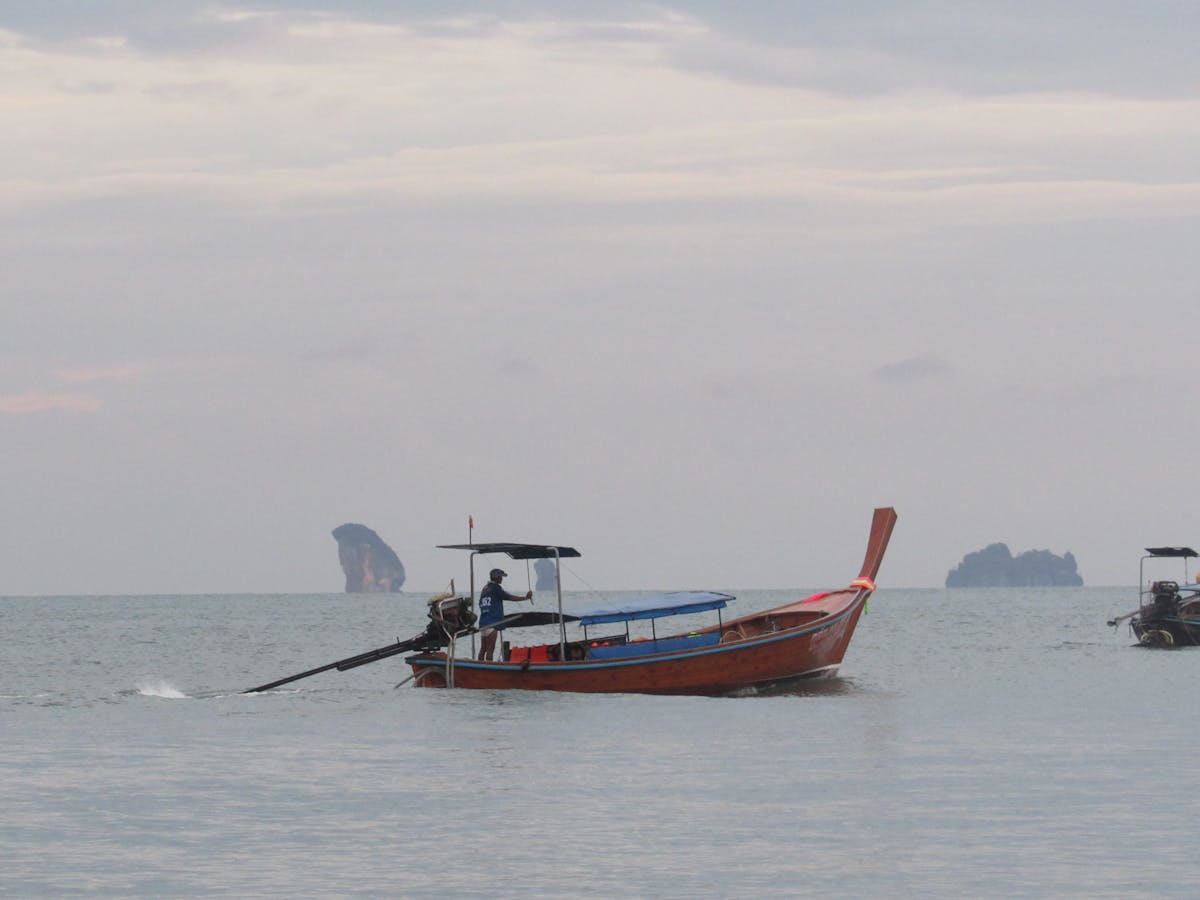
Koh Tao has no airport. You’re getting there by boat, and there are three common starting points:
From Koh Samui: The fastest and most popular route. Lomprayah catamaran takes about 1.5 hours (600-700 THB). Seatran Ferry is slightly slower (2 hours) but cheaper. Both depart from Nathon Pier on Koh Samui’s west coast.
From Koh Phangan: Quick 1-hour ferry hop. If you’re doing the Full Moon Party and then heading to Koh Tao for diving or snorkeling, this is the natural sequence.
From Chumphon (mainland): The cheapest option if you’re coming from Bangkok. Take the train or bus to Chumphon, then a 1.5-hour high-speed catamaran to Koh Tao. Budget about 600 THB for the boat. The night train from Bangkok to Chumphon is a classic backpacker move — and if you have a day to spare in the capital, the Ayutthaya day trip is worth fitting in before you head south and saves you a night’s accommodation.
From Surat Thani: Another mainland option with connections from the airport and train station. Slightly longer ferry (2-2.5 hours) but more departure options.
Pro tip: Lomprayah offers combo tickets that include bus or van transfers to the pier from airports and train stations. These cost slightly more but save you the hassle of arranging separate transport.
n
Tips That Will Save You Time and Sunburn
Bring your own mask if you have one. The rental masks are fine but they’re shared among hundreds of faces per week. If you get a bad seal, you’ll spend half the day clearing water instead of watching fish. A decent travel snorkel mask costs 500-800 THB at any dive shop on the island.
Reef-safe sunscreen is mandatory. This isn’t a suggestion. Several operators will ask you to rinse off chemical sunscreen before entering the water. Buy mineral-based (zinc oxide) sunscreen before you arrive — it’s harder to find on the island and marked up when you do.
Wear a rashguard. You’ll be in the sun for 6-7 hours. Even with sunscreen, your back and shoulders will burn. A long-sleeve rashguard is the single best piece of gear you can bring.
The Koh Nangyuan entrance fee is 150 THB. Some tours include it, some don’t. Ask before you book. Also, Koh Nangyuan bans single-use plastic bottles — you’ll need to leave yours on the boat or transfer your water to a reusable container.
Skip the GoPro rental. Most operators offer underwater camera rental for 300-500 THB. The quality is mediocre and you’ll spend more time fiddling with the camera than actually snorkeling. Either bring your own waterproof camera or just enjoy the experience without one.
Eat before the tour. Breakfast isn’t included and the lunch stop is usually around noon. If you’re on the 8:30 AM boat with an empty stomach, you’ll regret it by 10 AM.
n
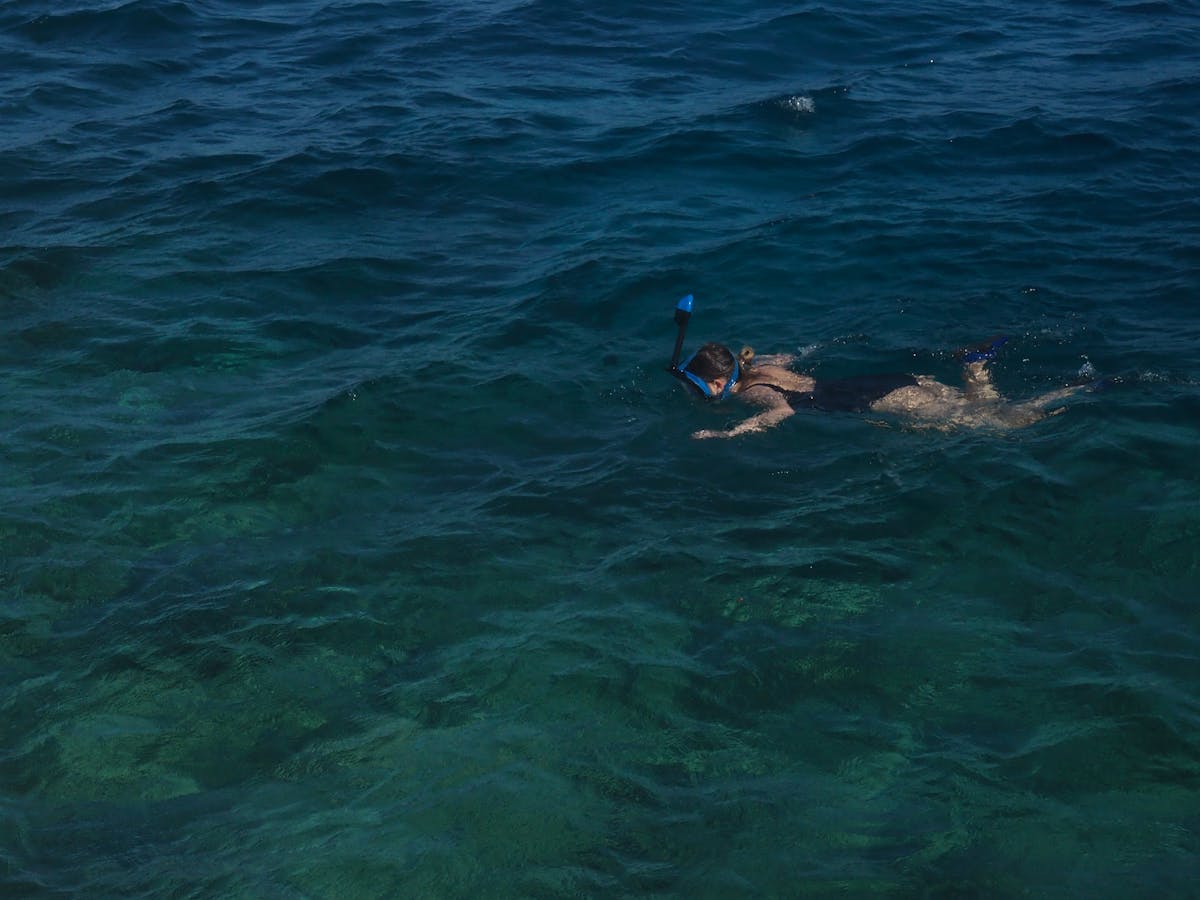
What You’ll See Underwater
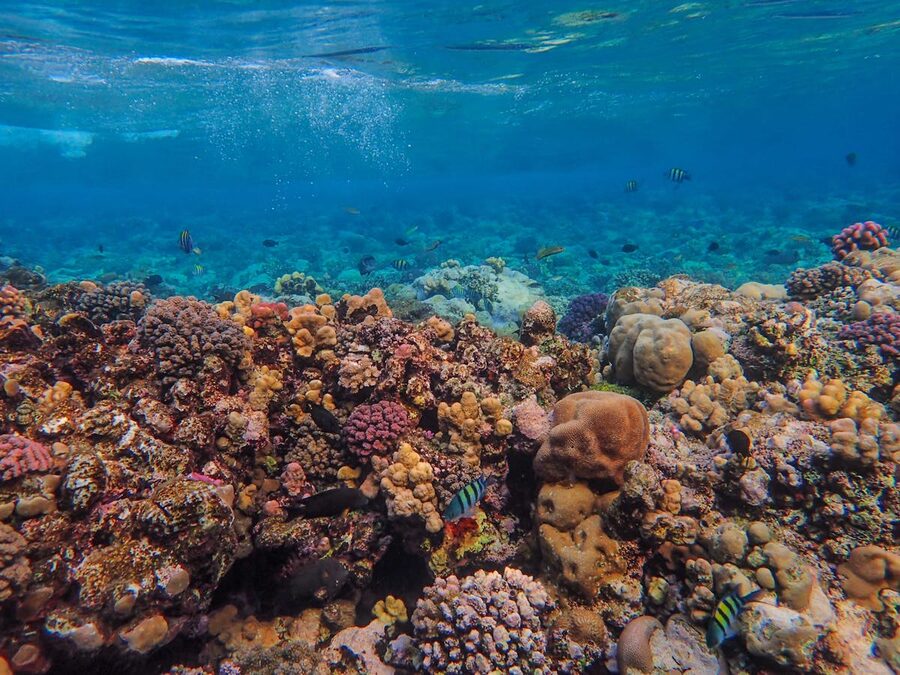
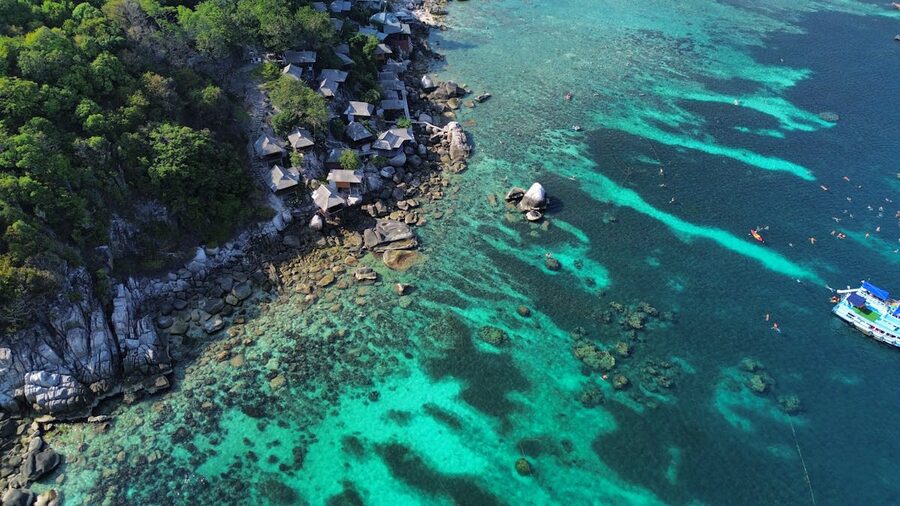
Koh Tao’s reef ecosystem is genuinely impressive for snorkelers. The shallow depth (most snorkeling is in 2-5 meters of water) means you’re right on top of everything without needing to dive.
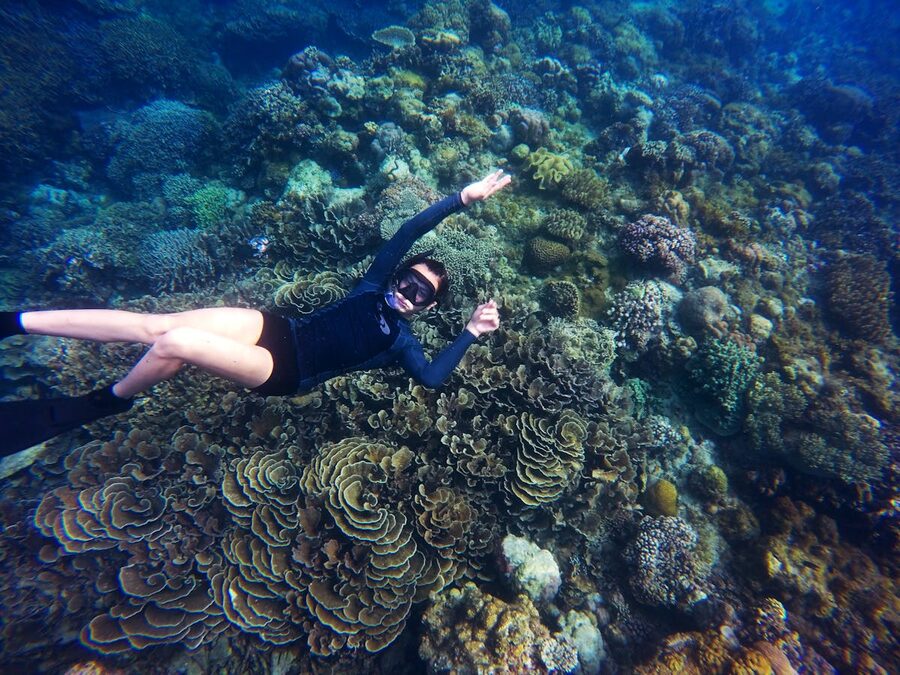
Japanese Garden is the star. The reef here stretches along a gently sloping sand bottom with massive brain corals, staghorn coral fields, and sea anemones hosting families of clownfish. Parrotfish, triggerfish, and angelfish are everywhere. If you’re lucky, you’ll spot a green sea turtle grazing on the seagrass patches between coral heads.
Shark Bay lives up to its name. Blacktip reef sharks patrol the shallow sandy areas — they’re harmless to snorkelers but seeing a 1.5-meter shark glide past your fins is a guaranteed adrenaline hit. The bay also has decent coral along its edges.
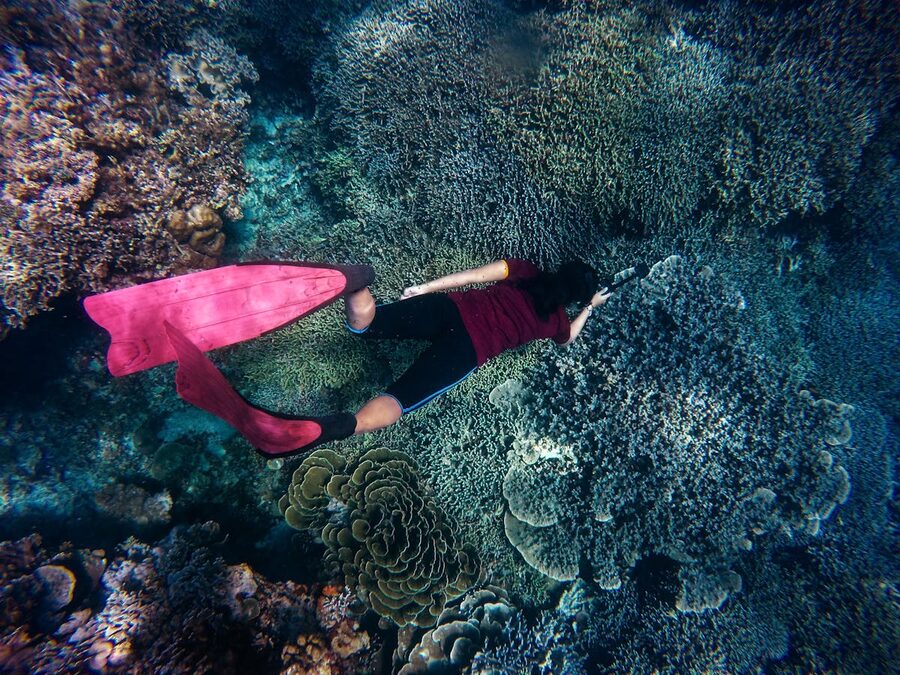
Mango Bay tends to have the clearest water on the circuit. The coral isn’t as dense as Japanese Garden, but the visibility makes up for it. This is usually where people get their best underwater photos.
n
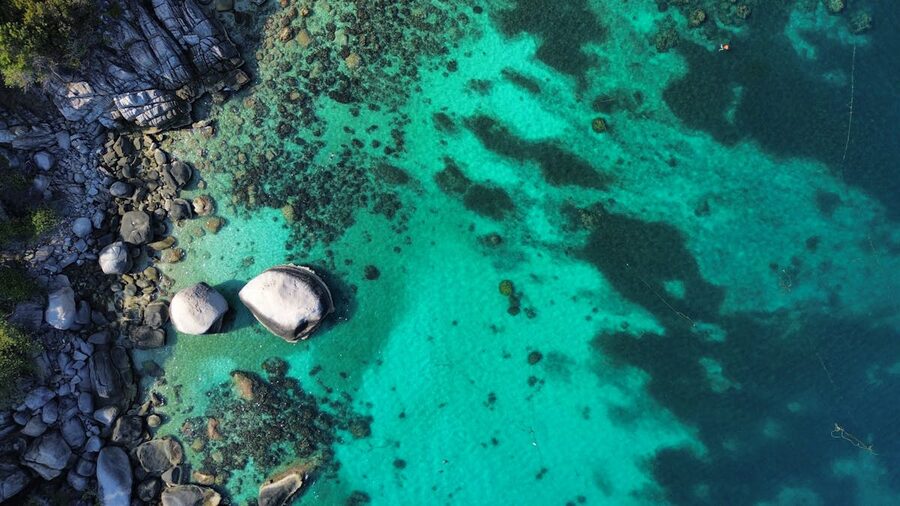
Koh Nangyuan is famous for the viewpoint and sandbar connecting the three islands, but the snorkeling off the western beach is quietly excellent. The reef drops off into deeper water here, so you’ll see larger fish — barracuda, giant trevally, and occasionally a turtle.
Hin Wong Bay is on some itineraries but not all. It’s rockier and deeper than the other stops, with large boulder coral formations that attract different species. If your tour includes it, this is often the most interesting stop for experienced snorkelers. For something completely different between water days, several travellers I met on Koh Tao combined their Gulf island trip with a Phuket elephant sanctuary visit on the way back south.
Where to Go Next in Thailand
Most people visiting Koh Tao are working their way through a longer Thailand itinerary, and the Gulf Islands connect naturally to both coasts. The Koh Samui island hopping circuit covers Ang Thong Marine Park with its limestone karsts and emerald lagoons — a completely different vibe from Koh Tao’s reef-first experience.
From Koh Samui, it’s easy to fly to the Andaman side where the Phi Phi Islands day trips from Phuket and the Krabi four-island tours trade coral gardens for dramatic cliff-backed beaches. The snorkeling on the Andaman coast is decent but honestly a step below what Koh Tao offers.
If you’re passing through Phuket, the Phang Nga Bay sea cave tours are worth a full day even without any snorkeling — paddling through collapsed cave systems surrounded by vertical karst formations is unlike anything else in Thailand. A Phuket elephant sanctuary makes a good pairing if you want a land day between water activities.
Back in Bangkok, the canal tours by longtail boat show a side of the city that most visitors skip, and the street food tours are the best way to eat your way through neighborhoods you’d never find on your own.