
The water was warmer than I expected. Ankle-deep, perfectly clear, with projected koi swimming around my bare feet in slow figure-eights. I stood still for a minute, watching the fish scatter and regroup whenever someone stepped close, and thought: this is either the most brilliant museum in the world or the most elaborate foot bath in Tokyo.
It’s both, honestly. teamLab Planets in Toyosu is a place that sounds ridiculous on paper — wade barefoot through digital art installations, get your knees wet, and somehow call it a museum — but five minutes inside and you stop questioning it.
Getting tickets is straightforward once you know the system. But there are a few things — timing, ticket types, what to actually wear — that make the difference between a perfect visit and a frustrating one. I’ll cover all of it here.
Short on time? Here are my top picks:
Best for convenience: teamLab Planets Entry Ticket via GetYourGuide — $25. Skip-the-line entry, instant confirmation, free cancellation up to 24 hours. The easiest way to book.
Best for savings: Official DMM Ticket Store — ~3,200 yen (~$22). Slightly cheaper but no free cancellation and the site occasionally crashes during peak booking windows.
- How the Ticket System Works
- Ticket Prices (2026)
- When Tickets Sell Out
- Official Tickets vs Third-Party Tickets
- The Best teamLab Experiences to Book
- 1. teamLab Planets TOKYO Digital Art Museum Entry Ticket —
- 2. teamLab Botanical Garden Osaka —
- teamLab Planets vs teamLab Borderless
- What to Wear (This Actually Matters)
- Best Time to Visit
- How to Get There
- Tips That Will Save You Time
- What You’ll Actually See Inside
- How Long to Spend
- Eating Near teamLab Planets
- More Tokyo Ideas
How the Ticket System Works
teamLab Planets sells timed-entry tickets. You pick a date and a 30-minute arrival window, show up during that window, and you’re in. Once inside, there’s no time limit — most people spend 1.5 to 2 hours, some stay longer if they want to revisit rooms or linger in the garden area.
There are two ways to buy tickets:
The official route: teamLab sells tickets through their own DMM ticket store at teamlabplanets.dmm.com. Prices are listed in yen — adult tickets run around 3,200 yen (roughly $22 USD depending on the exchange rate). The official site releases tickets about a month in advance. Popular weekends and holidays sell out fast, sometimes within hours of going live.
The official site is functional but not great. It occasionally lags, the English version has some translation quirks, and if your session times out during checkout, you’re back in the queue. No free cancellation, either — once you’ve bought, you’re committed to that date and time slot.
The third-party route: GetYourGuide, Klook, Viator, and Civitatis all sell teamLab Planets tickets. Prices are a few dollars higher — typically $25 USD on GetYourGuide — but you get free cancellation up to 24 hours before, instant mobile confirmation, and a booking process that actually works smoothly in English. For the extra $3, the flexibility alone makes it worth it.
Ticket Prices (2026)
Prices on the official DMM store (subject to change):
- Adults (18+): 3,200 yen (~$22)
- University/college students: 2,500 yen (~$17) — you need a valid student ID
- Junior/high school (13-17): 2,000 yen (~$14)
- Children (4-12): 800 yen (~$5.50)
- Under 3: Free
- Disability discount: 1,600 yen (~$11) with certificate
Third-party platforms price everything in USD and typically charge $25 for adults with similar discounts for kids. The student discount is usually only available through the official channel.
When Tickets Sell Out
Weekends in spring (cherry blossom season) and autumn sell out 2-3 weeks ahead. Summer school holidays are similarly packed. Weekday mornings almost never sell out — even popular weeks usually have availability for Tuesday-Thursday morning slots. If you’re flexible on dates, don’t stress about booking far in advance.
Official Tickets vs Third-Party Tickets
This comes up a lot, so here’s the honest breakdown:
Buy official if: you want the absolute lowest price, you’re sure about your date, you don’t mind a slightly clunky booking process, or you’re a student wanting the student discount.
Buy third-party if: your travel dates might change, you want easy English-language booking, you prefer free cancellation as a safety net, or you just don’t want to deal with the DMM site. The $3 premium buys real peace of mind.
One important note — all tickets, whether official or third-party, are timed-entry. You get the same experience regardless of where you bought. There’s no “skip-the-line” perk with third-party tickets because there isn’t really a line to skip; the timed entry system means everyone walks in within their window.

The Best teamLab Experiences to Book
There are two teamLab experiences on the major tour platforms — the Tokyo Planets museum and the Osaka Botanical Garden. Both are self-guided (no tour guide involved), so you’re really buying a pre-booked ticket. But having them through a platform with free cancellation and mobile tickets makes logistics easier, especially if you’re juggling a packed Japan itinerary.
1. teamLab Planets TOKYO Digital Art Museum Entry Ticket — $25
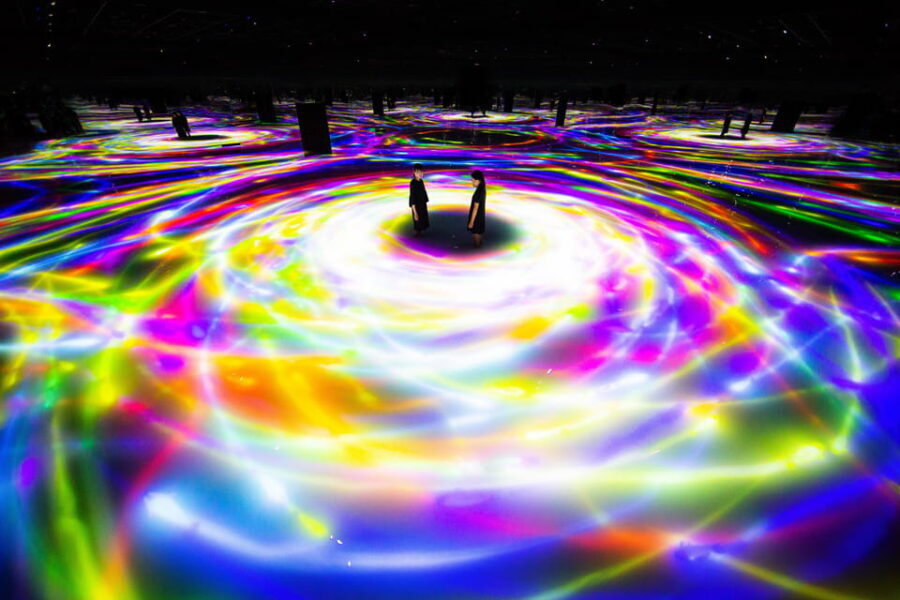
This is the one everyone’s talking about. teamLab Planets in Toyosu is the most-visited single-artist museum on the planet — a Guinness World Record holder as of 2024 with over 2.5 million visitors in a single year. At $25, it’s also remarkably affordable for what you get: four indoor immersive spaces, two outdoor garden areas, plus the huge Athletics Forest and Future Park sections added in January 2025.
This is one of the most-booked experiences in Tokyo, and the consensus is pretty clear — it’s worth every minute. The water installations are the standout. You wade barefoot through knee-deep water with projected koi fish, stand in rooms where the floor becomes an infinite mirror of light, and walk through a corridor of hanging orchids that respond to your presence. It’s the kind of thing that sounds gimmicky until you’re actually standing in it.
The $25 ticket includes everything — all exhibition areas including the new 2025 additions. Book for a weekday morning if you can. The rooms feel completely different when you’re not shoulder-to-shoulder with other visitors.
2. teamLab Botanical Garden Osaka — $11

If your Japan trip includes Osaka, this is a different but equally beautiful teamLab experience. The Botanical Garden takes the same digital art approach but places it outdoors, among real trees, flowers, and garden paths. The light installations interact with actual vegetation, which gives it a more grounded, almost meditative quality compared to the sensory overload of Planets.
At just $11, it’s a fraction of the Tokyo price and well worth an evening visit. The installations look best after dark — the colored light projections on trees and water features are genuinely stunning when the sun goes down. It doesn’t have the water-wading element of Planets, so you keep your shoes on for this one.
The feedback is consistent, and the common thread is how peaceful it feels compared to the Tokyo location. If you’re doing both cities, I’d actually recommend visiting the Osaka garden first — it’s a gentler introduction to teamLab’s style, and then Planets in Tokyo cranks everything up to full intensity.
teamLab Planets vs teamLab Borderless
This is the question I get asked most. Both are in Tokyo. Both are teamLab. Both are incredible. But they’re quite different experiences.
teamLab Planets (Toyosu) is the water one. You go barefoot, wade through installations, and the whole experience is linear — you follow a path through the rooms in a set order. It’s more structured, more physical, and the water element gives it a sensory intensity that Borderless doesn’t have. The new 2025 expansion added the Athletics Forest (a digital playground for kids and adults) and Future Park (collaborative drawing areas).
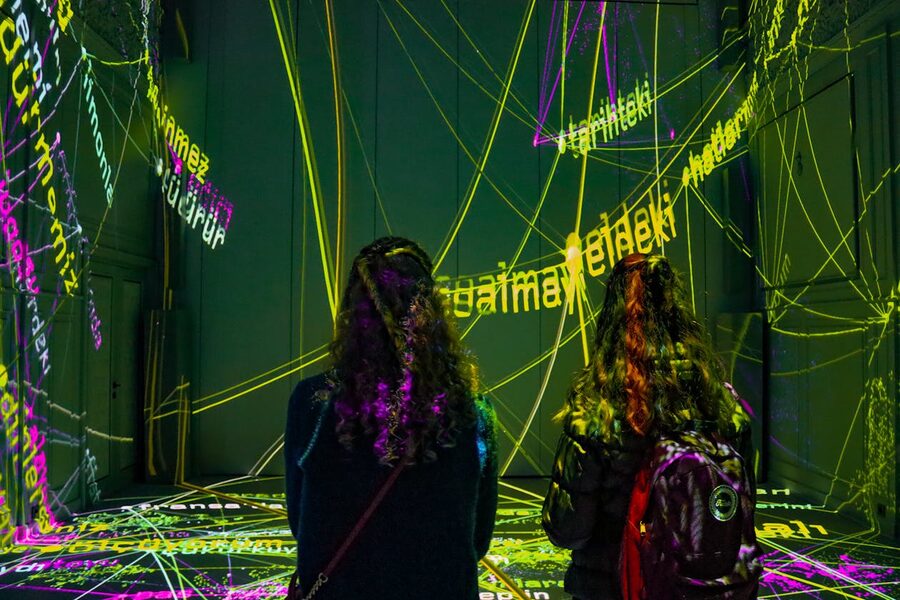
teamLab Borderless (Azabudai Hills, Roppongi) reopened in early 2024 at a new location after closing its original Odaiba space. Borderless is less physical — you keep your shoes on — but more exploratory. There’s no set path. Artworks literally drift between rooms, passing through walls and merging with each other. It feels more like wandering through a dream where the art finds you rather than the other way around.
My honest take: If you can only do one, pick Planets. The water immersion makes it a genuinely unique experience — there’s nothing else like it anywhere in the world. Borderless is beautiful but closer to other immersive art shows you might have seen elsewhere. If you have two evenings in Tokyo, do both. They complement each other well and the contrast between the two is part of the fun.
What to Wear (This Actually Matters)
I cannot stress this enough: you will get wet up to your knees. Not might. Will. The water sections are mandatory — there’s no dry path around them.
Here’s what to wear and bring:
- Shorts or pants you can roll up high. Knee-length shorts are ideal. Jeans are fine if you can roll them above your knees. Long skirts and dresses drag in the water — I watched several people spend the entire time holding up their hemlines
- Skip the socks. You’ll be barefoot the whole time. They provide free lockers at the entrance for shoes and bags
- Bring a small towel if you want, though they have towels near the exit for drying your feet
- Leave large bags in the lockers. You want both hands free. A phone is all you need inside
- No tripods or selfie sticks. They’re banned inside. Handheld phone photos work fine — the rooms are so bright that you don’t need long exposures
One thing nobody mentions: the floors are slippery. Wet, smooth floors plus dim lighting means you need to walk carefully. I saw a couple of people slip in the water rooms. It’s not dangerous, but take it slow, especially in the transition areas between wet and dry sections.
Best Time to Visit
teamLab Planets is open daily from 9am to 9pm (last entry at 8pm). Hours occasionally shift for holidays or maintenance, so check the official site before you go.
Best time: Weekday mornings, 9am-11am. The first entry slots of the day are the quietest. You might get entire rooms to yourself for a few seconds, which completely changes the experience. The light shows feel personal instead of communal, and you can actually photograph the installations without other visitors in every frame.
Decent time: Weekday late afternoons, after 4pm. The after-work crowd hasn’t arrived yet and the school groups have cleared out. Plus, entering in the late afternoon means you emerge into Tokyo at dusk, which is a nice transition.
Worst time: Weekend afternoons and any time during Golden Week (late April-early May), Obon (mid-August), or New Year holidays. The timed-entry system helps, but popular slots still mean crowded rooms. Some installations lose their impact when there are 30 people packed into a space designed for 10.
How to Get There
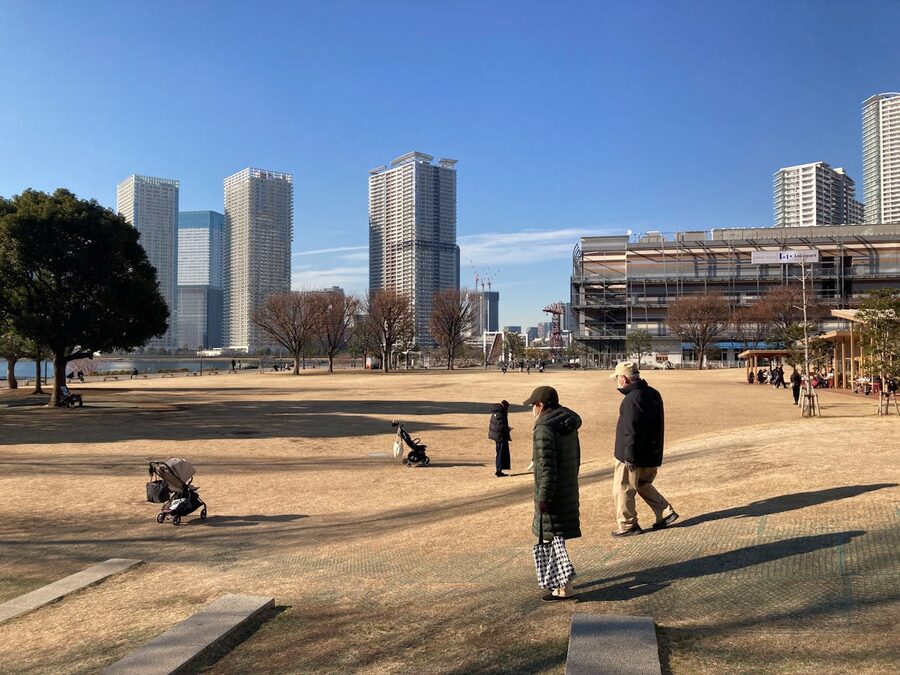
teamLab Planets is in Toyosu, on the eastern waterfront of Tokyo. It’s not as centrally located as Borderless in Roppongi, but getting there is easy.
By train: Take the Yurikamome line to Shin-Toyosu Station. The museum is a 1-minute walk from the exit — you’ll see it immediately. Alternatively, the Tokyo Metro Yurakucho Line goes to Toyosu Station, which is about a 10-minute walk. Shin-Toyosu is closer and more direct.
From major areas:
- From Shinjuku: about 30 minutes via JR to Shimbashi, then Yurikamome to Shin-Toyosu
- From Shibuya: roughly 35 minutes via Hanzomon Line to Toyosu, then walk or transfer
- From Tokyo Station: about 20 minutes via Marunouchi Line transfer at Yurakucho to Toyosu
- From Asakusa: around 30 minutes via Asakusa Line to Shimbashi, then Yurikamome
The Yurikamome line is an automated monorail that runs above the waterfront — the ride itself is scenic and worth doing even if you’re not going to teamLab. Sit on the left side heading toward Toyosu for views of Rainbow Bridge and Tokyo Bay.
Tips That Will Save You Time
Book at least a week ahead for weekends. Weekdays you can often get away with booking a day or two before, but weekend slots — especially late morning and early afternoon — fill up.
Arrive 15 minutes before your time slot. You need to check in, stash your stuff in a locker, and roll up your pants. Rushing through the setup process puts you behind and means you enter the first room with the tail end of the previous group.
Charge your phone fully. Every room is a photo opportunity. I went in at 80% and was nervously watching my battery by room four. If you have a portable charger, bring it — but keep it in a waterproof case or plastic bag since you’ll be standing in water.
Lower your phone camera exposure manually. The auto settings on most phones overexpose the light installations and wash out the colors. Tap and hold to lock focus, then drag the exposure slider down slightly. Night mode works well too.
Don’t rush through the first rooms. The entrance corridor and initial dark hallway are part of the experience — they’re calibrating your eyes for what’s coming. People who speed through miss the transition effect that makes the first big room hit harder.
Go back to rooms you liked. There’s no one-way barrier in most of the exhibition. If you loved the koi room or the floating universe, you can loop back and spend more time there. Staff don’t mind as long as you’re moving in the general flow.
What You’ll Actually See Inside
teamLab Planets has four main indoor exhibition zones plus two outdoor areas, with the 2025 expansion adding three more sections. I won’t spoil every room — half the joy is the surprise — but here’s what to expect from the major installations.
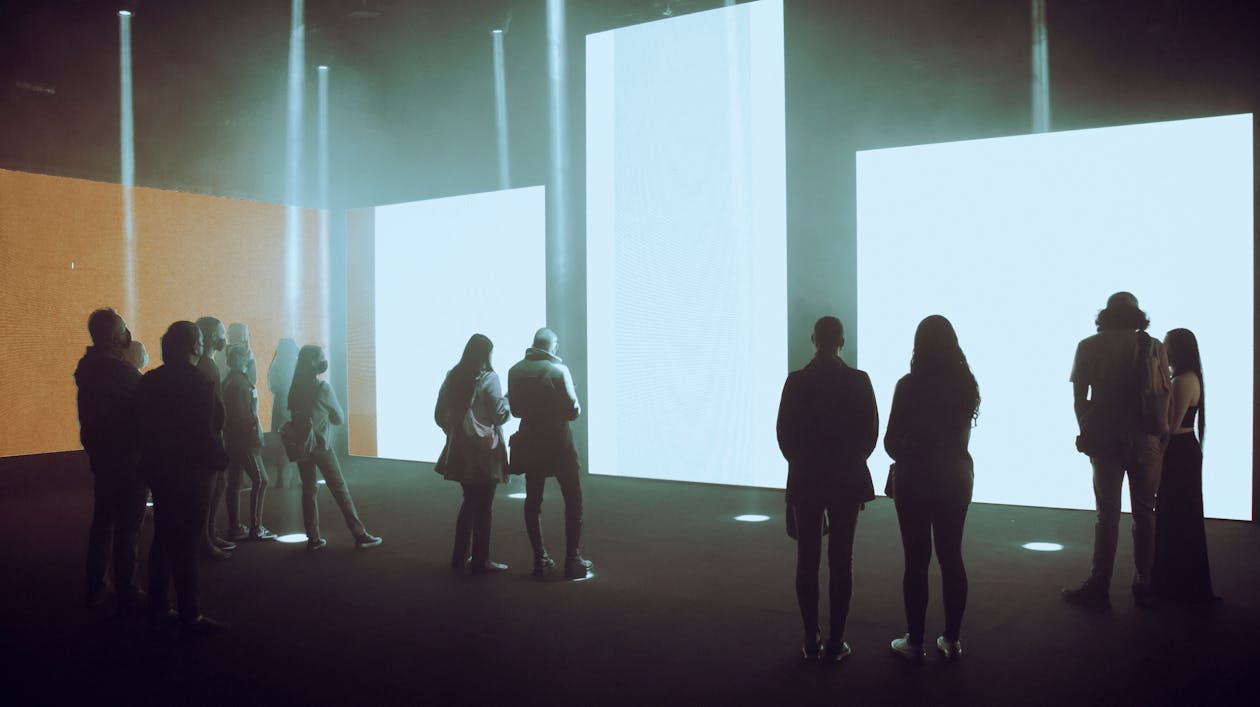
The Water Area is the heart of the experience. You wade barefoot through ankle-to-knee-deep water while digital koi fish swim around you. The fish respond to your movement — step near them and they scatter, stand still and they circle your feet. The water is warm and clean, changed regularly. This is the room on everyone’s Instagram, and for good reason. It’s strangely calming despite the crowds.
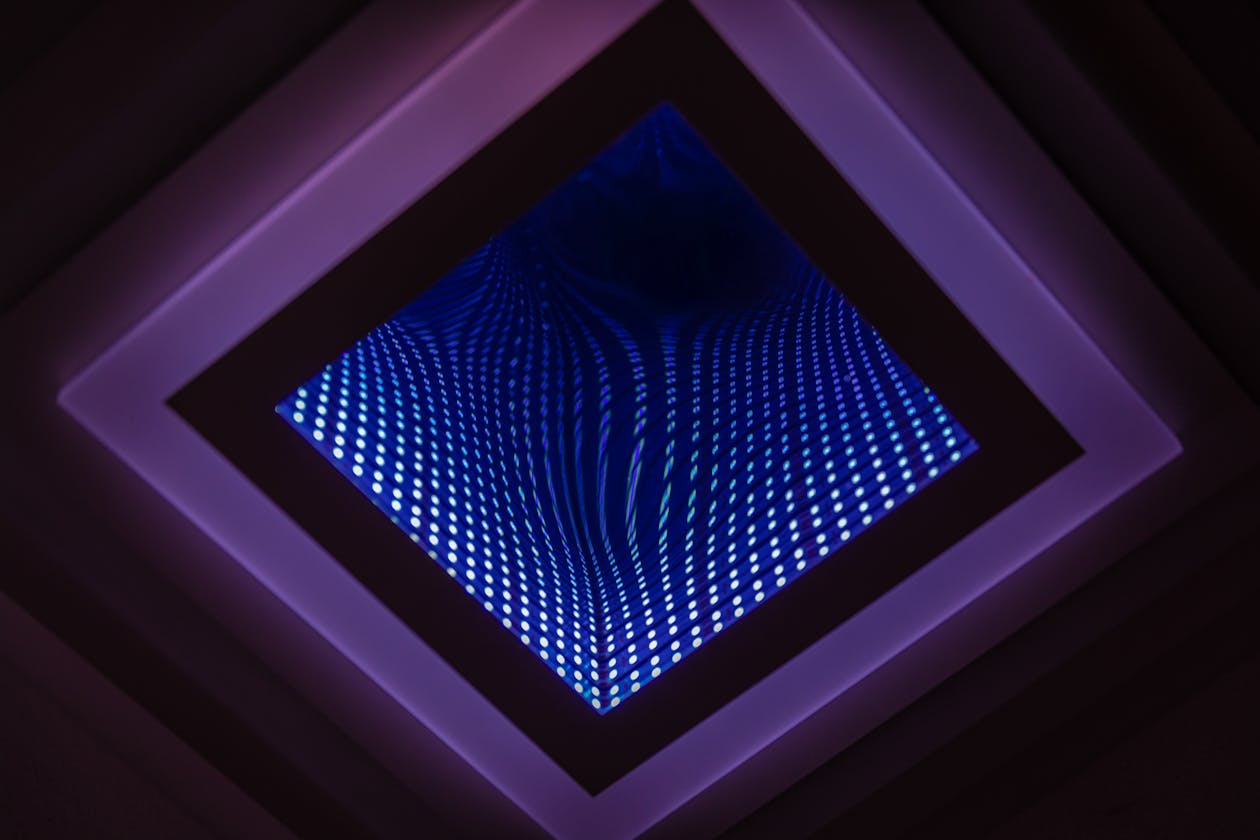
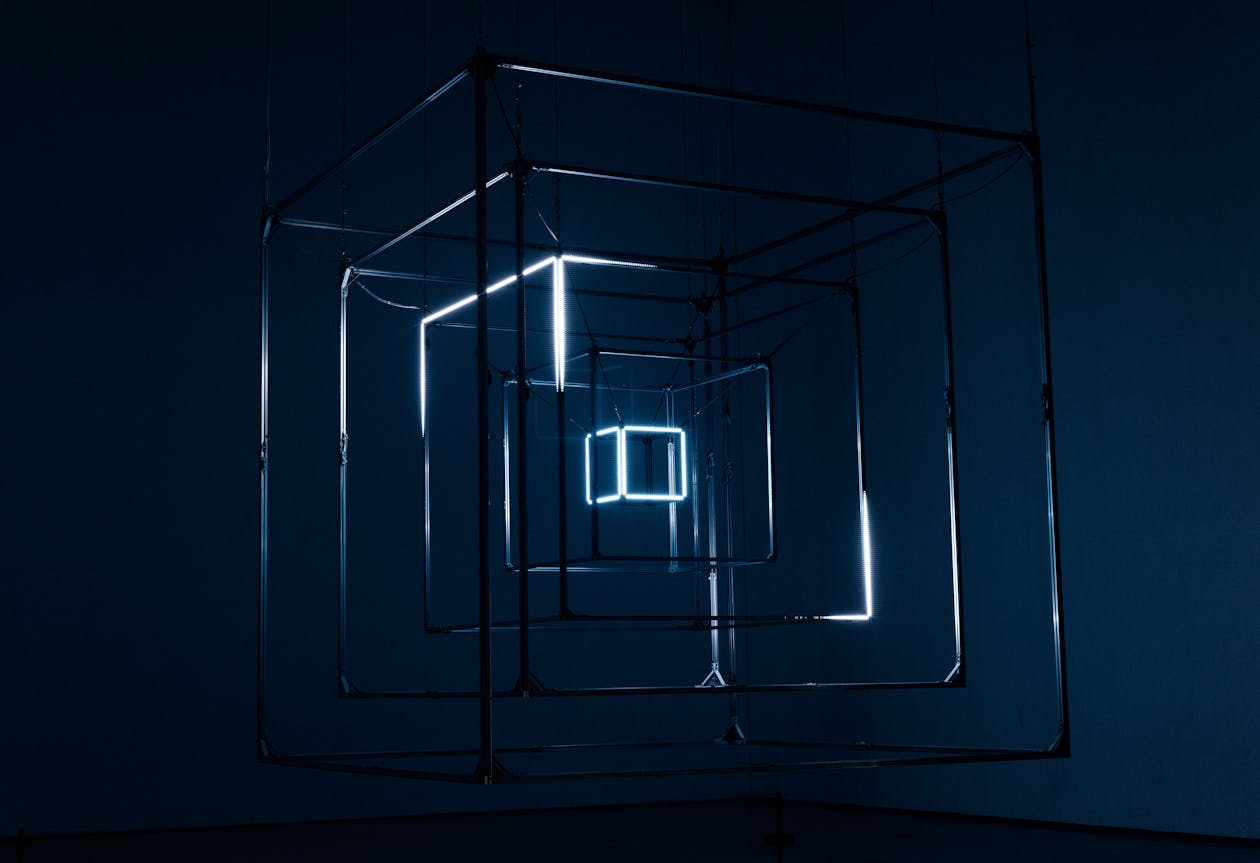
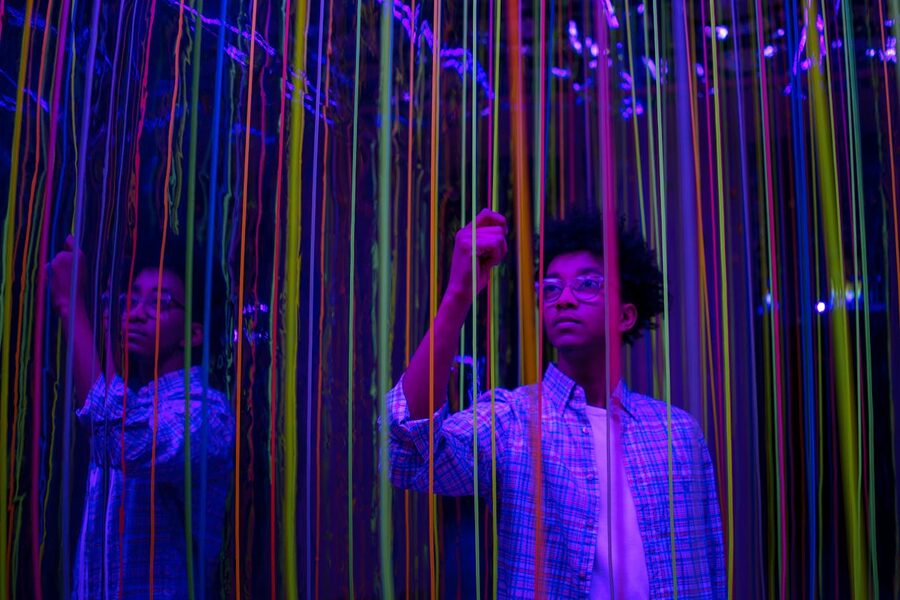
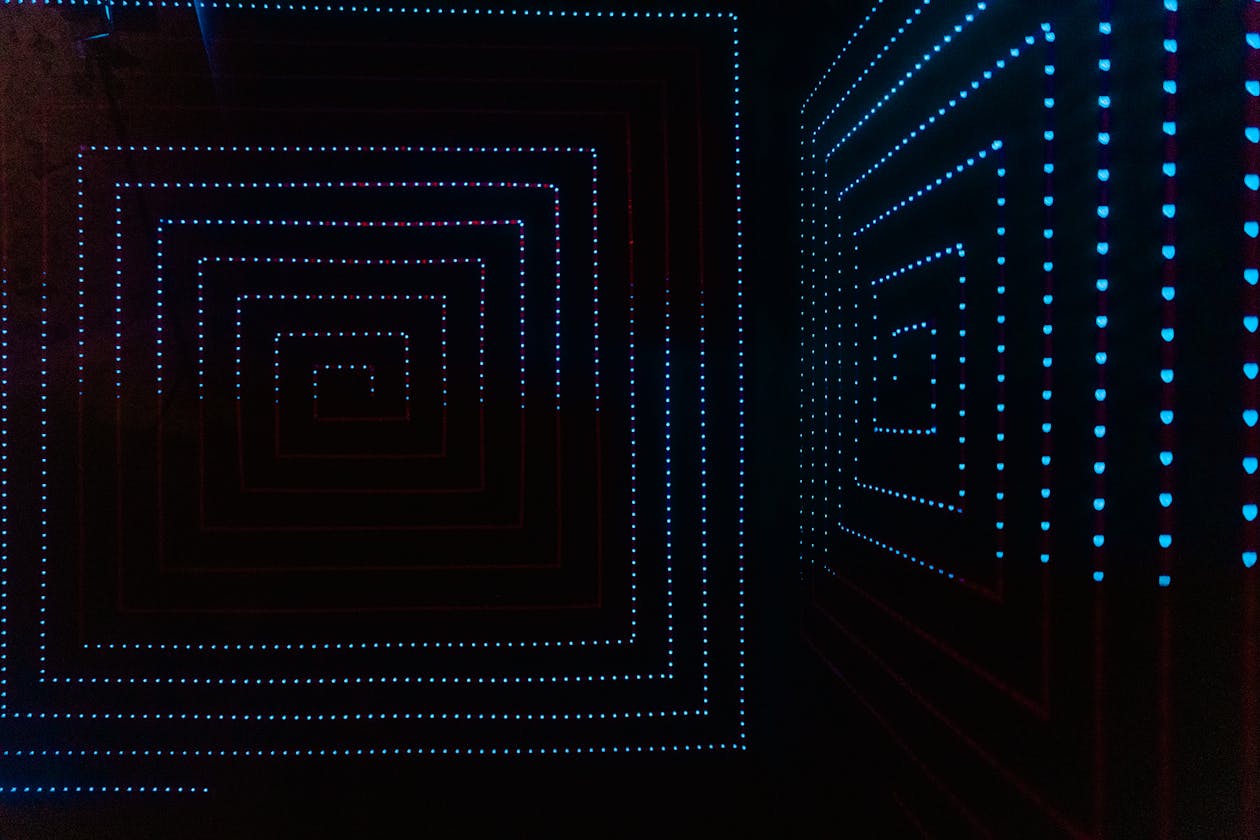
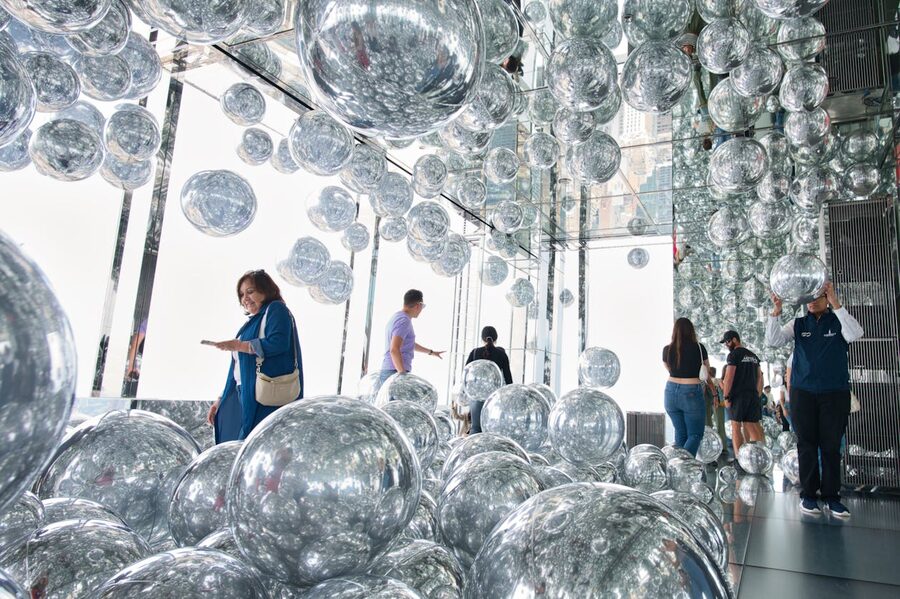
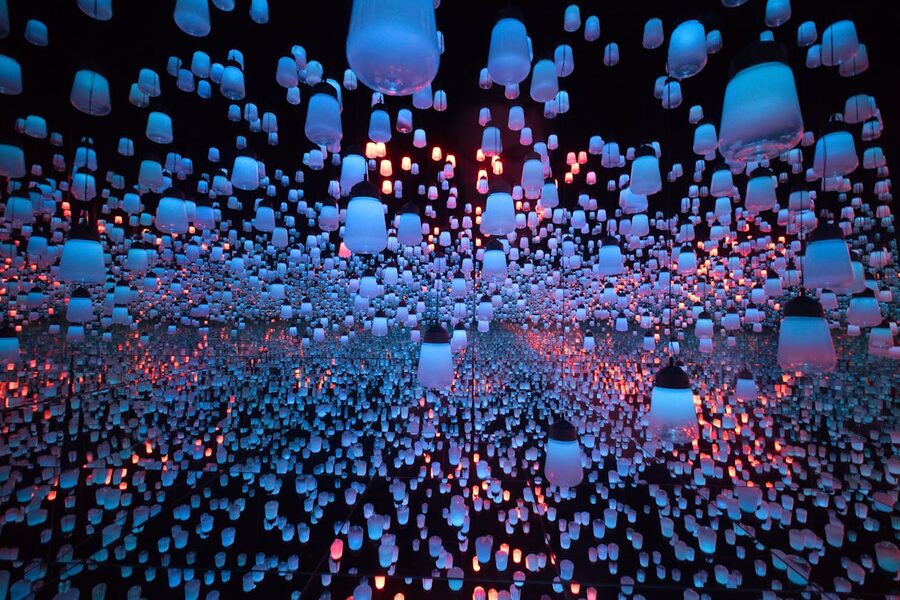
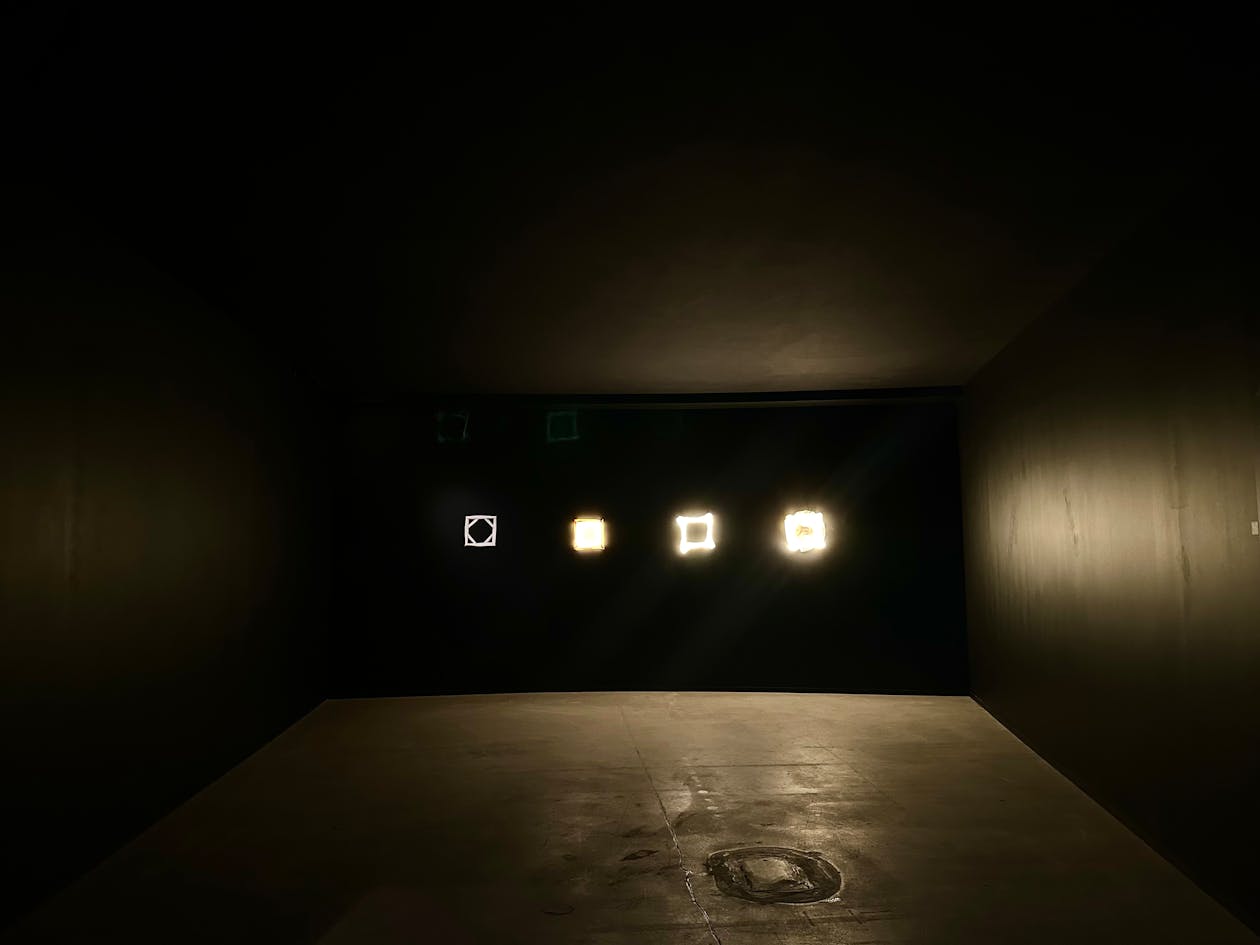
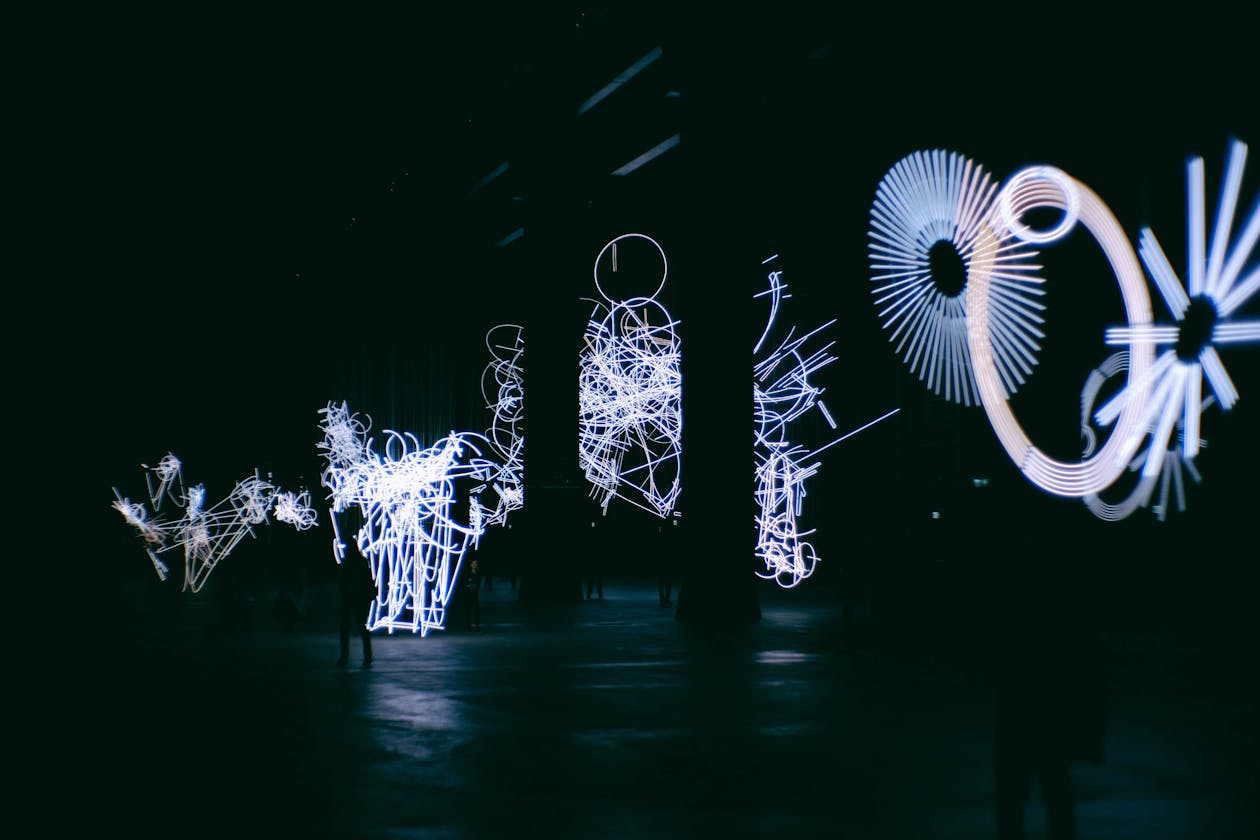
The Infinity Crystal Universe is a towering room of LED light strands that stretch in every direction, reflected infinitely by mirrored walls. You walk through them on a narrow path and feel weightless, like floating in space. This is the room where your sense of depth genuinely breaks — several people around me actually reached out to touch walls that weren’t there.
Drawing on the Water Surface projects flowers that bloom, grow, and scatter across knee-deep water as you wade through. Stand still and flowers bloom at your feet. Walk and they disperse in your wake. It’s teamLab’s most famous piece and the one most people remember most vividly.
The Orchid Room (Floating Flower Garden) suspends thousands of real orchids that rise and fall as you approach. Walk toward a cluster and they lift to let you through; stand still and they descend around you. The scent is intense and beautiful. This is the one room that uses real flowers instead of digital projections, and the contrast after so much technology makes it hit differently.
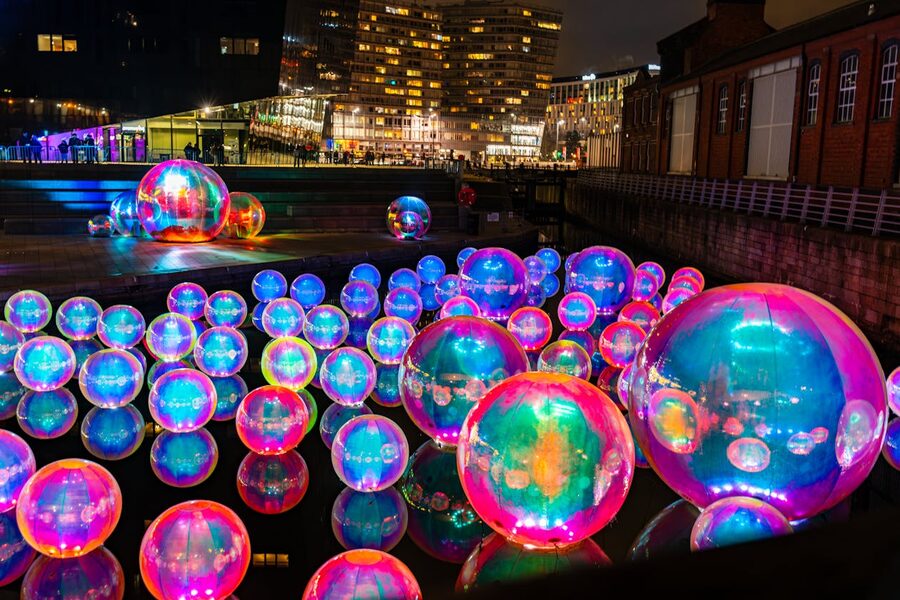
Athletics Forest (new in 2025) turns the museum into a digital playground. Rapidly Rotating Bouncing Spheres is exactly what it sounds like — a room of large colorful spheres you can bounce on and off of. The climbing walls track your movement and project creatures that follow you up. This section is aimed at kids but plenty of adults were having a blast when I visited. Budget an extra 30-45 minutes if you want to explore it properly.
Future Park (also new in 2025) is the collaborative creation area. You color in animal templates with crayons, scan them, and watch your artwork appear on the digital walls — swimming, running, and interacting with other visitors’ creations. Kids go wild for this. It’s genuinely creative and slightly chaotic in the best way.
How Long to Spend
Plan for 1.5 to 2 hours for the core experience. If you want to explore the Athletics Forest and Future Park sections (especially with kids), add another 30-45 minutes. Some people linger for 3 hours, looping back to their favorite rooms. There’s no time limit once you’re inside.
I spent about 2 hours on my visit and felt like I’d seen everything without rushing. The outdoor garden at the end is worth sitting in for 10-15 minutes — there’s a vending machine with drinks and a nice view of the Toyosu waterfront.
Eating Near teamLab Planets
There’s a small food area inside the museum complex — a vegan ramen shop by Soranoiro (if plant-based eating is your thing, our Tokyo vegan food tour guide covers more options) and a tea house — but don’t count on it for a full meal. Toyosu Market (the replacement for the famous Tsukiji inner market) is a 15-minute walk away and has incredible sushi. LaLaport Toyosu, a large shopping mall right next door, has a full food court with everything from curry to tonkatsu.
My suggestion: book a late morning teamLab slot, spend 2 hours inside, then walk to Toyosu Market for a late sushi lunch. It’s the perfect Toyosu half-day.
More Tokyo Ideas
teamLab pairs naturally with a few other Tokyo highlights depending on how you want to fill the rest of your day. The Tsukiji fish market food tours run in the morning and put you right in the Toyosu neighborhood afterward, which is perfect timing for a late-morning teamLab entry.
If you are up for something wild after the calm of the museum, the street go-kart tours through Shibuya and Akihabara are the opposite end of the Tokyo experience spectrum. For a full day outside the city, the Mt. Fuji and Hakone day trip is hard to beat when the weather cooperates.
And if traditional Japanese culture is on your list, the sumo shows running nightly in Shinjuku and Asakusa are surprisingly entertaining even if you know nothing about the sport. A rickshaw ride through Asakusa is another good option if you want something more relaxed.
This article contains affiliate links. When you book through the links on this page, we may earn a small commission at no extra cost to you. This helps us keep producing free travel guides. We only recommend experiences we’ve researched thoroughly.