
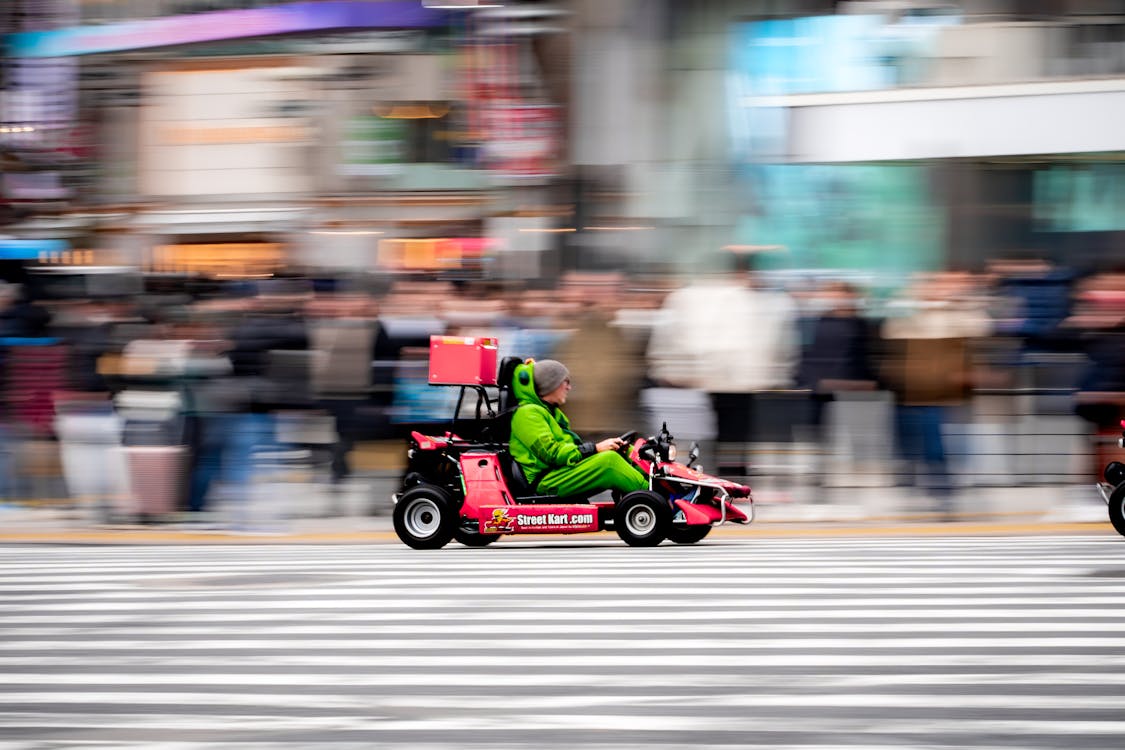
I was sitting at a red light in Shibuya, dressed as Luigi, next to a taxi driver who looked completely unfazed. Like this was just a normal Tuesday for him. Which, in Tokyo, it probably was.
Street go-karting in Tokyo is one of those activities that sounds made up until you are actually doing it. You rent a go-kart, pick a costume, and drive through real city traffic on real public roads with a guide leading the way. No closed course. No track. Just you, a kart that tops out around 60-70 km/h, and millions of very patient Japanese drivers.
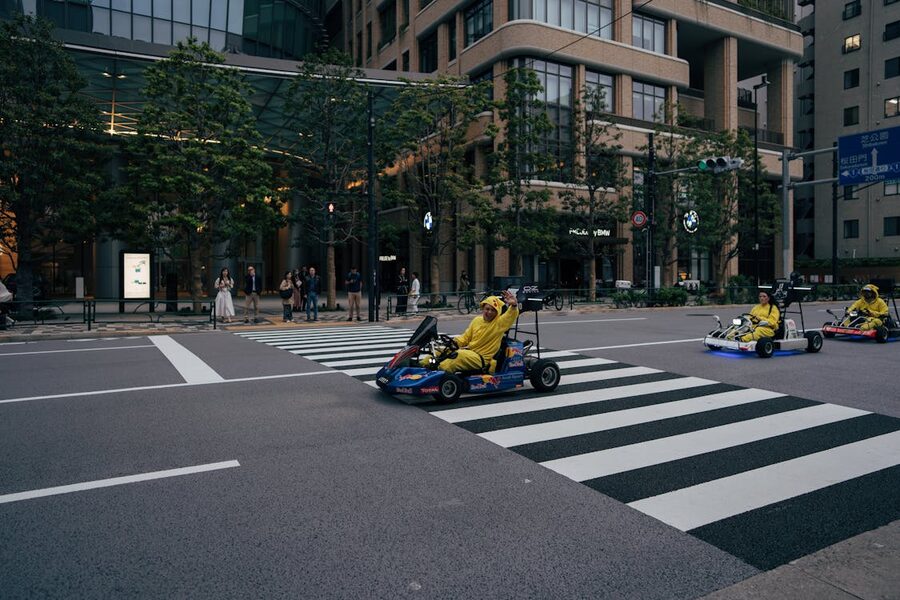
The whole thing blew up a few years back because of a certain plumber-themed racing game. Nintendo actually sued the original company (they won), and the operators had to rebrand. But the experience itself never went away. If anything, it got better – more routes, better karts, and operators who take safety more seriously now.
Here is everything you need to know to book the right tour, what license you actually need, and which Tokyo neighborhood makes for the best ride.
Short on time? Here are my top picks:
Best overall: Official Street Go-Kart Tour – Tokyo Bay — $64. Longest route, crosses Rainbow Bridge, covers the most ground. Hard to beat.
Best budget: Go-Kart Adventure – Akihabara — $61. Cheapest option that still gives you the full neon-lit Tokyo experience.
Best premium: Private Go-Karting Tour of Shinjuku — $99. Private tour, your own pace, Shinjuku entertainment district. Worth it for groups.
- What Street Go-Karting in Tokyo Actually Is
- The License Situation (Read This Before You Book)
- Choosing Your Neighborhood: Shibuya vs Akihabara vs Tokyo Bay vs Shinjuku
- The Best Tokyo Go-Kart Tours to Book
- 1. Official Street Go-Kart Tour – Tokyo Bay Shop —
- 2. Go-Kart Street Tour Adventure – Akihabara —
- 3. Official Street Go-Kart in Shibuya —
- 4. Street Kart Experience in Shibuya (GetYourGuide) —
- 5. Private Go-Karting Tour of Shinjuku —
- When to Book and Best Times to Go
- Safety and What to Expect at the Shop
- How to Get to the Meeting Points
- Tips That Will Actually Help
- What You Will Actually See on the Road
- While You Are in Tokyo
What Street Go-Karting in Tokyo Actually Is
This is not indoor karting. Not a go-kart track behind a theme park. You are driving an actual kart on actual Tokyo roads, in traffic, with buses and taxis alongside you. The karts sit low to the ground – like, really low – which makes everything feel about three times faster than it actually is.
A guide leads the group (usually 6-10 people) through a planned route. They handle navigation, set the pace, and manage traffic situations. You just follow the kart in front of you. At red lights you stop. When trucks pass, you feel the wind. Pedestrians take photos. It is, without exaggeration, one of the most surreal things you can do in any city anywhere.
The costume thing is a big part of it. Almost every operator includes a free costume rental – full character suits, animal onesies, superhero capes, that sort of thing. You are absolutely not required to dress up, but roughly 95% of people do. Walking into the shop and seeing a rack of Pikachu costumes next to the waiver forms really sets the tone for what you are about to experience.
Tours run between one and two and a half hours depending on the route. The shorter ones stick to one neighborhood. The longer ones cover serious distance – the Tokyo Bay route, for example, takes you over Rainbow Bridge and along the waterfront, which is a completely different experience from weaving through Shibuya backstreets.
The License Situation (Read This Before You Book)
This is the part that trips people up. And it is non-negotiable – no valid license, no ride, no refund.
If you are a tourist, you need an International Driving Permit (IDP). Not an international driver’s license – specifically an IDP issued under the 1949 Geneva Convention. Japan does not accept the 1968 Vienna Convention permits, which means some countries’ IDPs will not work here.
The countries that definitely work: US, UK, Canada, Australia, most of Europe. You get the IDP from your home country before you fly to Japan. In the US, AAA offices issue them for about $20. In the UK, the Post Office does them. Takes about a week in most places, so don’t leave it until the last minute.
You must also bring your regular driver’s license alongside the IDP. The IDP alone is not enough. Both documents, together, or they will turn you away at the shop. I have heard enough stories of people showing up without the right paperwork and losing their booking entirely.
Other requirements: you must be at least 18 years old. No exceptions, even with parental consent. Some operators check passports for age verification. And you need to be able to drive – this is real traffic, and while the karts are not complicated, if you have never driven anything before, this is a terrible place to learn.
If you hold a Japanese driver’s license, you are good to go with just that. No IDP needed.
Choosing Your Neighborhood: Shibuya vs Akihabara vs Tokyo Bay vs Shinjuku
Every operator runs routes through different parts of the city. The neighborhood you pick changes the entire experience.
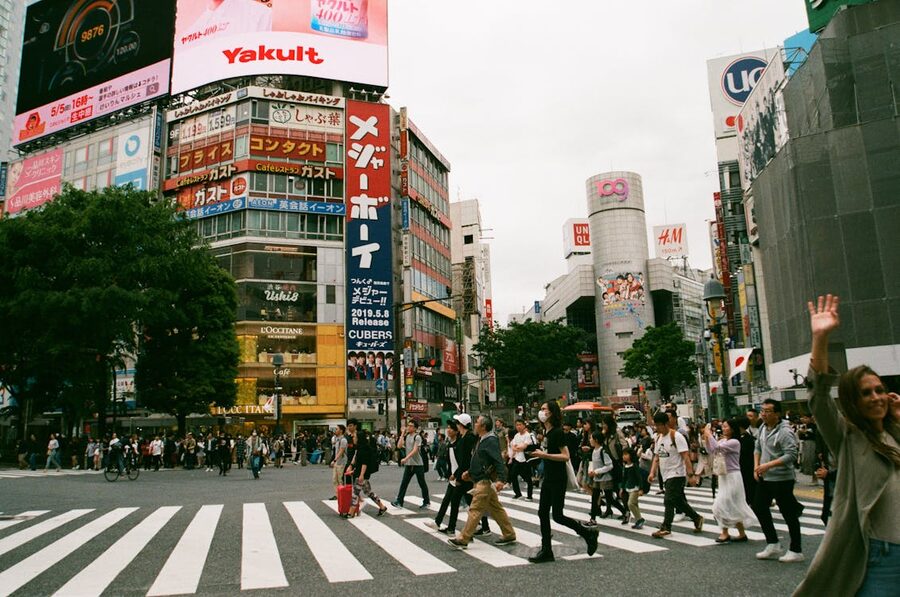
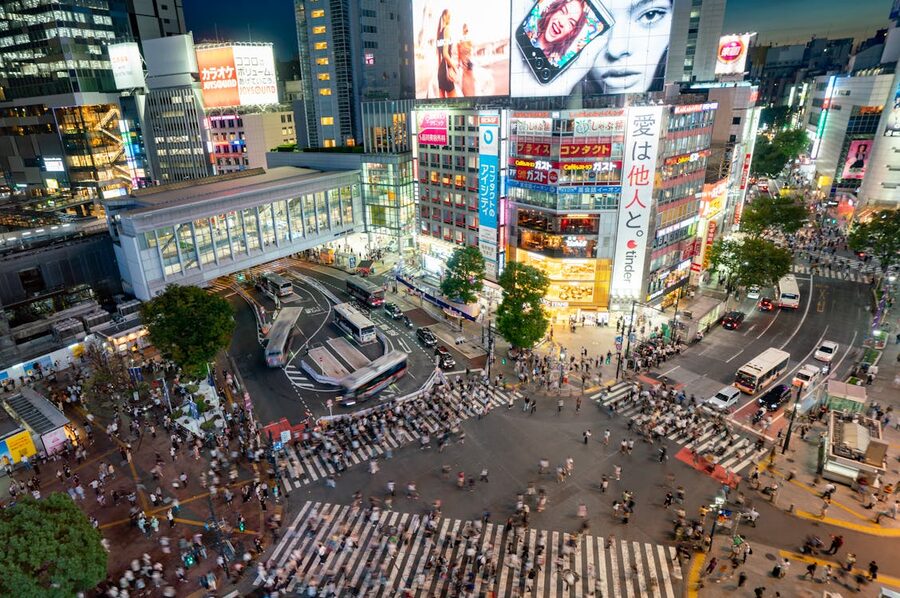
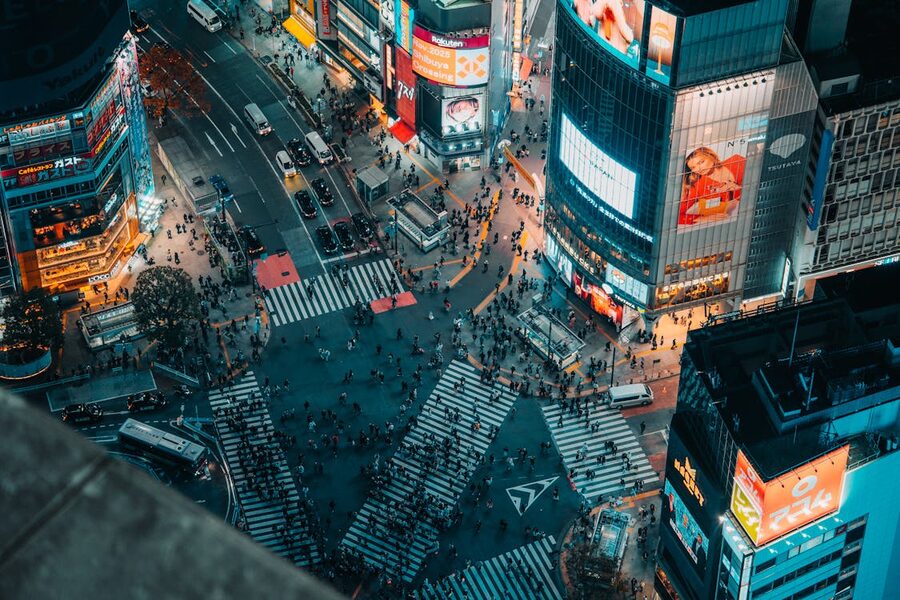
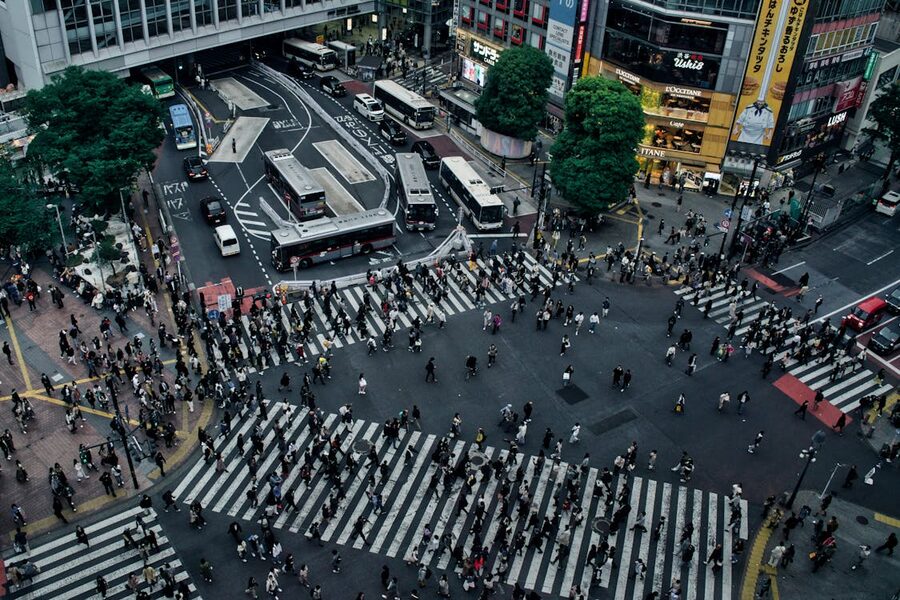
Shibuya is the headline act. You drive through Shibuya Crossing – the world’s busiest pedestrian intersection – which is exactly as wild as it sounds. The route also usually covers Harajuku and Omotesando. Daytime runs are good for photos; evening runs are better for atmosphere. This is the route most people book first, and honestly, if you are only doing one tour, Shibuya is the one.
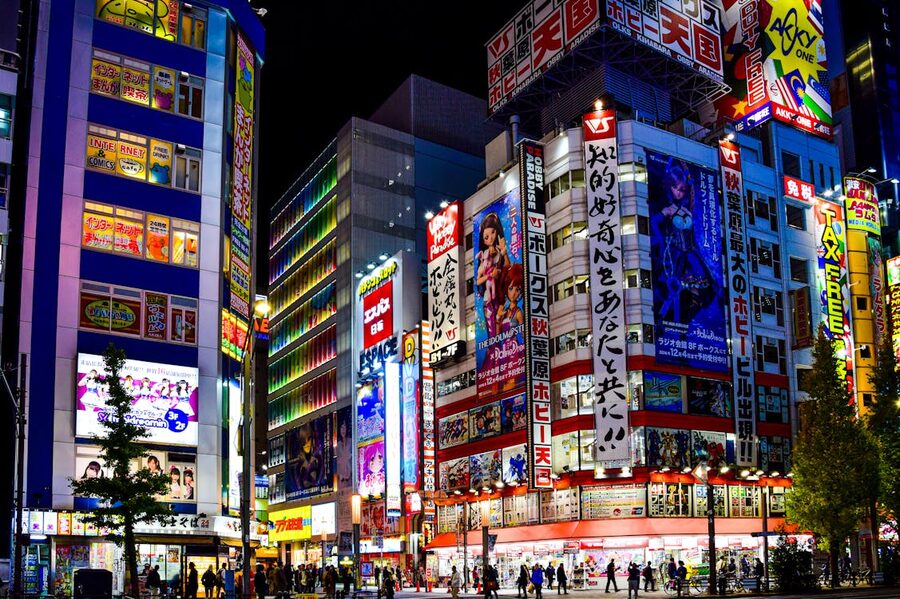
Akihabara is the electronics and anime district. More neon per square meter than anywhere else in the city. The route tends to be less crowded with pedestrians than Shibuya, which means slightly higher speeds and a different feel. If you are into gaming culture, this is your route. The Akihabara tour also swings through parts of Ueno and past the Kanda Shrine, which adds some variety.
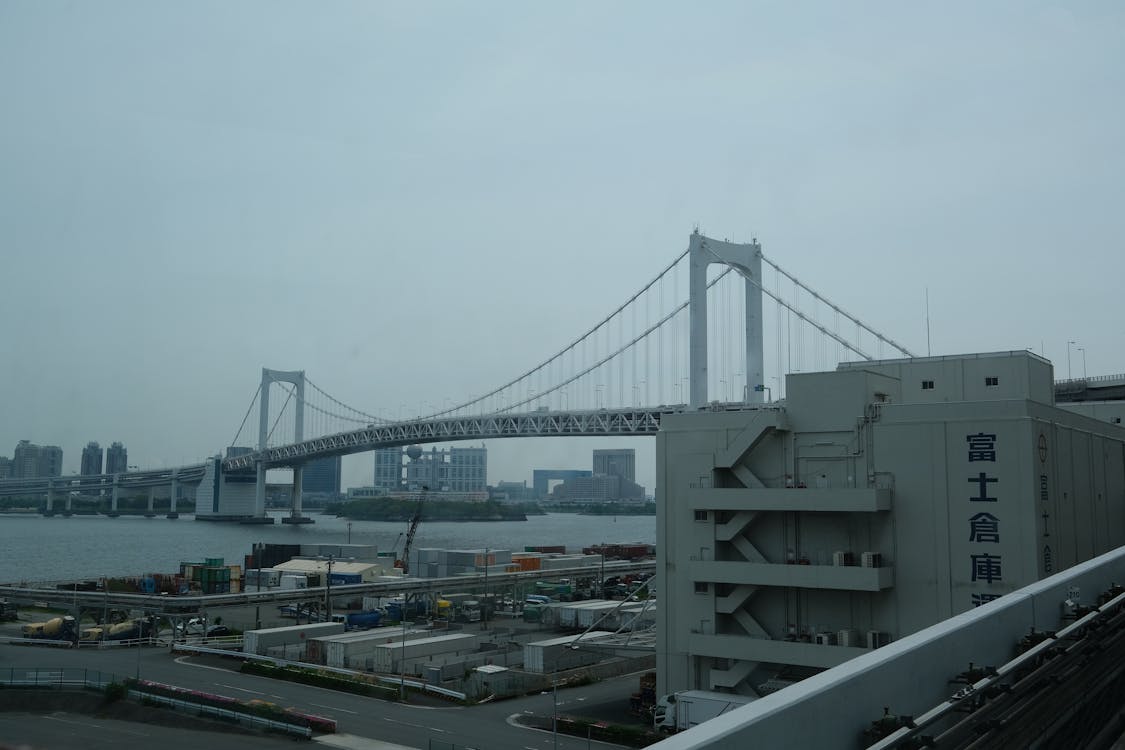
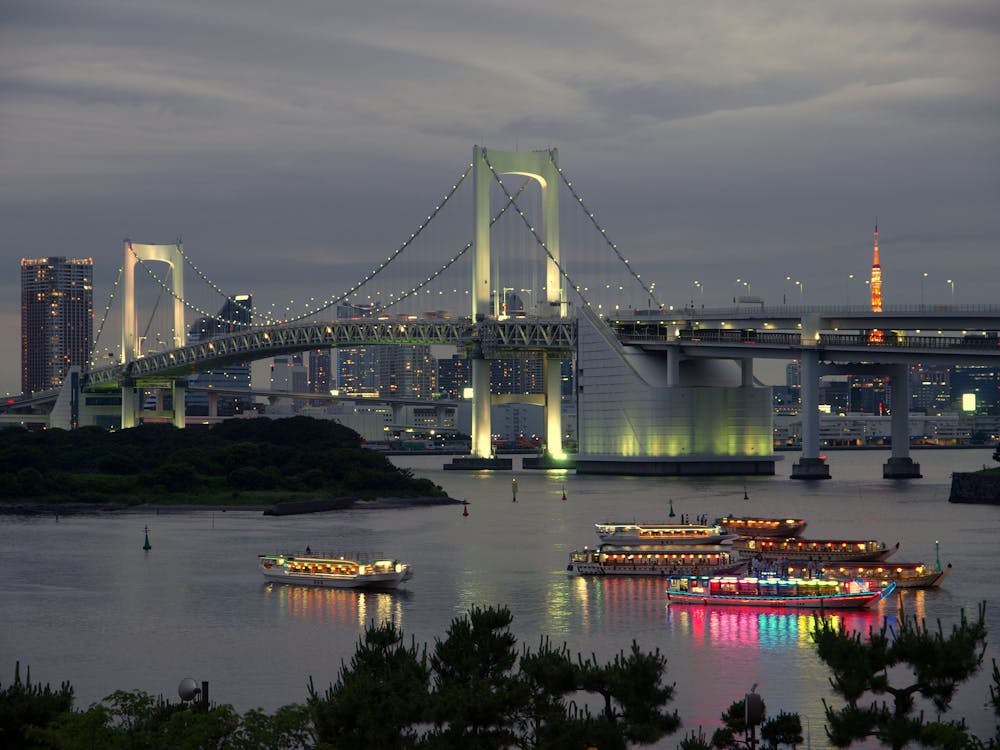
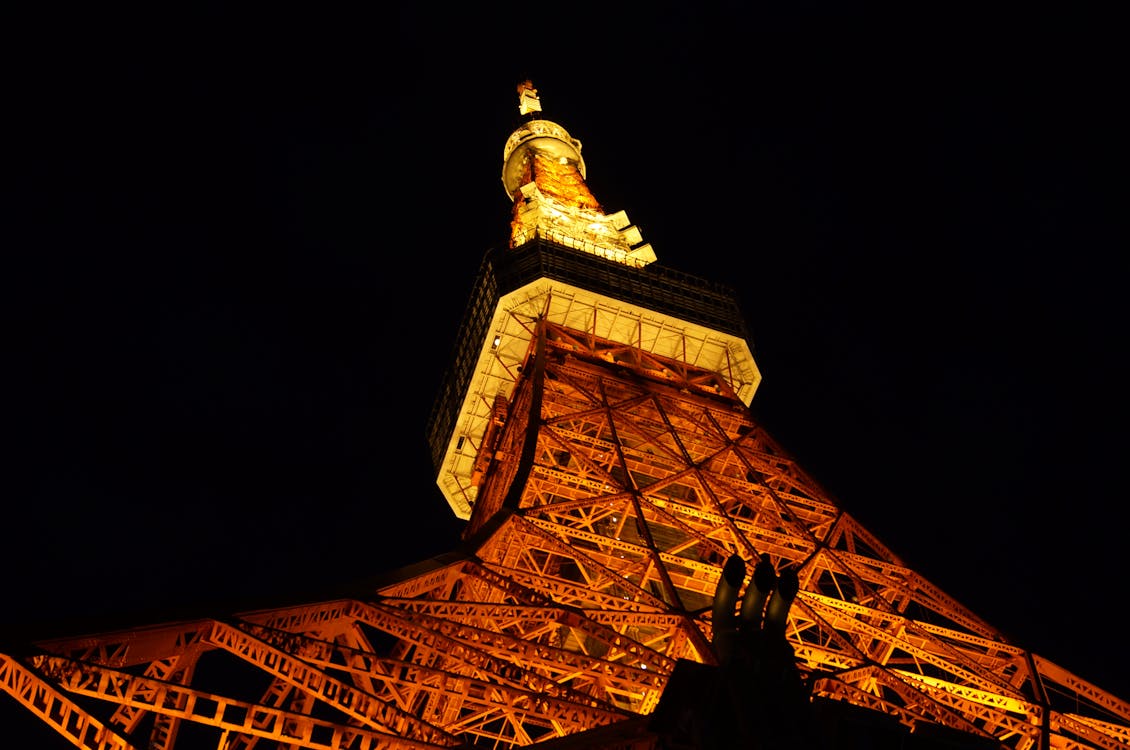
Tokyo Bay is the longest route and, in my opinion, the most underrated. You start near the bay area, cross Rainbow Bridge (yes, in a go-kart), pass Tokyo Tower, and cover parts of Odaiba. The bridge crossing is genuinely spectacular – open water on both sides, the city skyline behind you. It does not have the street-level chaos of Shibuya, but the scenery is harder to beat. The 2-2.5 hour duration means you actually settle into the experience instead of rushing through it.
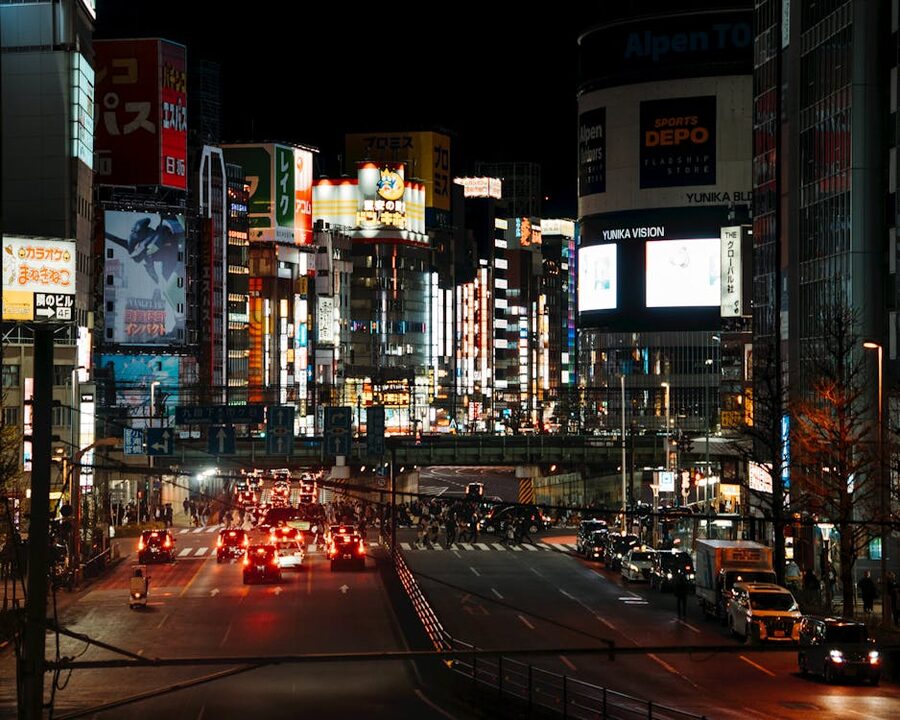
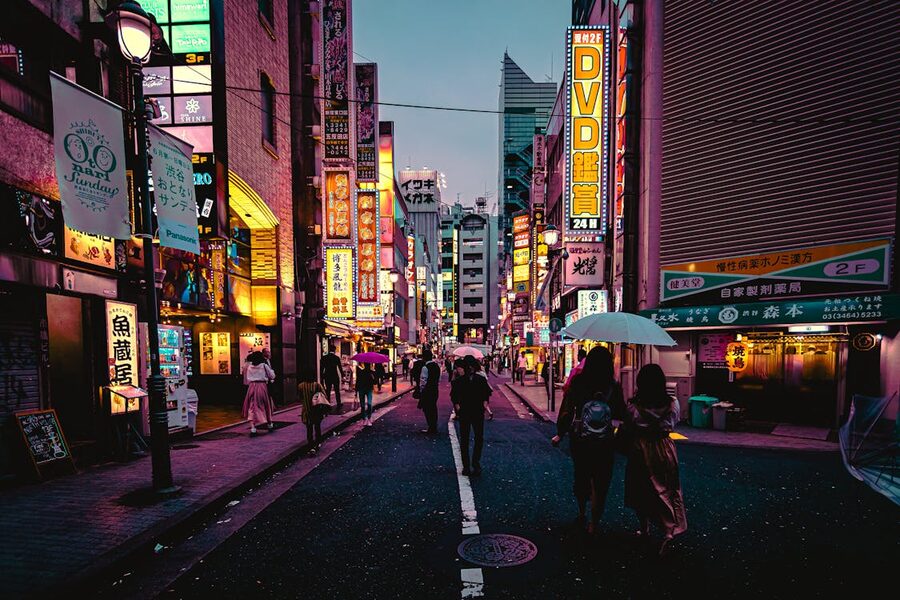
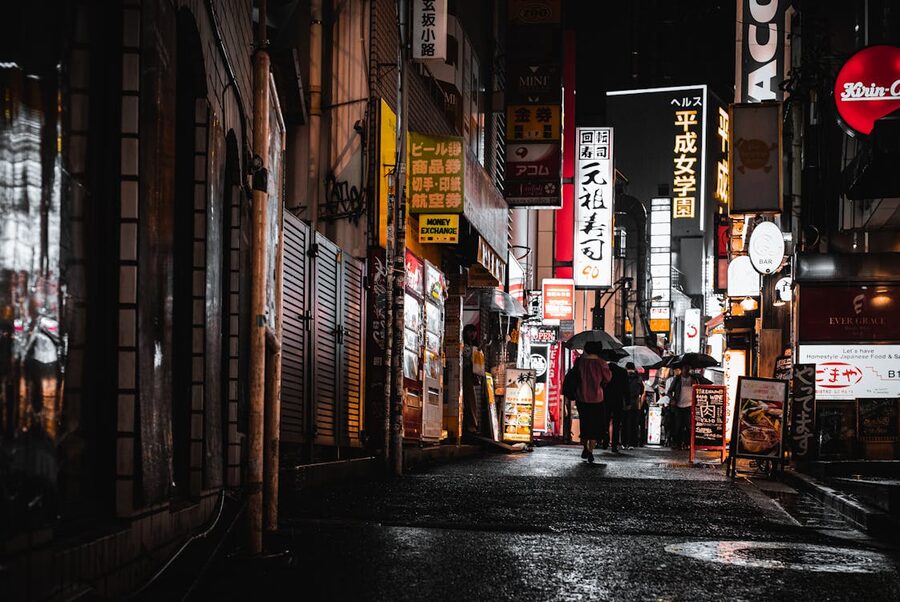
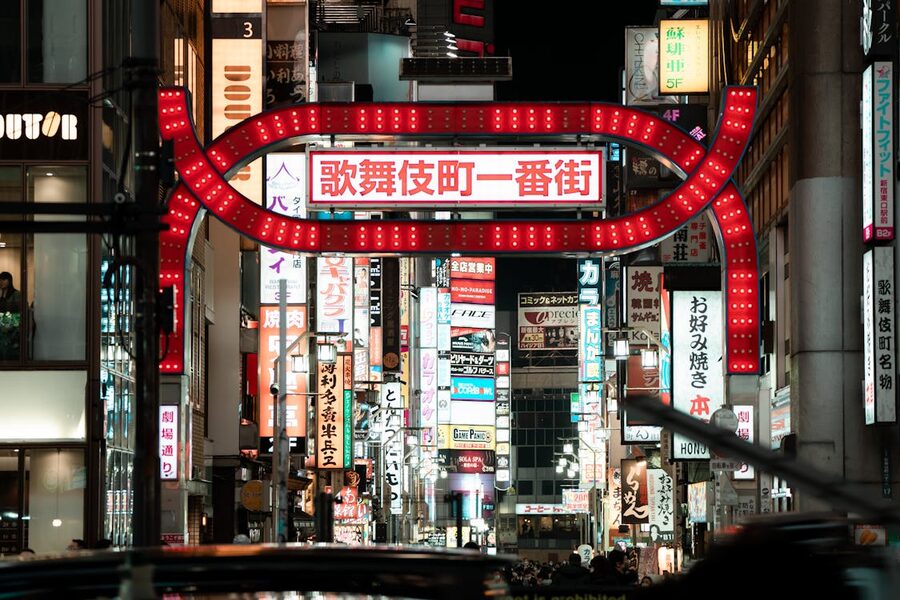
Shinjuku is available as a private tour only, which makes it the premium option. The route goes through the entertainment district – think narrow streets, packed izakaya alleys, and the general controlled chaos of east Shinjuku. Private means just your group and one guide, so you can stop for photos without holding up strangers. But at $99 per person, it is significantly more expensive than the group options.
The Best Tokyo Go-Kart Tours to Book
I have gone through the major operators, checked thousands of reviews, compared routes and pricing, and narrowed it down to five tours that are actually worth booking. Listed from best value to most premium.
1. Official Street Go-Kart Tour – Tokyo Bay Shop — $64

This is the one I recommend most. At $64 per person for a 2 to 2.5 hour ride, it is the best value of any go-kart tour in Tokyo by a wide margin. The route crosses Rainbow Bridge, passes Tokyo Tower, and covers the Odaiba waterfront. This is the most-reviewed go-kart tour in Tokyo and it still holds a perfect rating – that kind of consistency is rare.
One reviewer described it perfectly – it is an insane, terrifying, and cool experience all at once. You are doing up to 70 km/h on highway bridges with no roof over your head. The guide (multiple travellers rave about guide Gia specifically) keeps the group tight and takes photos along the way. The longer duration means you are not rushing, and the Tokyo Bay route gives you scenic variety that the neighborhood-only tours cannot match.
Not for people who get nervous in traffic. But if you want the most go-kart for your money, this is it.
2. Go-Kart Street Tour Adventure – Akihabara — $61
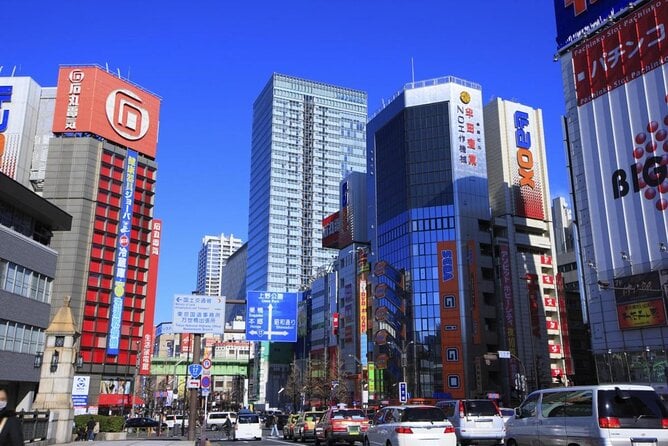
The cheapest option at $61 per person, and it does not feel like a budget tour at all. The Akihabara route takes you through Tokyo’s electric town – past the anime shops, the arcades, and the massive electronics stores that make this district famous. Perfect rating across a huge number of bookings.
The guides here are consistently praised. One reviewer mentioned guide Khan by name, saying he navigated traffic expertly and helped nervous first-timers feel comfortable within minutes. That matters more than you think when you are sitting inches off the ground in moving traffic. The Akihabara tour is also slightly less touristy than Shibuya, which some people prefer.
Best for: anyone who wants the full Tokyo go-kart experience without paying Shibuya prices. Also great if you are an anime fan – the route is basically a highlight reel of Akihabara.
3. Official Street Go-Kart in Shibuya — $76

The most iconic route. At $76 per person, you get the Shibuya Crossing experience that put Tokyo go-karting on the map. The route takes you right through the scramble crossing, past Hachiko, and through the backstreets of Harajuku. The most-booked Shibuya route with a perfect rating. This is the one with the most social media clips for a reason.
A couple things to know: the Shibuya route is shorter than Tokyo Bay (no exact time listed, but travellers say about 1-1.5 hours depending on traffic). And it costs $15 more than the Akihabara tour for a similar duration. You are paying a premium for the location, and whether that is worth it depends on how much you care about driving through the world’s most famous intersection.
For most people, it is. The Shibuya go-kart tour is the one you will see your friends sharing on Instagram.
One reviewer had her husband do the tour while she and the kids watched from the Starbucks overlooking Shibuya Crossing. Not a bad strategy if part of your group does not want to drive.
4. Street Kart Experience in Shibuya (GetYourGuide) — $74
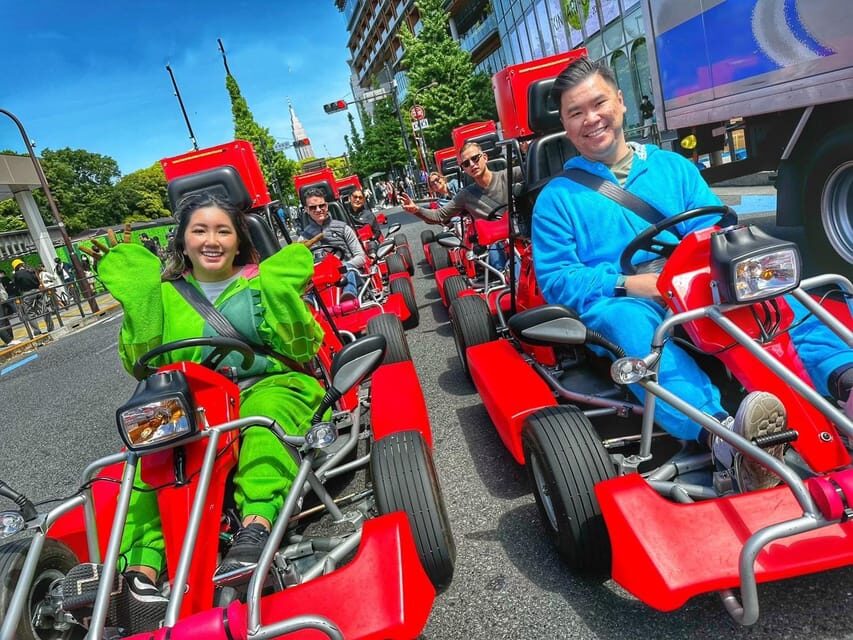
This is essentially the same Shibuya experience but booked through GetYourGuide at $74 per person for a 1-hour tour. Strong track record with a 4.9 rating. The marginal price difference compared to the Viator Shibuya listing (just $2 less) means your choice here really comes down to which booking platform you prefer.
The 1-hour duration is notably shorter than the other options, so keep that in mind. If you want Shibuya but want more time on the road, the Viator listing above might be the better pick. But if you are tight on schedule and just want to hit the crossing and key streets, the one-hour GYG Shibuya kart experience gets the job done. The 4.9 rating (versus 5.0 on others) reflects a handful of reviews mentioning it felt rushed – take that for what it is worth.
5. Private Go-Karting Tour of Shinjuku — $99
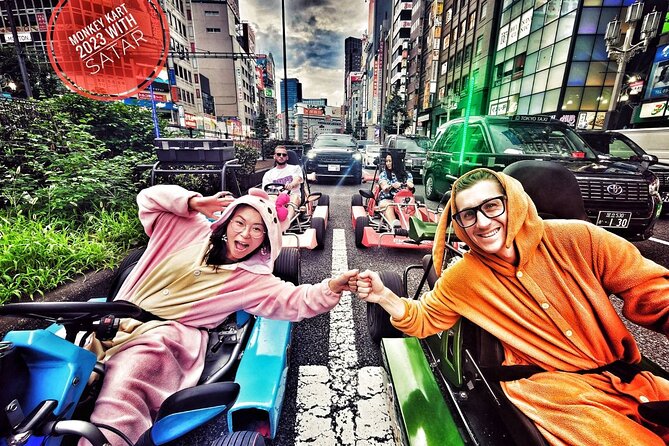
The premium pick. At $99 per person, this is the most expensive go-kart tour in Tokyo, and it is the only private option on this list. You get a dedicated guide, your own route through the Shinjuku entertainment district, and the ability to stop for photos whenever you want without annoying a group of strangers behind you.
Consistently perfect ratings from a large number of riders. The route covers Shinjuku’s narrow side streets, the towering neon of Kabukicho, and the wider avenues around the station area. Private tours are best for couples, families (where everyone is 18+), or friend groups who want to set their own pace. The Shinjuku private go-kart tour also includes cartoon costume rental.
The downside: at nearly $40 more than the Akihabara group tour, you are paying a steep premium. Unless your group values the private experience specifically, the Tokyo Bay tour at $64 gives you more road time and better scenery for significantly less money.
When to Book and Best Times to Go
Booking at least 2-3 days in advance is standard. During peak tourist seasons – March through May (cherry blossom season) and September through November (autumn colors) – you should book 2-3 weeks ahead. These tours sell out. Same-day bookings are sometimes available in quieter months like January and June, but do not count on it.
As for time of day, evening tours win. Starting around 4-5 PM means you catch sunset during the ride, and by the second half you are driving through fully lit-up Tokyo. The neon, the headlights, the billboards – it all just works better at night. Daytime tours are fine for photography (clearer shots, better colors), but the atmosphere at night is on another level.
Avoid booking the first slot on a weekend morning if you can. Traffic is lighter, which sounds good, but the streets feel emptier and you lose some of the “I can’t believe I’m doing this” energy that makes the experience what it is. Weekday late afternoons tend to be the sweet spot – enough traffic to make it exciting, not so much that you are stuck at every light.
Safety and What to Expect at the Shop
Show up 15-20 minutes before your time slot. You will fill out a waiver, show your IDP and regular license (both required), stash your bags in a locker, and pick a costume. Then you get a quick briefing on how the kart works – gas pedal on the right, brake on the left (different from most cars where you use one foot for both). It takes about 30 seconds to get the hang of it.
The karts themselves do not have seatbelts in the traditional sense – you wear a harness. No helmets are required, which surprises a lot of people. The karts max out around 60-70 km/h, and the guides keep the pace well below that in dense areas. On highway sections (like the Tokyo Bay route), you will hit higher speeds.
Japan drives on the left. If you are from a right-driving country, your first left turn will feel deeply wrong. It passes quickly, and the guide ahead of you provides a natural line to follow. But mentally prepare yourself for that initial confusion.
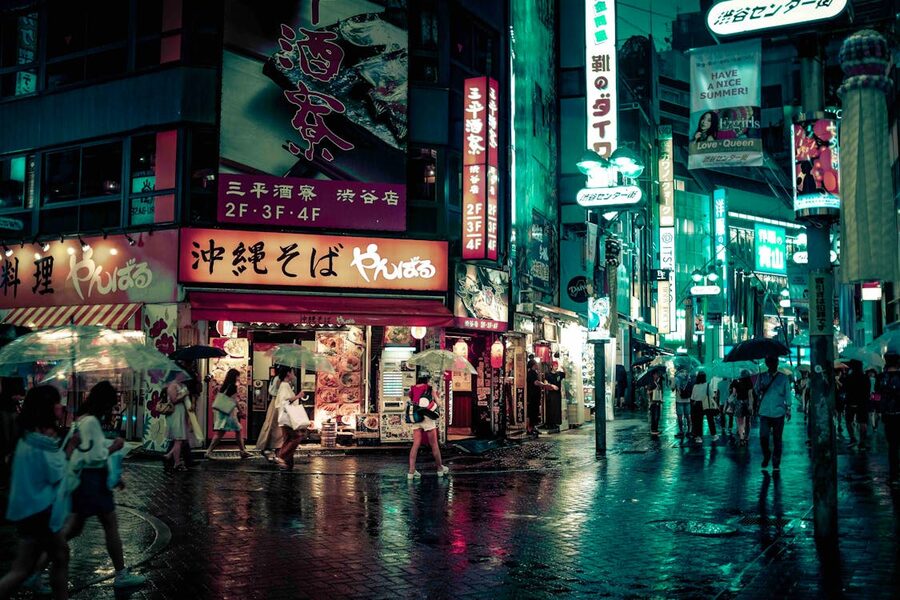
Rain policy: light rain, tours run. Heavy downpours might trigger a reschedule or cancellation. Honestly, light rain makes for incredible photos – the wet streets reflect all the neon and everything looks twice as dramatic. Dress in layers either way. Even in summer, the wind at speed cools you down fast. In winter, some operators provide gloves and blankets for the karts.
One thing nobody mentions: your back will ache after 2+ hours in a kart. The seats are not designed for comfort. It is fine for the 1-hour tours, but on the Tokyo Bay 2.5-hour route, you will feel it. Not a dealbreaker, just something to know.
How to Get to the Meeting Points
Each tour departs from a different shop location. Here are the main ones:
Tokyo Bay Shop: Near Shin-Kiba Station (Yurakucho Line, Rinkai Line, or JR Keiyo Line). About a 5-minute walk from the station. This is the starting point for the Rainbow Bridge route.
Shibuya Shop: Close to Shibuya Station (basically every Tokyo line stops here). The shop is about a 7-minute walk from the Hachiko exit. Follow the signs for the Miyamasuzaka area.
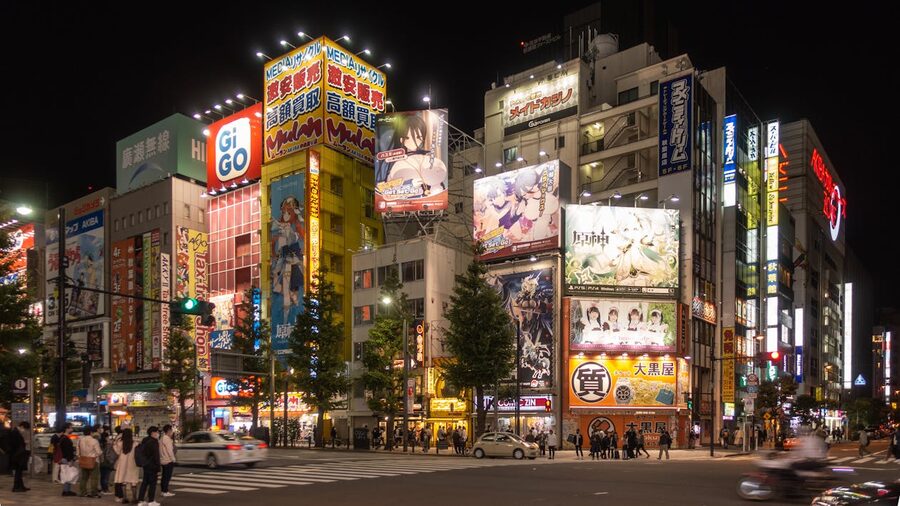
Akihabara Shop: Near Akihabara Station (JR Yamanote Line, Tsukuba Express, Hibiya Line). Walking distance from the Electric Town exit. You will spot it by the karts parked outside.
Shinjuku: Meeting point varies by operator – the booking confirmation will include exact directions. Generally near Shinjuku-sanchome Station.
All shops are accessible by train. Do not take a taxi to the go-kart shop – the irony is too much, and the train is faster anyway.
Tips That Will Actually Help
Get your IDP sorted early. This is the number one reason people miss their booking. AAA in the US takes about a week, UK Post Office is similar. Do it a month before your trip.
Book the sunset slot. Late afternoon departures mean you start in daylight and finish in full neon. Best of both worlds.
Wear closed-toe shoes. Not optional – operators will reject sandals and flip-flops. Sneakers are ideal.
Bring a GoPro or action camera if you have one. Phone mounts on karts are not always stable, and holding your phone while driving is both illegal and stupid. Some operators sell or rent GoPro mounts that clip to the kart. The guides also take photos and video of the group, which are usually available for free or a small fee afterward.
Sunscreen in summer, layers in winter. You are completely exposed in the kart. Tokyo summers are brutally hot and humid. Tokyo winters are cold and windy. There is no in-between.
Use the bathroom before you leave the shop. There are no stops on most routes. Two and a half hours is a long time.
If someone in your group does not want to drive, they cannot ride as a passenger. There are no two-seater karts. They will need to find something else to do – watching from the Starbucks at Shibuya Crossing is a popular move.
What You Will Actually See on the Road
The routes are not random. Each one is designed to hit specific landmarks and scenic streets while avoiding construction zones and the worst traffic bottlenecks. The guides know their routes cold – they drive them multiple times a day, every day.
On the Shibuya route, expect Shibuya Crossing (multiple passes sometimes), Harajuku’s Takeshita-dori area, the Meiji Shrine forest edge, and Omotesando Hills. The scenery shifts from chaotic commercial to tree-lined residential and back again.
The Tokyo Bay route is more about big scenery – Rainbow Bridge (the skyline behind you is unreal), the waterfront parks of Odaiba, Tokyo Tower up close, and the elevated highways that give you a birds-eye view of the bay. This route has the most “wow, I’m actually in a go-kart on a bridge” moments.
The Akihabara route gives you the dense urban experience – narrow streets stacked with electronics stores and anime shops, the Kanda Myojin Shrine area, and stretches past Ueno Park toward the Asakusa side of the city. Fewer wide-open views, more sensory overload from the neon and signage.
One thing that makes all routes memorable: the reactions from pedestrians and other drivers. Taxi drivers barely glance at you. Tourists stop and film. Kids wave. Elderly Japanese people sometimes shake their heads. The whole thing feels like being in a parade you did not plan.
While You Are in Tokyo
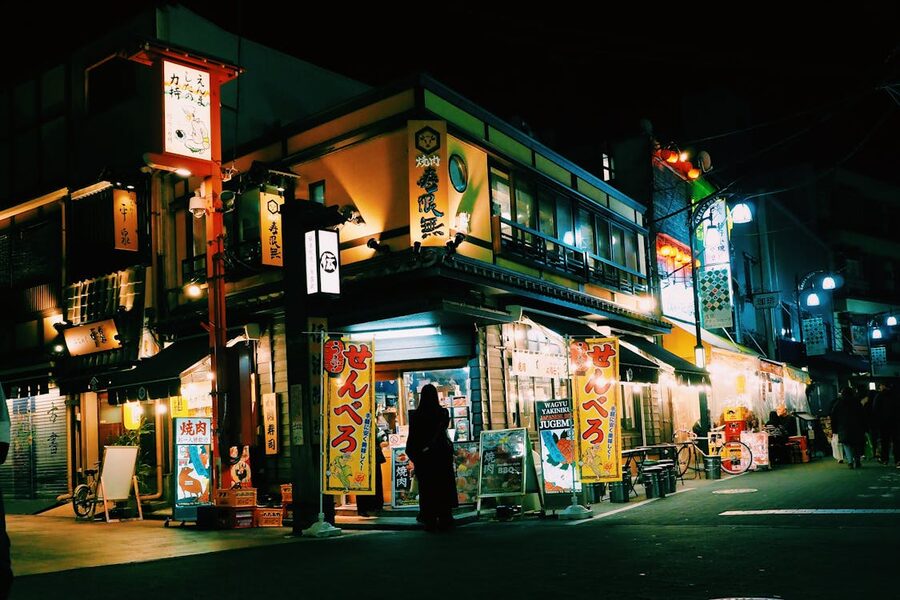
If you finish the go-kart tour buzzing with adrenaline and not ready to call it a night, the bar hopping tours through Shinjuku and Shibuya are a natural follow-up — you will already know the streets from the kart. During the day, teamLab Planets in Toyosu is about 15 minutes from the Tokyo Bay go-kart departure point and makes for an easy same-afternoon combo.
The Mount Fuji and Hakone day trip is worth a full day if the weather cooperates, and catching a live sumo show in the evening is one of those experiences you genuinely cannot get anywhere else. If you want to see Tokyo from above instead of street level, the Skytree observation deck gives you a view that puts the whole city in perspective after weaving through it at ground level.
This article contains affiliate links. If you book through our links, we earn a small commission at no extra cost to you. This helps us keep producing detailed guides like this one. All opinions and recommendations are our own.