
The wrestler was maybe five feet eight. And easily 300 pounds. He stepped into the ring with a kind of quiet confidence that made the whole room go still. Then he clapped once, stomped both feet hard enough to rattle the floor under my seat, and I suddenly understood why sumo has survived for over a thousand years.
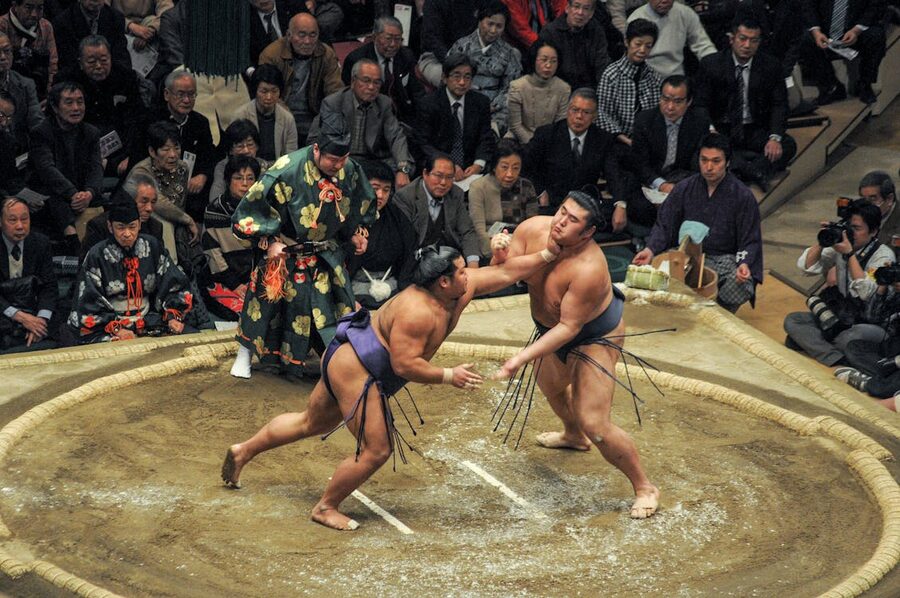
This is not a quiet museum experience. Whether you catch an official tournament or book one of the tourist-friendly sumo shows that run year-round in Shinjuku and Asakusa, you are going to feel the ground shake.
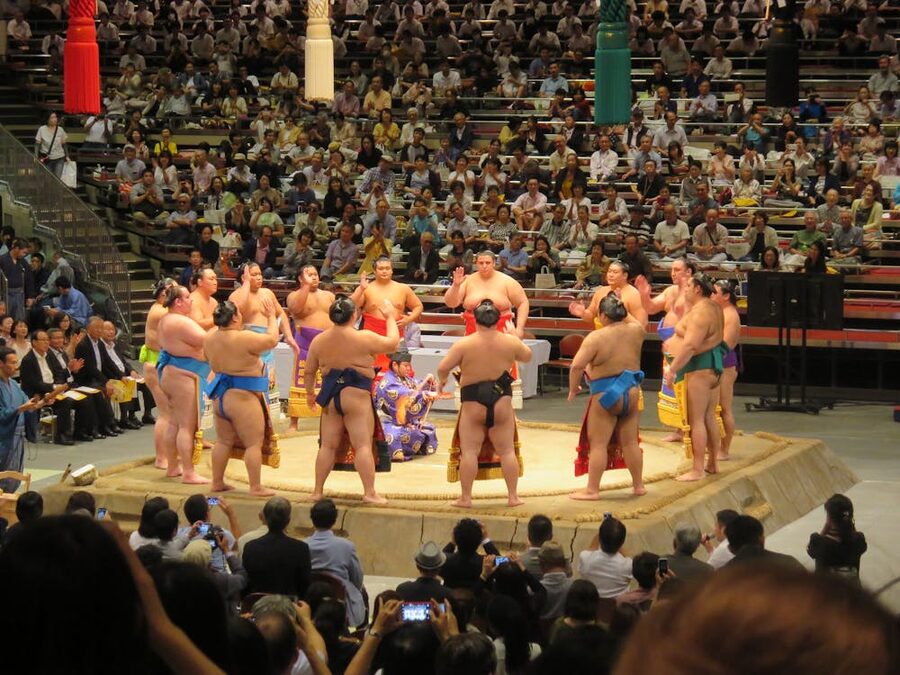
Here is everything you need to know about booking a sumo experience in Tokyo — from official basho tournament tickets to the shows that run every night for visitors.
Short on time? Here are my top picks:
Best overall: Sumo Show with Chicken Hot Pot and Photo — $103. The full package — live show, hot pot dinner, photos with wrestlers. Two hours, Asakusa location.
Best value: Sumo Show and Experience in Shinjuku — $69. 90 minutes, solid show with audience participation, and you’re right in Shinjuku for dinner after.
Best interactive: Challenge Sumo Wrestlers and Enjoy Lunch — $90. You actually get in the ring and try to push a professional wrestler. Spoiler: you will not succeed.
- Official Sumo Tournaments vs Tourist Shows — What’s the Difference?
- How to Get Official Tournament Tickets
- What to Expect at a Tournament
- The Best Sumo Shows to Book in Tokyo
- 1. Sumo Show with Chicken Hot Pot and Photo — 3
- 2. Shinjuku Sumo Show and Experience with Photo —
- 3. Challenge Sumo Wrestlers and Enjoy Lunch —
- 4. Sumo Show and Experience in Shinjuku —
- 5. Osaka Sumo Show with Ring Training and Chanko Nabe —
- When to Go
- How to Get to the Sumo Venues
- Tips That Will Save You Time and Money
- What You Will Actually See
- The Food: Chanko Nabe and Beyond
- Planning the Rest of Your Tokyo Trip
Official Sumo Tournaments vs Tourist Shows — What’s the Difference?
There are two completely different ways to see sumo in Tokyo, and it is worth understanding the distinction before you book anything.
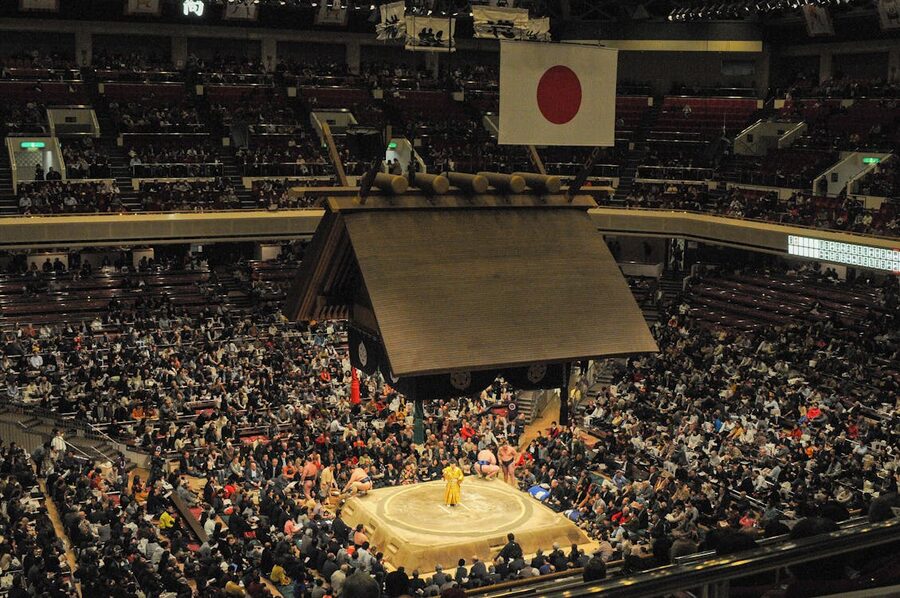
Official tournaments (basho) happen three times a year in Tokyo — January, May, and September — at Ryogoku Kokugikan, the national sumo stadium in the Ryogoku district. Each tournament runs 15 days. These are the real deal: ranked professional wrestlers competing in matches that count toward their official record. The atmosphere is intense, the traditions are ancient, and the food stalls inside the arena are surprisingly good.
Tourist sumo shows run year-round, mostly in Shinjuku and Asakusa. These feature retired or amateur wrestlers performing demonstrations, explaining the rules and history, and usually letting audience members step into the ring for a (very one-sided) match. Most include a meal — typically chanko nabe, the protein-heavy hot pot that sumo wrestlers eat to build mass. They are genuinely fun and educational, but they are entertainment, not competitive sport.
Which should you choose? If your trip falls during January, May, or September, try for tournament tickets first — that is the authentic experience. If not (or if tickets are sold out), the tourist shows are a solid alternative. I would not skip sumo entirely just because you missed a tournament.
How to Get Official Tournament Tickets
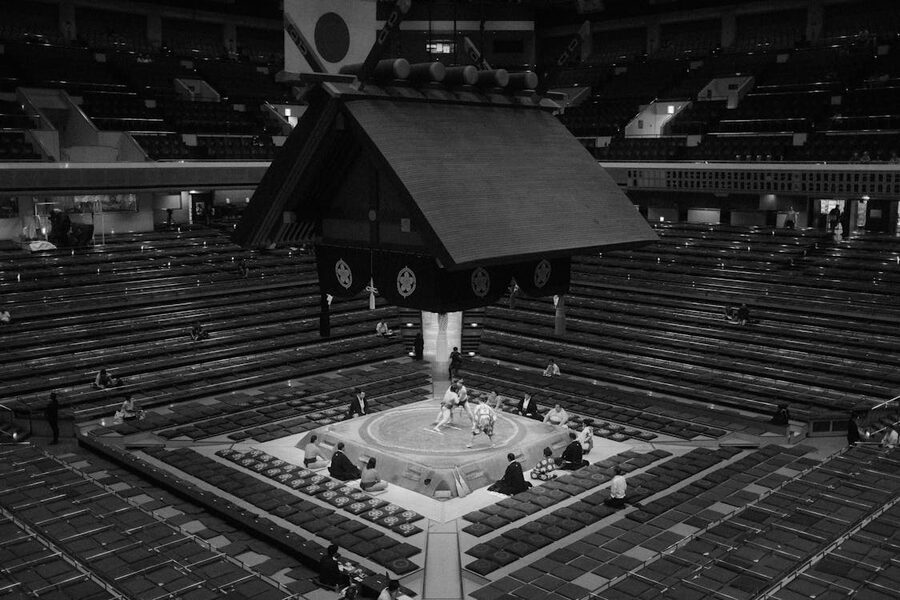
Tournament tickets go on sale roughly five weeks before each basho starts. The official sales channel is the Japan Sumo Association ticket site. Here are the 2026 Tokyo dates:
- January Tournament: Jan 11–25 (tickets on sale from Dec 6, 2025)
- May Tournament: May 10–24 (tickets on sale from April 4, 2026)
- September Tournament: Sep 13–27 (tickets on sale from Aug 8, 2026)
Tickets range from about 3,500 yen for upper arena seats to 47,000 yen+ for box seats close to the ring. Box seats (called masu-seki) seat 2-4 people on a small tatami mat section and are sold as a unit — so you buy the whole box, not individual seats. They are not spacious. At all. But they are close to the action.
Arena seats on the upper level start from 3,500 yen for the back rows and go up to around 8,000 yen for better positioning. These are perfectly fine for a first timer — you can see everything clearly and the atmosphere is great regardless of where you sit.
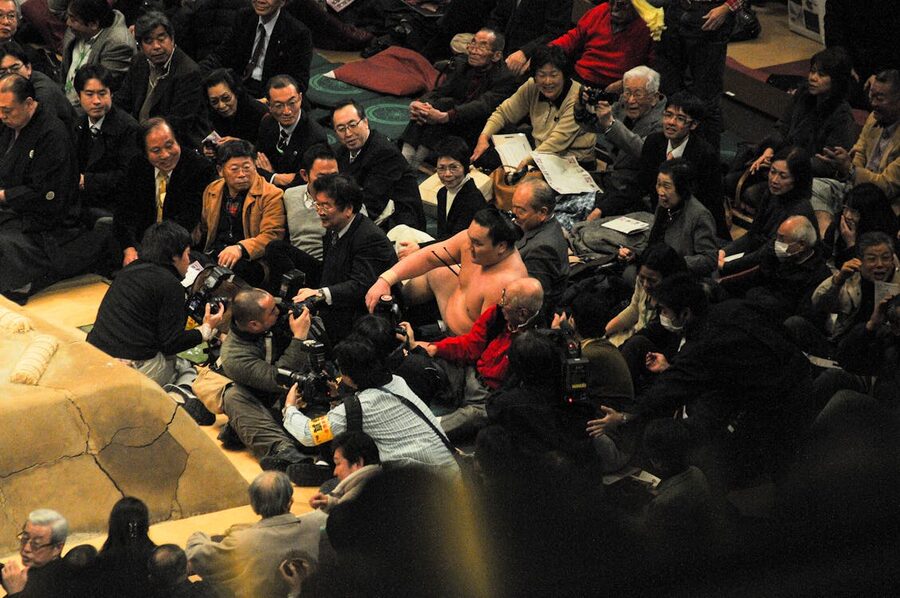
The tricky part: popular days sell out fast. Opening day, final day, weekends, and national holidays are always the first to go. Your best bet for availability is a weekday between days 3-6 or days 10-12 of the tournament. These mid-tournament weekdays still have great matches — the top-ranked wrestlers compete every day — but the crowds thin out considerably.
If official tickets are sold out, tour operators like Viator and JTB Sunrise Tours sometimes have packages that include tickets with English-speaking guides. These cost more but take the hassle out of navigating the Japanese-language ticket system.
What to Expect at a Tournament
Tournament days start early — the lowest-ranked wrestlers begin matches around 8:30am, with the top-division bouts happening from about 3:30pm to 6pm. Most visitors arrive in the afternoon for the headline matches, but showing up at lunch and staying through gives you a better sense of the full hierarchy.
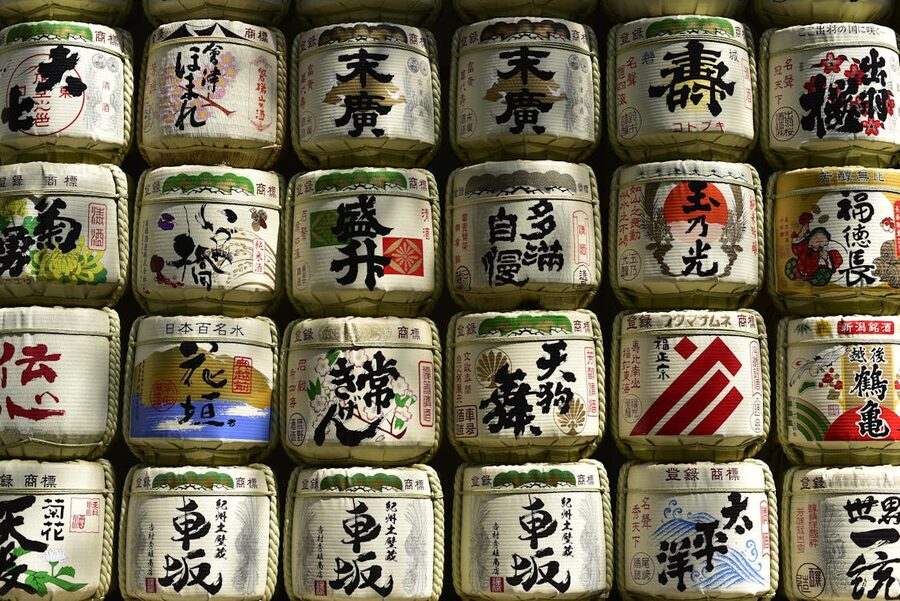
Inside Ryogoku Kokugikan, you will find food stalls selling bento boxes, beer, and — if you are lucky — chanko nabe. The basement restaurant serves it for about 300 yen a bowl during tournaments, which is absurdly cheap for what you get. There is also a sumo museum on the ground floor that is free to enter.
A few practical notes: you can leave and re-enter with your ticket stub. Bring a cushion if you have box seats (the tatami is not padded). And yes, photography is allowed — just no flash.
The Best Sumo Shows to Book in Tokyo
If you are visiting outside tournament season — or you just want the more interactive, food-included version — these are the shows worth booking. I have ranked them by overall experience, factoring in what you actually get for the price, how good the audience interaction is, and whether the food is worth mentioning.
1. Sumo Show with Chicken Hot Pot and Photo — $103
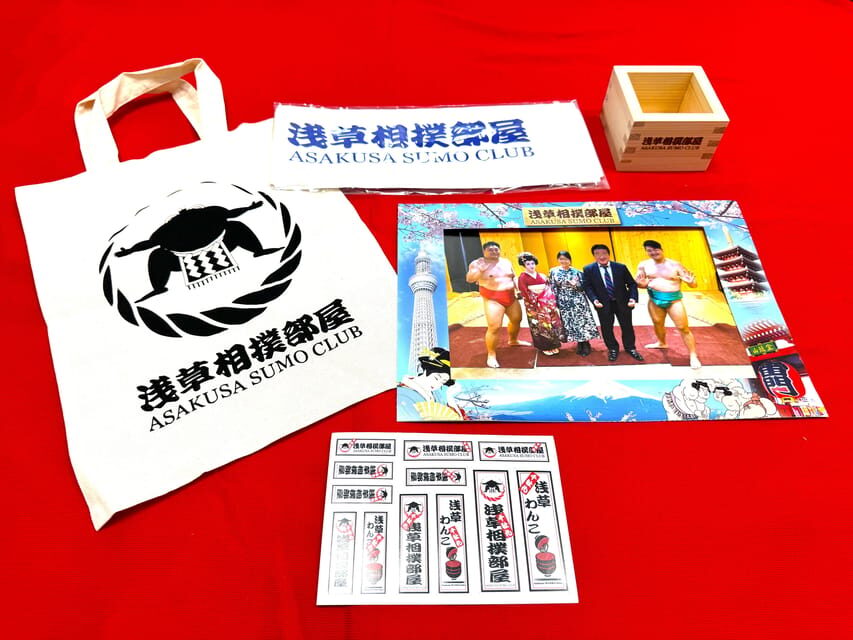
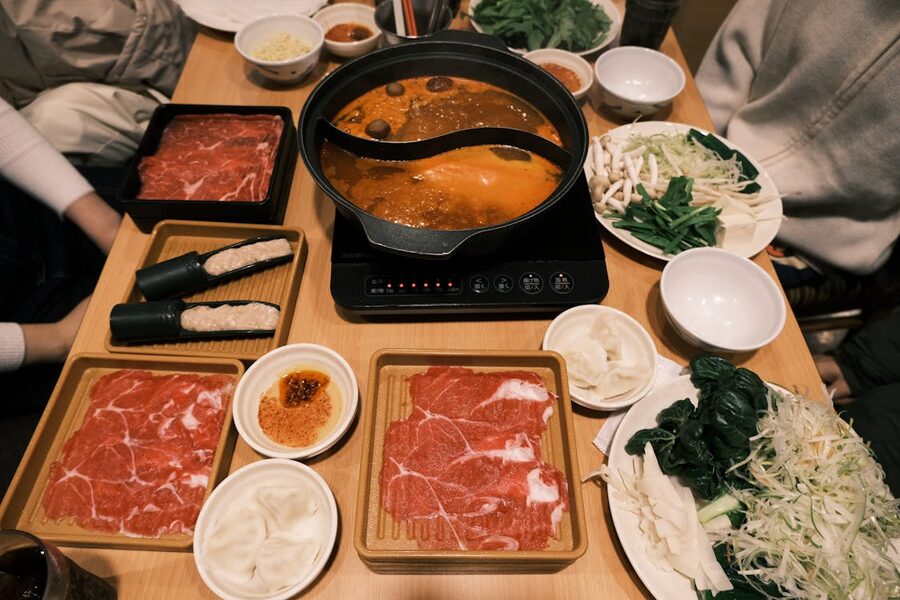
This is the most popular sumo experience in Tokyo by a wide margin, and for good reason. It is a two-hour evening in Asakusa that combines a live sumo demonstration with a full chicken hot pot dinner and a photo op with the wrestlers afterward. The show itself is more entertainment than education — think light-hearted and funny rather than deeply traditional — but that works perfectly for most visitors.
At $103 it is the priciest option on this list, but you are getting a full dinner out of it. The chicken hot pot is genuinely tasty, and you can order more via QR code at the table if you are still hungry. You will walk out well fed and with a photo of yourself standing next to someone who could bench press your car.
2. Shinjuku Sumo Show and Experience with Photo — $80
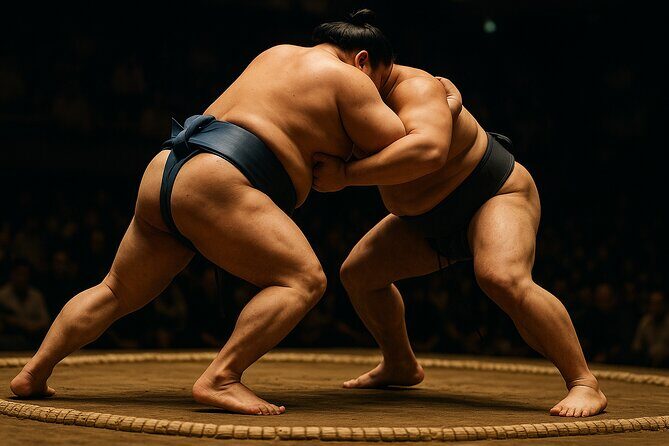
This Shinjuku-based show has a perfect 5.0 rating from nearly 1,800 visitors, and after trying it I can see why. The format is tighter than the Asakusa dinner shows — you get a focused 90-minute experience that covers sumo history, live demonstrations of techniques, and then actual matches between the resident wrestlers. The MCs are funny and knowledgeable, and audience participation is not optional (in the best way).
No meal included at $80, but honestly that works in its favor — you finish in under two hours and you are right in Shinjuku with a thousand dinner options within walking distance — or you could join a guided food tour of the backstreet izakaya scene. The wrestlers here are from the Shinjuku Sumo Club, and they genuinely seem to enjoy performing. Not every tourist show has that energy.
3. Challenge Sumo Wrestlers and Enjoy Lunch — $90

This is the one to book if you want to actually do something, not just watch. Run by Beauty of Japan through Viator, the experience has you stepping into the ring to try your luck against retired professional sumo wrestlers. You will fail spectacularly. Everyone does. That is the whole point, and it is hilarious.
The $90 price includes a chanko nabe lunch — the same style of hot pot that active wrestlers eat daily. The food is legitimately good, not an afterthought. Families love this one in particular because kids get to wrestle too, and the wrestlers are patient and gentle with smaller participants. The whole thing runs through lunch time, so plan your day accordingly.
4. Sumo Show and Experience in Shinjuku — $69
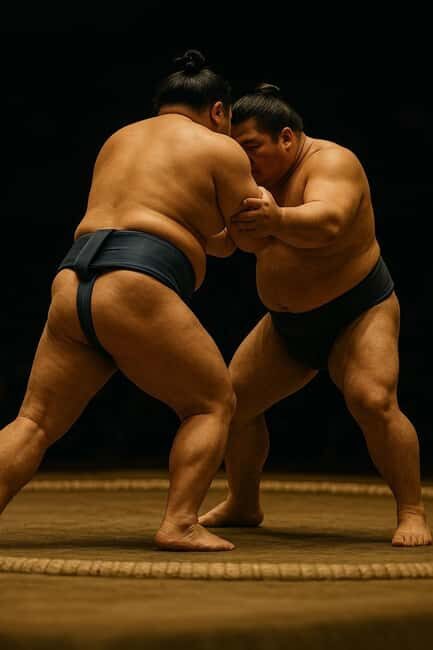
If budget matters, this is your pick. At $69 it is the most affordable sumo show in Tokyo, and you are not sacrificing much. The format is similar to the other Shinjuku shows — history lesson, technique demos, live matches, audience challenge — packed into 90 minutes. The MC Paula gets consistently great reviews for keeping the crowd engaged while actually teaching you something about the sport.
No meal, which is fine — this is a show, not a dinner theater. What you do get is a focused, well-paced experience that does not overstay its welcome. Book this if you want to check sumo off your list without spending half a day or blowing your budget. Run by Travel Tokyo through GetYourGuide, it fills up most evenings so grab a spot a few days ahead.
5. Osaka Sumo Show with Ring Training and Chanko Nabe — $63
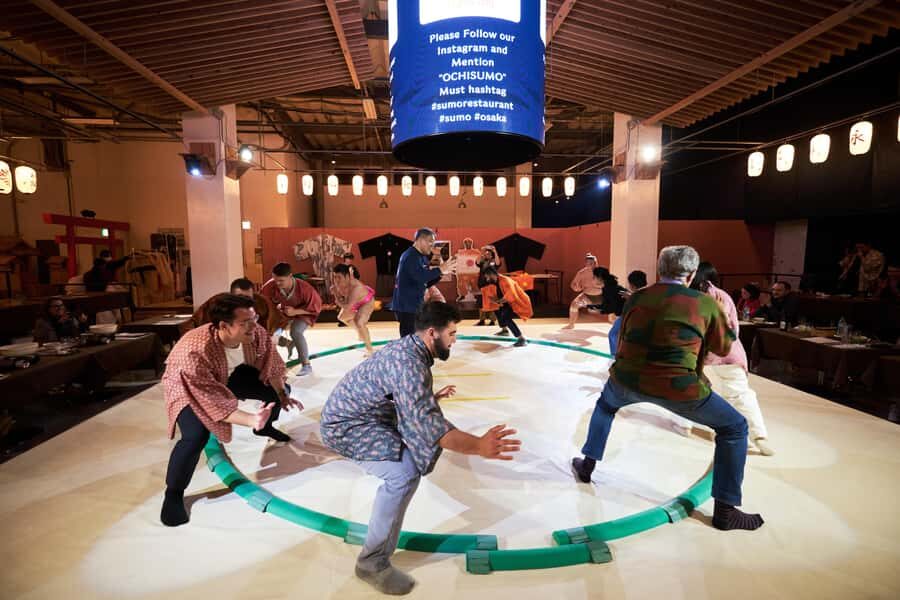
Not in Tokyo? This Osaka option is the cheapest sumo experience on the list at $63, and it packs a lot in — live show, ring training where you learn actual sumo stances and techniques, a match against one of the rikishi, and chanko nabe included. At 90 minutes to two hours, it is good value for what you get.
The rating (4.5) is slightly lower than the Tokyo shows, and some of that seems to come from the venue being smaller and more crowded. But the interactivity is a strong point — you get actual hands-on training, not just a demonstration. If your Japan itinerary includes Osaka, this is a great way to fit sumo in without backtracking to Tokyo.
When to Go
For official tournaments: January (cold but festive — New Year energy carries over), May (pleasant weather, Golden Week crowds at the start), and September (still warm, typhoon season can complicate things). Mid-tournament weekdays offer the best balance of good matches and available tickets.
For tourist shows: They run year-round, usually with multiple time slots per day. Evening shows in Shinjuku are the most popular and sell out fastest. If you have flexibility, afternoon slots or weekday evenings are easier to book. Peak tourist months (March-April for cherry blossom season, October-November for autumn) mean higher demand across the board.
One thing worth knowing: the sumo show scene in Tokyo has grown fast in the last couple of years. There are now multiple venues in both Shinjuku and Asakusa running nightly, which means more availability but also more variation in quality. Stick to the well-established shows with long track records and you will be fine.
How to Get to the Sumo Venues
Ryogoku Kokugikan (official tournaments): Take the JR Sobu Line to Ryogoku Station — the arena is literally a one-minute walk from the west exit. You cannot miss it. If you are coming from Shinjuku, the whole trip takes about 25 minutes including the transfer at Akihabara.
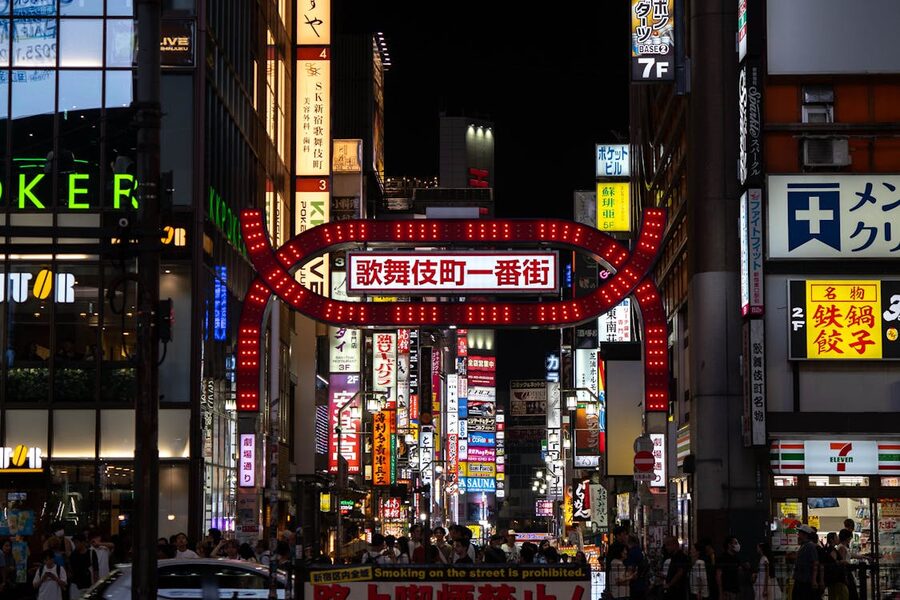
Shinjuku shows: Most are within a 5-10 minute walk of Shinjuku Station’s east exit, in the Kabukicho and surrounding entertainment areas. The venues send you the exact address after booking. Shinjuku Station is the busiest in the world, so leave a buffer — getting from platform to exit can take 10 minutes if you are unfamiliar with the layout.
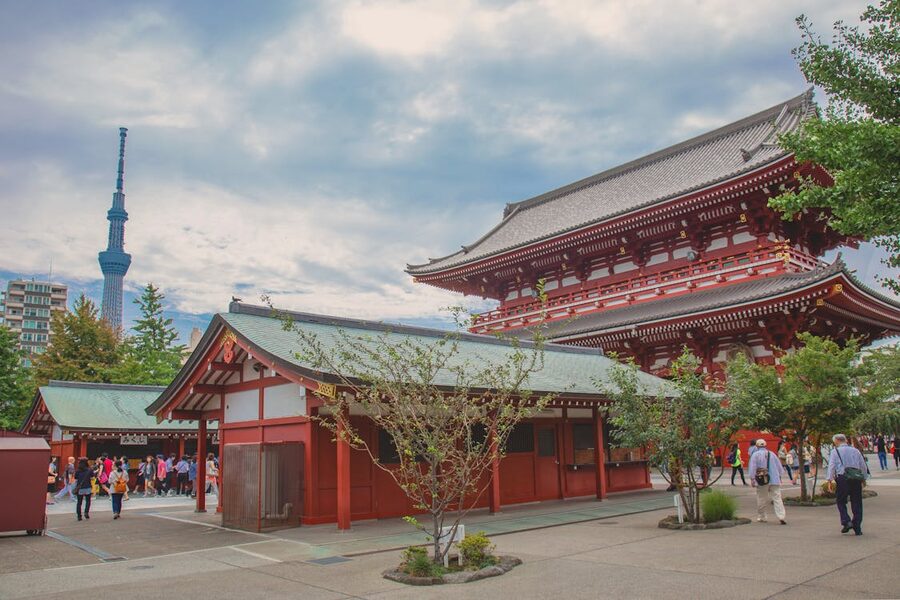
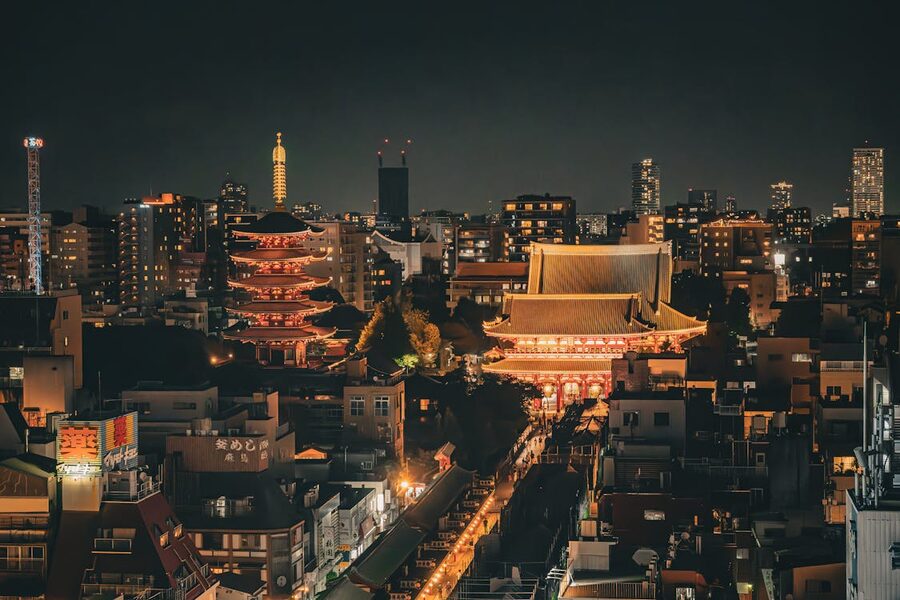
Asakusa shows: The hot pot dinner shows are near Senso-ji Temple. Take the Ginza Line or Asakusa Line to Asakusa Station, then walk about 5-7 minutes. The area is easy to navigate on foot and much less chaotic than Shinjuku.
Tips That Will Save You Time and Money
- Book tourist shows at least 3-5 days ahead. Same-day availability exists but is unreliable, especially for evening slots. A week out is better.
- For tournaments, set a calendar reminder for ticket sale dates. They sell out within days for premium seats and weekends. Weekday upper-arena seats usually last longer.
- Arrive early for tournament days. If you have box seats, you want to settle in before the crowd builds. The lower divisions (starting around 8:30am) are surprisingly entertaining in their own right.
- Eat at the arena. Ryogoku Kokugikan’s basement chanko nabe is around 300 yen. You will not find cheaper hot pot anywhere in Tokyo.
- Wear comfortable clothes to shows with audience participation. You might end up in a sumo crouch. Tight jeans are not your friend here.
- Photos with wrestlers: Every show includes this. The wrestlers are used to it and genuinely seem happy to pose. Do not skip it — you will regret not having the photo later.
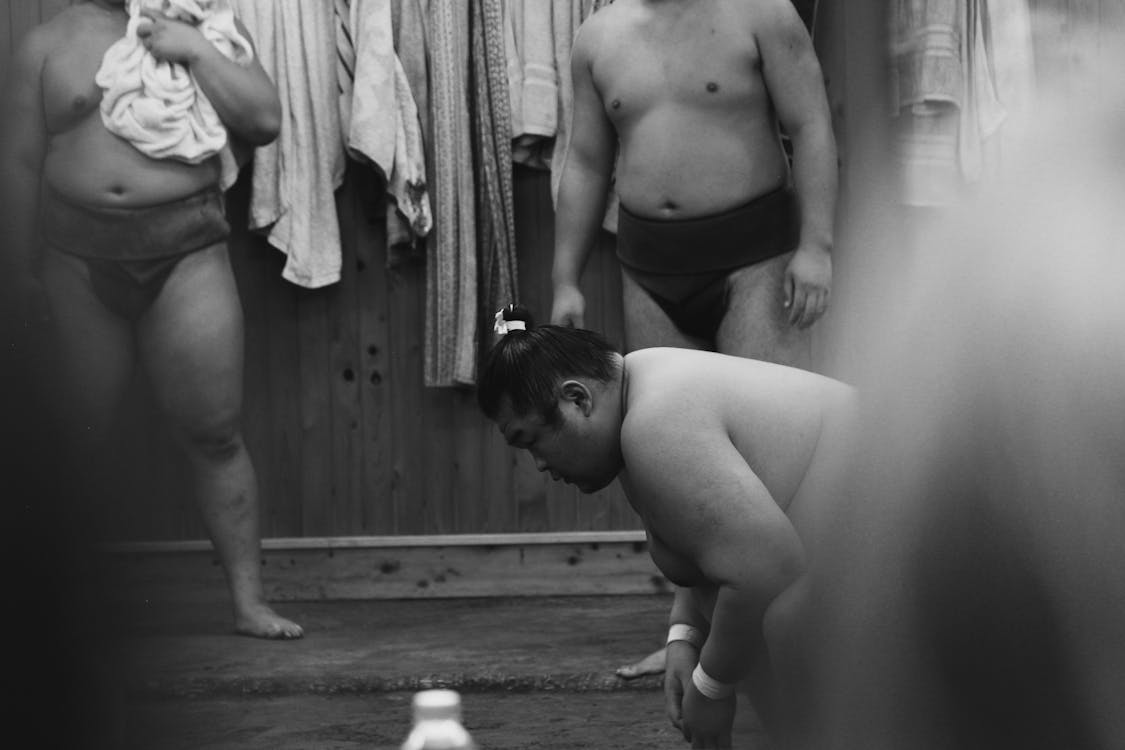
- Morning stable practice is another option if shows feel too tourist-oriented. Some sumo stables in Ryogoku allow visitors to watch morning training sessions (called keiko). You need to arrange this in advance through the stable or a tour operator, and behavior rules are strict — silence, no phones on some days, sit formally on the floor. But if you want the most raw and authentic sumo experience possible, this is it.
What You Will Actually See
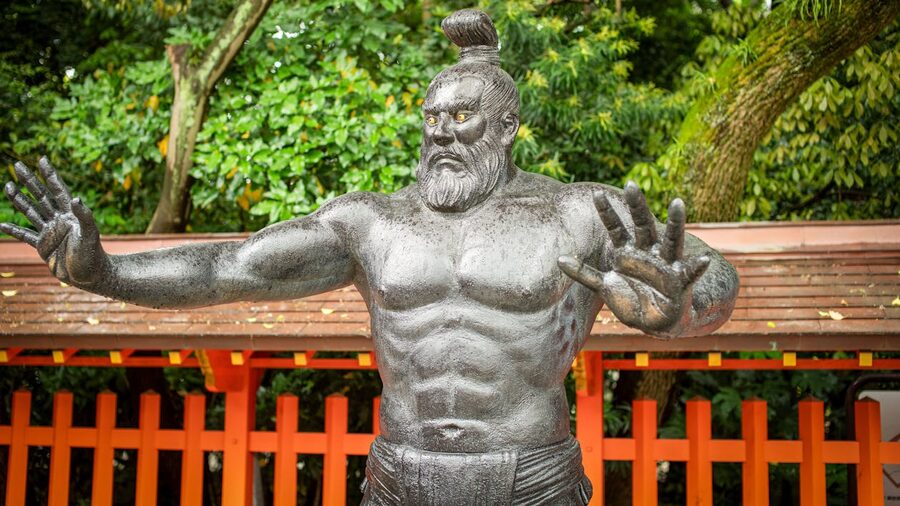
At a tournament, you will see ranked wrestlers in the top two divisions compete one-on-one. Each bout lasts an average of about seven seconds — no, really — but the buildup takes several minutes. The wrestlers face each other, crouch, stand up, throw salt, crouch again, adjust their mawashi (loincloth), stare each other down, and then finally charge. The tension before contact is genuinely electric. When they collide, the sound carries through the entire arena.
The final bouts of the day feature yokozuna (grand champions) and ozeki (champions), and these are the matches everyone is there for. The ring entrance ceremony for the yokozuna — wearing a thick braided rope around the waist — is one of the most striking images in all of Japanese sport.
At a tourist show, the format varies but generally includes: a brief history of sumo, demonstrations of key techniques (like the tachi-ai charge and various throws), one or two exhibition matches between the resident wrestlers, and an audience participation segment where volunteers try to push or grapple with a wrestler. There is usually a photo session at the end.
The shows with food build the meal around the entertainment, so you are eating chanko nabe or chicken hot pot throughout.
Both are worth doing if you have the time. The tournament gives you authenticity and atmosphere. The show gives you access, interaction, and understanding. They are complementary, not competing experiences.
The Food: Chanko Nabe and Beyond
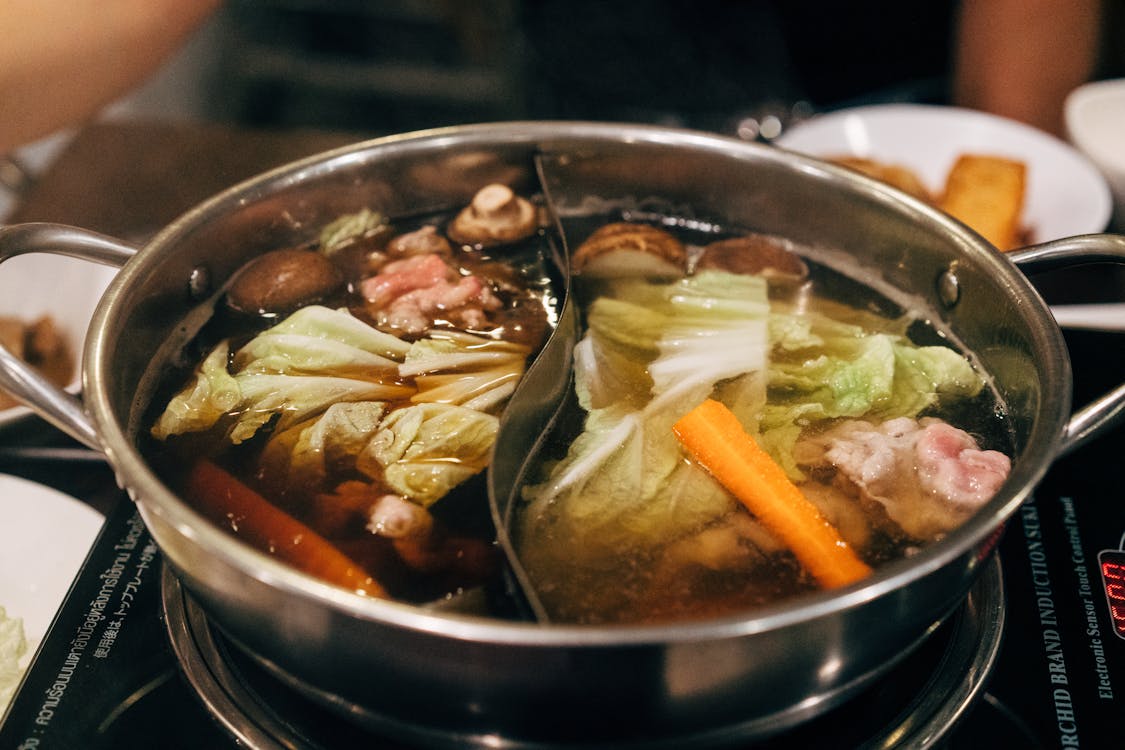
Chanko nabe is inseparable from sumo culture. It is a simple concept — a big pot of broth loaded with chicken (sometimes pork or fish), tofu, vegetables, mushrooms, and noodles. Wrestlers eat massive quantities of it to gain and maintain weight. For the rest of us, it is just a hearty, warming meal.
The Ryogoku neighborhood near the tournament arena has multiple chanko nabe restaurants, many run by retired wrestlers. These are worth visiting regardless of whether you see a show or tournament. A meal runs 1,500 to 3,000 yen per person and is extremely filling. Chanko Kawasaki and Tomoegata are two well-known options, but honestly you can walk into most places in the area and eat well.
The shows that include food — like the Asakusa hot pot show or the Viator lunch experience — serve slightly simplified versions, but they are still good and plentiful. You will not leave hungry.
Planning the Rest of Your Tokyo Trip
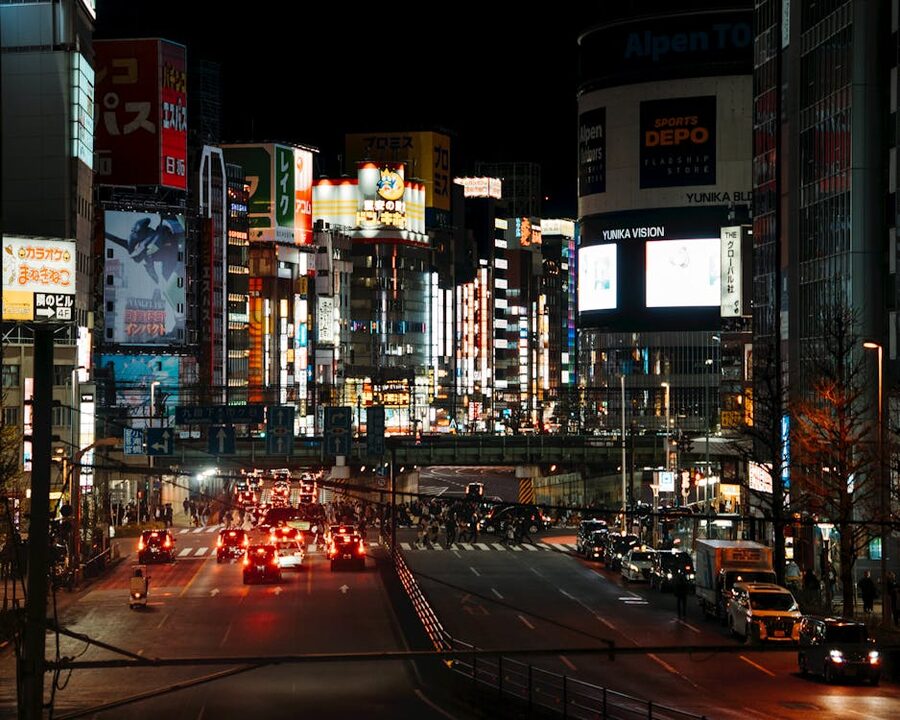
A sumo show fits easily into a bigger Tokyo day. If you are in Shinjuku for the evening show, you might want to check out the go-kart tours that run through the neighborhood during the day, or join a bar hopping tour through Golden Gai and Kabukicho afterward. For something calmer, teamLab Planets in Toyosu pairs well with an afternoon visit before an evening sumo show.
If you want to see more of the city from a different angle, the hop-on hop-off sightseeing bus covers most of the major landmarks in a single loop. And if you are planning a day outside the city, the Mt. Fuji and Hakone day trip or a day trip to Kamakura are the classic choices.
This article contains affiliate links to tour booking platforms. If you book through these links, we earn a small commission at no extra cost to you. This helps support the site and allows us to keep producing free travel guides. We only recommend tours we have researched thoroughly and believe offer genuine value.