
The first time I queued for St Mark’s Basilica I made a stupid mistake. I showed up at 11am on a July Tuesday with no ticket, joined the line that wraps around the south facade, and stood there for over an hour while the sun cooked the back of my neck. By the time I got inside I was sweaty, irritated, and the stewards were already waving people through fast because closing crept closer.
I’d assumed the line moved like a museum line. It does not. So this guide is the version of the planning I wish I’d done before I went.
- In a Hurry: Three Quick Picks
- Why The Line Is So Brutal
- What “Fast-Track” Actually Means Here
- The Three Ways To Skip The Line
- 1. Buy A Timed Entry Ticket Direct Online
- 2. Get A Reserved-Access Ticket With Audio Guide From A Reseller
- 3. Take A Guided Tour
- The Three Tour Picks I’d Actually Book
- 1. St Mark’s Basilica Fast-Track Entry and Audio Guide: ~
- 2. St Mark Basilica Hosted Tour and VR History Intro: ~
- 3. Skip the Line: St Mark’s Basilica Tour: ~
- What’s Actually Inside, And Why You Want To Stay Long Enough
- The Mosaics
- The Pala d’Oro
- The Terrace And The Bronze Horses
- Best Time Of Day To Go
- Evening And After-Hours Visits
- Dress Code And Bag Rules
- Doge’s Palace Combo Or Basilica Alone?
- A Quick History Detour
- Getting To The Basilica
- What To Do In The Square Before Or After
- Common Questions Real People Ask
- Can I just buy a ticket on the day?
- Is St Mark’s free if I’m there for mass?
- How long do I actually need inside?
- Are photos allowed?
- Should I add the Doge’s Palace?
- Where To Go After
In a Hurry: Three Quick Picks
Cheapest fast-track: St Mark’s Basilica Fast-Track Entry and Audio Guide, about $23. Reserved entry slot plus an audio guide you walk in with. The default option for most travellers.
Best context: St Mark Basilica Hosted Tour and VR History Intro, about $26. A 15-minute VR walkthrough of the square’s history, then skip-the-line into the basilica with a host.
Live guide inside: Skip the Line St Mark’s Basilica Tour, about $34. Forty-minute guided tour with skip-the-line access. Good if you actually want someone to explain what you’re looking at.
Why The Line Is So Brutal
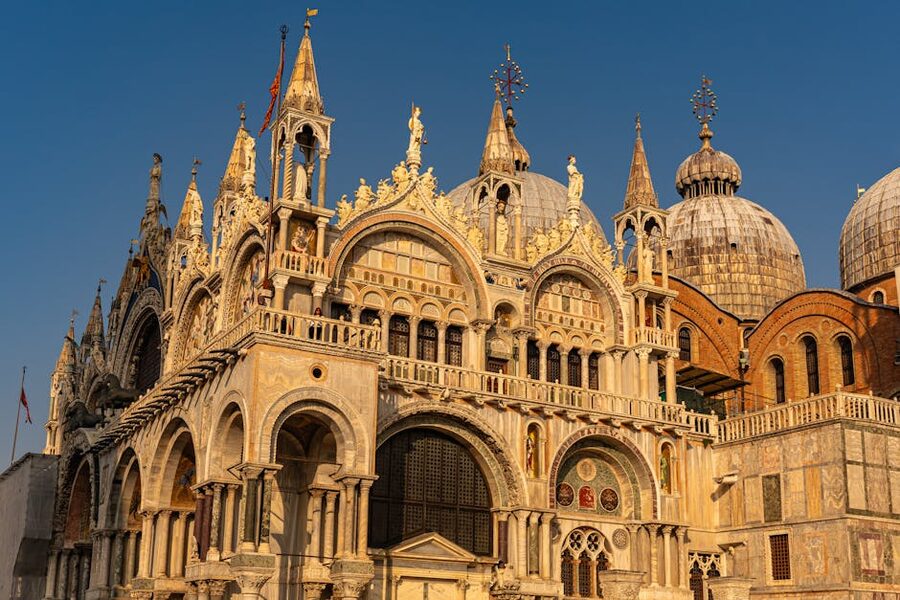
St Mark’s is the most visited church in Venice and one of the most visited religious buildings in Europe. The interior holds over 8,000 square metres of golden mosaic, the original gilded bronze horses brought back from Constantinople, the Pala d’Oro, the tomb of Saint Mark himself, and a terrace looking straight onto Piazza San Marco. There’s no real Venice equivalent. Everyone wants in.
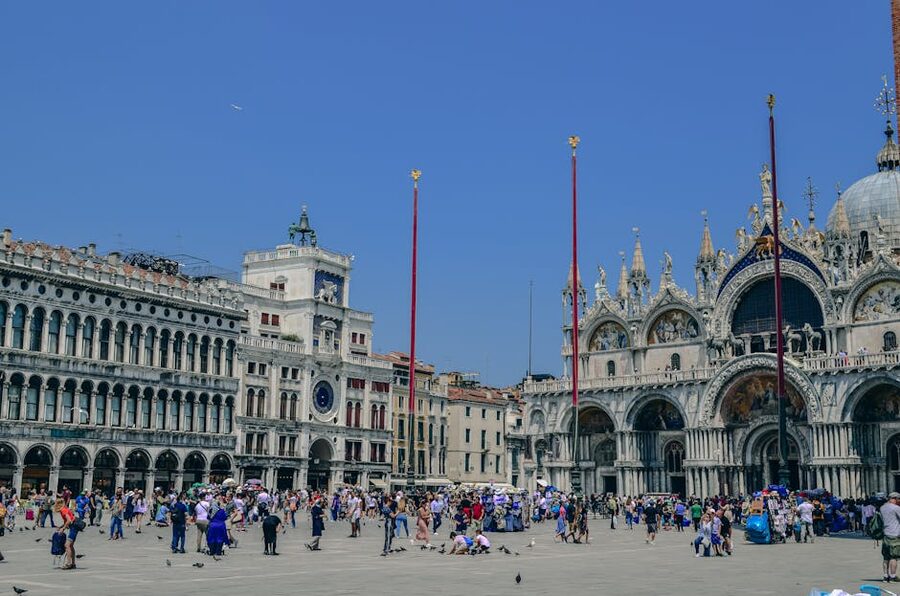
The building has a hard cap on how many people can be inside at once. Add an airport-style security screening at the door, the dress-code spot-checks, the bag drop step, and the architectural fact that the main door is genuinely small, and you get long waits even when the square looks half-empty.
Two things changed in the last few years that matter for your visit. First, you can now buy timed online tickets in advance, which the basilica didn’t always offer. Second, the visitor flow now splits people into separate streams at the door: standby walk-up, online ticket holders, and guided groups. Each stream has its own line. Picking the right one is most of the planning.
What “Fast-Track” Actually Means Here
This trips up almost everyone. There’s no single magical fast-track door at St Mark’s. What happens in practice:
- You buy a timed ticket online for a specific 30 to 45 minute slot.
- You arrive a few minutes before your slot at the Porta San Pietro, the side entrance on the north of the basilica (left of the main facade as you face it from the square).
- You join the “online tickets” or “reserved access” queue, which is shorter, and goes through security.
- You’re inside in 5 to 15 minutes on a normal day. On a busy day it can still hit 20 to 30 minutes, but never the 1 to 2 hours of the standby line.
So when you book something marketed as “fast-track” or “skip-the-line,” what you’re actually buying is a reserved time slot in the shorter queue. Not a private door, not zero waiting. It’s still a massive upgrade. On my second visit I went through the reserved access lane in under 10 minutes on a Saturday in May. The standby line that day was over an hour.
The Three Ways To Skip The Line
I’m putting these in order of cost, lowest first.
1. Buy A Timed Entry Ticket Direct Online
The basilica sells its own online tickets via the official site. Timed slots, nominal booking fee, you get a QR voucher. Around €10 for basic entry, €20 with the museum and Loggia dei Cavalli, €30 if you want everything including the Pala d’Oro. This is the cheapest option if you don’t need a guide and you don’t mind the official site’s slightly clunky interface.
Watch the calendar though. Slots sell out a few weeks ahead in peak season. If you’re trying to book the day before in late June, you may find every slot gone and end up back in the standby line by default.
2. Get A Reserved-Access Ticket With Audio Guide From A Reseller
This is what most travellers actually book, and what I ended up using on my second visit. You pay a small premium, you get the same timed slot at the Porta San Pietro, plus an audio guide on your phone that’s genuinely useful inside. The basilica gives you almost no signage, and the labels you do see are in Italian only. The flagship reseller option is the Fast-Track Entry and Audio Guide ticket at around $23, the default version that gets booked thousands of times a month.
3. Take A Guided Tour
If you want a real human pointing at things, this is the move. Two formats: small-group skip-the-line tours where a guide walks you through, and “hosted” tours where someone from the operator just gets you past the queue and into the basilica with an audio guide and minimal explanation. Guided runs €40 and up, hosted sits in the €25 to €30 range.
The premium of a live guide depends on whether you actually like guided tours. If you’re the kind of traveller who wants to look at mosaics in your own time, a guide can feel rushed; the basilica gives you maybe 40 to 60 minutes inside on a typical guided tour. If you’re not interested in iconography or 9th-century Venetian politics, the audio guide route is probably better value.
The Three Tour Picks I’d Actually Book
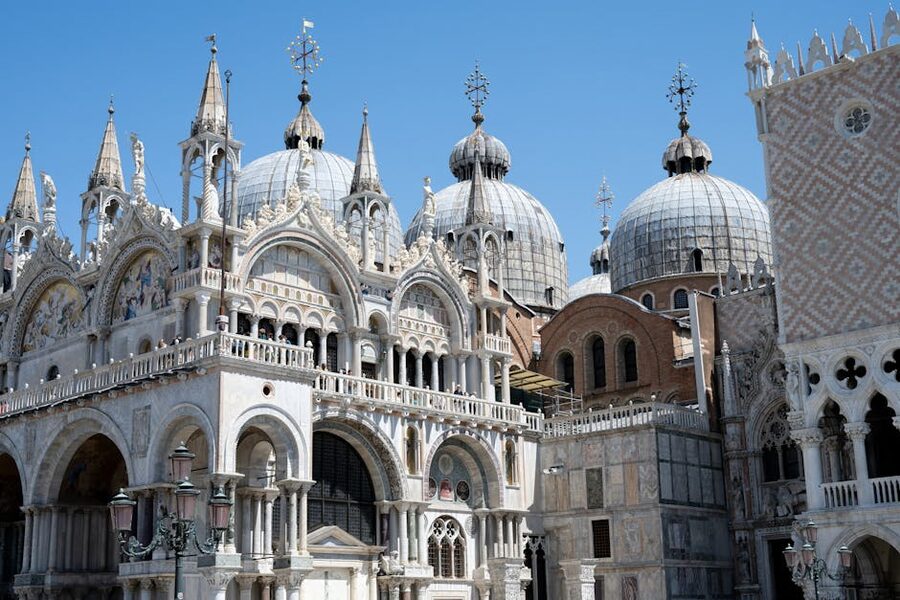
1. St Mark’s Basilica Fast-Track Entry and Audio Guide: ~$23
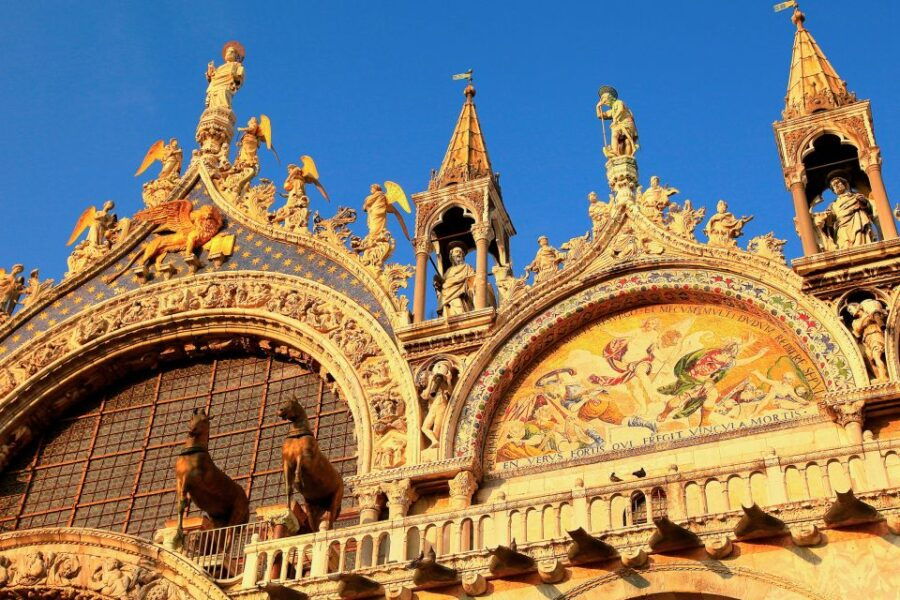
This is the cheapest, most-booked basilica-only option on the market and it’s the one I recommend to friends planning a Venice day. Our full review goes into how the audio guide app behaves inside the basilica. The downside: it doesn’t include the museum upstairs or the Pala d’Oro, you pay those at the desk inside.
2. St Mark Basilica Hosted Tour and VR History Intro: ~$26
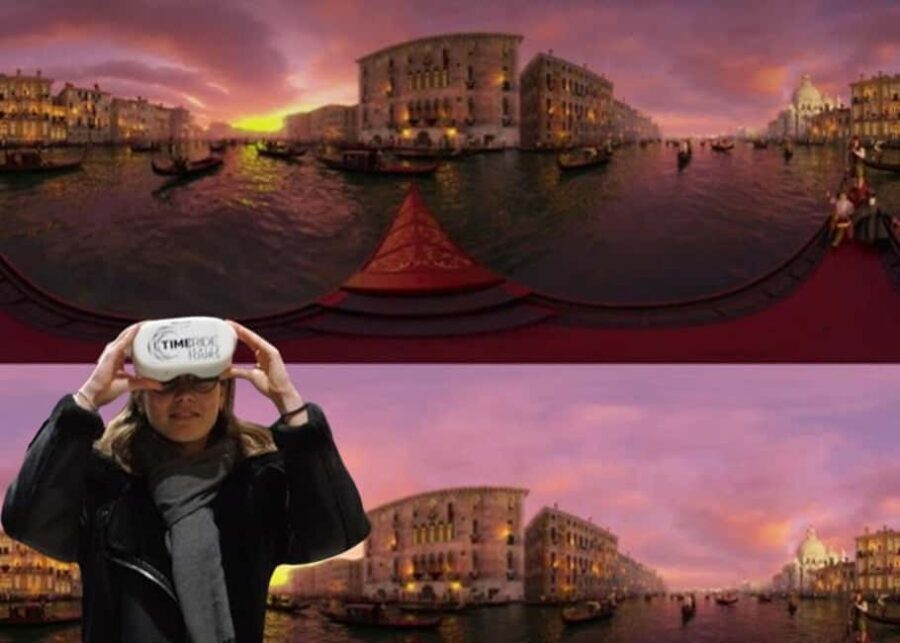
This was the surprise pick when we worked through the basilica options. The VR intro is short, around 15 minutes, and shows Piazza San Marco’s evolution from medieval mudflat to imperial showpiece. Then a host walks you to the Porta San Pietro and you go through with an audio guide. Our review notes the host commentary itself is light, but the VR fills in the historical context most basilica audio guides skip.
3. Skip the Line: St Mark’s Basilica Tour: ~$34
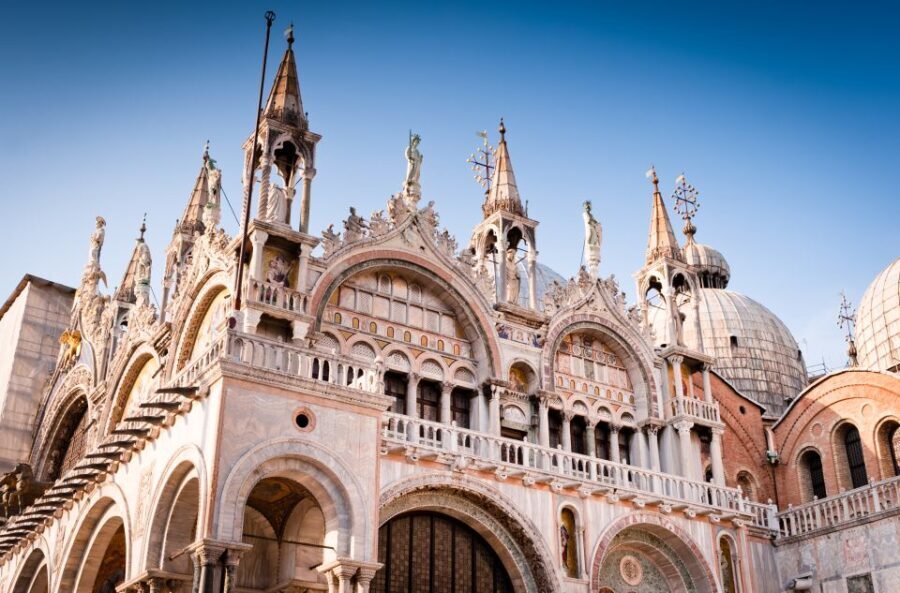
If you want a real guide explaining what you’re looking at, this is the cleanest option. The tour runs 40 minutes to an hour, you skip the standby line, and you can usually add the museum and Pala d’Oro at the door for a small upgrade. Our review covers what the guide actually shows you, which extras are worth tacking on, and the few times the guide rushes through.
What’s Actually Inside, And Why You Want To Stay Long Enough
Most fast-track tickets give you a slot and trust you to manage your own time inside. People who blow through the basilica in 15 minutes leave the best parts unseen. Here’s what’s worth slowing down for.
The Mosaics
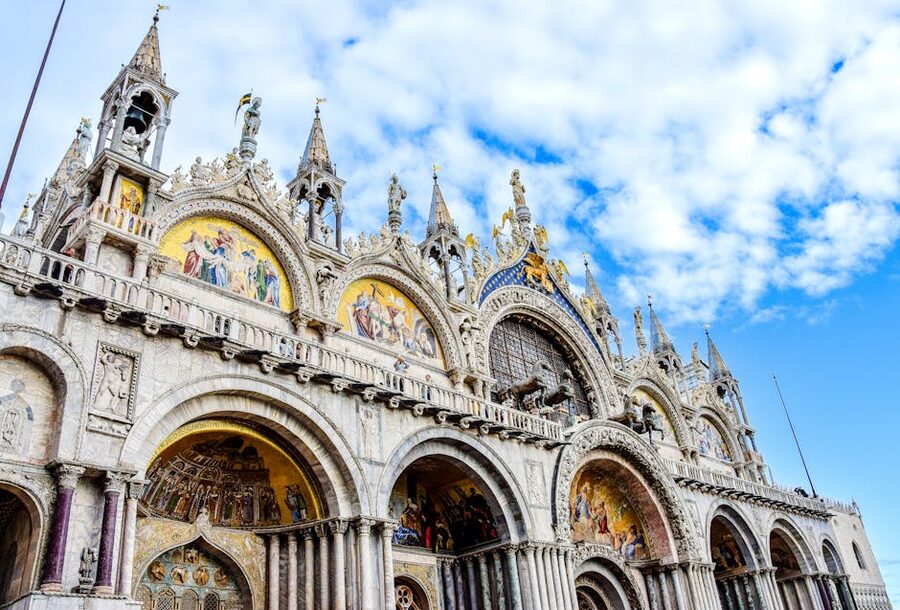
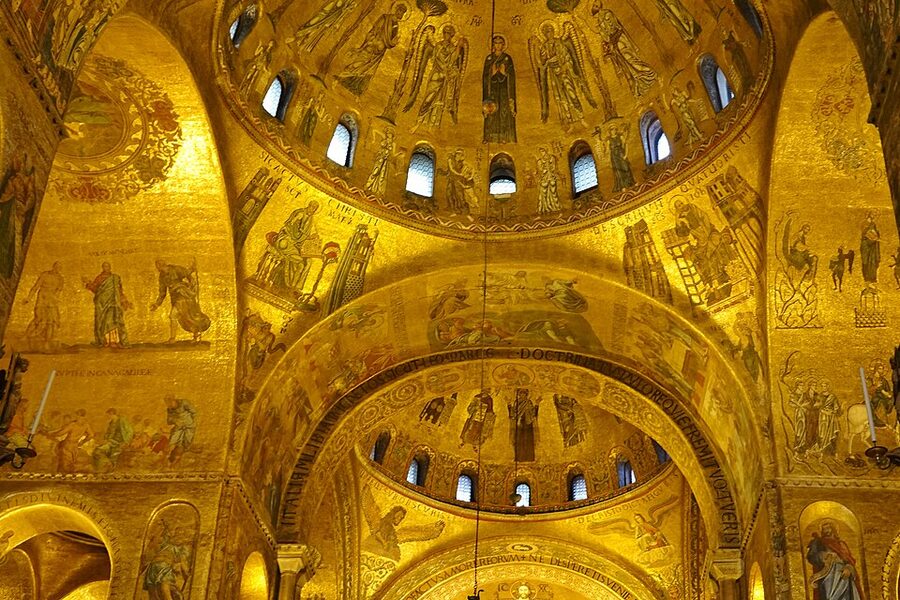
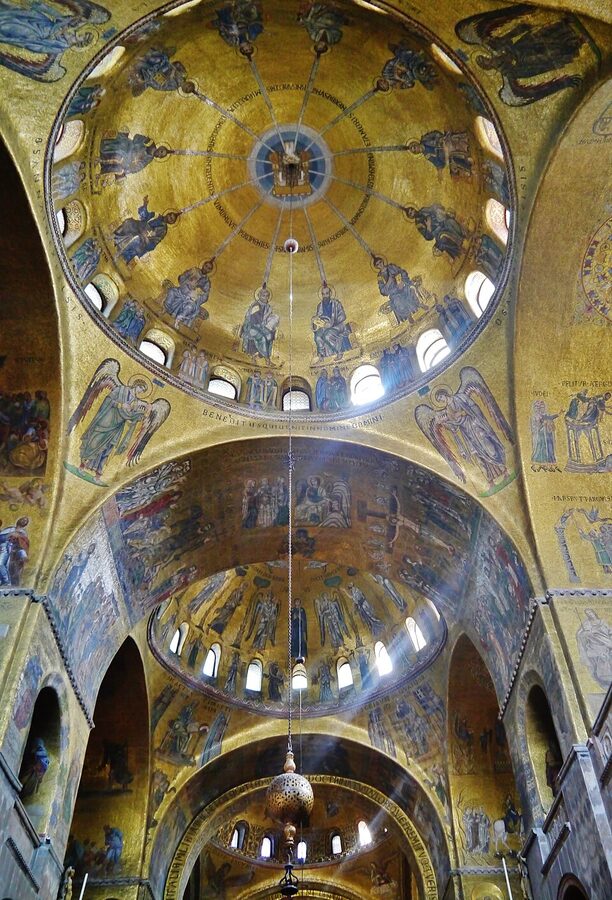
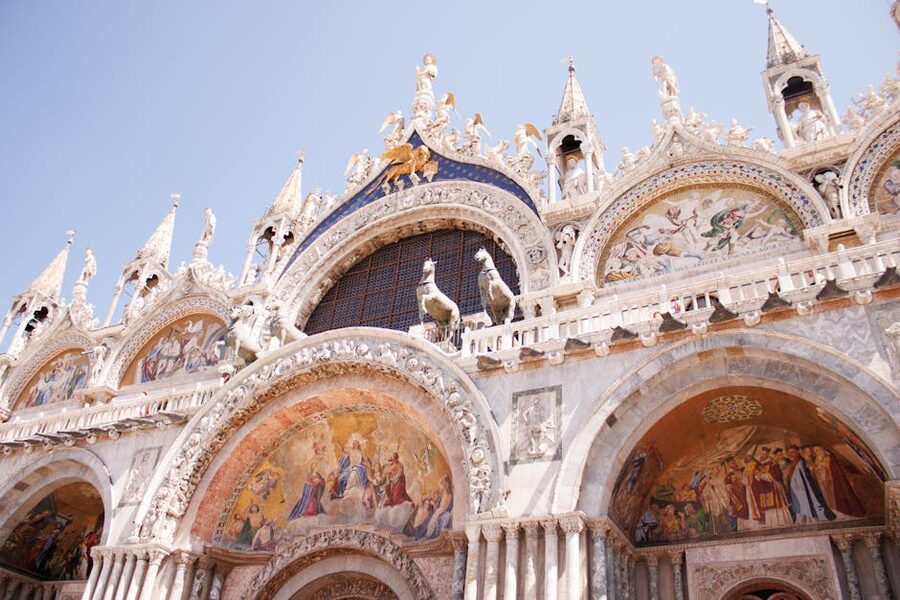
The interior is over 8,000 square metres of mosaic, mostly Byzantine, mostly gold-ground. They cover the arches, the columns, and the five domes. Visit on a sunny morning and the natural light alone makes them glow. On a grey day they look duller until the lights come on, which usually happens between 11:30am and 12:30pm on weekdays. If you can time your slot for that window you’ll see them at their most impressive.
The Pala d’Oro
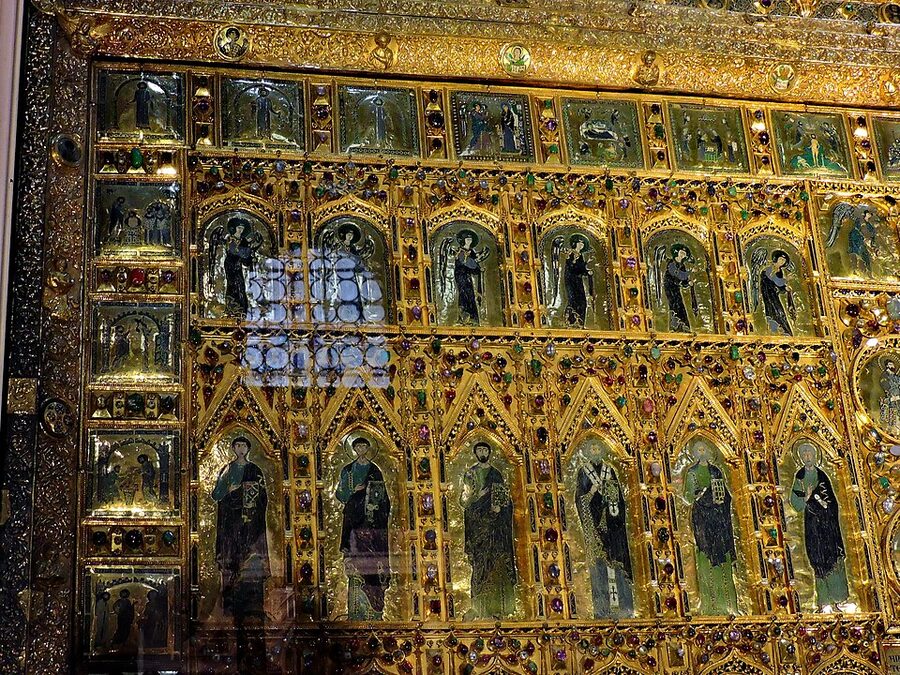
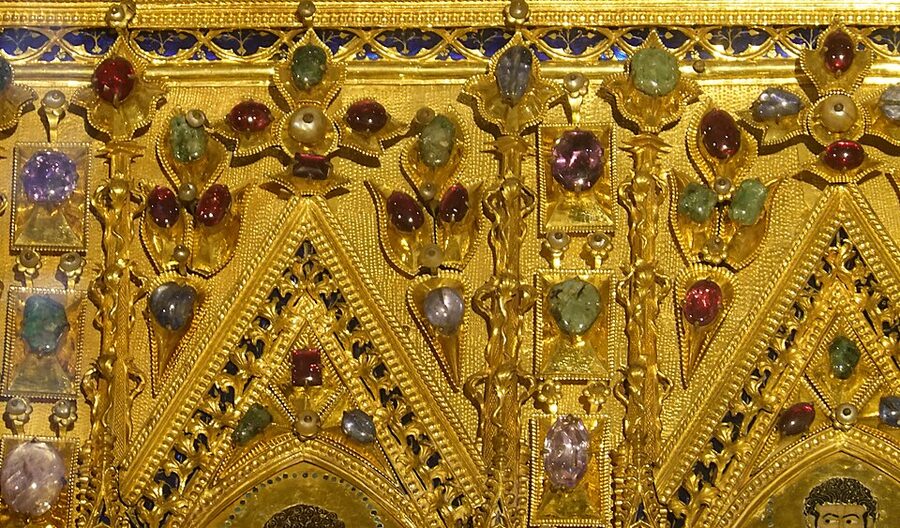
This is the medieval altarpiece behind the main altar. Pay the extra €5 inside, walk past the choir screen, and you’ll find yourself looking at one of the most concentrated displays of medieval craftsmanship anywhere in Europe. Hundreds of cloisonné enamels, sapphires, emeralds, rubies, the lot. The Pala has been added to over centuries, with the oldest pieces dating to the 10th century.
People skip it because of the extra fee and they shouldn’t. €5 for what’s genuinely the most precious single object in Venice is absurd value. Allow at least 10 minutes here.
The Terrace And The Bronze Horses
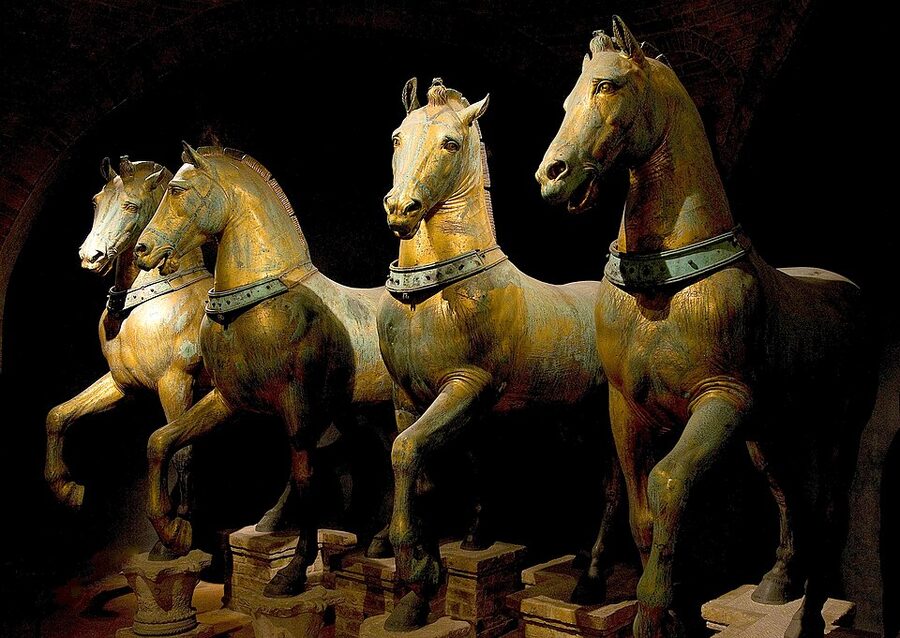
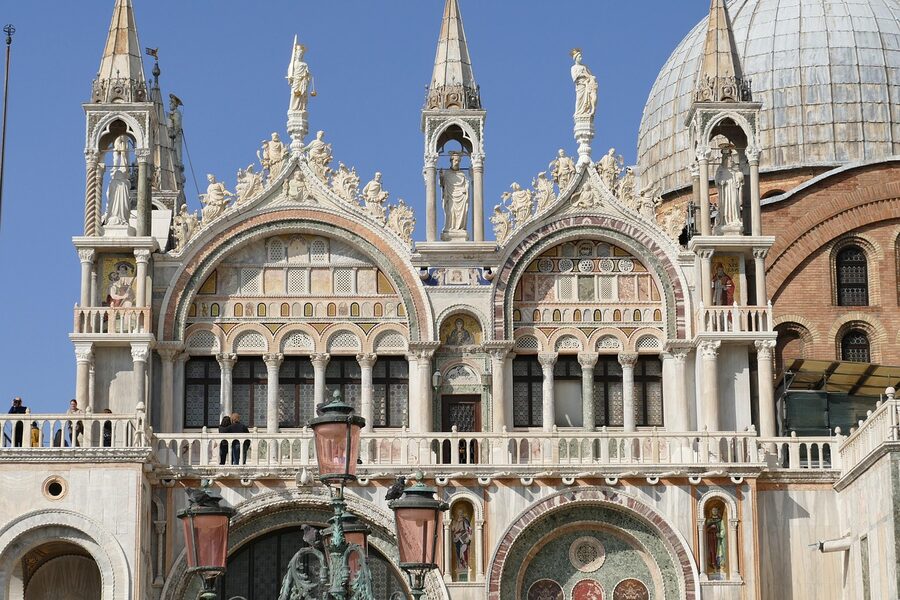
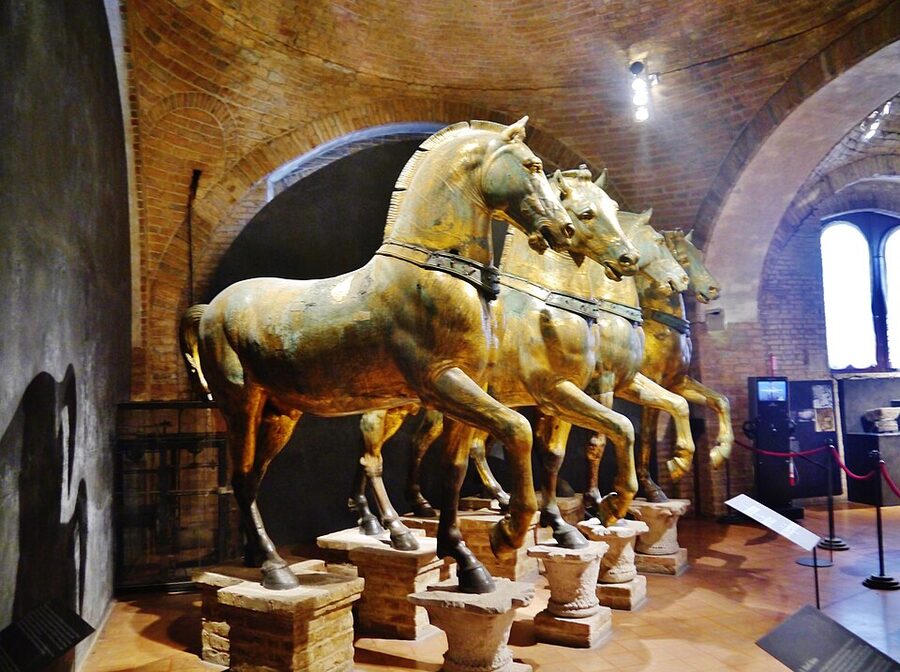
For €7 extra, you can climb to the museum upstairs (the Loggia dei Cavalli) and walk out onto the front terrace. Two reasons to do this. One, the museum holds the original four gilded bronze horses; the ones on the facade outside are replicas. Two, the terrace gives you the best free view in Venice: Piazza San Marco from above, the campanile right next to you, the Doge’s Palace on your right and the lagoon in the distance.
The €7 covers both the museum and the terrace, you can’t pay for only one. Skip the basic entry and pay this if you only have time for one.
Best Time Of Day To Go
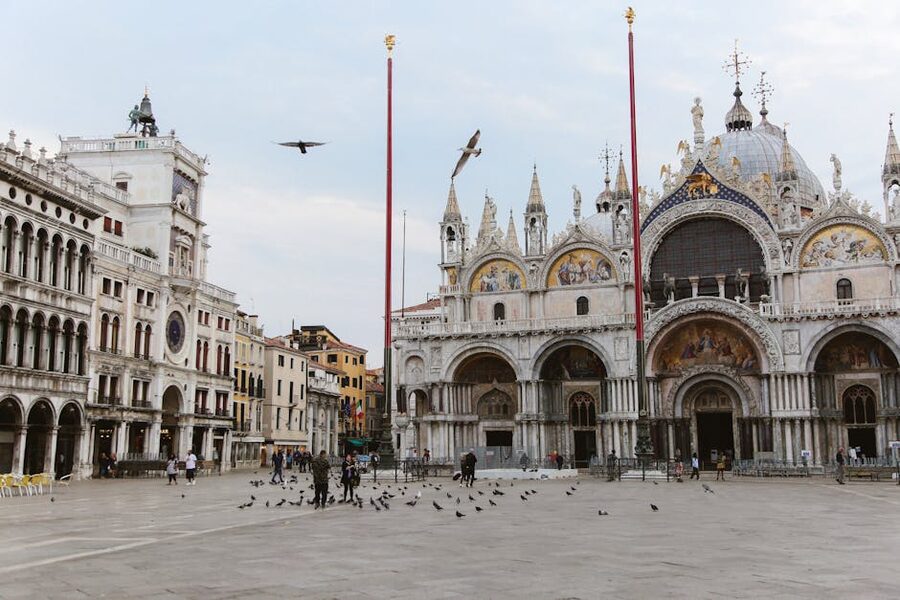
The basilica opens at 9:30am and the last admission is 4:45pm. Within that window the rhythm goes:
- 9:30 to 10:30: The crowd is just building. Reserved-access slots in this window walk in fastest. The trade-off: lighting inside is dim, the mosaics don’t pop yet.
- 11:30 to 12:30: The interior lights are on for an hour. This is when the mosaics genuinely shimmer. The trade-off: this is also when every cruise-ship group in Venice is trying to be inside.
- 1:00 to 3:00: The middle of the afternoon. Standby lines are at their worst, but reserved-access lanes still move. Picture quality outside is harshest.
- 3:30 to 4:30: Last-hour slots are surprisingly quiet. You’ll be hurried out closer to closing, but you’ll often have whole bays of mosaic to yourself.
I prefer the first morning slot. Cool air in summer, lower humidity, and you’re done by 10:30 with the rest of the day ahead of you. If you really want to see the mosaics lit, book the 11:30am slot specifically; they were lit on every weekday I tried that window.
Evening And After-Hours Visits
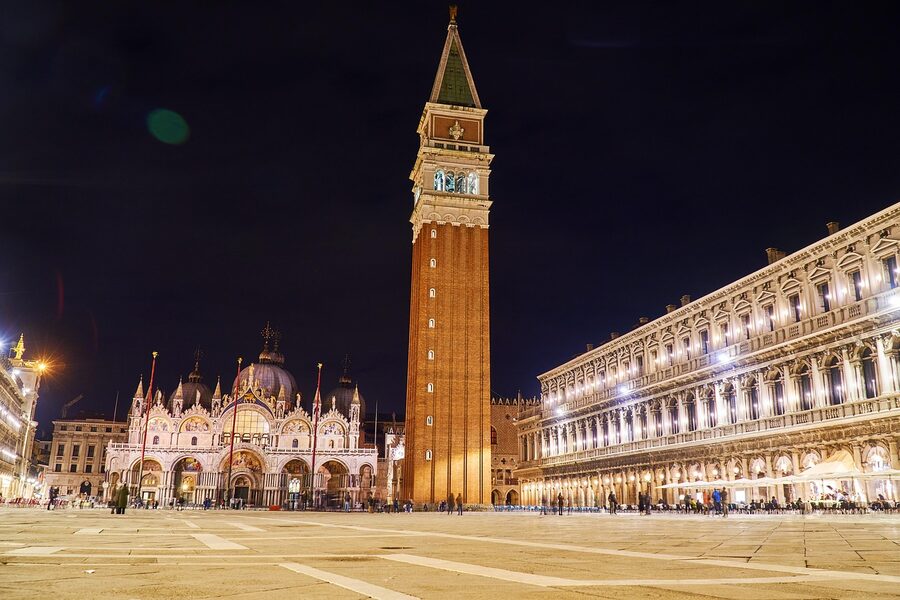
A handful of operators run after-hours basilica tours, usually small-group, usually pricey, usually 8pm or later. The pitch: the basilica is closed to general visitors, the interior lights are on full, you walk in with a couple of dozen people instead of a couple of thousand. The price tag is steep, often €60 to €90 versus the €23 daytime equivalent.
Worth it? It depends. If it’s your first and only Venice trip, no. The daytime visit at 11:30am with the lights on gives you most of what the after-hours pitch sells, at a quarter the price. If it’s your second or third visit and you want to see the mosaics in proper darkness with the lights doing all the work, then yes. The atmosphere is closer to what the doge would have seen by candlelight in 1100 than the daytime visit ever gets.
Dress Code And Bag Rules
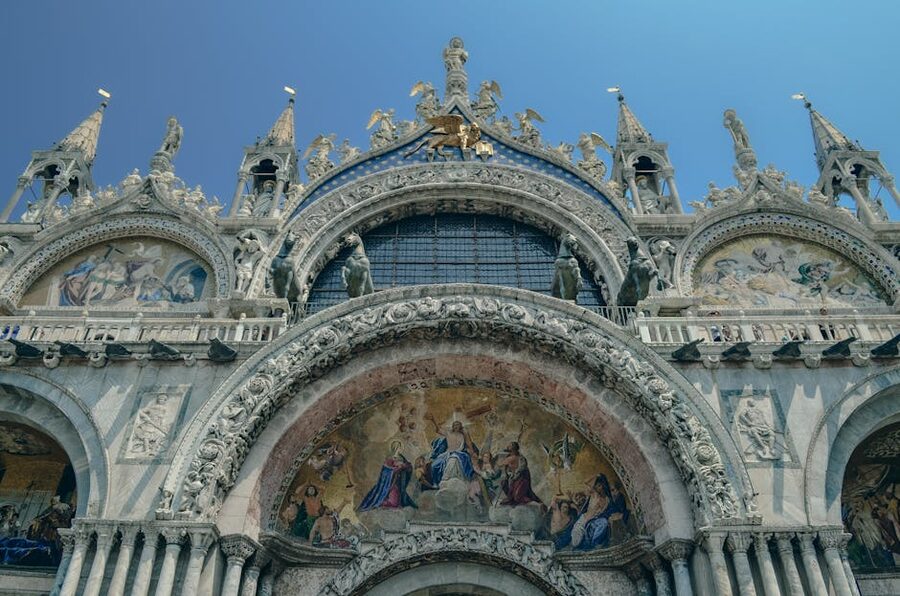
This is where I see people get turned away every time I’m there. The rules:
- Shoulders covered. No tank tops, no spaghetti straps, no off-shoulder. A scarf draped over the shoulders works fine.
- No short shorts or short skirts. They turn people away in shorts that hit mid-thigh. Your hem should reach your knee.
- No tight leggings worn alone. I’ve seen this enforced. Wear a tunic or skirt over them.
- No backpacks or large bags inside. Daypacks have to go in the free deposit at Ateneo San Basso, the building on the small square just north of the basilica. Allow 10 to 15 minutes for the round trip in busy season.
The bag rule is the one most fast-track ticket holders forget. You’ll be at your reserved entry slot, security will pull you out of the line, and you’ll be told to drop your bag. By the time you’ve sorted that out you’ve missed your slot. Drop the bag first, then go to the entrance.
Doge’s Palace Combo Or Basilica Alone?
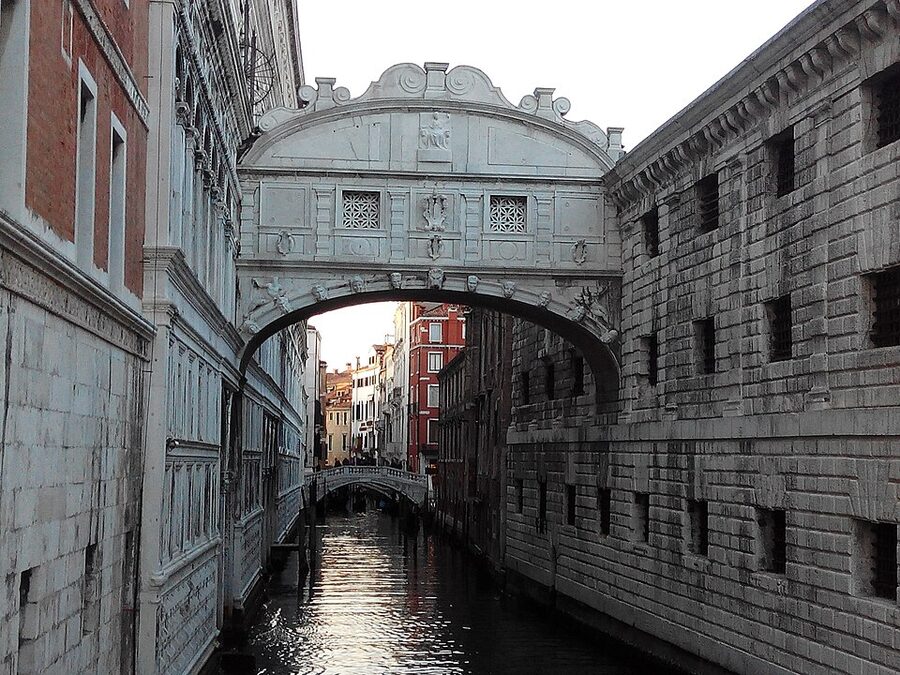
Lots of “fast-track” listings actually bundle the basilica with the Doge’s Palace next door. They’re great if you want a half-day of Venice’s headline interiors back-to-back, but they’re a different product. The combo upgrade I’d actually consider is the Doge’s Palace and St Mark’s Basilica with Terrace Access Tour, which throws in the basilica terrace as well. We covered the combo angle in detail in the Doge’s Palace booking guide, so if you’re leaning that way, start there.
For everyone else, just doing the basilica is fine. Allow 90 minutes inside, plus 30 minutes for the queue (even reserved access), plus 30 minutes either side for the square itself. So roughly half a morning. That leaves the rest of the day for the Rialto, a gondola, or a vaporetto out to Murano without feeling rushed.
A Quick History Detour
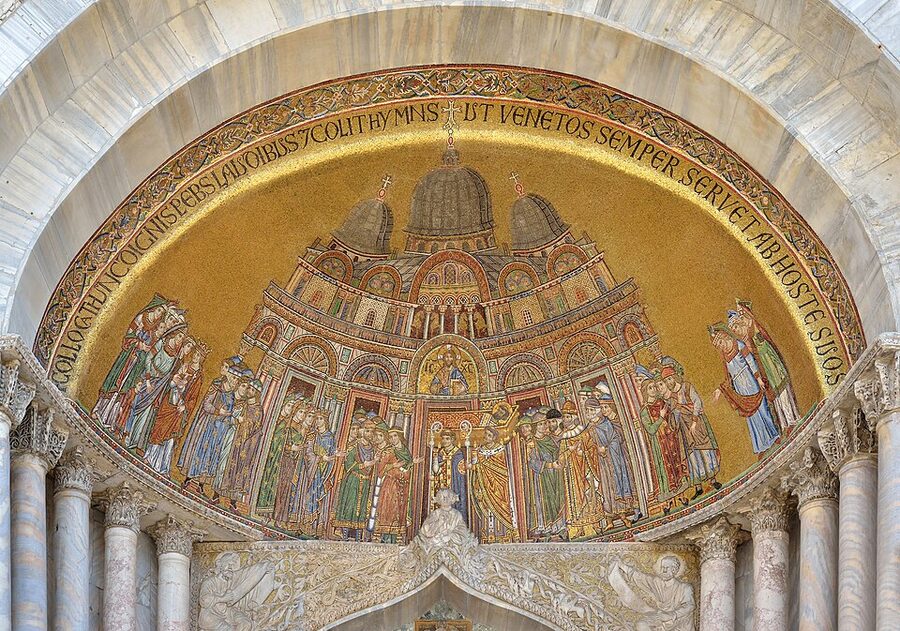
If you’ve got the time on the way in, it helps to know what you’re looking at. The original basilica was a 9th-century chapel built next to the Doge’s Palace to house the relics of St Mark, smuggled out of Egypt by two Venetian merchants in 828 supposedly under a layer of pork to deter Muslim customs officers. The current building dates to 1063 to 1094, the same era as the Romanesque churches in Tuscany, but Venice’s Adriatic links to Byzantium pushed it in a different direction. Five domes instead of one. Mosaic instead of fresco. The Greek-cross plan rather than the Latin one.
The bronze horses, the porphyry tetrarchs you can see on the south corner of the facade, the columns of the ciborium over the altar, the four porphyry slabs by the door, all of it was looted from Constantinople during the Fourth Crusade in 1204. So the basilica is part church, part trophy hall, part civic monument. The doge’s tomb was here. Coronations happened here. New galleys were blessed here before sailing for Cairo or Acre. The building you walk into is closer to a working political object than a quiet cathedral.
Getting To The Basilica
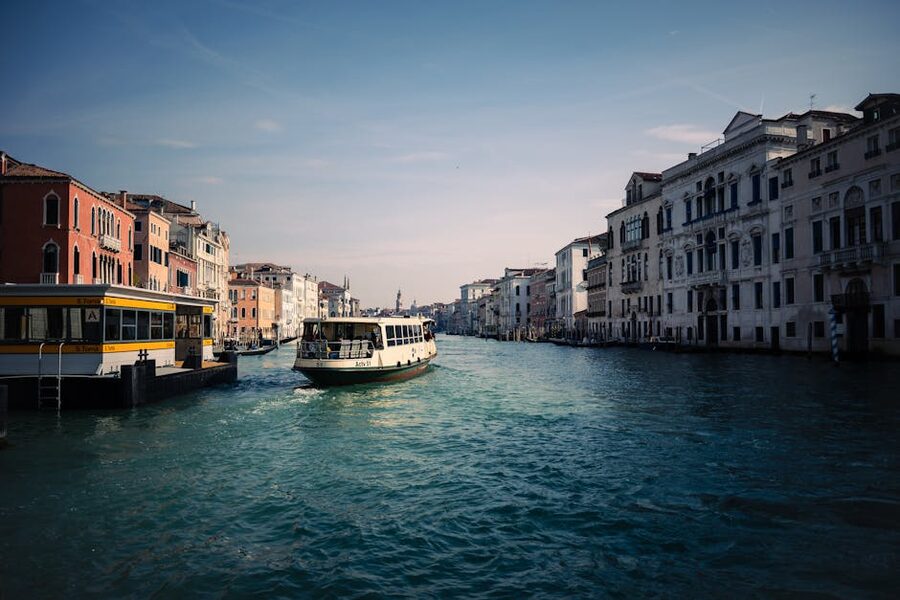
The closest vaporetto stops are San Marco-San Zaccaria and San Marco-Giardinetti, both a 4-minute walk from the basilica. From the Rialto stop it’s an 8-minute walk through the alleys to the south of the square. From Piazzale Roma, where the buses and trains arrive, it’s a 30-minute walk or about 25 minutes on the vaporetto.
If you’re coming from anywhere across the city, watch the time. Venice walking estimates lie. A 10-minute walk on the map is a 20-minute walk in real life because of the bridge stairs, the dead-ends, and the human traffic on the Rialto Bridge. Add 15 to 20 minutes of buffer to whatever Google Maps tells you, especially if your reserved slot is firm.
What To Do In The Square Before Or After
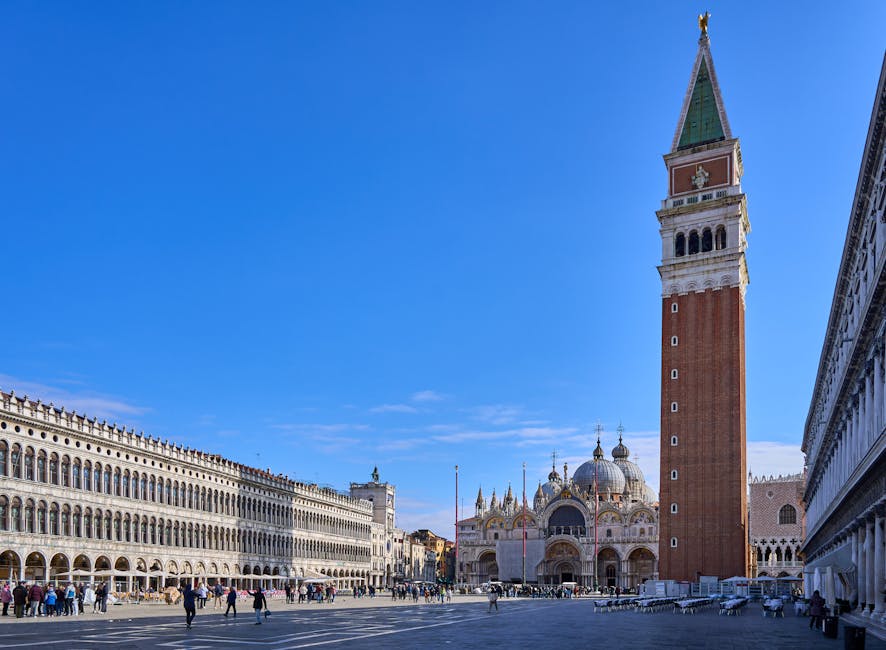
The square is a full destination on its own. After your basilica slot, three things to consider:
- Climb the campanile. €15, an elevator to the top, the best ground-up panorama of Venice. Different ticket from the basilica.
- Sit at Caffè Florian or Quadri. Hilariously overpriced (a coffee starts at €11), but the orchestra plays in the late afternoon and the seats face the basilica. Once in your life is enough.
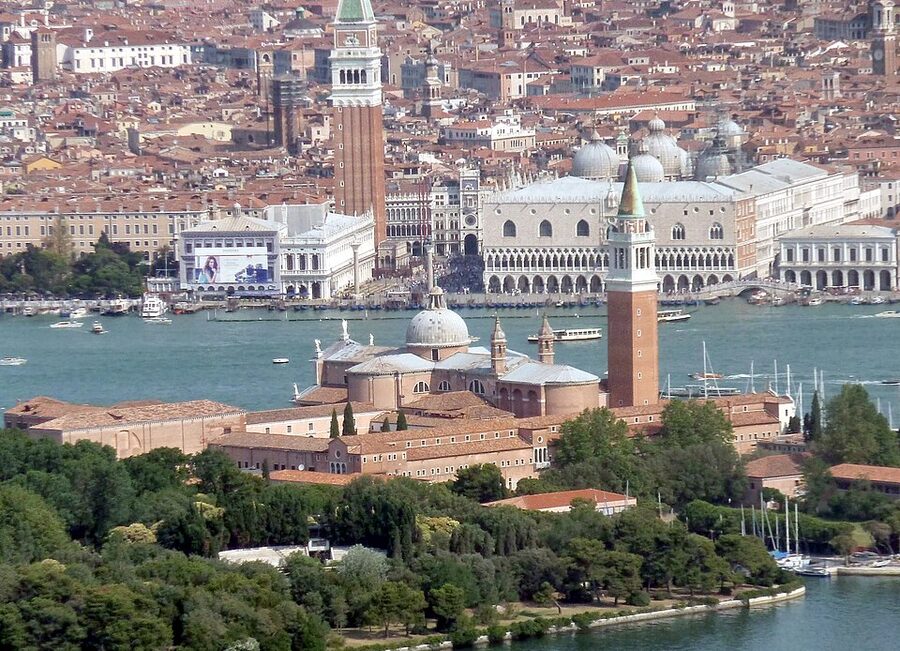
- Walk to the Bridge of Sighs. Five minutes east, behind the Doge’s Palace. The view from the small bridge over the Rio del Palazzo is the postcard one.
Common Questions Real People Ask
Can I just buy a ticket on the day?
Yes, the standby ticket office is at the entrance and tickets cost €3 for basic entry, plus €5 for the Pala d’Oro and €7 for the museum and terrace. The catch is the queue. In peak season the standby line is one to two hours. In November on a rainy Tuesday it’s 15 minutes. Off-season day-of is fine. Spring through autumn, book ahead.
Is St Mark’s free if I’m there for mass?
Yes. Mass is held in the morning and the basilica is open free to people attending. You will not be allowed to wander once mass starts; you sit, you stay seated, you leave when it ends. If you want to see the building rather than worship, this isn’t the way in.
How long do I actually need inside?
Sixty to 90 minutes is the sweet spot for the basic interior plus the Pala d’Oro plus the upstairs museum and terrace. Less than 30 minutes and you’ve basically just popped in to say you saw it. More than two hours and you’re going around in circles.
Are photos allowed?
Officially no, in practice the stewards spot-check. Phones held at chest height get tolerated more than DSLRs and tripods. The Pala d’Oro chamber is the strictest spot, you’ll get tapped on the shoulder if you point a camera at it. The terrace outside is fully fair game and where most of the good basilica photos actually come from.
Should I add the Doge’s Palace?
If you’ve got a full day in Venice and you like history, yes. If you’re doing Venice in 6 hours off a cruise ship, just do the basilica and walk somewhere quieter for the rest. The Doge’s Palace alone needs at least 90 minutes to do well.
Where To Go After
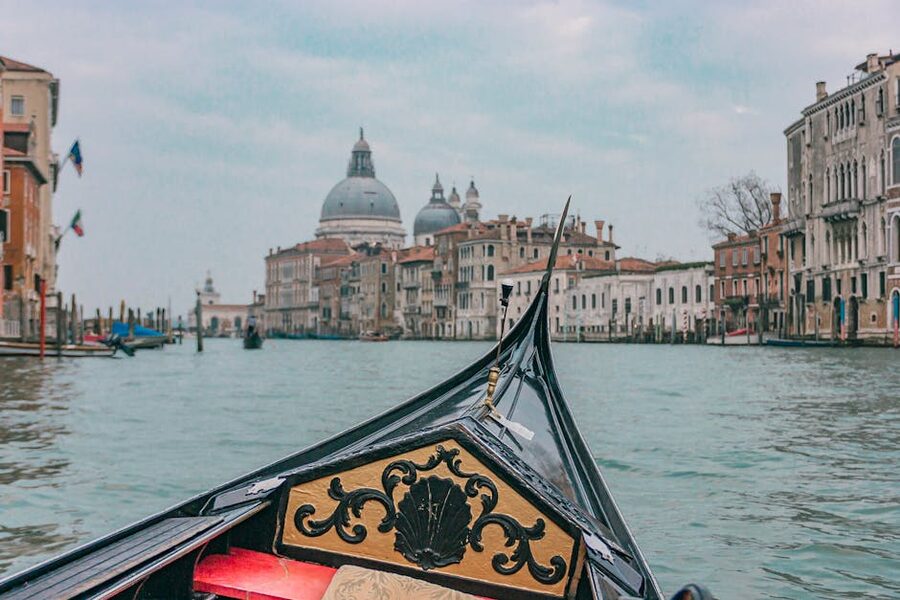
Once you’re done, you’ve got a choice of follow-ups. A classic gondola ride from the stand a few minutes south of the square is the cliché for a reason; the basilica from the water is genuinely different. If history is your thing the Doge’s Palace next door is the natural pairing, especially if you didn’t combo it. For something completely different, jump on a vaporetto and head out to Murano and Burano; the Venice islands guide covers the boat tour options. And if you’re putting Venice next to the rest of Italy, the Florence Duomo and Vatican Museums guides take the same booking approach to the other big-three queues.
The basilica is one of those landmarks that rewards more time than people give it. Twenty minutes inside is a wasted ticket. An hour with the audio guide and the Pala d’Oro and the terrace is the version of the visit you’ll actually remember. Get the slot, drop the bag, walk in slow.