A pair of chopsticks may be an everyday object, but making your own turns a familiar tool into a small lesson in Japanese craft. In this one-hour Asakusa workshop, you shape and smooth the wood by hand, with an instructor guiding you through the process.
I like two things here: you leave with a useful souvenir you made yourself, and the class offers a calm pause from sightseeing near Senso-ji Temple. The main consideration is the tight hour. You’ll want to arrive on time, and this is a short hands-on activity rather than a long, detailed craft course.
- At a glance
- A hands-on hour in Asakusa
- What you do with the wood
- A gentle pace, with help at each step
- The meeting point, and a useful timing tip
- Is the price good value?
- Who will enjoy making chopsticks?
- Booking details worth knowing
- Should you book it?
- FAQ
- How long does the chopstick workshop take?
- Where does the workshop meet?
- What will I make?
- Is the workshop conducted in English?
- Is there an age limit?
- Can I pay with cash?
- What happens if I arrive late?
- Can I cancel and get a refund?
- The Best Of Tokyo!
- More Workshops & Classes in Tokyo
- More Tours in Tokyo
- More Tour Reviews in Tokyo
- Not for you? Here's more nearby things to do in Tokyo we have reviewed
At a glance
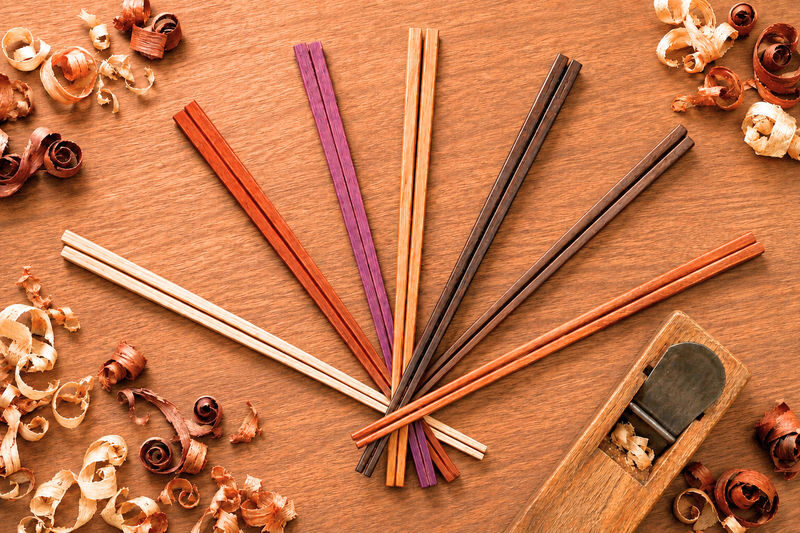
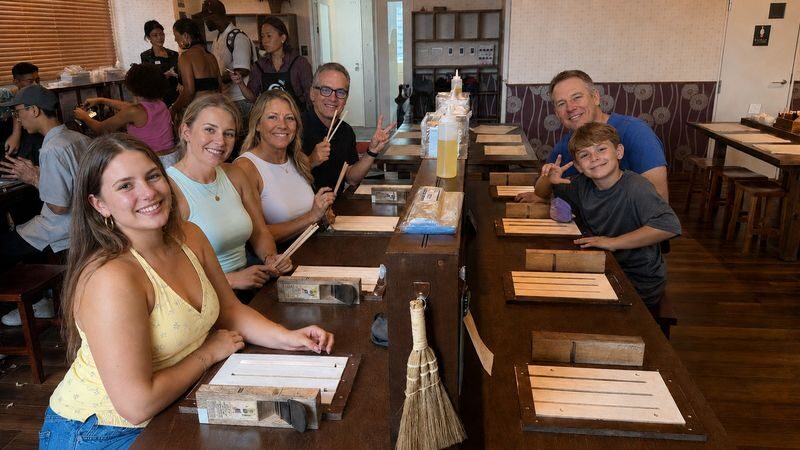

- Make a practical souvenir: Shape and finish your own pair of wooden chopsticks, then take them home in a special cover.
- Use traditional tools: The instructor guides you through carving, smoothing, and finishing the wood.
- Get English-language help: English-speaking staff explain the steps and offer hands-on guidance.
- Expect a one-hour session: The listed afternoon time is 15:00 to 16:00, depending on the option you book.
- Find it on the 10th floor: Meet at the Asakusa Tosei Building, a short walk from Senso-ji Temple.
- Plan for a cashless visit: The workshop accepts major credit cards, not cash.

👉 See our pick of the 25 Best Guided Tours In Tokyo
A hands-on hour in Asakusa
Asakusa is known for its temples, old shopping streets, and steady stream of visitors. This class gives you a different kind of stop: instead of looking at craft objects behind glass, you work the wood yourself, one step at a time.
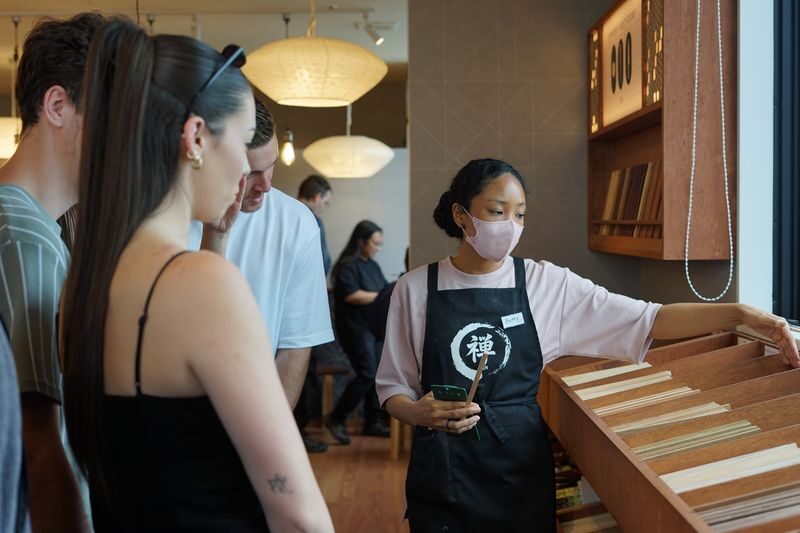
The workshop is at 禅 ZEN Japanese Craft Workshop, inside the Asakusa Tosei Building at 1-chome-27-2 Asakusa. The meeting point is on the 10th floor. It’s a compact activity, so it can fit neatly before or after a visit to Senso-ji rather than taking over half a day.
The focus is a single useful object, not a broad survey of Japanese crafts. That makes the class easy to follow, even if you have never used carving tools. The process also gives you a more concrete sense of the care that goes into shaping something as ordinary as chopsticks.
You can also read our reviews of more tours and experiences in Tokyo


What you do with the wood
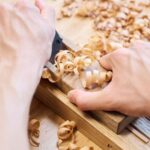
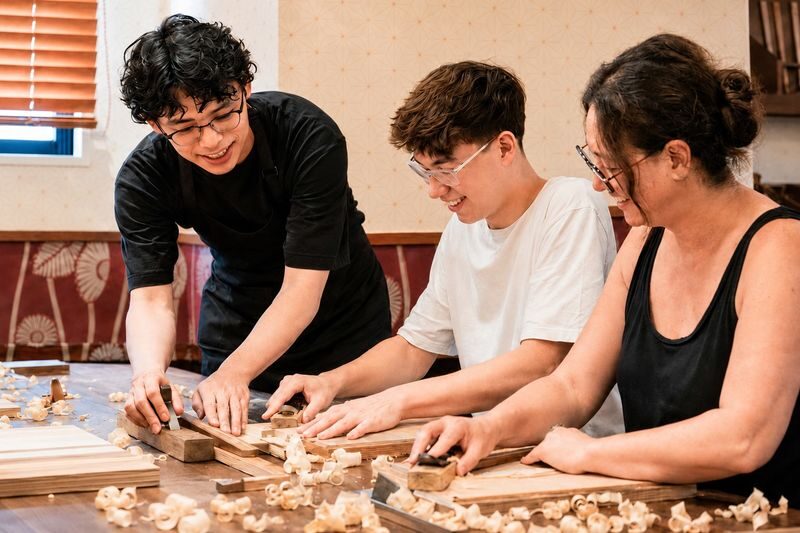
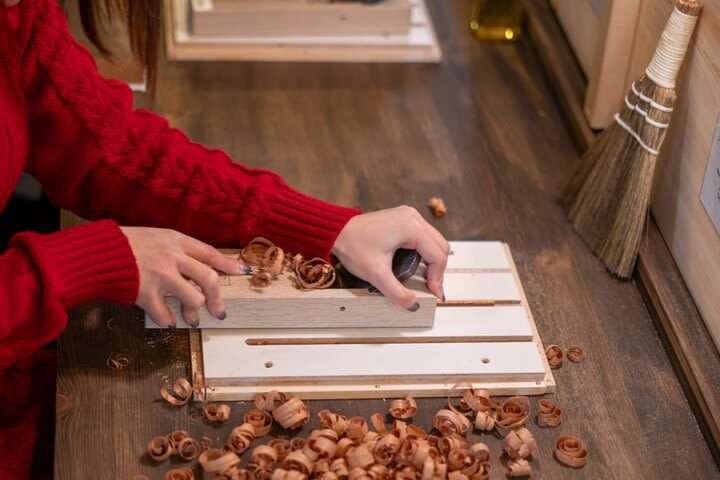
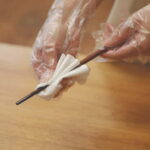
The session centers on making one pair of wooden chopsticks. With guidance from a local instructor, you carve the wood, shape it, smooth the surface, and finish it so the pair is both functional and personal.
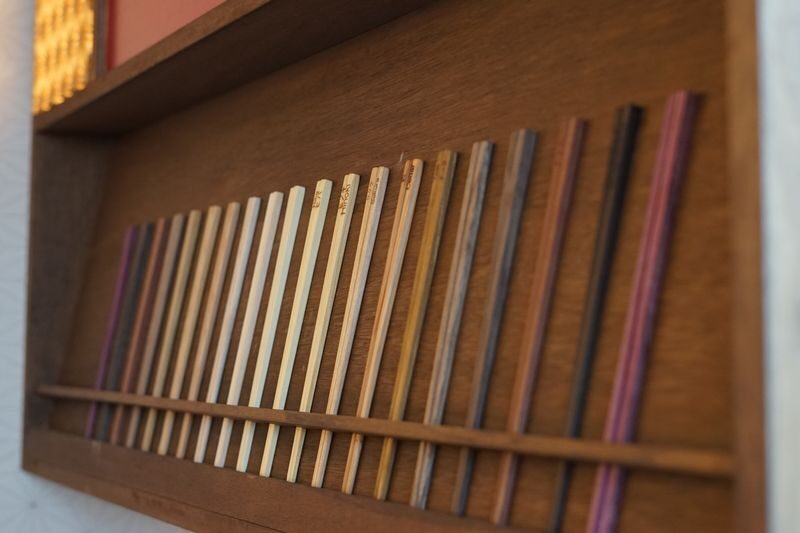
Some details mentioned by people who have taken the class include choosing wood, oiling the finished pair, and engraving. These touches can make the result feel more individual than a ready-made souvenir. Since the exact options are not fully described in the booking details, check with the workshop if a particular wood or engraving choice matters to you.
The work is hands-on, but you are not left to puzzle it out alone. Instructors show you how to shave the wood and help you correct the shape as you go. That support matters: a small change in angle or pressure can affect how even the finished chopsticks look and feel.
At the end, you wrap your pair in a special cover. The result is light and easy to pack, and unlike a decorative trinket, it has a job waiting for it at home. Use it at meals, give it as a gift, or keep it as a reminder of a quieter hour in Tokyo.
A gentle pace, with help at each step
The most consistently praised part of the class is the instruction. People have singled out staff such as Hana, Satoru, Mai, Lika, Erika, John, and Shirin for being patient, welcoming, and clear. The instructor working with your group may be different, but English-speaking staff are included.
That patient approach is useful for beginners and families. The process is described as simple to follow, and children have been able to take part with help. One parent brought an eight-year-old who enjoyed the activity, and other families have appreciated the instructors’ support with children.
The class also seems to suit groups. It has been run with larger parties, with staff helping participants along as they work. If you prefer a quiet, one-to-one lesson, keep in mind that the group size is not specified, so you cannot assume a private session.
You may also get a bit of friendly conversation as you work. The activity is not just a set of instructions followed in silence: instructors may answer questions and chat while helping you shape the wood. That informal contact can make the hour feel more personal, though the craft remains the main event.
The meeting point, and a useful timing tip
Your meeting point is the 10th floor of the Asakusa Tosei Building at 1-chome-27-2 Asakusa, Taito City. The listed departure option is 15:00, with the activity scheduled to finish at 16:00. The exact time is confirmed after booking, so follow the time on your confirmation rather than relying on a general schedule.
Give yourself a little extra time to find the building and reach the workshop floor. There is only one elevator, and it can be busy. Arriving early is a sensible move, especially because anyone more than 15 minutes late may be asked to reschedule. In a one-hour class, a late start can disrupt the next booking.
This is a meet-up activity, not a tour with transport. You make your own way to the address and return from the same building. The schedule may change depending on traffic and weather, so check your confirmed details before setting off.
Is the price good value?
The advertised starting price is $6.35, which is low for a guided, hands-on activity in central Tokyo. The value comes from more than the hour itself: you get access to the workshop, English-speaking guidance, the chance to make a functional object, and a take-home cover.
The word from matters. The final cost can depend on the package or options available for your chosen session, and the details provided do not spell out every possible add-on. Check the price shown for your date and package before booking, particularly if you want to confirm whether engraving or a specific wood choice costs extra.
If you want a long class with a broad look at Japanese woodworking, this is not it. But if you’d rather spend a modest sum making something personal than buy another mass-produced souvenir, the price looks sensible. The finished pair also has a better chance of being used than a keepsake that stays in a drawer.






Who will enjoy making chopsticks?
This is a good fit for curious beginners, couples, families, and anyone who wants a short activity between temple visits and shopping. There is no age limit, and children aged 0 to 2 can join free. The class has also worked well for children around eight, though the activity details do not spell out how much help each age group needs.
It may be less appealing if you want a strenuous workshop or a highly technical lesson. The pace is beginner-friendly, and the goal is to produce a pair you can use, not to master a specialist craft in sixty minutes.
If you have a packed Tokyo schedule, the short duration is a plus. Still, don’t cut your arrival time too close. The workshop is on the 10th floor, the elevator can be busy, and late arrivals may be asked to reschedule.
Booking details worth knowing
The workshop is cashless. Visa, Mastercard, American Express, JCB, Diners Club, and Discover are accepted, so bring a card rather than cash.
Booking gives you a confirmed date and time, and the activity can be booked for the same day when availability allows. The voucher is valid only for the selected date and time. You can cancel for a full refund if you do so at least 24 hours before the activity, using Tokyo local time.
Should you book it?
Book this Asakusa workshop if you want a modestly priced, beginner-friendly craft activity and like the idea of taking home something you made by hand. The strongest reasons to go are the practical souvenir, patient English-speaking instruction, and easy fit with a day around Senso-ji.
Skip it if you want a long technical class or need a fully private session. For most visitors with an hour to spare, though, it’s a worthwhile change of pace: you leave with a pair of chopsticks, and a little more appreciation for the skill hidden in everyday things.
Tokyo Asakusa Chopsticks Workshop: Make Your Own Pair
“Clara is a wonderful person to work with, professional,friendly and engaging. great place”
FAQ
How long does the chopstick workshop take?
The workshop lasts one hour. The listed afternoon session runs from 15:00 to 16:00, though your confirmed time depends on the option you book.
Where does the workshop meet?
Meet on the 10th floor of the Asakusa Tosei Building at 1-chome-27-2 Asakusa, Taito City, Tokyo 111-0032.
What will I make?
You will shape, smooth, and finish a pair of wooden chopsticks using traditional tools. You can take the finished pair home in a special cover.
Is the workshop conducted in English?
English-speaking staff are included to guide you through the activity.
Is there an age limit?
The activity has no age limit. Children aged 0 to 2 can attend for free.
Can I pay with cash?
No. The workshop is cashless and accepts Visa, Mastercard, American Express, JCB, Diners Club, and Discover.
What happens if I arrive late?
If you arrive more than 15 minutes late, you may be asked to reschedule because late arrivals can affect later bookings.
Can I cancel and get a refund?
You can receive a full refund if you cancel at least 24 hours before the activity date, based on Tokyo local time.