Tokyo National Museum is easier to understand when someone connects its objects to the people and eras that made them. This three-hour guided walk links Japanese history and art in the Main Building with Asian collections in Toyokan, including a special focus on Chinese stone Buddhist statues.
I like two things about the plan: the guide explains objects in historical context, rather than leaving you to decode labels alone, and the route pairs Japanese aesthetics with sculpture from China and other Asian traditions. The guide-led storytelling is central to the experience; if Japan Pavilion history is a priority, ask about the day’s emphasis before you book.
The main drawback is that the museum ticket is not included in the starting price of US$59.90. The route is also broad, and the guide may adjust it to suit the day’s exhibits and conditions.
- Three hours with a Chinese-speaking guide: Choose a morning session from 10:00 to 13:00 or an afternoon session from 14:00 to 17:00.
- A Japanese history sequence: The Main Building route may touch on periods from Jomon and Yayoi through Edo and the Meiji Restoration.
- A focused look at Buddhist sculpture: Toyokan’s Chinese stone Buddhist statues gallery is a key focus of the Asian collection portion.
- More than Japanese art: The planned stops may include Gandharan sculpture, oracle bones, bronze ware, Tang sancai, porcelain and Chinese calligraphy.
- Admission costs extra: Buy Tokyo National Museum entry separately, and check whether a special exhibition requires an additional ticket.
- A walking visit with practical limits: Wear comfortable shoes, arrive ten minutes early and expect some galleries to restrict photography.
- Start with a guide, not a gallery map
- The Main Building turns Japanese history into a timeline
- Toyokan adds a wider Asian frame
- Three hours is a useful middle ground
- What the price does and does not cover
- Is this the right museum visit for you?
- FAQ
- Is Tokyo National Museum admission included?
- How long is the guided tour?
- What language is the guide’s explanation in?
- Which galleries are planned for the tour?
- Will every listed gallery be visited?
- Where does the tour end?
- How early should I arrive?
- Is the tour suitable for children?
- What happens if the minimum group size is not met?
- The Best Of Tokyo!
- More Museum Experiences in Tokyo
- More Tours in Tokyo
- More Tour Reviews in Tokyo
- Not for you? Here's more nearby things to do in Tokyo we have reviewed
Start with a guide, not a gallery map
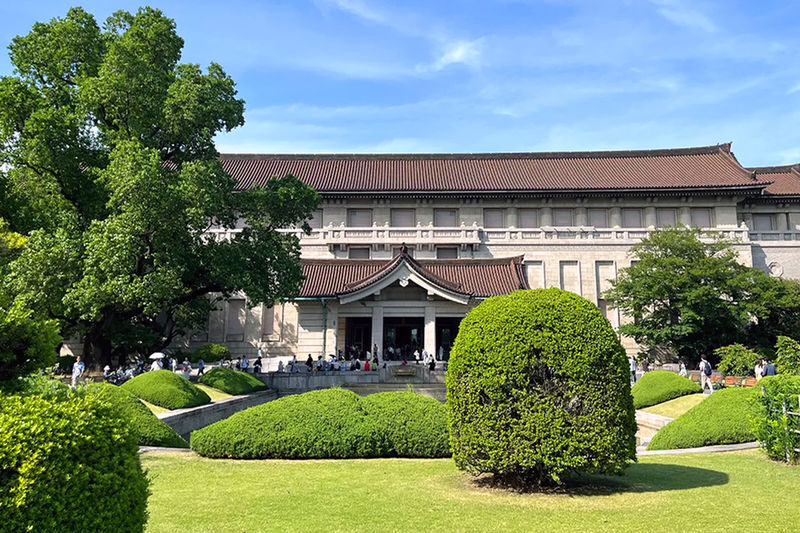
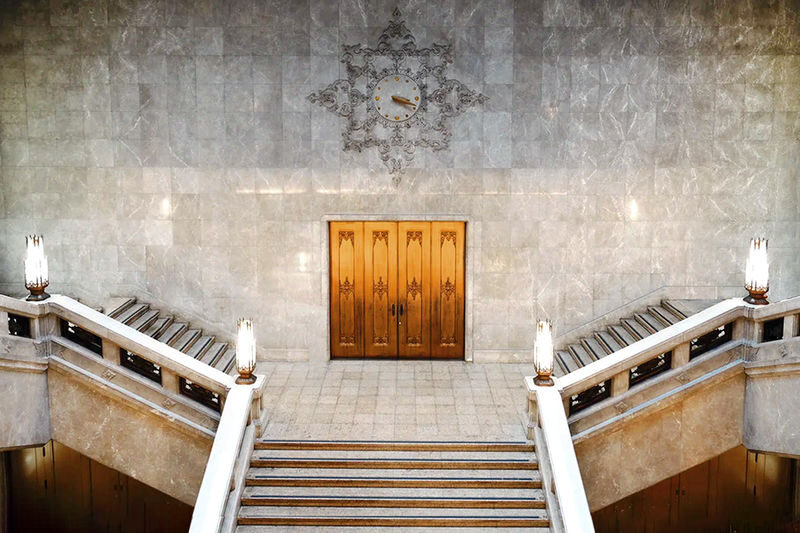
Tokyo National Museum opened in 1872 and is Japan’s oldest museum. Its broad collection covers Japanese art and history as well as objects from elsewhere in Asia. With 43 exhibition halls across its buildings, it can feel like a lot to take on without a plan, especially if you have only a few hours.
This tour gives you that plan. A Chinese-speaking guide leads a three-hour walk and explains selected objects in context. That can make a real difference in a museum where one display may represent a particular period, belief or artistic tradition, while the next jumps to a different place and time.
The focus is not a full survey of everything on view. Instead, expect an interpreted route through key galleries, with the guide adjusting the order or selection according to conditions and the objects displayed that day. That flexibility is useful, but it also means the advertised topics are a guide to the intended visit, not a promise that every listed gallery will be covered.
Audio guide devices are provided and should be returned at the end. They help you follow the guide’s explanations, but you will still be walking and listening as a group. If you prefer to stop at every case for a long look, a guided schedule may feel brisk.

👉 See our pick of the 25 Best Guided Tours In Tokyo
The Main Building turns Japanese history into a timeline
The tour begins with Japanese cultural objects in the Main Building. Its planned historical sweep may include Jomon, Yayoi and Kofun, followed by Asuka, Nara and Heian, then Kamakura, Nanboku-cho and Muromachi. Later periods include Azuchi-Momoyama, Edo and the Meiji Restoration.
That sequence is valuable because it gives you a framework for seeing objects as more than beautiful things behind glass. A pottery piece, a suit of armor or a print takes on a different meaning when you know which era it belongs to and how Japanese tastes and society were changing.
The route may also include the Main Building’s National Treasure Gallery. This is a natural place to pause over the idea of cultural importance: what is preserved, what is singled out and how an object can represent a wider period or tradition. The exact displays can change, so the guide will work with what is actually on view.
Tea ceremony utensils offer another lens on Japanese aesthetics. Rather than treating tea objects as simple household equipment, a guide can explain their place in a formal practice and why their design matters. For you, this is a chance to connect craft and daily life, not just admire a polished surface.
The samurai armor gallery shifts the mood. Armor is visually striking, but it also raises practical questions about status, warfare and the image samurai wished to project. The tour’s historical thread can help you read the objects as evidence of a society, rather than as props from a period drama.
Edo life utensils and ukiyo-e prints broaden the view beyond elites and warriors. Everyday objects reveal patterns of domestic life, while prints offer an entry point into popular culture and visual style. These galleries may be especially rewarding if you want to see how Japanese art developed across different settings, from formal traditions to images made for a wider public.
The schedule includes a wide span of history, so don’t expect equal time for every era or room. The guide chooses what to explain in depth, and the museum’s display changes may affect which objects are available. If one period matters most to you, say so early and ask whether the route can give it extra attention.
You can also read our reviews of more museum experiences in Tokyo


Toyokan adds a wider Asian frame
After the Japanese collection, the planned route moves to Toyokan, the Eastern Art Gallery. This shift is one of the tour’s most useful ideas: Japanese art did not develop in isolation, and objects from China and elsewhere in Asia offer context for cultural exchange and shared artistic traditions.
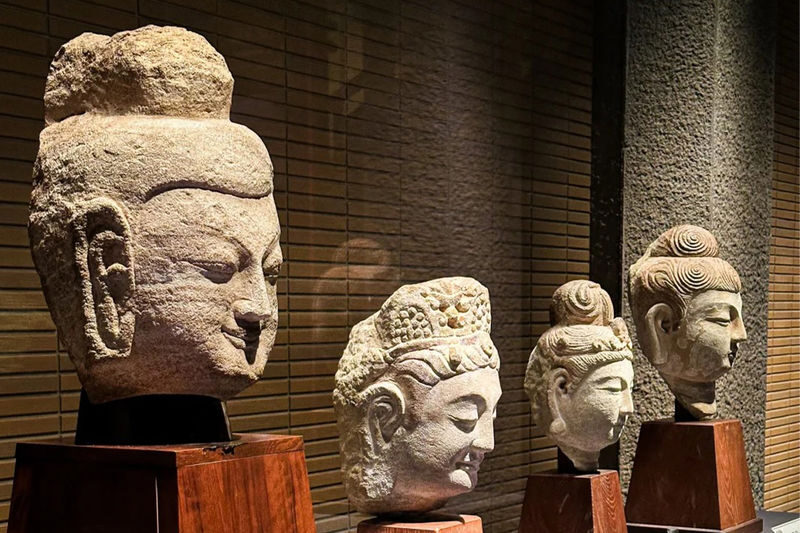
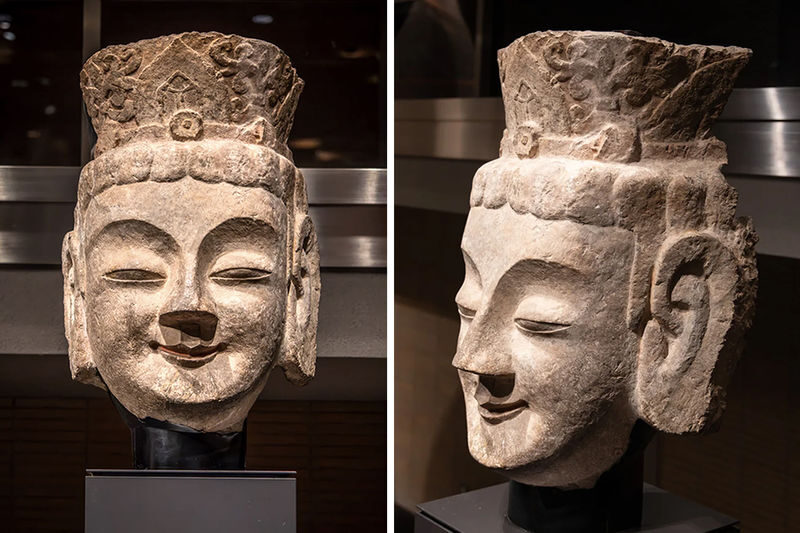
The main Asian focus is the gallery of Chinese stone Buddhist statues. The tour highlights their historical background, giving you a way to consider how Buddhist imagery was made and understood in China. Stone sculpture also rewards explanation: details of form and carving can be easy to pass by if you do not know what to look for.
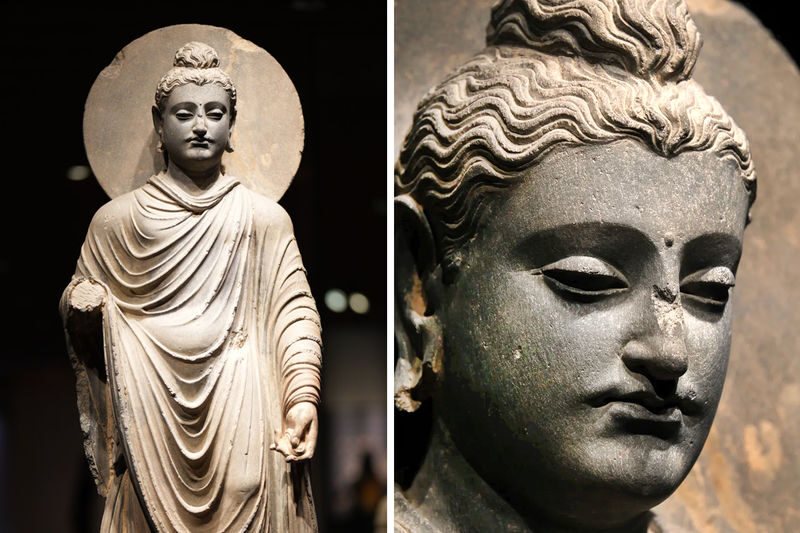
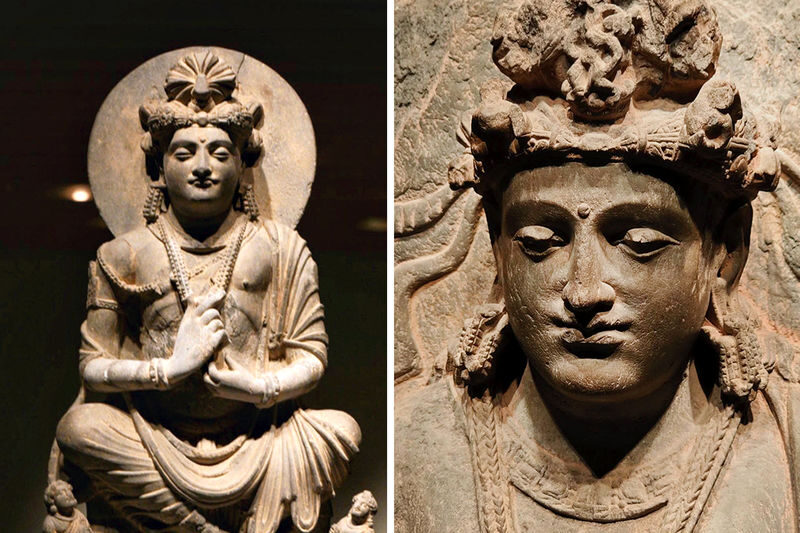
Other possible stops include Gandharan sculpture and material connected with the Otani Expedition. These subjects extend the route beyond Japan and China, though time is limited. The point is not to cover every region in equal depth, but to show how a museum collection can link artistic traditions across borders.
Toyokan’s other potential displays range widely. You might see oracle bone inscriptions, bronze ware, Tang sancai pottery, porcelain, Han dynasty stone reliefs, and Chinese calligraphy and painting. The tour description also lists Egyptian mummies, a reminder that the museum’s Asian galleries include objects beyond the central Japanese and Chinese themes.
These rooms can make the three-hour visit feel varied, but they also create a trade-off. Every added gallery means less time for another. The guide’s chosen emphasis will matter, and the actual displays may differ from the planned examples because museum exhibitions are adjusted from time to time.
Three hours is a useful middle ground
The morning session runs from 10:00 to 13:00, and the afternoon session from 14:00 to 17:00. Both last about three hours. That is enough time for an organized introduction to selected parts of the museum without asking you to spend an entire day following a guide.
You are asked to arrive at the designated meeting point ten minutes before departure. The morning departure is listed for 09:50, with the guided visit starting at 10:00; the afternoon session follows the same pattern. Late arrivals and no-shows cannot be refunded, so give yourself a little breathing room rather than trying to cross Ueno Park at the last minute.
The tour ends at the museum entrance. Since the museum is in Ueno Park, you can continue exploring nearby attractions or take a walk through the park afterward. That makes either session easy to combine with other plans, though you should leave room for the time you may want to spend revisiting a gallery on your own.
This is a walking tour, so comfortable shoes matter. The museum can have strong air conditioning, making a light jacket useful, and you should bring water. Rest areas and cafes are available inside, but the tour itself is focused on the galleries rather than a meal break.
What the price does and does not cover
The experience starts at US$59.90 per person. That pays for the Chinese-speaking guide and the three-hour explanation, not entry to Tokyo National Museum. You need to buy your museum ticket separately, and a special exhibition may require an additional ticket.
That distinction matters when you compare this tour with a standard admission ticket. You are paying for interpretation and a planned route through a very large collection. If you would otherwise wander without much context, a guide can make the museum’s range more manageable. If you already know the collection well or prefer to explore at your own pace, the added cost may be harder to justify.
There are also practical conditions to consider. The activity requires at least three participants; if that minimum is not met, you can book another date or request a full refund. Confirmation is due 48 hours before departure. Infants and children must be included in the passenger count, and children under 16 must join with an adult.
Large luggage is not suitable for the museum visit. Coin-operated lockers are available near the entrance, but luggage storage and delivery services are not provided. Outside food and drinks are not allowed, and photography is prohibited in some exhibition halls, so follow staff instructions.
Is this the right museum visit for you?
I’d choose this tour if you want a clear introduction to Japanese art and history, and you are curious about how those collections sit beside Asian traditions. The strongest fit is someone who values explanation, is happy to keep a walking pace and wants help making sense of selected exhibits rather than seeing every room.
It also suits visitors who speak Chinese and want a guided experience in that language. The listing does not provide a guide’s name, so you cannot choose a particular lecturer in advance. The tour is built around storytelling, and its central strength is the chance to have a guide connect objects to their historical setting.
I would think twice if your priority is a quiet, self-directed visit or a deep study of one specific gallery. Three hours can cover a lot of ground, but it cannot give every period or collection equal attention. Ask about the route’s emphasis if you have a particular interest, especially if you want more time on the Japanese galleries.
For the best value, treat this as a guided introduction, then stay in the museum or return to a favorite section if your ticket and schedule allow. The tour provides the map and context; your own extra time lets you linger where the guide’s story catches your attention.





Tokyo National Museum | Hall of Fame | Main Building & Asian Gallery | Star Lecturer Professional Level Explanation
“A very professional and engaging tour guide. The storytelling was excellent. I'd love to hear him share more history about the Japan Pavilion if I…”
FAQ
Is Tokyo National Museum admission included?
No. You must purchase admission separately. A special exhibition may also require an additional ticket.
How long is the guided tour?
The tour lasts about three hours. The morning session runs from 10:00 to 13:00, and the afternoon session from 14:00 to 17:00.
What language is the guide’s explanation in?
The included guide is Chinese-speaking.
Which galleries are planned for the tour?
The route is intended to cover Japanese cultural objects in the Main Building and Asian collections in Toyokan. Possible topics include Japanese historical periods, samurai armor, ukiyo-e and Chinese stone Buddhist statues.
Will every listed gallery be visited?
Not necessarily. The route may be adjusted to suit the day, and museum displays can change. The listed galleries and exhibits are examples of the intended focus.
Where does the tour end?
The tour dismisses at the entrance of Tokyo National Museum.
How early should I arrive?
Arrive at the designated meeting point ten minutes before departure. The morning departure is listed for 09:50.
Is the tour suitable for children?
Children must be included in the passenger headcount. Children under 16 must participate with an adult and cannot join alone.
What happens if the minimum group size is not met?
The activity requires at least three participants. If that minimum is not reached, you can book an alternative date or request a full refund.