Kyushu’s appeal is often in the contrasts: a quiet hot-spring town beneath Mount Yufu, a near-boiling pool that looks blue enough to swim in, then a shrine approach scented with warm rice cakes. This day trip links all three, with a special train ride available as an add-on rather than part of the base fare.
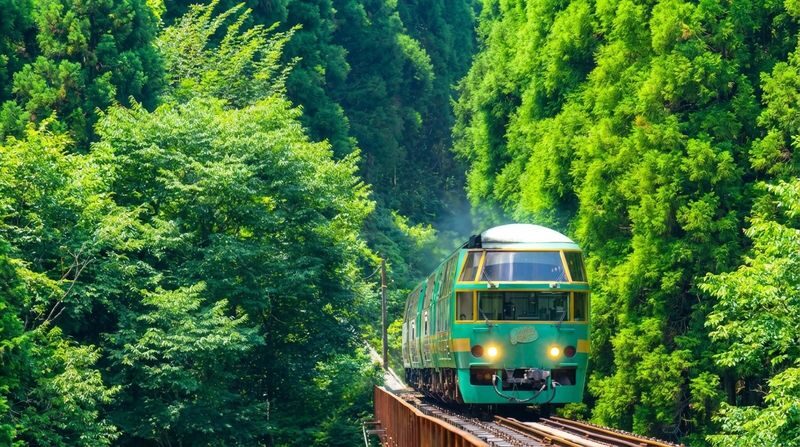
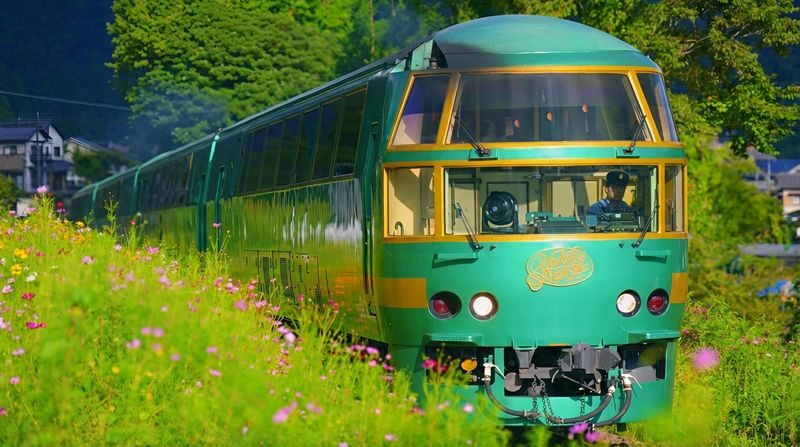
I like the unhurried time in Yufuin, where you can choose a coffee stop, browse small shops, or simply walk with the mountain in view. I also like the chance to see the green Yufuin no Mori train on the mountain route, a memorable way to travel if you book the package that includes its ticket.
The catch is that the train ticket is not included in the $44.15 starting price, and the day covers a lot of ground. You’ll have limited time at Umi Jigoku and Dazaifu, and traffic or weather can change the schedule.
- At a glance
- A big Kyushu day, with a choice of train
- Yufuin: two hours to set your own pace
- The train connection: a scenic extra, not a given
- Umi Jigoku: a blue pool that is not for bathing
- Dazaifu: shrine traditions and a sweet stop
- What the schedule feels like in practice
- Price, comfort, and who should book
- Should you book this Kyushu day trip?
- FAQ
- Is the Yufuin no Mori train ticket included in the .15 price?
- Is Umi Jigoku admission included?
- How long do I have in Yufuin?
- How long is the stop at Umi Jigoku?
- What happens at Dazaifu from December 28 to January 5?
- Where does the tour leave from and return to?
- Can the schedule change?
- Is the tour suitable for wheelchair users or families with strollers?
- More Tours in Yufu
- More Tour Reviews in Yufu
- Not for you? Here's more nearby things to do in Yufu we have reviewed
At a glance
 1 / 6
 2 / 6
 3 / 6
 4 / 6
 5 / 6
 6 / 6
- Yufuin gets the longest stop: Plan on about two hours to wander, eat, shop, or visit the town’s scenic spots.
- The train is an optional extra: The package with a Yufuin no Mori ticket starts at $86.70; the $44.15 option does not include it.
- Umi Jigoku admission is included: You get about 30 minutes at Beppu’s famous steaming blue spring.
- Dazaifu is the final main stop: There is about an hour for the shrine and its approach, including time to try Umegae Mochi.
- The day runs roughly 7:40 to 18:00: Return time depends on road conditions, so avoid tight evening plans.
- The tour is guided, but stops are largely self-guided: The guide handles transport and provides commentary, while you explore each place at your own pace.
A big Kyushu day, with a choice of train
This is a full-day coach outing from Fukuoka that combines three very different stops: Yufuin, Beppu’s Umi Jigoku, and Dazaifu Tenmangu. It suits you if you want to cover several headline sights without arranging separate buses and local connections yourself.
The most important booking detail is the package choice. The lower-priced option includes Umi Jigoku admission, transfers, tolls, parking, fuel, and an English- or Chinese-speaking guide, but not the Yufuin no Mori train ticket. The train-included option starts at $86.70 and also includes the Umi Jigoku ticket.
The timetable describes a bus transfer from Yufuin to Oita Station, where the group waits for passengers taking the train before continuing. So don’t assume the whole group rides the train, or that the base package includes a rail seat. Check the package details for your date before booking, especially if the train is the main reason you’re considering the tour.
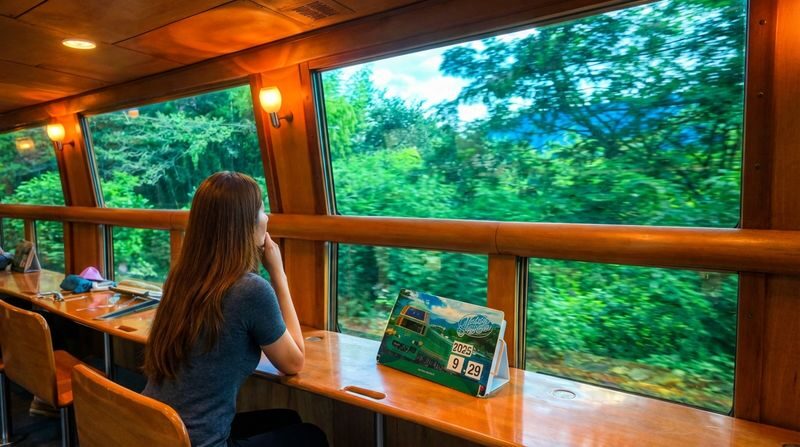
The green Yufuin no Mori is the signature rail option, with wood-paneled interiors and large windows. Its route offers a change of pace from the coach, and the afternoon light is part of the appeal. On specified dates, it is replaced by the red Limited Express Yufu: June 1 to 5, June 22 to 26, July 21 to 24, August 31, and September 1 to 4. Confirm the train arrangement for your departure date rather than planning around a particular carriage color.
You can also read our reviews of more tours and experiences in Yufu.
Yufuin: two hours to set your own pace
The bus leaves at 7:40, with a meeting time ten minutes earlier. Yufuin is scheduled for around 9:40, and you have about two hours to explore on your own. That is enough to get a feel for the town, but not enough to see every corner at leisure.
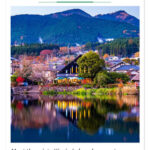
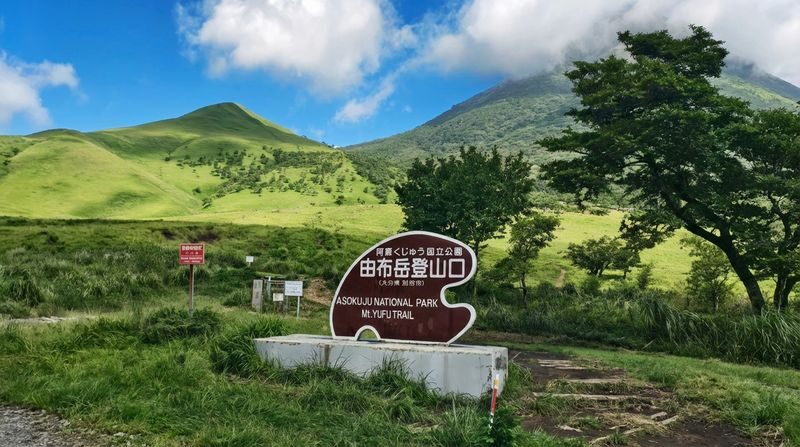
Yufuin is known for its hot springs and its setting below Mount Yufu. Its twin peaks give the town a clear focal point, while Kinrin Lake and the old-style streets offer reasons to slow down. You can spend your time browsing general stores, stopping at a coffee shop, sampling sweets, or walking toward the lake if the pace suits you.
I’d pick one or two priorities before you arrive. A relaxed coffee and a wander through the central streets will feel very different from trying to fit in the lake, shopping, and a longer walk. The tour’s free-time format lets you choose, but it also means you’ll need to keep an eye on the meeting time.
The trailhead for Mount Yufu closes during winter. On those dates, the Yufuin sightseeing period is extended by 30 minutes, but this does not turn the stop into a mountain hike. If you are hoping to climb, check trail access separately and don’t count on fitting a hike into the scheduled visit.
The train connection: a scenic extra, not a given
After Yufuin, the stated plan has the group reach Yufuin Station around 12:32. This part needs particular attention when you book: the itinerary says the tour uses a bus to Oita Station to meet passengers taking the train, then continues from there. The exact arrangement depends on your selected package and departure date.
If you choose the train-inclusive option, the Yufuin no Mori is more than a way to get from one stop to another. The retro green carriage, broad windows, and wooden interior make the ride a distinct part of the day. The scenery is the point: wooded hills and mountain views pass outside, while the train gives you a calmer interlude between walking stops.
But the rail add-on costs more, and even with the ticket included, this remains a packed day with several transfers. If you care most about the train, confirm how much time you’ll spend aboard and which service operates on your date. If you mainly want to see Yufuin, Umi Jigoku, and Dazaifu, the base package may be the better-value choice.
Umi Jigoku: a blue pool that is not for bathing
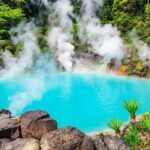
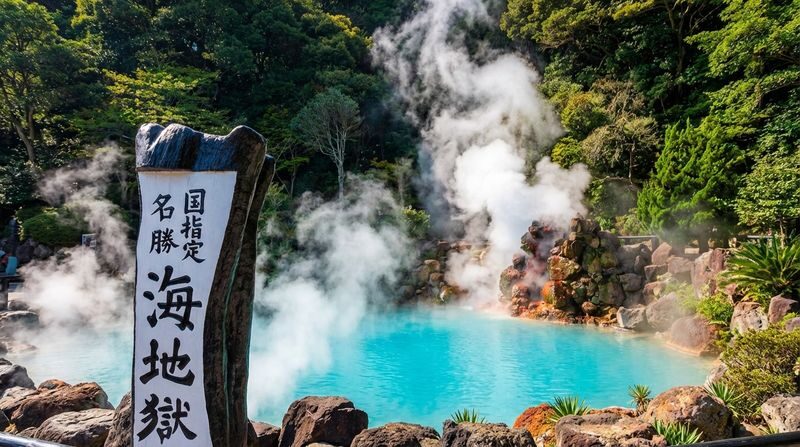
Beppu’s Umi Jigoku, or Sea Hell, is scheduled for about 30 minutes at 14:00. Admission is included, which makes the stop easy to budget for. The spring’s striking cobalt color comes from iron sulfate, while white steam rises from water close to boiling point.
That contrast makes the pool memorable: it looks cool and jewel-bright, but it is intensely hot. This is a viewing stop, not a place to bathe. Thirty minutes gives you time to see the main spring and take photos, though it is brief if you like to linger or explore every corner.
Umi Jigoku is one of Beppu’s best-known hot-spring sights, but this tour visits just this one of the city’s Eight Hells. That’s a useful distinction. You’ll get a clear look at the most famous blue pool, not an in-depth tour of Beppu’s geothermal sites.
Dazaifu: shrine traditions and a sweet stop
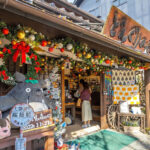
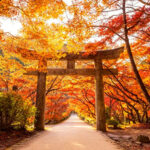
Dazaifu Tenmangu is scheduled for around 16:00, with about an hour to explore. The approach is part of the visit: cross the vermilion Taikobashi bridge, walk past shops, and follow the scent of Umegae Mochi, a grilled rice cake filled with sweet bean paste.
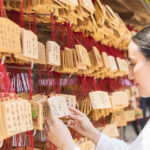
The shrine honors the God of Learning, and you may see students arriving to pray. You can pay your respects, look for an omamori charm, and take in the grounds before heading back to the coach. The tour provides a guide, but the stop is self-guided, so use your time according to your interests rather than expecting a long, formal tour of every detail.
From December 28 through January 5, Dazaifu is replaced with Nyoirin-ji Temple because New Year crowds and traffic make the shrine difficult to reach normally. If Dazaifu is a must for you, avoid those dates or confirm the seasonal change before booking.


What the schedule feels like in practice
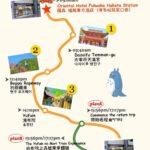
The advertised day begins at 7:40 and returns to Hotel Oriental Express Fukuoka Hakata Station at about 18:00. Those are useful guideposts, not a promise of an exact arrival. Traffic and weather can shift the schedule, and the operator notes that some attractions may be skipped because of capacity or weather.
The rhythm alternates between coach travel and short periods on foot. Yufuin gets the most time, Umi Jigoku the least, and Dazaifu a final hour before the return. That balance works if you want a broad introduction to the region. It is less suited to anyone who prefers a slow visit at each site or wants to spend half a day in one town.
The tour’s appeal is that you don’t have to coordinate the long-distance transport yourself. Its trade-off is reduced flexibility. You follow the group’s timetable, and a late start or a road delay can squeeze time at a stop. Bring a phone charger or power bank, particularly in the August 8 to 16 Obon holiday period, when traffic and crowds may cause delays or changes. Don’t schedule a flight, Shinkansen, or dinner reservation that depends on a precise return time.
Price, comfort, and who should book
At $44.15, the base package is a reasonable way to combine transport, a guide, and Umi Jigoku admission in one day. It does not include the train ticket, so compare the $86.70 train-inclusive package against your priorities. The higher fare buys the rail component, not extra time at the stops.
Guides on different departures have included Coco, Daisy, Lily, Hedy, and Mr. Ohashi, among others. The feedback about guides has been especially strong, with praise for clear explanations, practical recommendations, and warm, energetic help. One guide, Coco, was singled out for keeping the group moving despite summer heat and for helping with photos. Guide assignments can change, so treat names as examples, not a guarantee.
This is a better fit for you if you value convenience, enjoy variety, and are happy to explore independently during set free-time windows. It can also suit a first visit to Kyushu when you want a sampler of town, hot spring, and shrine in one day.
It is not a great match if you need wheelchair or stroller access, want a leisurely pace at every stop, or have a medical or mobility concern that makes a long day and multiple transfers difficult. The tour is not recommended for people with impaired mobility, pregnant women, or people with certain conditions such as high blood pressure or epilepsy. There are no child seats, and infants and children must be counted when booking. Participants must be under 70.
Should you book this Kyushu day trip?
Book it if you want a practical, guided way to see Yufuin, Beppu’s blue spring, and Dazaifu in one day, and you accept that each stop is a quick taste rather than a deep visit. Choose the train-inclusive fare only after confirming that the rail service and timing suit your date.
Skip it if you want to hike Mount Yufu, explore all of Beppu’s hot-spring sites, or spend hours at Dazaifu. The tour’s real value is the combination and transport, not unlimited time. For a first look at this corner of Kyushu, that can be a fair trade.
Kyushu Yufuin no Mori Train & Umi Jigoku & Dazaifu Tenmangu Shrine & Yufuin One-Day Tour (Departing from Fukuoka)
“Thank you, Lily! Today's experience was amazing and very professional.”
FAQ
Is the Yufuin no Mori train ticket included in the $44.15 price?
No. The $44.15 package does not include the train ticket. A package that includes the Yufuin no Mori ticket starts at $86.70.
Is Umi Jigoku admission included?
Yes. Admission to Umi Jigoku is included in both listed package options.
How long do I have in Yufuin?
The itinerary allows about two hours for self-guided time in Yufuin. During winter, the Mount Yufu trailhead is closed and Yufuin sightseeing time is extended by 30 minutes.
How long is the stop at Umi Jigoku?
The scheduled visit is about 30 minutes. It is a short visit to see the hot spring pool and steam.
What happens at Dazaifu from December 28 to January 5?
Dazaifu Tenmangu is replaced by Nyoirin-ji Temple during those dates because of New Year events and traffic restrictions.
Where does the tour leave from and return to?
The departure is at 7:40, and you should arrive 10 minutes early. The stated return point is Hotel Oriental Express Fukuoka Hakata Station, around 18:00, with the actual arrival time depending on road conditions.
Can the schedule change?
Yes. Traffic and weather can affect timing, and some attractions may be skipped because of capacity or weather conditions.
Is the tour suitable for wheelchair users or families with strollers?
The activity is not wheelchair- or stroller-accessible, and child seats are not available. The tour also notes that people using wheelchairs or mobility equipment should be accompanied.