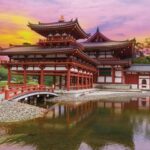
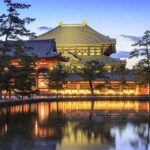
Tokyo’s old temple lanes and giant city crossings make an unusual pair, and this five-day trip puts both on the schedule before heading to Lake Kawaguchi for views of Mount Fuji. You’ll have a guide and transport for the stated tours, but the days are not all equally full.
I like the contrast between Senso-ji and Shibuya Crossing, which gives you a quick read on two very different sides of Tokyo. I also like that the Fuji day includes Oishi Park, Oshino Hakkai and the mountain’s 5th Station, rather than relying on a single viewpoint.
The main thing to check is what your quoted price covers. Accommodation is described as available on request, yet also appears among the exclusions, and Day 4 is optional. Confirm lodging, meals and the exact guided hours before paying.
- Key points to know before booking
- A compact Tokyo introduction, with a long list of stops
- From Nijubashi Bridge to Asakusa’s temple streets
- Meiji Jingu, Harajuku and the Shibuya finish
- Mount Fuji and Lake Kawaguchi: the day with the biggest scenery
- Day 4 in Tokyo: optional, and worth clarifying
- The price, accommodation and what you actually get
- Who will get the most from this five-day trip
- Should you book Magic of Japan?
- FAQ
- Is accommodation included in the id="section-0",199 starting price?
- What is the group size?
- Is the tour guided in English?
- Does the tour include a climb to the top of Mount Fuji?
- Are airport transfers included?
- What food options can I request?
- The Best Of Tokyo!
- More 5-Day Experiences in Tokyo
- More Tours in Tokyo
- More Tour Reviews in Tokyo
- Not for you? Here's more nearby things to do in Tokyo we have reviewed
Key points to know before booking
 1 / 5
 2 / 5
 3 / 5
 4 / 5
 5 / 5
- Tokyo’s main sights are grouped into one guided day: Imperial Palace Gardens, Asakusa, Meiji Jingu, Harajuku and Shibuya.
- The Fuji outing has several stops: Oishi Park, Arakura-Fuji Sengen Shrine, the 5th Station and Oshino Hakkai.
- The group is small: A maximum of 10 people can make moving between busy districts easier.
- Day 4 is flexible, not a full included touring day: Tsukiji, a Buddhist temple and an observation deck are listed as optional.
- Accommodation needs a direct check: The tour information is inconsistent about whether a hotel is included.
- Feedback is promising but limited: The operator is rated 4.4 out of 5 across 12 ratings; the tour itself has a 4 out of 5 score from two ratings.

👉 See our pick of the 25 Best Guided Tours In Tokyo
A compact Tokyo introduction, with a long list of stops
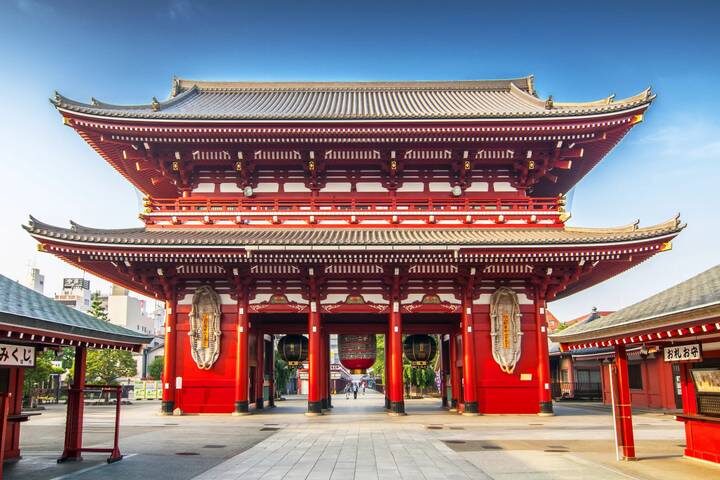
Day 2 packs several major Tokyo sights into one day. You start around the Imperial Palace Gardens and Nijubashi Bridge, continue to Senso-ji and Nakamise-dori in Asakusa, then visit Meiji Jingu before walking through Harajuku and ending at Shibuya Crossing.
That is an efficient route for a first visit. You get gardens and imperial architecture, a major Buddhist temple, a Shinto shrine, shopping streets and the city’s famous scramble crossing without having to plan each transfer yourself. With an English-speaking guide accompanying the tour, you can also ask questions as you go.
The trade-off is pace. These places are spread across the city, and the schedule names a lot of stops without giving visit lengths. Don’t expect a long, unhurried visit at every site. If you have a particular interest, such as temple architecture or shopping, ask the operator how much free time the day allows.
Lunch is on your own on Day 2. That gives you room to choose what suits you, but you’ll want to keep an eye on the clock so you’re ready for the afternoon stops. The tour offers Jain, vegetarian, vegan, Halal and Kosher food options on request; tell the operator your needs in advance.
You can also read our reviews of more tours and experiences in Tokyo


From Nijubashi Bridge to Asakusa’s temple streets
The Imperial Palace Gardens and Nijubashi Bridge offer a calm start to a city day. The bridge is a well-known palace-area viewpoint, while the gardens give you a green pause amid Tokyo’s dense urban setting. Together, they make a useful introduction to the city’s imperial side.
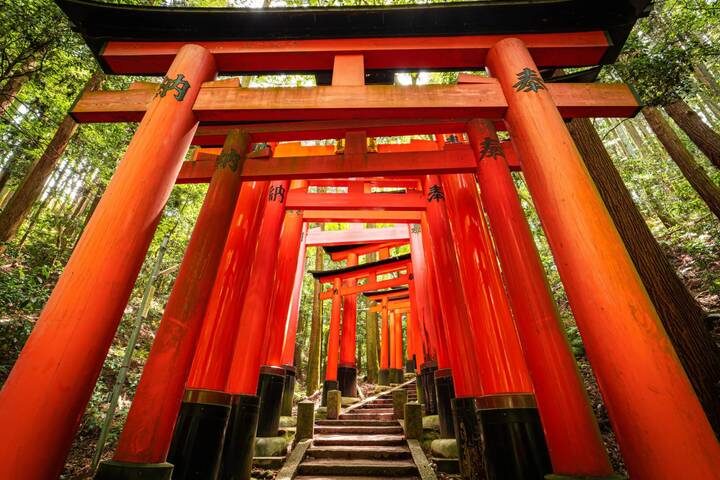
At Asakusa, Senso-ji is the focal point. Nakamise-dori, the shopping street leading toward the temple, brings together souvenirs and snacks in a busy setting. It’s a good place to browse, but don’t expect a quiet temple approach, especially when the area is crowded.
This mix is one of the tour’s strengths: you see a formal civic center and a popular historic district in the same day. It also means you’ll have little time to linger if a particular shop or temple detail catches your eye. If browsing matters to you, ask whether the schedule includes time to return to Nakamise-dori on your own.
Meiji Jingu, Harajuku and the Shibuya finish
Meiji Jingu gives the day a change of mood. This Shinto shrine is known as one of Tokyo’s most famous, and its setting offers a quieter counterpoint to the commercial districts nearby. The itinerary doesn’t specify how long you’ll spend there, so treat it as a guided visit rather than a long independent wander.
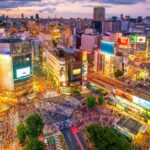
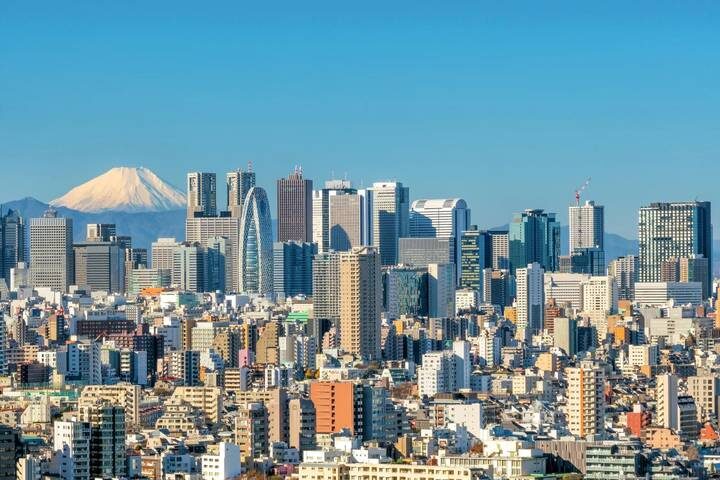
Harajuku brings a different kind of city energy, with colorful streets and shops. The tour then heads to Shibuya Crossing, where people stream across the intersection from several directions. It’s a striking place to watch the city move, and a fitting final stop after a day that ranges from palace grounds to busy shopping areas.
The schedule gives you a sampler, not a deep exploration of either neighborhood. If you want time to shop in Harajuku or see more of Shibuya after the group visit, plan to return independently. The tour ends the day in Shibuya, but the provided details don’t say how long you can stay or how you’ll get back to your hotel.
Mount Fuji and Lake Kawaguchi: the day with the biggest scenery
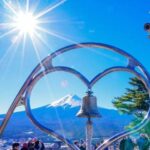
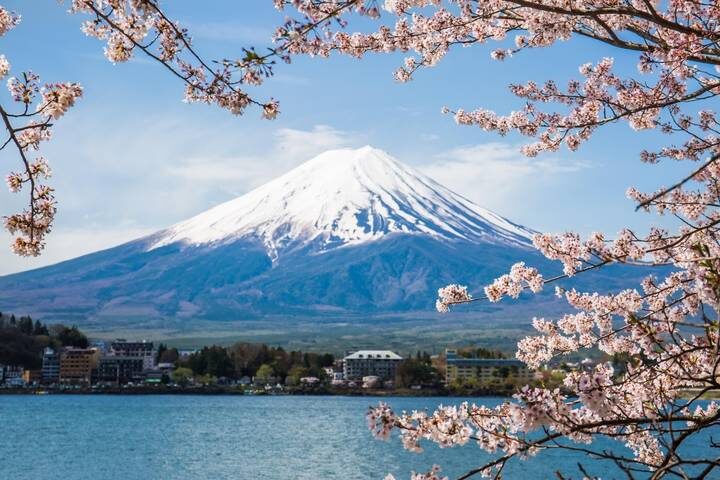
Day 3 leaves Tokyo for the Mount Fuji and Lake Kawaguchi area. Oishi Park is listed for views across the lake toward the mountain, and the setting gives you a chance to appreciate Fuji from a distance rather than only from a road or city viewpoint. Clear conditions matter: mountain views can vary with the weather, so no particular view is guaranteed.
The route also includes Arakura-Fuji Sengen Shrine, a stop that brings local religious traditions into a day otherwise focused on scenery. You’ll then head to Mount Fuji’s 5th Station for a higher vantage point. The itinerary describes reaching the station, not climbing to the summit. This is a sightseeing trip, not a guided mountain ascent.
Oshino Hakkai rounds out the day with natural ponds and a chance to observe local wildlife. It adds a more intimate stop after the broad views at the lake and mountain station. As with the other stops, the available schedule doesn’t state how much time you’ll have at each place.
The Fuji outing is a substantial part of the tour’s appeal, but it’s also a long excursion from Tokyo. You’ll be traveling between several stops, so expect a day shaped by transport as much as time on foot. The physical rating is low intensity, though you should still be comfortable getting in and out of transport and walking around visitor sites.
The tour runs in October, November and December, according to the stated departure months. If you’re booking for another season, ask about availability rather than assuming the same itinerary operates year-round. It’s also sensible to confirm whether the 5th Station is reachable on your date, since the tour details don’t promise access under every condition.
Day 4 in Tokyo: optional, and worth clarifying
Day 4 is presented as flexible, with three possible activities: a 300-year-old Buddhist temple, Tsukiji Fish Market and a so-called secret observation deck overlooking the market and city skyline. These are not described as required stops, so don’t assume the full day is guided or included.
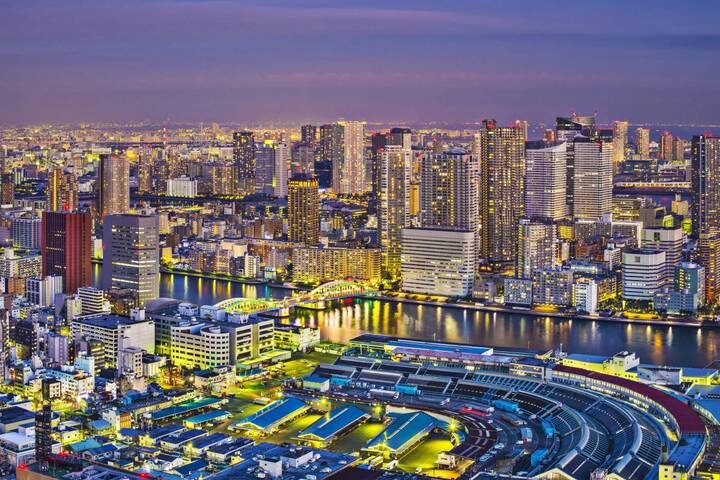
Tsukiji is the most clearly detailed option. The plan mentions fresh seafood tastings, including sashimi bowls and bite-sized items, plus a seafood lunch. That could make a rewarding food-focused morning, especially if you want to sample Japanese seafood with some structure. But the details also label the activities optional, while the inclusions list mentions food tastings and a seafood lunch. Ask exactly which food and activities are covered in your price.
The Buddhist temple adds a cultural note, with a stated 300-year history and a chance to learn about traditions. The observation deck is described as a short elevator ride to a view over Tsukiji and the city. The exact temple and deck are not named, so request their names and the visit schedule before you decide whether this day suits you.
One traveller found the overall guided time limited, describing the five-day period as roughly two and a half days of tours and noting that Day 4 was only a half-day market visit. That’s a useful way to set expectations: this is not five consecutive days of intensive sightseeing. You’re paying for a few organized touring days, with arrival, departure and optional time built around them.






The price, accommodation and what you actually get
The starting price is $1,199, based on the cheapest room. At that level, value depends on what is included in your specific quote. Guided touring, transport for the stated itinerary, an English-speaking guide and food tastings are listed. Flights, insurance, gratuities and airport transfers are not included.
Accommodation is the important question. The details call it 3-star hotel accommodation available on request, but also list accommodations among what is not included. Don’t assume your room is covered by the advertised starting price. Ask for the hotel name, room type, number of nights and total price for your party in writing.
A past participant found it cheaper to book the same hotel independently. That does not prove you’ll save money in every case, but it’s a good reason to compare the hotel cost against the tour quote. A package can still be worth paying for if the guide and transport make your days easier; just separate the value of those services from the room price.
The group size is one to 10, which is small enough to feel more personal than a large coach tour. The operator says a guide is with you throughout the tour, but the schedule also leaves Day 4 optional and the first and last days mostly open. Ask which days include the guide and what the meeting point is each morning. The stated start and end point is Tokyo, and the operator’s response to a hotel-pickup question says you meet the guide at a meeting point rather than being collected from your hotel every day.
Airport transfers are optional extras at both ends. They may be useful if you arrive tired or want to avoid sorting out your first journey across Tokyo, but they add to the total cost. The suggested Hotel Monterey Akasaka is not a confirmed booking, so treat it as a suggestion only and verify the actual hotel and meeting arrangements.
Payment is listed as a 20 percent deposit, with the balance due 65 days before departure. The operator says confirmation can take one to two days. If you need visa-support documents or a tailored family quote, contact the company directly; the information provided does not confirm that those requests are guaranteed.
Who will get the most from this five-day trip
I’d consider this trip if you want a guided first look at Tokyo and a day trip to Fuji, but don’t want every hour scheduled. The city day handles several headline sights, while the Fuji route adds a strong change of scenery. A group capped at 10 may suit families and solo visitors who appreciate company without a large tour crowd.
It’s also a reasonable fit if you’re comfortable making some choices yourself. Day 1 and Day 5 are arrival and departure days, and Day 4 has optional activities. You’ll need to sort out meals on the main Tokyo sightseeing day, airport transfers if wanted, and possibly your hotel.
I’d be more cautious if you expect a guided activity on all five days, a summit climb of Mount Fuji, or a fixed, fully priced hotel package. None of those is clearly promised. The operator’s feedback highlights careful organization and reliability, while also suggesting that the quality of individual guides can vary. With only two ratings for this specific tour, that is a modest indicator, not a guarantee.
Should you book Magic of Japan?
Book it if you value an organized Tokyo introduction, want a guided Fuji-area day and are happy with a flexible schedule. The strongest parts are the range of Tokyo stops and the several viewpoints and cultural sites on the Fuji outing.
Before you pay, get a written breakdown of accommodation, Day 4 inclusions, food tastings, daily meeting points and transport. If the hotel is separate and you’re comfortable arranging it yourself, compare the total cost with booking a room independently. That small bit of homework will tell you whether the convenience is worth the price.
Magic of Japan by Expeditions Gateways – 5-Day Tour from Tokyo
“This experience was truly unforgettable! Excellent organising, very caring and reliable.”
FAQ
Is accommodation included in the $1,199 starting price?
The information is unclear. It describes 3-star accommodation as available on request, but also lists accommodation among exclusions. Confirm the hotel and total room cost directly before booking.
What is the group size?
The stated group size is one to 10 people.
Is the tour guided in English?
Yes. The tour is listed as fully guided in English.
Does the tour include a climb to the top of Mount Fuji?
No summit climb is described. The Fuji day includes a visit to the 5th Station, along with Oishi Park, Arakura-Fuji Sengen Shrine and Oshino Hakkai.
Are airport transfers included?
No. Airport pickup and drop-off are optional extras.
What food options can I request?
Jain, vegetarian, vegan, Halal and Kosher food options are available on request. The tour information also lists food tastings and a seafood lunch at Tsukiji, so confirm how those fit your dietary needs.