Tokyo’s 350-meter Skytree view, Kyoto’s Golden Pavilion and Nara’s great Buddha all fit into five days, with a bullet train linking Tokyo to Kyoto. I like that the route pairs headline sights with distinct local settings: a wooded shrine in Tokyo, Gion’s old lanes and Nara’s free-roaming deer.
I also like that the tour handles the big intercity move and includes an arrival transfer, hotels and several guided visits. The trade-off is pace: you cover four destinations in five days, so expect short stops and limited time to explore independently.
- Five things to know before you book
- Five days, four cities, one brisk introduction
- Day 1: Arrive in Tokyo and get settled
- Day 2: Tokyo Tower, shrines and a long city day
- Day 3: Bullet train to Kyoto and its landmark temples
- Day 4: Nara’s great Buddha, then Osaka after dark
- Day 5: Breakfast, then make your own airport plan
- Guides, group size and the real pace
- Is this five-day Japan tour a good fit?
- FAQ
- Where does the tour start and end?
- How long is the tour?
- Which cities and destinations are included?
- What language is the tour guided in?
- How large can the group be?
- Is the Tokyo to Kyoto bullet train included?
- Is Shibuya Crossing explored on foot?
- Which meals are included?
- Are flights included?
- When does the tour depart?
- The Best Of Tokyo!
- More 5-Day Experiences in Tokyo
- More Tours in Tokyo
- More Tour Reviews in Tokyo
- Not for you? Here's more nearby things to do in Tokyo we have reviewed
Five things to know before you book
 1 / 9
 2 / 9
 3 / 9
 4 / 9
 5 / 9
 6 / 9
 7 / 9
 8 / 9
 9 / 9
- Shibuya Crossing is viewed from the bus, not explored on foot as part of the listed visit.
- Tokyo Skytree admission is included up to the Tembo Deck at 350 meters, but weather can affect access.
- The Tokyo to Kyoto bullet train takes just over two hours for nearly 500 kilometers.
- Meals are limited but useful: dinner in Shinjuku and lunch in Nara are included, along with hotel breakfasts.
- The group can range from 2 to 72 people, and guides may change or work bilingually.
- The tour ends in Osaka without an airport transfer, so plan your onward trip separately.

👉 See our pick of the 25 Best Guided Tours In Tokyo
Five days, four cities, one brisk introduction
This is a sampler tour, not a slow Japanese sojourn. You start in Tokyo, move to Kyoto, stop in Nara and finish in Osaka. It suits you if you want help connecting the cities and a guided introduction to major sights, but it leaves little room for long museum visits, neighborhood wandering or a spontaneous detour.
The price starts at $1,620 for the cheapest room category. For that, the package includes four hotel nights, breakfasts, an arrival transfer, guided sightseeing, the Tokyo to Kyoto bullet train and specified meals and activities. International flights, insurance and the airport transfer at the end are not included. Since the tour covers so much ground, the value is mainly in having transport and logistics organized. If you prefer to set your own hours, you may get more from a longer independent trip.
The schedule also asks you to be ready for early starts, especially on the Tokyo to Kyoto travel day. The activity is rated low intensity, but that refers to the physical effort, not the amount of ground covered. Expect walking at temples and in city districts, plus time on buses and public transport.
You can also read our reviews of more tours and experiences in Tokyo


Day 1: Arrive in Tokyo and get settled
After clearing customs, you take a shared shuttle to the hotel. The rest of the day is free, which is welcome after an international flight. Use it to unpack, find the nearest station and get a feel for the area. Tour information for the following day is provided after check-in.
The listed Tokyo hotels are Shinagawa Prince Hotel, Tokyo Dome Hotel and Moxy Tokyo Kinshicho. The actual property can vary. Europamundo says hotels are selected for quality, price and location, with private bathrooms and access to public transport, but not necessarily in the city center. Room size, bed size and facilities can differ between hotels of the same category, so treat the four-star label as a general class rather than a promise of luxury.
The arrival transfer is included, but the departure transfer is not. If you want extra nights before or after the tour, Europamundo says you can book them, and staying at the tour hotel may allow you to use the included arrival transfer.
Day 2: Tokyo Tower, shrines and a long city day
The guided Tokyo sightseeing day lasts about seven hours. It begins at Zojoji Temple, where you can frame Tokyo Tower above the temple grounds. Look for the small Jizo figures, guardians of children, dressed in knitted hats and bibs and decorated with pinwheels. This is a quiet, human-scale stop before the city’s larger landmarks.
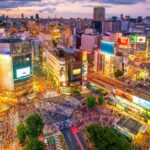
Shibuya Crossing comes next, but the group sees it from the bus. That distinction matters if you imagined crossing with the crowds or spending time in the surrounding streets. The itinerary does not include a sumo match or a visit to a sumo stadium, either, so don’t build those into your expectations.
Meiji Shrine offers a different mood. Its wooded setting gives you a pause from Tokyo’s traffic and tall buildings, and the shrine is dedicated to the spirits of Emperor Meiji and his wife. Then comes Tokyo Skytree, with admission to the Tembo Deck at 350 meters included. On a clear day, the high viewpoint helps you grasp the scale of the city. Bad weather or other exceptional circumstances can limit access; the operator says it will offer another city viewpoint if that happens.
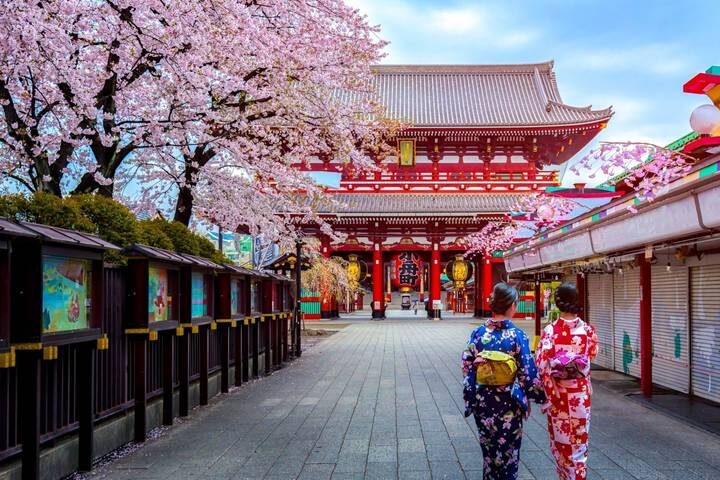
The day also includes Asakusa’s Sensoji Temple and Nakamise Street. This is one of the best chances to see a historic temple setting alongside a busy shopping street. The return route passes Akihabara, known for manga and anime culture, and Ginza. Passing by is not the same as having time to shop, so plan another visit if either district is high on your list.
In the evening, you take the subway with your guide to Shinjuku, walk through the district and have dinner at a local restaurant. The guided subway ride is part of the experience, and your return to the hotel is also by subway with the guide. Dinner is included. The departure time for the evening outing is announced during the day’s sightseeing, so keep some flexibility in your afternoon plans.
There is one practical point to keep in mind: the tour description specifies a bus for the city sightseeing, but a past departure had transport changes and used public transit. Since group size and operating conditions can affect delivery, ask Europamundo what transport is planned for your departure if a bus is important to you. The operator also reserves the right to change the order of visits or sites in exceptional circumstances.
Day 3: Bullet train to Kyoto and its landmark temples
An early start takes you from Tokyo to Kyoto by bullet train. The journey covers nearly 500 kilometers in just over two hours, saving a long day on the road and giving you a feel for Japan’s efficient rail network. The tour handles the train connection, which is helpful when you have luggage and a full day of sightseeing ahead.
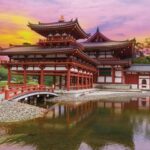
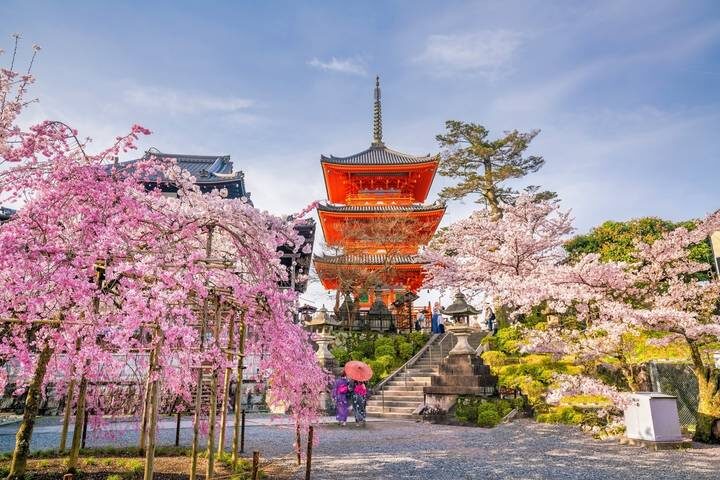
Kyoto was Japan’s capital from 794 to 1868 and the home of the Imperial Court. The day’s stops give you a concentrated look at its religious and royal heritage. At Fushimi Inari Shrine, the appeal is the striking succession of shrine gates and the sense of movement through a sacred site. With a packed schedule, though, you may not have time to walk far beyond the main areas.
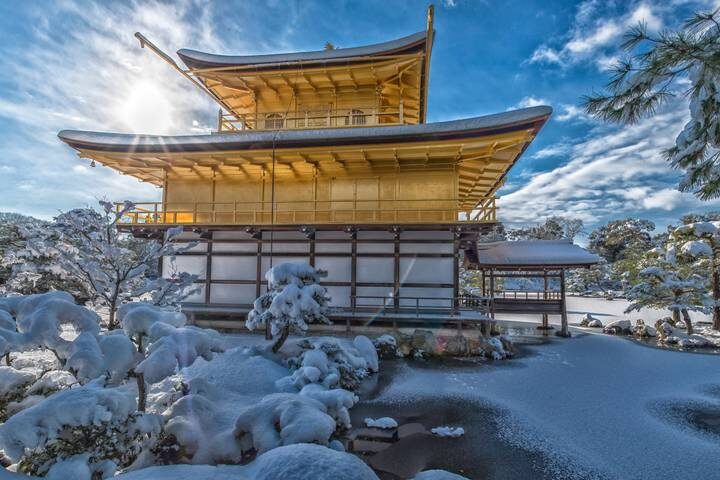
The Imperial Palace adds a different kind of history, while Kinkakuji, the Golden Pavilion, is the day’s visual showpiece. Its gold-covered exterior and garden setting are famous for good reason. It is also a popular stop, so take your photos, then look around the grounds rather than treating the visit as a quick snapshot.
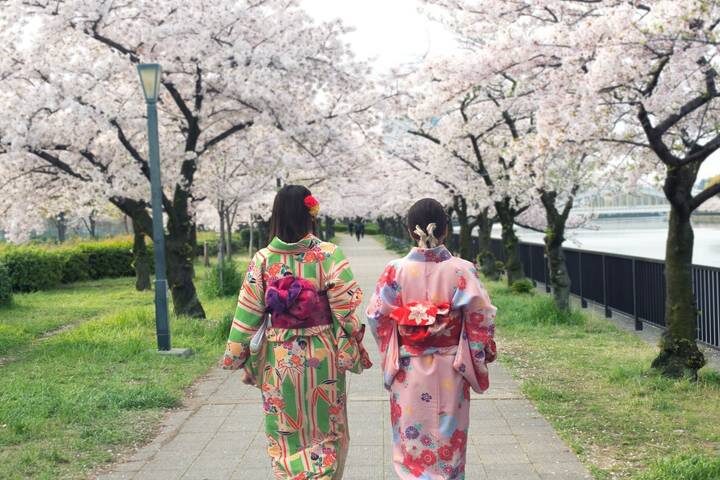
Later, you walk through Gion, Kyoto’s traditional district associated with geisha. You have free time there after the guided walk, a useful chance to slow down and choose your own route through the streets. The tour includes accommodation at either New Miyako Hotel or Miyako Kioto Hachijyo. As with the Tokyo hotels, the exact property may vary.
Day 4: Nara’s great Buddha, then Osaka after dark
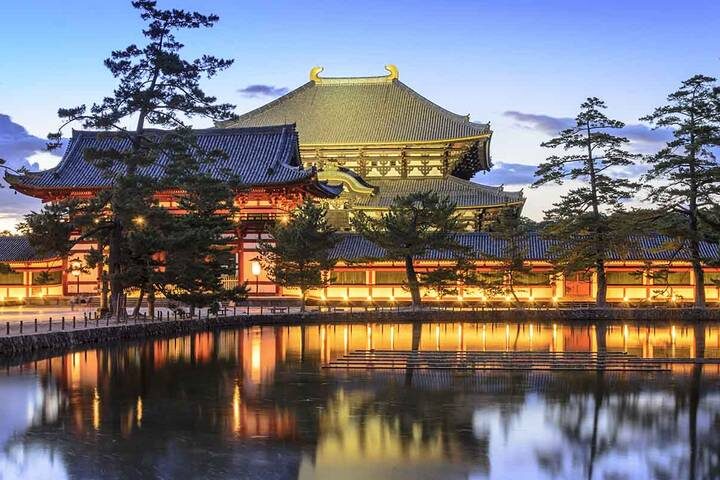
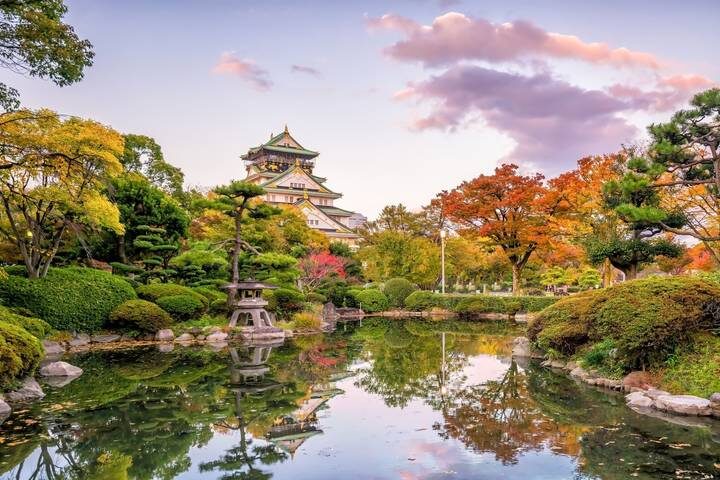
The route leaves Kyoto for Nara, where Todaiji Temple houses a giant Buddha statue. The temple dates to 752 and gives you a sense of the scale and ambition of early Japanese Buddhist architecture. Nearby, Nara Park’s deer roam freely. You can interact with them, but keep your belongings close and follow any local guidance around feeding and handling the animals.
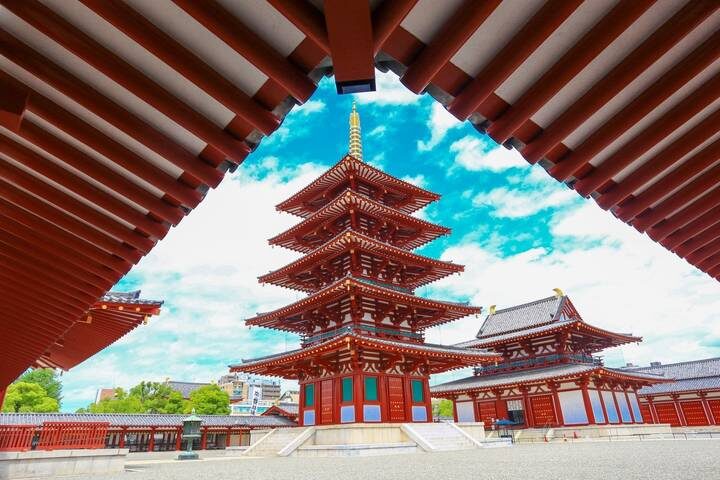
Lunch is included, which makes this a practical middle-of-the-day stop on a busy transfer day. Afterward, you visit Horyu-ji, a UNESCO World Heritage Site with temples, monasteries and a seminary. Its central pagoda is among the world’s oldest wooden structures, and the site is recognized as Japan’s oldest Buddhist temple. It offers a quieter historical counterpoint to the crowds and deer around Todaiji.
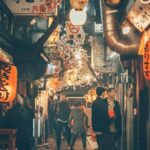
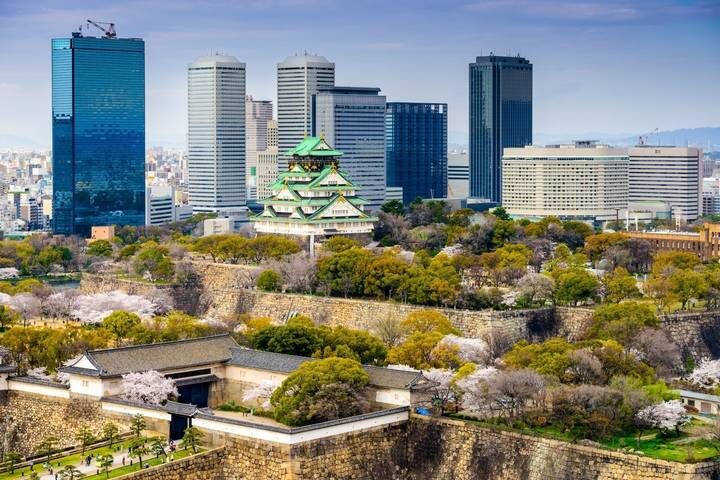
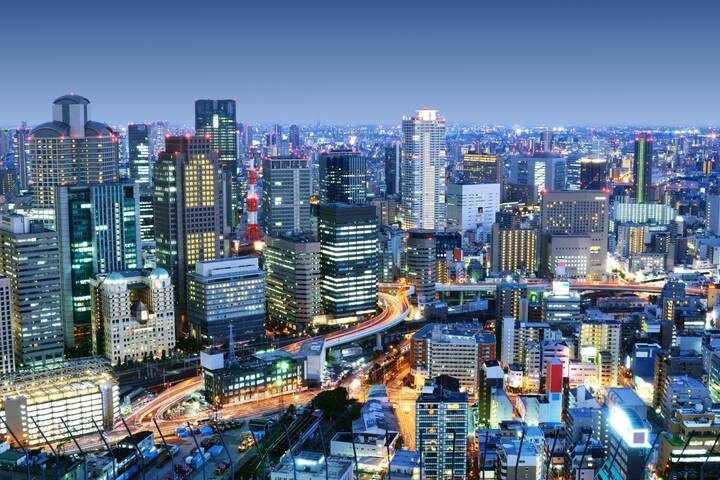
You continue to Osaka and arrive in the evening. Dotonbori is the final outing, a colorful entertainment district known for its nightlife. It’s a fine place to get a first impression of Osaka’s after-dark energy, but the evening visit is not a full exploration of the city. If food is a priority, leave yourself time to choose a local meal beyond the included dishes.
The Osaka hotel is one of Candeo Osaka Namba, Holiday Inn Express Osaka City Centre – Midosuji or Moxy Osaka Honmachi. All are listed as four-star properties, but the exact assignment can change. The day includes dinner only if you arrange it yourself; the included meal is lunch in Nara.






Day 5: Breakfast, then make your own airport plan
The tour ends after breakfast in Osaka. There is no departure transfer, so allow time and budget for your trip to the airport or next hotel. If you want to stay longer, extra nights may be booked through Europamundo.
This short final morning is another reason to think through onward travel before booking. The tour takes you across the country, but it does not include flights or the final airport ride.
Guides, group size and the real pace
Guiding is in English, with English-speaking tours listed in Tokyo and Kyoto. Guides may change during the trip. Depending on the number of people, a tour may be bilingual, usually in English and Spanish, either with separate guides or one guide explaining in both languages. The advertised group size runs from 2 to 72, a wide range that can mean a very different feel from one departure to another.
Earlier departures included guides named David and Francisco, who were praised for being informative, considerate and helpful. Those names are not a promise about your own guide, but they give a sense of the personal touch a strong guide can add. If you need something specific, such as a vegetarian meal, request it when booking.
The operator offers free bus Wi-Fi with a limit of 30 MB per device per day, though availability can vary. For emergencies, a 24-hour number is available. The listed physical rating is low intensity, and all ages are welcome, but the combination of early starts, walking and quick city changes may still feel tiring for young children or anyone who needs frequent rest.
One detail deserves clarification before you pay: the general service notes mention basic travel insurance, while the inclusions section says insurance is not included. Ask the operator exactly what coverage, if any, applies to your departure, and arrange your own policy if needed.
Is this five-day Japan tour a good fit?
Book it if you want a structured first visit, value a guide to the major sights and would rather not arrange the Tokyo to Kyoto connection yourself. The route gives you a useful first look at Tokyo, Kyoto, Nara and Osaka, with strong highlights: Skytree, Fushimi Inari, the Golden Pavilion, Todaiji and Dotonbori. Guides were among the most highly praised parts of earlier departures, and the hotel standard was also rated well.
Think twice if you want unhurried time in each city, want to explore Shibuya on foot as part of the guided visit, or expect a dedicated bus for every segment. Five days is enough to sample these places, not to know them well. For a first trip with limited time, the trade-off may be worthwhile. If you can spare more days, add independent time in Kyoto or Tokyo before or after the group tour.
Tokyo, Kyoto and Osaka 5-Day Tour by Europamundo (2026-27 Departures)
“A great overview of Japan and for the short 5 day tour managed to see all the highlights.”
FAQ
Where does the tour start and end?
It starts in Tokyo and ends in Osaka. The arrival transfer from Tokyo airport is included, but a departure transfer from Osaka is not.
How long is the tour?
The tour lasts five days, with four hotel nights.
Which cities and destinations are included?
The route covers Tokyo, Kyoto, Nara and Osaka.
What language is the tour guided in?
The tour is listed as English-guided. Depending on the group, some services may be bilingual in English and Spanish.
How large can the group be?
The stated group size is 2 to 72 people.
Is the Tokyo to Kyoto bullet train included?
Yes. The train ride is included and takes just over two hours.
Is Shibuya Crossing explored on foot?
No. The group views Shibuya Crossing from the bus.
Which meals are included?
Meals are provided as stated in the daily schedule: dinner in Shinjuku, lunch in Nara and breakfast on the final day. Hotel breakfast buffets are also included.
Are flights included?
No. International flights are not included.
When does the tour depart?
The listed departure months are January, February, March, October, November and December.