Tokyo’s subway carries you from Shibuya Crossing to the quiet rituals of Sensoji Temple, and a few days later the shinkansen takes you south to Hiroshima, where the past asks for your attention. Then the trip crosses into South Korea, with a visit to the DMZ and a home-hosted meal that brings daily life into focus. This is a two-country tour built around encounters, not just landmarks.
I like the balance of hands-on food experiences and serious historical stops: you make okonomiyaki in Hiroshima, learn sushi preparation in Kyoto, and hear a survivor’s account in Hiroshima. I also like that the route uses Japan’s fast trains and includes time to explore Tokyo, Kyoto and Seoul on your own.
The main consideration is the pace. In 16 days, you change cities often, take trains and a flight, and follow a full schedule across two countries. Groups can reach 44 people, so this will suit you better if you value an organized route over a small-group feel.
- The trip’s strongest moments
- A two-country route with real variety
- Tokyo: learning the city’s everyday rhythm
- Ise-Shima: pearl traditions and a meal at an ama hut
- Hiroshima: food, memory and Miyajima
- Kyoto: historic streets, bamboo and sushi-making
- Seoul: the DMZ, a home meal and palace grounds
- What the price covers, and what to weigh
- Who should book this tour?
- FAQ
- How long is the tour, and where does it start and end?
- What language is the tour guided in?
- How many meals are included?
- What transportation is used in Japan?
- What is the group size?
- Which months have departures?
- The Best Of Tokyo!
- More Tours in Tokyo
- More Tour Reviews in Tokyo
- Not for you? Here's more nearby things to do in Tokyo we have reviewed
The trip’s strongest moments
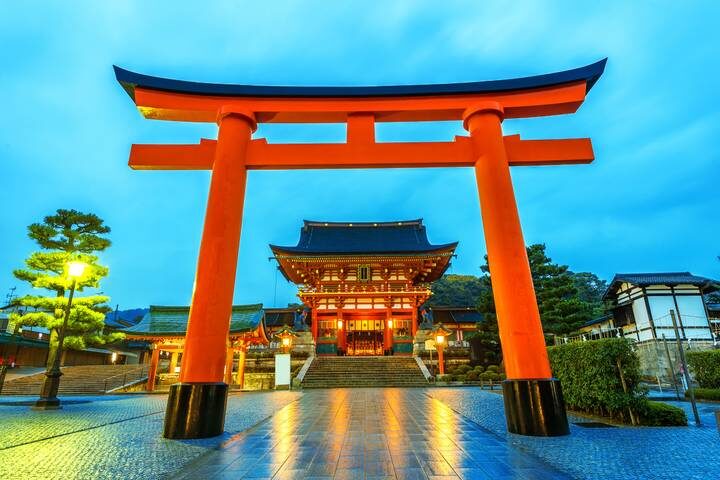
- See Tokyo by subway: Ride with the city’s daily flow, then watch Shibuya Crossing and visit Sensoji Temple.
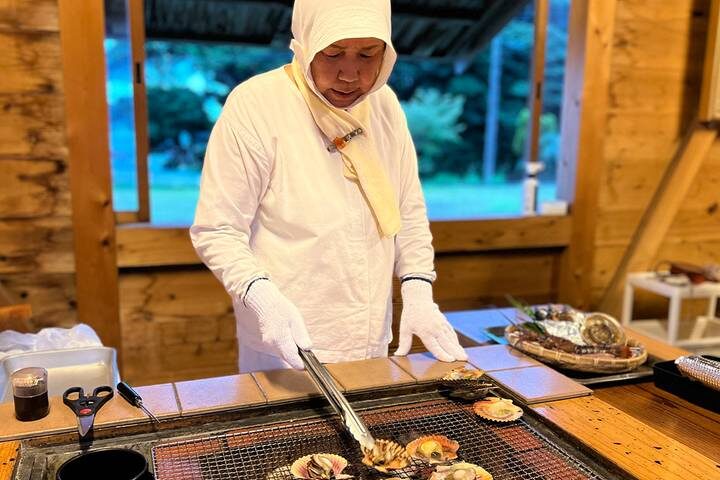
- Meet Ise-Shima’s ama community: Learn about pearl-diving traditions at the Mikimoto Pearl Museum and share grilled seafood at an ama hut.
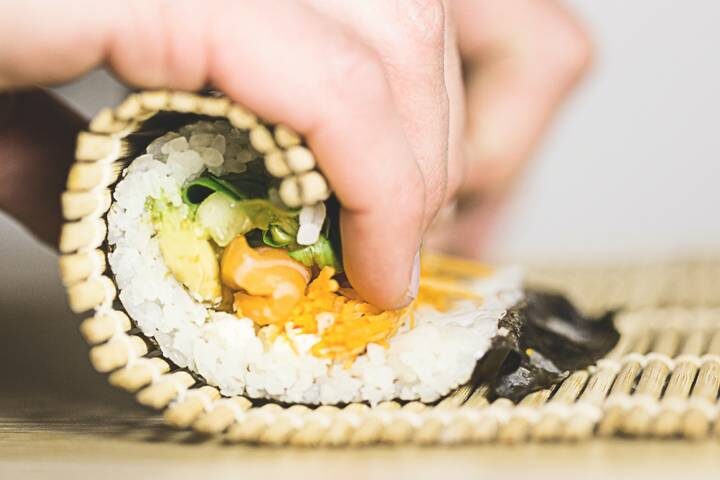
- Take part in local cooking: Prepare Hiroshima-style okonomiyaki and make sushi in Kyoto, then eat what you have made.
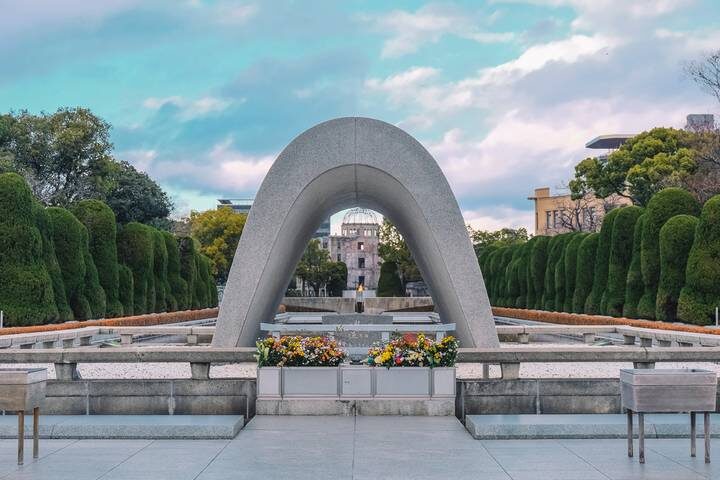
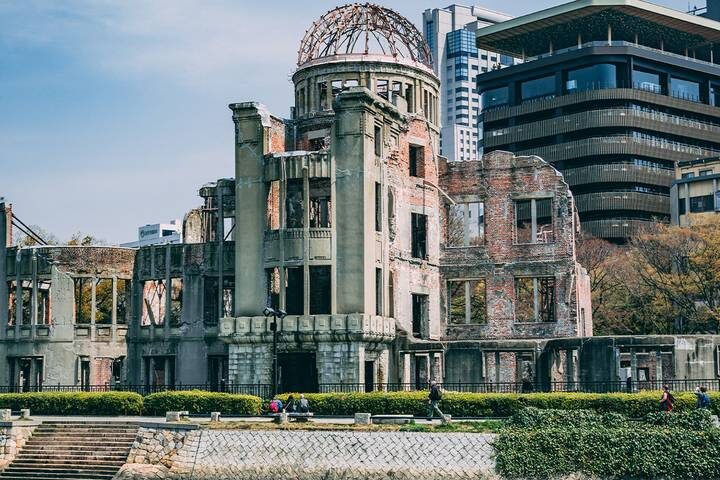
- Make time for Hiroshima: Visit the Peace Memorial Park and Museum, and hear directly from someone affected by the atomic bombing.
- Visit the Korean DMZ: See Imjingak Park, the Dora Observatory and the 3rd Infiltration Tunnel, then hear from a North Korean defector the next day.
- Share a meal in Seoul: Shop for ingredients at a local market before lunch with a Korean family.

👉 See our pick of the 25 Best Guided Tours In Tokyo
A two-country route with real variety
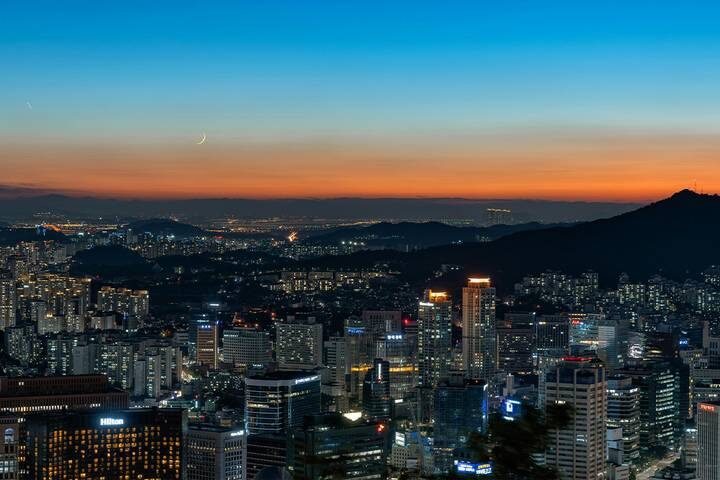
This tour links major cities with places that offer a different view of local life. Tokyo and Seoul bring the speed and scale of modern capitals; Ise-Shima offers a coastal setting and a living tradition; Hiroshima centers memory; Kyoto gives you temples, historic streets and time to wander.
Collette handles the main transportation and hotel changes, and an English-speaking guide accompanies the group. That structure is useful in Japan and South Korea, where moving between cities and fitting in meaningful visits can take planning. Still, the schedule leaves some afternoons and evenings open, so you are not escorted every minute.
The trip is rated medium intensity. Expect city walking, time on trains, a ferry ride and several changes of base. The group size ranges from 2 to 44, which is a wide range: the experience may feel quite different depending on the departure. If a smaller group matters to you, ask about the expected size before booking.
You can also read our reviews of more tours and experiences in Tokyo.


Tokyo: learning the city’s everyday rhythm
Your first full day in Tokyo is intentionally open, with no scheduled sightseeing because arrival times vary. Use it to adjust to the time difference and get familiar with the neighborhood around your hotel. You can walk, find a meal or simply take a slow first look at the city.
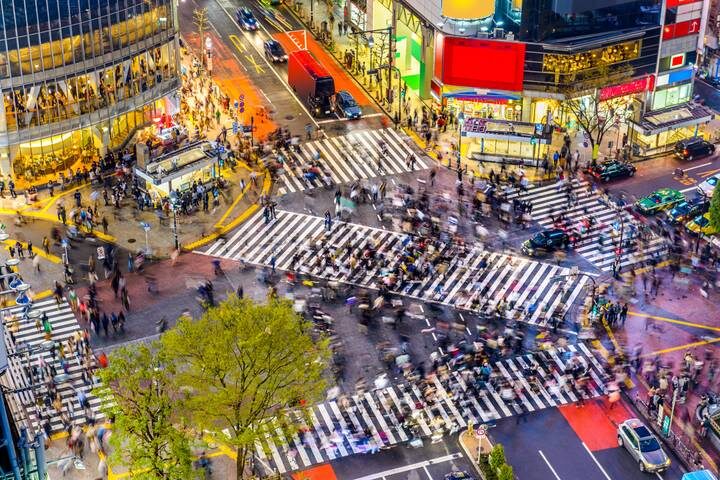
On Day 3, the group rides the subway to Shibuya. The crossing is more than a photo stop: watching the streams of people move across it gives you a quick sense of Tokyo’s pace and order. You have time nearby to look around and find lunch before the route continues to the Imperial Palace and Niju Bridge, then Ginza.
The guided visits make a useful introduction, but Tokyo rewards independent time too. Day 4 brings you to Sensoji Temple in Asakusa, where incense and daily worship are part of the scene, followed by Nakamise Street’s stalls and snacks. The afternoon is free. The Tokyo National Museum is one possible choice, or you might settle into a neighborhood restaurant for ramen.
The hotel schedule lists the Hilton for the first three nights, then a move to Shima Kanko Hotel on Day 4. Check the final departure details for the confirmed hotel arrangements, since the supplied hotel information and daily schedule do not line up perfectly at that point.
Ise-Shima: pearl traditions and a meal at an ama hut
On Day 5, you board the shinkansen for Nagoya, then change to a coach for Ise-Shima. The train is not just a transfer: it lets you cover a long stretch of Japan efficiently, with towns, fields and distant mountains passing outside. Mt. Fuji may be visible along the way, but the view depends on conditions and where you are sitting.
Ise-Shima shifts the focus from big cities to the coast. At the Mikimoto Pearl Museum, you learn about ama women, who have long gathered seafood and pearls from the sea using breath-hold techniques. You also watch them at work, connecting the history in the museum with a living local practice.
The evening is one of the tour’s most distinctive parts. You take a ferry to Azurihama Beach, help clean the shoreline and then join ama women at an ama hut for seafood cooked over charcoal. Their stories put the coastal tradition in human terms. It is a more personal experience than looking at exhibits alone, though it depends on being comfortable with a group activity and a seafood-focused dinner.
Hiroshima: food, memory and Miyajima
The journey to Hiroshima includes another shinkansen ride. In the evening, a private cooking session introduces you to okonomiyaki, the city’s savory pancake. You prepare it with local cooks and eat it for dinner. This kind of activity is a smart use of group time: you learn a practical piece of local food culture while sharing the work and meal.
The next day gives Hiroshima’s history the time it deserves. You visit Peace Memorial Park, see the Atomic Dome and tour the Hiroshima Peace Memorial Museum. A conversation with someone who experienced the atomic bombing brings a personal account to a subject that can otherwise feel distant or reduced to dates and displays.
This is likely to be an emotionally demanding day. The museum and survivor conversation are not light stops, but they offer context and a human voice. Give yourself room afterward to reflect rather than trying to pack every free minute with more sightseeing.
Later, a ferry takes you to Miyajima Island and Itsukushima Shrine, known for the O-torii Gate rising from the water. The contrast with Hiroshima’s memorial sites is striking: the day moves from the weight of war to a sacred island setting. You return to the city after the visit, then take the shinkansen to Kyoto on Day 9.
Kyoto: historic streets, bamboo and sushi-making
In Kyoto, you walk through Gion and Higashiyama, where traditional buildings sit alongside shops and everyday city life. The walk gives you an initial orientation, but it is not a substitute for exploring at your own pace. Day 10 is free, with an optional visit focused on circular agriculture and picking produce, or time for temples, shops, cafés and the Kyoto Imperial Palace grounds.
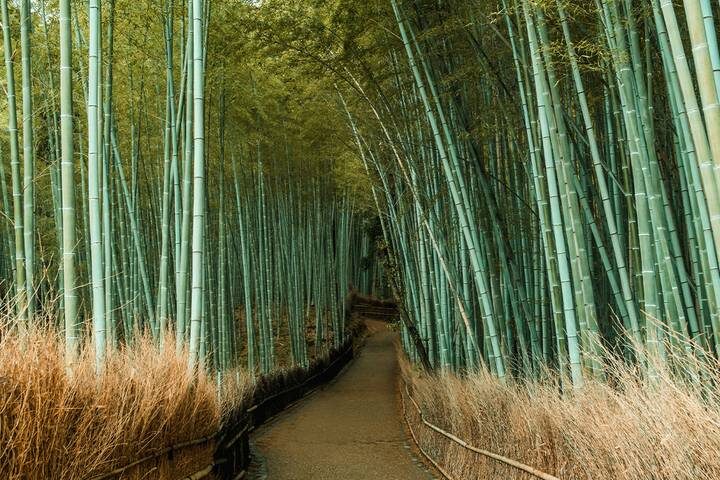
Day 11 includes Arashiyama’s bamboo forest and Kinkaku-ji, the Golden Pavilion. The bamboo paths offer a shaded walk, while Kinkaku-ji is a carefully maintained temple complex whose gold-covered upper floors reflect in the surrounding water. Both are well-known sights, so expect them to be popular rather than quiet retreats.
The day ends with a private sushi-making class and dinner. Along with the okonomiyaki session, it is one of the tour’s clearest strengths. Preparing the food yourself makes the meal more memorable, and the activity gives you a role beyond following a guide from stop to stop. One traveler’s account singled out the interactive preparation as especially enjoyable, and the itinerary gives you two chances to take part.






Seoul: the DMZ, a home meal and palace grounds
You fly from Kyoto to Seoul on Day 12 and have dinner at a local restaurant. The change from Japan to South Korea comes late in the tour, so the final four days are focused on Seoul and its surroundings rather than another long series of city transfers.
The DMZ visit is a major day out. Stops include Imjingak Park, the Bridge of Freedom, the DMZ Theater and Exhibition Hall, the Dora Observatory and the 3rd Infiltration Tunnel. The sites help explain the division of the Korean Peninsula and the unresolved legacy of the Korean War. Because access and conditions at the border can be tightly controlled, this is the sort of visit where a guided group has practical value.
The next morning, a North Korean defector speaks about life in the North, the escape to the South and the challenge of rebuilding a life there. The talk is followed by a visit to a local market to gather ingredients, then a traditional lunch hosted by a Korean family. These encounters are valuable because they move beyond monuments and headlines to personal experience and everyday food.
On Day 15, you ride the subway to Gyeongbok Palace, tour the grounds and watch the changing of the guard. Then you visit Insadong, with its tea shops, galleries, boutiques and cafés. The afternoon is open for a museum visit or more time in the area, before the group meets for a farewell dinner. You depart the next day.
What the price covers, and what to weigh
The starting price is $8,999 for the cheapest room category. For a 16-day guided trip, the value comes from a demanding route made easier to organize: named hotels, train travel between Japanese cities, the flight to Seoul, guided visits, several distinctive meals and experiences, plus time with local hosts and speakers.
The listed hotels include Hilton, Shima Kanko Hotel, ANA Crowne Plaza, Hotel Okura and Courtyard Marriott Namdaemun. The package includes 14 breakfasts, 2 lunches and 7 dinners. Meals are concentrated around welcome and farewell dinners, cooking sessions, the ama hut and the hosted Korean lunch, leaving you room to choose some meals yourself.
Before comparing the price with other tours, confirm exactly what airfare is included. The daily plan begins with an overnight flight to Tokyo and ends with a flight home from Seoul, but the supplied details do not clearly state whether international airfare is part of the price. Also check the final hotel sequence and the departure’s expected group size.
Payment begins with a $349 deposit, with the balance due 95 days before departure; interest-free payments every two weeks are available. Those terms may help spread the cost, but the important comparison is what the full price includes and whether the guided structure suits how you like to travel.
Who should book this tour?
I would consider this tour if you want to see Japan and South Korea in one trip, value a guide for the transportation and context, and are interested in food and personal stories as much as temples and city sights. It is also a good fit if you are comfortable sharing a group experience that could include as many as 44 people.
Think twice if you prefer a slow pace, long stays in one city, or days with little scheduled activity. The itinerary moves often, and its most meaningful stops, especially Hiroshima and the DMZ, call for attention and reflection. If that rhythm sounds right, this is a strong way to connect major sights with local encounters. If you book, clarify airfare, hotel sequence and group size before choosing a departure.
Japan & South Korea: From Tokyo to Seoul (Tokyo to Seoul, 2027) by Collette
“The interactive preparation was quite fun. Being able to learn while making added so much. The Hiroshima visit was heartfelt as we heard a firsthan…”
FAQ
How long is the tour, and where does it start and end?
The tour lasts 16 days. It starts in Tokyo, Japan, and ends in Seoul, South Korea.
What language is the tour guided in?
The tour is guided in English.
How many meals are included?
The tour includes 14 breakfasts, 2 lunches and 7 dinners.
What transportation is used in Japan?
The tour uses the shinkansen between several Japanese cities, a coach between Nagoya and Ise-Shima, and ferries for the Ise-Shima and Miyajima visits.
What is the group size?
The stated group size ranges from 2 to 44 people.
Which months have departures?
Departures are listed for March, June, September, October, November and December.























