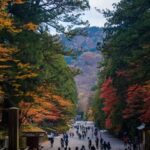
Tokyo’s tea ceremony and Kyoto’s forest of orange shrine gates are only part of the story. This 16-day Collette tour links Japan’s sacred sites and modern cities with Seoul’s royal palace, the Korean DMZ and a home-hosted meal, so you get more than a string of famous photo stops.
I especially like the ama pearl-diver encounter, which connects local food with the lives of the women who harvest pearls, and the firsthand Hiroshima account, which gives the Peace Memorial visit a human voice. The trade-off is pace: you change cities often, and a group of up to 44 can feel less personal than a small-group trip.
Key points
- Tokyo to Seoul in 16 days: See seven destinations across Japan and South Korea, with a flight between Kyoto and Seoul.
- Japan by shinkansen: Take the bullet train between major stops, with a chance to spot Mt. Fuji from the window.
- Ise-Shima’s ama traditions: Visit the Mikimoto Pearl Museum, watch ama pearl divers and eat grilled seafood at an ama hut.
- Hiroshima with personal context: Visit the Peace Memorial Park and Museum, then hear from someone who experienced the atomic bomb.
- Seoul beyond the palace: Tour the DMZ, hear from a North Korean defector and share lunch in a local family’s home.
- A guided, low-intensity format: English-language guidance and included transport simplify a complex trip, though some days involve substantial walking and transfers.

👉 See our pick of the 25 Best Guided Tours In Tokyo
- Key points
- Why this Japan and South Korea route works
- Tokyo begins with temples, tea and a subway ride
- Ise-Shima pairs a sacred shrine with ama traditions
- Nara and Hiroshima bring different kinds of reflection
- Kyoto’s torii gates, bamboo and Golden Pavilion
- Seoul adds the DMZ and a family table
- Price, pace and practical fit
- Should you book this Collette tour?
- FAQ
- How long is the tour?
- Which countries does the tour visit?
- What is the starting price?
- Are international flights included?
- What languages are used for guiding?
- How large can the group be?
- What meals are included?
- What are the main included experiences in Japan?
- What is included in the Seoul program?
- What is the physical activity level?
- The Best Of Tokyo!
- More Tours in Tokyo
- More Tour Reviews in Tokyo
- Not for you? Here's more nearby things to do in Tokyo we have reviewed
Why this Japan and South Korea route works
This tour is built around contrast. Tokyo’s subway and Ginza shops give way to the quiet grounds of Ise Shrine; Hiroshima’s memorial sites lead into Kyoto’s shrines and traditional streets; then Seoul brings a different capital-city rhythm and a close view of the Korean peninsula’s unresolved division.
That variety is the main value. You do not have to plan separate rail tickets, local transfers, visits and cross-border logistics yourself. Collette provides a tour manager, guides and transport between destinations, leaving you to focus on the places and the conversations. The trade-off is that your time in each city is limited, and group schedules leave less room for spontaneous detours.
The tour is advertised from $8,849, based on the cheapest room. International flights and insurance are not included, so add those costs before comparing the total with a self-planned trip. The price does cover a substantial set of guided visits, intercity transport and 14 breakfasts, two lunches and seven dinners. That makes it easier to budget, but not all meals are covered, and you will want money for free-time meals, personal purchases and optional activities.
You can also read our reviews of more tours and experiences in Tokyo.
Tokyo begins with temples, tea and a subway ride
Your first full day is open, which is sensible after a long flight. Arrival times vary, so the tour does not schedule sightseeing on Day 2. Use the time to rest or start exploring independently; you will be based in Tokyo’s Ginza district for the opening nights.
The first guided outing uses Tokyo’s subway to reach the Imperial Palace and Niju Bridge. It is a practical introduction to moving around the city, as well as a chance to see an important symbol of the palace grounds. A welcome dinner follows, giving the group a first chance to meet.
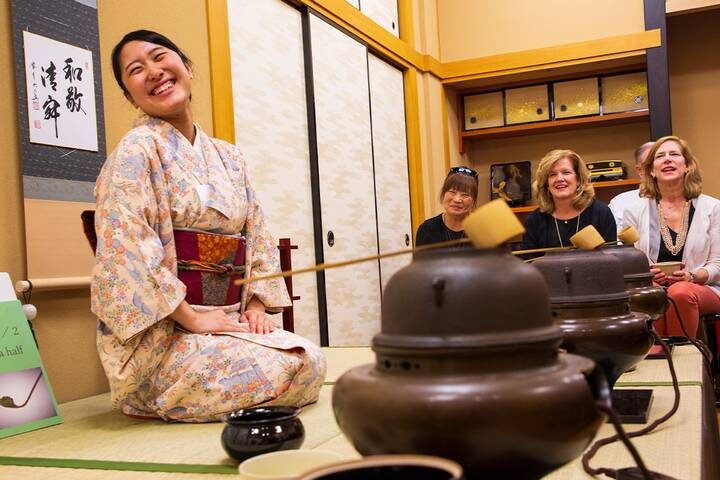
On the next day, a tea ceremony in Asakusa sets a slower pace before Sensoji Temple and Nakamise shopping street. The street’s stalls are useful for browsing local sweets and souvenirs, while the Tokyo National Museum adds historical and artistic context. The evening is free, a welcome opening for anyone who wants to choose their own dinner or keep the day going.
One detail to note: the published schedule names different hotels at different points, and its accommodation summary does not line up neatly with every city day. Confirm the exact hotel nights and locations with Collette before booking, especially if you plan to add pre-tour or post-tour nights.
Ise-Shima pairs a sacred shrine with ama traditions
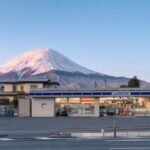
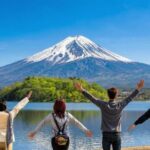
The shinkansen carries you from Tokyo toward Ise-Shima, a welcome change from repeated road transfers. At around 200 miles per hour, the train makes the long distance part of the experience. Keep an eye out for Mt. Fuji, although visibility is not guaranteed.
Ise Shrine is dedicated to Amaterasu, the Shinto sun goddess. Its thatched roofs and unpainted wood offer a quieter, more restrained setting than Tokyo’s large-scale city sights. The day ends with a kaiseki dinner, a carefully arranged multi-course meal built around seasonal ingredients. This is one of the more distinctive meals in the program, though the menu itself is not specified.
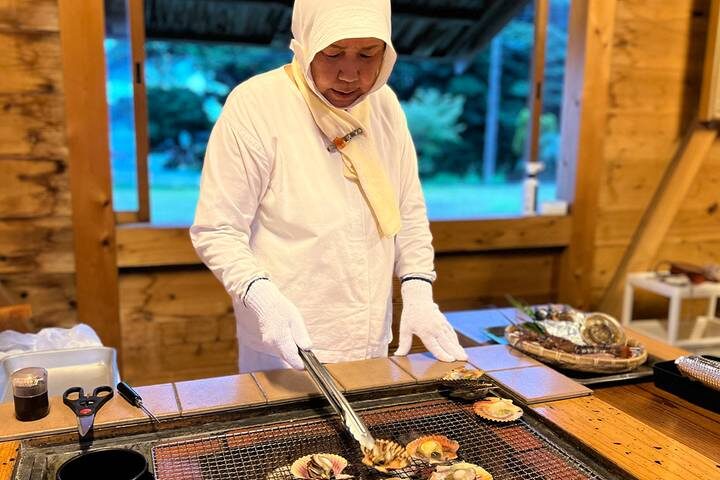
The following day connects the region’s pearl trade with its coastal food culture. At the Mikimoto Pearl Museum, you learn about the ama, women known for harvesting pearls from the sea, and watch them at work. Later, dinner at an ama hut on Azurihama Beach brings grilled seafood and stories from local ama women into the same setting.
That combination is more meaningful than a museum visit alone. You see a tradition, hear about the people who sustain it and eat food cooked in a local style. The experience is also location-specific, a welcome change from a tour composed only of major city landmarks.
Nara and Hiroshima bring different kinds of reflection
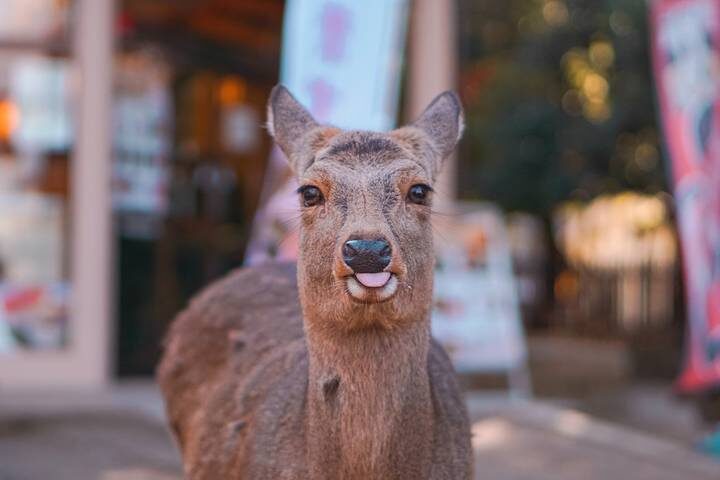
The route to Hiroshima stops in Nara, where Todaiji Temple houses a huge bronze Buddha. The temple and its grounds deserve attention, while the deer in Nara Park add a lighter, less formal part of the visit. Keep a sensible distance and follow local guidance around the animals.
After Nara, the shinkansen takes you to Hiroshima. An okonomiyaki cooking class and dinner offer a hands-on introduction to the city’s savory pancake. This is one of the tour’s strongest formats: you learn by preparing the food, rather than simply being served another group meal. A traveler who enjoyed the trip specifically singled out the interactive cooking and learning as fun, a good sign for anyone who prefers participation to passive sightseeing.
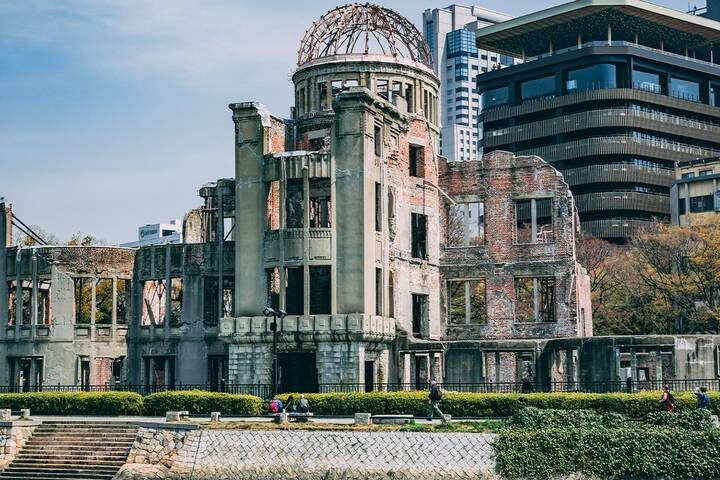
Hiroshima’s Peace Memorial Park and Museum are the emotional center of the Japan portion. You see the Atomic Dome, preserved as a reminder of the bombing, and visit the museum before hearing from someone who experienced the atomic bomb. Allow yourself time to take in the exhibits and the personal account. The subject is difficult, but the firsthand conversation gives the visit a human dimension that a monument alone cannot provide.
Later, a ferry takes you to Miyajima Island to see Itsukushima Shrine and its famous torii gate in the water. The setting offers a change in mood after Hiroshima’s memorial sites. The tour includes the island and shrine, but does not specify how much free time you will have there, so do not count on a long independent visit.
Kyoto’s torii gates, bamboo and Golden Pavilion
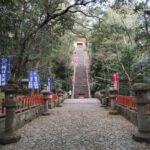
The shinkansen brings you from Hiroshima to Kyoto, where Fushimi Inari Taisha is an early highlight. Its orange torii gates run through a wooded setting toward the inner shrine. The tour promises a walk among the gates, not a hike to the top of the mountain, so treat it as an introduction rather than a full-day trek.
Later, you walk through Gion, Kyoto’s historic geisha district. Its narrow streets and traditional buildings are part of the appeal, but do not treat the area as a stage. The chance of seeing a geisha is uncertain; enjoy the architecture and atmosphere without making a sighting the goal.
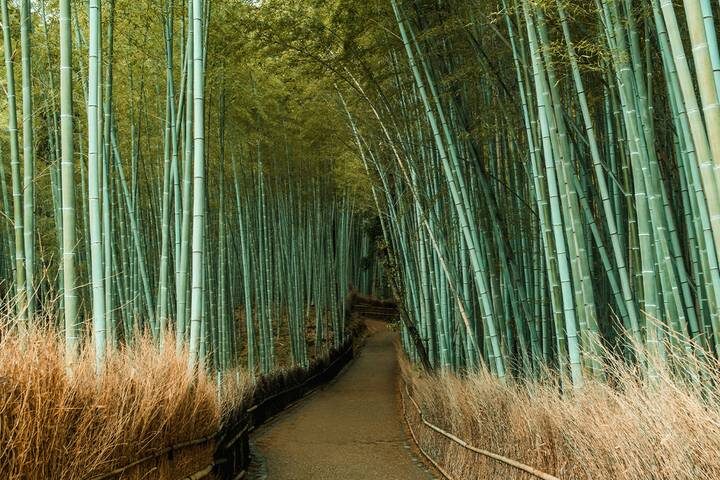
The next day begins at a relaxed pace before a visit to Arashiyama’s bamboo forest. The tall stalks make a memorable setting, though the guided visit is a walk rather than a long nature outing. Kinkaku-ji, the Golden Pavilion, offers a different kind of spectacle: its upper floors are covered in gold leaf, reflected beside the temple pond. It is an admired landmark and can be busy, so your visit is likely to be about seeing the main grounds rather than spending hours in quiet contemplation.
A sushi-making class and dinner rounds out the day. Like the okonomiyaki session, it gives you something to do with your hands and a better sense of how food fits into daily culture. The trip also highlights a session with Kyoto’s Women’s Association, described as a homestyle cooking class that addresses Japanese culture and social norms. Confirm the precise format of this activity, since the daily schedule emphasizes sushi-making.
Nishiki Market comes next, with a guided walk past stalls selling fresh foods and local specialties such as pickles, dried seafood and sushi. After that, the rest of the day is free. This is a useful breathing space: return to Gion, visit another temple or museum, browse traditional shops, or have a slower café break before the international move to Seoul.





Seoul adds the DMZ and a family table
You fly from Kyoto to Seoul on Day 12 and have dinner at a local restaurant. The international flight between Japan and South Korea is part of the scheduled transport, but the tour information does not specify flight times, so expect the day to be shaped by the departure and arrival schedule.
The next morning is devoted to the Korean Demilitarized Zone. Stops include Imjingak Park, the Bridge of Freedom, the DMZ Theater and Exhibition Hall, Dora Observatory and the 3rd Infiltration Tunnel. The tour presents a rare view toward North Korea, but access and the running order can depend on local conditions. The early start and tightly controlled border setting make this one of the more unusual days of the itinerary.
On Day 14, a North Korean defector speaks about life in the north, escape and adapting to life in the south. It is a direct personal account of a complicated political reality, not a substitute for broader historical study. Later, you visit a local market to pick up ingredients before eating a traditional lunch in a South Korean family’s home. That meal can offer a valuable glimpse of daily life beyond the city’s public landmarks.
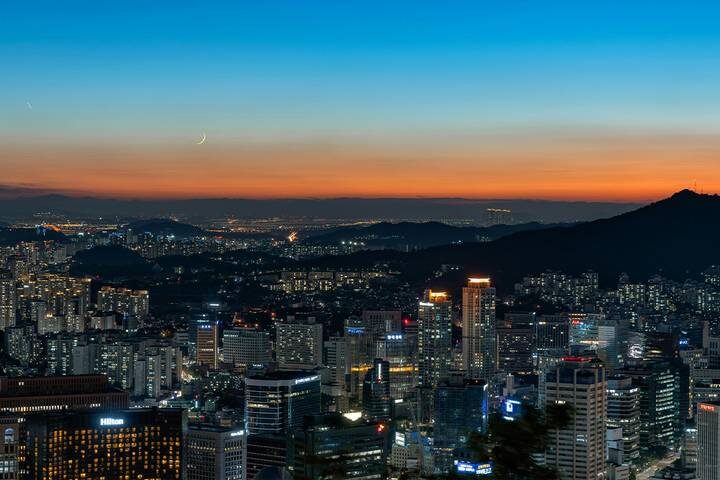
The final full day combines Gyeongbok Palace with a changing-of-the-guard ceremony, then a walk through Insadong’s shops, galleries and tea houses. The afternoon is open for a museum visit or more time in the neighborhood. A farewell dinner closes the tour. Seoul gets less independent time than Tokyo or Kyoto, so use the free evening after the DMZ and the final afternoon deliberately.
Price, pace and practical fit
At $8,849 and up, this is a premium guided tour, not a low-cost way to see Japan and South Korea. The value comes from the number of included cultural experiences, the rail journeys, organized transport and access to personal encounters such as the ama meal, Hiroshima account, defector talk and family lunch. If you would rather arrange your own hotels, rail tickets and meals, you may find the guided format less appealing.
The group can range from two to 44 people. That is a wide range, and the largest departures are not intimate. A group this size can also affect how quickly everyone moves through stations, museums and busy sights. In return, the tour manager handles the main logistics and an English-speaking guide accompanies the trip.
The activity level is rated low, but that does not mean no walking. Expect temple and palace grounds, market streets, station connections and time on your feet. The tour welcomes all ages, but each person should be comfortable with city walking and frequent changes of place.
The package includes 14 breakfasts, two lunches and seven dinners. Several dinners are tied to a cultural activity, including kaiseki, ama seafood and cooking classes. Other meals are open, which gives you choice but also means you should budget for them. International flights to Tokyo and home from Seoul, insurance and optional activities are not included.
Should you book this Collette tour?
Book this trip if you want a guided overview that balances famous sights with encounters tied to local life. The ama dinner, Hiroshima testimony, hands-on cooking and Seoul home lunch give the schedule more character than a checklist of temples and city views. It is particularly suited to a first visit to Japan and South Korea, or to anyone who values having transport and daily arrangements handled.
Think twice if you want long stays in each city, small-group intimacy or the freedom to choose every meal and activity. You cover a lot of ground in 16 days, and the schedule is organized around the group. Before paying, confirm the hotel sequence, international flight arrangements and exact departure price. If those details suit your budget and preferred pace, this is a strong route for seeing both countries without planning every connection yourself.
Japan & South Korea: From Tokyo to Seoul (Tokyo to Seoul, 2026) by Collette
“The interactive preparation was quite fun. Being able to learn while making added so much. The Hiroshima visit was heartfelt as we heard a firsthan…”
FAQ
How long is the tour?
It lasts 16 days, beginning in Tokyo and ending in Seoul.
Which countries does the tour visit?
It visits Japan and South Korea, with stops in Tokyo, Ise, Nara, Hiroshima, Miyajima Island, Kyoto and Seoul.
What is the starting price?
Prices start at $8,849, based on the cheapest room. The total price may vary by departure and room choice.
Are international flights included?
No. Flights to Tokyo and home from Seoul are not included. The itinerary does include transport between destinations, including a flight from Kyoto to Seoul.
What languages are used for guiding?
The tour is guided in English.
How large can the group be?
The stated group size ranges from two to 44 people.
What meals are included?
The tour includes 14 breakfasts, two lunches and seven dinners.
What are the main included experiences in Japan?
Highlights include the shinkansen, Ise Shrine, the Mikimoto Pearl Museum and ama dinner, Nara’s Todaiji Temple, Hiroshima’s Peace Memorial Park and Museum, Miyajima Island, Kyoto’s Fushimi Inari Taisha and Golden Pavilion, and cooking classes.
What is included in the Seoul program?
The Seoul portion includes a DMZ tour, a talk with a North Korean defector, a market visit, lunch in a local family’s home, Gyeongbok Palace and Insadong Street.
What is the physical activity level?
The tour is rated low intensity. Expect light physical activity, including walking at temples, markets and city sights.