
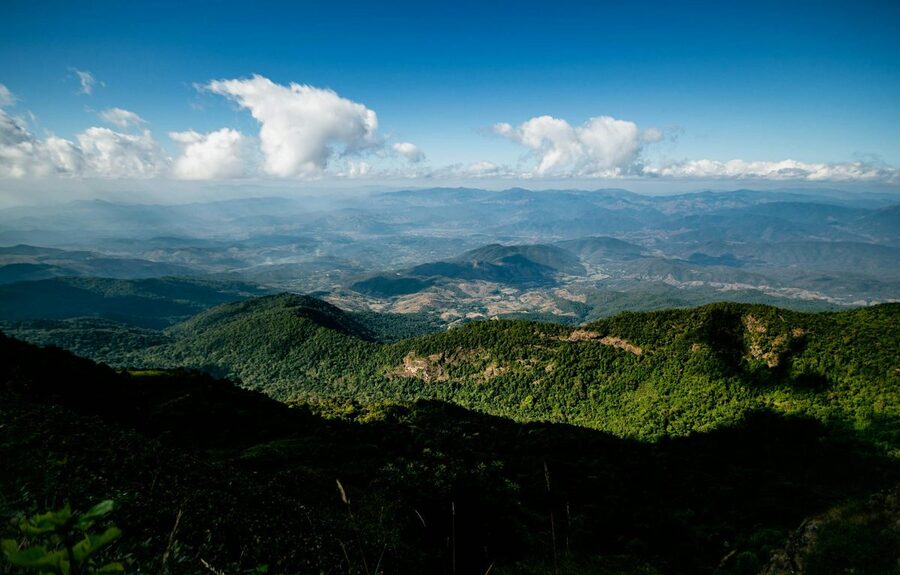
Thailand’s highest mountain stands at 2,565 meters. And if you’re picturing something dramatic — jagged peaks, thin air, maybe a bit of snow — you’re going to be surprised. Doi Inthanon looks nothing like a mountain summit. You drive right to the top on a paved road, step out of the car, and find yourself standing in a misty cloud forest that feels more like Scotland than Southeast Asia. The air is cool, the trees are draped in moss, and there’s a small metal marker telling you this is the highest point in Thailand. That’s it. No grand panorama.
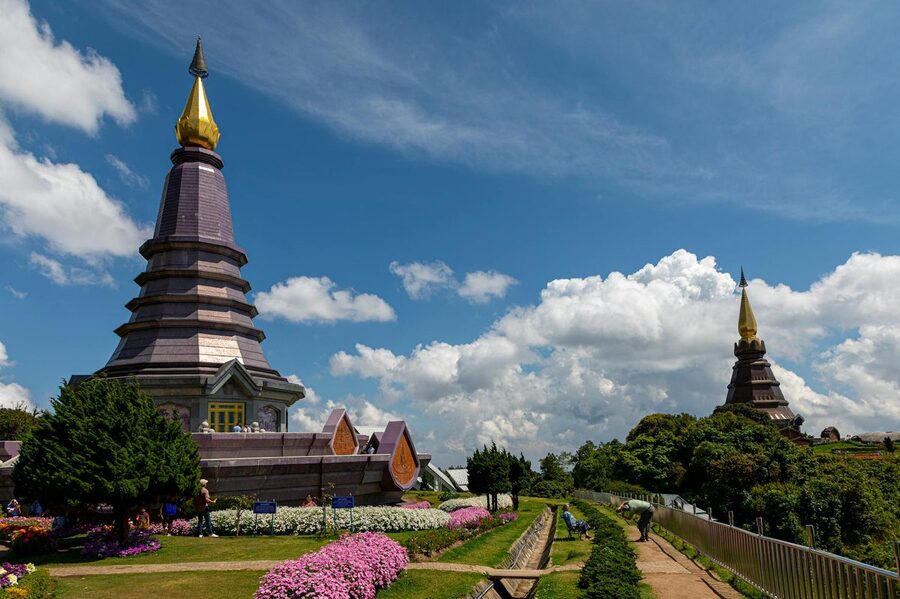
But the summit isn’t why people come. Doi Inthanon National Park is about everything on the way up: waterfalls that thunder so loud you feel them in your chest, twin pagodas surrounded by manicured gardens, Karen hill tribe villages where you can drink coffee grown ten meters from where you’re sitting, and nature trails through cloud forest that most of Thailand doesn’t even know exists. All of it just 90 minutes from Chiang Mai.
Short on time? Here are my top picks:
Best overall: Doi Inthanon Eco-Friendly Tour — $46. The most-reviewed tour with 6,600+ ratings. Covers all the highlights in 9 hours.
Best value: Doi Inthanon Park, Waterfall & Lunch Tour — $47. Lunch included, waterfall-heavy itinerary, solid reviews.
Best combo: Doi Inthanon + Elephant Sanctuary — $81. Two of Chiang Mai’s best experiences in one day. 4.9-star rating.
- How the National Park Entry System Works
- Self-Guided vs Guided Tours
- The Best Doi Inthanon Tours to Book
- 1. Doi Inthanon National Park Eco-Friendly Tour —
- 2. Best Seller Doi Inthanon with Waterfall & Royal Project —
- 3. Doi Inthanon Park, Waterfall & Lunch Tour —
- 4. Doi Inthanon + Elephant Sanctuary Tour —
- When to Visit Doi Inthanon
- How to Get to Doi Inthanon from Chiang Mai
- Tips for Getting the Most Out of Your Visit
- What You’ll Actually See at Doi Inthanon
- Planning the Rest of Your Thailand Trip
How the National Park Entry System Works
Doi Inthanon National Park charges a 300 baht (about $8.50) entrance fee for foreign adults, 150 baht ($4.30) for children. Thai nationals pay 50/20 baht. This fee covers access to the entire park including all waterfalls, the summit, and the Royal Pagodas.
There’s an additional fee for the Kew Mae Pan Nature Trail — one of the best hikes in the park — where you’ll pay 200 baht per person for a mandatory local guide (a member of the Karen hill tribe community). This trail closes during the rainy season (June-October) for environmental protection.
If you arrive by car, parking is 30 baht at each major stop. Not a big deal, but bring small bills.
Most guided tours include the park entrance fee in the tour price — double-check before booking, but all of the tours I’ve listed below cover it. This is actually one of the strongest arguments for booking a tour: at $46-$81 all-in, you’re getting transport, a guide, entrance fees, and usually lunch. Driving yourself would cost about the same once you add up fuel, parking, entrance fees, and the Kew Mae Pan guide fee.
Self-Guided vs Guided Tours
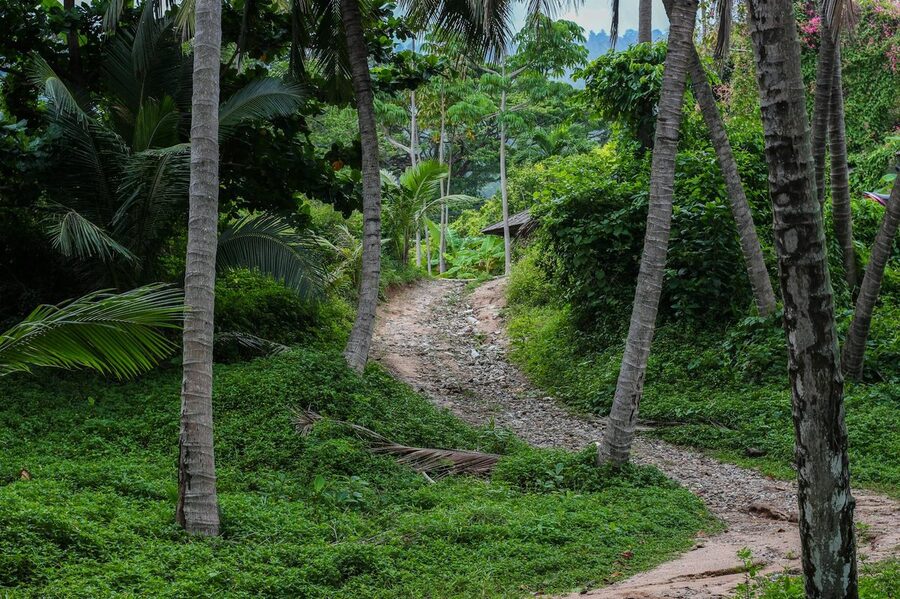
You can absolutely drive to Doi Inthanon yourself. Rent a car or motorbike in Chiang Mai (a car is safer on the mountain roads), and the route is straightforward: take Highway 108 south to Chom Thong, then Route 1009 up the mountain. The road is paved the whole way and clearly signed.
But there are genuine advantages to a guided tour beyond convenience. The Karen hill tribe village visit hits differently when a guide who knows the community introduces you. The history of the twin pagodas makes more sense with context. And the logistics of hitting all the waterfalls, trails, and viewpoints in a single day without backtracking is something tour operators have optimized over years.
The biggest downside of a tour is the schedule. Most group tours allocate about 20-30 minutes per stop, which feels tight at Wachirathan Waterfall (where you could easily spend an hour) and too long at the summit marker (where there’s genuinely not much to do for 20 minutes). A private tour fixes this but costs about twice as much. If you’re self-driving and finish early, the road back passes through countryside where you could detour to a zipline course — several operators run canopy tours in the hills west of Chiang Mai.
The Best Doi Inthanon Tours to Book
1. Doi Inthanon National Park Eco-Friendly Tour — $46
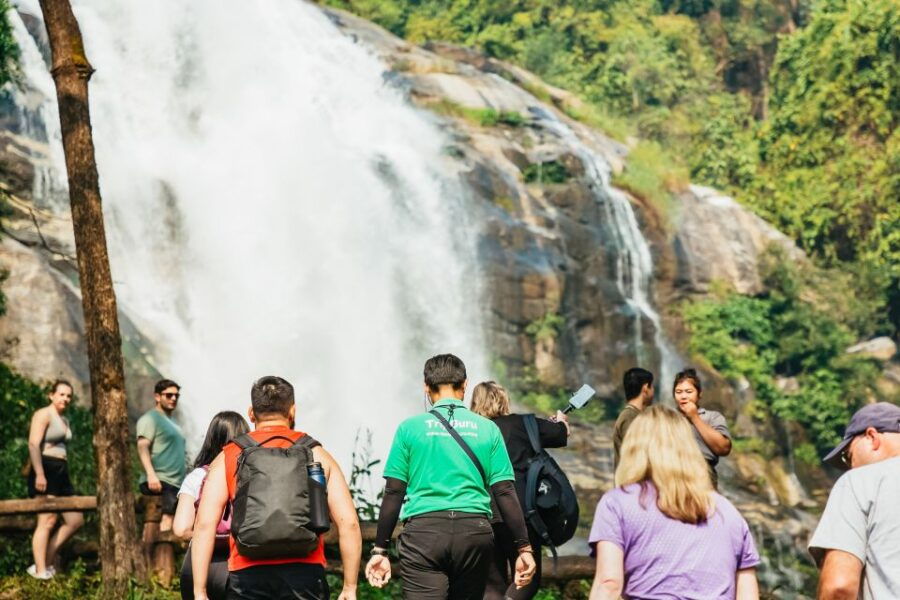
The numbers tell the story here: over 6,600 reviews with a 4.6-star average. This is the tour that practically everyone takes, and it’s popular for a reason. The 9-hour itinerary covers Wachirathan Waterfall, the Twin Royal Pagodas, the summit, a Karen village visit with coffee tasting, and the Pha Dok Siew Nature Trail — which includes a gorgeous hike to a lesser-known waterfall that most independent visitors miss entirely.
At $46 per person, the value is strong considering park entrance fees are included along with an English-speaking guide who knows the park well. The “eco-friendly” label translates to practical things: small group sizes (usually 10-12), locally sourced lunch options, and genuine engagement with the Karen community rather than a drive-by photo stop.
The one criticism that keeps popping up in reviews is the early start — pickup begins at 7am, and some hotel pickups are as early as 6:30am. For Doi Inthanon, this is actually necessary to beat the afternoon clouds that roll in around 2pm and obscure the pagoda views.
2. Best Seller Doi Inthanon with Waterfall & Royal Project — $50

This Viator tour has a perfect 5.0-star rating from 1,735 reviews. Read that again. Five stars across nearly two thousand reviews. The itinerary puts extra emphasis on the waterfalls — you’ll hit both Wachirathan and Sirithan, plus the Royal Agricultural Station where the king’s projects grow temperate fruits and flowers at high altitude.
At $50, it’s slightly pricier than the GYG option above, but the Royal Project stop is unique to this tour and genuinely interesting. You’ll see strawberries, roses, and coffee growing at elevations that shouldn’t support them — it’s a fascinating piece of Thai history.
3. Doi Inthanon Park, Waterfall & Lunch Tour — $47
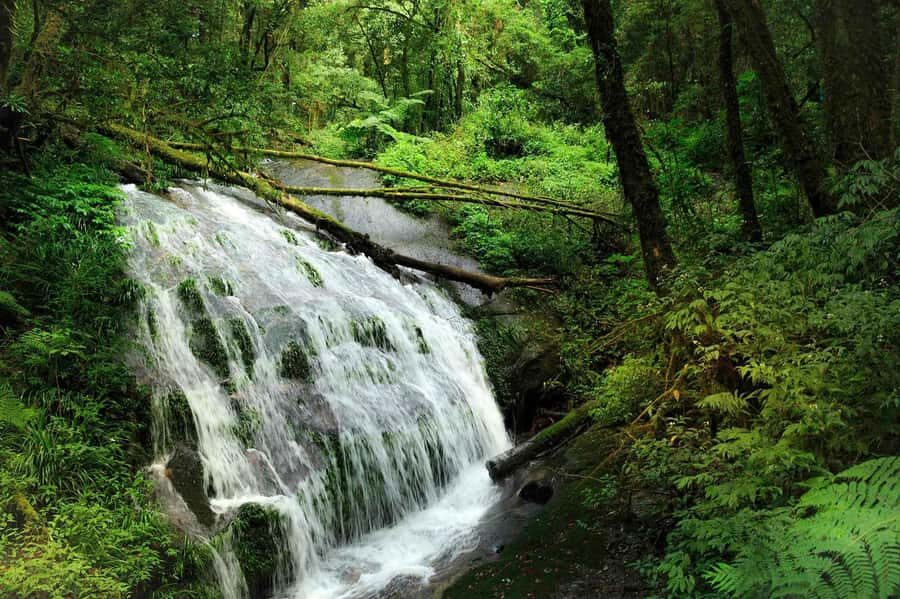
Lunch is included on this one, which matters when you’re spending a full day at altitude. The tour covers the standard highlights — waterfalls, pagodas, summit — with a 4.3-star rating from 1,100+ reviews. The slightly lower rating compared to the top pick seems to come down to guide quality being inconsistent. Some guides get rave reviews, others get middling ones.
At $47 with lunch included, it’s competitive on price. If having a guaranteed lunch matters to you (the park has limited dining options — basically one small restaurant near the pagodas and some Karen village food stalls), this is a solid pick.
4. Doi Inthanon + Elephant Sanctuary Tour — $81

This is the one for people who want to maximize a limited stay in Chiang Mai. You get Doi Inthanon and an ethical elephant sanctuary visit in a single day. A 4.9-star rating from 1,091 reviews suggests they’ve nailed the logistics of fitting two full experiences into one outing.
At $81, it’s the most expensive option here, but you’re essentially getting two tours for the price of one. Booking the elephant sanctuary and Doi Inthanon separately would run you $100-$120 combined, so you’re saving money while also saving a day of your trip. The trade-off is that each stop gets slightly less time, but the reviews consistently say it doesn’t feel rushed.
When to Visit Doi Inthanon
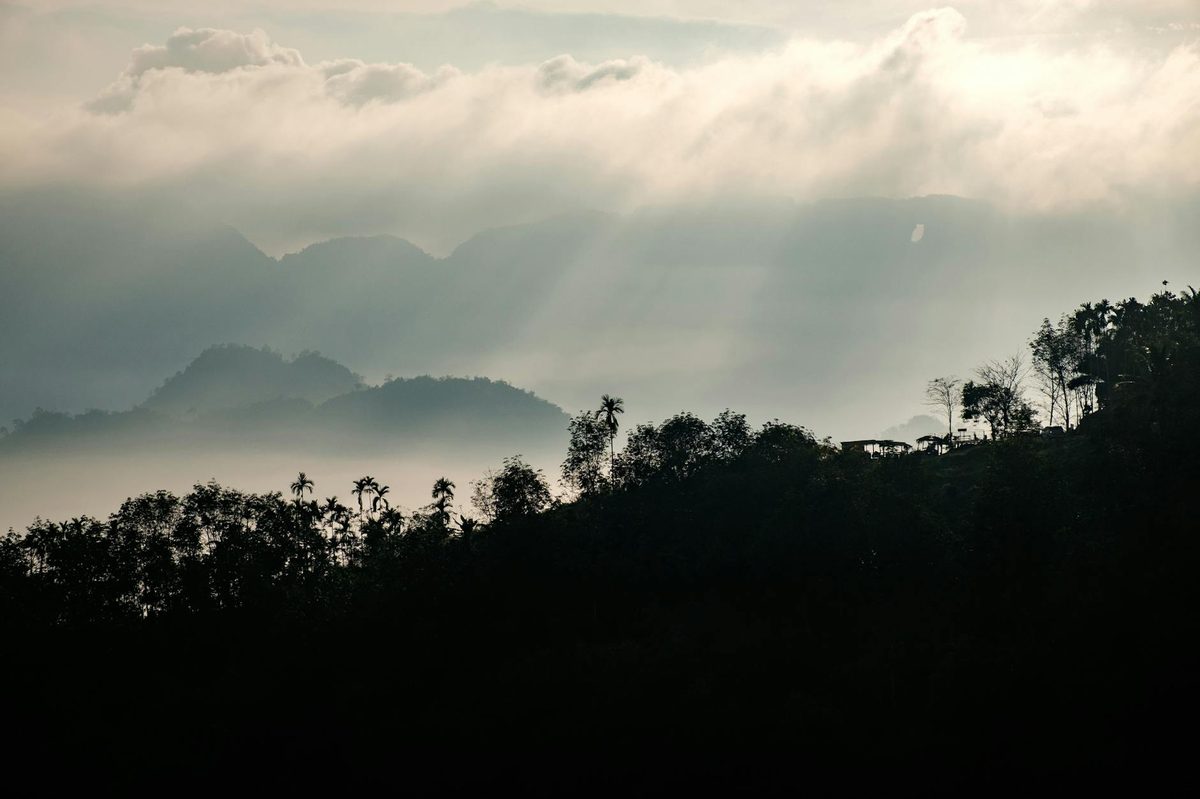
The park is open daily from 5:30am to 6:30pm. No night visits.
The cool season (November to February) is peak time. Morning temperatures at the summit can drop to 5-10 degrees Celsius — occasionally near zero on the coldest January mornings. Bring a proper jacket, not just a hoodie. The waterfalls are moderate in flow, the skies are usually clear, and the pagoda gardens are in bloom. This is also the busiest period, especially on weekends.
The rainy season (June to October) is when the waterfalls are at their most powerful. Wachirathan goes from impressive to genuinely thunderous. The downside: the Kew Mae Pan Nature Trail closes entirely during these months, afternoon rain is almost guaranteed, and cloud cover at the summit can be thick enough that you can’t see the pagodas 50 meters away. If waterfalls are your priority, this is actually the best time.
March to May is the hot season at lower elevations, but the summit stays cool. The bigger problem is the burning season — agricultural fires across northern Thailand fill the air with smoke and haze from late February through April. Visibility drops dramatically and the air quality is poor. Unless you’re specifically interested in the summit’s cool temperatures as an escape from Chiang Mai’s heat, avoid this window.
Pro tip: Aim to reach the pagodas before 11am. Afternoon clouds often roll in and completely obscure the mountain views that make the pagoda gardens so spectacular.
How to Get to Doi Inthanon from Chiang Mai
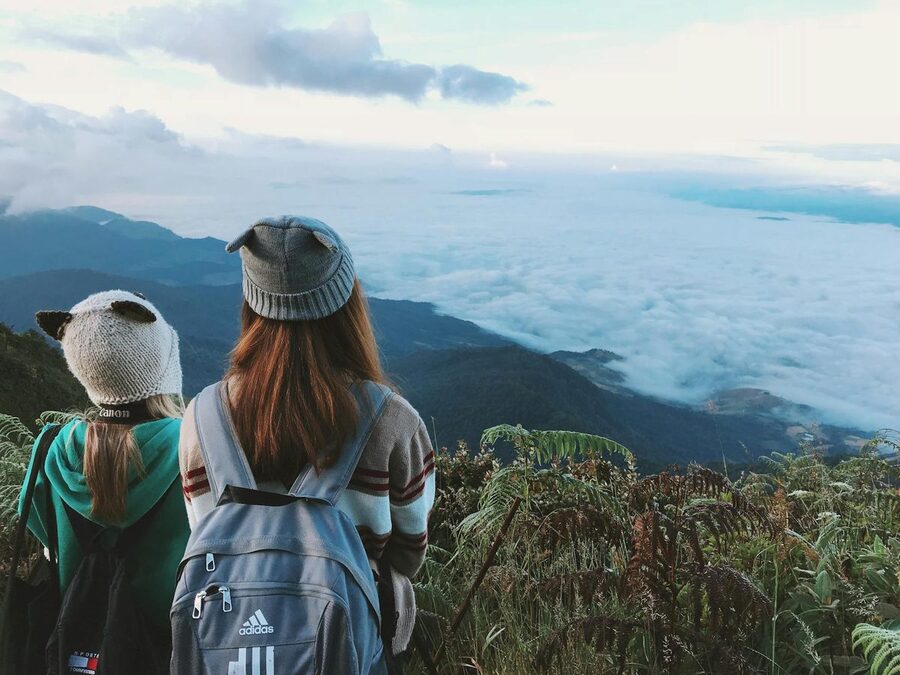
By guided tour — the simplest option, and what most visitors choose. Hotel pickup in Chiang Mai, air-conditioned van, all entrance fees handled, back by 5-6pm. Every tour listed above includes round-trip transport.
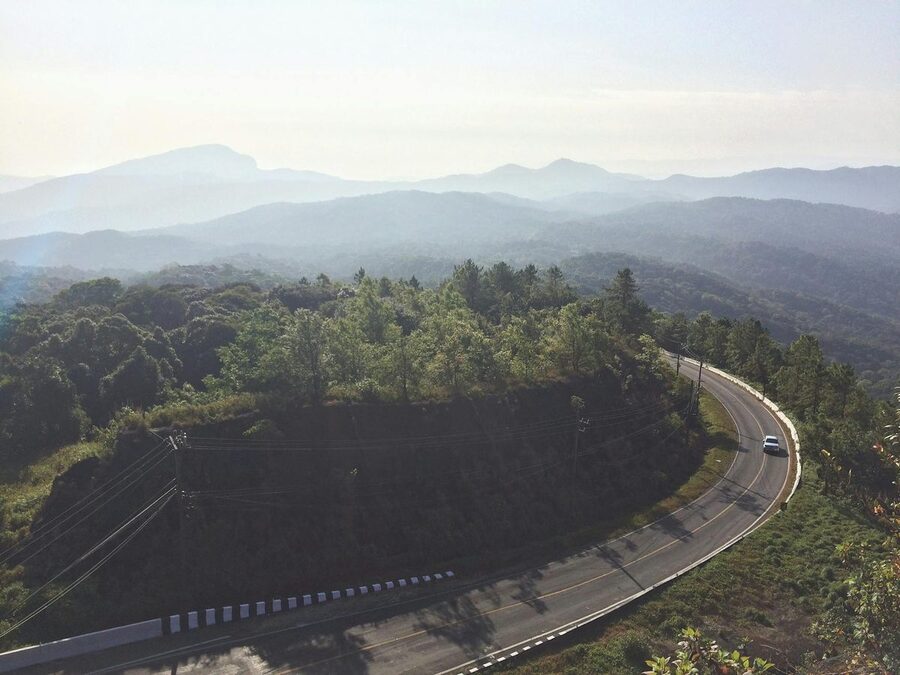
By rental car — take Highway 108 south from Chiang Mai to Chom Thong (about 60 km, roughly an hour). At Chom Thong, turn onto Route 1009, which climbs the mountain for another 48 km. The road is paved and well-maintained, but it’s steep with tight switchbacks in the upper sections. Total drive time: about 90 minutes. Fuel costs around 500-700 baht ($14-$20) round trip.
By motorbike — possible but not ideal. The mountain road gets cold at higher elevations, and the switchbacks demand confident riding. If you’re an experienced rider, it’s a gorgeous ride. If you’re a casual scooter renter, take the tour.
By songthaew from Chom Thong — the budget option. Take a bus or songthaew from Chiang Mai to Chom Thong (40 baht), then negotiate a songthaew up the mountain. Expect to pay 1,500-2,000 baht ($42-$57) for a vehicle that will wait for you and bring you back down. At that price, a guided tour is genuinely cheaper and includes more.
Tips for Getting the Most Out of Your Visit
Layer up. Chiang Mai at 8am might be 25 degrees. The summit at 10am could be 8 degrees. Wear layers you can peel off. A light rain jacket doubles as wind protection at the top.
Wear proper shoes. Not flip-flops, not sandals. The nature trails involve uneven terrain, wet rocks near waterfalls, and muddy patches in any season. Trail runners or hiking shoes are ideal.
Bring snacks. Food options inside the park are limited to a few small restaurants and Karen village stalls. If you’re picky or have dietary restrictions, pack some trail mix and fruit from Chiang Mai before you leave. On the plus side, the northern Thai dishes you’ll find at the Karen village stalls are worth trying — the flavors are similar to what you’d learn in a Chiang Mai cooking class, but adapted to mountain ingredients.
Start early. Tours leave at 7am for a reason. The park gets crowded by mid-morning, clouds roll in around noon, and afternoon rain is common in most seasons. The best photos happen before 11am.
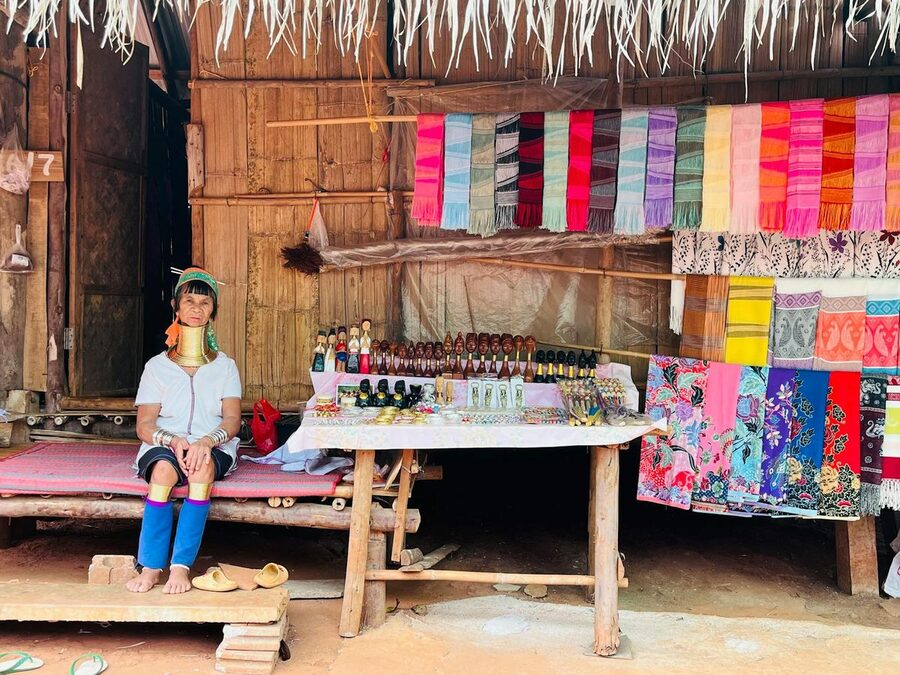
Don’t skip the Karen village. A lot of travellers see “hill tribe village visit” and assume it’s a zoo-like cultural display. At Doi Inthanon, it’s not. You’ll drink coffee grown and roasted by the community, maybe buy some hand-woven textiles, and see how the Karen people have lived alongside the national park for generations. The coffee is genuinely good, too — high altitude, shade-grown arabica that would cost $15 a bag in a Chiang Mai specialty shop.
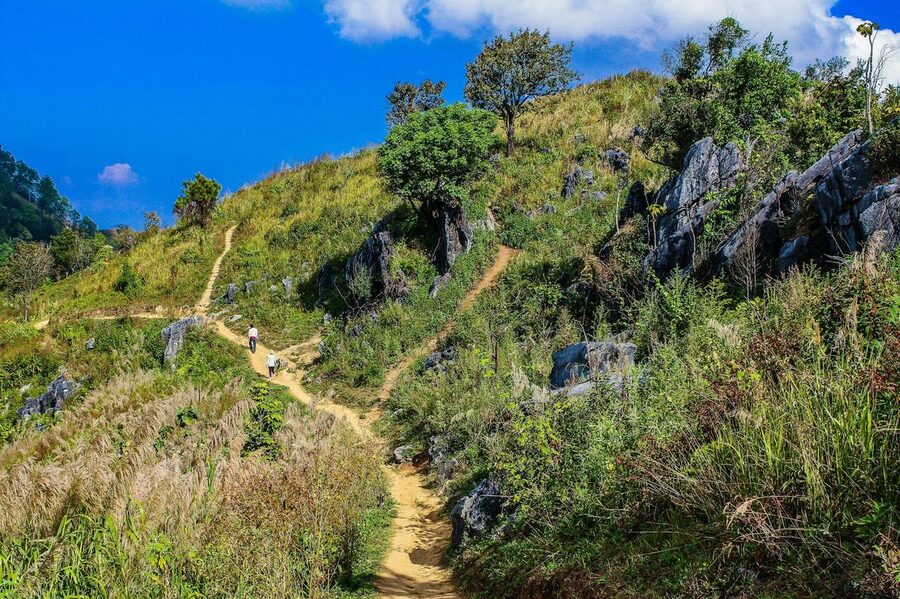
The Kew Mae Pan trail is the highlight. It’s a 2.5 km loop through cloud forest and along a ridge with panoramic views. It takes about 2-3 hours with a mandatory Karen guide (200 baht). If your tour includes this trail, you’ve picked a good one. If it doesn’t, consider upgrading.
What You’ll Actually See at Doi Inthanon
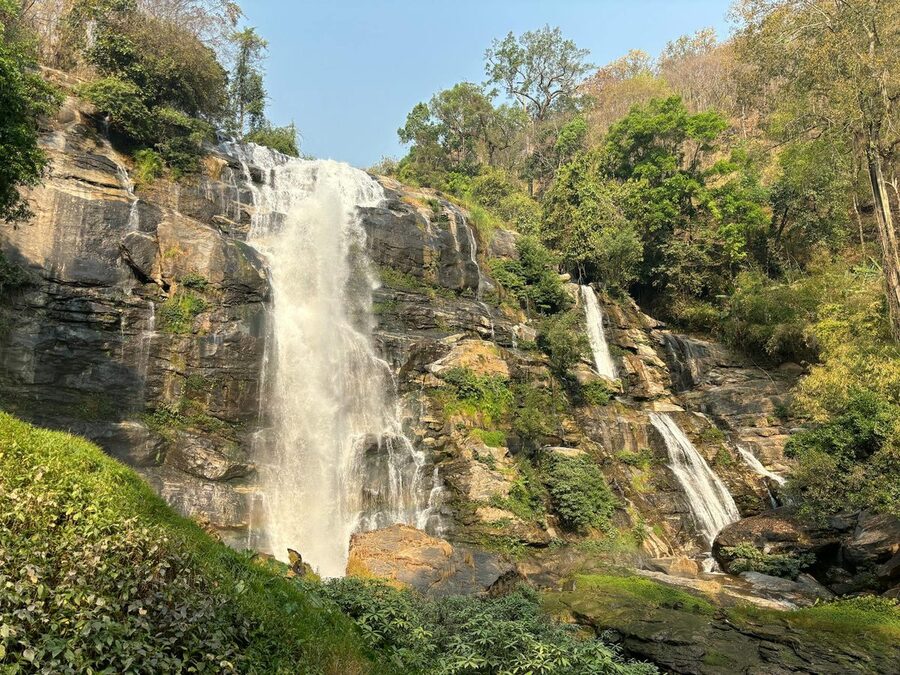
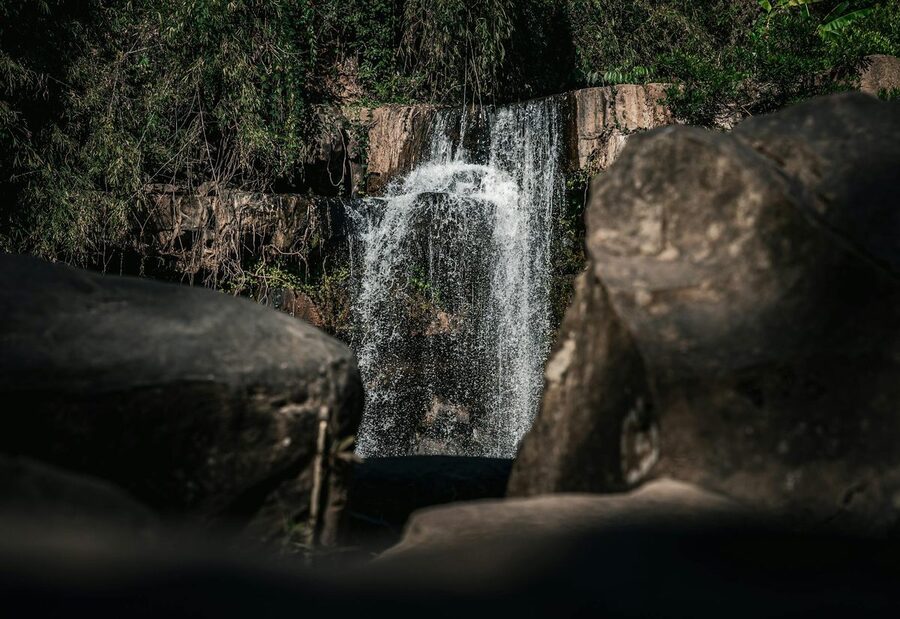
Wachirathan Waterfall is the showstopper. A 70-meter cascade that’s powerful enough to soak you from the viewing platform. It’s the first major stop on most tours, and the one that makes everyone reach for their cameras. The mist creates permanent rainbows on sunny mornings. Fair warning: it’s also the most crowded spot in the park.
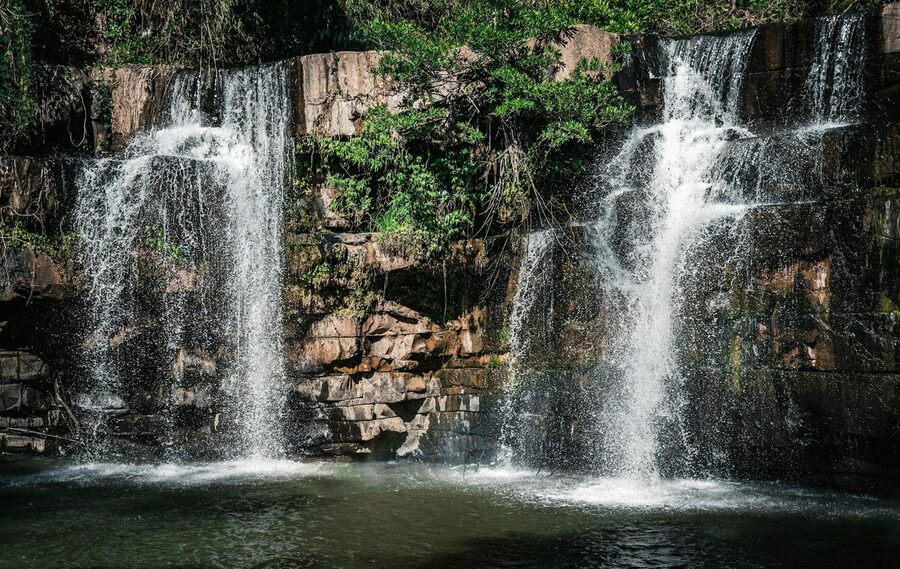
Sirithan Waterfall is calmer and less visited. It’s a wider, fan-shaped cascade that’s easier to photograph without crowds. Some tours include it, some don’t — ask before booking if this matters to you.
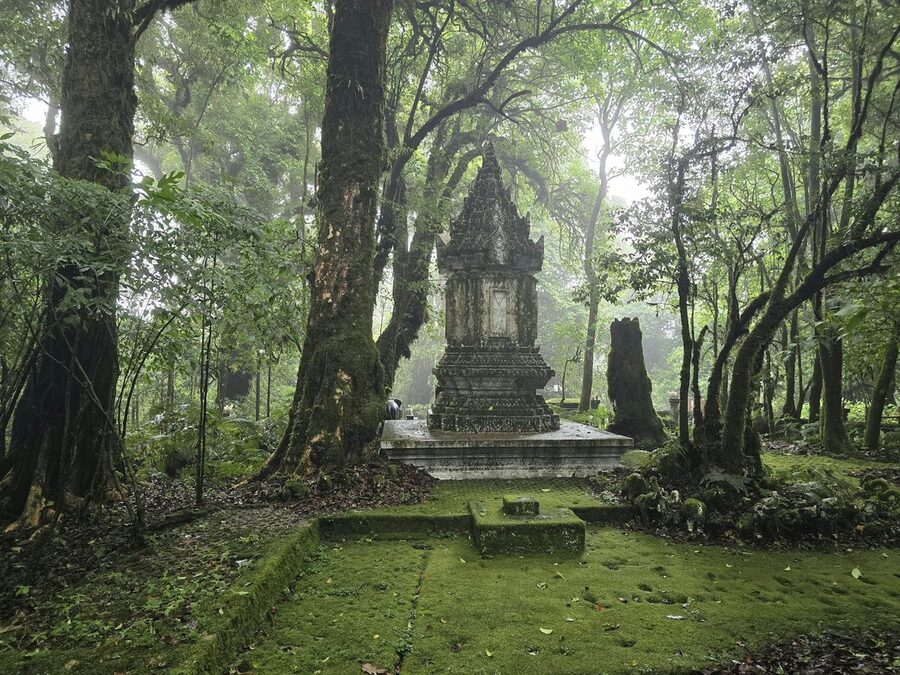
The Twin Royal Pagodas (Naphamethinidon and Naphaphonphumisiri) were built in 1987 and 1992 to honor the King and Queen. They sit at about 2,400 meters elevation, surrounded by terraced gardens that look like they belong in a European botanical garden, not a Thai mountaintop. On clear mornings, the views from the pagoda terrace stretch all the way to the lowlands. On cloudy days, you’re literally standing inside a cloud.
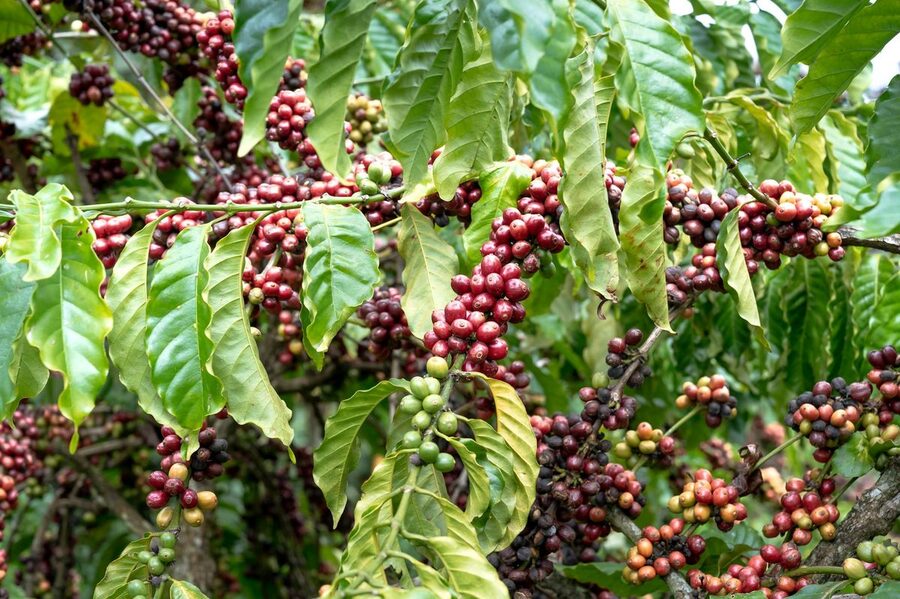
The Karen hill tribe village offers coffee tasting, hand-woven textiles, and a window into a culture that has lived in these mountains for centuries. The coffee alone is worth the stop — high-altitude arabica that’s genuinely comparable to specialty coffee, sold at a fraction of the price you’d pay in the city.

The summit marker at 2,565 meters is… underwhelming, if I’m honest. It’s the polar opposite of something like a Bangkok sightseeing tour where every stop is a landmark — here there’s a small stupa, a board with the elevation, and a lot of selfie-taking. The real summit experience is the cloud forest around it — the Ang Ka Nature Trail is a short boardwalk loop through mossy, dripping jungle that feels like another planet. It’s easy, takes about 30 minutes, and is one of the most unique ecosystems in Thailand.
Planning the Rest of Your Thailand Trip
Most travellers base themselves in Chiang Mai for four or five days, and Doi Inthanon fills one of those nicely. The day after a mountain hike is a good time for something gentler — an elephant sanctuary visit keeps you outdoors without the steep trails, or you could spend a morning at a cooking class learning to make the same khao soi and green curry you’ve been eating all week.
If you didn’t book the Doi Inthanon + Elephant combo tour mentioned above, doing the sanctuary on a separate day gives you more time with the animals anyway.
The Chiang Rai temples day trip is the other big draw from Chiang Mai, though it’s a long drive — leave at least a rest day between that and Doi Inthanon so you’re not spending consecutive days in a van from 7am. Adrenaline seekers should also look at the zipline tours through the jungle canopy, which run year-round regardless of the burning season that can limit mountain visibility.
If Bangkok is next on your route, the contrast is dramatic. Swap cloud forests for canal-side markets on a floating market tour, walk the grounds of the Grand Palace and Wat Pho, or take an Ayutthaya day trip to see Thailand’s ancient capital. Evenings open up too — a Chao Phraya dinner cruise or a Muay Thai fight night are both worth building into your schedule.
This article contains affiliate links. If you book a tour through our links, we may earn a small commission at no extra cost to you. This helps us keep writing detailed guides like this one.