
Bangkok has two completely different hop-on hop-off systems, and most travel sites treat them as the same thing. They are not. The bus circles the streets through traffic. The boat glides up the Chao Phraya River past temples, markets, and the Grand Palace — for about a fifth of the price.
I’ve done both. And if I had to pick just one way to see Bangkok’s highlights in a single day, the river boat wins. Not even close.
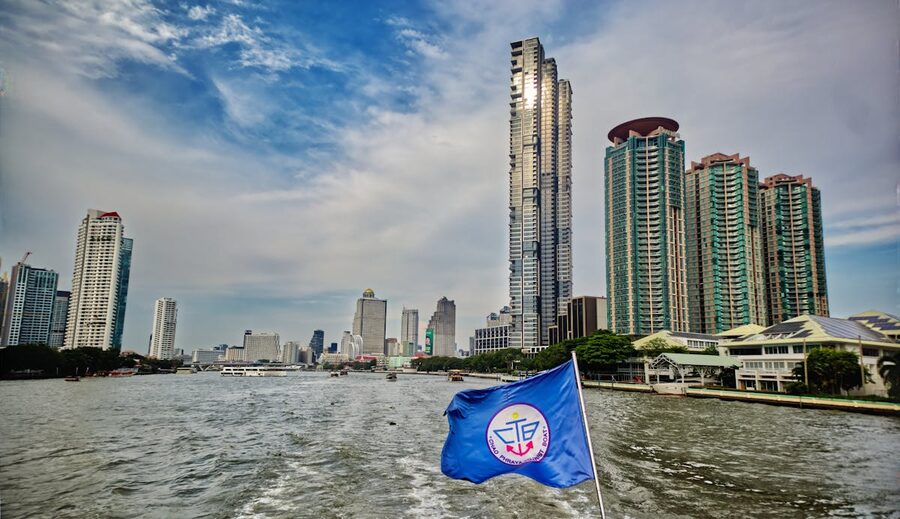
But here is the thing — they are not really competing. The bus covers the shopping districts, Chinatown, and areas the river cannot reach. The boat handles the temple corridor along the water. Smart visitors use both. And at the prices Bangkok charges for these services, there is no reason not to.
Short on time? Here are my top picks:
Best value: Chao Phraya River Hop-On Hop-Off Boat — $4.82. All-day river access past temples, Grand Palace, and Chinatown for under five bucks. Hard to beat.
Best for coverage: Bangkok Hop-On Hop-Off Bus (24-72hr) — $25. Air-conditioned double-decker covering shopping districts, Chinatown, and landmarks the boat cannot reach.
- How Bangkok’s Hop-On Hop-Off System Works
- River Boat vs Bus — Which Should You Pick?
- The Best Bangkok Hop-On Hop-Off Tours to Book
- 1. Bangkok Chao Phraya River Hop-On Hop-Off Boat — .82
- 2. Bangkok Hop-On Hop-Off Bus (24/48/72-Hour) —
- When to Ride
- How to Get to the Starting Points
- Tips That Will Save You Time
- What You Will See Along the Way
- Planning the Rest of Your Bangkok Trip
How Bangkok’s Hop-On Hop-Off System Works
Bangkok runs two separate hop-on hop-off networks — one on the road, one on the river. They are operated by different companies, sold on different tickets, and cover different parts of the city.
The River Boat (Chao Phraya Tourist Boat):
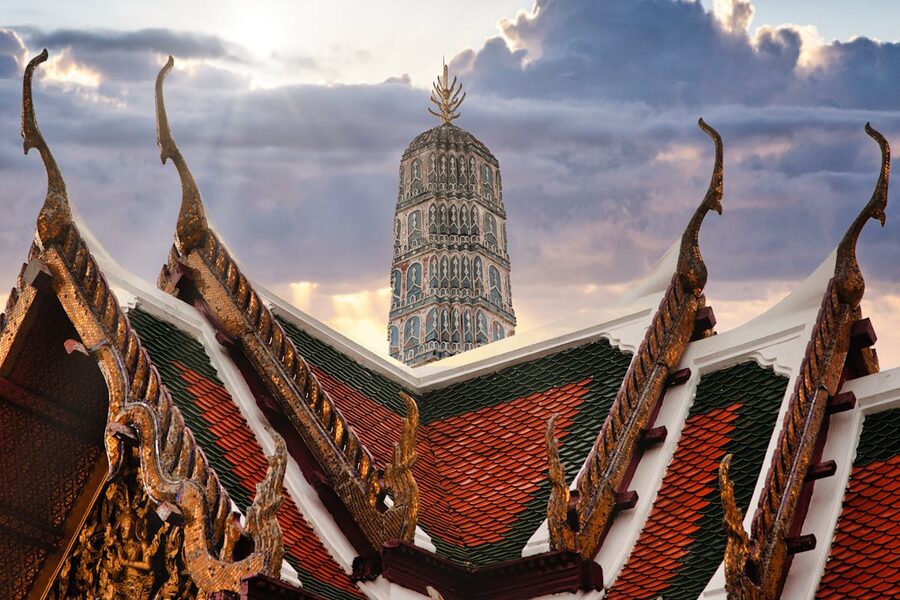
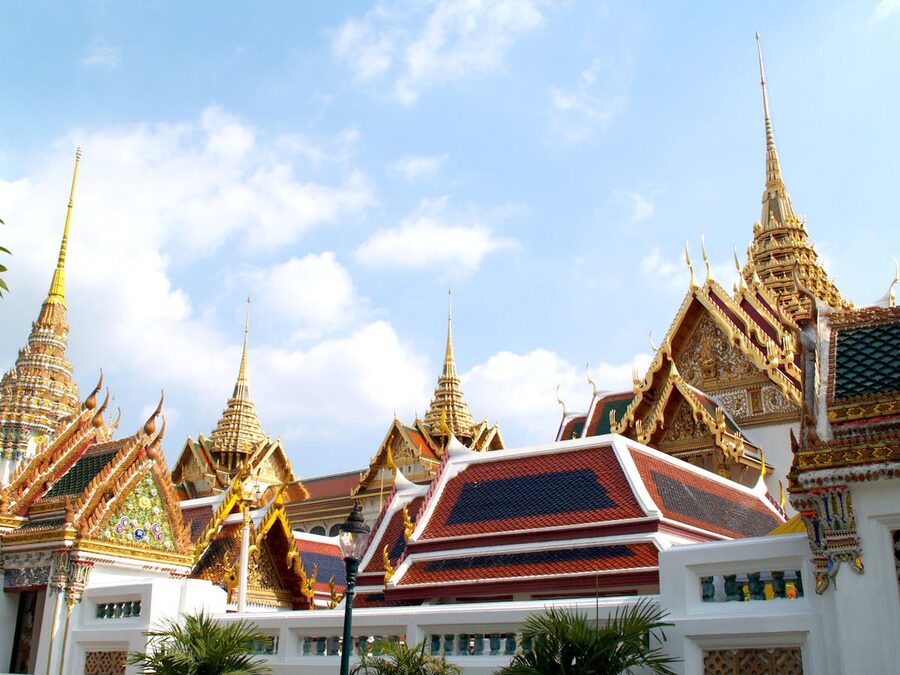
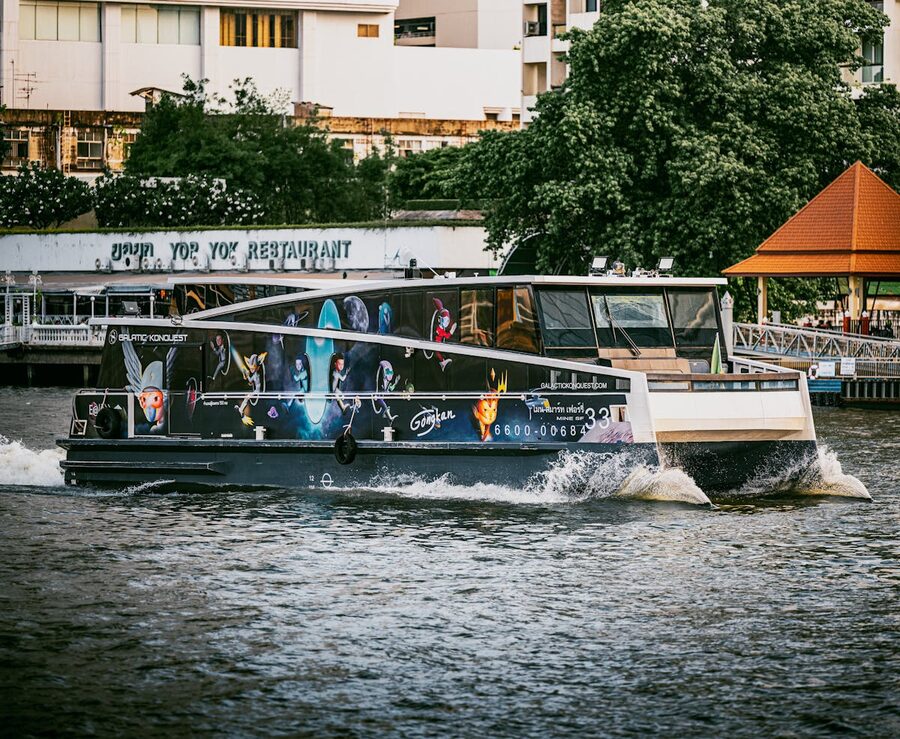
The Chao Phraya hop-on hop-off boat runs between Phra Arthit Pier (near Khao San Road) and Asiatique Pier, stopping at 11 piers along the way. Major stops include the Grand Palace, Wat Arun, Wat Pho, Chinatown, and the Saphan Taksin BTS connection.
Boats run roughly every 30 minutes from 9:00 AM to 6:00 PM. An all-day pass costs around $4.82 (150-200 baht), which makes it the cheapest sightseeing option in the city by a wide margin. Each pier has a small floating dock with staff — you just show your wristband and step on.
The Sightseeing Bus:
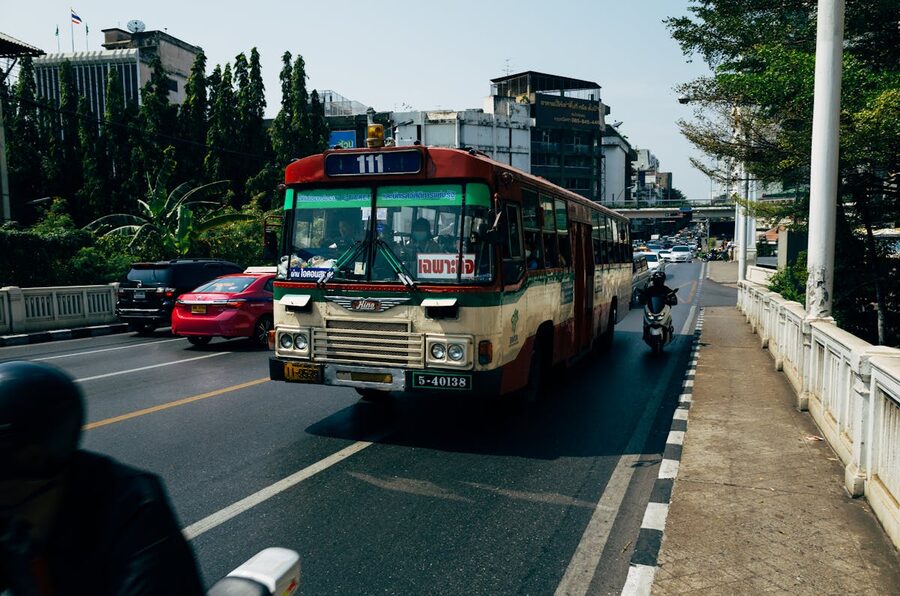
The hop-on hop-off bus is operated by a company called Elephant Bus Tours (previously branded as City Sightseeing Bangkok). It runs an open-top double-decker through the city center, covering areas the boat cannot reach — MBK shopping center, Siam Square, Chinatown overland, Hua Lamphong station, and the Flower Market.
Tickets come in 24-hour ($25), 48-hour, and 72-hour options. The bus has air conditioning on the lower deck and an open-air upper deck. Audio commentary is available in multiple languages. The full loop takes about 90 minutes without getting off.
River Boat vs Bus — Which Should You Pick?
This is not an either/or decision for most people. But if you genuinely only have time for one, here is how to decide:
Pick the river boat if:
- You want to see the major temples — Grand Palace, Wat Pho, and Wat Arun are all right on the river
- Budget matters — it is one-fifth the price of the bus
- You hate traffic — the river has none
- You are already near a BTS station — Saphan Taksin connects directly to the boat network
Pick the bus if:
- You want to hit the shopping districts (Siam, MBK, Platinum)
- You need the audio commentary for context — the boat does not have it
- You prefer air conditioning (lower deck) or open-air views (upper deck)
- You want to see Chinatown’s street-level markets up close
Do both if: you have 2+ days and want thorough coverage. Buy the river boat pass for your temple day and the bus pass for your shopping/exploration day. Total cost: around $30 for both.
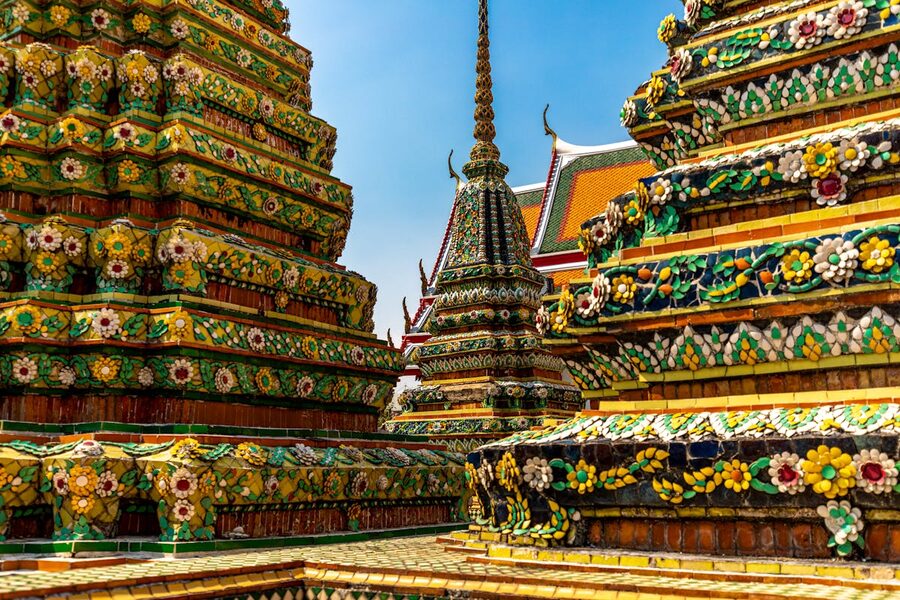
The Best Bangkok Hop-On Hop-Off Tours to Book
1. Bangkok Chao Phraya River Hop-On Hop-Off Boat — $4.82
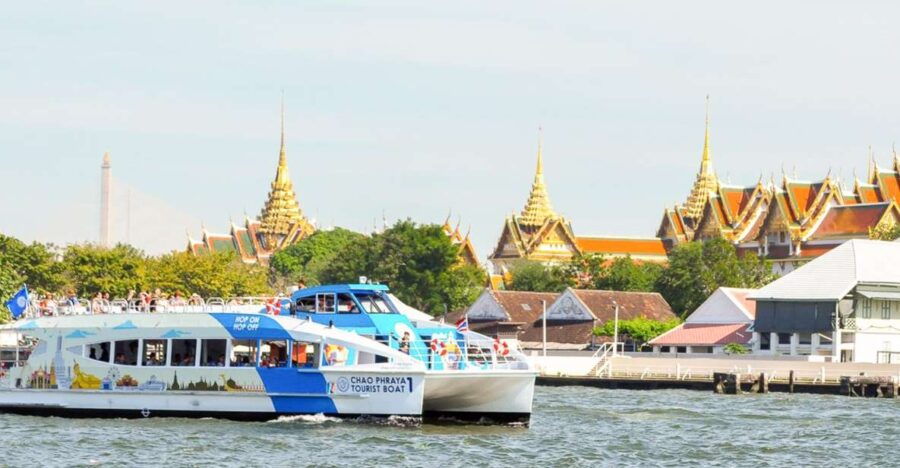
This is the one I recommend to everyone visiting Bangkok for the first time. At $4.82, it is practically free compared to any other sightseeing option in the city. The route hits 11 piers covering the entire historic waterfront — Grand Palace, Wat Arun, Wat Pho, Chinatown, and the Asiatique night market are all stops on the line.
The boats run every 30 minutes and the pass is valid all day. You get a wristband at the first pier and just flash it each time you board. There is no audio guide, but honestly the sights speak for themselves. If you want guided commentary, pair this with a Bangkok food tour in the evening.
Nearly 3,000 people have booked this and it holds a 4.5-star rating. The only downside is that boats can get crowded mid-afternoon, especially at the Grand Palace pier. Go early or late in the day.
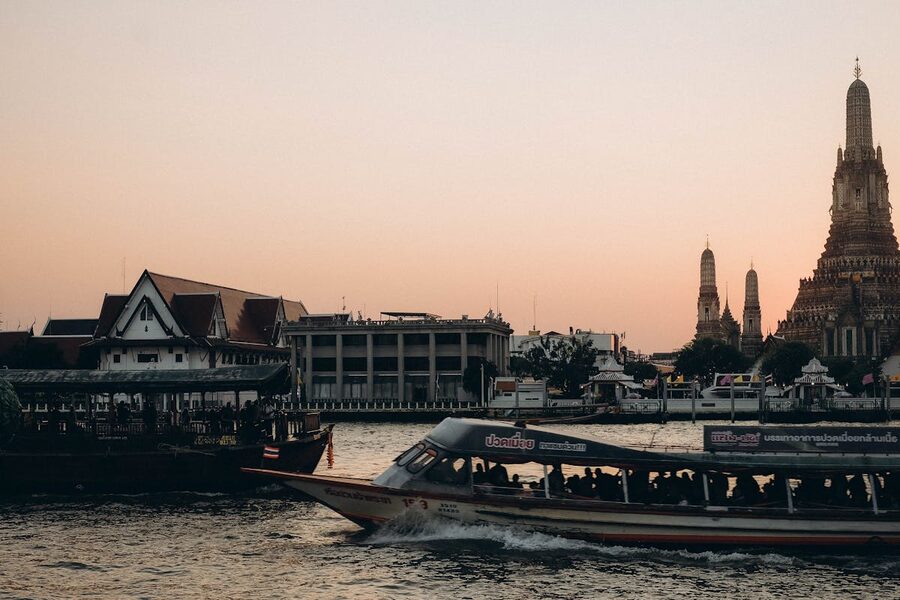
2. Bangkok Hop-On Hop-Off Bus (24/48/72-Hour) — $25
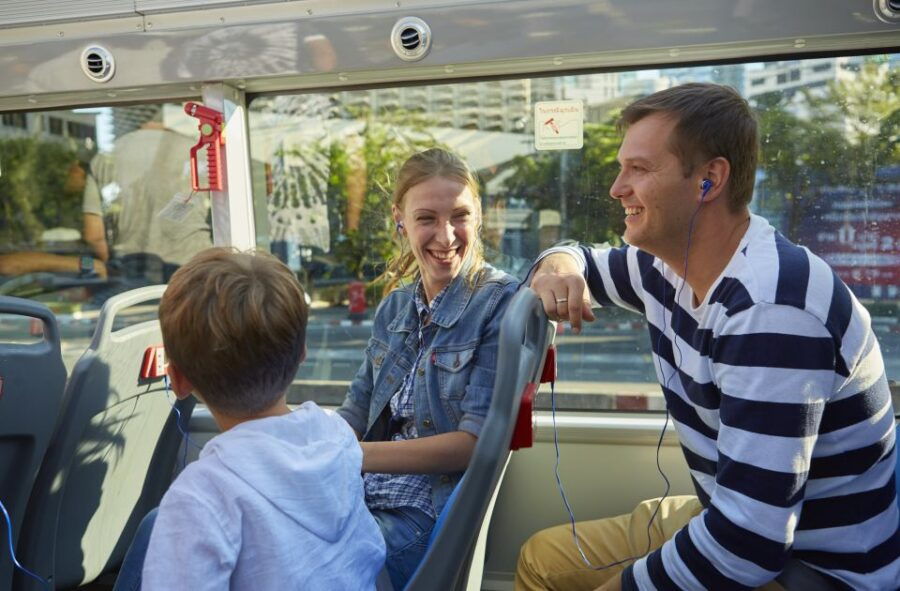
The bus makes more sense if you want to cover the shopping and commercial districts that the river does not touch. The route loops through Siam Square, MBK, Chinatown’s main streets, Hua Lamphong, and the Flower Market. A 24-hour ticket starts at $25, with 48-hour and 72-hour options available if you want multiple days.
It is an air-conditioned double-decker with an open roof on top. The audio guide covers history and practical tips in several languages. The full circuit takes about 90 minutes without stopping, but most people hop off 3-4 times over the course of a day.
With about 2,000 bookings and a 4.0-star rating, the bus gets decent but not glowing reviews. The main complaint? Bangkok traffic. The loop can stretch past two hours during rush hour, which is why I suggest starting early — by 9:00 AM you will beat the worst of it. The bus runs every 30-45 minutes depending on the time of day.
When to Ride
Both the boat and bus operate daily, but timing makes a big difference in how much you enjoy the experience.
Best time for the river boat: Start between 9:00 and 10:00 AM. Hit the Grand Palace first (it opens at 8:30 AM and gets packed by 11:00 AM), then work your way south toward Wat Arun and Chinatown in the afternoon. The last boat leaves around 5:30-6:00 PM depending on the pier.
Best time for the bus: Start by 9:00 AM to beat traffic. The morning loop will be faster and more pleasant. Avoid the 4:00-7:00 PM window entirely if you can — Bangkok rush hour traffic is legendary for a reason.
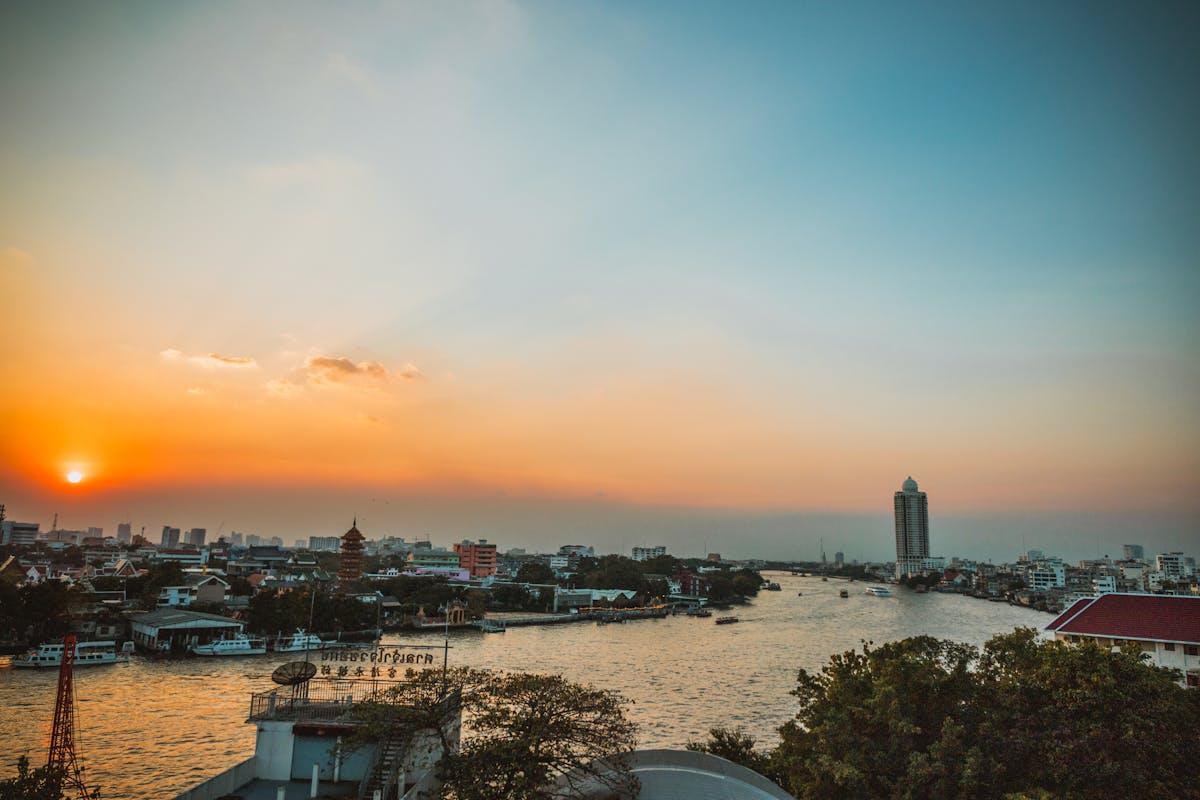
Best season: November to February is the cool season (by Bangkok standards — it is still warm). March through May is genuinely hot, and sitting on an open-top bus at midday in April will drain you fast. The rainy season (June-October) brings afternoon downpours that can interrupt bus routes, though the boat keeps running rain or shine. If an afternoon storm catches you mid-route, duck into one of the covered piers and wait it out — or skip ahead to an evening Muay Thai fight at Rajadamnern Stadium, which runs regardless of weather.
Weekend vs weekday: Weekday mornings are significantly quieter on both the boat and bus. Weekend afternoons at the Grand Palace pier can have 15-20 minute waits. If your schedule allows, Tuesday through Thursday is ideal.
How to Get to the Starting Points
River Boat — Saphan Taksin Pier (Central Pier):
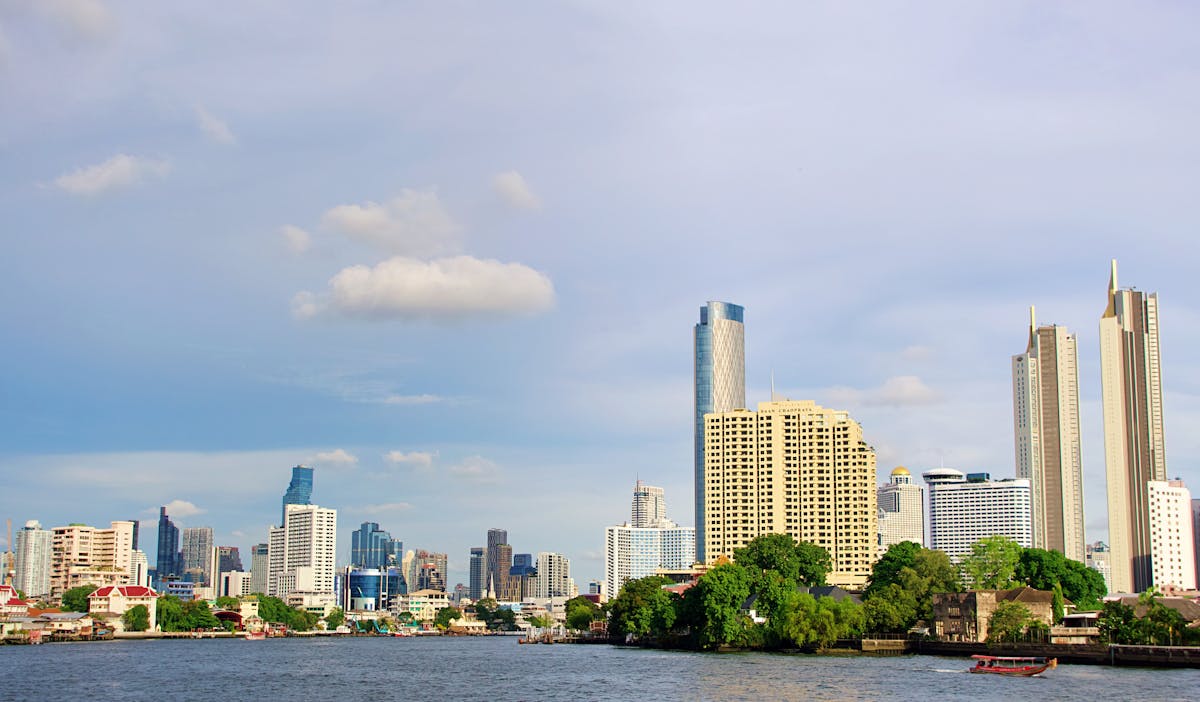
The easiest boarding point is Saphan Taksin, which connects directly to the BTS Silom Line. Take the BTS to Saphan Taksin station, use Exit 2, and the pier is about a 3-minute walk straight ahead. You can buy your pass at the ticket counter on the pier. From most hotels in the Sukhumvit or Silom areas, this is a 15-30 minute BTS ride.
Bus — Multiple stops available:
The hop-on hop-off bus has designated stops throughout the city. Key boarding points include Khao San Road area, Siam Square (near BTS Siam), MBK Center, and Chinatown. Check the route map on the booking page for the stop nearest your hotel. The bus does not have a central starting point — your ticket activates from the moment you first board.
Getting between the two: The bus and boat networks intersect near Chinatown. If you are doing both in one day, start with the river boat in the morning, hop off at the Chinatown pier, grab lunch, then catch the bus at the nearby stop for the afternoon shopping loop.
Tips That Will Save You Time
Buy tickets online before you go. Both the boat and bus can be booked on GetYourGuide with instant confirmation. You will get a voucher on your phone — no need to queue at the pier or bus stop ticket counter. This is especially useful at Saphan Taksin pier, where the ticket line can be 10-15 minutes long during peak times.
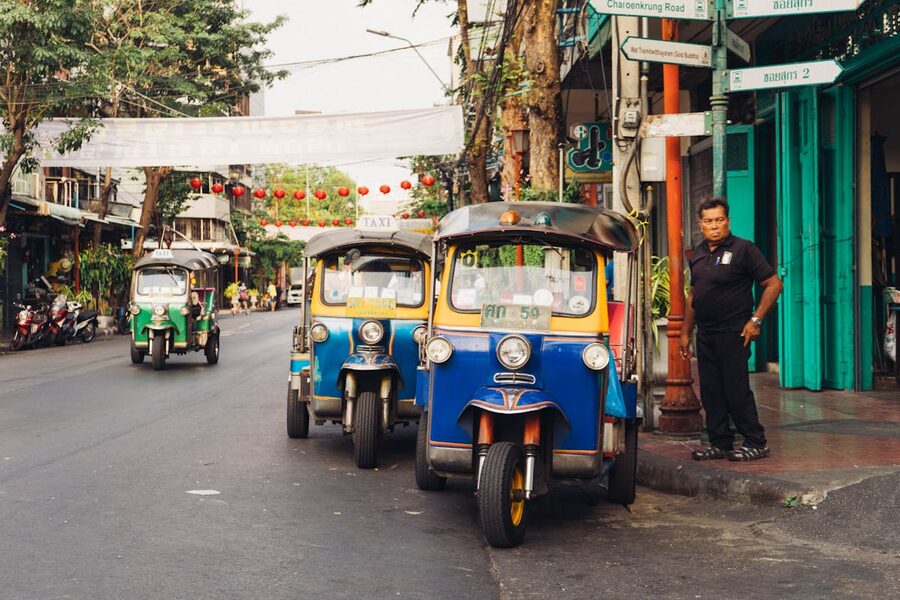
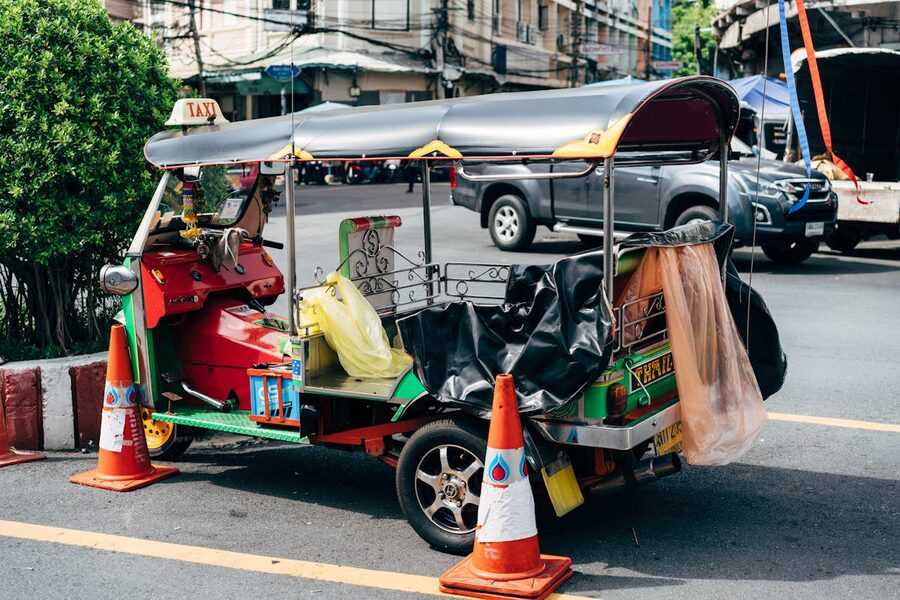
Bring a portable phone charger. You will be taking photos constantly on both routes, and a dead phone means no e-ticket, no maps, and no way to call a tuk tuk or Grab car back to your hotel.
Wear sunscreen on the open-top bus. The upper deck has no shade. I have seen people go from excited to lobster-red in under an hour. Bring a hat too.
Do not try to do everything in one day. The river boat hits 11 stops. The bus covers another 15+. If you try to hop off at every single one, you will spend most of your day waiting at piers and bus stops. Pick 4-5 highlights and enjoy them properly.
The Asiatique night market is the last stop on the river route. If you time it right, you can spend the afternoon on the boat and end your day at Asiatique for dinner — the night market opens at 4:00 PM.
For Khao San Road: The Phra Arthit pier (the northern end of the boat route) is a 5-minute walk from Khao San Road. If you are staying in that area, the boat is your best option for getting to the temples without dealing with taxis or traffic.
What You Will See Along the Way
On the river boat route:
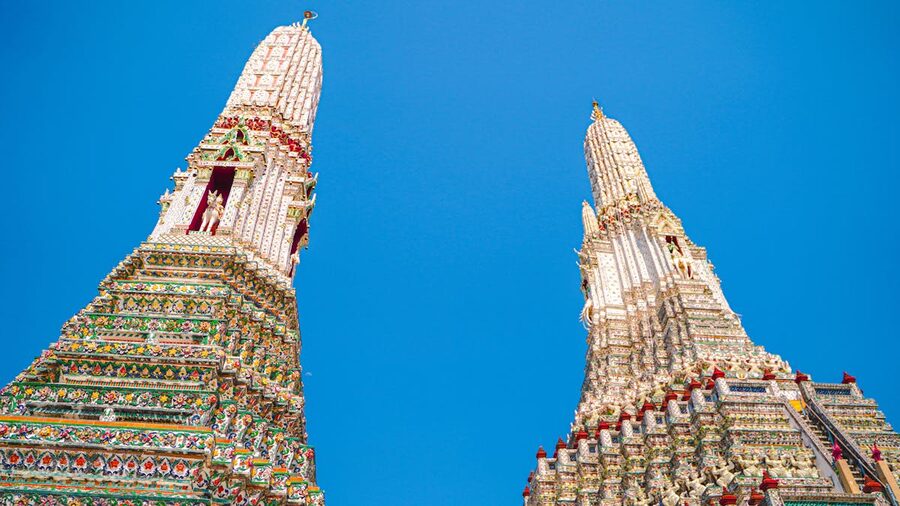
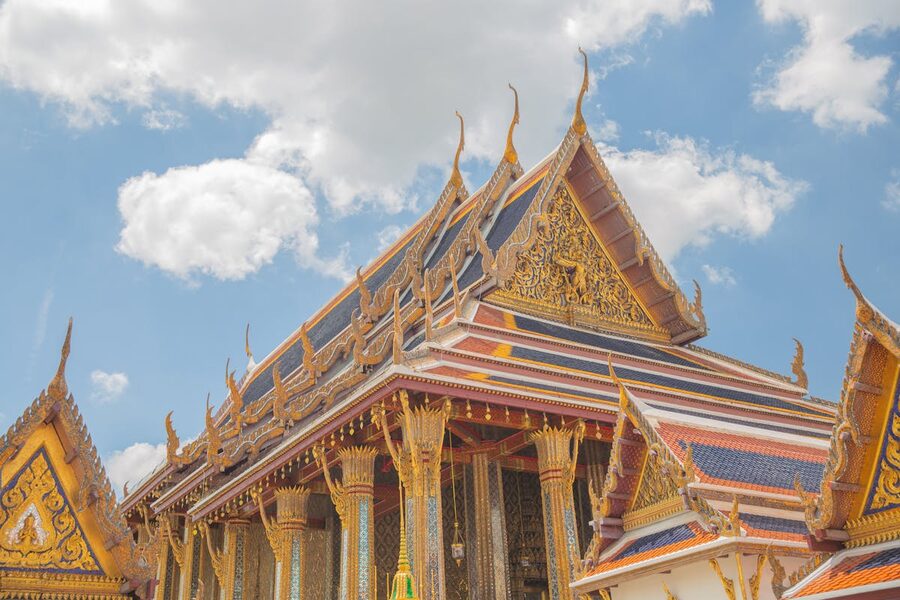
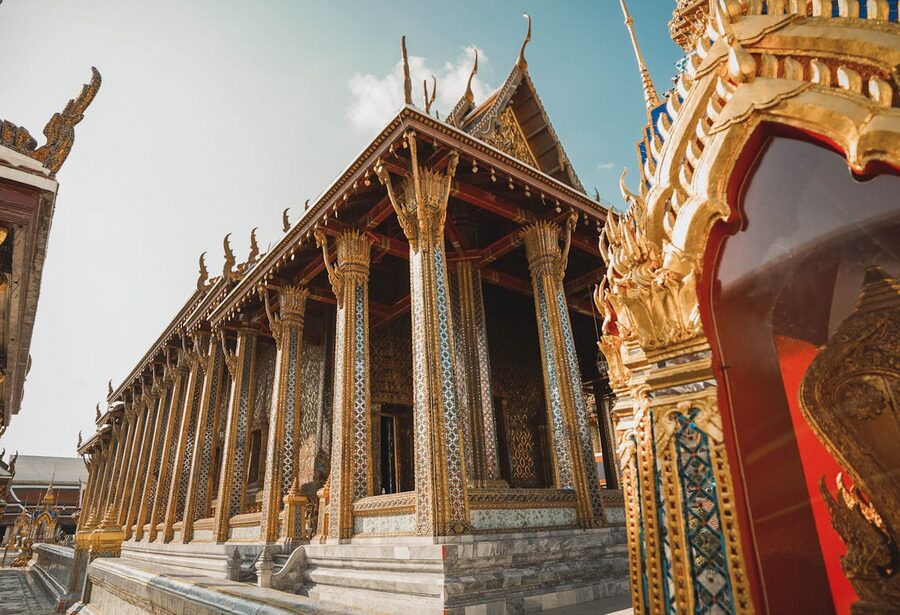
The temple corridor between Saphan Taksin and Phra Arthit is one of the densest concentrations of major sights in Southeast Asia. Starting from the south, you will pass the massive shopping complex at ICONSIAM, then Taksin Bridge, the Portuguese Embassy area, the Flower Market district, Wat Arun glowing on the west bank, the Grand Palace complex sprawling along the east bank, and Chinatown’s riverside markets.
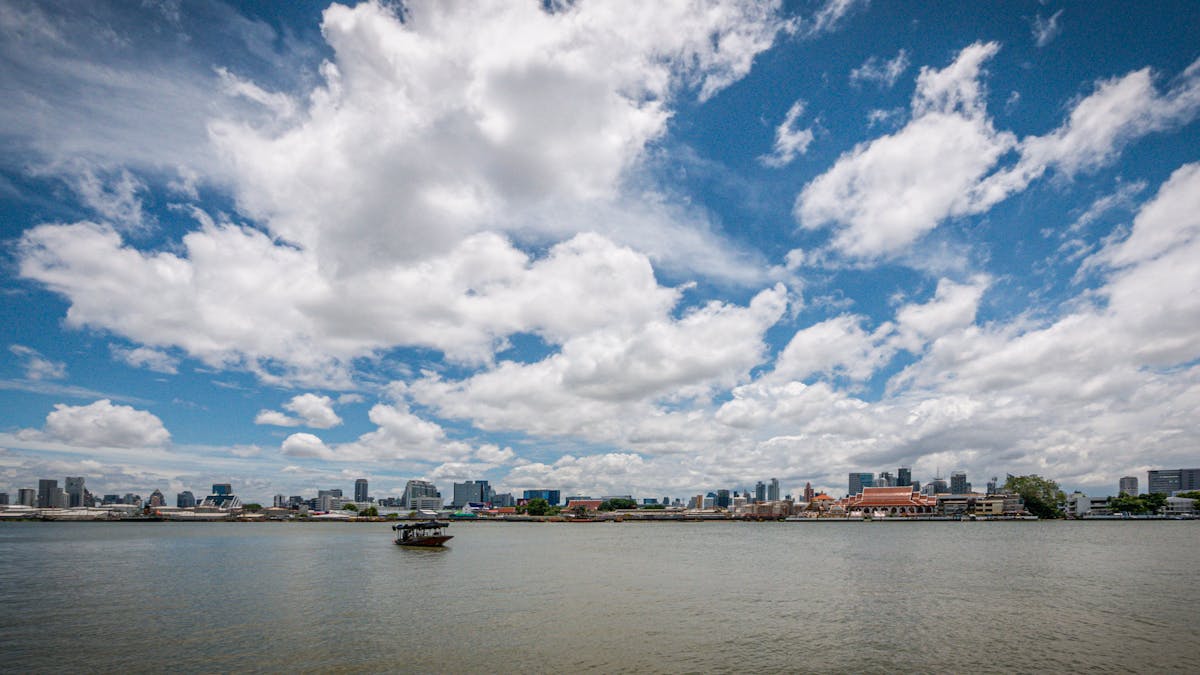
The beauty of the boat is that the river itself is the attraction. Longtail boats weave between ferries, barges push cargo upstream, and kids dive off piers into the brown water while their parents sell grilled corn on the docks. For an even closer look at this side of Bangkok, a canal tour by longtail boat threads through the narrow khlongs that the big tourist boats cannot enter. It is not sanitized tourism — it is actual Bangkok life happening around you.
On the bus route:
The bus covers the commercial and shopping side of Bangkok that the river misses entirely. You will pass through the Siam district (home to Siam Paragon and CentralWorld, two of Southeast Asia’s largest malls), Chinatown’s overland markets with gold shops and street food stalls packed wall to wall, the old Hua Lamphong railway station (now a museum), and the Flower Market on Chakphet Road.
The upper deck of the bus gives you a perspective you cannot get any other way. Bangkok’s shop-house architecture, with businesses on the ground floor and residences above, looks completely different from above than from street level. And the audio guide narrates stories about each neighborhood that you would never pick up on your own.
Planning the Rest of Your Bangkok Trip
The hop-on hop-off gets you oriented, but Bangkok has enough going on to fill a week without repeating yourself. Once you have your bearings from the river and bus routes, the floating market and train market day trip is the obvious next move — the Maeklong railway market alone is worth the early morning drive, and Damnoen Saduak gives you a completely different side of Thai commerce.
If you want to go further back in time, Ayutthaya is just 90 minutes north and the ruined temples there make Bangkok feel modern by comparison.
Evenings are where Bangkok really comes alive. A dinner cruise on the Chao Phraya lets you see the same temples and landmarks you passed during the day, except now they are lit up and the river is quieter. For views from the other direction, the Mahanakhon Skywalk puts you 78 stories above the city on a glass floor — time it for sunset if you can.
And the tuk-tuk night tour threads through temple-lit backstreets that feel nothing like the daytime version of the same neighborhoods.
For food — and honestly, food is half the reason to visit Bangkok — the Chinatown food tour covers stalls and shophouses you would walk right past on your own. If you prefer two wheels to two feet, the Bangkok bike tour pedals through canal-side communities and green spaces that neither the bus nor the boat route touches.