
You stand a metre back from the edge, wind pulling sideways, and watch a small white ferry round the headland 200 metres below. It looks like a bath toy. That ferry is heading to the Aran Islands, and from the cliff path at the top of Moher you can track its whole crossing in the time it takes to eat a sandwich.
Most articles about the Cliffs of Moher are written for people coming from Dublin. This one isn’t. If you’re already in Galway for an overnight, a Wild Atlantic Way road trip, or to base yourself for the Aran Islands, your day to the cliffs looks completely different. Shorter, calmer, and you get longer at the cliffs themselves.
- In a Hurry: Three Galway-Side Picks
- Why Go from Galway and Not Dublin
- How a Galway Cliffs Day Actually Works
- The Four Variant Days from Galway
- Variant 1: Standard Full-Day Cliffs and Burren
- Variant 2: Full-Day with Doolin Village + Burren
- Variant 3: Aran Islands Cruise Combo
- Variant 4: Connemara and Kylemore Abbey (the Other Direction)
- The Three Tours I’d Actually Book
- 1. From Galway: Full-Day Cliffs of Moher and Burren Guided Tour:
- 2. From Galway: Aran Islands and Cliffs of Moher Tour and Cruise:
- 3. From Galway: Cliffs of Moher and the Burren Guided Day Trip:
- What the Cliffs Actually Look Like Up Close
- The Visitor Centre and What’s Actually Free
- What to Pack for a Cliffs Day
- A Quick History Detour
- If the Weather Is Truly Awful
- Adding the Aran Islands as a Separate Day
- Galway as a Base, Briefly
- The Burren Side Quest
- Booking Logistics and Practical Bits
- Why I’d Pick Galway Over Dublin Even on Day Three
- More Ireland Trips Worth Booking
In a Hurry: Three Galway-Side Picks
Full-day Cliffs and Burren ($57): the most-booked tour from Galway, eight hours, scenic stops along the way. Book on GetYourGuide
Aran Islands and Cliffs cruise combo ($91): ferry to Inis Oírr plus a sea-level cruise along the cliffs. The expensive option that pays you back in views. Book on GetYourGuide
Half-day express ($59): if you’ve already done a Burren day or you only have an afternoon. Five hours, in and out. Book on GetYourGuide
Why Go from Galway and Not Dublin
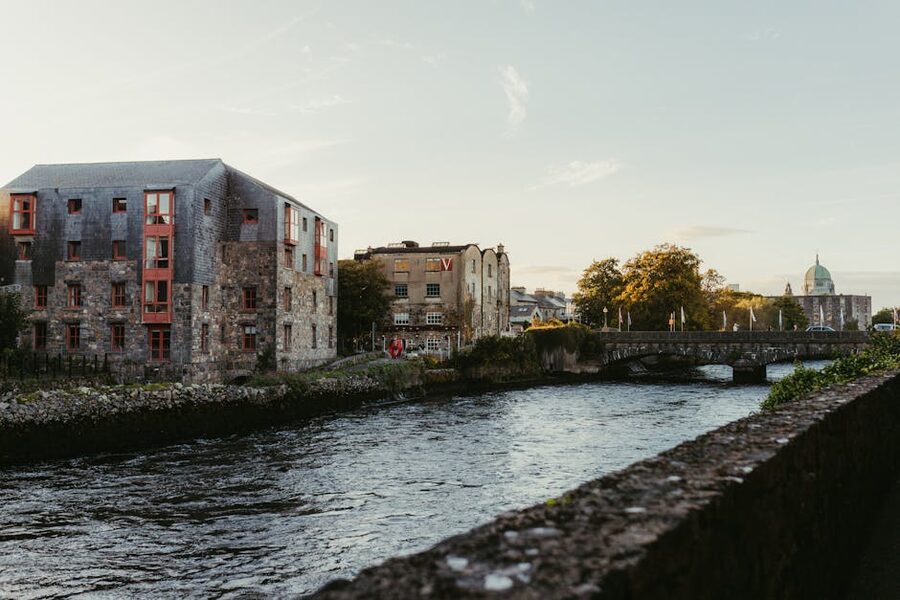
Here is the thing nobody tells you. The Dublin-to-Cliffs day is roughly thirteen hours of coach door-to-door. The Galway-to-Cliffs day is closer to seven. That’s six hours of sitting still you don’t have to do.
It’s not just shorter. The Galway day gives you longer at the cliffs themselves. A typical Galway full-day tour spends about two hours on the clifftop. A Dublin tour usually gives you ninety minutes, sometimes less, because the rest of the day is eaten by motorway. Two hours is the minimum I’d want there. The light shifts, weather rolls in and out, and you actually get time to walk both ways from the visitor centre.
So when does Galway win? When you’re already in Galway. When you have a hotel here for two nights anyway. When you’re working up the Wild Atlantic Way by car and want one day on a coach so you don’t have to drive the narrow bit. When you want to add the Aran Islands the next day. None of those work from Dublin.
When does Galway lose? When you only have one day in Ireland and you’re flying in and out of Dublin. Then the Dublin coach option is the right call, even with the longer day. We have a separate guide for that, with the same operators and a different set of trade-offs.
How a Galway Cliffs Day Actually Works
Most Galway tours leave the city around 9 or 10 in the morning. They head south through County Clare, hitting the Burren first or the Cliffs first depending on the operator. You’re back by six in the evening on a full day, lunchtime if you booked the half-day express.
The route follows part of the Wild Atlantic Way. It’s narrow, twisting, and beautiful in a way that’s hard to drive yourself. Coach makes sense. The day usually includes:
- A photo stop at Dunguaire Castle on the way down, on the southern shore of Galway Bay
- The Burren, a karst limestone landscape that looks like the surface of the moon with wildflowers
- About two hours at the Cliffs of Moher visitor centre and walkways
- Often a stop in Doolin or Lisdoonvarna for lunch (lunch is rarely included)
- A scenic drive back through the Burren or along the coast
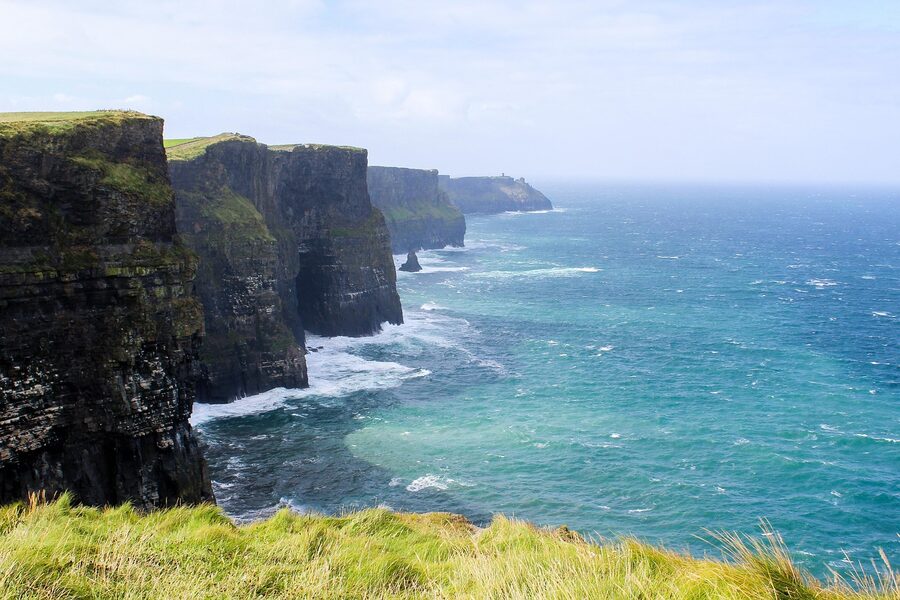
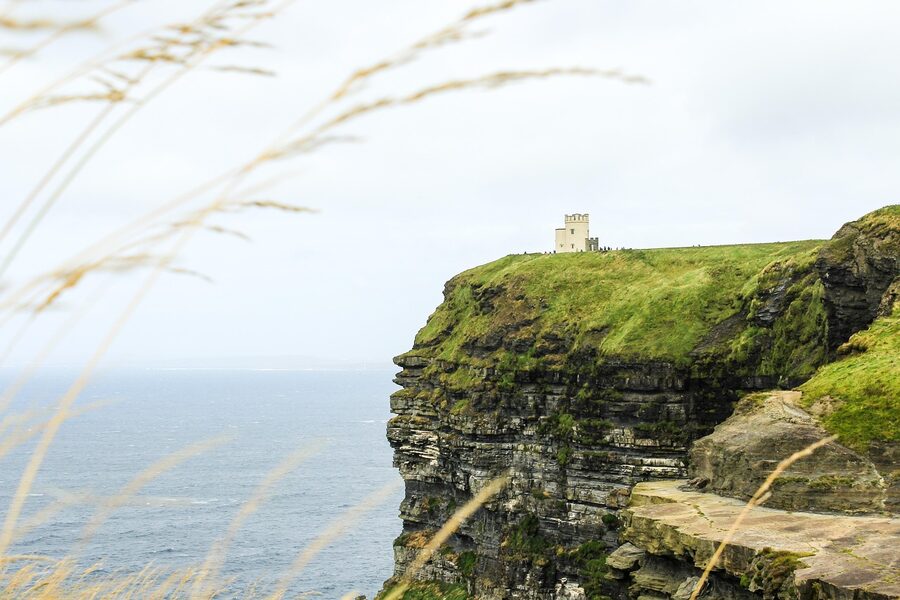
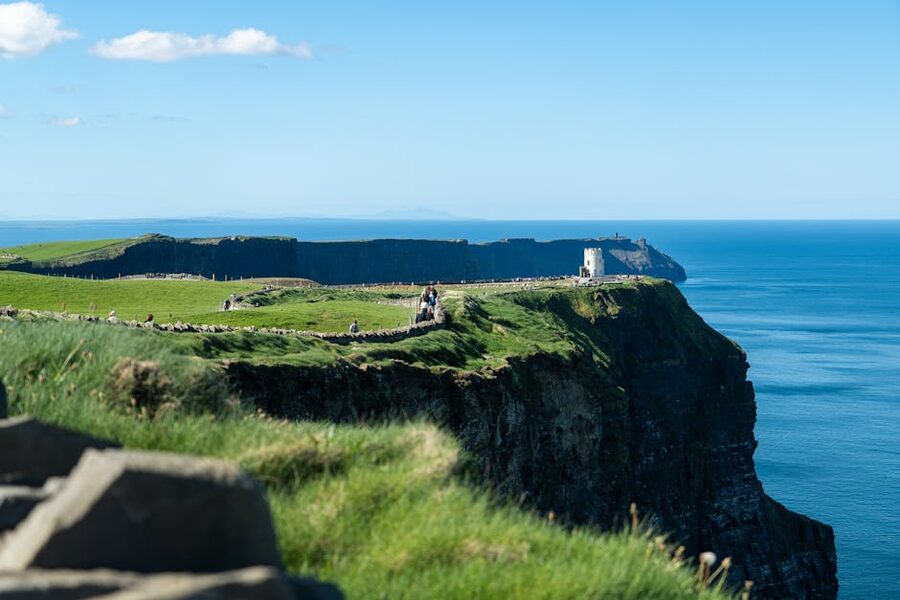
The cliffs themselves run for about 8 kilometres along the County Clare coast. The visitor centre is at roughly the midpoint. From there you can walk north toward O’Brien’s Tower (about 800 metres on a paved path, wheelchair accessible) or south toward Hag’s Head (much longer, much wilder, almost no railings). Most tour stops give you enough time for the north walk and a quick south detour.
The Four Variant Days from Galway
Galway gives you more variety than Dublin does. From Dublin there’s basically one day: the long coach. From Galway you can pick the shape of your day based on what you actually care about.
Variant 1: Standard Full-Day Cliffs and Burren
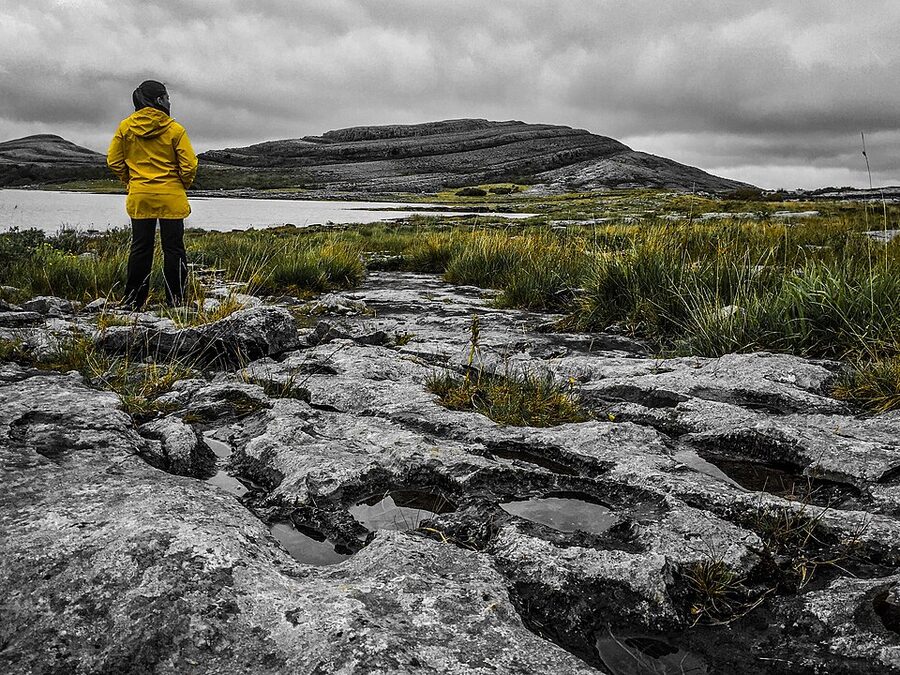
This is the default and what most people book. Eight hours, Galway → Burren → Cliffs → Galway with a few photo stops. About $57 to $65 per person depending on operator. Two hours at the cliffs, around forty-five minutes in the Burren proper, and time for a Doolin lunch stop.
Pick this if you want a balanced day with two big sights, you don’t already know the Burren, and you’d rather see one less thing well than three things in a hurry. The most-reviewed version on the market is our Wild Atlantic Way Day Tours pick, covered in detail below.
Variant 2: Full-Day with Doolin Village + Burren
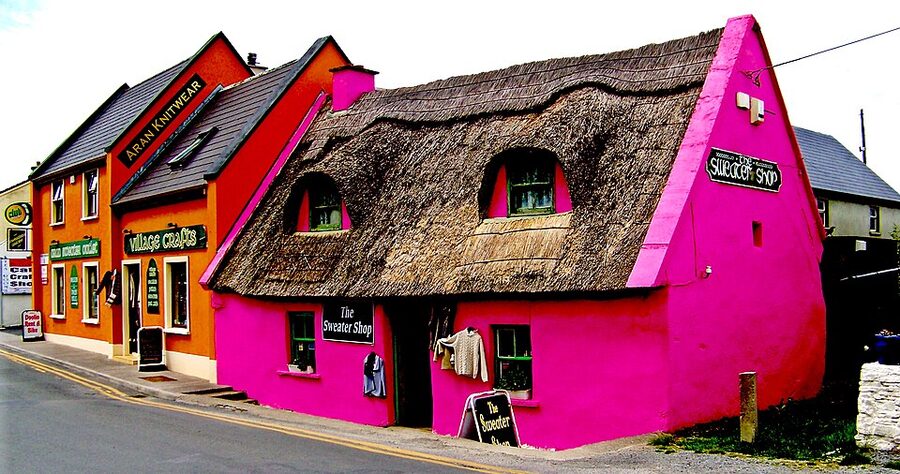
Some operators add a proper stop in Doolin village rather than just a lunch break in Lisdoonvarna. This matters if you care about traditional music. Doolin claims to be the trad capital of Ireland and they’re not wrong. You won’t get an evening session on a day tour, but a 75-minute lunchtime stop lets you walk the village, get a pint, and grab the kind of fish chowder that ruins all other fish chowders for you.
Pick this variant over the standard if you’re a music person or you want a slower day with one fewer destination. The version we like most is the Cliffs of Moher tour including Doolin Village, run by a small local operator with a 7-hour day.
Variant 3: Aran Islands Cruise Combo
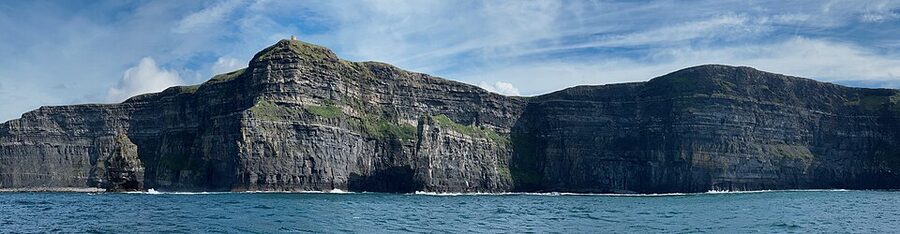
This is my favourite of the four. You get a coach down to Doolin, a ferry across to Inis Oírr (the smallest Aran), a few hours on the island, and a sea-level cruise back along the base of the cliffs. The cliffs from below are not the same place as the cliffs from above. From the boat you see the seabird colonies, the sea stacks, and the sheer scale of the rock face in a way the top can’t show you.
Trade-off: less time on the actual clifftop. You’ll get maybe an hour up there at most, and some versions skip the top entirely. If this is your one day with the cliffs, you might miss the famous shot.
Variant 4: Connemara and Kylemore Abbey (the Other Direction)
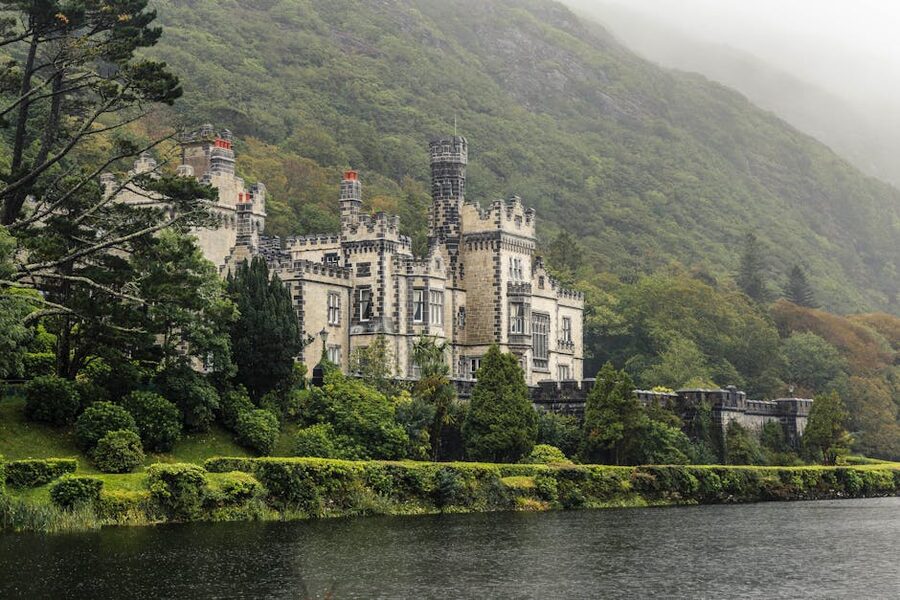
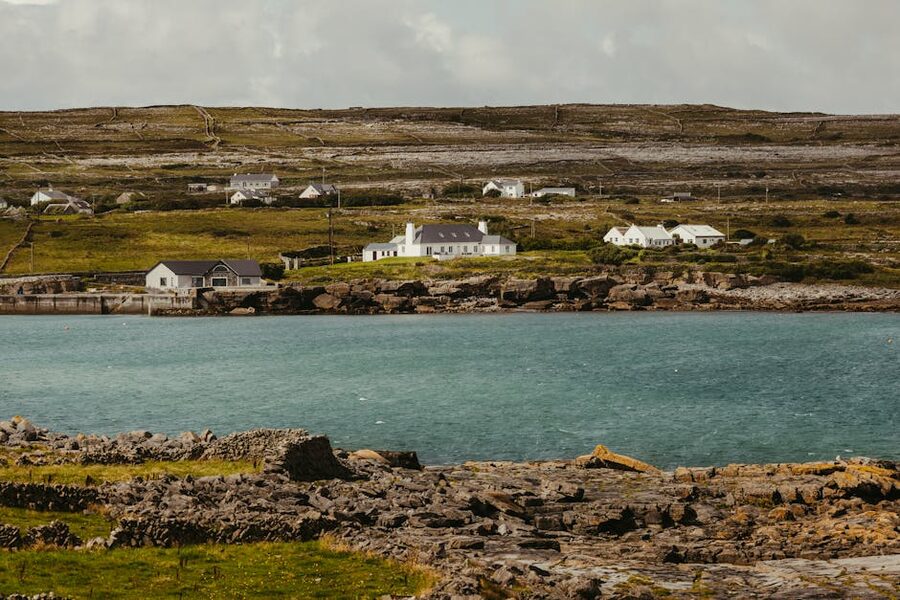
This isn’t a Cliffs trip but it’s the obvious other day from Galway. Connemara goes north into the mountains: Kylemore Abbey on the lake, Killary Fjord, and a stop in the village of Cong if you booked the right operator. Different scenery entirely. If you’re in Galway for two or three days, do the Cliffs one day and Connemara the next.
I’m including it because half the people I know who based themselves in Galway ended up doing both. The two days don’t compete, they pair.
The Three Tours I’d Actually Book
I’ve sorted these by what you’re trying to do, not by popularity. All three depart Galway, all three end at the cliffs, and all three are run by operators that have been doing this for at least a decade.
1. From Galway: Full-Day Cliffs of Moher and Burren Guided Tour: $57
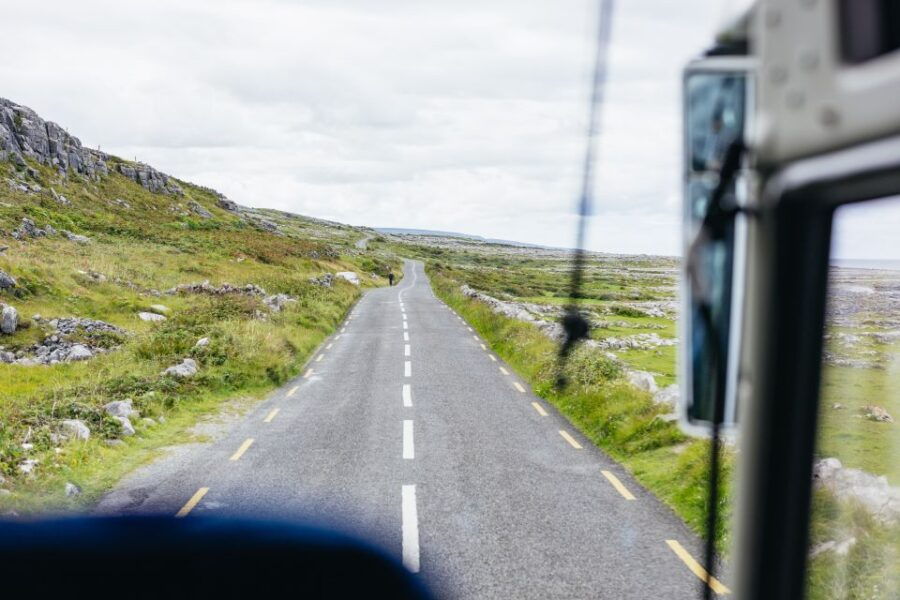
This is the most-booked Cliffs tour out of Galway and the one I’d send my parents on. The pace is gentle, the guides are working drivers who know the back roads, and the price is fair for what you get. Our full review covers what’s actually at each stop and where the lunch options are.
2. From Galway: Aran Islands and Cliffs of Moher Tour and Cruise: $91
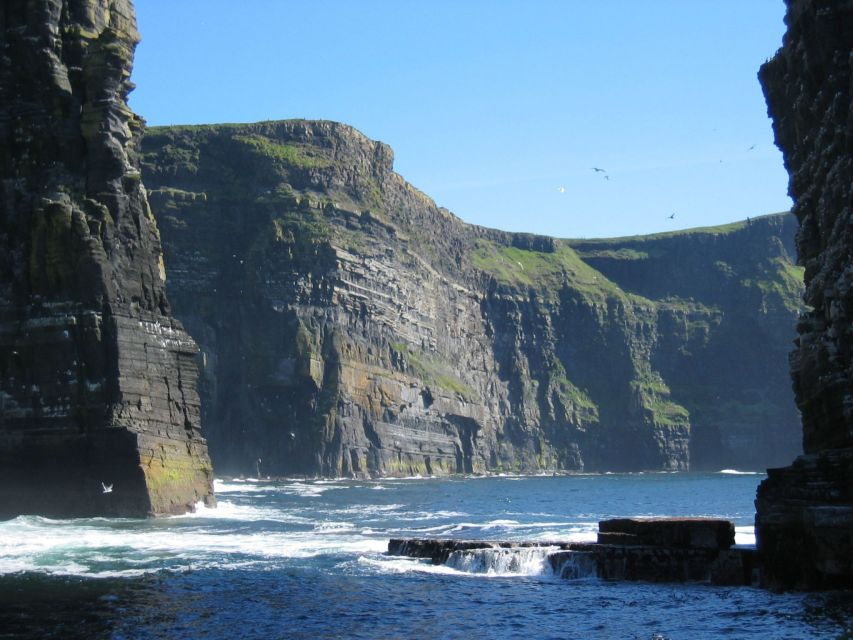
The most expensive of the three but worth it if you only have one day on the Wild Atlantic Way. You get the islands and both views of the cliffs in one go, with a pub-lunch stop on Inis Oírr. The full review goes into the timing and what to bring on the boat.
3. From Galway: Cliffs of Moher and the Burren Guided Day Trip: $62
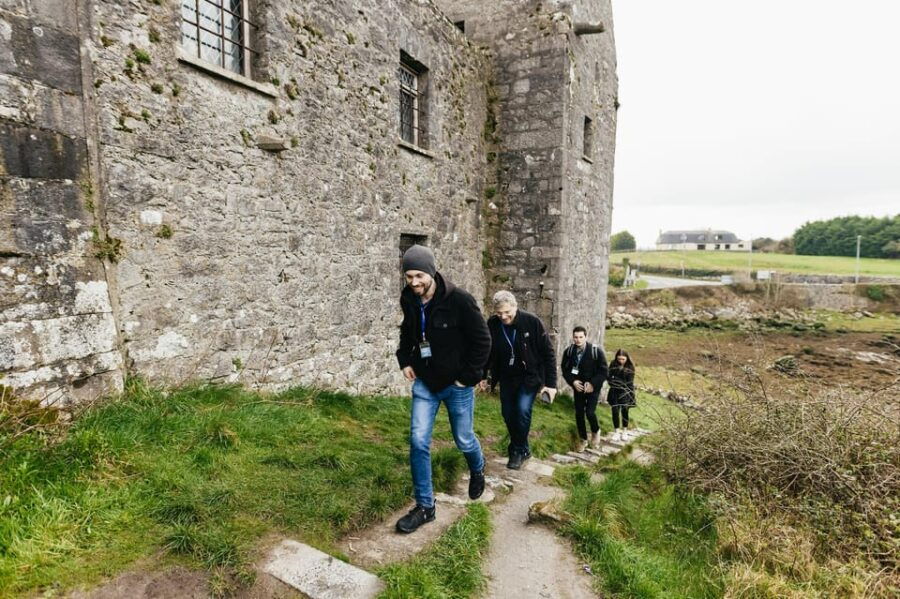
Run by Galway Tour Company, this is the option for people who want a bit more time at the cliffs and a structured Doolin lunch break. The trade-off is an 8.5-hour day rather than 8, but the extra time is mostly at the cliffs themselves. Read our full review for the comparison with the cheaper option.
What the Cliffs Actually Look Like Up Close
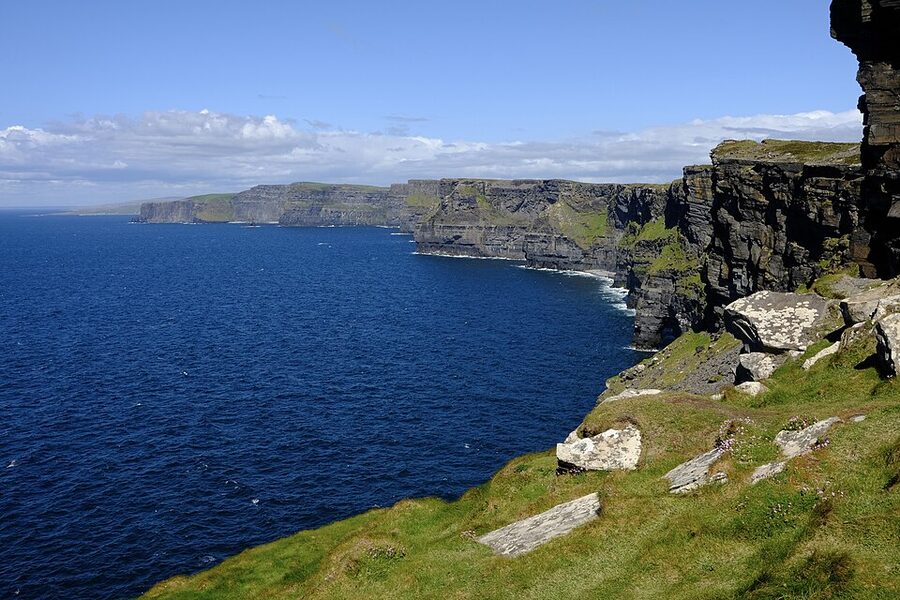
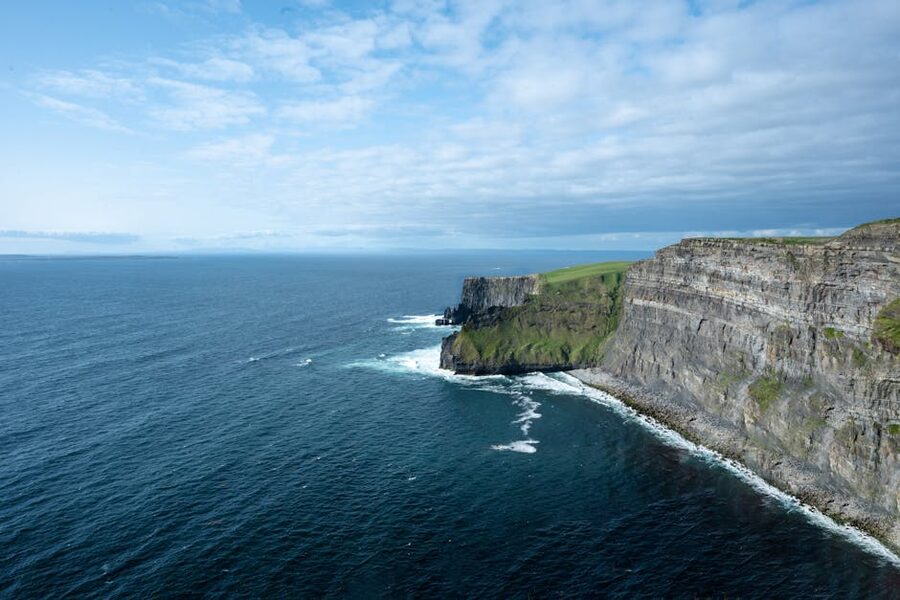
Numbers first. The cliffs rise to about 214 metres at their highest point (O’Brien’s Tower) and run roughly 8 kilometres along the County Clare coast. They’re 320 million years old. Together with the Burren they form a UNESCO Global Geopark.
What none of that prepares you for is the wind. It’s almost always blowing, often hard, and it changes direction every few minutes because of the cliff face. Hold onto hats. Don’t lean over walls. The official path is set back from the edge, and there’s a reason. The unofficial paths run right along the lip and they have killed people. Stay on the marked side.
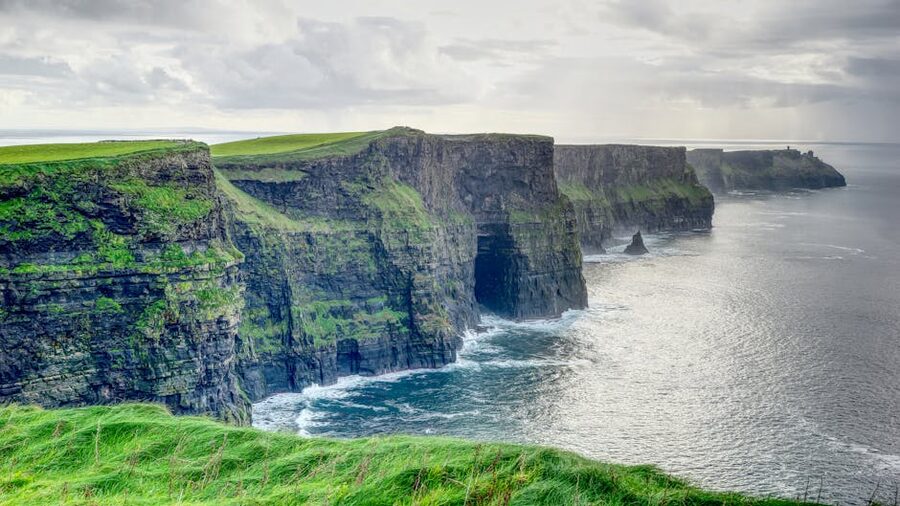
The other thing nobody mentions is the birds. Over 30,000 seabirds nest on the cliffs in summer. Puffins, guillemots, razorbills, kittiwakes. You hear them before you see them. There’s a constant low chatter from below the path that turns into a roar near the colonies. May to July is best for puffins. By September most of the seabirds have gone.
The Visitor Centre and What’s Actually Free
The visitor centre is built into the hillside so it doesn’t ruin the view from the path. Smart bit of design. Inside there’s an exhibition, a 4D Ledge Experience (skip it unless you have kids), a Puffins Nest café for sandwiches and a Cliffs View café upstairs for hot mains. The Cliffs View café does a beef and Guinness stew that’s better than what you’ll get in most Doolin pubs.
If your tour doesn’t include the entry fee, expect about €12 per adult. Most full-day Galway tours include it. The half-day express tours sometimes don’t, so check when booking. The car park is also part of that fee, which only matters if you’re driving yourself.
One small tip nobody puts in the brochures. The visitor centre desk lends out binoculars on a small deposit. If you forgot yours, ask. The puffin colony is too far to see properly with the naked eye.
What to Pack for a Cliffs Day
Pack light but pack right. The cliffs are cold and the wind makes them colder. Bring:
- A proper windproof jacket. Hoodie won’t cut it.
- Closed shoes with grip. The path can be wet even when it isn’t raining.
- A small bag for the visitor centre. Lockers exist but the queue is faff.
- A camera lanyard or wrist strap. The wind genuinely will rip a phone out of your hand.
What you don’t need: hiking boots, a thermos, anything you’d need for a real walk. The accessible path is paved and the wild path you probably won’t have time for anyway.
A Quick History Detour
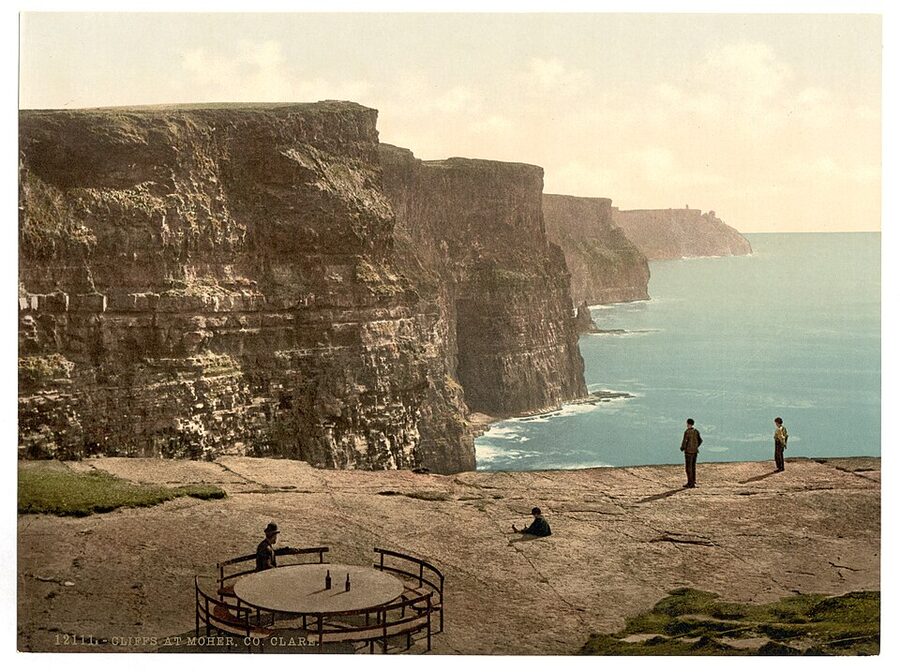
The cliffs have been a designated visitor site since 1835, when Sir Cornelius O’Brien built the round tower at the highest point. The story locals tell is that he built it to impress women. That may be true. It may also have been invented in a Doolin pub later. The tower charged a halfpenny to climb it then. It’s a euro now, which is a less impressive rate of inflation than you’d expect.
The other tower further south at Hag’s Head dates from the Napoleonic era. It was built as a watchtower in case of French invasion. The French never came, the tower stood, and now it’s a slightly creepy ruin you pass on the long walk south from the visitor centre.
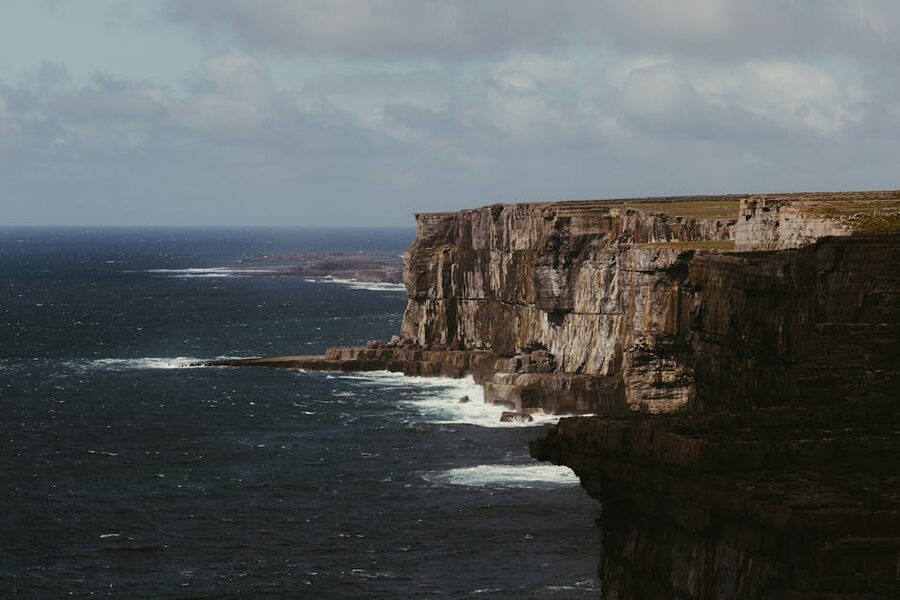
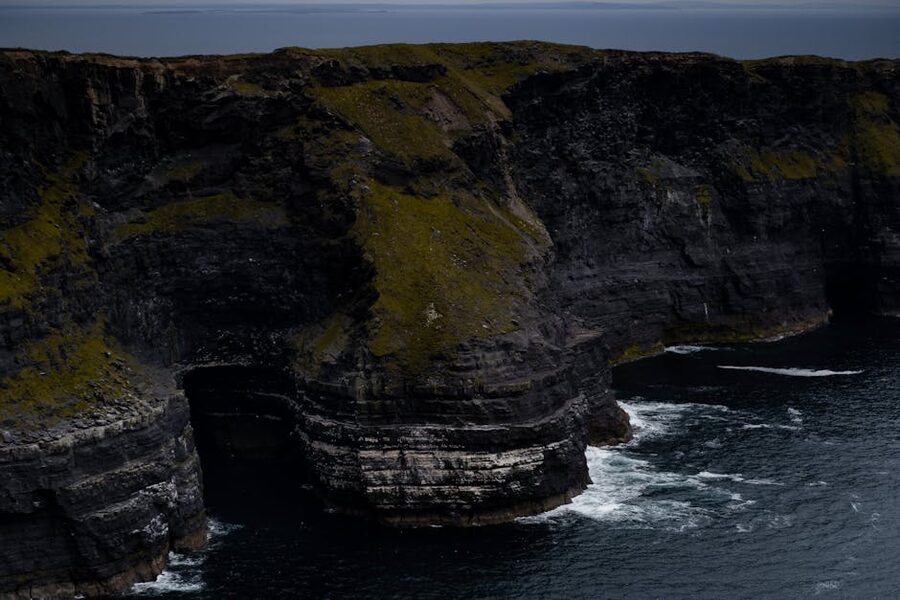
The cliffs themselves are far older than any of that. They formed about 320 million years ago when this part of Ireland was under a tropical sea. The horizontal banding you can see in the rock face is sandstone and shale layered up by river mouths during the Carboniferous period. Not a single bit of that history matters to the view, but it’s the kind of fact a guide will drop on the coach and you’ll be glad you nodded along.
If the Weather Is Truly Awful
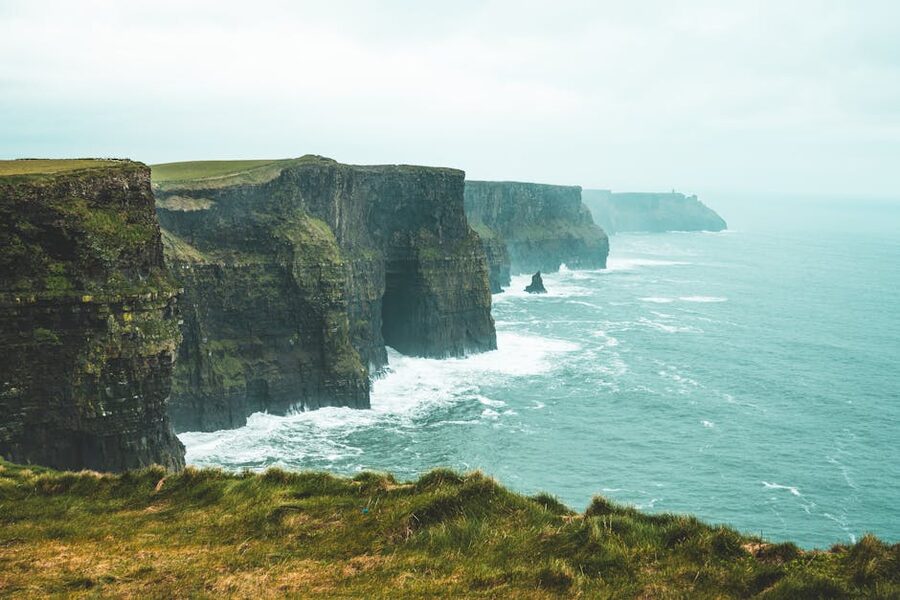
Some days the cliffs are in cloud. Total whiteout, can’t see the sea. It happens about one day in ten on average, more often in winter. If your tour day looks like that and you can move it, move it. The half-day express variant is the easiest one to swap because it has the most departures.
If you can’t move it, lean into the visitor centre. The 4D experience suddenly feels worth doing. The exhibitions are decent. Doolin pubs are full of people with the same problem and a session usually starts up by 1pm. The Aran cruise version becomes a non-starter (the boats won’t run in real swell), so check the day before if that’s what you booked.
The other option is to skip south and run a different day entirely. Some Galway operators will swap you to the Connemara/Kylemore route at the last minute if the Cliffs forecast is bad. Ask. They’d rather you come back happy than leave a sad review.
Adding the Aran Islands as a Separate Day
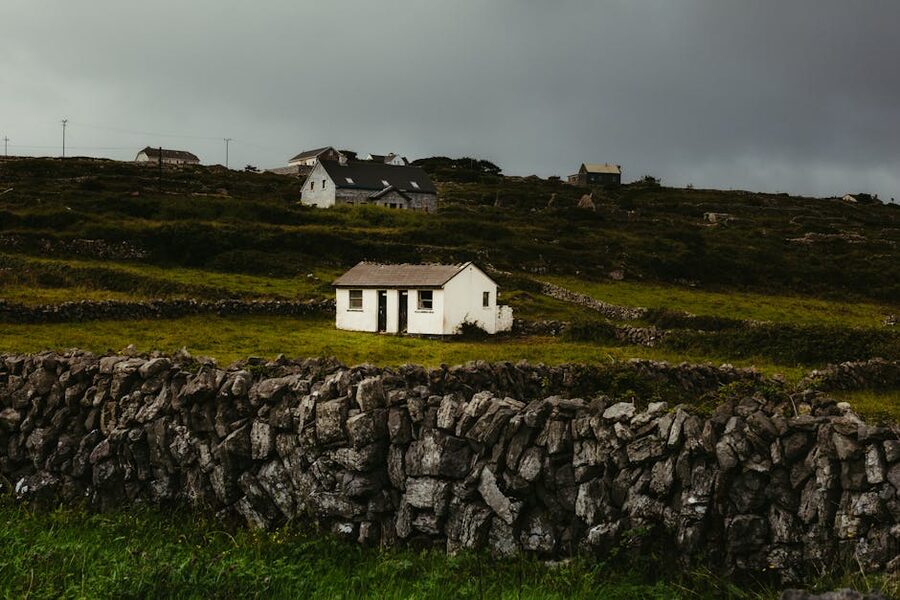
If you do the standard Cliffs day from Galway, you might want a separate day for the Aran Islands. Worth it. Inis Mór is the big one and has Dún Aonghasa, a 2,500-year-old fort sitting on a 100-metre cliff edge. There’s a separate Galway-based day cruise to the Aran Islands plus the Cliffs from sea that doesn’t require driving south at all. The boats leave from Galway docks themselves, not Doolin.
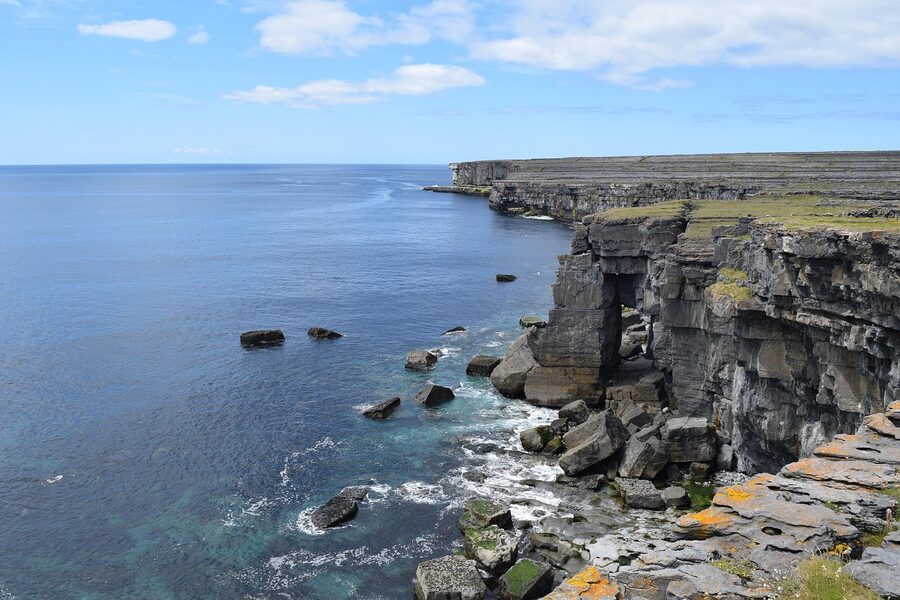
That said, doing the Cliffs and Aran on the same day is fine if you only have one day. The combo cruise we covered above does both. You just sacrifice depth for breadth.
Galway as a Base, Briefly
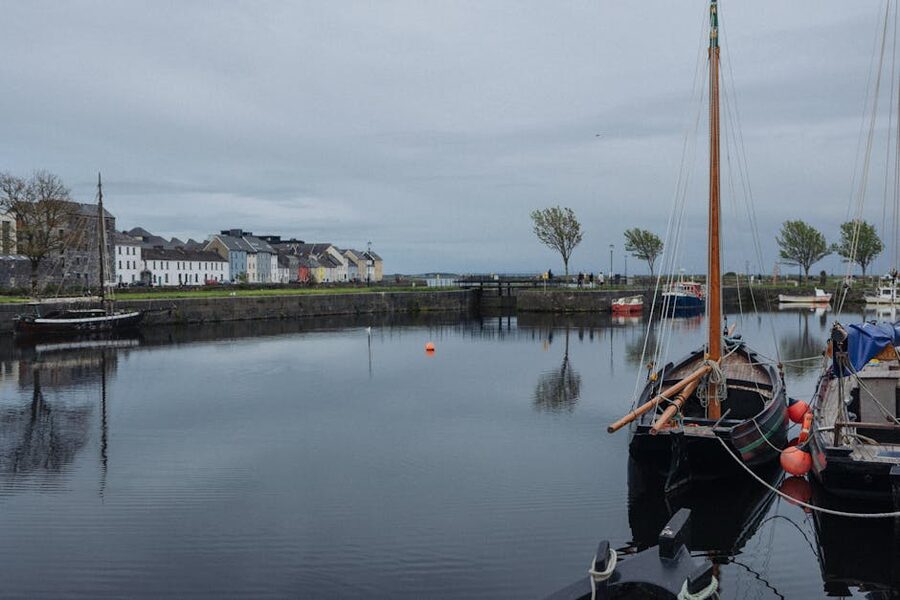
If you’re reading this and haven’t booked Galway yet, here’s what you need to know. The city is tiny by tourist standards, walkable end to end. Most tour pickups are around Eyre Square or Forster Street, both within ten minutes of the central hotels. If your hotel is on the west side past the cathedral, build in extra walking time.
For first-timers, our Welcome to Galway walking tour review is a useful primer for the night before. A two-hour walk with a local guide gets you oriented and tells you which pub has the best trad session that night, which is more useful than any printed guidebook.
One day is fine for the Cliffs. Two days lets you add Connemara. Three days is the sweet spot. Cliffs, Connemara, Aran Islands, and you don’t feel rushed.
The Burren Side Quest
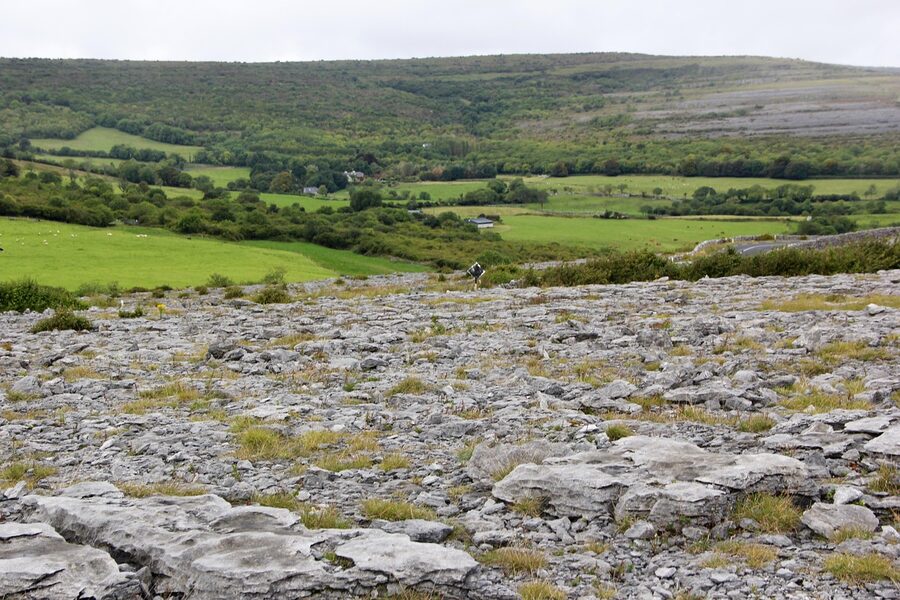
The Burren gets less attention than it deserves. It’s the limestone landscape between Galway and the cliffs and it’s geologically unique. The pavement is grey rock, cracked into rectangular slabs, with wildflowers growing in the gaps. Arctic, Mediterranean and Alpine plants share square metres because of the way the limestone holds heat.
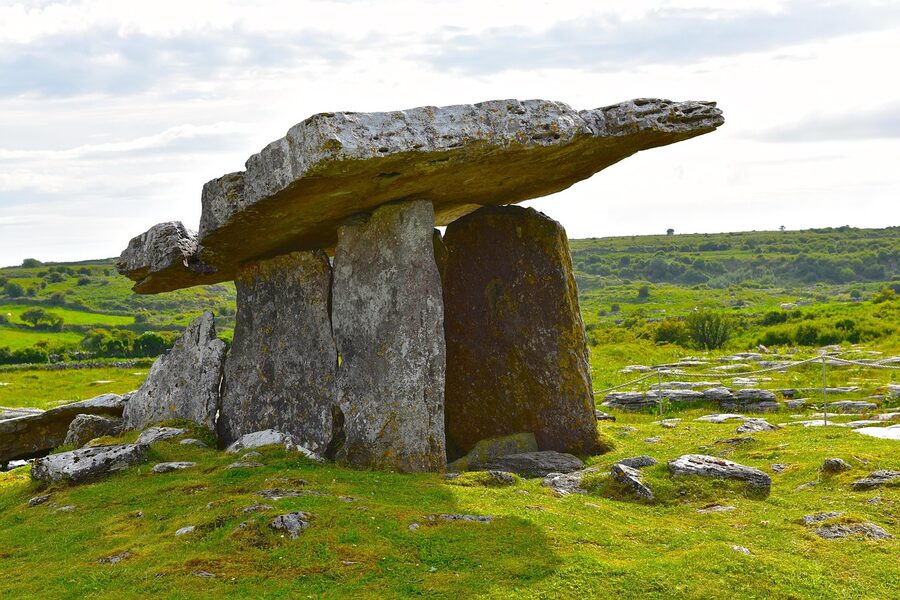
You’ll see Poulnabrone Dolmen on most full-day tours. It’s a portal tomb dating to around 3,800 BC. Older than Stonehenge by a thousand years. Standing next to a structure that old in a landscape this strange is the part of the day people don’t expect to remember and then it’s the bit they tell you about a year later.
Booking Logistics and Practical Bits
Most Galway tours can be cancelled up to 24 hours before. Check the GetYourGuide listing. The headline price is in dollars or euros depending on your IP, but the actual booking processes in euros. Add about 10% for the dollar-to-euro conversion if your card charges a fee.
Pickup is usually a meet-point rather than a hotel pickup. The big pickup spots in Galway are Forster Street (across from the bus station), Eyre Square (at the cannon), and the Tourist Office on Foster Street. Confirm yours the night before. The drivers don’t wait. These are tight schedules.
Pay attention to the operator name when booking. Wild Atlantic Way Day Tours, Galway Tour Company, Lally Tours and Paddy Wagon all run versions of the same day. They use slightly different routes and lunch stops. If you’ve got a preference for small group versus big coach, the booking page will say. Anything under 16 people is usually a Mercedes mid-coach. Anything over 30 is a full tour bus.
Why I’d Pick Galway Over Dublin Even on Day Three
I’ve done this day from both directions. The Dublin version is fine. It’s a long day on a coach but you’ll see the cliffs, you’ll get back to the city, and you’ll sleep well. The Galway version is just better. You arrive at the cliffs less wrecked, you have more time on the path, and you eat dinner in a city that feels a third of Dublin’s size.
If you’ve got even one extra night to spend in Galway, do it that way. Catch a train from Dublin Heuston (the train takes about two and a half hours) the day before, sleep in Galway, do the cliffs the next day. You can be back in Dublin the evening after. Total extra time over the day-trip-from-Dublin version: one night. Total extra cost: a Galway hotel night, around €120 in season.
More Ireland Trips Worth Booking
If the Cliffs of Moher is your big Ireland day from Galway, the natural pairing is a Connemara and Kylemore Abbey day the next morning, which heads in the opposite direction. Back in Dublin, the obvious cousin is the Dublin coach version we mentioned at the top, useful if you’re advising someone else who can’t get to Galway. And if you’ve got a third day, the Wicklow Mountains and Glendalough day from Dublin covers a totally different mood: monastery ruins, mountain lakes, and a much shorter coach ride.