
Monaco is smaller than New York’s Central Park. The whole principality squeezes into about two square kilometres, which is why a half-day tour from Nice can genuinely cover it. Add medieval Eze on the way and Monte-Carlo’s casino square at the end, and you’ve got the most photographed strip of coast in Europe ticked off before dinner.
- In a Hurry? Top Picks
- Why this combination works (and why you shouldn’t try it solo on day one)
- The full-day vs half-day call
- The three tours I’d actually recommend
- 1. Monaco, Monte-Carlo and Eze Village Small Group Half-Day Tour — .60
- 2. Monaco, Monte Carlo, Eze, La Turbie Full-Day Small-Group Tour — 1.26
- 3. From Nice: Full-Day Monaco, Monte-Carlo & Eze Tour — 2
- What you actually do in Eze
- Le Jardin Exotique d’Eze
- Fragonard perfumery — worth it or not?
- What you actually do in Monaco and Monte-Carlo
- Le Rocher and the Prince’s Palace
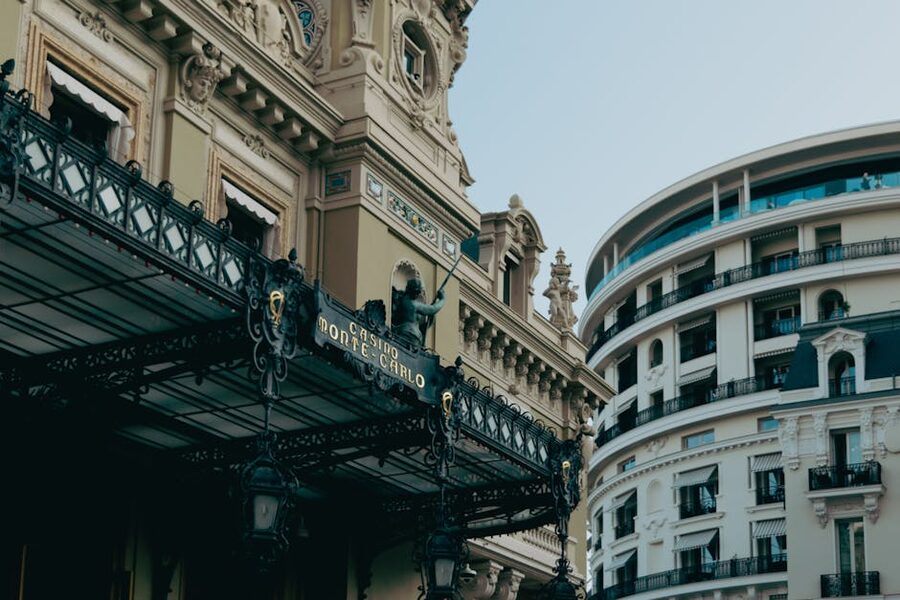
- Monte-Carlo Casino and Casino Square
- The bits guides skip but you can sneak off to
- Logistics — passports, money, dress code
- When to go (and when absolutely not)
- What to wear, what to bring
- How this tour fits into a longer Riviera trip
- Where to base yourself
- Common questions, short answers
- Round it out — more from the French coast
In a Hurry? Top Picks
- Best half-day option — Monaco, Monte-Carlo & Eze Small Group, $78.60. Five hours, three stops, small group. Check availability on Viator
- Best full day with La Turbie — Monaco, Monte Carlo, Eze, La Turbie, $111. Adds the Roman trophy above Monaco. Check availability on Viator
- Best for slow-pace travellers — Full-Day Monaco, Monte-Carlo & Eze, $132. Eight hours, more time at every stop. Check availability on GetYourGuide
Why this combination works (and why you shouldn’t try it solo on day one)
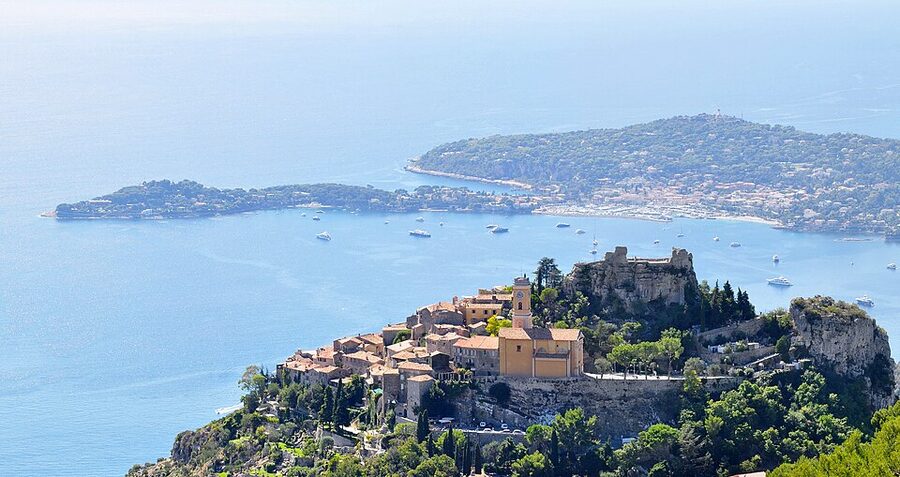
Eze, Monaco, and Monte-Carlo line up along the same 25-kilometre stretch of coast east of Nice. They’re connected by three roads carved into the cliffs — the Basse Corniche along the water, the Moyenne Corniche through Eze, and the Grande Corniche way up top with the views Hitchcock filmed for To Catch a Thief. A tour bus uses different corniches for the way out and back, so you essentially get two coastal drives for the price of one.
You can do all three independently. The train from Gare de Nice-Ville to Monaco runs every 30 minutes, costs about 5 euros, and gets you there in 25 minutes flat. Bus 82 from Nice Vauban climbs up to Eze village. So far so good.
The catch is the connecting leg. Bus 112 between Eze village and Monaco runs every two hours and gets cancelled for construction more often than I’d like. If you miss it you’re either walking the Nietzsche Path down to Eze-sur-Mer (45 minutes downhill, brutal back up) or paying 30-something euros for a taxi. A tour folds all of that into one minibus and you don’t have to think about it. That’s the whole pitch.
Self-guided also works fine if you’ve already had a couple of days in Nice and you’re confident with French timetables. Booking a hop-on-hop-off bus pass for Nice itself is a good warm-up — get your bearings and your transit confidence up before tackling the cross-border legs.
The full-day vs half-day call
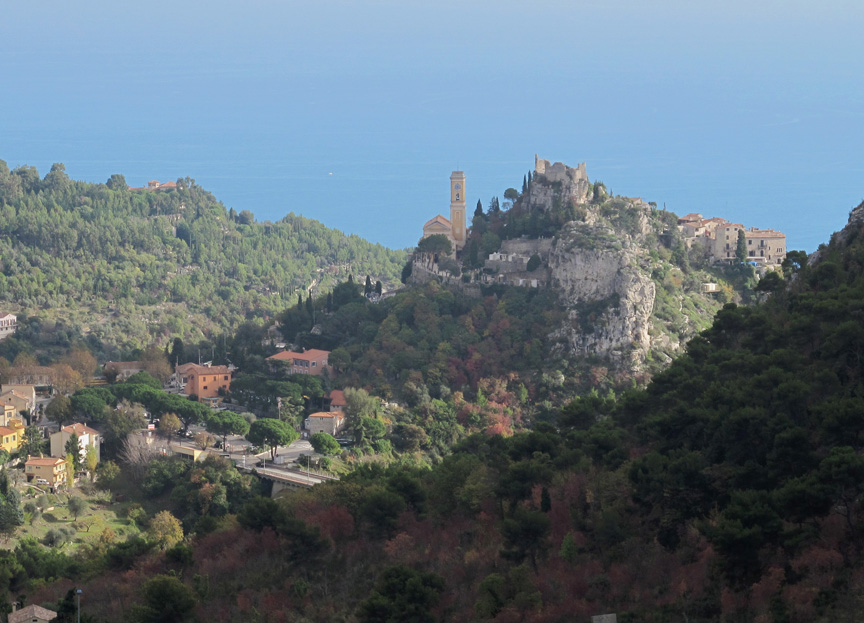
Half-day tours run roughly 13:00 to 18:00. You get about an hour in Eze, two hours in Monaco split across the rock and Monte-Carlo, and the rest is driving. It’s the right call if you’re tight on time, jet-lagged, or planning to spend the morning on Nice’s beach.
Full-day tours run 09:00 to 17:00 give or take. The extra time goes to longer stops, often a perfumery visit in Eze (Fragonard, usually), a stop in La Turbie at the Roman Trophy of Augustus, and enough time in Monaco to actually walk into the cathedral or queue for the casino. If you want to gamble or eat properly, take the full day. If you just want photos and a sense of the place, half-day is plenty.
I lean half-day for first-timers and full-day for repeat Riviera visitors. The most-booked half-day option sells out faster than the full-day equivalents, so book ahead in summer. The full-day equivalent is the one to grab if you’re travelling with someone who hates being rushed.
The three tours I’d actually recommend
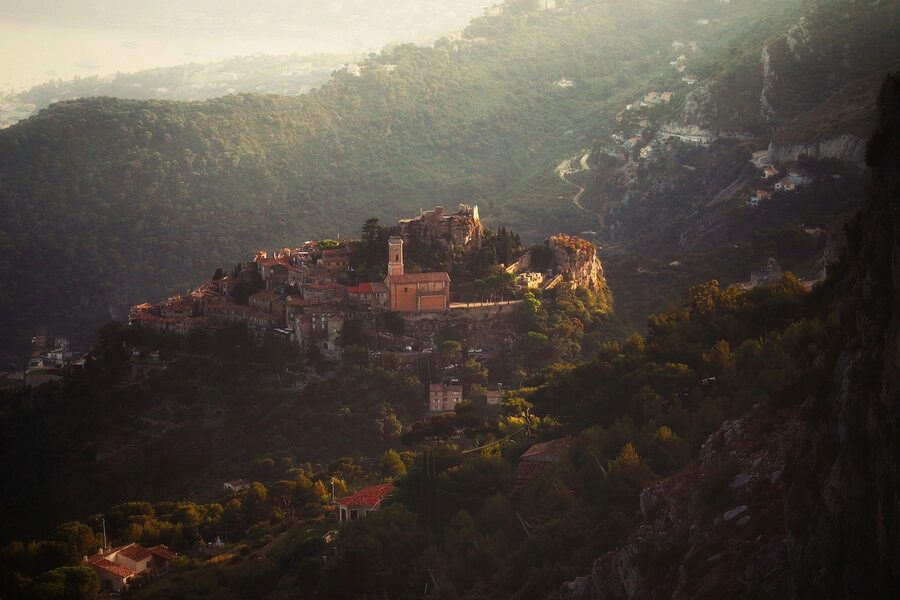
Hundreds of operators run this route from Nice and most of them are fine. These three stand out for different reasons. None of them are perfect — small-group means small-group politics if you get a bad mix of people — but the guides know what they’re doing and the routes are well-tuned.
1. Monaco, Monte-Carlo and Eze Village Small Group Half-Day Tour — $78.60
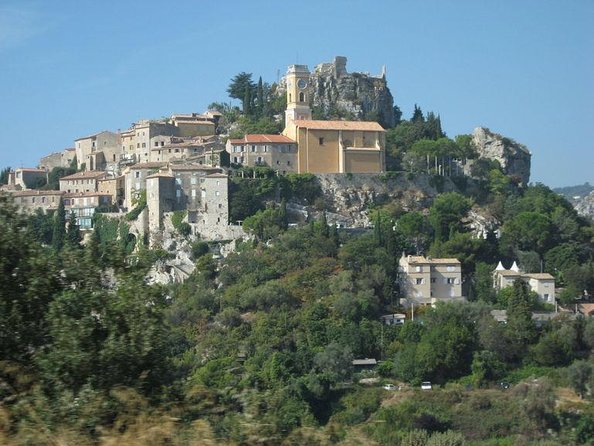
This is the most-booked option in the category and once you do it you understand why. Our review of the half-day small group tour goes deep on the guide rotation — you generally get an English-speaking driver-guide who’s been on this route for years. They drop you in Eze, give you a route up to the Jardin Exotique, then peel you off to Monaco for the casino square and Le Rocher. Five hours feels long enough.
2. Monaco, Monte Carlo, Eze, La Turbie Full-Day Small-Group Tour — $111.26
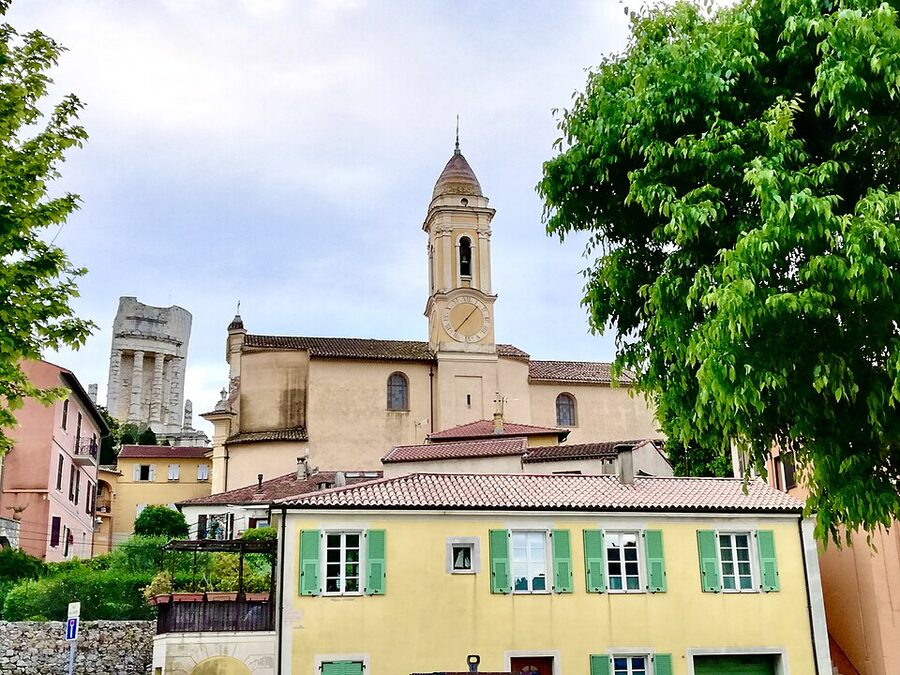
Seven hours, four stops, and the only one in this trio that actually visits La Turbie. The Roman trophy up there was built in 6 BC to mark Augustus’s conquest of the Alpine tribes, and the view down on Monaco is the one in every Riviera coffee table book. Our notes on the full-day La Turbie variant flag the lunch logistics — you’re left to find your own food in Monaco, which is fine if you’ve got 25 euros for a takeaway sandwich and irritating if you don’t.
3. From Nice: Full-Day Monaco, Monte-Carlo & Eze Tour — $132
The slowest of the three and the one you should pick if you don’t like being herded. Eight hours sounds like a lot until you realise driving eats nearly two of them. The full-day GetYourGuide review notes the bilingual commentary — English and French — which can feel slow but is great if you’re travelling with a French-speaking partner who’s bored of solo English tours. The price is higher because pickup is from your hotel rather than a meeting point.
If none of those fit your dates, two reliable backups are the small-group day trip with the perfumery visit baked in and the French-language version that often runs cheaper. The perfumery one is great if you want to split a bottle of something with your travel partner; the French-language version is about 25 euros less and totally fine if you can follow basic French commentary.
What you actually do in Eze
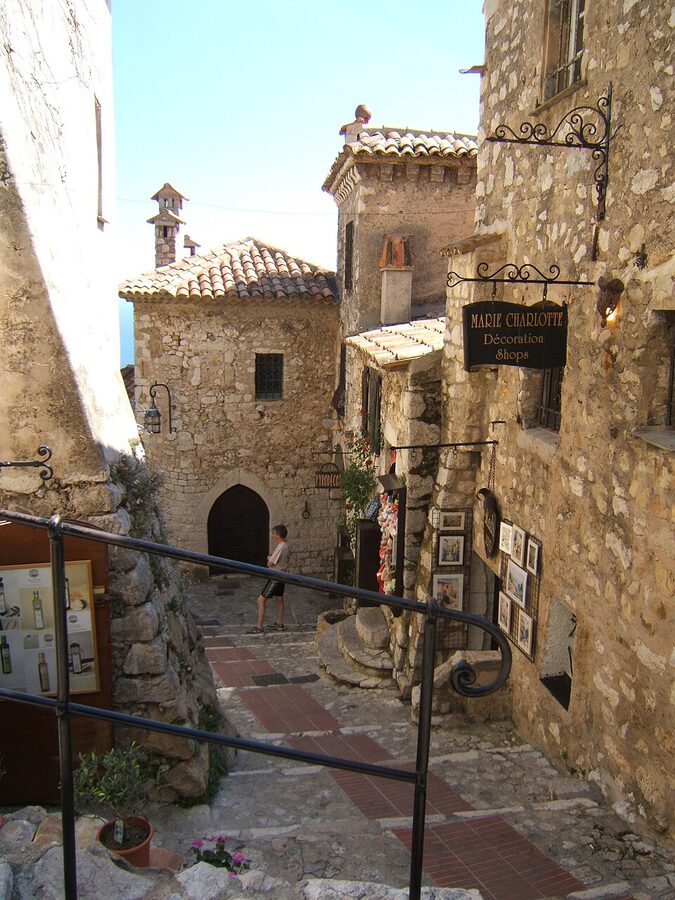
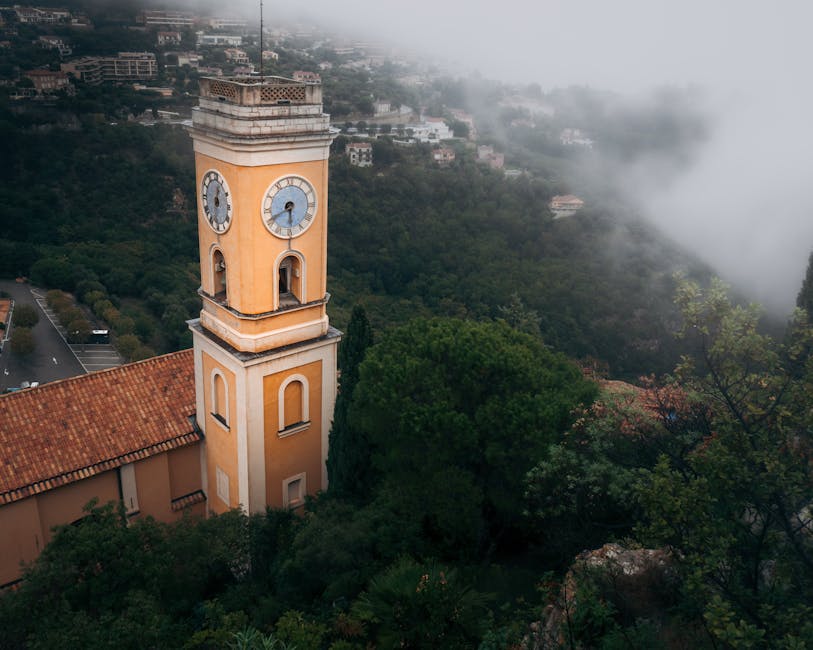
You start at the Place du Centenaire, the main entry to the medieval village. The pickup spot for tours is usually the small bus station here. From the gate you walk uphill — and it is genuinely uphill, the village climbs about 80 metres in 300 horizontal — past stone houses, hotel courtyards, and the kind of artisan shops that sell olive oil for forty euros a bottle.
The route most guides follow goes: Place du Centenaire, up past the Église Notre-Dame-de-l’Assomption, branching past the Château de la Chèvre d’Or hotel, and topping out at the Jardin Exotique. It’s about a 15-minute walk if you don’t stop, half an hour with photos.
Le Jardin Exotique d’Eze
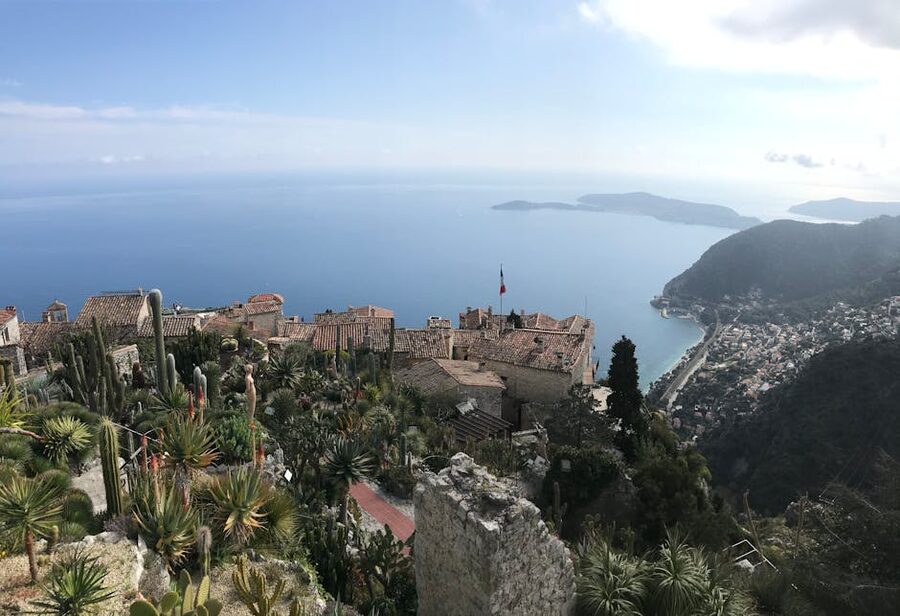
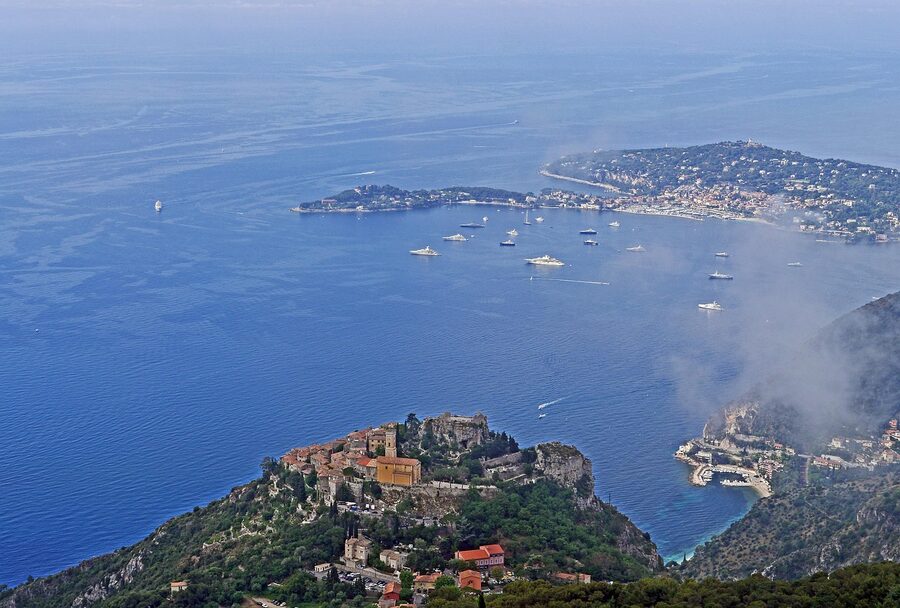
This is the bit worth paying for. Six euros to enter, and you’re walking on what used to be the village fortress — flattened in 1706 by Louis XIV’s troops and replanted in the 1940s as a cactus and succulent garden. The plants aren’t the point. The point is that you’re 429 metres above sea level looking straight down at the Mediterranean.
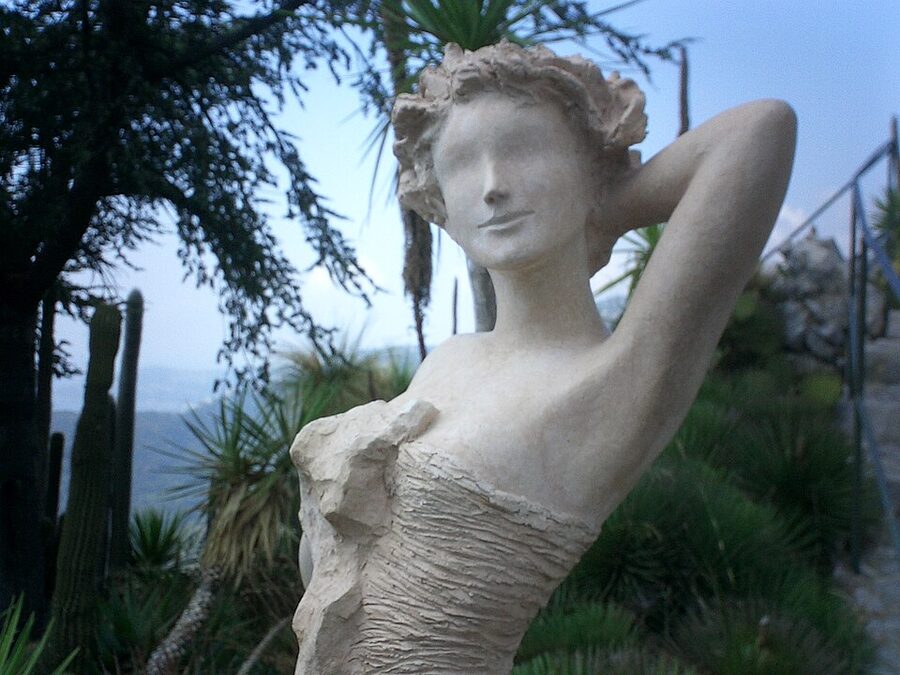
Sculptor Jean-Philippe Richard’s earth goddesses are scattered through the garden — bronze figures that catch the light differently every time you turn a corner. They’re not labelled and most visitors walk past without realising they’re a deliberate installation. Look for them.
Fragonard perfumery — worth it or not?
Most tours stop at the Fragonard perfume factory at the bottom of the village. Free entry, free tour, free sniffing of dozens of essential oils, and at the end you’re invited to buy a bottle. I won’t pretend it’s not commercial — it absolutely is — but the staff are friendly, the building is cool inside on hot days, and there’s no obligation to buy.
If you want to dig deeper into the actual chemistry, the standalone Fragonard perfume-making class lets you blend your own bottle. Forty-five minutes, 36 euros, and you walk out with something nobody else has. It’s not on most tour itineraries, so book it as an add-on if you’re keen.
What you actually do in Monaco and Monte-Carlo
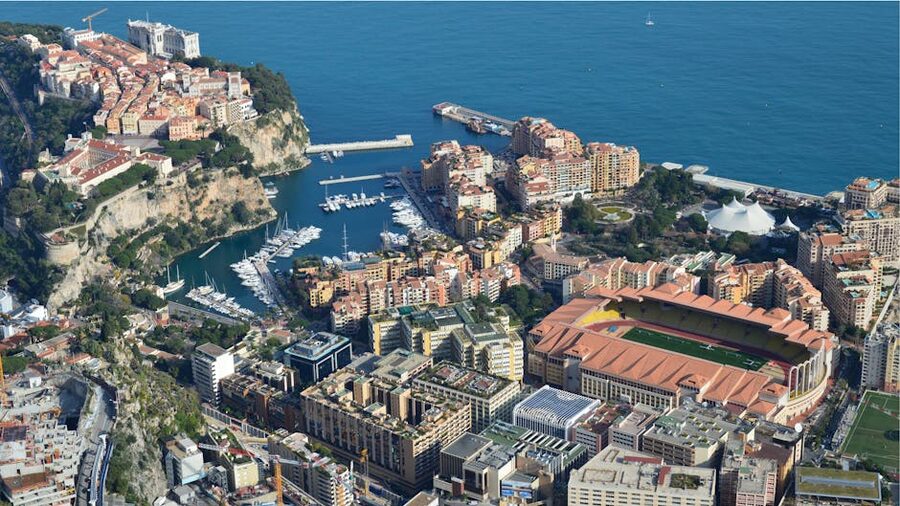
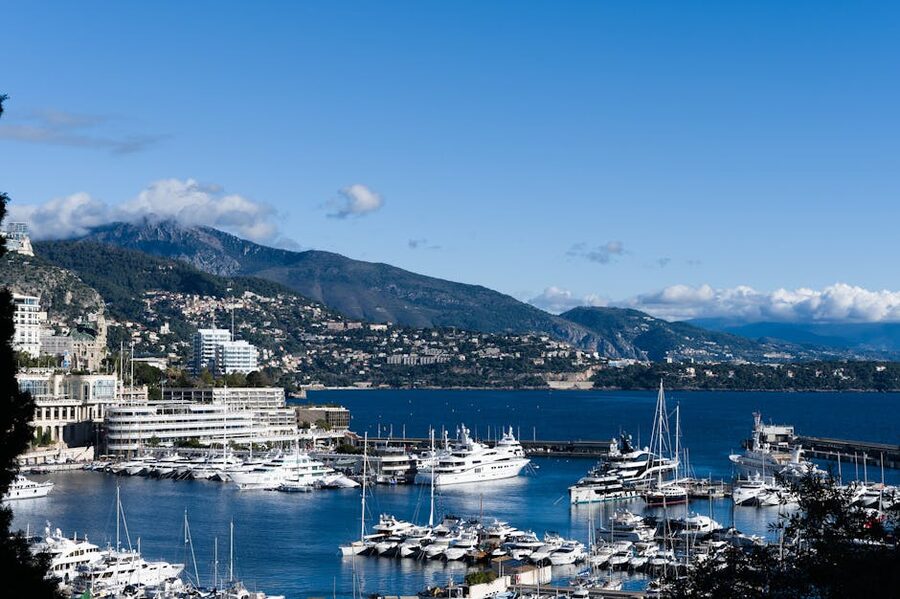
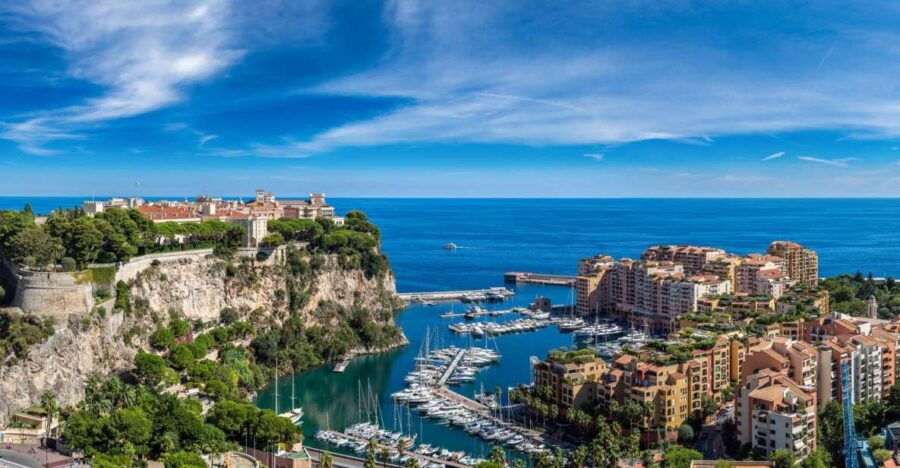
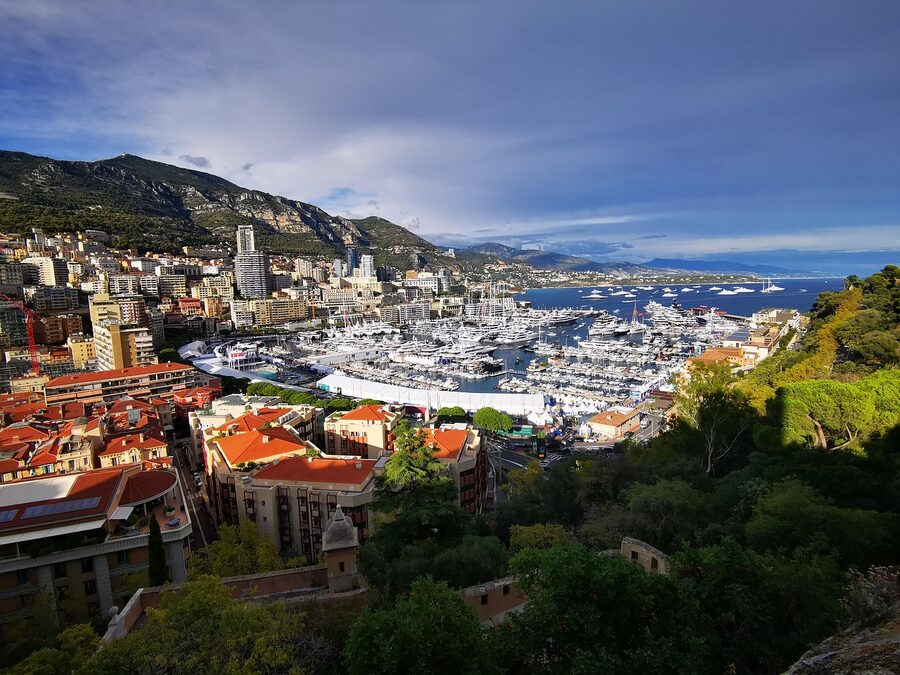
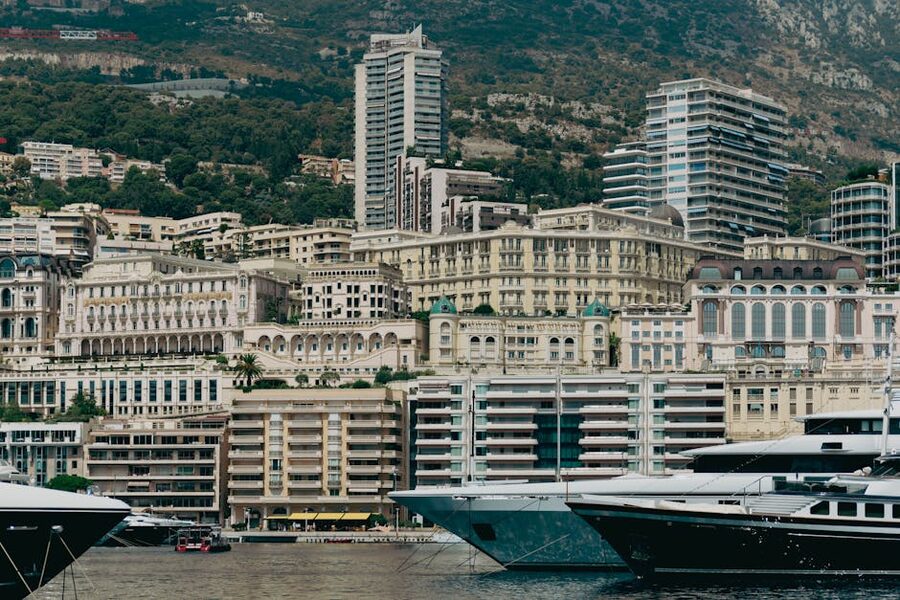
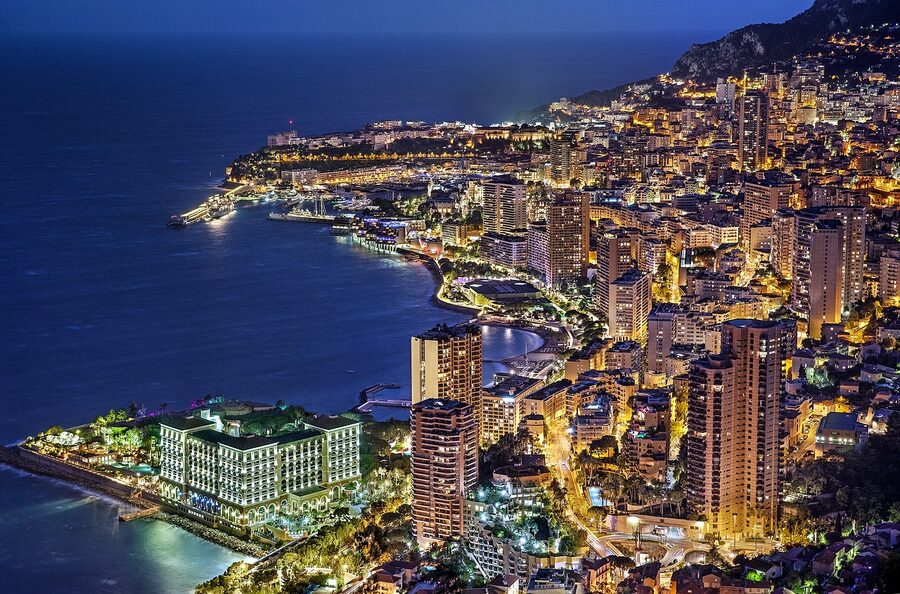
Monaco the country, Monte-Carlo the district. Most tour itineraries treat them as one continuous walk, which they basically are — you can stroll from the casino at the top of Monte-Carlo to Le Rocher at the bottom of Monaco-Ville in about 25 minutes. The only thing in the way is a steep hill, and there are public lifts for that.
Le Rocher and the Prince’s Palace
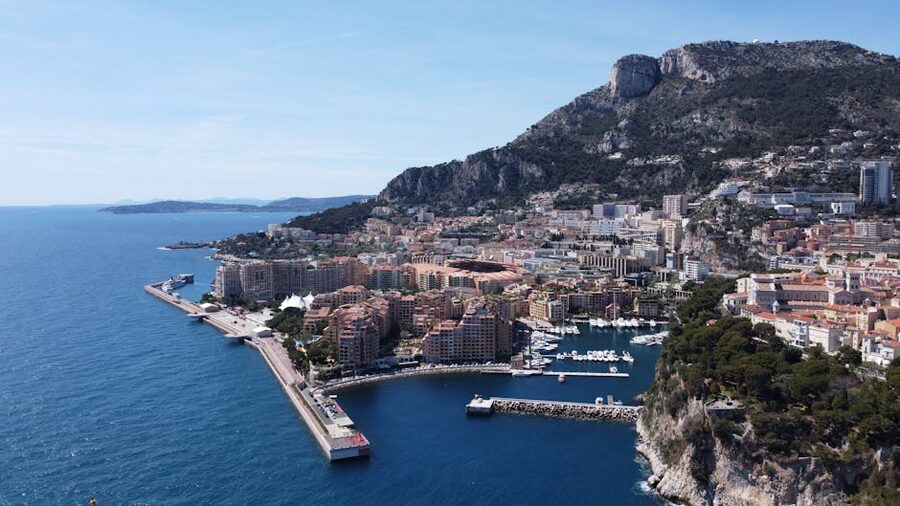
Le Rocher is the rock — Monaco’s old town, sitting on a promontory above the harbour. It’s where the Grimaldi family have ruled from since 1297, which makes it the longest-serving royal house in Europe. The palace square is the high point in every sense.
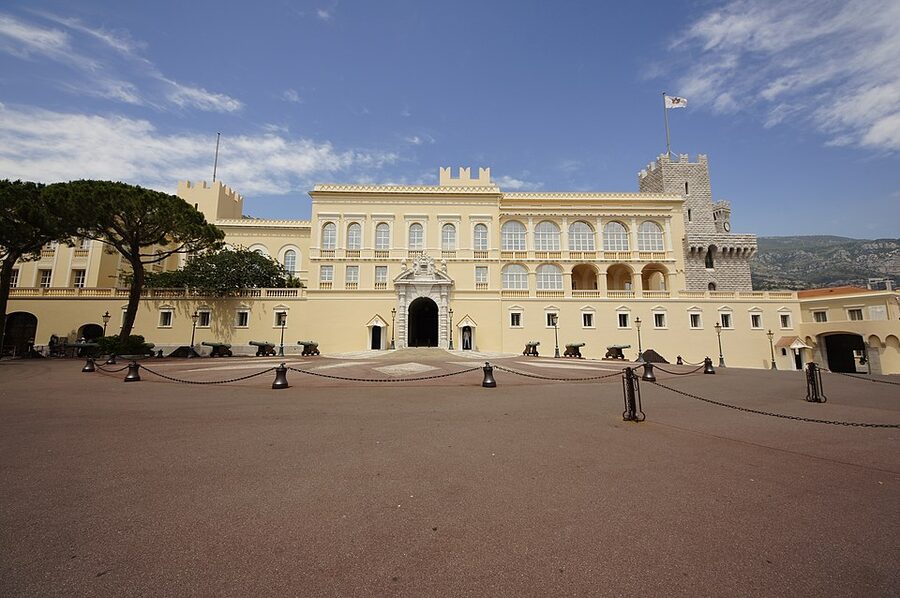
The palace interior is open to the public from spring through autumn — the State Apartments only, not the family wing — for about 10 euros. It closes during Grand Prix weekend in late May and during state functions, so check the official site if you’ve got a fixed date. Most half-day tours don’t include interior entry; you go for the views and the changing of the guard, which is gentler than you’d expect. The guards chat with each other between movements. Compared to Buckingham Palace it’s positively casual.
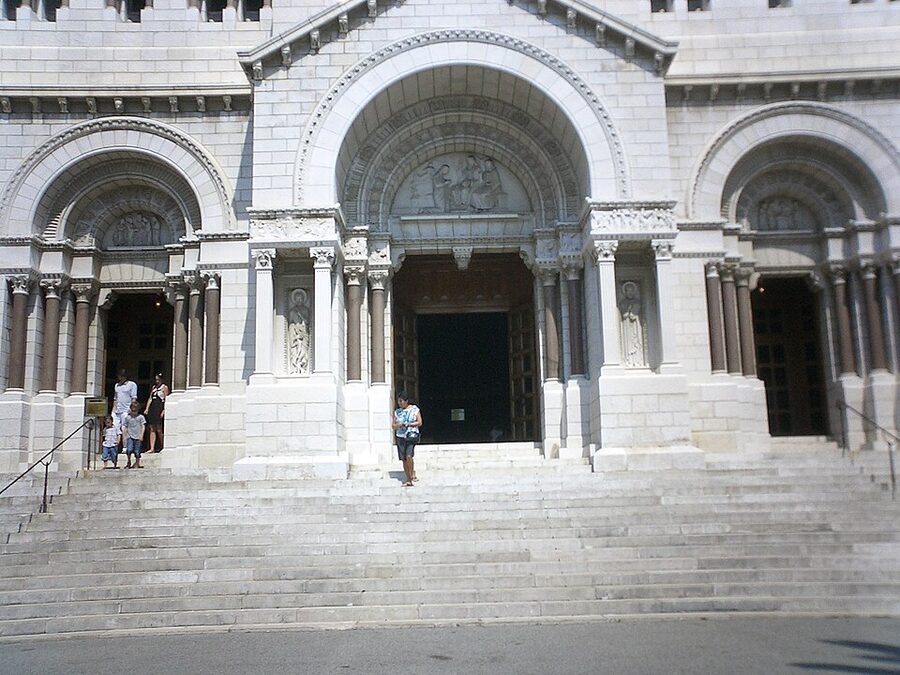
From the palace square, walk five minutes to the Cathédrale de Monaco. It’s the building where Princess Grace married Prince Rainier III in 1956, and where they’re both buried. There’s almost always a small crowd around Grace’s tomb — fresh flowers most days, often from visiting fans. The cathedral is free and stays cool in summer.
Monte-Carlo Casino and Casino Square
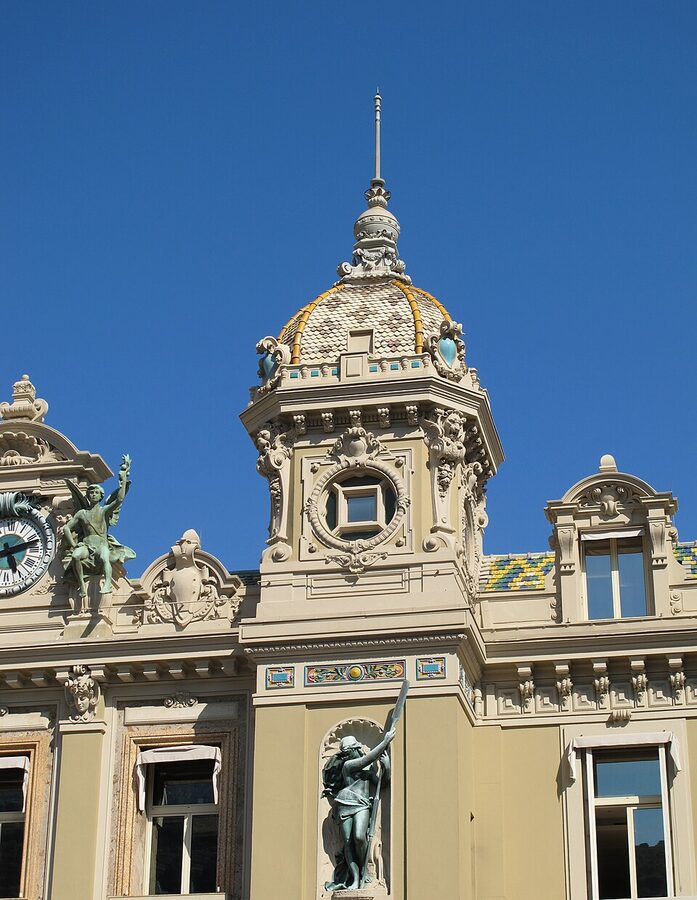
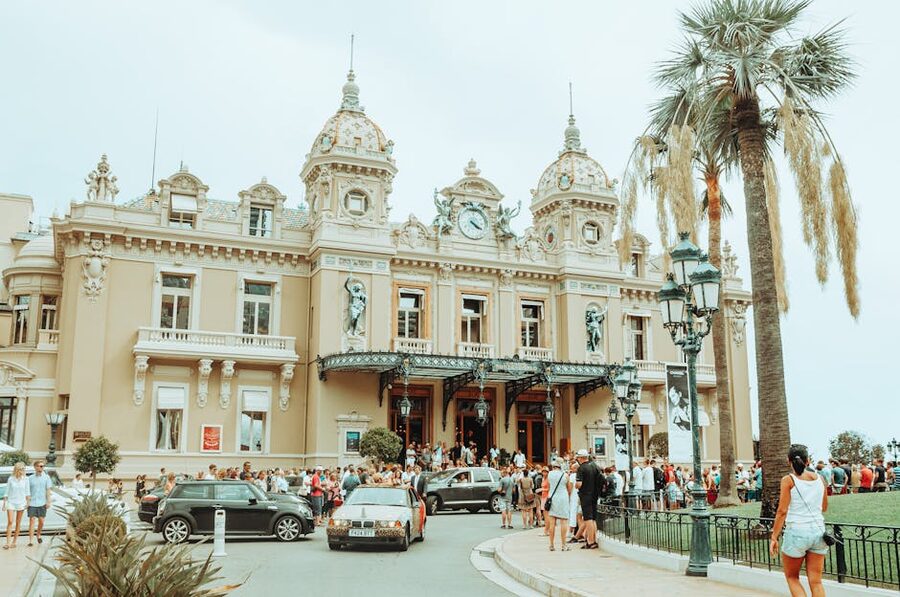
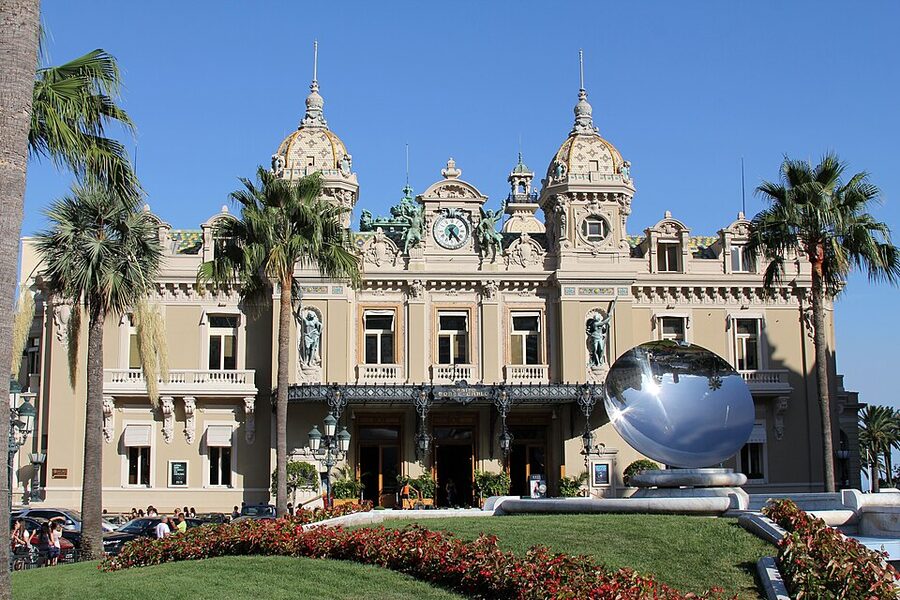
You don’t have to gamble to enjoy the casino square. Most tours park you here for 30 to 45 minutes, which is enough to walk around the square, take photos of the Bentleys and Rolls-Royces parked theatrically out front, and step into the atrium. Entry to the gaming rooms costs 18 euros and requires your passport — Monégasque citizens are banned from gambling here, so they check IDs at the door.
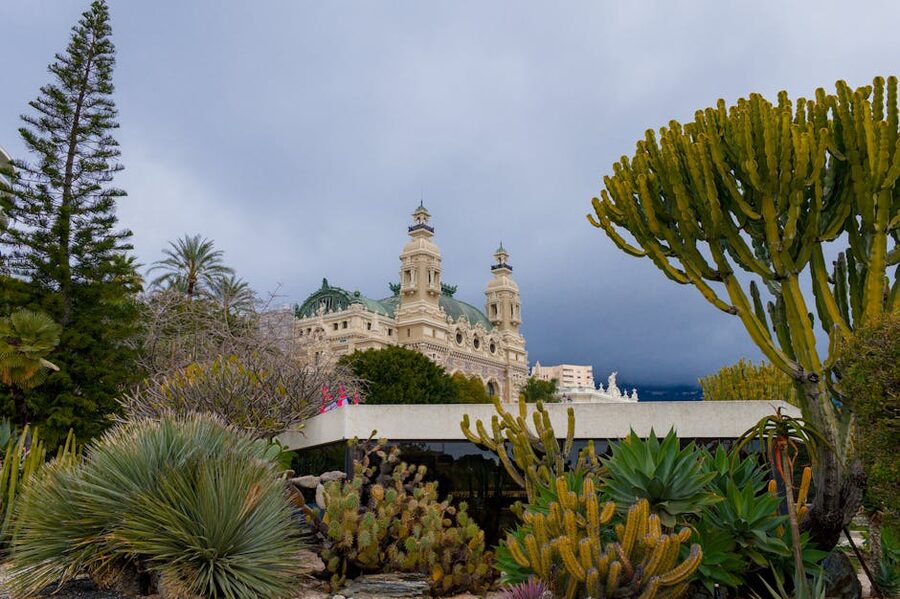
If you do want to go inside, do it late morning before the dress code tightens. After 14:00 some rooms require jacket and tie for men, closed shoes for everyone, and they enforce it. Trainers and shorts are turned away.
The bits guides skip but you can sneak off to
If your guide gives you free time in Monaco, use it for one of these. The Cars Collection of H.S.H. the Prince of Monaco sits down by the harbour, takes about 45 minutes to walk through, and contains roughly a hundred classic cars — Bugattis, Ferraris, the lot — that Prince Rainier III collected over his lifetime. Eight euros entry. Most tour groups never go near it.
La Condamine Market sits in the middle of the country, a flat walk from anywhere. Indoor food hall plus outdoor bistros. Lunch here costs about 15 euros for a proper meal, which in Monaco is a near-miracle. Truffle pizza, cheese plates, things that look extravagant and aren’t. If your tour leaves you with 90 minutes free between Le Rocher and the casino, walk here.
Logistics — passports, money, dress code
You don’t need a passport to cross from France into Monaco. The border is open and unmarked — you’ll only know you’ve crossed because the road signs change colour. Bring it anyway. You need it to enter the casino’s gaming rooms, and customs occasionally do spot checks at the train station.
Monaco uses the euro. Card works everywhere except a few of the older cafés. Tipping is optional but appreciated, and 5 to 10% is standard for a sit-down meal. The toilets in Casino Square are paid (50 cents); the ones in the public garden behind the cathedral are free.
Dress code in the principality is broadly relaxed during the day — shorts and trainers are fine in Le Rocher and the streets — but tightens in the casino, the cathedral, and most restaurants after 19:00. If you’re doing this as a day trip you’ll be in walking gear and that’s correct. The locals are not going to be impressed by your outfit either way.
When to go (and when absolutely not)
The single worst time to do this trip is Grand Prix weekend, which floats around the last weekend of May. Roads close, hotels triple in price, the palace shuts to visitors, and Monte-Carlo turns into a wall of barriers and grandstands. Some tours run modified itineraries that skip the closed sections; most just don’t run at all that weekend.
The best stretches are mid-April to mid-May, and mid-September to late October. Warm enough to wander without melting, cool enough that the casino square isn’t 35 degrees of reflected heat. July and August are doable but the queues at the cathedral and the palace square can wrap around twice. Eze in mid-summer is genuinely uncomfortable — black stone walls, no shade, midday sun bouncing off everything.
December has its own charm. Monaco does Christmas markets along the harbour and the casino lights up. Some tour operators run Christmas-themed half-day versions; the regular tours run year-round but with fewer departures.
What to wear, what to bring
Eze first. The village is built on uneven cobbles that get slick after rain and treacherous in heels. Trainers or sturdy sandals only. Avoid leather soles. The Jardin Exotique walk involves about 80 vertical metres of stone steps with no railings in places. If your knees are dodgy, skip it and stay in the village shops.
Sun protection in summer. There is genuinely no shade in either Eze’s garden or Monaco’s casino square between 11:00 and 16:00. Hat, sunglasses, sunscreen. A small water bottle from a Nice supermarket beats paying 4 euros for one in Monaco.
If you’ve got room in your bag, throw in a jumper or light jacket. The Mediterranean wind picks up in the late afternoon, especially around the harbour, and Monaco sits in a cold-air pocket between two cliff walls that funnels the breeze. I’ve been there in late June wearing a long-sleeve shirt and not regretted it.
How this tour fits into a longer Riviera trip
This is the headline day trip from Nice but it shouldn’t be the only thing you do on the coast. A full Riviera day tour from Nice covers Cannes, Antibes, and Saint-Paul-de-Vence on the western side — totally different feel, more medieval villages and less casino glamour. The two combine into a strong two-day Riviera bookend with Nice as your base.
For a half-day alternative on a different day, the one-hour sightseeing cruise to Villefranche Bay shows you the coastline you’ve been driving along, but from the water. It’s a useful contrast — you suddenly understand why the corniches were carved so high. The longer coastal cruise that runs all the way to Monaco is a slow alternative to the bus tour if you’d rather not be in a vehicle for half the day.
If you’re staying multiple nights and want to push further inland, the Gorges du Verdon and lavender fields trip heads two hours north into Provence proper — a different country, basically, from the coastal tours. Slot it on day three if you’ve got the time.
Where to base yourself
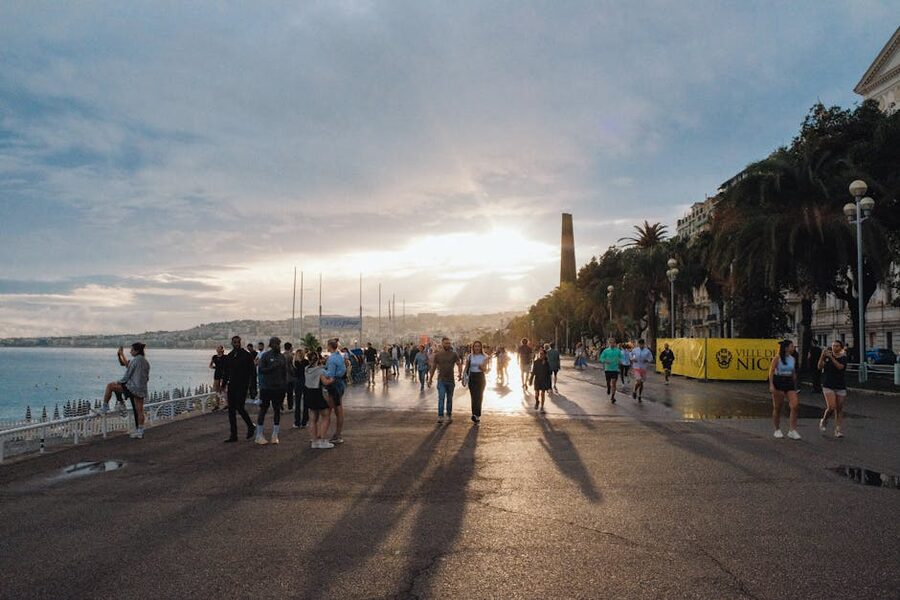
Nice is the natural base. It’s where the tours leave from, where the airport is, and where the trains run. You’ll want to be within 15 minutes’ walk of the Promenade des Anglais — most tours pick up on Place Masséna or near the train station, both of which are central. The Old Town (Vieux Nice) is atmospheric but the cobbles are a pain with luggage.
If you want to base in Monaco itself for one night to see the place light up, prices are roughly double Nice for equivalent quality. The Fairmont and the Hermitage are the two iconic options; both are within a five-minute walk of the casino. Cheaper alternatives sit in La Condamine and Beausoleil — the latter is technically French and gets you across the border in 90 seconds on foot, with rooms at half the price.
Common questions, short answers
Can I see Monaco’s palace and the casino on the same day? Yes, easily. They’re 20 minutes apart on foot. Half-day tours hit both.
Is the half-day enough? If you just want to say you’ve been there and take photos, yes. If you want to gamble, eat, or visit interiors, take the full day.
Do tours include lunch? Almost never. Budget 15 to 25 euros for a sandwich-and-drink lunch in Monaco, more if you sit down.
Can I pick up in my hotel? Some operators offer hotel pickup in central Nice for a small fee. Check before booking — pickup zones are usually limited to the Old Town, Promenade des Anglais, and the train station area.
What language are the tours in? English mostly, often with French as a second language. A few operators offer Spanish, Italian, or Portuguese on request — book ahead and ask specifically.
Are kids welcome? Yes on every tour I’ve checked, though small-group operators sometimes set a minimum age (usually 5 or 6). The casino interior is over-18 only — kids wait outside.
Round it out — more from the French coast
If you’re stitching together a longer France trip and Nice is just one stop, look at how to plan a Louvre visit in Paris for the bookend on the other side of the country, or a day at Versailles if you fancy a different flavour of royal opulence to compare with the Grimaldis. A Loire Valley castles day from Paris is the rural French answer to the coastal glamour you’ll get on this Riviera run. And for travellers ending in Bordeaux, a wine-and-museum afternoon at the Cité du Vin closes the country out on a soft, generous note.