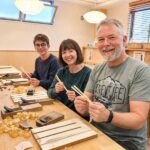
Kumiko turns small pieces of wood into a precise geometric design, held together without glue or nails. In this Asakusa class, you choose a pattern and assemble a coaster from prepared Japanese wood, then finish with matcha and traditional sweets.
I like two things in particular: you get to choose your design, and the work shows you how much care goes into Japanese woodworking. The matcha finale adds a quiet cultural moment rather than sending you straight back out the door.
One consideration: this is a focused craft class, not a broad tour of Asakusa. The listed starting price is US$50.45, and the session is best for you if you want time at a workbench and a small handmade keepsake.
- What to know before you book
- The appeal of making kumiko in Asakusa
- Choosing a pattern and finding your rhythm
- A small workshop, not a sightseeing circuit
- Matcha and sweets to close the session
- Is US.45 good value?
- Who will enjoy this class most
- Booking details worth checking
- Should you book the Asakusa kumiko class?
- FAQ
- Where does the kumiko class take place?
- How much does the class cost?
- Do I need woodworking experience?
- What age can take part?
- What is included in the experience?
- What time can I book?
- Can I cancel or change my booking?
- The Best Of Tokyo!
- More Tours in Tokyo
- More Tour Reviews in Tokyo
- Not for you? Here's more nearby things to do in Tokyo we have reviewed
What to know before you book
 1 / 4
 2 / 4
 3 / 4
 4 / 4
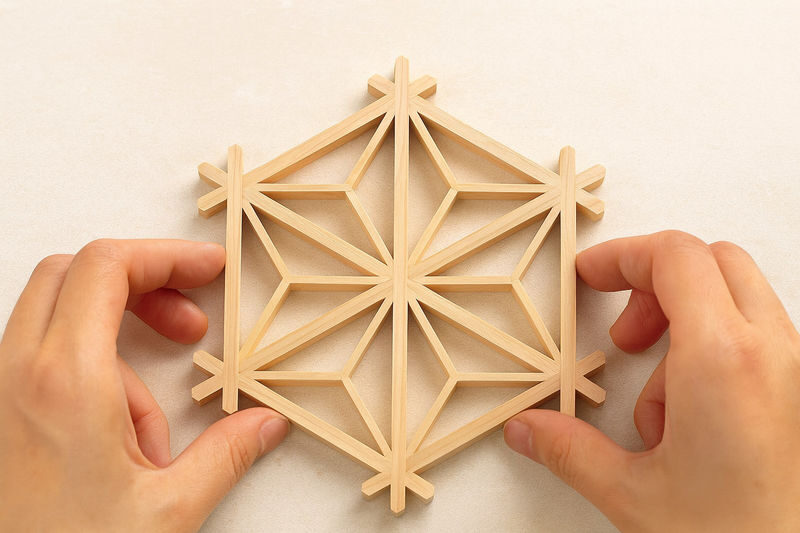
- Choose your own pattern: You can select the kumiko design you want to assemble, including a sesame or turtle pattern.
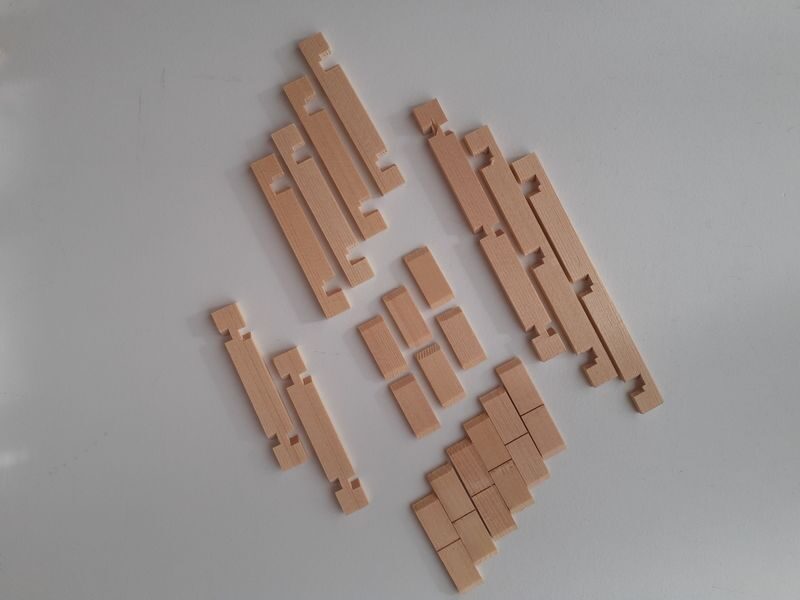
- Fit the wood by hand: The pieces are designed to lock together without glue or nails, so patience and a light touch matter.
- Use Japanese hinoki and cedar: The prepared wood gives you a direct feel for the materials at the heart of this craft.
- Expect close guidance: English-speaking staff are included. In one session, Naho greeted a participant downstairs, led them to the studio, and showed short introductory videos.
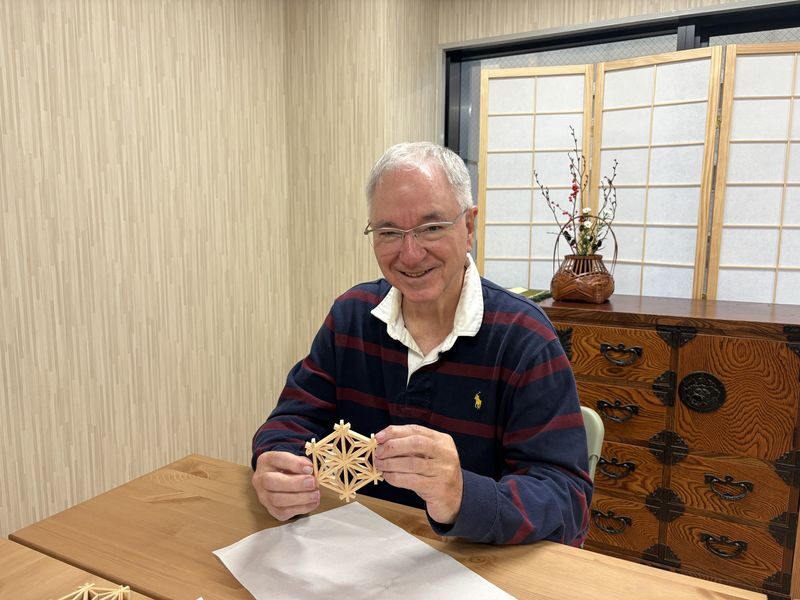
- Allow time for the craft: One participant took about 50 minutes to finish a turtle-pattern coaster. Your total visit also includes an introduction and a matcha-and-sweets finale.
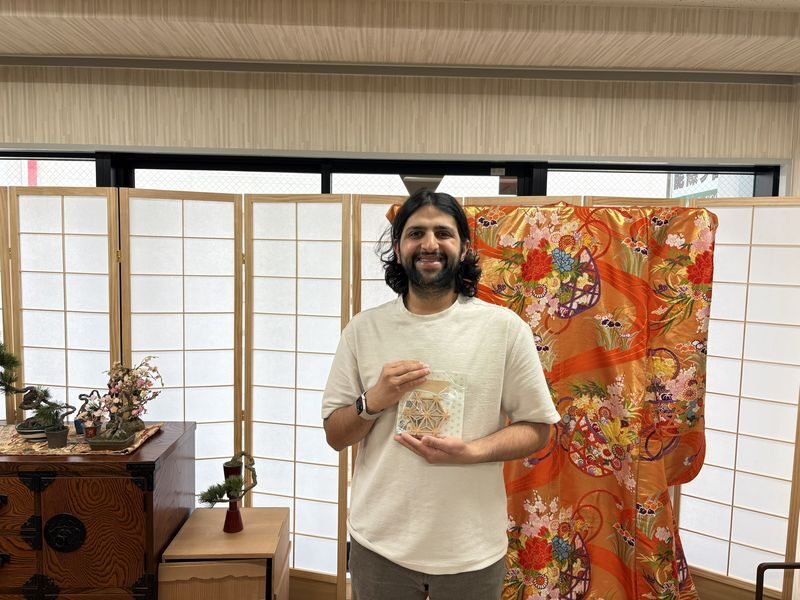
- Take home a handmade souvenir: Your completed piece is a useful coaster and a reminder of the careful work behind kumiko.

👉 See our pick of the 25 Best Guided Tours In Tokyo
The appeal of making kumiko in Asakusa
Kumiko is a traditional Japanese woodworking technique built around small, carefully shaped pieces fitted into geometric patterns. The appeal is easy to understand once you try it: the design looks delicate, but its strength comes from accuracy rather than glue or nails.
That makes this class more than a souvenir workshop. You get to feel how a pattern depends on each piece fitting just so. A participant described the small suspense of wondering whether a piece might break, followed by the satisfaction of getting it into place. That is the heart of the activity: not speed, but careful pressure and a little trial and error.
The studio uses prepared pieces of Japanese hinoki and cedar. Because skilled artisans prepare the wood, you can focus on assembling the design instead of cutting or shaping raw material. That also means you are seeing only one part of the craft. The class gives you a useful window into kumiko, not a full apprenticeship in woodworking.
I like this balance for a short cultural activity. You get hands-on work without needing prior experience, and the pieces are ready for beginners to handle. At the same time, the process hints at the skill required to produce the components and make the finished pattern fit.
You can also read our reviews of more tours and experiences in Tokyo.



Choosing a pattern and finding your rhythm
A choice of design gives the activity a personal touch. One participant chose a sesame or turtle pattern and finished the coaster in about 50 minutes. That is a helpful guide to the hands-on portion, though your pace may vary with the pattern you select and how quickly you get a feel for the joints.
The first few pieces may require patience. Kumiko depends on accurate fitting, so forcing a piece is not the point. You are better off taking a moment to understand how the parts align, then easing them into place. The process can feel delicate, but that is also what makes a successful fit satisfying.
You do not need prior experience, and the activity is described as safe for beginners. That makes it suitable if you are curious about Japanese craft but do not usually work with your hands. Children aged five and older pay the adult rate; children aged zero to four are free. The age policy does not specify other participation details, so check directly if you have a particular question about a young child joining in.
One useful detail from a class led by Naho: she greeted the participant downstairs, showed them to the studio, and played introductory videos about kumiko and the artisan who designed and made the class pieces. Naho’s name is worth knowing, but the available information does not promise that she will lead every session. The key point is that the class includes an introduction before you start fitting wood.
A small workshop, not a sightseeing circuit
The experience takes place at 5F A Sengoku Bldg., 2-chome-10-11 Kotobuki, in Tokyo’s Taito area. The address is also written in Japanese as 東京都台東区寿2-10-11 仙石ビル5階 A. It is a studio activity, not a guided route through temples or other Asakusa sights.
The booking offers start times from 10:00 in the morning through 17:00, with options at 10:00, 11:00, 13:00, 14:00, 15:00, 16:00, and 17:00. Return times vary according to the start time and the duration selected for the session. Check the time on your booking and arrive for that slot; the voucher is valid only for the specified date and time, if one is stated.
The address puts the class in a practical position for making it one part of a day in Tokyo, but the supplied details do not promise a transfer or a walking tour. Plan to reach the building yourself, and use the map provided with your booking if you need help locating the entrance. The class is on the fifth floor, so allow time to find the correct building and get upstairs.
Matcha and sweets to close the session
After the woodworking, you whisk your own matcha and enjoy it with traditional Japanese sweets. This is a fitting end to an activity focused on Japanese design: it slows the pace after the concentration of fitting each wooden piece.
The matcha portion is hands-on too, though the details do not specify the type of tea, sweets, or instruction. Think of it as a simple cultural finale, not a full tea ceremony. If you want a brief pause built into a day of sightseeing, this is a welcome feature. If your main reason for booking is an in-depth lesson in tea, the information here does not suggest that is the focus.
Having tea and sweets included also adds value beyond the coaster itself. You are not paying only for materials and a finished object; you get time with a craft and a small hospitality ritual in the same visit.
Is US$50.45 good value?
The package starts at US$50.45 per person. For that price, you get English-speaking staff, prepared hinoki and cedar pieces, guidance through a beginner-friendly craft, a finished coaster to take home, and matcha with traditional sweets.
The value depends on what you want from a Tokyo activity. If you enjoy making things and appreciate the chance to learn how a traditional technique works, the price is easier to justify than if you are mainly looking for a low-cost attraction or a long sightseeing tour. The coaster is small, but the point is the process: choosing a pattern and fitting the parts yourself.
There is no prior experience requirement, which keeps the class accessible even if woodworking is new to you. Still, it asks for attention and a gentle touch. You may find the fitting process satisfying; if you prefer activities that move quickly or involve less concentration, this may not be your best use of an hour.




Who will enjoy this class most
I would consider this class if you want an activity that gives your hands a job and offers a closer look at Japanese craft than a shop display can. It suits solo visitors, couples, and families with children old enough to take part, though the supplied information does not describe group size or child-specific instruction.
It is also a sensible choice if you want a souvenir that carries a story. A coaster is practical, and you will know how its pattern came together because you assembled it. The design choice helps make the finished object feel more personal than a standard purchase.
You might prefer another activity if your day is already packed or you are looking for a guided overview of Asakusa. The schedule is built around a studio visit, and the craft itself needs your attention. Treat it as a distinct stop, not a quick add-on between several distant sights.
Booking details worth checking
The experience includes English-speaking staff, but other personal expenses are not included. Present the mobile voucher at the studio, and make sure you book the start time you intend to attend. Confirmation is expected within minutes; contact customer support if it does not arrive.
Changes are allowed up to 24 hours before the activity, subject to the stated exceptions. A full refund is available if you cancel at least 24 hours before the activity date, using the destination’s local time. Late arrival or a missed session does not qualify for a refund. If extreme weather or another unforeseen event leads the operator to cancel, you can reschedule or request a full refund.
Should you book the Asakusa kumiko class?
Book it if you want a calm, hands-on introduction to Japanese woodworking and like the idea of taking home something you made yourself. The choice of pattern, the satisfying precision of the joints, and the matcha finale give the session a clear shape without requiring any previous skill.
Skip it if you want a broad Asakusa tour, a long workshop, or a detailed tea ceremony. For a focused craft stop at a starting price of US$50.45, though, this is a thoughtful way to spend part of a Tokyo day. Choose a time that leaves room to find the fifth-floor studio, and give yourself permission to take the fitting slowly.
Asakusa: Discover the Art of Kumiko Make Your Own Coaster
“Really enjoyed the class and could tell they were passionate about what they did. I liked being able to choose what design I wanted to build.”
FAQ
Where does the kumiko class take place?
It takes place at 5F A Sengoku Bldg., 2-chome-10-11 Kotobuki, Tokyo. The Japanese address is 東京都台東区寿2-10-11 仙石ビル5階 A.
How much does the class cost?
The package starts at US$50.45 for the kumiko coaster and matcha experience.
Do I need woodworking experience?
No. The activity is described as suitable for beginners, and no prior experience is needed.
What age can take part?
Children aged five and older are charged the same rate as adults. Children aged zero to four are free.
What is included in the experience?
The package includes English-speaking staff, the kumiko coaster activity, matcha you whisk yourself, and traditional Japanese sweets. Other personal expenses are not included.
What time can I book?
Available start times are 10:00, 11:00, 13:00, 14:00, 15:00, 16:00, and 17:00. Return times vary based on your selected start time and the activity duration.
Can I cancel or change my booking?
You can request a full refund if you cancel at least 24 hours before the activity date, in destination local time. Changes are allowed until 24 hours before the start, subject to the listed exceptions. Late arrival or failure to attend is not refundable.