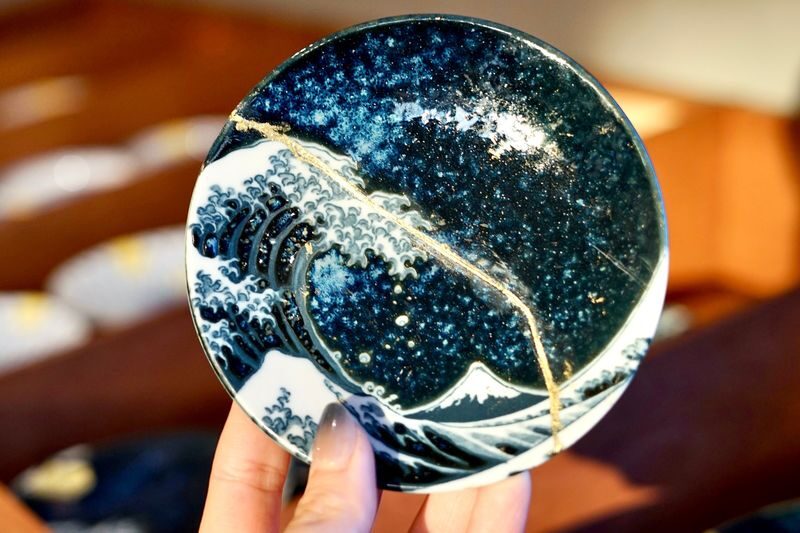
Kintsugi turns a crack into part of a piece’s story, tracing the break with gold instead of hiding it. I like that this Asakusa class pairs a hands-on craft with a simple introduction to the idea behind it, and that you leave with a plate you worked on yourself.
I also like the practical setup: English-speaking staff, tools and materials included, and a central location near two Asakusa stations. The main caveat is timing. The experience is described as one hour, but the schedule allows 90 minutes between departure and return, so leave room in your day and check your chosen slot.
- At a glance
- Gold seams and a different kind of Tokyo souvenir
- What happens at the 10th-floor studio
- Repairing the plate, step by step
- The meaning behind the gold
- Who is likely to enjoy it
- Is .29 a fair starting price?
- Practical details before you book
- Should you book the Asakusa Kintsugi class?
- FAQ
- How long does the workshop take?
- What is included in the price?
- Where is the meeting point?
- Do I need to bring anything?
- Can children take part?
- Can I pay in cash?
- The Best Of Tokyo!
- More Workshops & Classes in Tokyo
- More Tours in Tokyo
- More Tour Reviews in Tokyo
- Not for you? Here's more nearby things to do in Tokyo we have reviewed
At a glance
 1 / 9
 2 / 9
 3 / 9
 4 / 9
 5 / 9
 6 / 9
 7 / 9
 8 / 9
 9 / 9
- Gold turns the repair into the design: Learn to join ceramic pieces and highlight the seams with gold powder.
- One plate is included: You can choose a premium plate for an extra charge, so check the options before settling on the basic package.
- English-speaking instruction: Instructors including Hana, Lika, Koko, Ann, and Noemi have led sessions, though your teacher will depend on the day.
- A calm craft stop in Asakusa: The studio is on the 10th floor of the Asakusa Tosei Building, a short walk from Asakusa stations.
- Plan for more than the stated hour: The activity is listed as one hour, while the departure and return times are 90 minutes apart.
- A portable souvenir, with a practical question: You take home your finished piece, but the available information does not specify whether it is ready for food use.

👉 See our pick of the 25 Best Guided Tours In Tokyo
Gold seams and a different kind of Tokyo souvenir
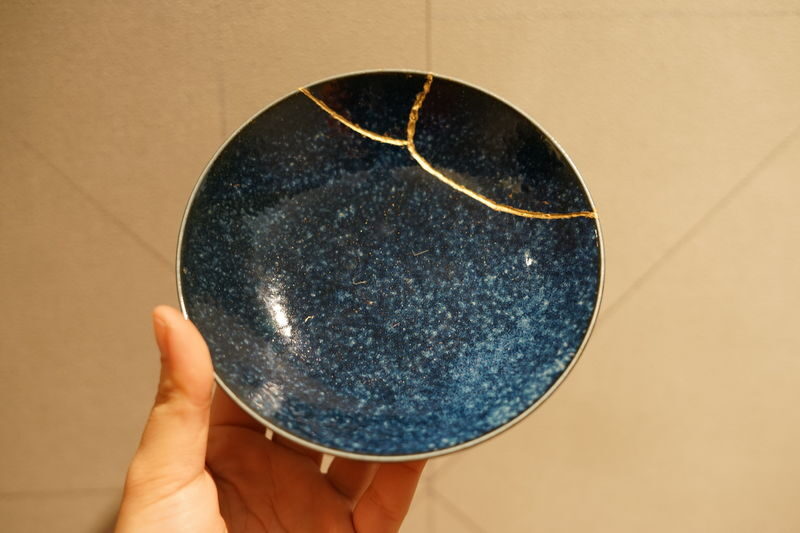
Asakusa is known for major sights and busy streets, so a small workshop offers a welcome change of pace. Here, the focus shifts from looking around to making something with your hands. Kintsugi, the Japanese practice of repairing ceramics and marking the breaks with gold, gives the class its point: damage is not simply concealed, but made visible as part of the object’s history.
You do not need pottery experience to take part. The instructor guides you through the repair, from putting the ceramic parts together to applying the final gold finish. That makes the activity approachable for a first craft class, while still giving you a closer look at a technique with a distinct philosophy behind it.
The session is a short introduction, not a promise that you will master an entire craft in one visit. Think of it as a guided taste of Kintsugi, with time to create a personal keepsake. If you want a long, technical course, this may feel brief. If you want a compact cultural activity that leaves you with something tangible, it fits the bill.
You can also read our reviews of more tours and experiences in Tokyo


What happens at the 10th-floor studio
You meet at ZEN Japanese Craft Workshop, on the 10th floor of the Asakusa Tosei Building at 1-chome-27-2 Asakusa, Taito City. It is about a two-minute walk from Asakusa Station on the Tsukuba Express Line, or six minutes from Asakusa Station on the Ginza Line. Asakusa has stations with different line names and locations, so use the address and your booked route rather than assuming every station entrance is equally close.
The activity is a meet-up, not a transported tour. You make your own way to the studio and return from the same building. The listed start times are 09:00, 11:00, 13:00, 15:00, and 17:00; return times are listed 90 minutes later. Your exact time is confirmed after booking, and the available return options depend on your selected departure.
That gap matters when you are fitting the class around other plans. The experience is described as one hour in some details, while the timetable suggests a 90-minute appointment. A few people have completed the session in under an hour, while another described staying longer to refine the lines. I would reserve the full 90 minutes rather than schedule a tight connection or meal reservation immediately afterward.
Repairing the plate, step by step
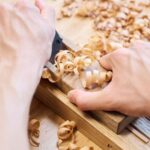
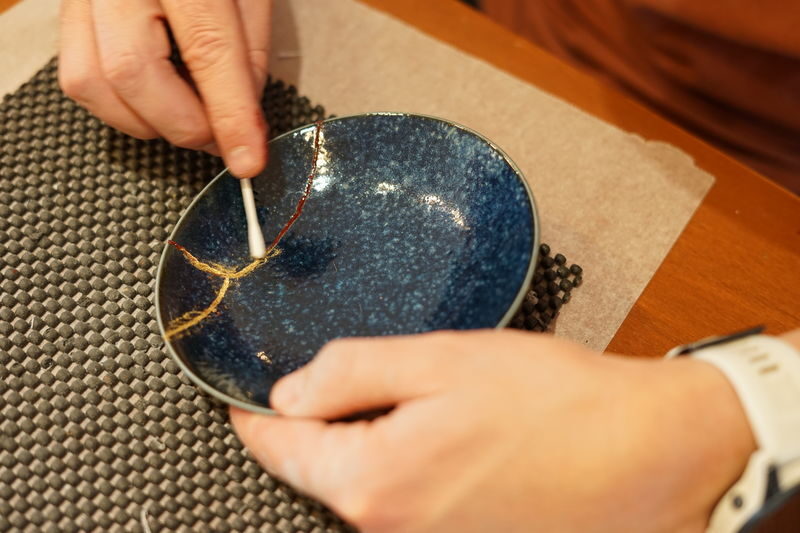
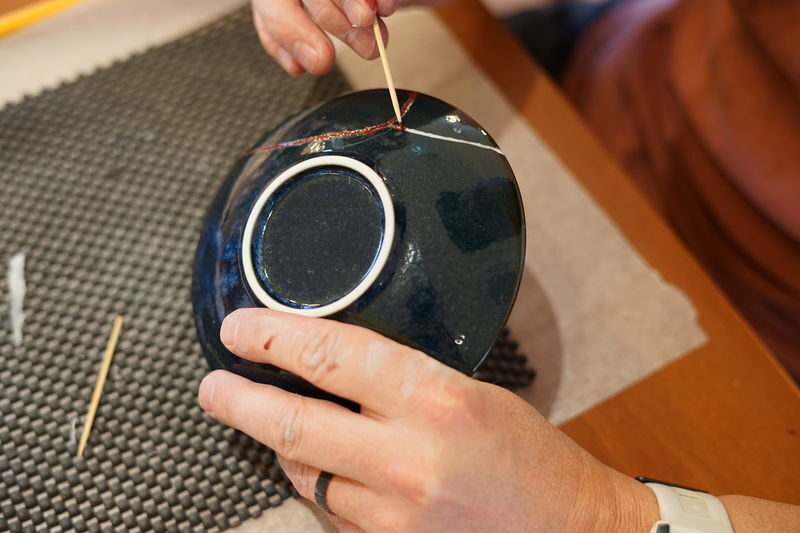
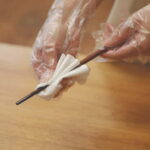
The central part of the class is hands-on. Your instructor explains how to bring the broken ceramic parts together, apply lacquer, and add gold powder to the repaired line. The process is broken into clear steps, which is useful if you are new to craft work or are guiding a child through the activity.
The materials and tools are included, as is one plate. That means you can arrive without sourcing a broken piece or bringing specialist supplies. The workshop’s description presents the method as using urushi lacquer and gold powder, traditional materials associated with Kintsugi, while the short format keeps the project within a single visit.
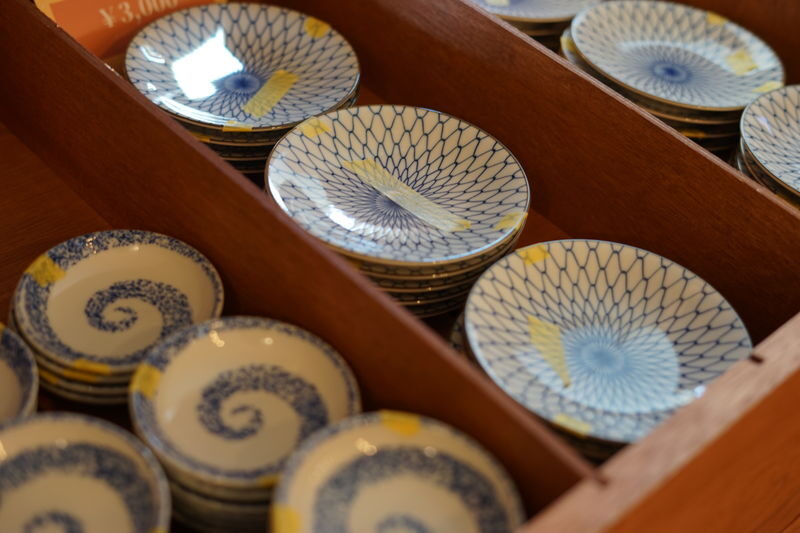
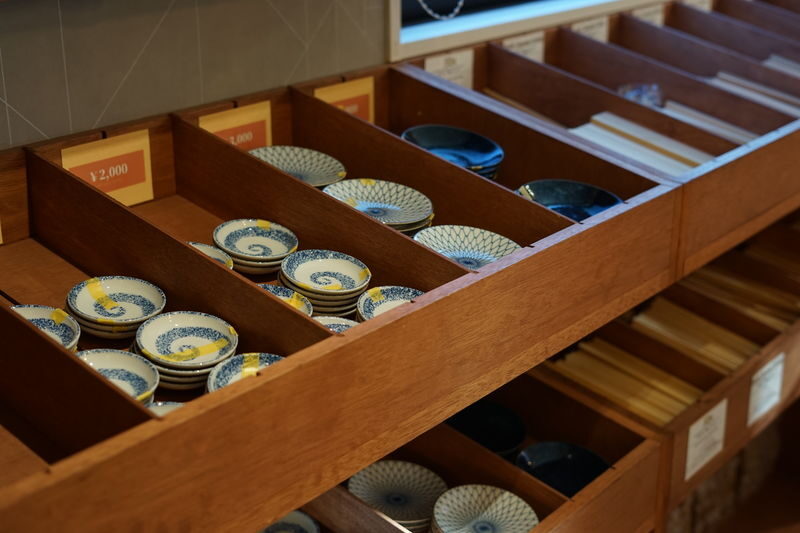
Expect to make choices about how your piece looks. One participant appreciated being able to make a design of their own, and another noted that there were different plate and bowl options. The basic plate is included, but premium options cost extra. If the size or shape of your souvenir matters, ask what is included before you start, and decide whether an upgrade is worth the additional cost.
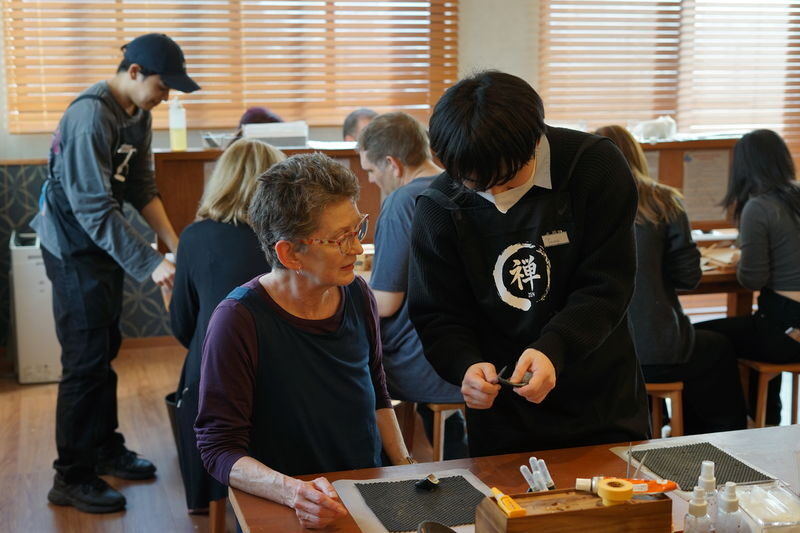
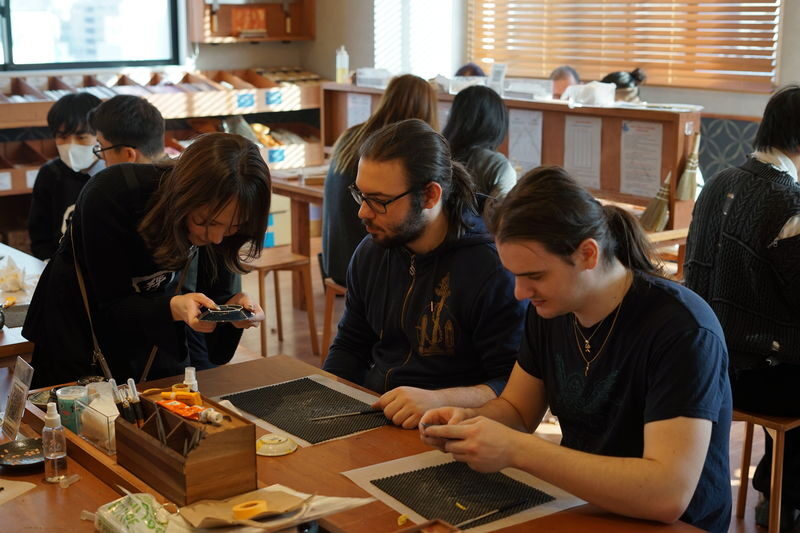
Several instructors have been named by people taking the class, including Hana, Lika, Koko, Ann, Moana, Azusa, Noemi, and Betty. The staff member on your day may be someone else, but the recurring strengths are patient, step-by-step help and a friendly manner. That can make a real difference when you want a steady hand with the fine details, or when children need extra time.
One note from a participant was that a layer could use more time to dry before the next step. If you are particular about the finish, ask your instructor about the pace and how much time you have for each layer. You may also find the session moves along briskly to fit the booking schedule, so speak up if you need a moment to inspect your work.
The meaning behind the gold
Kintsugi is more than a decorative repair. Its central idea is that an object’s breaks and repairs can remain visible, becoming part of its history rather than something to disguise. The class gives you a chance to hear about that approach while carrying out a small repair yourself.
That connection between the idea and the task is what makes the workshop more than a generic craft activity. You are not just painting a pattern onto a plate: you are working along a break and turning the repair into a feature. The gold line also makes the result personal. Two people can follow the same basic steps and still come away with different-looking pieces.
Keep expectations in proportion to the format. A short class can introduce the materials, the technique, and the thinking behind Kintsugi, but it cannot cover every variation or make you an expert. I would book it for the chance to try the craft and understand its central idea, not as professional training.
Who is likely to enjoy it
This is a good fit if you want to break up a day of sightseeing with a quieter indoor activity. It is also a useful choice for families: there is no age limit, and children aged four, seven, and eight have taken part with patient support from the instructor. Parents can join in or enjoy watching, though younger children may need more hands-on guidance.
Couples, friends, and solo visitors can all take part. The workshop has an easy social rhythm: you work on your piece, ask for help, and can talk with the instructor as you go. Some teachers also share local suggestions, such as places to eat, but that is not a formal part of the activity.
The workshop suits people who value a handmade memento more than a polished, store-bought souvenir. The included plate may be small, and larger or prettier choices can cost extra. If you want a particular size, build that possible additional charge into your budget instead of assuming every option is included in the starting price.





Is $22.29 a fair starting price?
At a starting price of $22.29, the value depends on what you want from the hour. You get an instructor, the materials and tools, a plate, and the chance to learn a craft by doing it. Compared with buying a souvenir and simply carrying it home, the class adds a personal connection: you take home something you helped repair.
The price is less compelling if you expect a full-length course or a large, premium ceramic piece. Premium plate upgrades are not included, and the basic plate has been described as small. Check the available choices and extra costs before you commit, especially if the object itself is a major part of your decision.
There is also value in the location. The studio is in Asakusa, so you can pair the activity with time in the district without arranging transport across Tokyo. Still, the class is not a sightseeing tour, and there is no guide taking you around the neighborhood. Its value is the craft lesson and the souvenir, not a package of multiple attractions.
Practical details before you book
This workshop is cashless. Visa, Mastercard, American Express, JCB, Diners Club, and Discover are accepted, so do not plan on paying with cash. Your mobile voucher is used for entry, and confirmation is usually sent within minutes; contact customer support if it does not arrive.
Arrive on time. If you are more than 15 minutes late, you may be asked to reschedule because late arrivals can affect the next booking. The voucher is valid only on the date and time selected, so check both carefully. You can cancel for a full refund up to 24 hours before the activity date, using destination local time.
The experience is available to all ages, but the details do not specify whether the finished plate is suitable for serving food or how it should be cared for after the workshop. If you plan to use it rather than display it, ask the instructor about safe use and handling before you leave.
Should you book the Asakusa Kintsugi class?
Book it if you want a short, hands-on cultural activity, an English-speaking guide, and a take-home piece with a story attached. It is particularly appealing for families and for anyone who wants a quieter interlude amid Asakusa’s sightseeing.
Skip it if you need a detailed, advanced course, want a guaranteed large plate at the base price, or have a tightly packed schedule that cannot absorb the 90-minute slot. For most curious beginners, though, the mix of making, meaning, and a personal souvenir makes this a worthwhile Tokyo stop.
Experience the art of Kintsugi in Tokyo Asakusa Workshop
“such a great experience and relaxing amongst all the chaos and crowds at Asakusa. Lana and Lika were awesome and friendly. we enjoyed our time so m…”
FAQ
How long does the workshop take?
The activity is described as one hour, but the listed departure and return times are 90 minutes apart. Allow the full 90 minutes when planning your day.
What is included in the price?
The booking includes the Kintsugi experience, English-speaking staff, all required materials and tools, and one plate. Tips, personal expenses, and premium plate upgrades are not included.
Where is the meeting point?
Meet at ZEN Japanese Craft Workshop on the 10th floor of the Asakusa Tosei Building, 1-chome-27-2 Asakusa, Taito City, Tokyo. It is about a two-minute walk from Asakusa Station on the Tsukuba Express Line and six minutes from the Ginza Line station.
Do I need to bring anything?
The required tools and materials are included. You need to present your mobile voucher at the workshop.
Can children take part?
Yes. The activity has no age limit. Children have taken part with instructor support.
Can I pay in cash?
No. The workshop is cashless and accepts Visa, Mastercard, American Express, JCB, Diners Club, and Discover.