Edo Castle was built to keep danger out, and its stone walls, guarded gates, and watchtowers still give the Imperial Palace grounds a sense of old military purpose. On this walk, a guide connects those defenses to samurai rule and the long-running imperial tradition, while modern Tokyo rises just beyond the moat.
I like two things in particular: the small group, capped at 10, makes it easier to ask questions, and the route mixes impressive castle remains with quiet garden paths. I also like that the walk is about more than famous dates: it helps you read the gates and walls as parts of a working fortress.
One consideration: this is a walk through the grounds, not a tour inside the Emperor’s residence, which is not open to the public. Some original structures are gone, so the guide’s explanations do much of the storytelling. Bring comfortable shoes, and plan for sun or rain.
- What makes this walk worth your time
- Reading Edo Castle in the middle of Tokyo
- Honmaru Rest House: from shogun’s castle to imperial grounds
- Tenshukaku: the castle tower that is no longer there
- East National Gardens: a quieter side of the palace
- Sakuradatsumi Yagura: a watchtower facing modern Tokyo
- Otemon and the Bansho: gates designed to control access
- Fujimi-yagura: a final look at shogun-era power
- What the small group and price mean for you
- Meeting, walking, and weather notes
- Who should book this walk
- FAQ
- How large is the tour group?
- Where do I meet the guide?
- Where does the tour finish?
- Is the Emperor’s residence open during the tour?
- What should I bring and wear?
- Are young children allowed?
- Can I cancel for a refund?
- The Best Of Tokyo!
- More Walking Tours in Tokyo
- More Tours in Tokyo
- More Tour Reviews in Tokyo
- Not for you? Here's more nearby things to do in Tokyo we have reviewed
What makes this walk worth your time
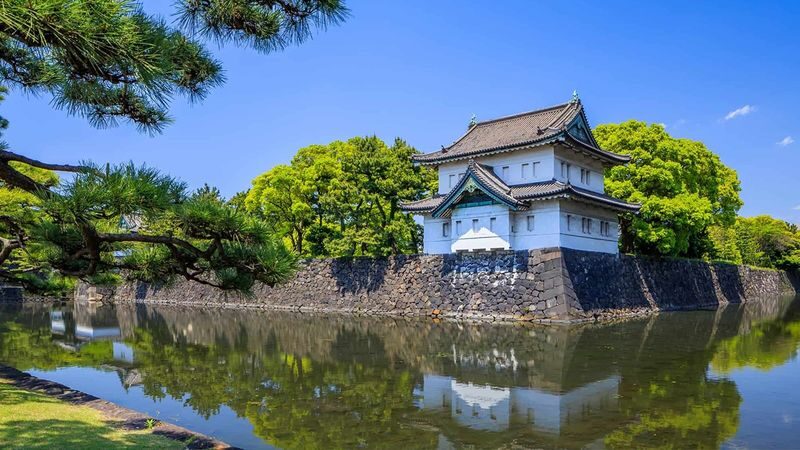
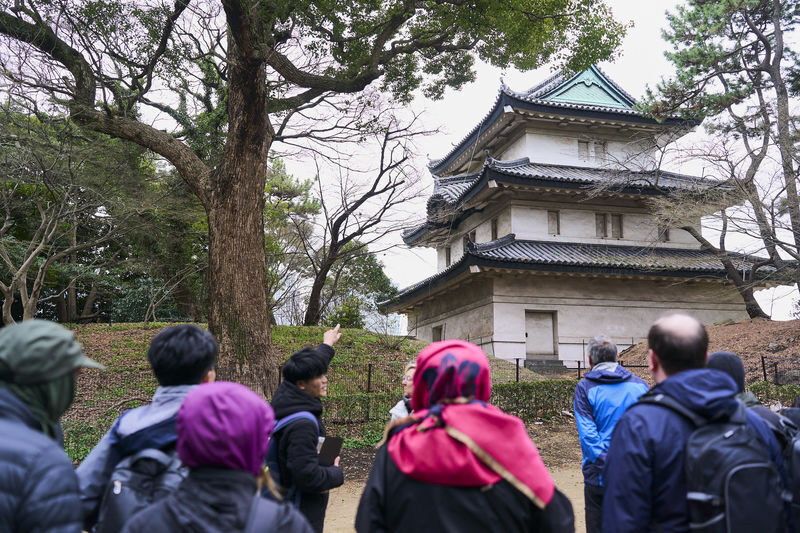
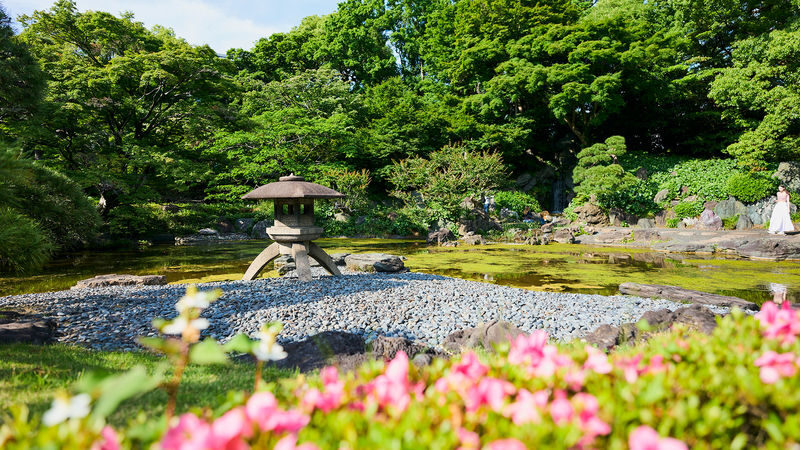
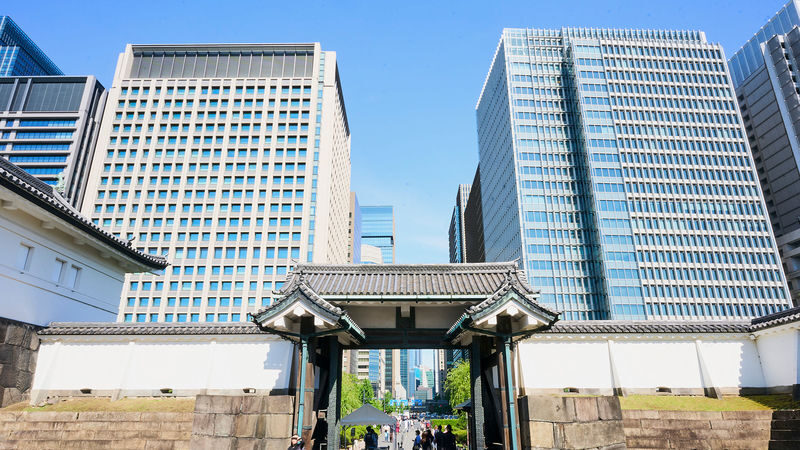

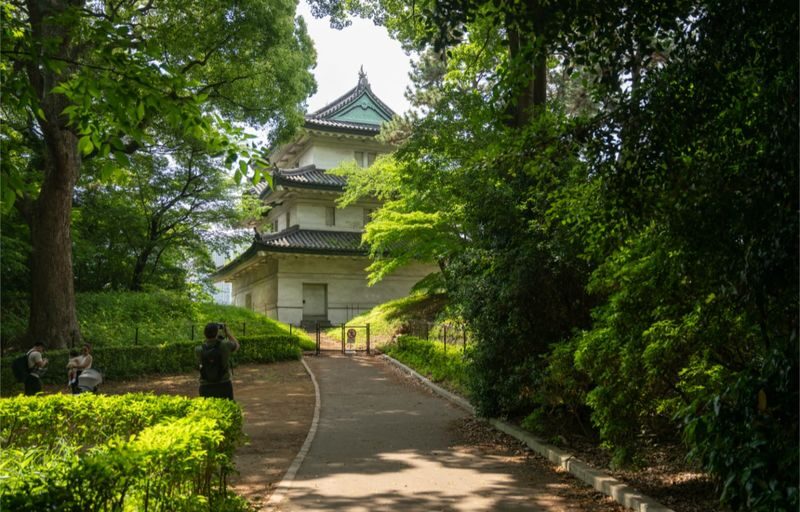
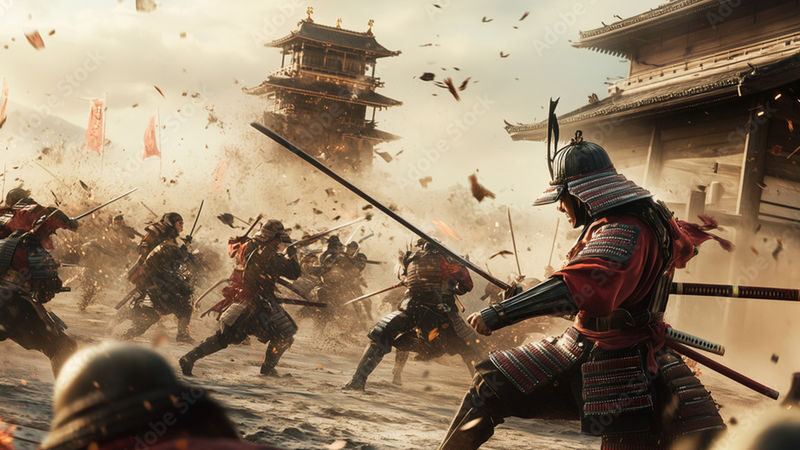
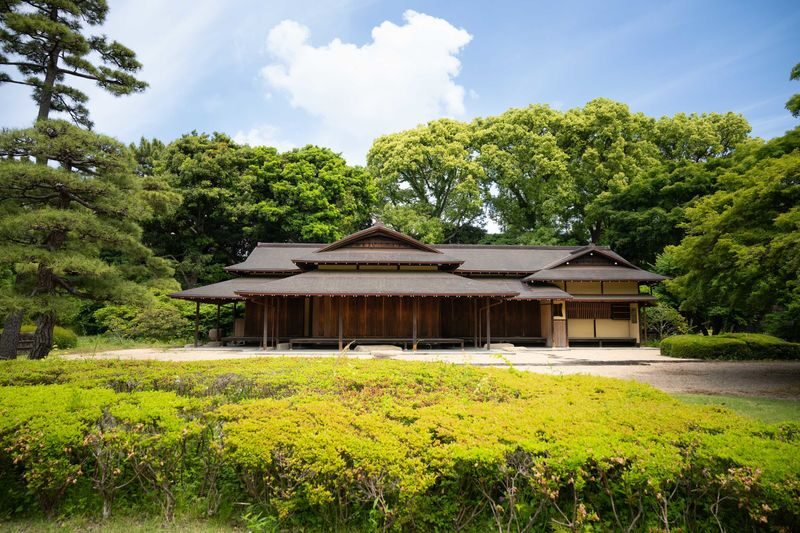
- A fortress you can still read: Stone walls, moats, gates, and guardhouses show how Edo Castle controlled entry and movement.
- History in a small group: With no more than 10 people, you can ask questions without having to compete with a crowd.
- Samurai and imperial stories in one route: The walk links the shogun’s former power to the Imperial Palace and Japan’s continuing imperial institution.
- A garden break in central Tokyo: The East National Gardens bring seasonal scenery and a quieter pace to a city visit.
- A practical guide to the area: Guides including Koo, Kodai, Omer, and Ichiro have been singled out for clear explanations, friendly manner, and useful answers.

👉 See our pick of the 25 Best Guided Tours In Tokyo
Reading Edo Castle in the middle of Tokyo
The tour begins near the outer gardens at Starbucks Coffee in Wadakura Fountain Park, then heads toward the former castle grounds. This is a striking place to talk about Japan’s past: the palace precinct feels calm, but the city’s high-rises are close enough to remind you that Tokyo has not stopped growing around it.
Edo Castle was Japan’s largest fortress, and its layered defenses helped make it famously difficult to attack. Rather than offering a castle interior full of original rooms, the route uses what survives on the grounds: stonework, gates, moats, and towers. The guide’s job is to help you imagine how these pieces worked together.
The walk also sets two kinds of authority side by side. The shogun ruled from Edo during the samurai era, while the Emperor remains the symbolic center of Japan’s imperial system and lives at the palace today. The tour explores the tradition often described as a 2,600-year imperial legacy, giving you context for how the institution has endured through major political change.
That broad sweep is useful if you are new to Japanese history. If you already know the main dates and names, the value may lie more in seeing how power was built into the site itself: who could enter, where they could pass, and how the castle’s defenses shaped daily life.
You can also read our reviews of more walking tours in Tokyo


Honmaru Rest House: from shogun’s castle to imperial grounds
The Honmaru Rest House is a natural place to connect the castle’s former inner compound with the modern Imperial Palace. The original buildings are largely gone, so do not expect a restored shogun’s residence or a walk through historic rooms. Instead, this stop gives your guide a chance to explain how the site changed as Japan’s rulers and political systems changed.
That shift is one of the tour’s strongest themes. Edo Castle was the seat of shogun power; today, the grounds form part of the Imperial Palace precinct. The Emperor’s residence itself is closed to the public, but the walk still gives you a sense of how the site functions as both a historic place and a living center of national life.
Guides such as Koo and Kodai have been praised for making this material easy to follow and for answering questions with patience. You cannot choose a particular guide in advance, but the small-group format gives you a better chance to ask one about the details that interest you, rather than simply listening to a fixed script.
Tenshukaku: the castle tower that is no longer there
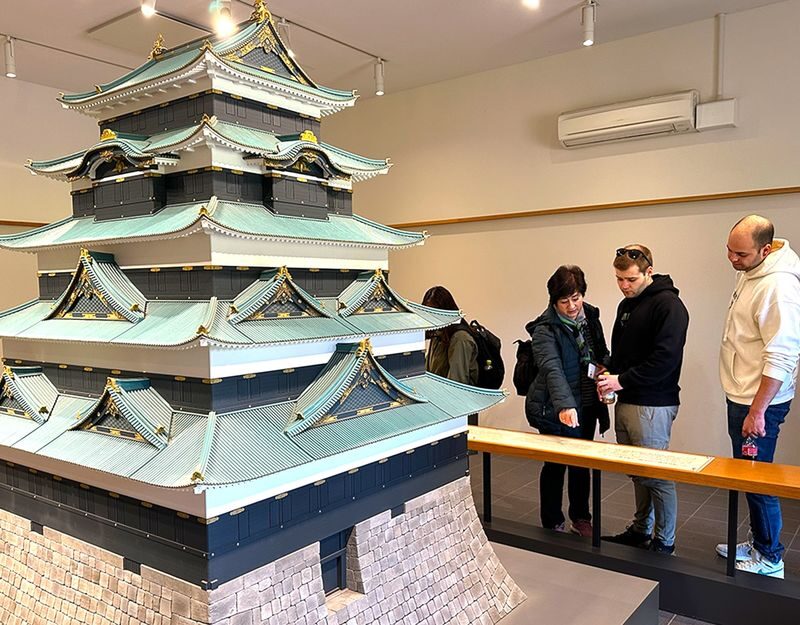
The Tenshukaku stop focuses on the castle’s former main tower and the role it played in projecting the shogun’s authority. The tower itself is not standing today. That absence is worth knowing before you arrive: the interest is in understanding what once occupied this commanding position, not climbing a surviving keep.
A guide can help turn the open space and surrounding stonework into a picture of the castle as it once was. This is where a good explanation matters most. The tour frames the shogun’s story through the scale of the fortress and the reach of its defenses, rather than relying on a dramatic building to do the work for it.
If you enjoy seeing history through surviving structures, this stop should appeal. If you mainly want original interiors or a grand tower to photograph, temper your expectations. The site offers a strong sense of scale, but much of the castle has vanished.
East National Gardens: a quieter side of the palace
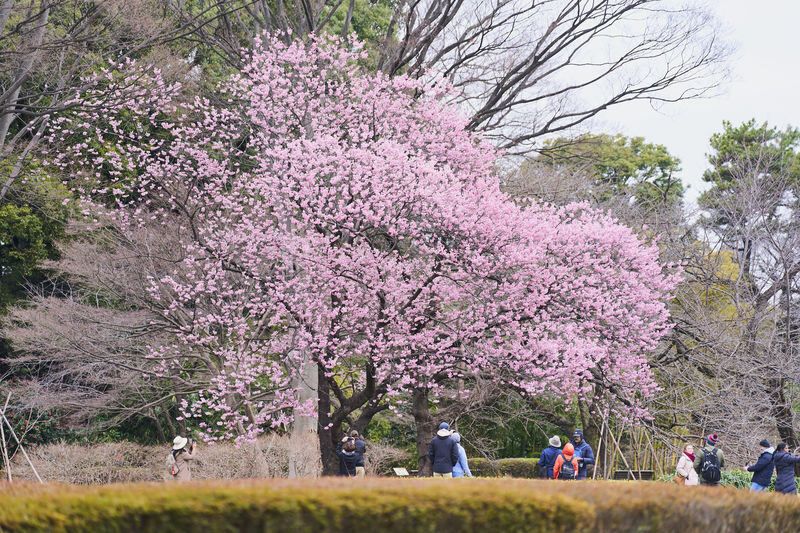
The Imperial Palace East National Gardens provide a welcome change of pace. After the military logic of walls and gates, the garden paths offer space to pause and notice the seasons. The tour presents this as a garden admired by the Emperor, while also giving you a chance to see how green space survives inside central Tokyo.
The garden is not a separate attraction tacked onto the history walk. It helps explain the contrast that gives the route its character: old castle ground, imperial tradition, and a modern city all close together. If you want a garden visit with context rather than a quick photo stop, this part adds real value.
The route is outdoors, and the weather can shape how comfortable it feels. Bring sunscreen on a hot or bright day and a raincoat or poncho if the forecast looks wet. One family described a hot visit with uphill sections and pauses, so it is sensible to expect a fair amount of walking rather than a flat stroll from bench to bench.
Sakuradatsumi Yagura: a watchtower facing modern Tokyo
Sakuradatsumi Yagura is a surviving watchtower, a reminder that the castle was built for surveillance as well as defense. Its position makes the contrast especially clear: the old tower looks toward a city of modern buildings, with the castle’s stonework still marking the boundary between different eras.
This is one of the stops where the site can speak for itself. A guide’s explanation adds the purpose of the tower and how it fits into the wider defensive plan. The setting also makes a good place to take a photograph, though the focus here is the structure and its place in the castle’s system, not an interior visit.
The name can be unfamiliar, so having a guide explain what you are looking at is useful. Without that context, a watchtower may seem like one more old structure; with it, you can see how it watched over the approaches to the castle.






Otemon and the Bansho: gates designed to control access
Otemon was more than an entrance. The route presents it as part of a defensive trap, where the design of the gate and the approach could slow or expose anyone trying to force their way in. Look at the passage as a controlled route, not just a handsome old doorway.
The Bansho, or guardhouses, add another layer to that story. The itinerary includes the first, second, and third Bansho, places associated with the guards who protected the shogun’s castle. The tour’s account emphasizes the human side of castle defense: a gate could be formidable, but it still depended on watchful people stationed at key points.
The tour also refers to the castle’s protection through the imagery of ninja. Treat that as a prompt to ask your guide how the castle used guards and security, rather than assuming every popular ninja tale is literal history. The best part of this stop is learning how layers of access and observation worked together.
Fujimi-yagura: a final look at shogun-era power
Fujimi-yagura, another surviving tower, rounds out the walk with a reminder of the castle’s reach and defensive design. Its name and role open a window onto a period when a watchtower was both practical military architecture and a visible sign of authority.
By this point, the route has taken you from the broad story of the imperial institution to the details of gates, guardhouses, and towers. That sequence helps the history make sense. Instead of treating each ruin as an isolated photo stop, you can see how the parts served a larger plan.
The tour ends at Tokyo Station, a useful finish if you are continuing across the city or want to stop for food and transport. The walk is scheduled in time slots that pair a departure with a return, with options at 09:00, 10:30, 12:00, 13:30, and 14:30. The pairing depends on your selected departure, and the tour is around two hours based on the listed return slots.
What the small group and price mean for you
Groups are limited to 10, which is a sensible size for a walking tour through grounds where the guide needs to point out details and keep the group together. A small group also makes it easier for families, solo visitors, and couples to ask questions. One family found the intimate group especially helpful, and children aged 10 and 11 enjoyed the history; children aged 0 to 6 are free.
The listed price starts at US$13.29, while the Imperial Palace package is also shown from US$18.99. Check the price for your date and selected package before booking. At either price, the value depends on what you want: you are paying for an English-speaking guide and a clearer understanding of the castle grounds, not entry to the Emperor’s residence or a full-day excursion.
Admission to the attractions is included, and tips are not. The guide is the main reason to book. Names including Koo, Kodai, Omer, Ichiro, Tatsuya, and Keiko have drawn praise for clear explanations, warmth, humor, and the ability to handle questions. Those are individual examples, not a promise of a particular guide, but the repeated emphasis on strong guiding is a good sign for a tour built around interpretation.
Meeting, walking, and weather notes
Meet your guide in front of Starbucks Coffee at Wadakura Fountain Park, 3-1 Kokyo Gaien, Chiyoda City. Look for a guide holding a Local Guide Stars sign, and arrive 15 minutes before your selected departure. The route ends at Tokyo Station, 1 Chome-9 Marunouchi.
Wear walking shoes. The grounds include uphill sections, and the walk is outdoors, so sunscreen or a raincoat can make a real difference to your comfort. There is a security check to enter the Imperial Palace grounds; do not bring knives or alcohol. Luggage storage is not provided, so leave large bags elsewhere before you meet the group.
The schedule may change with traffic or weather. Bring your mobile voucher, which is valid only for the date and time you booked. If you need to cancel, a full refund is available when you cancel at least 24 hours before the activity date, using local time.
Who should book this walk
This is a good fit if you want a compact introduction to samurai history and the Imperial Palace area, especially if you prefer a guide to wandering among old walls without context. The mix of gardens, watchtowers, gates, and modern city views gives the walk variety, and the small group makes it easier to ask about Japan beyond the castle itself.
Families with school-age children, solo visitors, and couples should find the format approachable. It is also a useful early-trip activity: guides can offer local tips, and the history gives you a better frame for later visits around Tokyo.
Skip it if you want to tour the Emperor’s residence, see a fully preserved castle interior, or avoid walking outdoors. The site is most rewarding when you are curious about what remains and willing to use your imagination where the buildings are gone. For a modest price, a strong guide can make the old defenses and imperial setting much easier to understand. If that is what you want, I would book it.
Tokyo Castle & Imperial PalaceーShogun Walking Tour
“Great tour. Knowledgeable and kind guide.”
FAQ
How large is the tour group?
The tour is limited to a maximum of 10 people.
Where do I meet the guide?
Meet in front of Starbucks Coffee at Wadakura Fountain Park, 3-1 Kokyo Gaien, Chiyoda City. The guide will hold a sign saying Local Guide Stars.
Where does the tour finish?
The tour returns to Tokyo Station, at 1 Chome-9 Marunouchi, Chiyoda City.
Is the Emperor’s residence open during the tour?
No. The Emperor’s residence is not open to the public.
What should I bring and wear?
Wear walking shoes, and bring sunscreen or a raincoat or poncho as needed. Do not bring knives or alcohol, as there is a security check.
Are young children allowed?
Children aged 0 to 6 can join for free.
Can I cancel for a refund?
You can receive a full refund if you cancel at least 24 hours before the activity date, using destination local time.