Shinjuku Gyoen gives you a rare choice in central Tokyo: trade station crowds for broad lawns, old trees, and a traditional Japanese garden, all without leaving the city. Its 58.3 hectares are large enough for a proper wander, not just a quick lap around a flower bed.
I like the mix of garden styles, which makes the visit feel varied, and the easy QR-code entry, a handy shortcut when ticket queues are long. In spring, about 1,000 cherry trees across roughly 65 varieties add another reason to plan your timing.
The main consideration is the scale: a leisurely visit takes two to three hours, and your legs may notice. The park also closes on Mondays and has seasonal hours, so check the calendar before buying this nonrefundable ticket.
- At a glance
- A city garden with room to slow down
- Three garden styles, one long walk
- Picking the right season for your visit
- A practical two-to-three-hour route
- The advance ticket and what it is worth
- Getting to the gate without a detour
- Hours, rules, and a few useful cautions
- Who should book Shinjuku Gyoen?
- FAQ
- How long should I plan for Shinjuku Gyoen?
- What does the ticket include?
- How do I use the mobile ticket?
- How long is the voucher valid?
- Is the ticket refundable?
- When is Shinjuku Gyoen closed?
- What are the opening hours?
- Do children need a ticket?
- Can I bring a pet, alcohol, or sports equipment?
- The Best Of Tokyo!
- More Tickets in Tokyo
- More Tours in Tokyo
- More Tour Reviews in Tokyo
- Not for you? Here's more nearby things to do in Tokyo we have reviewed
At a glance
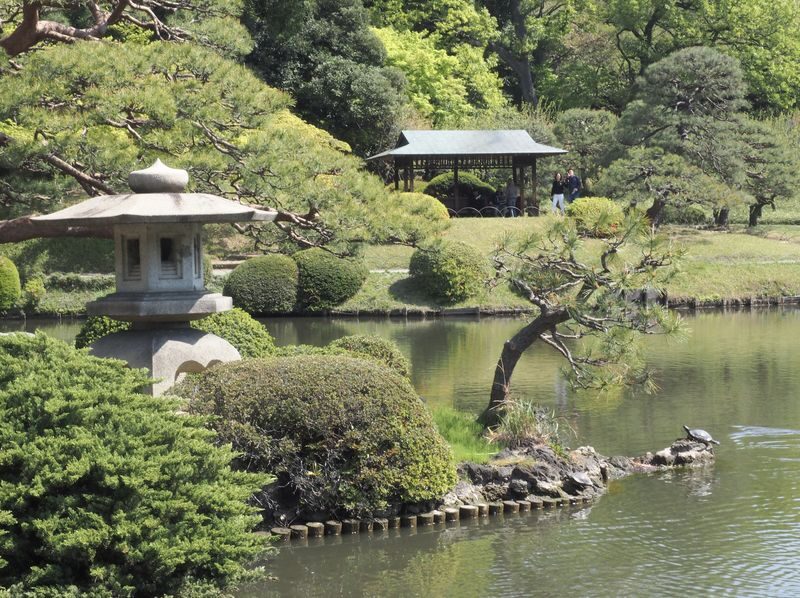
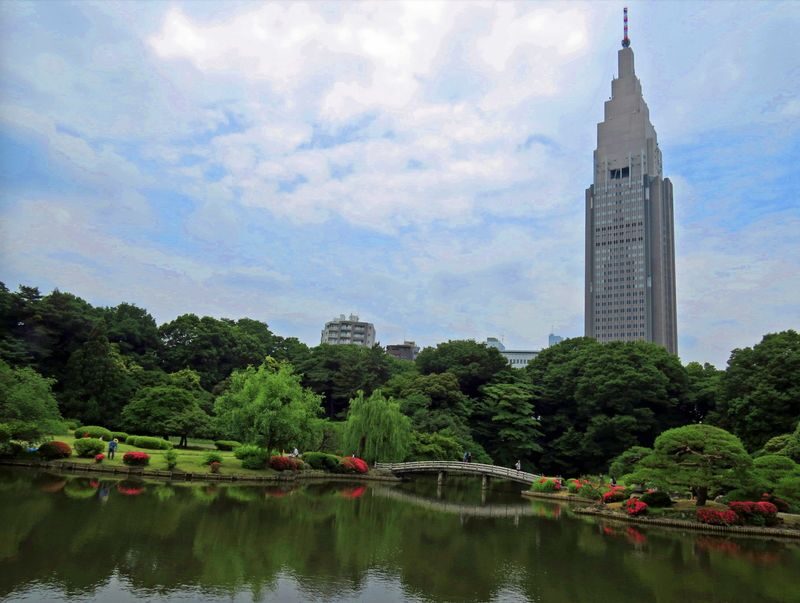
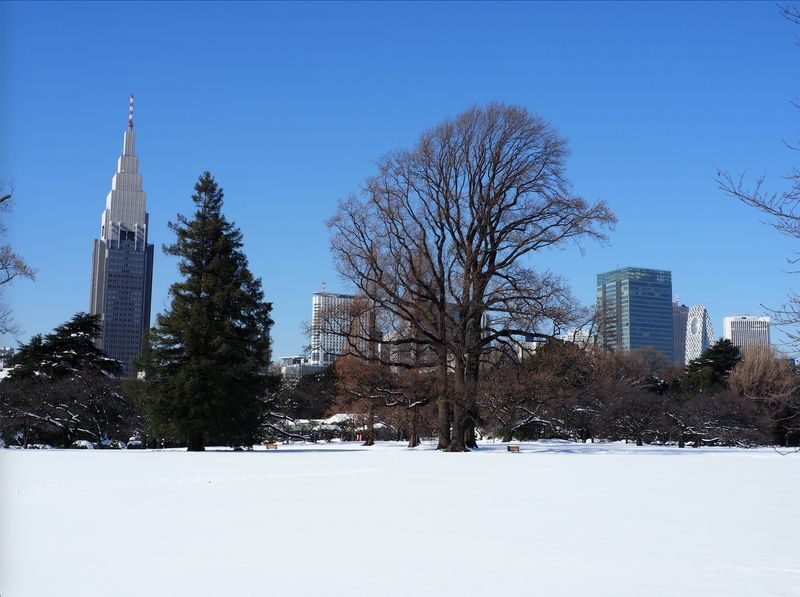
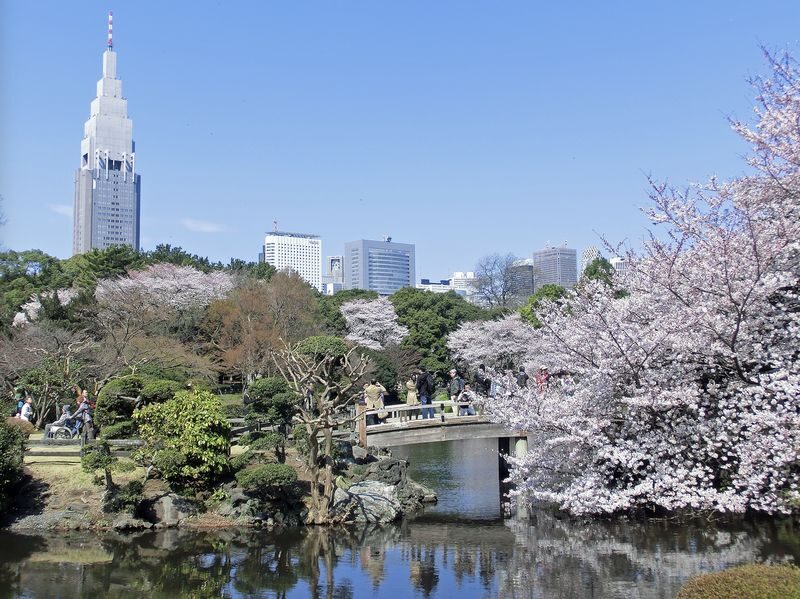
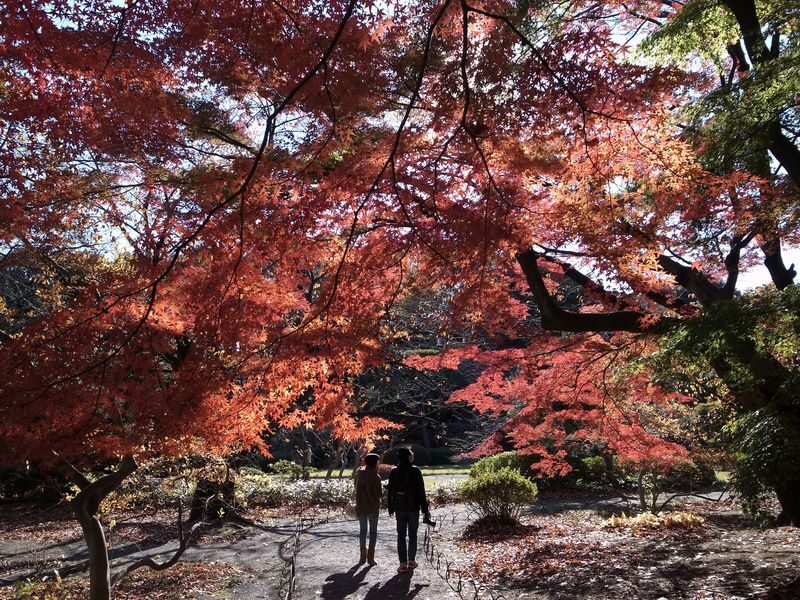
- Three distinct garden styles: Walk from open lawns and scattered trees to a formal rose garden and a traditional Japanese garden.
- A seasonal show: Cherry blossoms, summer greenery, autumn foliage, and winter scenery change the feel of the grounds through the year.
- A substantial city garden: The 58.3-hectare site contains around 10,000 trees, historical buildings, and a greenhouse.
- A convenient entrance: Scan your mobile voucher’s QR code at the gate, with no ticket exchange required.
- Plan for a long stroll: Two to three hours gives you time to explore, sit down, and take a break at a cafe.
- Check the calendar first: The park closes on Mondays, with a weekday closure when a Monday is a public holiday, and shuts for New Year from December 29 to January 3.

👉 See our pick of the 25 Best Guided Tours In Tokyo
A city garden with room to slow down
Shinjuku is known for its dense streets and busy station. The garden offers a marked change of pace just a short walk away. Once inside, you can spread your visit across wide lawns, tree-lined paths, planted beds, and quieter corners. The scale is part of the appeal: you are not simply stopping for a photograph, but entering a place that can comfortably fill a few unhurried hours.
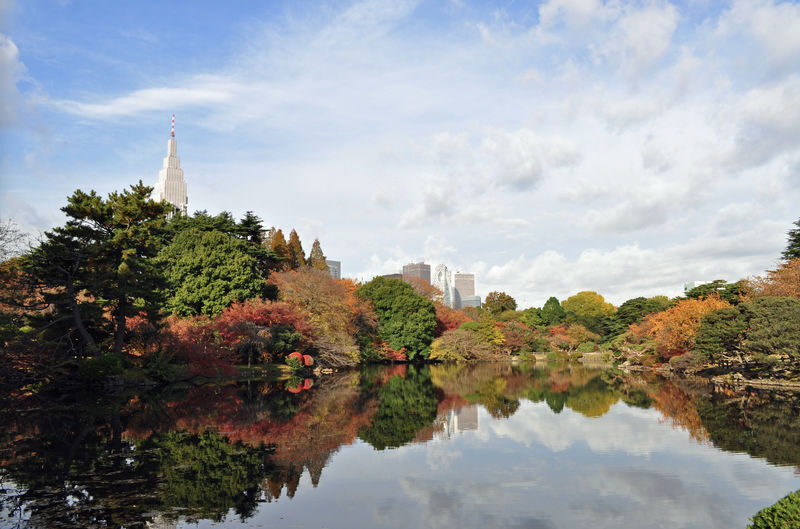
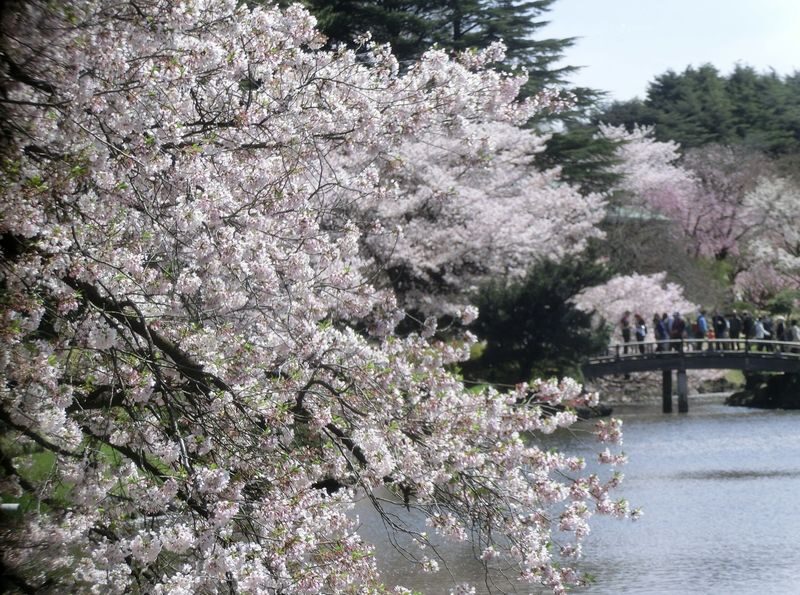
The grounds cover 58.3 hectares and contain about 10,000 trees. That means the scenery is not limited to one famous season or one central viewpoint. In spring, roughly 1,000 cherry trees, representing about 65 varieties, bring blossoms across the grounds. Summer offers leafy shade and green lawns; autumn brings foliage in a range of colors; winter has a quieter, more open feel.
This is a good stop if your Tokyo schedule is full of shops, food halls, and stations. You can walk at your own pace, find a patch of grass, and let the day become less of a checklist. The garden’s size also means you should be realistic about your energy. If you have another major activity booked right afterward, choose a shorter route rather than trying to cover every corner.
You can also read our reviews of more tours and experiences in Tokyo



Three garden styles, one long walk
The best way to understand Shinjuku Gyoen is to move between its different styles. The English-style landscape garden opens into broad lawns with large trees set across the grass. It feels spacious and informal, and is a natural place to pause or have a picnic. Families spread out on mats here, and the open ground gives you room to take a break without feeling pressed to keep moving.
The French formal garden has a more deliberate design. A rose bed forms its center, with plane trees lining the paths. This area offers a different rhythm from the lawns: more ordered, more symmetrical, and worth a slower look when the flowers are in bloom. The contrast is one of the garden’s pleasures. You are not walking through one continuous style, but seeing how a formal garden and broad parkland can sit within the same grounds.
The traditional Japanese garden is a quieter change of scene. Take time here rather than treating it as a quick pass-through. Its paths and plantings offer a more composed setting than the open lawns, and it is a natural spot to stop for tea or simply sit for a while. The garden is large enough that you can choose your own pace: see the main areas in a couple of hours, or spend longer lingering in the sections you like best.
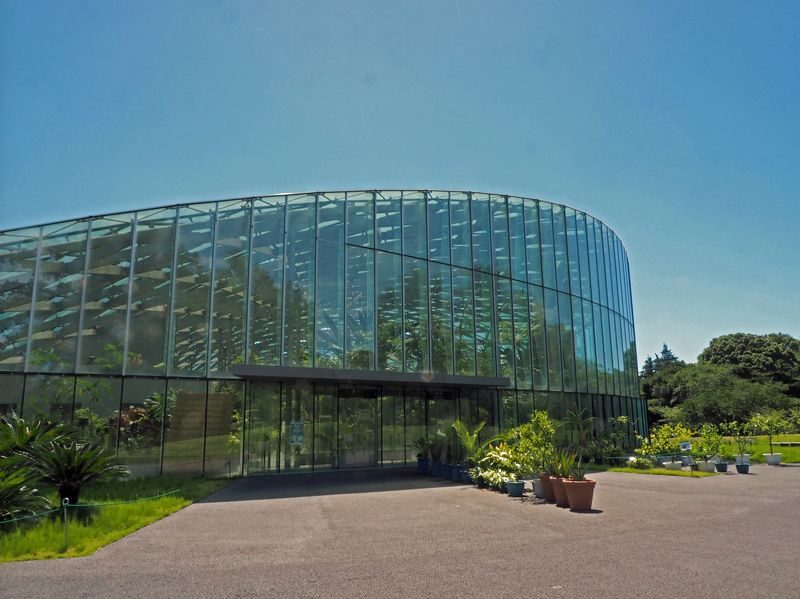
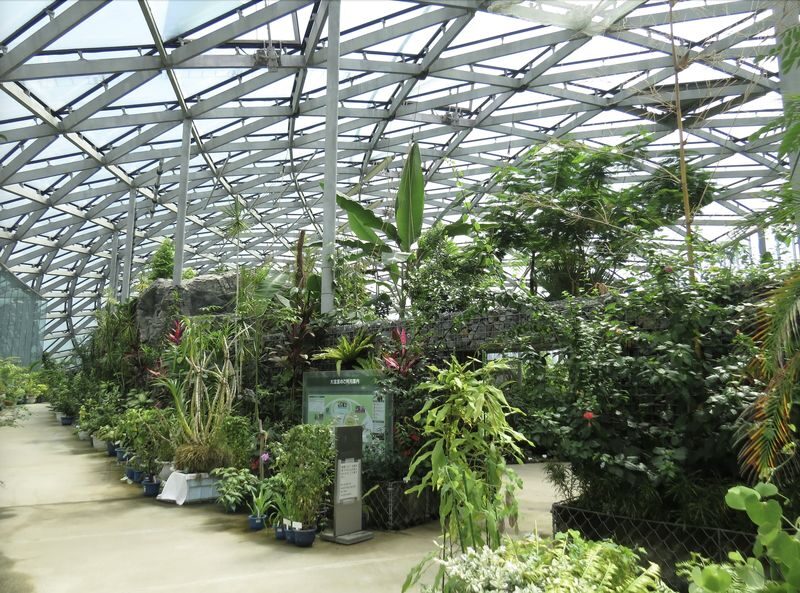
There is also a greenhouse, with a range of plants that adds an indoor stop to the walk. It is a useful option if you want a change from the paths and lawns, or if the weather is less inviting. Historical buildings around the garden add another layer to the visit, though the main draw remains the combination of greenery and garden design.
Picking the right season for your visit
Spring is the headline season for many people, and for good reason: the garden’s approximately 1,000 cherry trees include around 65 varieties. That range means the blossom display is not simply one tree type repeated across a lawn. But expect more company during peak blossom time. An advance ticket can save time at the entrance, though it will not make the grounds quieter.
Summer brings dense green foliage and shade, but heat can make a long walk harder. If you visit in July or August, consider going early or taking breaks at a cafe. The garden’s summer hours run later than its winter schedule, and some listed weekends have a 7 a.m. opening. Check the current official schedule before setting out.
Autumn is a strong choice if you want color without making cherry blossom the whole point of the trip. The foliage shifts through the season, and the grounds suit a slow walk. Winter is a quieter option, though daylight hours are shorter and the park closes earlier. In every season, the experience is about walking through a substantial green space, not attending a timed show.
A practical two-to-three-hour route
There is no guided itinerary included with this ticket. You enter on your own, so you can decide how much ground to cover. For a relaxed first visit, start with the garden style that interests you most, then leave time for the greenhouse, a cafe stop, and a final stroll through whichever area you enjoyed.
A useful plan is to begin with the open lawn area. It gives you a sense of the garden’s scale and a chance to settle into the visit. From there, move toward the formal garden and its rose bed, then continue to the traditional Japanese garden. Add the greenhouse if plants are a particular interest, or if you want a more sheltered stop. Historical buildings offer another reason to look beyond the flower beds.
Allow around two hours if you walk steadily and choose a few main areas. Three hours is more comfortable if you want to sit down, take photos, or stop for a drink. You can also decide to see only part of the grounds. The garden is big enough that a half-visit can still feel worthwhile; there is no prize for leaving with tired feet.
There are restaurants and cafes in the park, including a Starbucks noted by visitors. Its setting near a lake makes it an appealing place for a pause, but seating may be limited. Do not build your whole visit around getting a particular table. The gift shop sells seasonal sweets and Japanese-designed souvenirs, a pleasant final stop if you want a small memento.
The advance ticket and what it is worth
The ticket starts at $3.15 and covers admission to the attraction. Transport and personal expenses are not included. The price is modest for a garden where you can spend two or three hours, and the QR entry is the clearest practical benefit: present your mobile voucher at the gate and scan to enter, without exchanging it for a paper ticket.
That convenience matters most when there is a queue, especially during cherry blossom season. Some visitors also buy a ticket through the app shortly before entering, but you should still confirm the park is open and that the ticket terms suit your plans. The ticket is valid for 180 days from booking confirmation and expires at 23:59 on its final day. It cannot be canceled or refunded.
Children aged 15 and younger, including junior high school students and younger, enter free. The provided ticket details also state that high-school-age students and above, and adults aged 65 and over, can purchase a 250-yen ticket. Check the park’s admission guidance for the right fare and current conditions before you go.





Getting to the gate without a detour
Shinjuku Gyoen has three entrances, so choose the one that fits your route. Shinjuku Gate is about a 10-minute walk from the South Exit of Shinjuku Station, served by JR, Keio, and Odakyu lines. It is also about five minutes from Exit 1 at Shinjuku-Gyoenmae Station on the Tokyo Metro Marunouchi Line, and five minutes from several Shinjuku-Sanchome exits.
Okido Gate is about a five-minute walk from Exit 2 of Shinjuku-Gyoenmae Station. Sendagaya Gate is about five minutes from Sendagaya Station on the JR Sobu Line, and about five minutes from Exit A5 at Kokuritsu-Kyogijo Station on the Toei Oedo Line. Check your intended exit before entering: leaving by a different gate can put you closer to your next stop.
The address is 11 Naitomachi, Shinjuku City, Tokyo 160-0014. The simplest choice for many visitors is Shinjuku Gate, but the other gates can save you a walk if you are arriving from the east or south.
Hours, rules, and a few useful cautions
Opening hours change by season. The general schedule lists 9 a.m. to 6 p.m. from March 15 through June 30 and from August 21 through September 30, with last entry at 5:30 p.m. From July 1 through August 20, the listed hours are 9 a.m. to 7 p.m., with last entry at 6:30 p.m. From October 1 through March 14, hours are 9:30 a.m. to 4:30 p.m., with last entry at 4 p.m.
The information also lists early openings at 7 a.m. on selected dates, mainly weekends and some special dates. Since hours can vary, check the official Shinjuku Gyoen admission guide before you go. The park closes every Monday. If a public holiday falls on Monday, it closes on the following weekday. It also closes from December 29 through January 3.
Alcohol, smoking, and running are prohibited inside the garden. Pets are not allowed, except service animals with valid identification. Do not bring tents or start fires, and avoid musical instruments or radio players. Balls and Frisbees are restricted to certain areas. Commercial photography and drone photography are not permitted; during cherry blossom season, tripods, reflectors, and similar equipment that could block paths are also prohibited. These rules help keep the paths and lawns pleasant for everyone, but they do mean this is not a place for every kind of picnic or photo setup.
Who should book Shinjuku Gyoen?
I recommend this ticket if you want a restful break near Shinjuku, enjoy gardens, or need a flexible outdoor stop that can fill a half-day without complicated planning. It is particularly appealing in spring and autumn, though summer greenery and winter quiet have their own appeal. Families can use the lawns for a picnic, while plant lovers have the greenhouse and seasonal flowers to explore.
It may be a poor fit if you have limited time, dislike walking, or expect a guided tour with commentary. There is no guide included, and the scale is part of the experience. In hot weather, the walk can feel demanding; in blossom season, the paths may be busier. If you want a calm hour rather than a long visit, pick a few sections and leave the rest for another day.
For most people, the low starting price and direct QR entry make the advance ticket worthwhile, provided you confirm the opening day and hours before paying. Book it for an easy garden visit, not as a promise of solitude or a shortcut around seasonal crowds.
Shinjuku Gyoen Ticket in Tokyo
“I didn't expect much from this place, but it was larger and better than I thought! I think it will be great for a walk next time too.”
FAQ
How long should I plan for Shinjuku Gyoen?
Plan on two to three hours for a relaxed visit. You can see selected areas in less time, but the 58.3-hectare garden is large.
What does the ticket include?
It includes admission to Shinjuku Gyoen. Transport and other personal expenses are not included.
How do I use the mobile ticket?
Present your mobile voucher and scan its QR code at the entrance. No ticket exchange is required.
How long is the voucher valid?
The voucher is valid for 180 days from the booking confirmation date. It expires at 23:59 on the last day.
Is the ticket refundable?
No. Cancellations and refunds are not available.
When is Shinjuku Gyoen closed?
It closes every Monday. If a public holiday falls on a Monday, it closes on the following weekday. It is also closed from December 29 through January 3.
What are the opening hours?
Hours vary by season. The listed schedule ranges from 9:30 a.m. to 4:30 p.m. in winter to 9 a.m. to 7 p.m. in part of summer, with earlier openings on selected dates. Check the official admission guide for the date of your visit.
Do children need a ticket?
Children aged 15 and younger, including junior high school students and younger, enter free.
Can I bring a pet, alcohol, or sports equipment?
Pets are not allowed, except service animals with valid identification. Alcohol is prohibited, and balls or Frisbees may be used only in some areas.























