A pair of chopsticks starts as two pieces of wood and a few careful strokes of a hand plane. In this one-hour Shinjuku workshop, you choose the wood, shape the chopsticks, sand them smooth, and finish them with natural oil. The result is a practical souvenir you made yourself, not another object picked up from a shop shelf.
I like two things in particular: the chance to work with traditional tools, and the choice to personalize your finished pair with Japanese name engraving. One consideration: the advertised starting price covers standard wood, while premium wood and engraving cost extra. If you want a longer lesson in Japanese craft history, this short, hands-on session may feel more like an introduction than a full cultural course.
- A quick look at the workshop
- Start with wood, grain, and a choice
- Shape the chopsticks with a hand plane
- Sand, oil, and bring out the wood
- Decide if engraving or premium wood is worth the extra
- Fit the session into a Shinjuku day
- What the hour gives you, and what it does not
- Who will enjoy making chopsticks
- Should you book the Shinjuku chopstick workshop?
- FAQ
- How long does the chopstick-making workshop take?
- Where is the workshop?
- How do I get to Shinjuku West Square Building?
- What is included in the price?
- Do premium wood and engraving cost extra?
- What will I do during the workshop?
- Is there an age limit?
- Is the workshop wheelchair-accessible?
- What happens if I arrive late?
- The Best Of Tokyo!
- More Workshops & Classes in Tokyo
- More Tours in Tokyo
- More Tour Reviews in Tokyo
- Not for you? Here's more nearby things to do in Tokyo we have reviewed
A quick look at the workshop
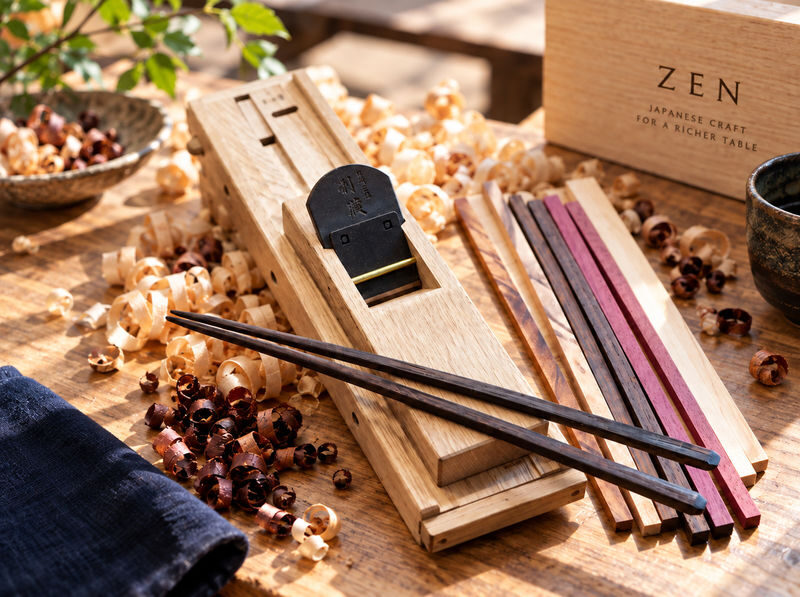
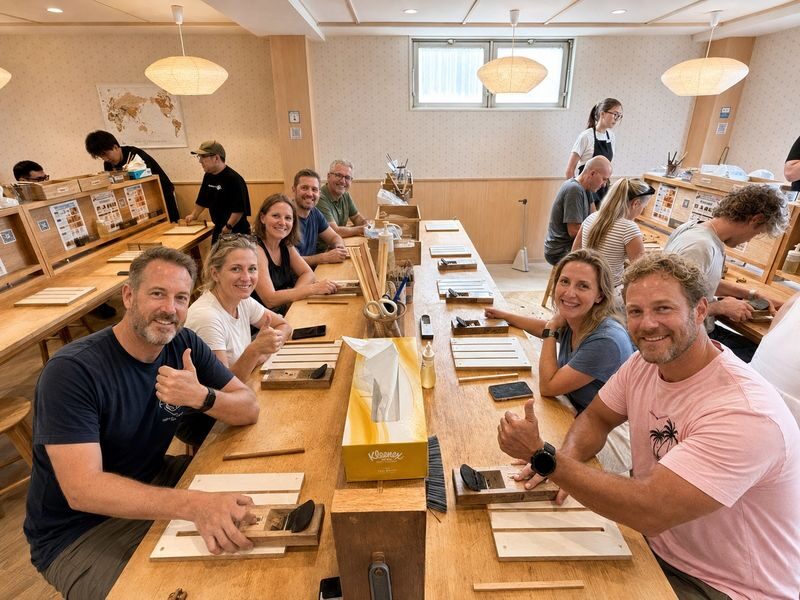
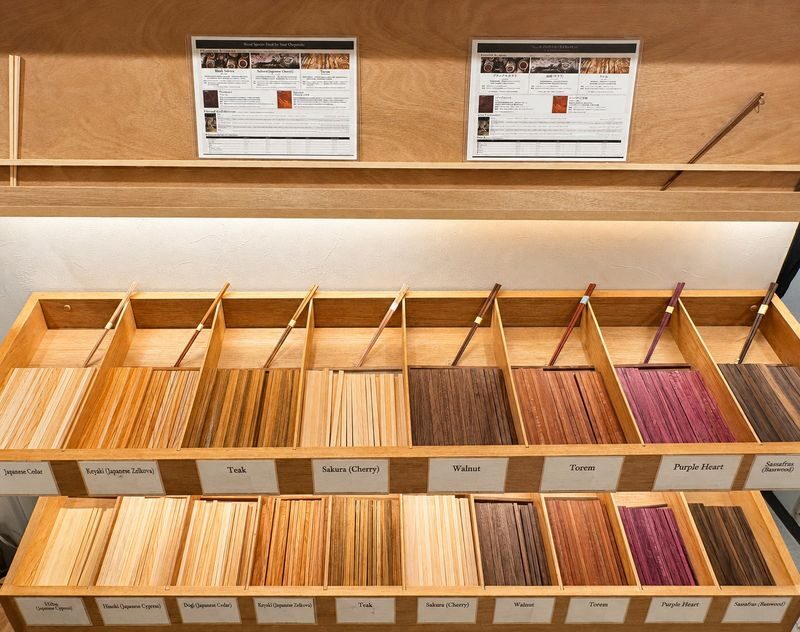
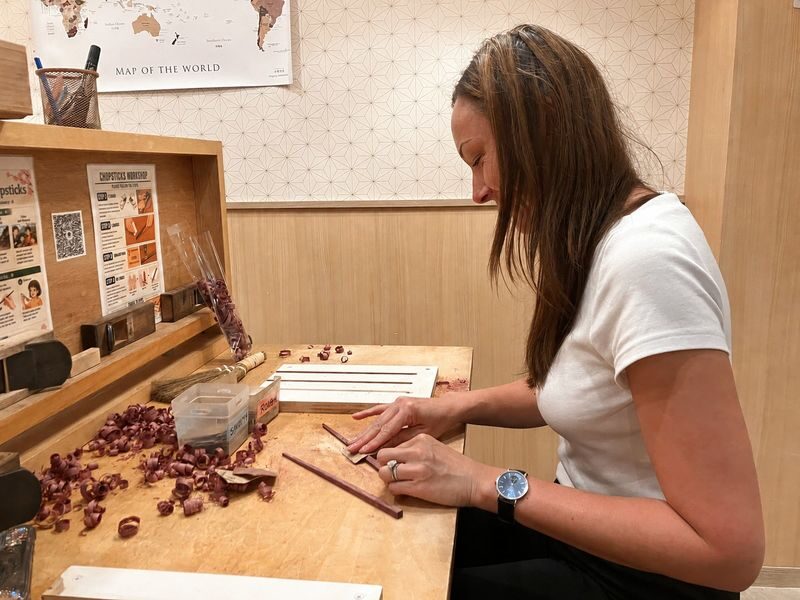
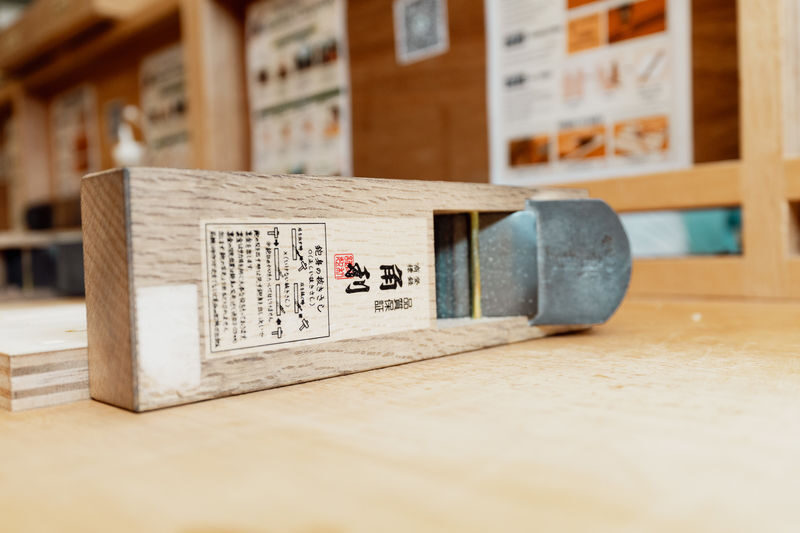
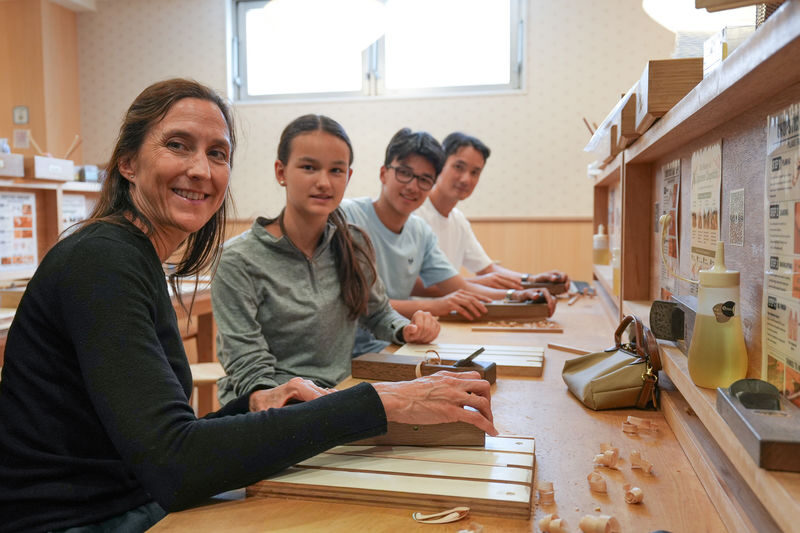
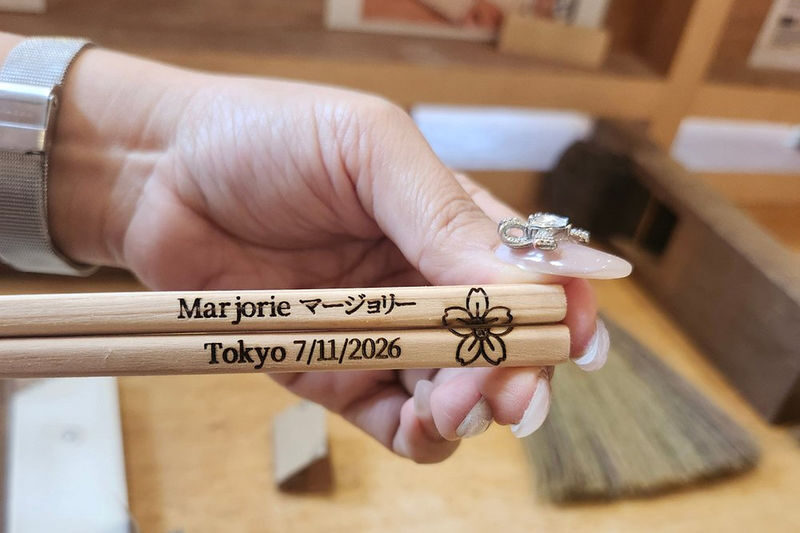
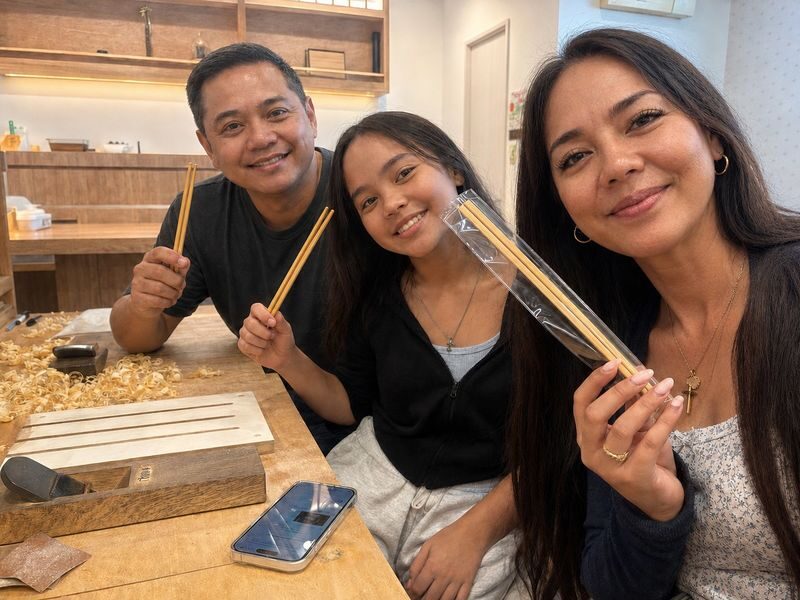
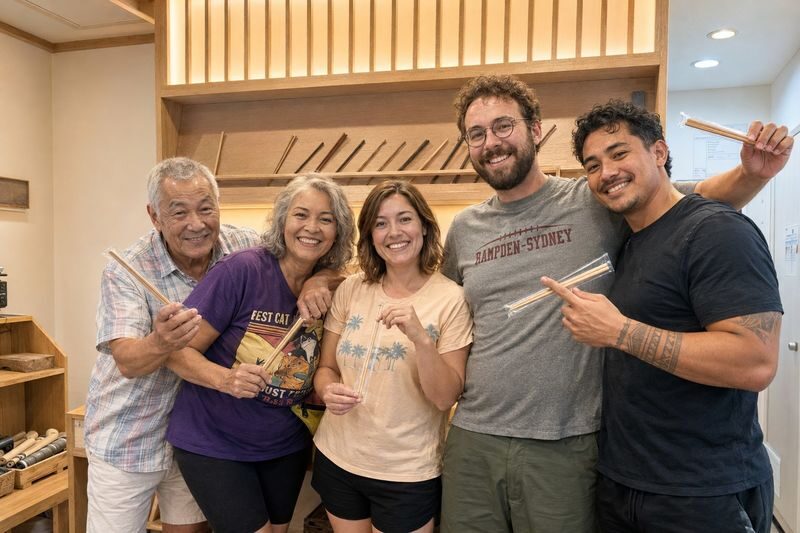
- Choose your wood: Standard wood is included, and premium options are available for an additional charge.
- Shape by hand: Use a traditional hand plane, with an instructor guiding you through the process.
- Finish the surface: Sand the wood smooth, then apply natural oil for a warm finish.
- Add a personal touch: Japanese name engraving is available for an extra fee.
- Plan for about an hour: Sessions are offered at set times from morning through evening in central Shinjuku.

👉 See our pick of the 25 Best Guided Tours In Tokyo
Start with wood, grain, and a choice
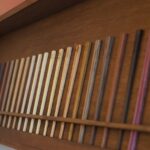
The workshop takes place on the 10th floor of Shinjuku West Square Building in Nishi-Shinjuku. It begins with a choice of wood, and that first decision gives the project its character. Each type has its own color, grain, and texture, so you can pick a look that suits you rather than making a standard pair.
Standard wood is included in the listed price. You can pay extra for premium wood, with options that have included sakura and sugi. If you are deciding whether an upgrade is worth it, look at the grain and color before committing. The more expensive option is a personal choice, not a requirement for making a useful pair.
An instructor explains the work and helps you get started. English-speaking staff are included, which makes a difference when the task involves tools and small adjustments. Staff names associated with sessions include Rick, Jen, Aleyna, Momo, and Sota, though you should expect the instructor to vary by date.
The atmosphere is hands-on, but the process is guided. You are not expected to know how to use a hand plane or arrive with woodworking skills. The aim is to learn the basic movements, work at your own pace, and ask for help when you need it.
You can also read our reviews of more tours and experiences in Tokyo


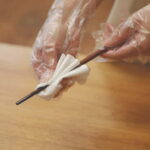
Shape the chopsticks with a hand plane
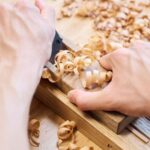
Once you have your wood, the main work is shaping it. You use a hand plane to remove small amounts of material, gradually turning the wood into a pair of chopsticks. This is the most tactile part of the session: you feel the grain and see the shape change with each careful pass.
The instructor demonstrates the process and can help you correct your technique. That support matters because the job calls for attention and a steady hand, especially as you work to make the two chopsticks feel like a pair. You do not need to rush. The workshop is designed to fit into roughly an hour, but the pace is guided rather than a test of speed.
There is a satisfying difference between making a souvenir and making something you can use. The hand-planing gives you a small, clear sense of the skill behind a familiar everyday object. You leave with a better feel for the work involved in shaping wood, even if this is your first time using the tool.
The activity is open to all ages, according to its stated eligibility. That makes it a possible family outing, although younger children will need to follow the instructor’s directions around the tools. It is also suitable if you are travelling alone: the one-person format does not require you to bring a group.
Sand, oil, and bring out the wood
After shaping, you refine the surface with sandpaper. Sanding removes roughness and helps create a smooth finish that feels comfortable in your hand. It is a slower, quieter stage than planing, but it matters. Small imperfections become easier to notice as the surface gets smoother.
The final step is a coat of natural oil. It gives the chopsticks a warm, polished look and brings out the wood’s natural grain. The sequence is simple but complete: choose, shape, sand, and finish. You get to see the work move from raw material to a finished utensil during the same visit.
This is not a factory-style demonstration where you watch someone else make the object. You do the shaping and finishing yourself, with help when needed. That hands-on element is the main reason to choose the workshop over simply buying a pair of wooden chopsticks.
Decide if engraving or premium wood is worth the extra
Japanese name engraving is optional and costs extra. It can make the finished pair feel more personal, especially if you want a keepsake or a gift. Staff can help with the engraving, but the additional cost is not included in the base price, so check the current price before deciding.
Premium wood is another optional extra. Participants have chosen different kinds, including sakura and sugi, and the selection can make the experience feel more individual. But the standard wood is already part of the workshop, so you can complete the activity without paying for an upgrade.
The starting price is listed from $6.35, a low entry point for a guided craft activity and a handmade souvenir. Your total may rise if you choose premium wood, engraving, or both. I would treat the starting rate as the cost of the basic workshop, then decide whether the personalization is worth the added expense to you.
Fit the session into a Shinjuku day
The workshop is on the 10th floor of Shinjuku West Square Building, at 7-4-5 Nishi-Shinjuku, Shinjuku-ku. Shinjuku-nishiguchi Station on the Toei Oedo Line is a one-minute walk away; Seibu-Shinjuku Station is three minutes away; and Shinjuku Station is about five minutes away. That makes it easy to slot between other plans without setting aside half a day.
Available start times run from 9:00 a.m. through 7:00 p.m. You choose a time when booking, and you should arrive five minutes early. The activity takes about one hour, though the listed return time depends on the session you select. Plan around the scheduled time rather than assuming you can arrive whenever suits you.
This is a useful rainy-day option or a welcome pause between sightseeing stops. It does not require a full day or a long transfer, and it gives you a different kind of Tokyo experience from shopping and city views. Keep in mind that there is no luggage storage at the venue, so arrive without bags you need to leave behind.
The workshop is wheelchair-accessible. Payment at the venue is cashless, with Visa, Mastercard, American Express, JCB, Diners Club, and Discover accepted. Arrivals more than 15 minutes late may be asked to reschedule, since late starts can affect later bookings.






What the hour gives you, and what it does not
The value here is in the combination of instruction and making. You learn a few basic steps, use authentic tools, and leave with a usable object shaped by your own hands. At the starting price, that is appealing, provided you are comfortable with the possibility of paying extra for wood or engraving.
The session is short by design. It will not teach you every detail of Japanese woodworking, and it is not a long, formal course. Think of it as a practical introduction to one craft, with enough guidance to make a finished pair and understand the steps involved.
That distinction helps set expectations. If you want a structured activity with a clear beginning and end, this fits well. If you want a broad cultural tour or a deep technical study of woodworking, you may want to pair it with another activity rather than expecting this hour to cover everything.
Who will enjoy making chopsticks
I would recommend this to anyone who likes craft activities, wants a useful souvenir, or needs a low-key break from a busy sightseeing schedule. It also works well for families, since there is no age limit, and for solo visitors who want an activity that does not depend on having a group.
It is especially appealing if you enjoy choosing materials and seeing a project take shape. The wood selection, hand-planing, sanding, and oil finish give you several points of involvement, rather than one quick decorative step. English-speaking instruction should also make the process accessible if you do not speak Japanese.
It may be less appealing if you want a completely fixed price that includes every available option. The standard wood is included, but upgrades and engraving add cost. Check those extras before booking so the final price does not surprise you.
Should you book the Shinjuku chopstick workshop?
Book it if you want a short, practical craft experience in a convenient Shinjuku location, and if the idea of shaping your own wooden chopsticks appeals more than buying a ready-made souvenir. The guided process, choice of wood, and optional engraving make the hour feel personal without taking over your day.
Skip it if your priority is a long cultural lesson, or if you do not want to pay beyond the base price for optional touches. For most people looking for an easy-to-fit activity and a keepsake they can use, this is a sensible choice. Check the cost of upgrades, arrive five minutes early, and leave your luggage elsewhere.
Shinjuku Chopstick Making Workshop (Tokyo)
“Rick was amazing! walked in and he was able to assist in making a pair of chopsticks. very helpful and did a fantastic job with the engraving!!”
FAQ
How long does the chopstick-making workshop take?
The activity is listed as one hour. The exact return time depends on the departure time you selected.
Where is the workshop?
It is held on the 10th floor of Shinjuku West Square Building, 7-4-5 Nishi-Shinjuku, Shinjuku-ku, Tokyo.
How do I get to Shinjuku West Square Building?
Shinjuku-nishiguchi Station is a one-minute walk away, Seibu-Shinjuku Station is three minutes away, and Shinjuku Station is five minutes away.
What is included in the price?
The workshop includes admission, English-speaking staff, standard wood, the chopstick-making session, and use of traditional tools.
Do premium wood and engraving cost extra?
Yes. Premium wood and optional Japanese name engraving are available for an additional fee.
What will I do during the workshop?
You choose wood, shape the chopsticks with a hand plane, refine them with sandpaper, and apply natural oil.
Is there an age limit?
No. The activity has no age limit.
Is the workshop wheelchair-accessible?
Yes, the activity is listed as wheelchair-accessible.
What happens if I arrive late?
You should arrive five minutes before your scheduled start. If you arrive more than 15 minutes late, you may be asked to reschedule.