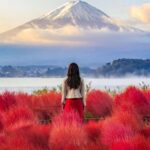
Mount Fuji’s snow-bright summit, a village fed by clear springs, and a coastal train ride: this tour packs several very different sides of the Tokyo region into two days. You travel by road with a guide, then have time at each stop to explore on your own.
I like that one booking covers two full sightseeing days and that the route combines Fuji photo spots with Kamakura’s temples, coastline and local streets. I also like that the Enoden ticket is included, so you can experience the small coastal railway without sorting out a separate fare.
The trade-off is a brisk schedule, with long drives and short visits at several stops. You return to Tokyo after Day 1 and meet again the next morning, so the tour does not include accommodation. Fuji views, flowers and travel times can also change with weather, season and traffic.
- Two distinct days, not an overnight excursion: Day 1 returns to Tokyo around 18:50; Day 2 starts at 08:00.
- Fuji viewpoints with varied scenery: Arakurayama Sengen Park, a street-view photo stop, Oshino Hakkai and Lake Kawaguchi’s Oishi Park.
- Kamakura by road and rail: The Enoden ride is included, along with visits to the Great Buddha, Enoshima and Tsurugaoka Hachimangu.
- Guides in four languages: Chinese, English, Japanese and Korean are offered, though the guide and vehicle setup depend on group size.
- A low starting price, with some extras: Prices begin at US$90.19, while the Great Buddha admission costs 300 yen and lodging is your responsibility.
- Strict timing matters: Arrive 10 minutes early at the stated Tokyo meeting point; late arrivals are not refunded.
- Two days out from Tokyo, with a night back in town
- Day 1: Fuji viewpoints, spring water and Lake Kawaguchi
- Day 2: Kamakura’s Buddha, coastal railway and shrine
- Guides, group size and the pace of the day
- What the price covers, and what it does not
- Weather, crowds and other things to weigh
- Who will get the most from this route?
- Should you book this Mount Fuji and Kamakura tour?
- FAQ
- Does the tour include accommodation?
- Where does the tour depart from?
- What time should I arrive at the meeting point?
- Is the Enoden railway ticket included?
- Is admission to the Kamakura Great Buddha included?
- Which languages are available for the guide?
- Can I bring luggage?
- Are young children charged the adult rate?
- Can the schedule or return time change?
- The Best Of Fujikawaguchiko!
- More 2-Day Experiences in Fujikawaguchiko
- More Tours in Fujikawaguchiko
- More Tour Reviews in Fujikawaguchiko
- Not for you? Here's more nearby things to do in Fujikawaguchiko we have reviewed
Two days out from Tokyo, with a night back in town
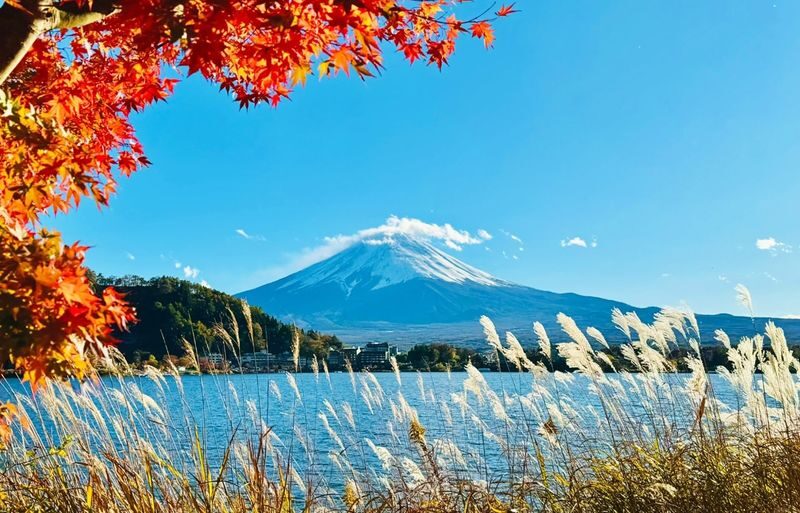
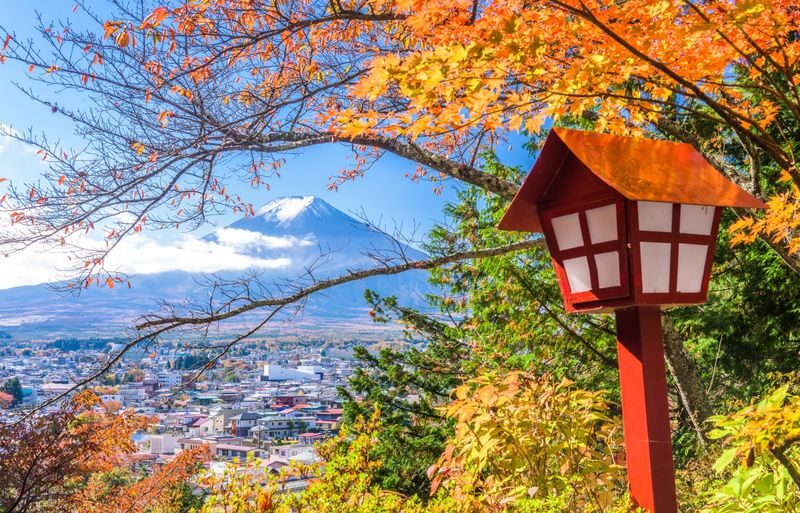
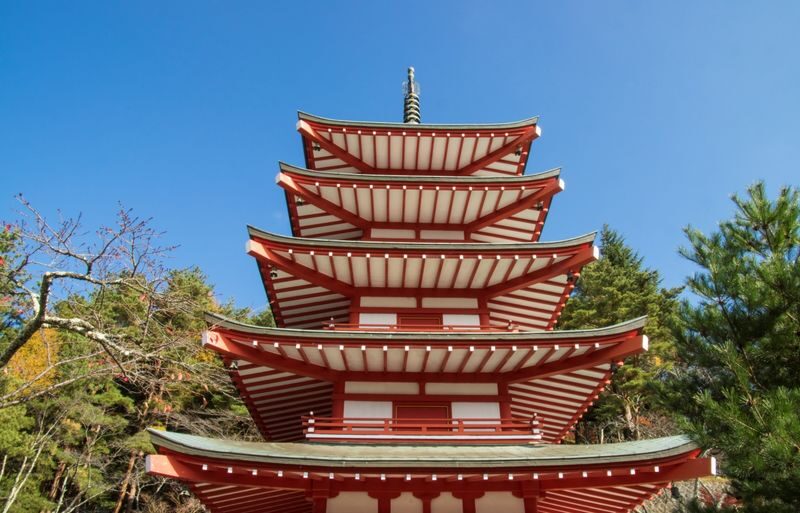
This is a compact sampler of Yamanashi and Kanagawa, rather than a slow-paced retreat into either region. One day centers on Mount Fuji and Lake Kawaguchi; the next shifts to Kamakura’s temples, seaside rail line and island setting at Enoshima.
The title can suggest an overnight trip away from Tokyo, but that is not how the schedule works. The first day ends at Tokyo Station, and you return to the meeting point there at 08:00 on Day 2. You need to arrange your own room, ideally somewhere that makes both early starts manageable.
At a starting price of US$90.19, the main value is practical: transport links a spread-out set of sights that would take more planning to visit independently. The fee includes round-trip transfers, tolls, parking and fuel, plus the Enoden ticket. It does not include the Great Buddha’s 300-yen admission. No accommodation is included, and meals are not listed among the inclusions, so leave room in your budget for food and drinks.

👉 See our pick of the 4 Best Private Car With Driver Services in Fujikawaguchiko
Day 1: Fuji viewpoints, spring water and Lake Kawaguchi
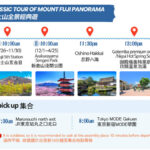
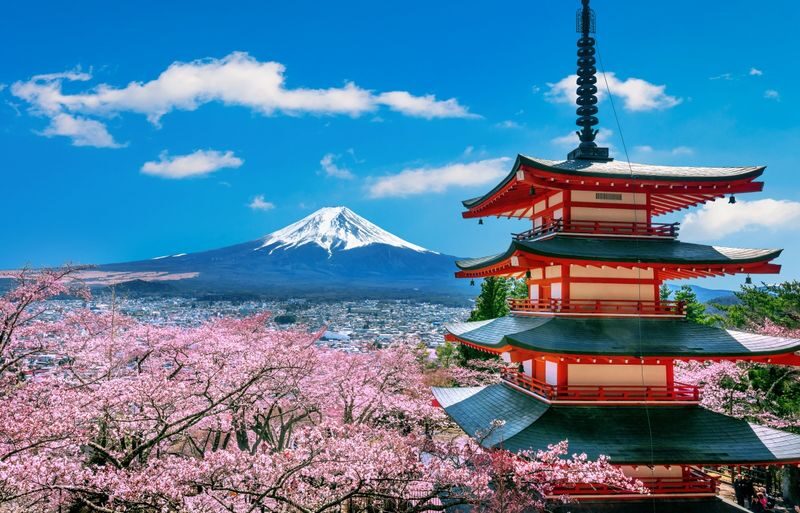
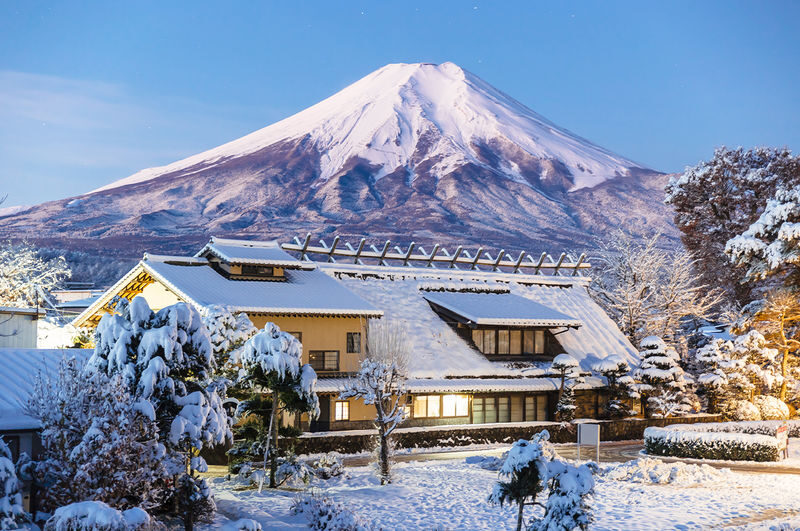
The bus leaves Tokyo at 08:00. The first listed stop is Arakurayama Sengen Park, reached at about 10:30, where you have an hour to take in the broad view of Mount Fuji. This is a classic panorama stop, especially appealing if you want a recognizable Fuji photograph. The view depends on visibility, though: clouds can hide the summit, so treat the mountain as a possibility rather than a promise.
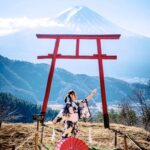
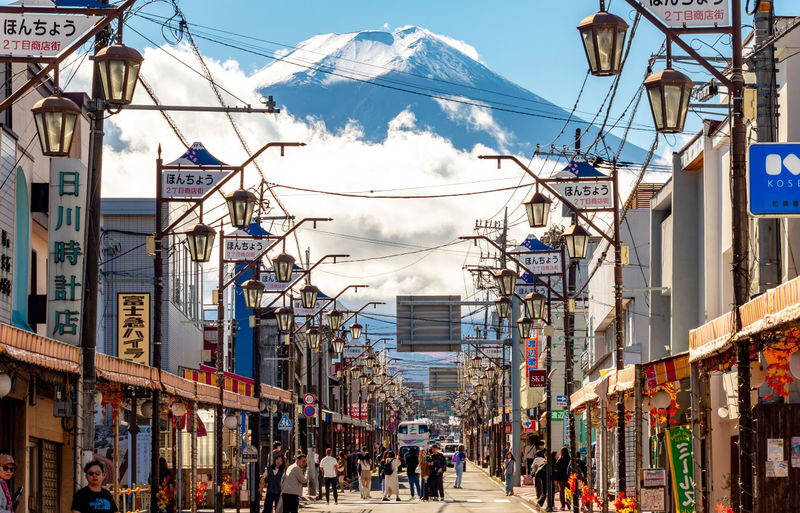
Next comes Nikawa Clock Shop, a 20-minute stop described as a chance to frame Mount Fuji at the end of a Japanese street scene. It is a quick photo opportunity, not a long visit. If you prefer to linger or explore a place in depth, the timetable may feel tight.
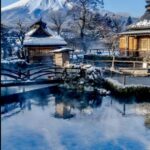
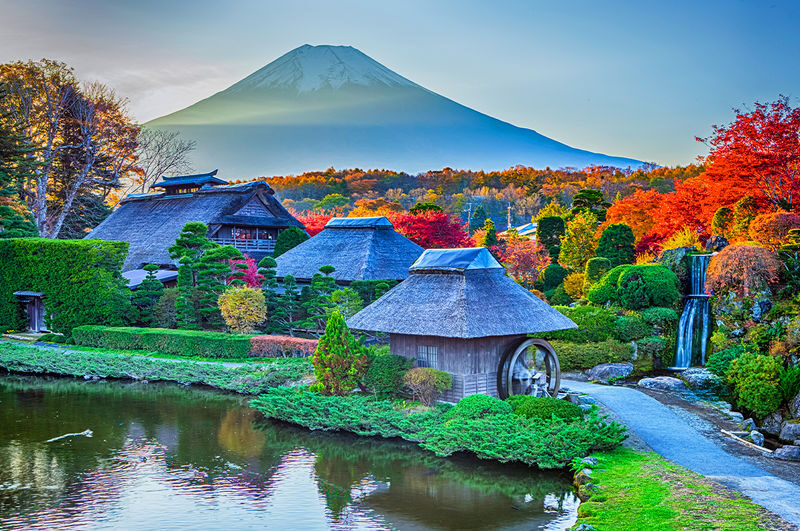
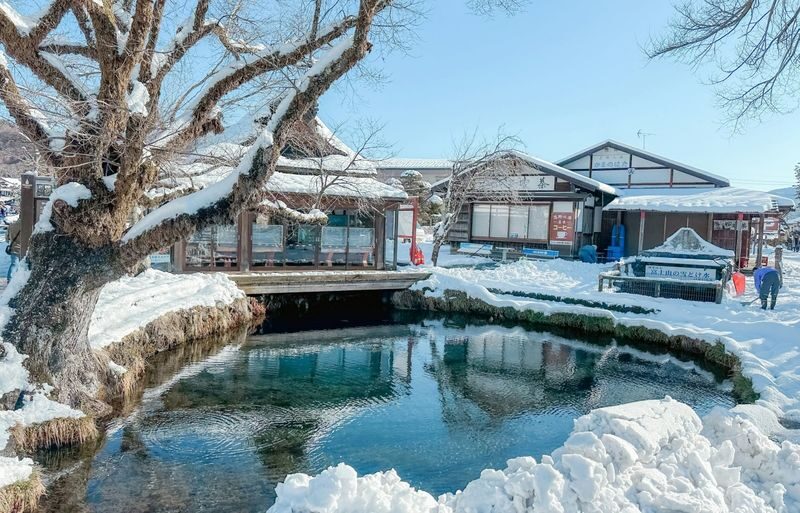
Oshino Hakkai gives the day a different texture. You have an hour and a half to walk through the spring-water village and taste its clear water, with Mount Fuji nearby. This is one of the longer stops, and a welcome change from getting in and out of the vehicle for a photograph. Still, you will be exploring independently, so use the time as you like and keep an eye on the agreed meeting point.
A Lawson convenience-store stop follows for 20 minutes. It is presented as a popular photo location, rather than a major sightseeing visit. Think of it as a short, familiar roadside pause with a Fuji-themed photo angle, not a reason to expect a long cultural stop.
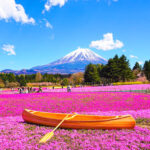
The final main visit is Oishi Park at Lake Kawaguchi, with about 50 minutes to enjoy the lakeside views and seasonal planting. The park’s appearance changes through the year: cherry blossoms are associated with spring, while red spider lilies and autumn color are seasonal attractions. Flower timing varies from year to year, and the itinerary does not guarantee a particular bloom or a clear view of Fuji. The much-photographed Diamond Fuji effect is also dependent on conditions and timing, so do not book solely for that specific sight.
The return drive takes about two and a half hours, with arrival at Tokyo Station scheduled for around 18:50. That is a long day, but it gives you a full circuit of Fuji-area highlights without requiring you to navigate local connections yourself.
You can also read our reviews of more tours and experiences in Fujikawaguchiko

Day 2: Kamakura’s Buddha, coastal railway and shrine
Meet at 08:00 under the BEAMS sign at the Shin-Marunouchi Building in front of JR Tokyo Station. The tour advises arriving 10 minutes early and says the vehicle will not wait beyond departure. That is sensible advice: a group tour cannot easily absorb a late start without affecting everyone’s stops.
At around 10:00, you reach the Kamakura Great Buddha for a 30-minute visit. Admission is not included and costs 300 yen. This is a short introduction to one of Kamakura’s best-known sights, so you will want to keep your visit focused rather than expect an extended stay.
The group then walks to Hase Station, about 15 to 20 minutes away, for an Enoden ride. The ticket is included, and the train experience itself is scheduled for roughly 15 minutes. The Enoden is a small coastal railway, a pleasing shift from the tour bus and a chance to see the area from a different angle. At Kamakura High School, you have another 20-minute stop for the familiar railway-and-sea scene.
Enoshima takes up about an hour and 50 minutes, making it the longest stop of the day. You have time to explore on your own, with the island and Shonan coast as the focus. This part of the day can be affected by heat and crowds. On a hot day, some walking stretches may offer little shade, and holiday periods can make the area feel crowded. Bring water and sun protection, and use the free time at a pace that suits you.
The final sightseeing stop is Tsurugaoka Hachimangu Shrine, with about 70 minutes to look around. It offers a quieter change of scene after the coast and railway. The bus leaves at around 15:30 for the return drive, which is scheduled to take two hours, with arrival around 17:30.
Guides, group size and the pace of the day
The tour offers guides in Chinese, English, Japanese and Korean. The format depends on how many people book: groups of four to 13 may have a driver who also guides, while larger groups may have a separate driver and guide. In a small vehicle, the driver-guide’s main task is driving, with explanations added along the way. The exact arrangement is not fixed.
Guide assignments also vary. Names associated with past outings include Hou Jing, Lin Yan, Zhan Jie, Liu, Young and Dan. Do not assume you will have a particular person, but you can reasonably expect the guide to explain meeting points and group rules. Clear instructions matter when stops are short and the vehicle has to keep to a schedule. Some guides have also helped with photos, a useful extra if you want the classic Fuji framing without asking a stranger.
The strongest practical feature is not a long lecture at each site. It is having someone manage the transport, timing and changes while you focus on the views. One guide’s multilingual ability has been noted across Mandarin, Korean, Japanese and basic Cantonese, but language skills and guide assignments will vary by departure.
What the price covers, and what it does not
The starting price of US$90.19 is attractive for two days of transport between Tokyo and a wide range of stops. It also covers tolls, parking, fuel and the Enoden ticket. Those costs can add up on a self-planned trip, and transport is the main reason this tour makes sense for someone who wants to see both Fuji and Kamakura in a short visit.
The price does not buy you a hotel night, and it does not include the Great Buddha’s 300-yen entry fee. Because food is not listed as included, plan to pay separately for meals and snacks. You have free time at most stops, rather than a stated group meal arrangement.
Vehicle type depends on group size. The options may range from a Toyota Alphard or similar van to a minibus or larger bus. The actual vehicle can change, so do not rely on a particular model or seat layout. The supplied luggage allowance is one piece per person at no cost; extra pieces cost 2,000 yen each and must be declared when booking. If you need to bring more, confirm it in advance.
Weather, crowds and other things to weigh
Fuji is a weather-dependent sight. The route is designed around scenic viewpoints, but the summit may not be visible on your day. Seasonal flowers and autumn color are equally unpredictable, and the tour does not offer refunds if blossoms or leaves are not at their peak.
Traffic can change both the timing and the stops. The operator may adjust or reduce the itinerary because of weather, holidays, crowds or other conditions, without a refund. The return times are estimates, and the actual arrival can vary. Keep the evening after Day 2 clear rather than booking a tight connection or timed activity.
The schedule is also physically demanding in a modest but real way. There are repeated transfers, walks between stops and stretches at coastal locations. The tour is not recommended for people with impaired mobility, pregnant participants or people with conditions such as high blood pressure or epilepsy. Children aged zero to two can join free if they do not need a separate seat; children aged three and older pay the adult rate.


Who will get the most from this route?
I would choose this trip if I had limited time in Tokyo and wanted a broad first look at Fuji and Kamakura without arranging every connection myself. It works especially well for solo bookers, since departures are available for one person, and for visitors who value a guide and transport more than lingering at each stop.
It is less suitable if you want a relaxed pace, a guaranteed Fuji view, a quiet visit to Enoshima during a busy holiday, or an overnight stay near the sights. The itinerary is built around covering ground. You will get snapshots of several places, not an unhurried day in each.
Should you book this Mount Fuji and Kamakura tour?
Book it if the combination of mountain views, spring water, coastal rail and Kamakura landmarks sounds more appealing than choosing just one area. The included transport and Enoden fare make the starting price good value, and the guides can take much of the navigation stress off your hands.
Skip it if you need flexible timing, want to spend hours at one site, or cannot manage two early starts and long drives. For the best chance of enjoying it, keep your expectations flexible, pack for sun or changing weather, and treat the schedule as a fast-moving introduction rather than a slow visit.
Mount Fuji & Kamakura 2-Day Tour (From Tokyo) Accommodation not included
“Our Mt. Fuji day tour guide, Hou Jing, and our Kamakura day tour guide, Lin Yan, were fantastic; they shared historical insights while we enjoyed t…”
FAQ
Does the tour include accommodation?
No. Day 1 returns to Tokyo Station, and Day 2 starts from Tokyo Station the next morning. You must arrange your own lodging.
Where does the tour depart from?
Both days depart from the Tokyo Station area. Day 2’s meeting point is under the BEAMS sign at the Shin-Marunouchi Building in front of JR Tokyo Station.
What time should I arrive at the meeting point?
Arrive 10 minutes before departure. The tour does not wait for late arrivals, and latecomers or no-shows are not refunded.
Is the Enoden railway ticket included?
Yes. The Enoshima Electric Railway ticket is included in the tour price.
Is admission to the Kamakura Great Buddha included?
No. Admission costs 300 yen and is paid separately.
Which languages are available for the guide?
Guides are offered in Chinese, English, Japanese and Korean. The guide and vehicle arrangement may vary with the group size.
Can I bring luggage?
One piece of luggage per person is allowed free. Extra pieces cost 2,000 yen each and must be noted when booking.
Are young children charged the adult rate?
Children aged zero to two can join free if they do not occupy a separate seat. Children aged three and older are charged the same rate as adults.
Can the schedule or return time change?
Yes. Weather, traffic, holidays and crowds can affect the schedule, and the itinerary may be adjusted. Return times are estimates, so avoid making evening plans that depend on arriving at a precise time.