Gion’s appeal is more than its famous geisha district. On this guided walk, you pass from willow-lined canals and old wooden townhouses to shrines and quiet lanes, then finish on Hanamikoji Street, where you may spot a geisha heading to an evening engagement.
I like two things in particular: the route pairs well-known sights with backstreets you might not find alone, and guides such as Akemi, Sarah, Dan, and Edo have been praised for lively stories and patient answers. The main drawback is that this is a walking tour with stairs, and a geisha sighting is possible, not promised.
At a glance
- Start among Pontocho’s narrow lanes, then follow the Kamo River toward Gion.
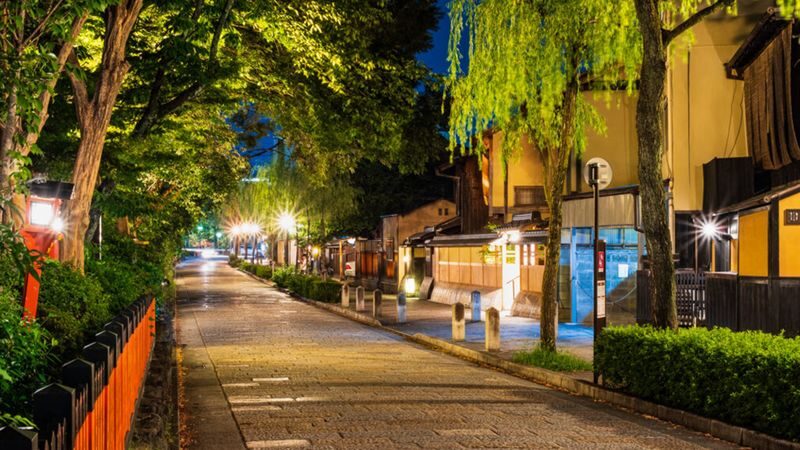
- Gion Shirakawa’s willows and tea houses offer a quieter, scenic side of the district.
- Yasaka Shrine is about 1,000 years old, and adds a major historic stop to the walk.
- Nene no Michi and the Yasaka Pagoda bring you through cobbled lanes and classic Kyoto views.
- Hanamikoji Street is the finale, with an introduction to geisha training and culture.
- Choose from several departure times, including evening walks, when lanterns and quieter streets can change the mood.

👉 See our pick of the 25 Best Workshops And Classes In Kyoto
- At a glance
- A walk from riverside Kyoto to the geisha district
- Pontocho and the Kamo River set the scene
- Gion Shirakawa’s quieter side
- Yasaka Shrine brings history into the walk
- Nene no Michi and the Yasaka Pagoda
- Yasui Konpiragu and a closer look at local worship
- Hanamikoji Street and the chance of a geisha sighting
- Choosing a time, language, and group style
- What the price does and does not cover
- The practical bits that make the walk easier
- Is this Gion walk worth booking?
- FAQ
- How much does the Gion tour cost?
- Where does the tour meet?
- What time can I choose?
- Which languages are available?
- Will I see a geisha?
- How much walking is involved?
- Can children join the tour?
- Is luggage storage available?
- The Best Of Kyoto!
- More Tours in Kyoto
- More Tour Reviews in Kyoto
- Not for you? Here's more nearby things to do in Kyoto we have reviewed
A walk from riverside Kyoto to the geisha district
 1 / 10
 2 / 10
 3 / 10
 4 / 10
 5 / 10
 6 / 10
 7 / 10
 8 / 10
 9 / 10
 10 / 10
This tour works best as an introduction to Gion rather than a single-sight visit. The route links riverside scenery, shrines, old lanes, and the district’s geisha culture, while a guide explains what you are seeing and how the different parts of the neighborhood fit together.
The group can include up to 15 people, and the tour is offered in English or Spanish. A private option is also available if you want a more personal walk. For the English-guided tour, the price starts at $12.65, a modest cost for a route that covers several areas and includes a guide’s local context.
The appeal is not just the number of stops. Gion’s most photogenic lanes can be easy to treat as a backdrop, especially when you are trying to navigate and take pictures at once. A guide can point out details along the way and make room for questions about local history, customs, and geisha culture.
You can also read our reviews of more tours and experiences in Kyoto.

Pontocho and the Kamo River set the scene
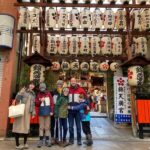
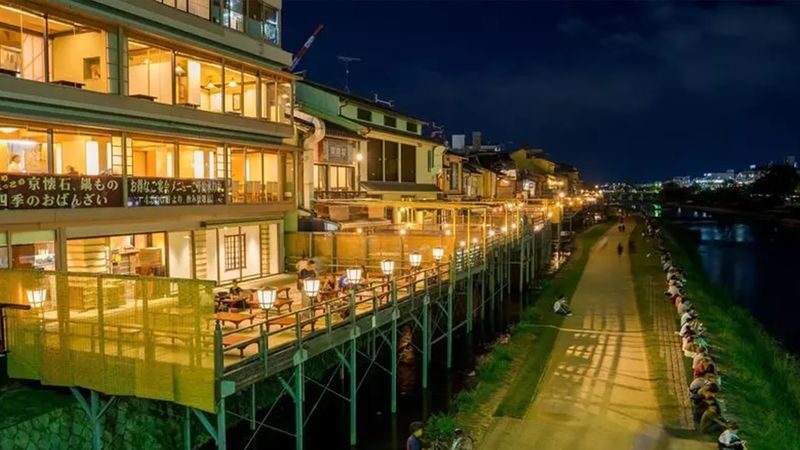
The route begins near McDonald’s Shijo Ohashi Store, with the group meeting on the side road rather than at its busy front entrance. From there, the walk takes in Pontocho, a narrow Kyoto alley known for traditional tea houses, riverside dining, and its connections to geisha culture.
Pontocho is a good first stop because it gives you an early feel for the contrast that runs through the tour: busy city life close by, and older streets where the architecture and atmosphere feel distinct. You will see the alley and its surroundings rather than sit down for a meal, so think of this as an orientation stop, not a food tour.
The Kamo River offers a breather between streets. Its riverside setting is scenic in every season, and the walk gives you a chance to take in the open space before turning toward Gion’s more enclosed lanes. If you like a mix of city views and traditional streets, this change of pace is part of the route’s value.
Gion Shirakawa’s quieter side
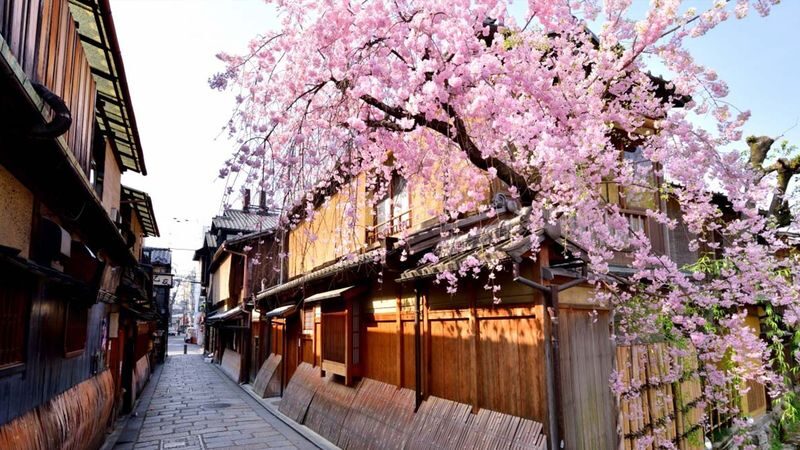
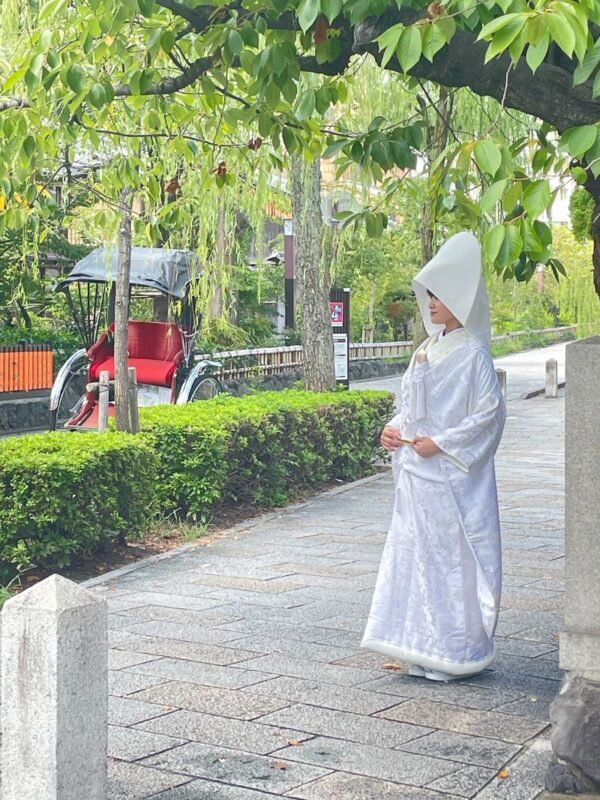
Gion Shirakawa is among the most atmospheric stretches of the walk. Willow trees line the canal, with stone-paved paths, traditional tea houses, and wooden townhouses nearby. It is the sort of place that rewards a slow look, not just a quick photo.
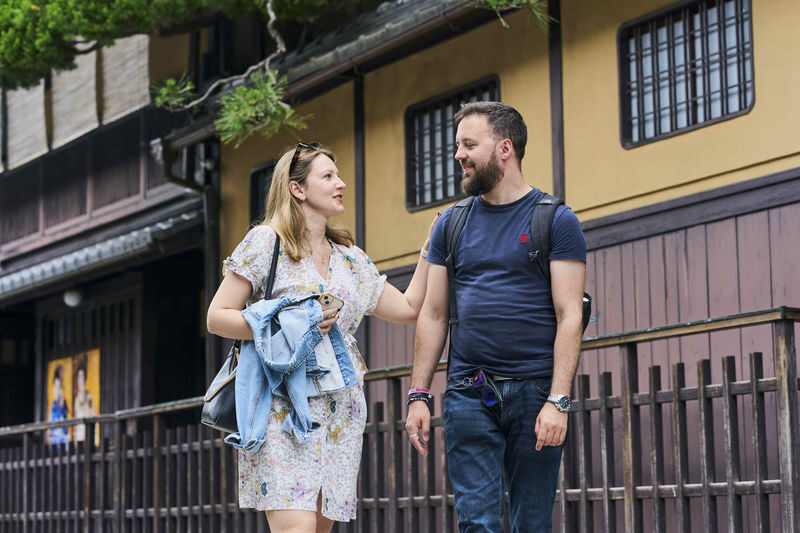
The tour also takes you into quieter backstreets where there are fewer people. That matters in Gion, where the best-known roads can draw crowds and make it harder to notice small details. A guide can lead you through lanes you might otherwise pass by, while explaining the area’s relationship to the tea houses and the lives of geisha and maiko.
You will also see Edo-period wooden townhouses along the route. Their traditional look helps give the neighborhood its sense of age, but the tour is still a walk through a living district. Keep your voice low, stay with the group, and treat residents and workers with respect, particularly near private homes and tea houses.
Yasaka Shrine brings history into the walk
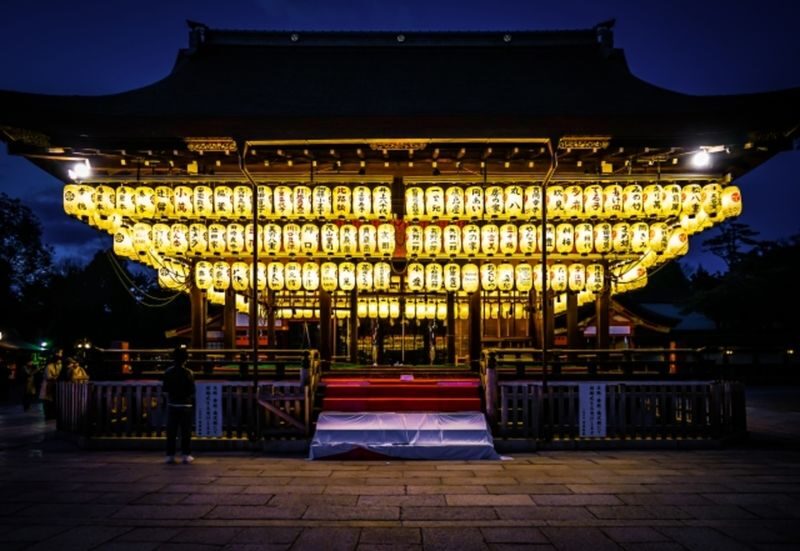
Yasaka Shrine is described as a 1,000-year-old landmark, and it gives the tour a change of focus. Instead of narrow lanes and traditional buildings, you enter a major religious site associated with Kyoto’s long-standing customs and seasonal festivals.
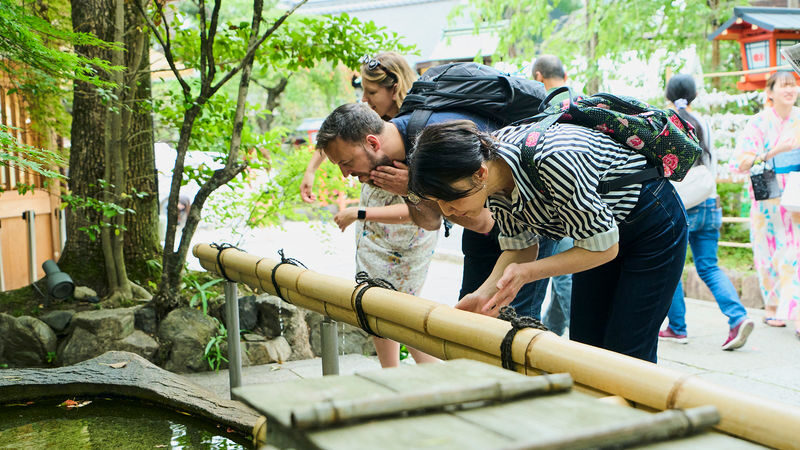
The stop is useful even if you have visited shrines elsewhere in Japan. A guide can explain what you are looking at and how Shinto worship is practiced, making the visit more than a quick pass through a photogenic gate. The shrine is also a natural pause in a route that involves plenty of walking.
The schedule can change with weather or traffic, so the exact order or pace may vary. That flexibility is sensible, but it means you should not plan a tightly timed activity immediately after the walk unless you have allowed a little breathing room.
Nene no Michi and the Yasaka Pagoda
Nene no Michi is a historic cobbled path lined with temples, gardens, and traditional tea houses. It offers another quieter stretch and a slower pace, with the old Kyoto feel carried by the stone underfoot and the buildings close around the lane.
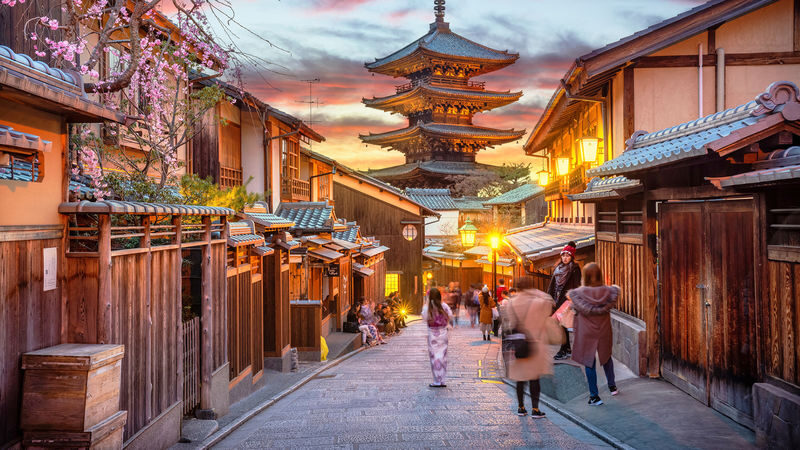
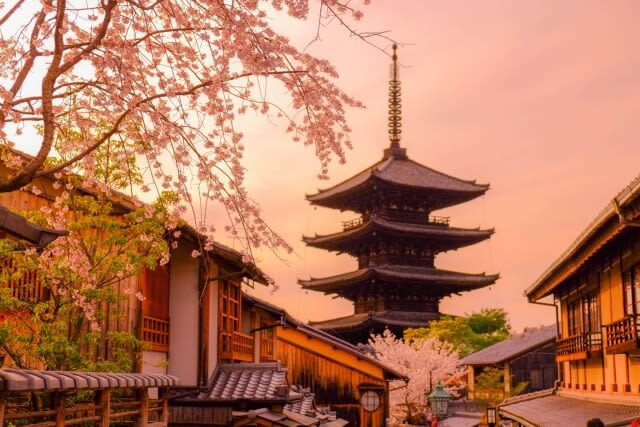
From here, the route includes Hokan-ji Temple, better known for the Yasaka Pagoda. This is one of Kyoto’s most photographed views, and for good reason: the pagoda rises above the surrounding streets and makes a strong focal point. Expect a popular photo stop, though the surrounding lanes may feel calmer than the main viewpoint.
This is a good place to balance sightseeing with simply looking around. The pagoda is the headline, but the approach through the older streets is part of what makes the stop memorable. Wear shoes you are happy to walk in, since the route includes cobbles, stairs, and a considerable amount of walking.




Yasui Konpiragu and a closer look at local worship
Yasui Konpiragu is another shrine stop, with a chance to learn about Shinto worship. It adds variety to the route after the pagoda and helps show that Gion is not only about tea houses and geisha culture.
The provided details do not specify how long the group spends at each location, so expect a guided walk rather than an in-depth visit at every site. If you have a particular interest in shrine customs, this is a useful moment to ask your guide questions. Guides including Akemi, Mayo, Sarah, and Dan have been praised for making room for questions and explaining history in an engaging way.
The small-group limit of 15 helps keep the experience manageable. Several accounts describe guides who waited for the whole group, kept a comfortable pace, and made children feel included. That is especially useful on uneven lanes, where a rushed walk would make it harder to take in the surroundings.
Hanamikoji Street and the chance of a geisha sighting
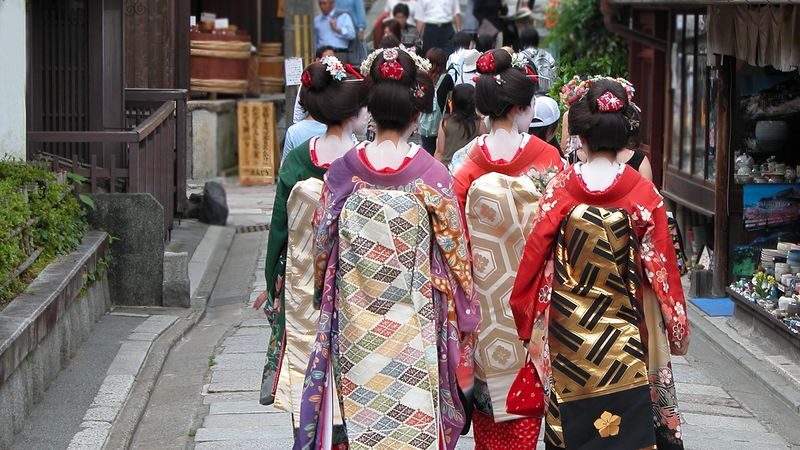
The tour ends on Hanamikoji Street, at the heart of Kyoto’s geisha district. This is where the guide explains more about geisha training, graceful dances, kimono craft, and traditional hairstyles. The aim is to help you understand the culture, not just look for a passing figure in formal dress.
You might see a geisha or maiko on the way to an evening engagement, but there is no guarantee. Some walks have ended with sightings, while others have not; the practical lesson is to value the history and street atmosphere either way. If you do see someone, be respectful and follow your guide’s direction. The cultural setting is not a stage built for tourists.
Evening departures are especially appealing if you want to see the district in lower light. Several departure options run from late afternoon into the evening, and people have found the lantern-lit streets calm and beautiful after dark. An early start can be a better fit in hot weather, when walking in the sun may be tiring.
Choosing a time, language, and group style
Departure choices include 8:00, 9:00, and 10:00 in the morning, as well as afternoon and evening slots from 13:00 through 21:00. Return times vary with the departure you choose and the length of the route. Select your time carefully and arrive 15 minutes early at the meeting point.
If you are deciding between daylight and evening, think about what you value most. Morning is a sensible choice in hot weather, and it gives you clear views of the lanes and buildings. A later walk can show you Gion under lantern light and may give you a better chance of seeing the district’s evening activity, though a sighting is still uncertain.
The English-guided option is described in the tour details, and Spanish-guided and private guided options are also offered. Guide assignments can vary. Names that come up in connection with strong walks include Akemi, Sarah, Dan, Edo, Mayo, and Jesse; each has been noted for clear explanations, humor, friendliness, or patience. You cannot request a particular guide based on the information provided, so book for the route and format rather than expecting a specific person.
What the price does and does not cover
At a starting price of $12.65, the tour offers good value if you want orientation and cultural context across several parts of Kyoto. You are paying for an English-speaking guide and operator-provided insurance, along with a route that joins Pontocho, the river, Gion, shrines, and historic lanes in one walk.
It is not a meal, transport, or temple-entry package. The information provided lists no included food or vehicle, and luggage storage is not available. If you are carrying a large bag, make other arrangements before meeting the group.
Children aged 7 and older pay the adult rate. The group can range from one to 15 participants, so the exact feel may be intimate or more social depending on the day. A private tour costs more than the starting shared-tour rate, but may suit you if you prefer a group just for your party or want a more personal experience.
The practical bits that make the walk easier
The meeting point is on the side road beside McDonald’s Shijo Ohashi Store at 105-1 Hashimotocho, Shimogyo Ward. The front of the restaurant gets busy, so look for the guide on the side road and arrive 15 minutes before your chosen start time.
Wear comfortable walking shoes. The route involves a considerable amount of walking and stairs, and includes cobbled paths. There is no luggage storage, so this is not a good activity to join with suitcases or bulky bags.
The voucher is mobile, confirmation is usually sent within minutes, and the booking is valid only for the date and time you selected. Free cancellation is available if you cancel at least 24 hours before the activity date, using Kyoto local time. These terms are handy if plans shift, but check the details on your booking before setting out.
Is this Gion walk worth booking?
I would choose this tour if you want more than a photo stop in Gion. It connects the district’s lanes and landmarks with clear explanations of its history and geisha culture, and the guides’ friendly, patient style is a recurring strength. It also suits first-time visitors who want help finding their bearings without spending much.
Book an evening slot if you like lantern-lit streets and are content with a chance of seeing a geisha, not a promise. Choose an earlier departure if heat is a concern or you want to see the buildings in daylight. If you dislike walking, have trouble with stairs, or are mainly hoping for a guaranteed geisha encounter, this is not the right fit.
Kyoto: Gion Hidden Gems & Geisha Culture Tour
“Taylor was amazing. The tour was very detailed and with a great vibe. I was so impressed by her and by the tour!!”
FAQ
How much does the Gion tour cost?
The English-guided tour starts at $12.65. The price may vary by package or booking choice.
Where does the tour meet?
Meet on the side road beside McDonald’s Shijo Ohashi Store at 105-1 Hashimotocho, Shimogyo Ward, Kyoto. Arrive 15 minutes before departure.
What time can I choose?
Departure options include 8:00, 9:00, 10:00, 13:00, 16:00, 17:00, 18:00, 19:00, 20:00, and 21:00. Available return times depend on your selected departure and the itinerary duration.
Which languages are available?
English-guided and Spanish-guided tours are offered, along with a private guided tour option.
Will I see a geisha?
You might, particularly around Hanamikoji Street, but a sighting is not guaranteed.
How much walking is involved?
The tour involves a considerable amount of walking and stairs. Comfortable walking shoes are recommended.
Can children join the tour?
Children aged 7 and older are charged the same rate as adults. The group size is one to 15 participants.
Is luggage storage available?
No. Luggage storage is not provided.