Gion after dark is less about ticking off sights than noticing how the old district changes when its lanterns come on. This guided walk links teahouse streets, narrow lanes, and temple grounds, with a chance, not a promise, of seeing a maiko or geisha on the way to an evening engagement.
I like the mix of famous landmarks and quieter corners, and the chance to ask a local guide how Gion’s teahouses and geisha training fit together. I also like that the route ends at Yasaka Shrine, giving you a calm final stop after the more photogenic streets.
The main consideration is the pace on foot: this is a two-hour walk, with no transport included, and it is not suited to anyone with limited mobility. Some stops are brief, so bring comfortable shoes and be ready to keep moving.
- What to know before you book
- Lantern light on Hanamikoji Street
- Gion’s lanes and teahouse traditions
- A pause at Yasui Konpiragu
- Yasaka Pagoda and Sannen-zaka
- Yasaka Shrine as the evening’s finish
- What .15 gets you
- Who will enjoy this walk
- Should you book the Gion Night Tour?
- FAQ
- How long is the Kyoto Gion Night Tour?
- Where is the meeting point?
- What time should I arrive?
- What places are included on the walking route?
- Is an English-speaking guide included?
- Is transport included in the price?
- Is the tour wheelchair-accessible or stroller-friendly?
- Are children charged the adult price?
- Is seeing a geisha or maiko guaranteed?
- Can I cancel or change my booking?
- The Best Of Kyoto!
- More Evening Experiences in Kyoto
- More Tours in Kyoto
- More Tour Reviews in Kyoto
- Not for you? Here's more nearby things to do in Kyoto we have reviewed
What to know before you book
 1 / 9
 2 / 9
 3 / 9
 4 / 9
 5 / 9
 6 / 9
 7 / 9
 8 / 9
 9 / 9
- Hanamikoji after dusk: See the district’s wooden machiya and teahouse façades in lantern light, with only a short scheduled stop on this street.
- Geisha culture, explained: Your English-speaking guide can give context on teahouse architecture and the path of geisha training. A sighting of a maiko or geisha is possible, but never guaranteed.
- A route beyond the main street: The walk includes narrow lanes and quieter temple and shrine settings, not just Gion’s best-known photo spots.
- Several Kyoto landmarks in two hours: Expect Hanamikoji, Gion, Yasui Konpiragu, Yasaka Pagoda, Sannen-zaka, and Yasaka Shrine.
- Local guides make a difference: Guides named Ikki, Yui, and Mariko have been praised for answering questions, taking photos, and allowing breaks.
- Budget for your own way there: The $44.15 starting price covers the English-speaking guide, but not transport, meals, drinks, or personal expenses.
👉 See our pick of the 25 Best Workshops And Classes In Kyoto
Lantern light on Hanamikoji Street
The group meets at the statue of Izumo no Okuni, a well-known gathering point in Kyoto. The meeting time is 18:20, with departure promptly at 18:30, so arrive early rather than trying to find the group at the last minute. The guide waits by the statue with an OTAKU hopper sign.
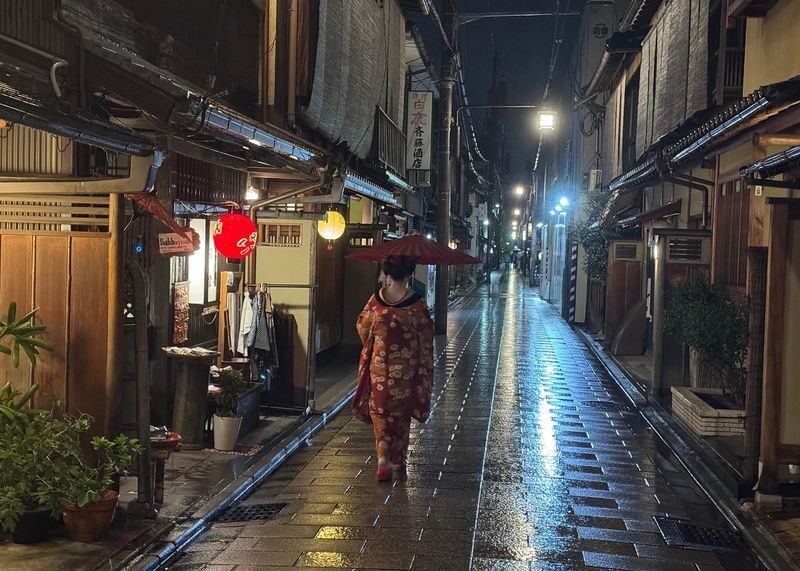
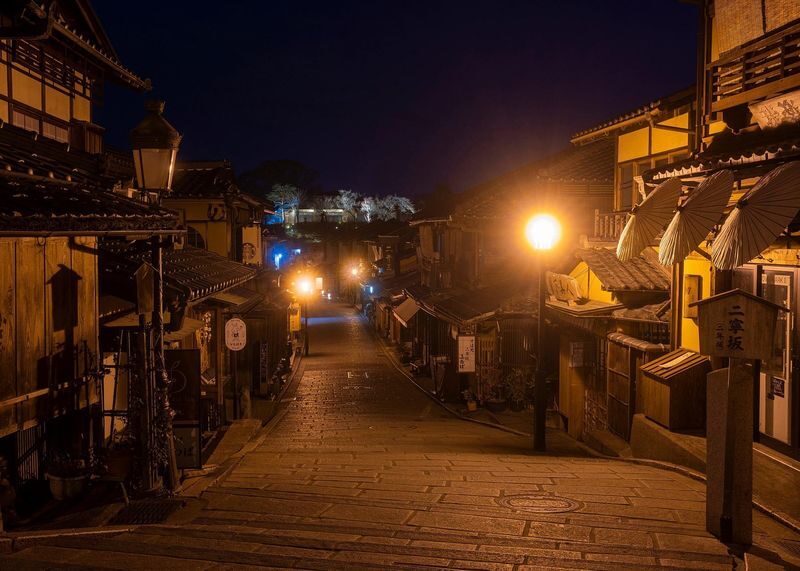
Hanamikoji Street is the first major stop. Its traditional wooden machiya and teahouse fronts are part of what gives Gion its distinctive look, and lantern light can make the street feel quite different from a daytime stroll. The scheduled visit is about five minutes, so think of it as a first impression rather than time for a long wander.
The guide’s role matters here. Gion is not simply a collection of old façades; it remains a working district associated with traditional entertainment. An explanation of the buildings and their use can help you understand what you are looking at, while also reminding you that the area is not a stage set. Be discreet with your camera and respectful of people going about their evening.
You may see a maiko or geisha heading to an engagement, but the tour cannot promise that. The better reason to take this route is to learn how the district works and enjoy its streets without treating a chance encounter as the whole point.
You can also read our reviews of more evening experiences in Kyoto

Gion’s lanes and teahouse traditions
The tour then spends about 15 minutes in Gion. That gives your guide a little more time to connect the street scene to the culture behind it, including teahouse architecture and the training path of geisha. If you have questions, this is a useful stretch to ask them.
Guides named on recent tours include Ikki, Yui, and Mariko. The accounts of their guiding style point to a useful combination: clear explanations, patience with questions, and help with photos. Mariko was also noted for allowing time for breaks, while one small-group outing with Ikki was appreciated for its manageable size. Group size can vary, since the walk may be shared with other participants.
The quieter lanes are a welcome counterpoint to the district’s main thoroughfares. The tour’s appeal is not that it promises access to private teahouses or an insider encounter. Rather, a guide can help you notice details you might otherwise pass by, while keeping the experience grounded in the public streets and places you can visit.
A pause at Yasui Konpiragu
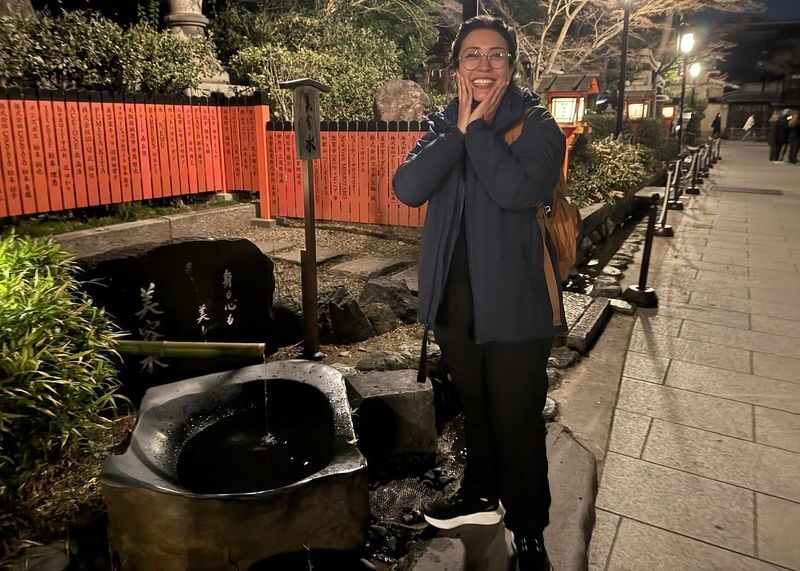
Yasui Konpiragu Shrine is a short stop, scheduled for about five minutes. It is known for prayers to end harmful relationships and encourage more positive ones. That unusual focus makes it a memorable contrast to the more familiar temple and shrine visits on the route.
Five minutes does not leave much room for a long visit or extended reflection. Still, a quick stop can be enough to understand why people come here and how the shrine’s purpose differs from that of the other sacred sites. If you want more time at any one place, this tour’s compact schedule may feel brisk.
The shrine also shifts the walk away from Gion’s architecture and toward the personal beliefs that shape everyday religious practice. Your guide can offer context, but the visit remains brief, so treat it as one chapter in the evening rather than a destination in itself.
Yasaka Pagoda and Sannen-zaka
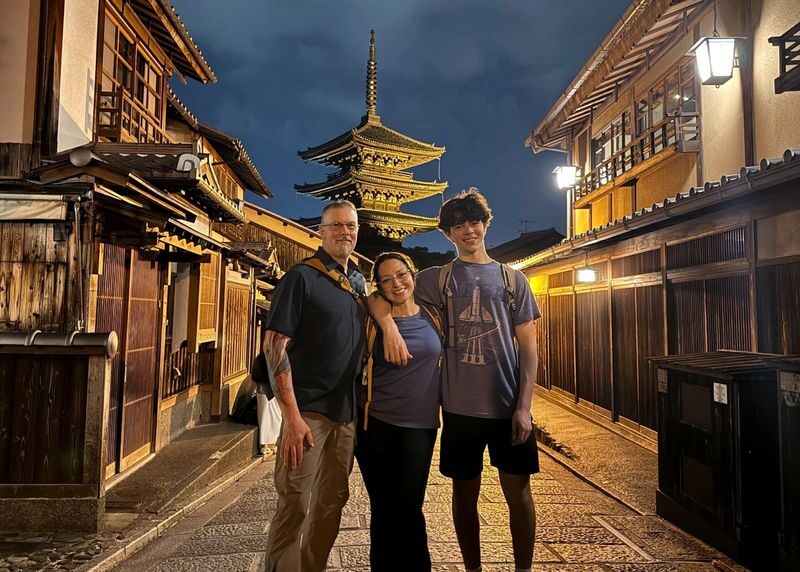
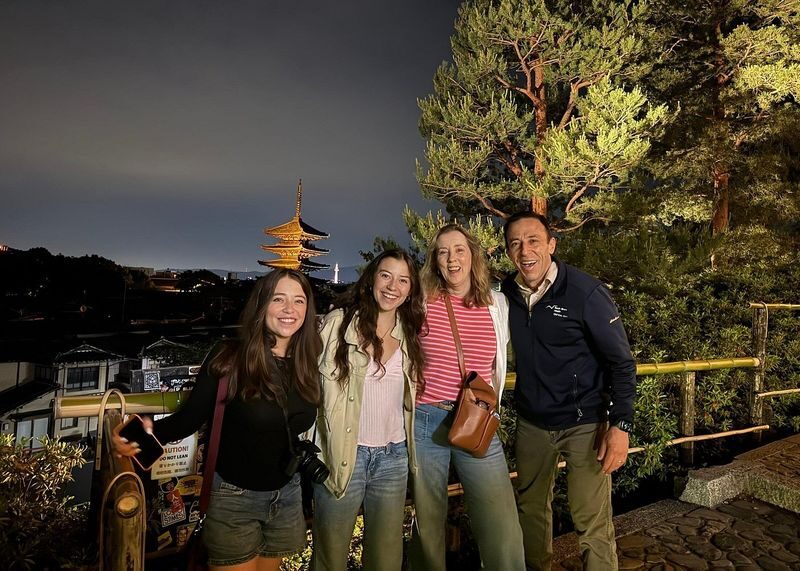
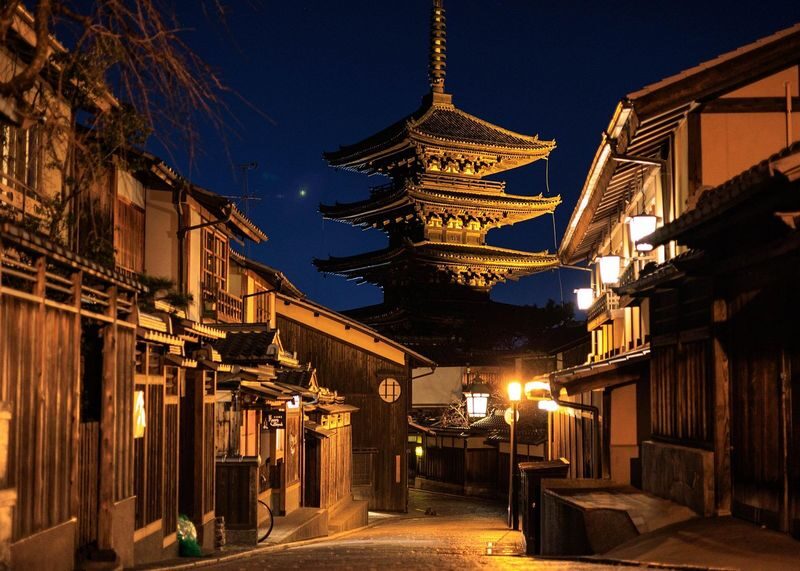
Next comes Yasaka Pagoda, also known as Hokan-ji Temple. It is described as one of Japan’s oldest wooden buildings and a defining Kyoto landmark. The stop lasts about ten minutes, enough to take in its scale and setting and to get a few photos, though not a full temple visit.
The pagoda’s silhouette is one of the most striking parts of this route. At night, the surrounding streets take on a different mood from the busy daytime scene, and the change in light is a big part of the walk’s appeal. The schedule does not specify a dedicated viewpoint or a long pause, so keep expectations focused on seeing the pagoda as part of a moving walking tour.
The route continues to Sannen-zaka, a well-known sloping street in Kyoto’s historic district. No separate stop length is specified, and the itinerary may change with weather or walking speed. Expect to keep moving rather than settle in for a long visit. The stone-paved paths and changing elevations are also a reminder that this is a proper walk, not a series of stops connected by a vehicle.
That physical detail matters. One participant described the tour as involving a lot of walking, but worth the effort. Wear shoes you trust on uneven streets, and think carefully before booking if hills or extended walking are difficult for you.
Yasaka Shrine as the evening’s finish
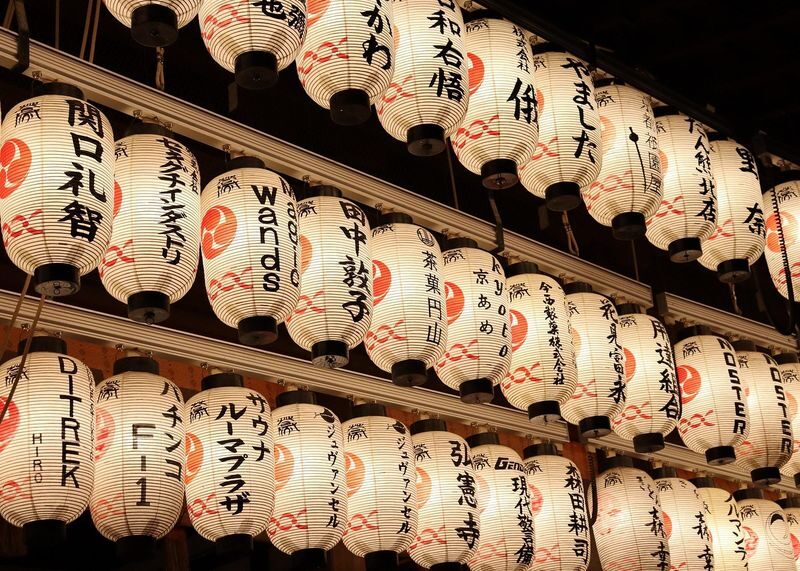
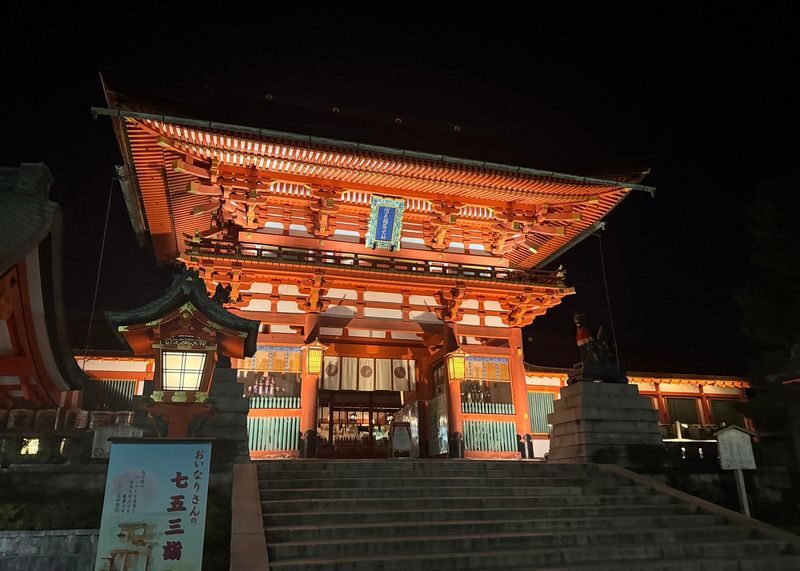
Yasaka Shrine is the final major stop, with about ten minutes scheduled there. It is the head shrine of roughly 2,300 related shrines across Japan and is associated with prosperity and protection. After Gion’s teahouse streets and the pagoda, the shrine offers a fitting, quieter close to the route.
The tour is due to return around 20:00 to the Izumo no Okuni statue area. The route runs for roughly two hours, including the time between stops. That makes it a practical way to see several central sights in one evening, though it is not a substitute for spending a full afternoon exploring each site at your own pace.
A key strength is the sequence: you move from the district’s working streets to a small shrine, then to a major landmark and a larger religious complex. The stops are short, but the guide can help tie them together. The route is most useful if you want orientation and context, not a deep visit inside every place.




What $44.15 gets you
At a starting price of $44.15, the main value is the English-speaking guide and the route through several historic areas in one compact evening. You are paying for explanation and navigation as much as for the walk itself. If you are new to Kyoto, a guide can make the difference between seeing attractive streets and understanding why the architecture and traditions matter.
There are costs beyond the ticket. Transport to the meeting point, meals, drinks, and personal expenses are not included. Since the tour ends near its starting area, plan your own route to and from the statue and leave room in your evening budget for dinner or a later activity.
The tour can also be good value if you prefer asking questions as you go. Guides have been praised for patiently answering queries, offering recommendations, and taking photos. Those small touches can make a short walking tour feel more personal, though the quality of the experience will always depend partly on your guide and the group on your date.
Do not book solely for a promised geisha sighting. The tour offers a chance to encounter a maiko or geisha, not a guarantee. Its steadier value lies in learning about Gion and seeing the district’s landmarks with context.
Who will enjoy this walk
This route suits first-time visitors who want a guided introduction to Gion and the nearby historic streets. It is also a good fit if you have limited time and would like to see several landmarks in one evening, with an English-speaking guide to explain what connects them.
Curious travelers who enjoy cultural context will get more from the walk than those looking only for photographs. You can ask about teahouses, geisha training, and the purpose of the shrines. The route also suits people who like a small-group feel, though group size is not fixed and the walk may include other participants.
It is not a good choice if you need wheelchair access, are bringing a stroller, or have impaired mobility. The activity is not wheelchair-accessible or stroller-friendly, and the route involves walking on sloped and stone-paved paths. Children aged 12 and older pay the adult rate.
The schedule may change because of weather, walking speed, or other conditions. Sightseeing times are approximate, so allow a little flexibility if you have plans immediately afterward. The walk is designed to fit into an evening, not to provide long visits at every stop.
Should you book the Gion Night Tour?
Book this walk if you want a guided introduction to Gion after dark, value cultural explanation, and are comfortable spending about two hours on foot. The strongest reasons are the varied route and the guide’s chance to make the architecture, shrines, and geisha traditions easier to understand.
Skip it if you need a slow, accessible outing or want guaranteed access to teahouses or a guaranteed geisha encounter. For most able walkers with an evening free, it is a sensible way to get oriented, see several historic sights, and leave with a better sense of how Gion works beyond its famous street.
Kyoto Gion Night Tour: Exploring the Geisha District and Hidden Gems
“With our guide, Ikki, we had a wonderful companion who was always able to patiently answer all our questions immediately and who made this evening…”
FAQ
How long is the Kyoto Gion Night Tour?
The tour runs for about two hours, with a scheduled return at 20:00.
Where is the meeting point?
Meet at the Izumo no Okuni statue in Kyoto. The guide waits in front of the statue with an OTAKU hopper sign.
What time should I arrive?
The meeting time is 18:20, and the group departs promptly at 18:30. Arrive at least 10 minutes early.
What places are included on the walking route?
The route includes Hanamikoji Street, Gion, Yasui Konpiragu, Yasaka Pagoda, Sannen-zaka, and Yasaka Shrine.
Is an English-speaking guide included?
Yes. An English-speaking guide is included.
Is transport included in the price?
No. Transport, meals, beverages, and personal expenses are not included.
Is the tour wheelchair-accessible or stroller-friendly?
No. The tour is not wheelchair-accessible or stroller-friendly, and it is not recommended for people with impaired physical mobility.
Are children charged the adult price?
Children aged 12 and older are charged the same rate as adults.
Is seeing a geisha or maiko guaranteed?
No. You may have the chance to see one heading to an evening engagement, but a sighting is not guaranteed.
Can I cancel or change my booking?
A full refund is available if you cancel at least 24 hours before the activity date, using local time. Changes are allowed until 24 hours before the activity starts, with stated restrictions for some booking types.