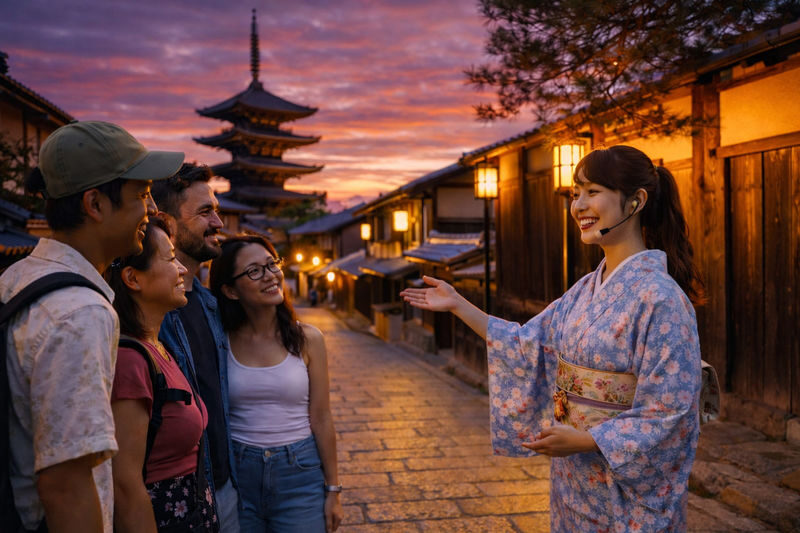
Gion’s narrow lanes make more sense when someone helps you read them. On this walk, guides such as Momoko, also called Momo, and Ben share the stories and everyday details behind Kyoto’s geisha districts, with Yasaka Pagoda as a major landmark along the way.
I like two things in particular: the small-group feel, which can turn into a private walk if no one else books your time, and the guides’ practical help, from taking photos to suggesting local dishes. One consideration: sightings of maiko or geiko are not guaranteed, and Gion’s popular lanes can be crowded.
- Key points to know
- Gion is more than a photo backdrop
- What the walk through Gion can teach you
- Yasaka Pagoda and the pleasure of a clear landmark
- Geisha culture, explained with care
- A small group changes the pace
- Morning timing, crowds, and weather
- Guides who add more than dates and facts
- Is .05 good value?
- Who should book this walk
- Should you book it?
- FAQ
- Where does the tour take place?
- How much does the tour cost?
- How long is the tour?
- Is the tour confirmed right away?
- Can I cancel and receive a refund?
- Will I definitely see a maiko or geiko?
- The Best Of Kyoto!
- More Historical Tours in Kyoto
- More Tours in Kyoto
- More Tour Reviews in Kyoto
- Not for you? Here's more nearby things to do in Kyoto we have reviewed
Key points to know
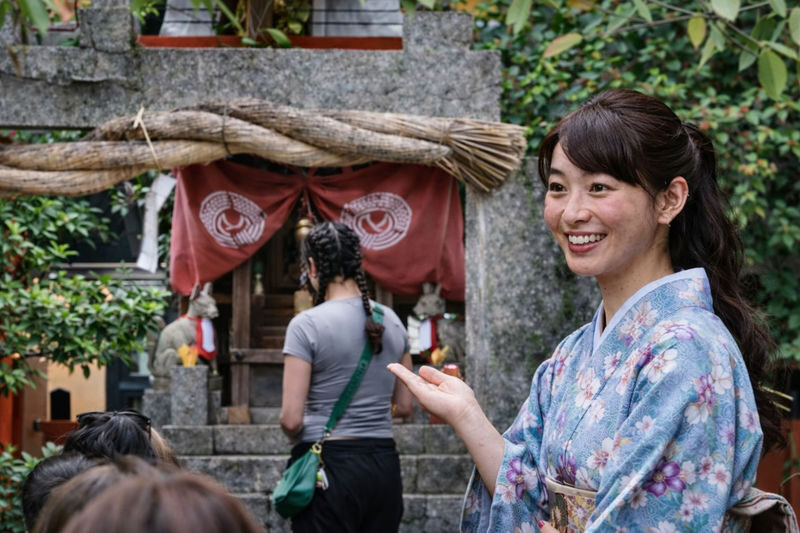
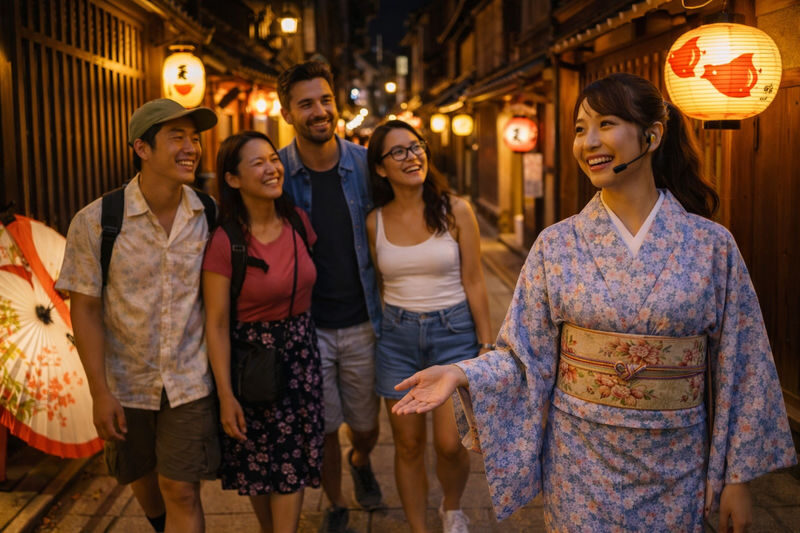
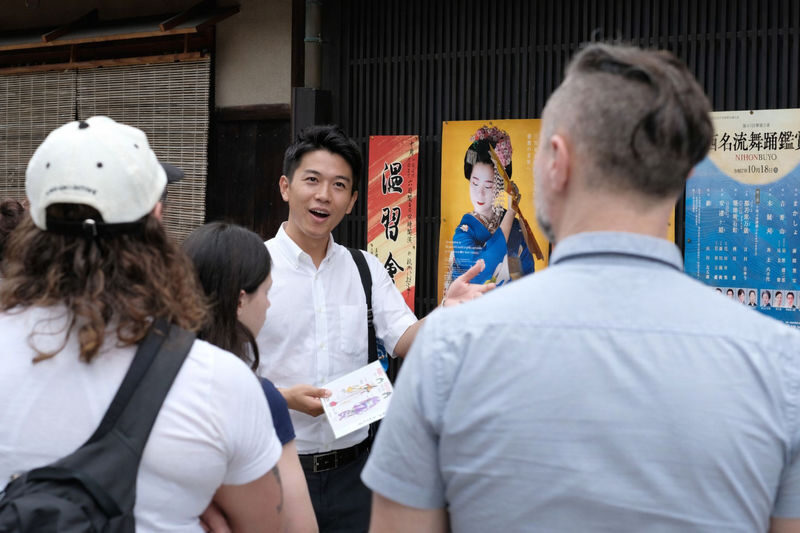
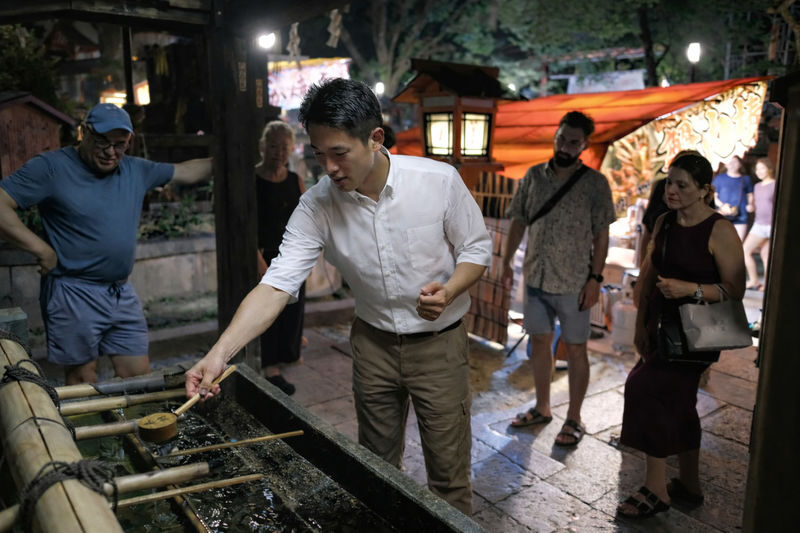
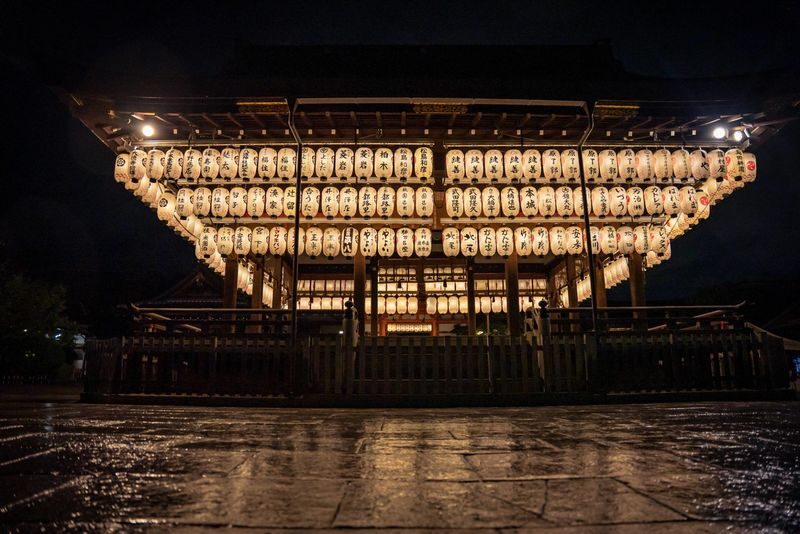
- Gion is the focus: Expect a guided walk through the area’s geisha districts, with context you may miss on your own.
- Yasaka Pagoda gives the route a landmark: Hokan-ji Temple’s pagoda is a well-known photo stop in the historic district.
- Guides make the difference: Momoko and Ben are praised for clear explanations, humor, and an easygoing approach.
- Small groups can feel personal: Some departures have been private when no other participants booked.
- You get practical Kyoto advice: Guides have offered food suggestions, local tips, and even help with a restaurant reservation.
- The price starts at $30.05: That can be good value if you want more than a self-guided stroll and can make use of the guide’s local insight.
👉 See our pick of the 25 Best Workshops And Classes In Kyoto
Gion is more than a photo backdrop
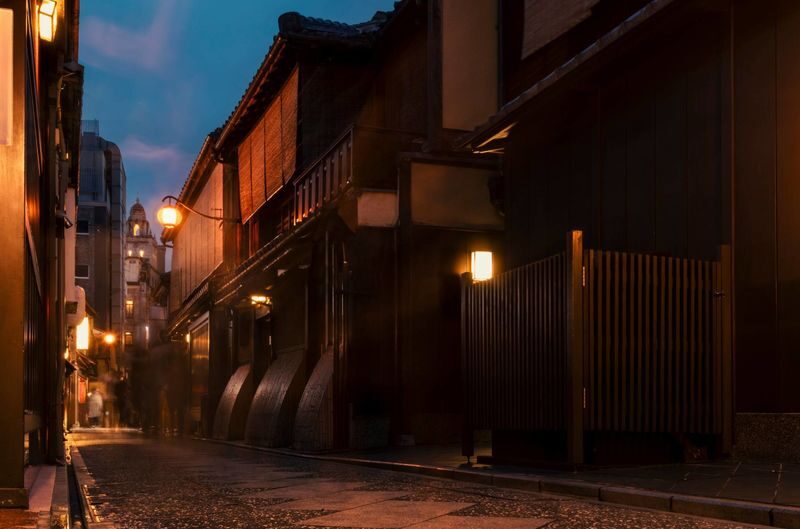
The appeal of this walk is not simply seeing old streets or aiming a camera at the pagoda. It is having someone explain what you are looking at while you move through Gion and the geisha area, where architecture, customs, and daily life sit close together.
Guides including Momoko and Ben bring different personalities to the walk, but the pattern is consistent: they answer questions, talk about Kyoto and Japanese culture, and keep the outing relaxed. That matters in a district where it is easy to focus on the next photo and miss the details around you.
The tour is described as a half-day cultural walk. One guest called the route a two-hour itinerary, so you should check the selected departure details for the precise duration. Either way, think of it as a focused introduction rather than a full-day survey of Kyoto.
You can also read our reviews of more historical tours in Kyoto

What the walk through Gion can teach you
The route centers on Gion and the surrounding geisha districts. Your guide can give useful context about maiko and geiko culture, local traditions, and the history of the city. The value is in being able to ask questions as they come up, instead of saving them for later or trying to piece together the answers from a guidebook.
That personal exchange seems to be a major strength. One family described asking many questions, including teenagers who were not easily impressed, and getting thoughtful, humorous answers. Another visitor appreciated learning about not just history, but also everyday life and culture. If you enjoy conversation as much as sightseeing, this format should suit you.
The walk may also help you notice small features you would otherwise pass. Ben has been praised for pointing out details and finding good photo moments, while Momoko has helped with pictures even in rain and crowds. Those are modest gestures, but they can make a short walk feel more considered and less like a march between landmarks.
Yasaka Pagoda and the pleasure of a clear landmark
Hokan-ji Temple’s Yasaka Pagoda is one of the named highlights of the experience. It gives the walk a striking visual focus and a natural chance to pause for photos. The experience is not described as a temple-entry visit, so treat the pagoda as a landmark along the cultural walk rather than assuming access to every interior space.
The photo appeal is real, but the guide’s help may matter more than the camera angle. Gion can be crowded, and a guide who knows how to navigate the area can help you find a better moment or simply keep the walk moving. You should still expect other people in popular spots, especially at busy times.
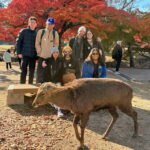
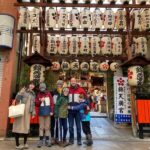
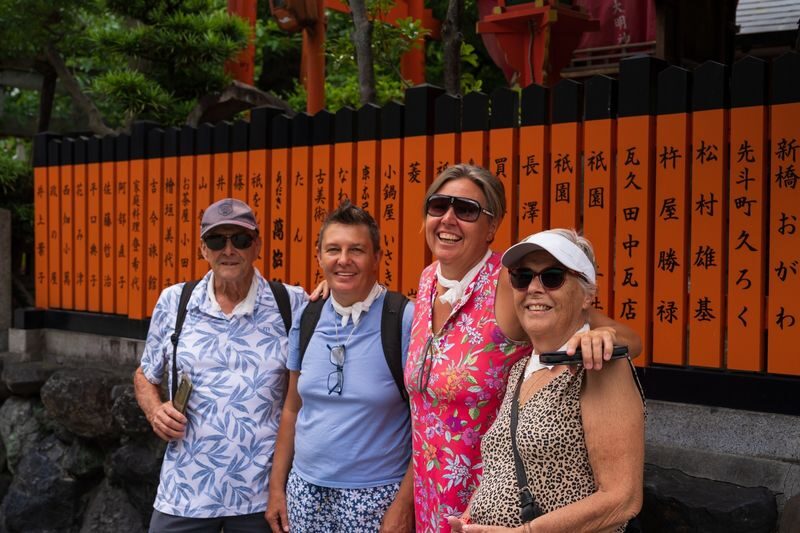
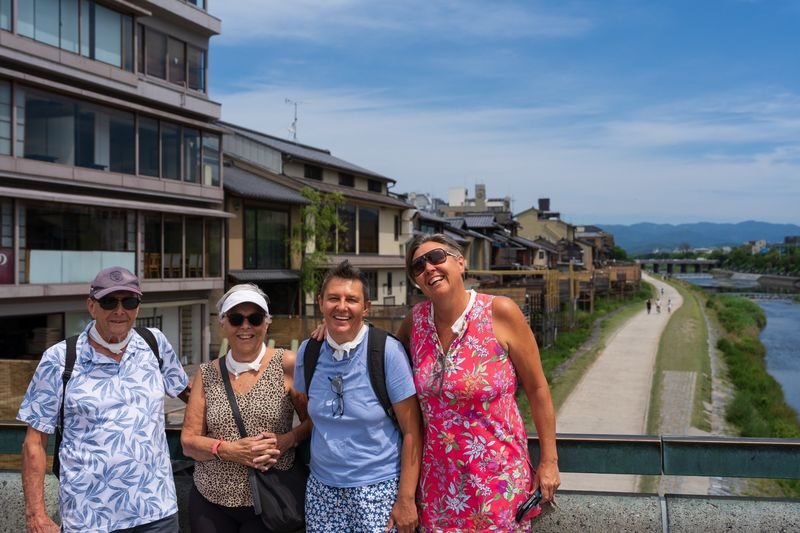
Several participants valued having someone take photos of them, rather than leaving one person out of every group picture. If that matters to you, the guide’s willingness to help is a welcome practical touch. It is not a formal photography service, but it can make the memory easier to bring home.
Geisha culture, explained with care
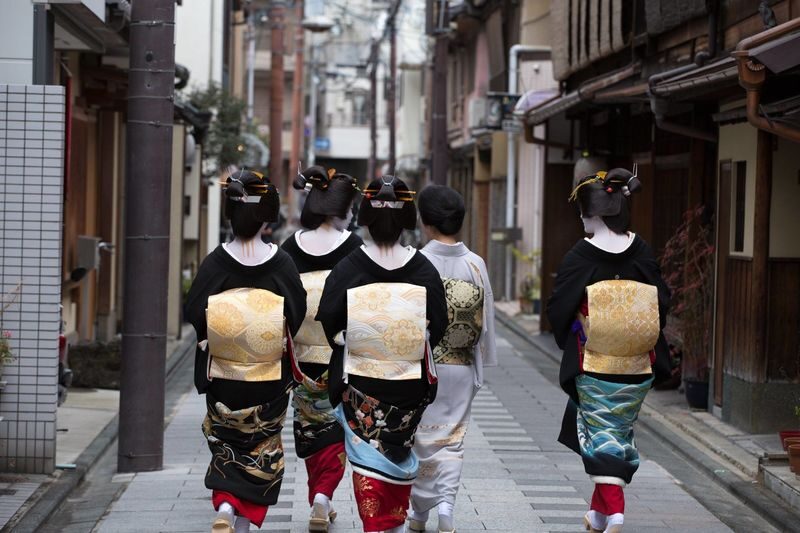
The tour’s subject can attract visitors who hope to see a maiko or geiko in person. One person was fortunate to see a makeup-free maiko, but that was a chance encounter, not something the tour can promise. Book for the cultural explanation and the walk itself, not as a guaranteed sighting.
A good guide can also help you approach the district with more understanding. The reviews describe explanations of maiko and geisha culture, traditions, and local history, rather than a simple hunt for a person in traditional dress. That distinction is important: you are visiting a working neighborhood, not a staged show.
If you do happen to see a maiko or geiko, follow your guide’s lead and treat the moment respectfully. The available tour details do not promise a performance or a meeting, so keep your expectations grounded. The reliable payoff is learning more about the culture and the place where it is part of local life.
A small group changes the pace
This is presented as a small-group walk, and some departures have had only one booking party. That can turn the experience into a private-feeling outing, with room to ask questions, take a slower pace, or focus on what interests you. It is a useful contrast with large tours, where the guide may need to keep moving to hold the group together.
A small group does not guarantee a private tour. If other people book the same time, you will share the guide. Still, the personal attention appears to be central to the format, and visitors have valued the relaxed pace and the chance to ask all sorts of questions.
That flexibility can be especially useful for a first visit to Japan. A guide may help with practical concerns beyond the route, such as how to navigate a crowded street or what local food to try. One guide, Momoko, is a former chef, and one participant said she helped arrange a restaurant reservation. Do not assume every guide can make the same arrangements, but feel free to ask for recommendations.



Morning timing, crowds, and weather
A morning departure may be appealing if you want to see the district before it gets busier. One person specifically appreciated that an early tour beat the crowds. That is a useful clue, not a guarantee: conditions change, and popular Kyoto streets can still be busy.
Weather can shape the feel of the walk. A guide has helped take photos in the rain, which suggests the outing can remain enjoyable in less-than-perfect conditions, but you should dress for the forecast and be ready to walk outdoors. The supplied details do not specify an indoor alternative.
The pace has been described as relaxed, and one guide allowed a brief detour to a shop when a participant was excited about it. That is a nice example of the personal feel, but you should not count on a particular detour. If you have a specific interest, mention it to your guide and see what fits the route.
Guides who add more than dates and facts
The strongest reason to book is the guide. Momoko, also called Momo, and Ben, also called Benjamin, come up repeatedly as warm, engaging, and good at explaining local culture. Their style seems conversational rather than lecture-heavy, with room for jokes, stories, and the questions that pop into your head mid-walk.
That matters because a cultural tour can go flat if it delivers facts without helping you connect them to what you see. Here, the guide’s role includes pointing out details, offering photo help, and sharing recommendations for food and other things to do in Kyoto. Ben has also shared advice for visitors’ next stops, while Momoko has offered cuisine suggestions.
Guide assignments can vary, so you should not book on the assumption that you will have a particular person. But the repeat praise for both Momoko and Ben suggests that the experience is built around personal guidance, not just a fixed route. If you value a local conversation over a polished performance, that is a good fit.
Is $30.05 good value?
At a starting price of $30.05, this tour can be a worthwhile buy if you want a guide to make Gion easier to understand. You are paying for more than the walk between sights: the explanation, the chance to ask questions, and the practical local suggestions are the parts that can make the district feel less like a photo stop.
The price is less compelling if you only want to see Yasaka Pagoda, take a few pictures, and move on. You can walk through a district on your own, but you will not get the same on-the-spot explanations or the benefit of a guide who knows the area. The value depends on how much you enjoy context and conversation.
The tour has a 5.0 rating from 22 reviews, with praise centered on the guides, the personal feel, and the cultural explanations. That is encouraging, though a small sample is not a guarantee that every departure will be identical. The listed cancellation terms allow a full refund if you cancel at least 24 hours before the activity date, based on local time, and booking confirmation is instant.
Who should book this walk
I would recommend this to first-time visitors who want an approachable introduction to Gion and geisha culture. It also suits families, curious couples, solo visitors, and anyone who likes to ask questions rather than simply follow a route. The reported private-feeling departures may be especially appealing if you want a more personal exchange.
It may be less suitable if you are looking for a guaranteed geisha sighting, a performance, or a full-day tour of Kyoto’s major sights. The experience is focused on a particular district and cultural subject. You will get more from it if you are interested in the stories behind the streets, not only the landmarks.
Should you book it?
Book this walk if you want a friendly guide to help you understand Gion, point out details, and share useful Kyoto advice along the way. Momoko and Ben have both been praised for making the experience personal, and the starting price is reasonable for a small-group cultural outing.
Skip it if your only goal is a guaranteed encounter with a maiko or a quick photo of Yasaka Pagoda. Those moments may happen, but they are not assured. For a thoughtful introduction to the district, with room for questions and local tips, this is a strong choice.
Geisha & Yasaka Pagoda Cultural Tour in Kyoto
“Thank you to our amazing tour guide Momoko!!! We had a wonderful and knowledgeable tour thanks to Momo! It was just us so it was an intimate and in…”
FAQ
Where does the tour take place?
It takes place in Kyoto, Japan, and focuses on Gion and the geisha districts, including the area around Hokan-ji Temple’s Yasaka Pagoda.
How much does the tour cost?
The listed starting price is $30.05. The price may depend on the selected package or booking details.
How long is the tour?
It is described as a half-day tour. One participant described a two-hour itinerary, so check the details for your chosen departure to confirm the duration.
Is the tour confirmed right away?
Yes. The activity includes instant confirmation.
Can I cancel and receive a refund?
You can receive a full refund if you cancel at least 24 hours before the activity date, using the destination’s local time.
Will I definitely see a maiko or geiko?
No sighting is guaranteed. A participant happened to see a makeup-free maiko, but the tour details do not promise an encounter.