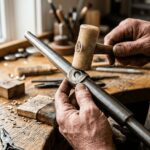
Kintsugi gives a broken piece of pottery a new look, tracing its joins with gold rather than trying to hide them. This Kyoto workshop turns that idea into a hands-on hour: you choose a plate or bowl, then use lacquer and gold powder with an instructor nearby to help.
I like two things here: you leave with a handmade souvenir, and the staff can explain each step in English, so you can focus on the work rather than translating instructions. I also like that the workshop offers a quiet change of pace from Kyoto’s temples and busy streets.
One point to plan around: the advertised session is an hour, but the work may take longer. Some pottery options also cost extra, so check the price before choosing a larger or special piece.
- Kintsugi in brief
- Turning a break into part of the design
- Arriving at the workshop near Gion
- Choosing a plate or bowl
- Working with lacquer and gold powder
- The one-hour schedule, with room to breathe
- A good break from Kyoto sightseeing
- What you take home
- Cost, booking, and practical details
- Should you book this Kyoto kintsugi workshop?
- FAQ
- How long does the kintsugi workshop take?
- Where is the meeting point?
- What time can I book?
- Is the workshop taught in English?
- Are pottery pieces included in the price?
- Can children take part?
- Can I cancel or change my booking?
- The Best Of Kyoto!
- More Workshops & Classes in Kyoto
- More Tours in Kyoto
- More Tour Reviews in Kyoto
- Not for you? Here's more nearby things to do in Kyoto we have reviewed
Kintsugi in brief
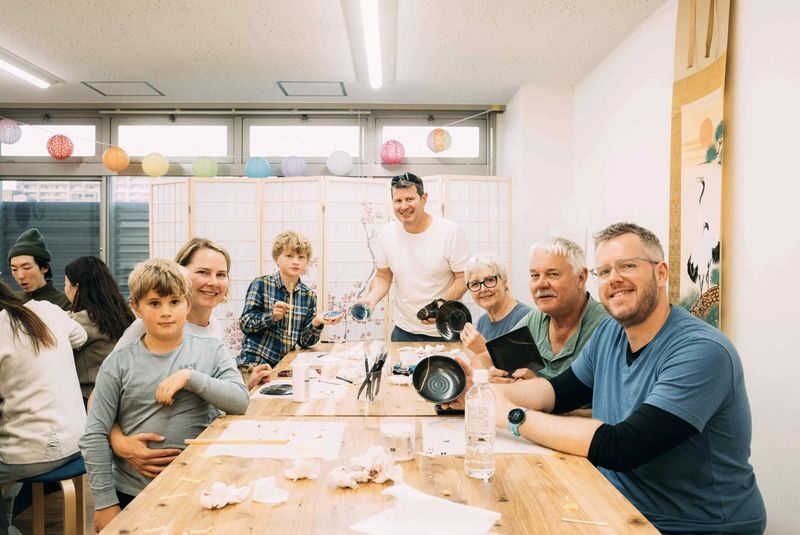
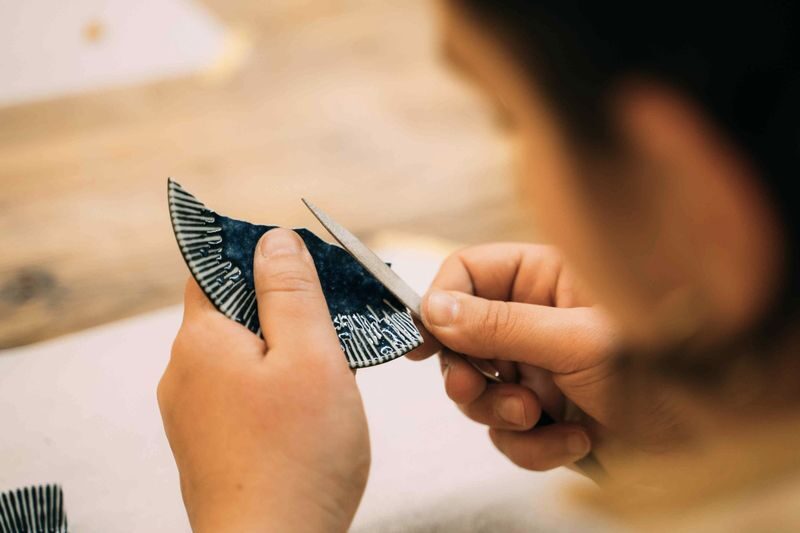
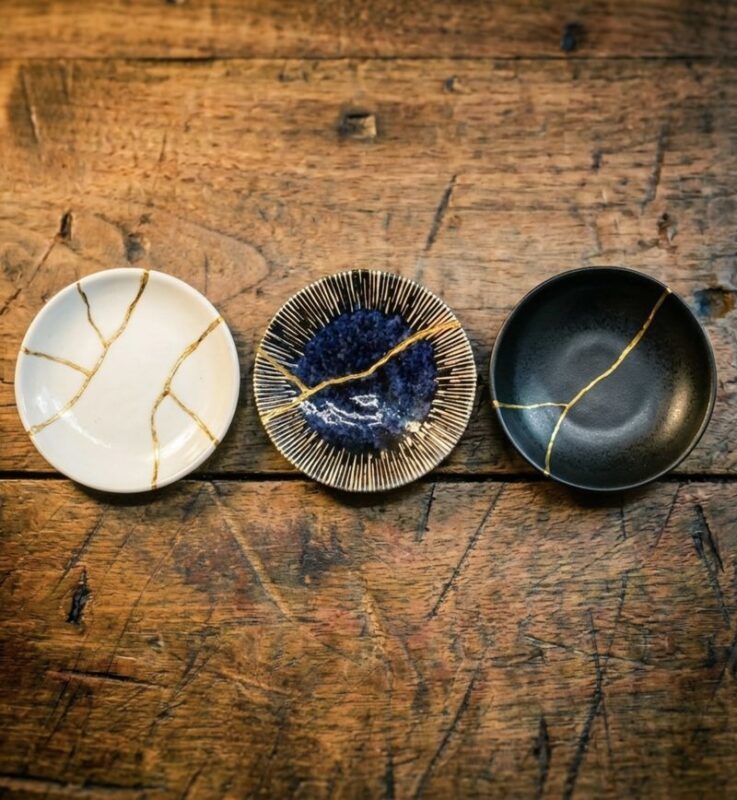
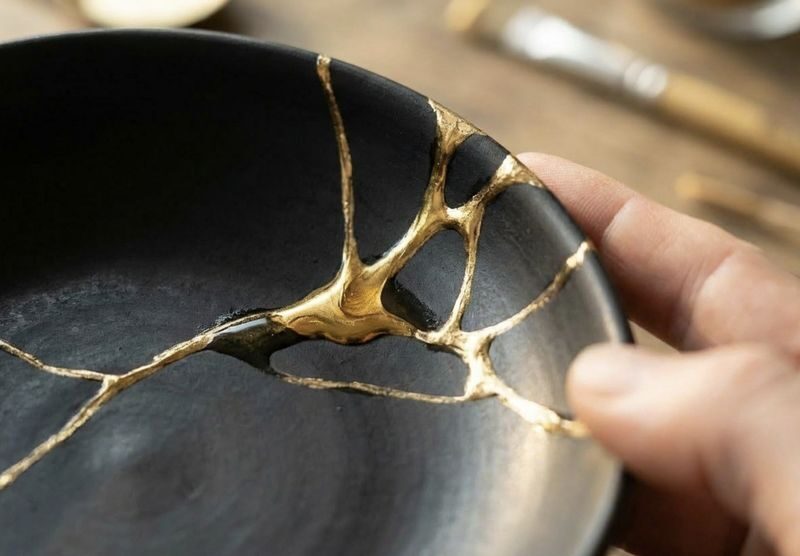
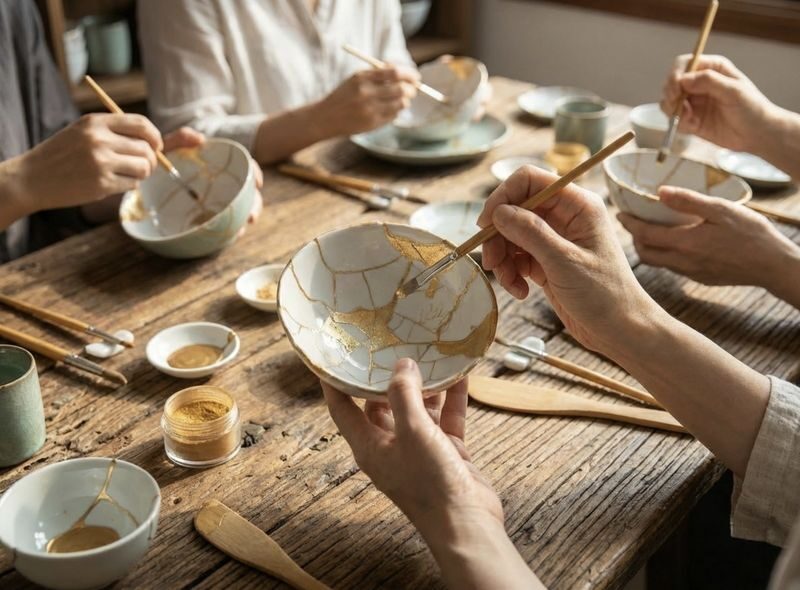
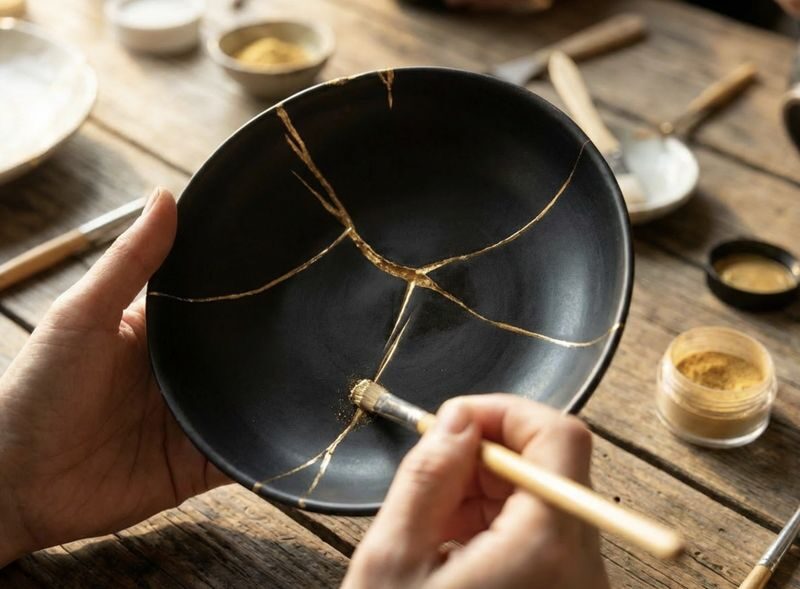
- Make a personal piece: Work on a tea bowl or plate and take your finished piece home.
- Get help as you work: English-speaking instructors guide you through the process and can help with details.
- Choose your pottery: Some options are included; larger or special pieces may cost extra.
- Allow more than an hour: The session is listed as one hour, but some participants suggest setting aside 1.5 to 2 hours.
- A handy rainy-day activity: The workshop is indoors and works well as a family outing or a break from sightseeing.
- Meet in central Kyoto: The workshop is in Nippo Kyoto No. 2 Building, near the Gion and Kawaramachi areas.
👉 See our pick of the 25 Best Workshops And Classes In Kyoto
Turning a break into part of the design
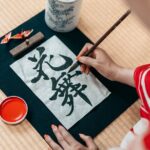
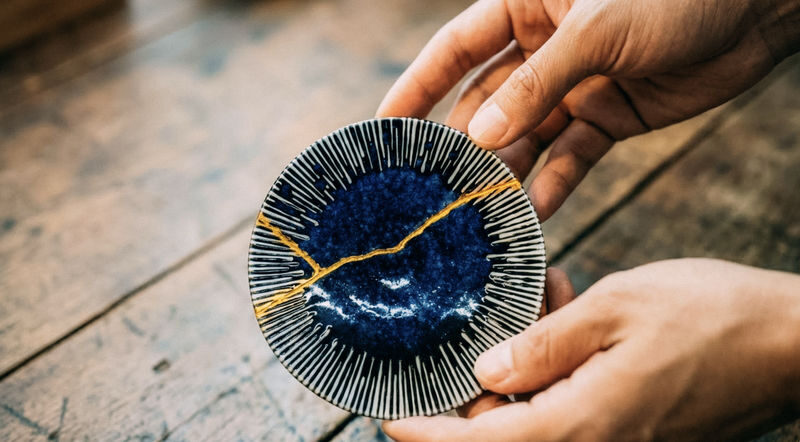
Kintsugi is the Japanese art of repairing pottery with lacquer and gold powder, making the join part of the object’s appearance. Rather than disguising a crack, the technique draws attention to it. That makes the workshop more than a simple craft session: you get to try a practice tied to a Japanese aesthetic of finding character in wear and repair.
You’ll work on a tea bowl or plate under an instructor’s guidance. The activity is designed for beginners, and you do not need to arrive with pottery skills. Instructors help you through the steps and can pay close attention to details as you work. Participants have praised staff members including Luna, Yuri, Ethan, Ricardo, Tomah, and Jeff, though your instructor will depend on the session.
It is best to think of this as an introduction, not a full course in a traditional craft. In an hour, you can learn the idea behind kintsugi and make a piece of your own. You will not become an expert in one sitting, but you will leave with a clearer sense of why the repaired line matters.
You can also read our reviews of more tours and experiences in Kyoto
Arriving at the workshop near Gion
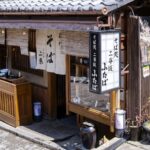
The meeting point is Room 302 on the third floor of Nippo Kyoto No. 2 Building, at Senshojicho, Shimogyo Ward. Look for the En Chopsticks & Craft Workshop sign. The activity is described as being near Gion and Kawaramachi, making it easy to pair with time in that part of Kyoto.
You book a departure time, with options from 10:00 a.m. through 6:00 p.m. Arrive five minutes early. The workshop asks you to come at the time you selected, and late arrivals or no-shows are not refundable, so do not cut it close after a long walk or a meal.
The listed route is simple: meet at the building, take part in the workshop, and return to the same location. There is no separate sightseeing stop or transport segment to factor in. That simplicity is useful if you want a creative activity that fits into a day of exploring nearby streets.
Choosing a plate or bowl
Once you arrive, you can choose the pottery you want to work on. Some plate options are included in the starting price, while larger or special pieces can cost extra. One participant reported add-on prices ranging from ¥2,000 to ¥10,000 depending on size, so ask about the cost before settling on a piece.
That choice affects the value of the experience. The advertised price starts at $19.75, which is appealing for a guided activity that includes a take-home object. But the cheapest price may not cover the pottery you most want. If a larger plate catches your eye, treat the upgrade as part of the total cost rather than an unexpected extra.
There is no single right choice. A smaller included piece keeps the outing affordable; a larger plate may give you more room to make a striking design. If you are booking for a family or group, it can help to agree on a spending limit beforehand. You can then choose your pottery without turning the selection into a surprise budget meeting.
Working with lacquer and gold powder
The workshop’s central task is to repair pottery with lacquer and gold powder. The process calls for care and attention, and some people find it more challenging than expected. That is part of the appeal: you are doing the work yourself, but you are not left to guess at every step.
Instructors are there to explain the process and offer help as you go. English-speaking staff are included, and participants have described the explanations as clear and easy to follow. If you are unsure about a detail, ask. The teaching style is meant to be supportive, and the activity suits people with no previous craft experience.
Expect to spend time looking closely at your piece and working through the repair. Some participants describe the process as calming; others simply enjoy making something with their hands. Either way, this is a slower activity than ticking off a sightseeing stop. It rewards patience more than speed.
The one-hour schedule, with room to breathe
The listed duration is one hour, which makes the workshop easy to fit into a Kyoto itinerary. Still, I would avoid scheduling a timed reservation or distant attraction immediately afterward. Some participants recommend setting aside 1.5 to 2 hours, even though the formal session is described as an hour.
That extra margin gives you breathing room if the instruction or your own work takes longer. It also lets you enjoy the process instead of watching the clock. The workshop is a better fit between flexible plans than between two tightly timed activities.
The session runs at several set departure times, from 10:00 a.m. to 6:00 p.m. The return time depends on the departure you choose and the duration of the activity. If your day is already full, choose a slot that leaves a comfortable gap on both sides.




A good break from Kyoto sightseeing
Kyoto can involve a lot of walking, and this workshop gives your feet and attention a different job. You sit down, make something, and spend an hour or more focused on one object. That contrast is especially welcome on a rainy day, when an outdoor plan may lose some of its charm.
It also makes a strong family activity. The workshop has no age limit, and participants have taken children as young as five. Children aged 13 and older pay the adult rate. Younger children may enjoy the hands-on element, but they will still need to follow the instructor’s guidance and handle the work carefully.
You do not need a companion to make the experience worthwhile. The activity works as a solo outing as well as a date, family plan, or small-group activity. A creative session can feel less awkward alone than a formal tour, since your attention stays on your piece and the steps in front of you.
What you take home
The finished piece is the clearest souvenir of the workshop. Rather than buying a ready-made object, you make a plate or bowl yourself and take it home. That connection gives it a personal value beyond its price, especially if you remember the process each time you see it.
There is also a small lesson in the object’s appearance. Kintsugi makes the repair visible, so the result is not meant to look untouched. If you prefer flawless, uniform pottery, this may not be your style. If you like objects that show how they have changed, the finished work has a more personal appeal.
The workshop is described as using lacquer and gold powder, but it is best to approach it as a short hands-on introduction rather than a promise of mastery. You get a taste of the method, help from an instructor, and a piece to carry home.
Cost, booking, and practical details
At a starting price of $19.75, the workshop can be good value if you choose one of the included pottery options. The price covers admission and the English-speaking staff and professional guide. Tips and personal expenses are not included, and upgraded pottery may add to the total.
You can book as late as the day before, and confirmation is usually sent within minutes. The voucher is valid only for the date and time you select, and you present it on your phone. Changes are allowed until 24 hours before the activity in eligible bookings; some booking types cannot be changed.
Cancellation at least 24 hours before the activity date gives you a full refund. If severe weather or another unforeseen event leads the operator to cancel, you can reschedule or request a full refund. These terms make the activity reasonably flexible, but you still need to choose your time carefully.
Should you book this Kyoto kintsugi workshop?
Book it if you want a short, hands-on cultural activity with a useful keepsake at the end. It is a particularly good fit for a rainy day, a family outing, or a break between walks around Gion and Kawaramachi. You can also go alone, and no craft background is needed.
Think twice if you want a long, technical course or have a strict one-hour window. The session may take longer than the advertised duration, and some pottery costs extra. If you are comfortable with those limits, the mix of careful making, helpful English-speaking instruction, and a take-home piece makes this a memorable way to spend part of a Kyoto day.
Experience the art of Kintsugi in Kyoto Gion Workshop
“had a great time at the workshop. Ricardo was a great teacher!”
FAQ
How long does the kintsugi workshop take?
The listed duration is one hour. Allow extra time if your schedule is tight, as some participants recommend planning for 1.5 to 2 hours.
Where is the meeting point?
Meet at Room 302 on the third floor of Nippo Kyoto No. 2 Building, Senshojicho, Shimogyo Ward, Kyoto. Look for the En Chopsticks & Craft Workshop sign.
What time can I book?
Departure times are available hourly from 10:00 a.m. to 6:00 p.m. Your return time depends on the departure time you select and the activity duration.
Is the workshop taught in English?
English-speaking staff are included. The workshop also provides a professional guide.
Are pottery pieces included in the price?
Some plate options are included, while larger or special pieces may cost extra. Ask about the price before choosing an upgrade.
Can children take part?
There is no age limit. Children aged 13 and older are charged the adult rate.
Can I cancel or change my booking?
A full refund is available if you cancel at least 24 hours before the activity date. Changes are allowed until 24 hours before the start for eligible bookings; some booking types cannot be changed.