Kyo Yuzen is the hand-painted textile art that gives Kyoto kimonos their intricate patterns and carefully blended colors. At OKAYAMA-KOUGEI, you can watch artisans work, learn how the craft fits into kimono-making, and, with the right package, try painting a piece yourself.
I like two things in particular: you see real production work, not just a display, and the hands-on options let you take home a personal piece rather than a standard souvenir. The workshop also uses panels and video to explain the process, so you have some context before seeing the craft up close.
One practical catch: the studio is in Fushimi, about a 10-minute walk from Takeda Station, rather than in Kyoto’s central sightseeing area. The basic tour is listed at 45 minutes, but you’ll need to choose a hands-on package if you want to paint.
- Watch active kimono-textile production during a guided visit to the workshop.
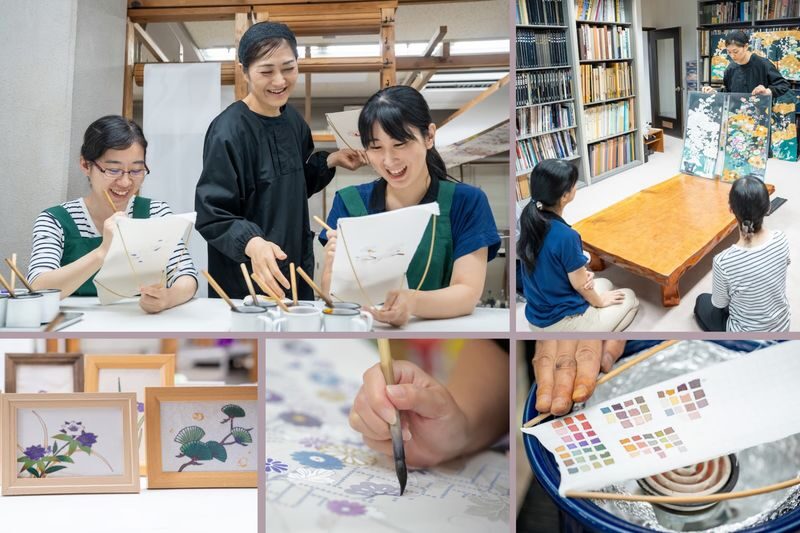
- Learn about Kyo Yuzen’s hand painting and color matching from artisan staff.
- Choose your level of participation, from a studio tour to brush painting.
- Pick a souvenir format: framed artwork, a handkerchief, an obiage or a stole.
- Plan around the studio’s location and calendar: it is closed on weekends, national holidays and New Year holidays.
- First, understand what you are looking at
- A 45-minute visit with a clear sequence
- Choose between watching and painting
- What the hands-on activity adds
- Getting to the Fushimi studio
- Language and the pace of the visit
- The price and what you get for it
- Who is likely to enjoy this visit
- Should you book the Kyo Yuzen workshop?
- FAQ
- How long is the workshop tour?
- Where is the workshop?
- How do I get to the studio by train?
- How far is the studio from Kyoto Station by taxi?
- What time can I book?
- What can I make in the dyeing activity?
- Is the workshop tour hands-on?
- What languages are supported?
- Is there an age limit?
- Which days is the studio closed?
- The Best Of Kyoto!
- More Workshops & Classes in Kyoto
- More Tours in Kyoto
- More Tour Reviews in Kyoto
- Not for you? Here's more nearby things to do in Kyoto we have reviewed
First, understand what you are looking at
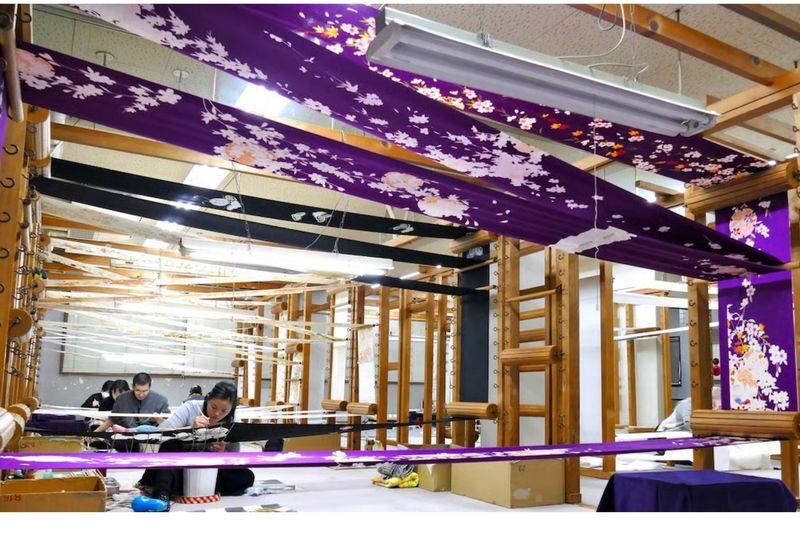
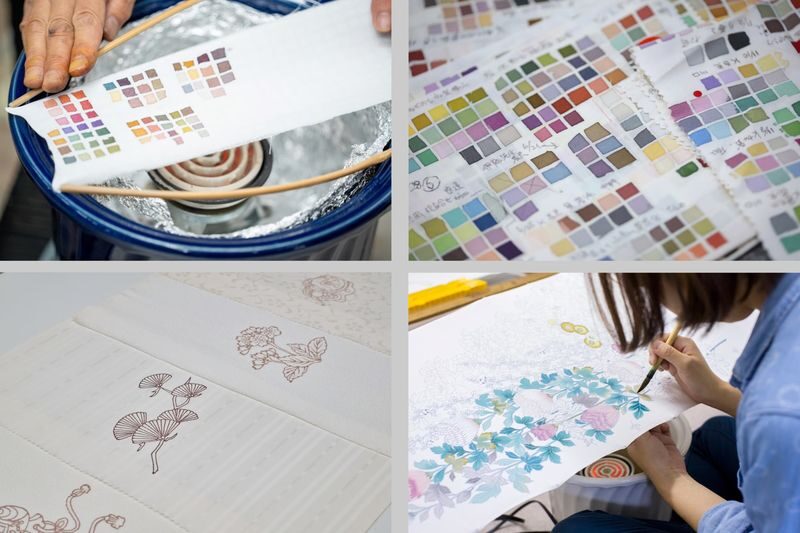
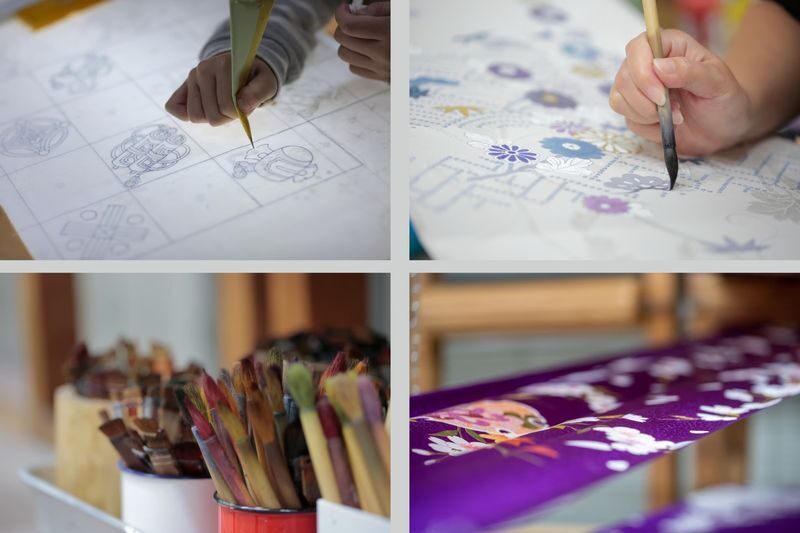
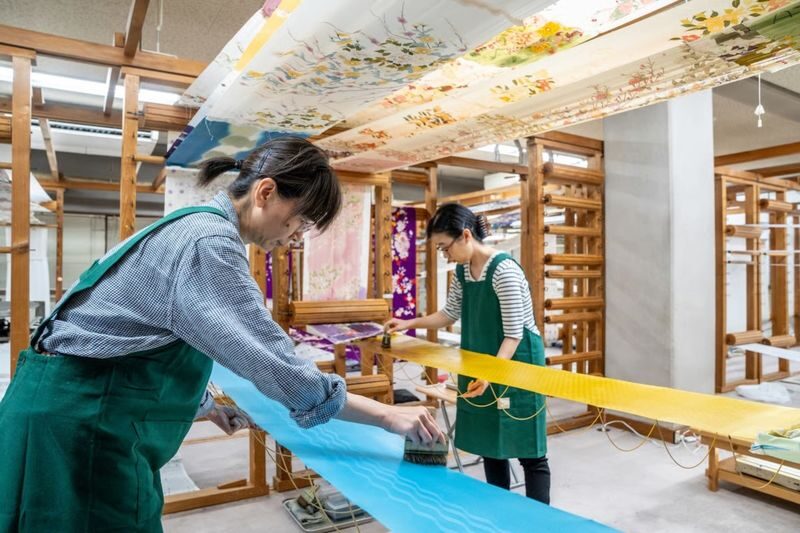
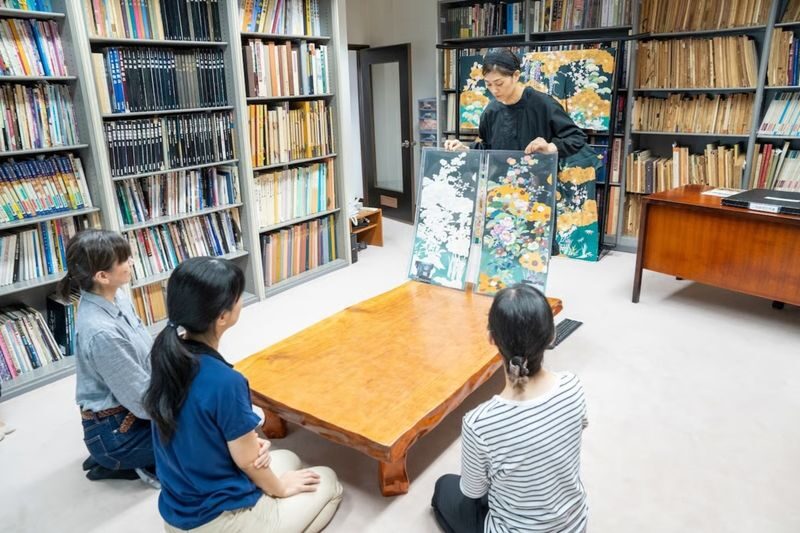
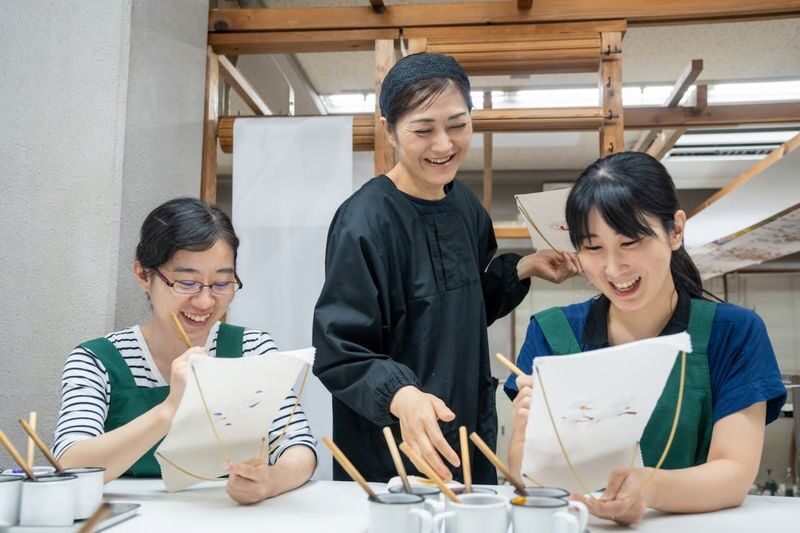
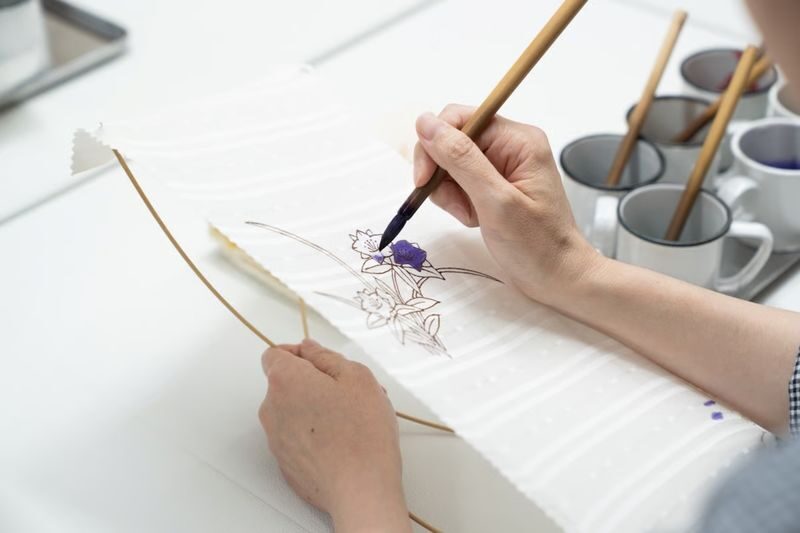
Kyo Yuzen is a traditional Kyoto art used to decorate kimono textiles. Its fine painted patterns and color choices are part of what makes a kimono more than a piece of clothing. At the studio, you get an introduction to how that work fits into kimono-making, then see production taking place in an actual workshop.
That setting matters. A museum can explain the finished object, but here you can watch the work behind it and notice how much care goes into hand painting and color matching. Even if you choose the tour without a painting activity, the visit gives you a closer look at the craft than a quick stop in a shop.
The workshop starts with panels and videos that introduce the kimono-making process. This is useful preparation: textile work can be hard to read at first, especially when the finished patterns look effortless. The short introduction gives you a framework for what you’ll see on the workshop floor.

👉 See our pick of the 25 Best Workshops And Classes In Kyoto
A 45-minute visit with a clear sequence
The listed workshop tour takes about 45 minutes. It begins with the introduction, then a staff member guides you through the studio to observe production. You return to the same address at the end, so this is a compact visit rather than a larger day tour with transport between stops.
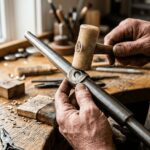
The best part is seeing the craft in its working setting. Artisans are busy, so this is not a staged demonstration built around a visitor group. Give them room, follow staff instructions and be considerate with photos. The shop’s own guidance asks visitors to respect the craftsmen when photographing.
You may also see patterns kept on record at the studio. Their designs help make the historical and artistic side of the visit concrete: you can look at examples of the work and then watch how artisans approach the process. Don’t expect to master the techniques in one short session. The hands-on activity is a taste of the work, not a full course.
You can also read our reviews of more tours and experiences in Kyoto
Choose between watching and painting
There are four package options, and the price changes considerably depending on what you want to make:
- Workshop Tour: from US$16.39
- Framed artwork dyeing: from US$36.59
- Handkerchief dyeing: from US$60.55
- Obiage and stole dyeing: from US$124.85
The basic tour is the budget choice. It suits you if your main aim is to see the production process and hear about the craft. If you want to make something, compare the options carefully when booking, since the package determines the piece you work on.
The framed-art option is the least expensive of the hands-on choices. It gives you a personal keepsake without the higher cost of dyeing a wearable textile. The handkerchief costs more, while the obiage and stole option is the most expensive package. The available details don’t specify the exact size or design of each finished item, so check the package information before you pay if those details matter to you.
The value is strongest if you want both cultural context and a practical activity. Painting makes the craft’s difficulty easier to appreciate: guiding a brush and blending color is not as simple as admiring a finished kimono. If you only want a quick look at the studio, the entry-level tour is a sensible way to keep the cost down.
What the hands-on activity adds
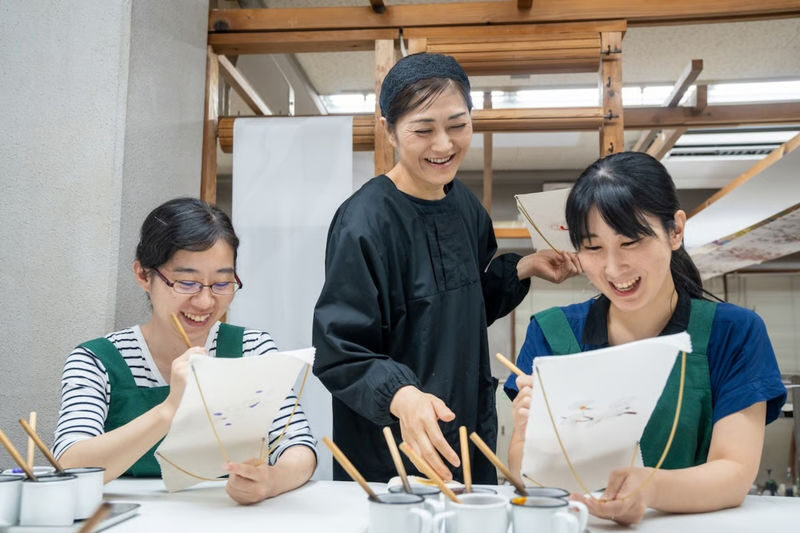
With a dyeing package, you use traditional brushes and paints under artisan guidance. You choose a format, then make a piece inspired by the workshop’s craft. The activity turns the visit from observation into participation, while still keeping the focus on the artisans’ skills and methods.
It is worth going in with modest expectations about your own technique. The point is not to produce work at a master artisan’s level. Trying the process helps you understand why Kyo Yuzen takes skill, patience and careful control. That contrast between your first attempt and the refined work in the studio is part of the experience.
The framed artwork package is a good fit if you want a compact souvenir tied to the visit. The handkerchief is a practical alternative, and the obiage or stole option is for someone who wants to spend more on a larger textile project. The provided information does not say how long each painting option takes, so don’t assume every package fits neatly into the 45-minute tour slot.
Getting to the Fushimi studio
The address is OKAYAMA-KOUGEI Inc., 8-2-2 Nishiura-cho, Fushimi-ku, Kyoto. It is about a 10-minute walk from the East Exit of the North Ticket Gate at Takeda Station, served by the Kintetsu Kyoto Line and Kyoto Municipal Subway Karasuma Line. From Kyoto Station, the stated taxi ride is about 10 minutes from the Hachijo Exit.
The location is the main logistical drawback. If you’re staying near central Kyoto sights, you’ll need to make a separate trip to Fushimi. On the other hand, the studio visit is short, so you can plan it around other activities rather than setting aside half a day. Allow enough time to find the correct address, especially if you’re taking a taxi: arrive 10 minutes before your selected start time.
The workshop is closed on Saturdays, Sundays, national holidays and New Year holidays. Available start times are 10:00, 14:00 and 16:00, but the options can vary with the package and schedule. Book a time that works for your transport, and don’t rely on being able to switch after arrival.
Language and the pace of the visit
English-speaking, Japanese-speaking and French-speaking staff are included, along with a multilingual audio guide delivered through an interpretation device. That support is useful for understanding a specialist craft, where a quick explanation can make the process much easier to follow.
The tour is brief and focused. You’ll get an introduction, a guided workshop visit and, if you select a dyeing package, time to work on your piece. It is not a long class or an open-ended studio session. One person who had an especially strong interest in the art felt that even an hour or two would not be enough to learn it fully. That is a fair way to think about the visit: a first encounter, not an apprenticeship.
There is no age limit for the activity. The hands-on option can appeal to adults and children, though the available details do not specify age-based instruction or a minimum age for painting. If you’re booking for a child, choose the package with the project you think they’ll enjoy and confirm any practical questions with the provider.






The price and what you get for it
At US$16.39, the workshop tour is an affordable way to see a traditional craft in production. The price is especially reasonable if you’re curious about kimono-making but don’t need a hands-on project. You get staff guidance and a short introduction, not just access to a room of finished textiles.
The hands-on options cost more, with prices rising from US$36.59 for framed art to US$124.85 for the obiage and stole package. That higher cost makes sense only if you want the specific activity and item. For a personal souvenir and a better feel for the work, the framed artwork may offer a good middle ground. The most expensive option is better suited to someone who values the textile itself and is comfortable spending more for a longer-form keepsake.
Prices are listed as starting prices, so check the final amount and selected package before booking. The entry price applies to the workshop tour, not every dyeing option. That distinction is important if you’re comparing it with other Kyoto craft activities.
Who is likely to enjoy this visit
This is a strong choice if you’re interested in traditional Japanese craft, textile design or the making behind kimono. It also works well for a short gap in your Kyoto schedule, especially if you want an activity that differs from temples and city walks. The small project options give you a tangible reminder of the visit.
You may find it less satisfying if you want a long, intensive class, or if your schedule leaves little room for travel to Fushimi. The tour is short, and the workshop’s work continues at its own pace. Go for close observation and a clear introduction, not a promise of expert-level instruction.
Should you book the Kyo Yuzen workshop?
Book it if you want to see real artisans at work and understand the care behind Kyoto’s hand-painted kimono textiles. I’d choose a hands-on package if making a personal keepsake matters to you, and the basic tour if you mainly want the workshop visit at a lower price.
Skip it if you’re after a long class or cannot fit the trip to Fushimi into your day. For the right visitor, though, this is a compact, hands-on way to meet a craft that is easy to admire and much harder to do.
Kyoto Fushimi: Artisan-Led Hand-Painted Kyo-Yuzen Workshop
“absolutely fantastic my favorite part of my Kyoto trip. Go do this!!! the women were kind and happy to answer any questions. a great delve into cul…”
FAQ
How long is the workshop tour?
The workshop tour takes about 45 minutes. The time required for the dyeing packages is not specified.
Where is the workshop?
It is at OKAYAMA-KOUGEI Inc., 8-2-2 Nishiura-cho, Fushimi-ku, Kyoto.
How do I get to the studio by train?
The studio is about a 10-minute walk from the East Exit of the North Ticket Gate at Takeda Station, on the Kintetsu Kyoto Line and Kyoto Municipal Subway Karasuma Line.
How far is the studio from Kyoto Station by taxi?
The stated journey is about 10 minutes from the Hachijo Exit of Kyoto Station.
What time can I book?
Departure times are 10:00, 14:00 and 16:00. Available options can vary by selected time and package.
What can I make in the dyeing activity?
Depending on your package, you can make framed artwork, a handkerchief, an obiage or a stole.
Is the workshop tour hands-on?
The basic workshop tour includes an introduction and guided visit. To paint with brushes and paints, choose one of the studio tour and Yuzen dyeing packages.
What languages are supported?
English-speaking, Japanese-speaking and French-speaking staff are included. A multilingual audio guide is also available through an interpretation device.
Is there an age limit?
No. The activity has no age limit.
Which days is the studio closed?
The studio is closed on Saturdays, Sundays, national holidays and New Year holidays.