Asakusa Kaguwa turns familiar Japanese figures into a wordless stage story: oiran, geisha, samurai, and ninja appear in dances that mix traditional costumes and props with contemporary music, lighting, and acrobatics. The format is easy to follow even if you speak no Japanese, and the hour-long show packs several styles and moods into one evening.
I like two things in particular: the performers greet you before the show, making the visit feel more personal than simply taking a seat in a theater, and the mix of dance, martial arts, and storytelling gives the performance variety. Your standard ticket also includes one drink, a welcome extra at a starting price of $48.65.
One consideration: this is a lively cabaret, not a quiet, formal dance recital. Music can be loud, and some scenes use flashing lights and lasers. The venue is up a flight of stairs, so it is not a good fit if you cannot manage stair access.
- What to know before you book
- A wordless show with a Japanese cast of characters
- What happens from the moment the doors open
- An hour of dance, drama, and action
- Choosing a seat and setting expectations
- Is the ticket worth about .65?
- Getting there and planning your evening
- Who will enjoy Asakusa Kaguwa most?
- Should you book it?
- FAQ
- How long does the show last?
- What time are the performances?
- Where is Asakusa Kaguwa?
- What does a standard ticket include?
- Can I take photos with the performers?
- Is the show performed in English?
- Is the venue accessible by elevator?
- The Best Of Tokyo!
- More Tickets in Tokyo
- More Tours in Tokyo
- More Tour Reviews in Tokyo
- Not for you? Here's more nearby things to do in Tokyo we have reviewed
What to know before you book
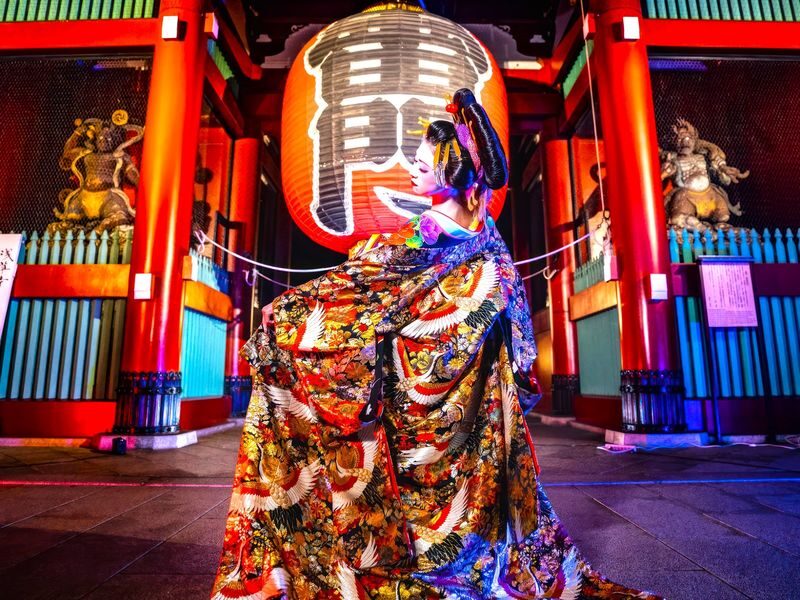
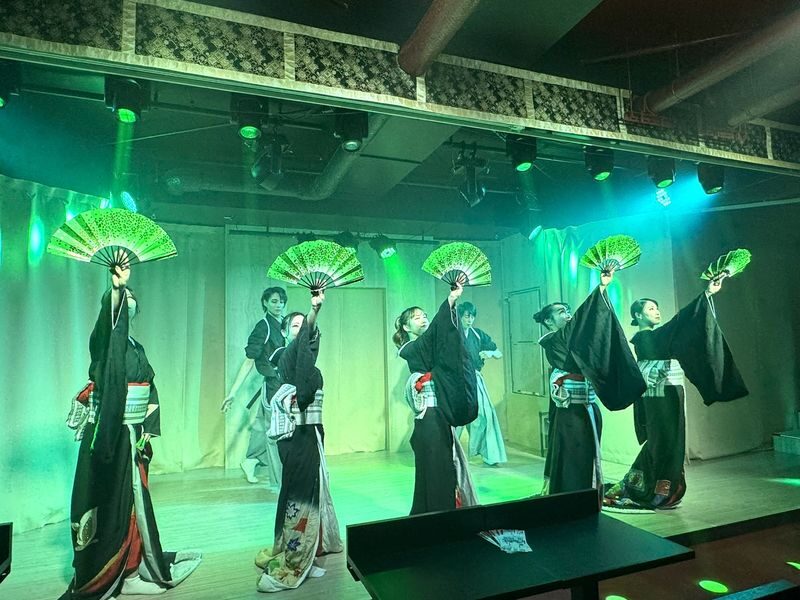
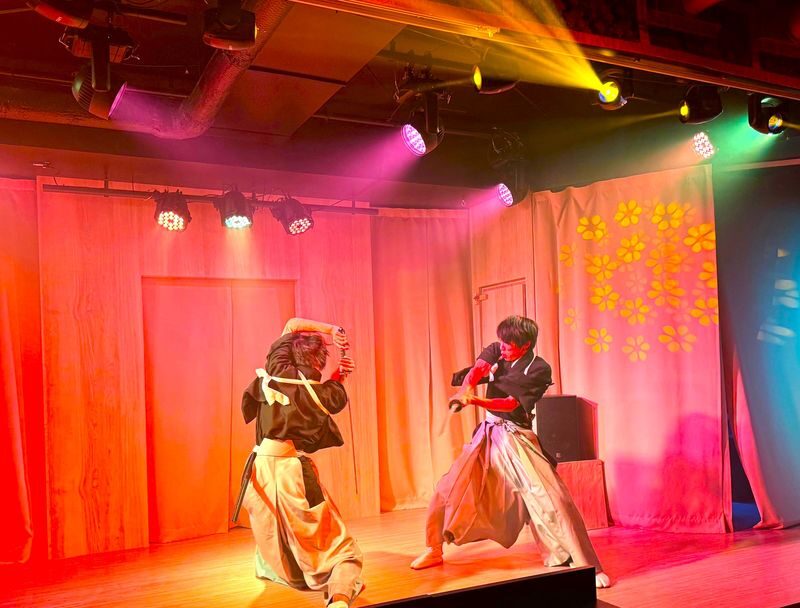
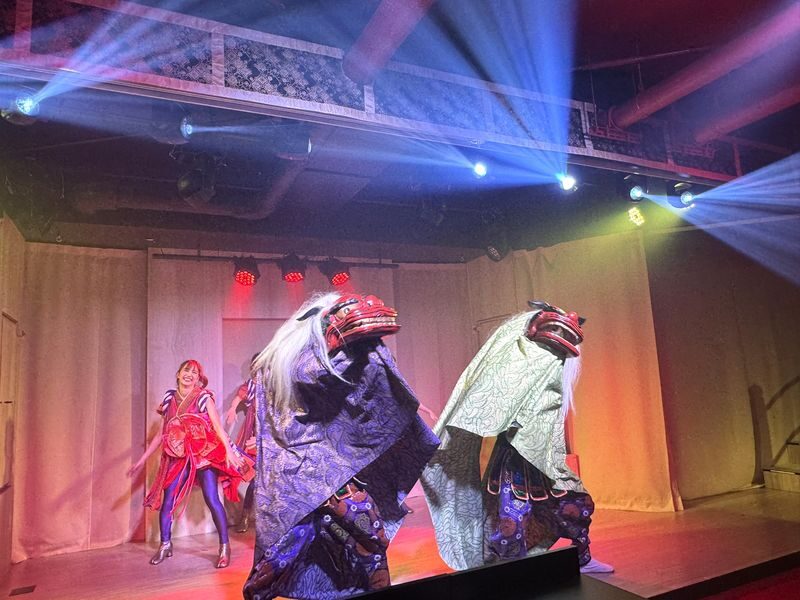
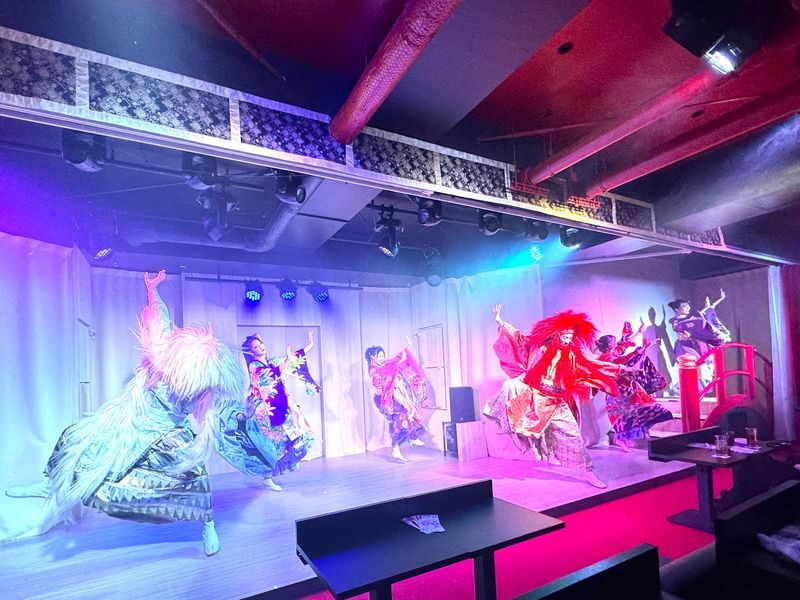
- Traditional characters, modern staging: Oiran, geisha, samurai, and ninja appear in dance and story scenes set to contemporary music and lighting.
- No language barrier: The performance uses dance, acting, and gestures rather than spoken dialogue.
- A one-hour show, with time around it: Doors open an hour before each performance, so you can meet performers, take photos, and order a drink or light meal.
- Two evening showtimes: On Wednesdays, Thursdays, Fridays, Saturdays, Sundays, and holidays, doors open at 4 p.m. for the 5 p.m. show, or 7 p.m. for the 8 p.m. show.
- Standard ticket includes a drink: Food and additional personal purchases cost extra. Premium seating, when offered, includes all-you-can-drink service until the show starts.
- A few practical limits: The venue is on the second floor and accessible only by stairs. Arrive at least 30 minutes before showtime.

👉 See our pick of the 25 Best Guided Tours In Tokyo
A wordless show with a Japanese cast of characters
Asakusa Kaguwa is built around a simple idea: tell a story through movement, costume, and expression instead of dialogue. You do not need to know Japanese, or to recognize every character, to follow the shifts between dramatic, graceful, and action-led scenes.
That makes this a useful choice for a mixed-language group or a family looking for a show that does not depend on translation. The performers’ faces and gestures carry much of the story, while music and lighting help set the mood. You can watch for the way traditional elements such as kimonos, fans, and Japanese umbrellas are placed alongside modern sounds and stage effects.
The show draws on figures often associated with Japanese stories and popular culture, including geisha, oiran, samurai, and ninja. It is best approached as contemporary entertainment inspired by traditional imagery, rather than as a lesson in Japanese dance history. If you want a formal, historically focused performance, this may not be the right fit. If you want a lively introduction to stage dance and theatrical storytelling, it offers an accessible hour.
You can also read our reviews of more tours and experiences in Tokyo



What happens from the moment the doors open
The experience begins before the performance. Doors open at 4 p.m. for the 5 p.m. show and at 7 p.m. for the 8 p.m. show. The extra hour is there for arrival, seating, drinks, and time at the photo booth, where you can meet and take pictures with performers.
Arriving early matters here. The venue asks you to arrive at least 30 minutes before the show, and that gives staff time to guide you in without a last-minute rush. Performers may come around to greet people before the curtain, so arriving with a little spare time also gives you a chance to say hello or take a photo.
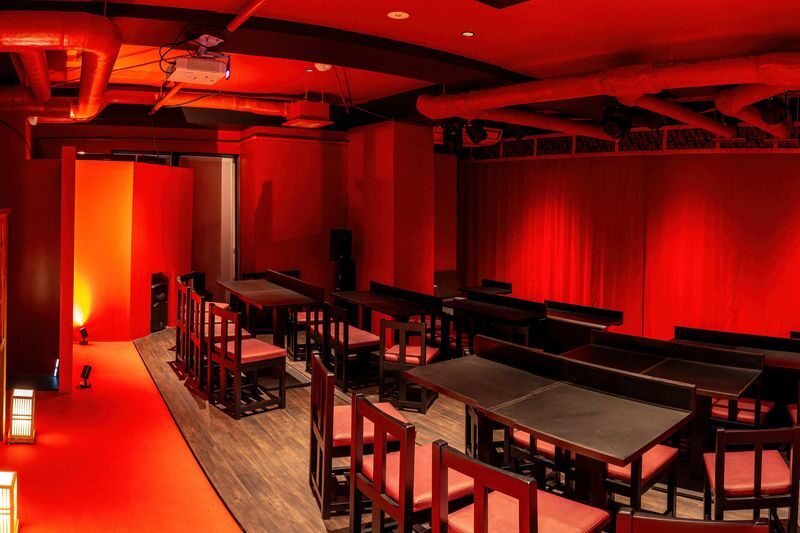
The room has Japanese-style decor, which sets the scene before the dancing begins. You can order drinks and light meals, including pizza, fried chicken, and soy-meat options. These are snacks rather than a full dinner, and food availability may vary. If you want to eat, order early: some food can sell out near the start of the show.
Standard seating comes with one drink ticket. Premium seating, if offered for your date, includes all-you-can-drink service until the performance begins. Outside food and drinks are not allowed, and smoking is prohibited inside.
An hour of dance, drama, and action
The performance itself lasts about 60 minutes. Expect a sequence of dance and story segments rather than a spoken play with a single continuous plot. The transitions move between different moods and styles, with expressive acting and choreography doing the work of dialogue.
There is variety in the movement. Graceful, slower dances sit alongside energetic sections and martial-arts action. A lion dance is also part of the show. That range keeps the hour moving, though the shifts can feel abrupt if you prefer a steady pace or longer, quieter pieces. The production uses strong music, theatrical lighting, and at times flashing lights and lasers, so it is worth considering if you are sensitive to loud sound or visual effects.
The performers’ expressiveness is a central part of the experience. You can read emotion in facial expressions and body language, even when the story itself is not spelled out. That clarity is what makes the non-verbal format work for people from different countries.
The cast may interact with you before the show and at the end. If you would like to thank the performers with a tip, bring small bills; one visitor found that having 1,000-yen notes made it easier during donation moments. Tipping is not listed as part of the ticket, so treat it as optional rather than an expected expense.
Choosing a seat and setting expectations
The standard ticket is the simplest option and includes admission and one drink. Other seating categories, such as front-row or sofa seating, may be available for some bookings. Check the exact package details before paying, since the seat and drink inclusions can differ.
A front-row seat puts you close to the action, which can make the choreography and performers’ expressions easier to see. The tradeoff is that you are near the stage, which some people may find a little too close. A seat farther back can give you a wider view of the full stage picture and scene changes.
If you book a higher-priced seat package, check that the seating and any photo benefits match what you intend to buy. Keep your voucher handy and confirm your seat with staff on arrival, especially if you have paid extra for a particular category. That small check can prevent confusion before the show begins.
Is the ticket worth about $48.65?
At a starting price of $48.65, this is not the cheapest way to spend an evening in Tokyo. The value depends on what you want: a one-hour live performance, an included drink, and the chance to meet performers before the show. If you enjoy dance, theatrical costumes, or compact live entertainment, that package can make for a satisfying Asakusa night.
The show’s biggest strength is the amount of variety packed into an hour. Dance, acting, martial arts, music, and changing scenes give it more texture than a single-style recital. The performers’ energy and expressive storytelling are also a key part of the appeal.
Still, this is a cabaret-style production, and tastes differ. If you expect a formal cultural performance, or if flashy effects and loud music are not for you, the price may feel high. Food and any extra drinks beyond the standard ticket are separate purchases, so do not count on the included drink to make it a full evening meal.
For a value check, compare it with the rest of your evening. Asakusa Kaguwa is close to Asakusa Station and can fit after a day in the area. You are paying for an indoor live show with a full hour of performance, not just a brief photo stop or demonstration.
You can also read our reviews of more tours and experiences in Tokyo



Getting there and planning your evening
The venue is at 2F, 1-12-10 Asakusa, Taito-ku, Tokyo. It is about a five-minute walk from Asakusa Station on the Tokyo Metro Ginza and Asakusa lines, about one minute from Tsukuba Express Asakusa Station, and about five minutes from Tawaramachi Station on the Ginza Line.
Allow time to find the entrance and reach the second floor. The venue is accessible only by stairs, an important detail for anyone with limited mobility, a stroller, or difficulty climbing. The listed schedule is for Wednesdays through Sundays and holidays: doors open at 4 p.m. for the 5 p.m. performance, and at 7 p.m. for the 8 p.m. performance. The show ends at 6 p.m. or 9 p.m., respectively.
Your mobile voucher is used for entry. It is valid only for the date and time you selected, so check those details before setting out. Children aged 12 and older pay the adult rate; child rates apply to ages 6 through 11. Children aged 0 through 5 enter free but still need a reservation.
Who will enjoy Asakusa Kaguwa most?
I would consider this show if you want an evening activity that feels different from a restaurant meal or a standard sightseeing stop. It suits first-time visitors curious about Japanese performance, families with children old enough to sit through a one-hour show, and groups whose members do not share a language.
It is also a good option if you like expressive dance and do not need a show to explain every plot detail in words. The pre-show greetings and photo opportunity give the visit a friendly, social quality, while the performance itself supplies the main event.
You may want to skip it if you are seeking a quiet, traditional recital, need step-free access, or strongly dislike loud music and flashing lights. And if your main goal is a substantial dinner, eat before or after: the venue offers light meals, not a full meal included with the ticket.
Should you book it?
Book Asakusa Kaguwa if you want a compact, lively show with Japanese costumes, dance, martial-arts scenes, and no language barrier. Arrive early for the photo opportunity, order any food promptly, and bring small cash if you might want to tip.
Pass if you prefer a subdued performance, need step-free access, or expect a detailed history lesson. For an entertaining hour in central Asakusa, the standard ticket is a reasonable choice if the style suits you.
Japanese-style Dance Cabaret Show – Asakusa Kaguwa – Performance Ticket (Tokyo)
“Fantastic show, with traditional dance and storytelling.”
FAQ
How long does the show last?
The dance performance lasts about 60 minutes. Doors open one hour before showtime, so the full visit can take roughly two hours.
What time are the performances?
On Wednesdays, Thursdays, Fridays, Saturdays, Sundays, and holidays, doors open at 4 p.m. for the 5 p.m. show, and at 7 p.m. for the 8 p.m. show.
Where is Asakusa Kaguwa?
It is at 2F, 1-12-10 Asakusa, Taito-ku, Tokyo. The venue is about a five-minute walk from Asakusa Station on the Ginza and Asakusa lines.
What does a standard ticket include?
A standard ticket includes admission to the show and one drink ticket. Other personal expenses are not included.
Can I take photos with the performers?
You can take photos and interact with performers at the photo booth before the show, after doors open. Performers may also greet people before the performance.
Is the show performed in English?
The show is non-verbal, using dance, acting, and movement rather than spoken dialogue. It can be enjoyed without understanding Japanese.
Is the venue accessible by elevator?
No elevator access is specified. The venue is on the second floor and access is by stairs only.