The fun here is making a Japanese-style accessory you can actually wear, not just admire on a shelf. In about 90 minutes, you choose materials such as artificial flowers, washi paper and mizuhiki cord, then make a piece that works as a hair ornament or a brooch.
I like two things in particular: the finished accessory can suit Japanese or Western clothes, and the workshop gives you hands-on time with materials tied to Japanese craft. Tea, a welcome gift and a certificate round out the session without turning it into a long event.
One consideration: the minimum group size is two, so check availability if you are booking alone. The price starts at US$78.85, which is a real outlay for a short activity, though the guided making session and take-home piece give it more lasting value than a quick demonstration.
- Make one piece two ways: Wear your creation as a hair ornament or pin it on as a brooch.
- Choose from Japanese-style materials: The workshop uses artificial flowers, washi paper, origami and mizuhiki cord.
- Plan for 90 minutes: The session is short enough to fit around other Kyoto plans.
- Bring your own bag: The artwork is designed to travel well, but you need to carry it home yourself.
- Expect English support: The instructor speaks English and Japanese, and the materials are prepared in English.
- Get a keepsake with the craft: Tea, a welcome gift and a certificate of completion are included.
- Make a Kanzashi-Inspired Keepsake in Kyoto
- Choosing Flowers, Washi and Mizuhiki
- A Guided 90-Minute Making Session
- Wearing Your Work With Kimono or Everyday Clothes
- Tea, a Certificate and a Small Souvenir
- Is US.85 Good Value?
- Getting to Urban Hotel Kyoto Nijo PREMIUM
- Who Will Enjoy This Workshop Most?
- Should You Book It?
- FAQ
- How long is the workshop?
- Where does the activity take place?
- What will I make?
- What materials are used?
- Is English-speaking help available?
- Are refreshments included?
- Can children take part?
- Do I need to bring anything?
- The Best Of Kyoto!
- More Tours in Kyoto
- More Tour Reviews in Kyoto
- Not for you? Here's more nearby things to do in Kyoto we have reviewed
Make a Kanzashi-Inspired Keepsake in Kyoto
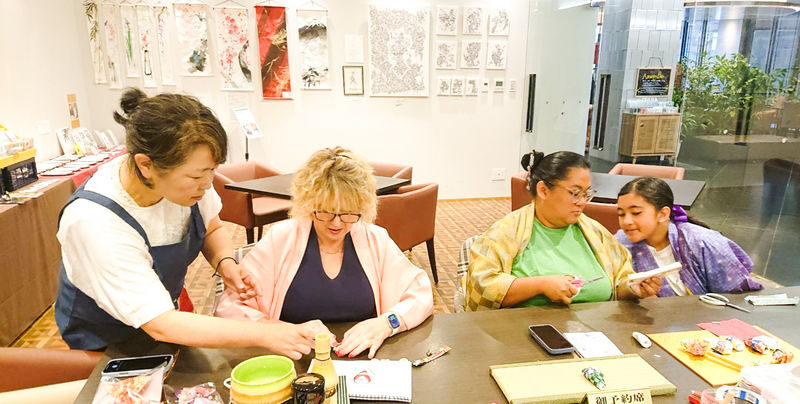
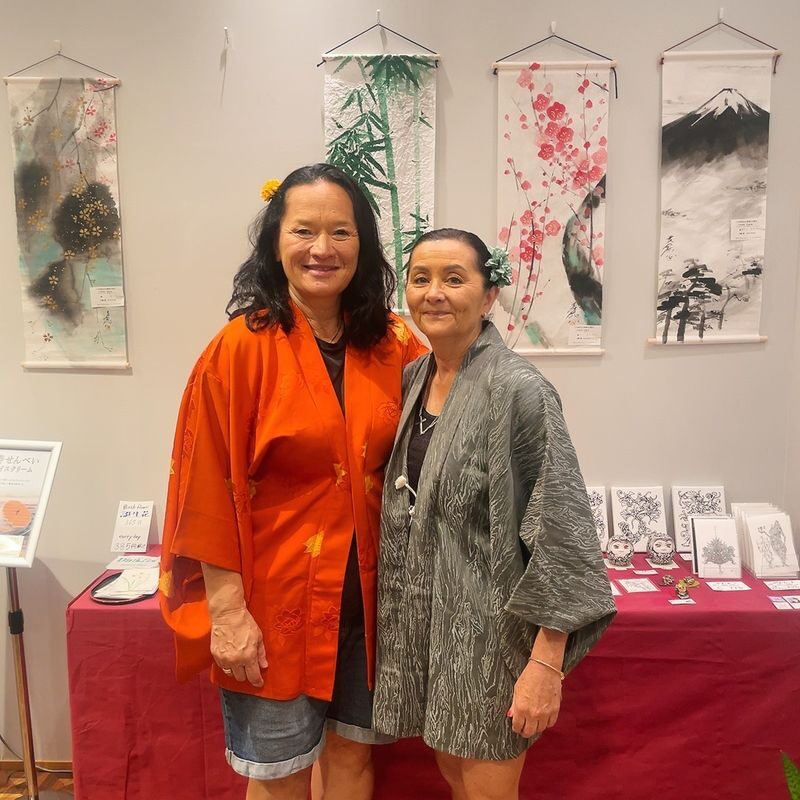
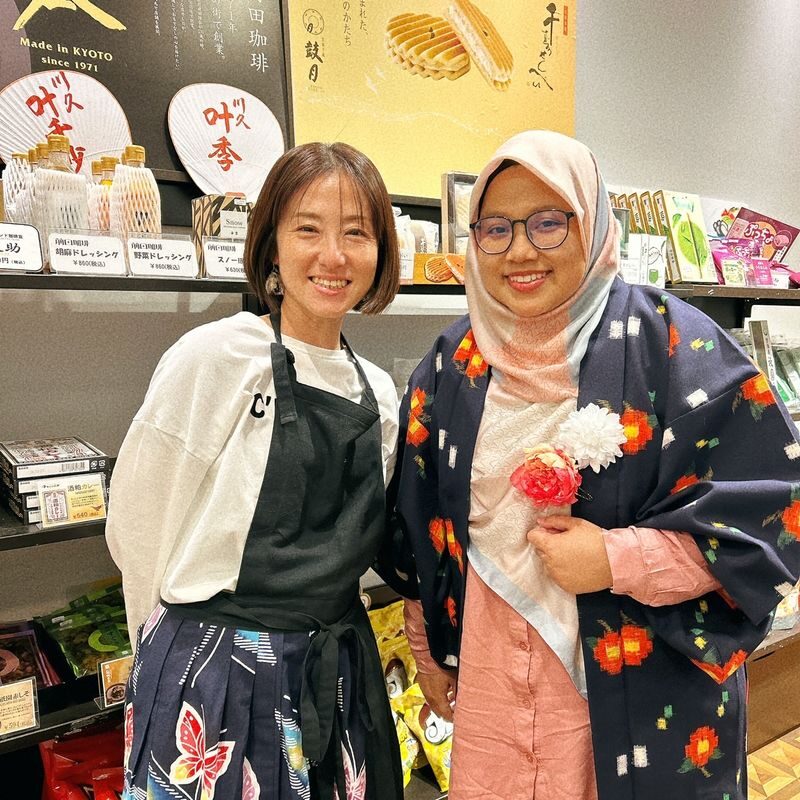
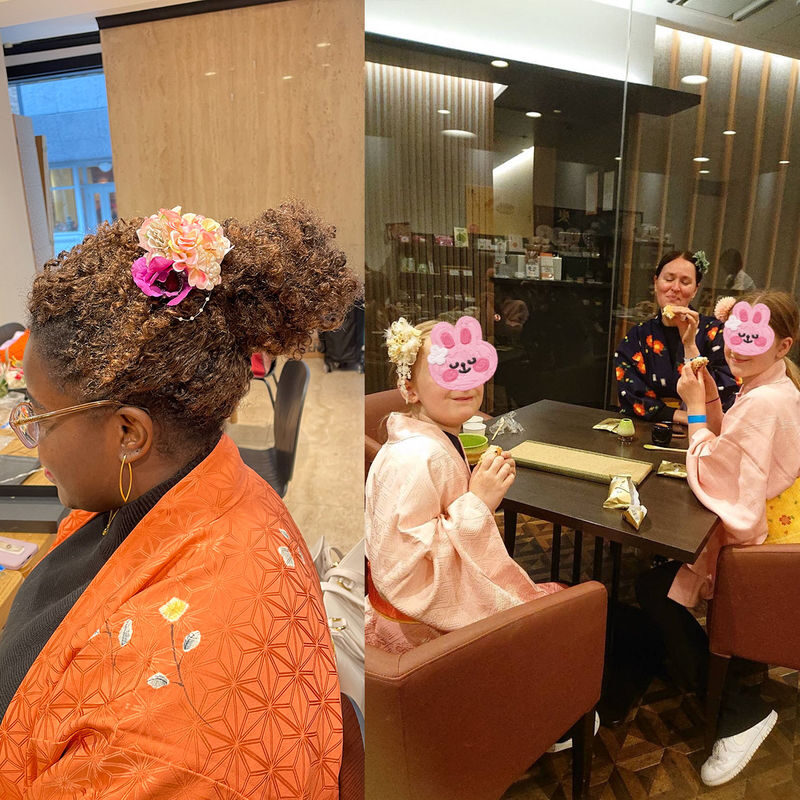
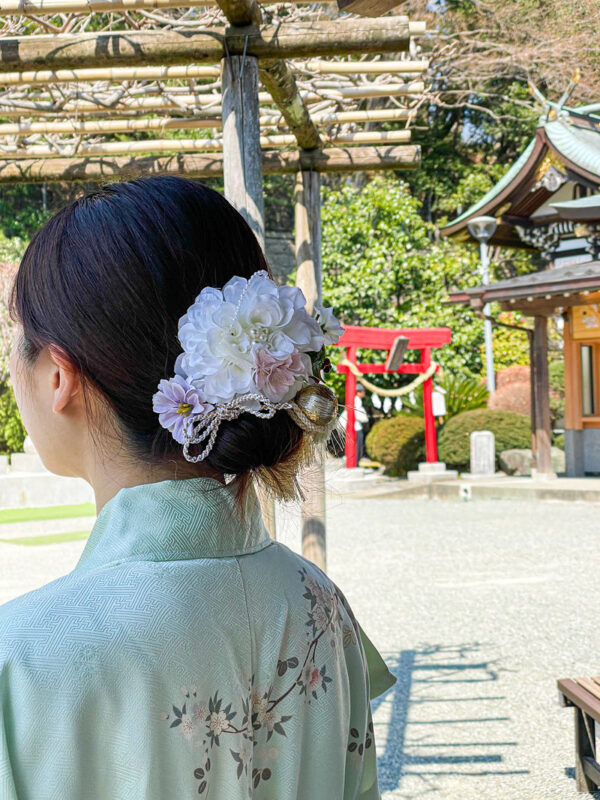
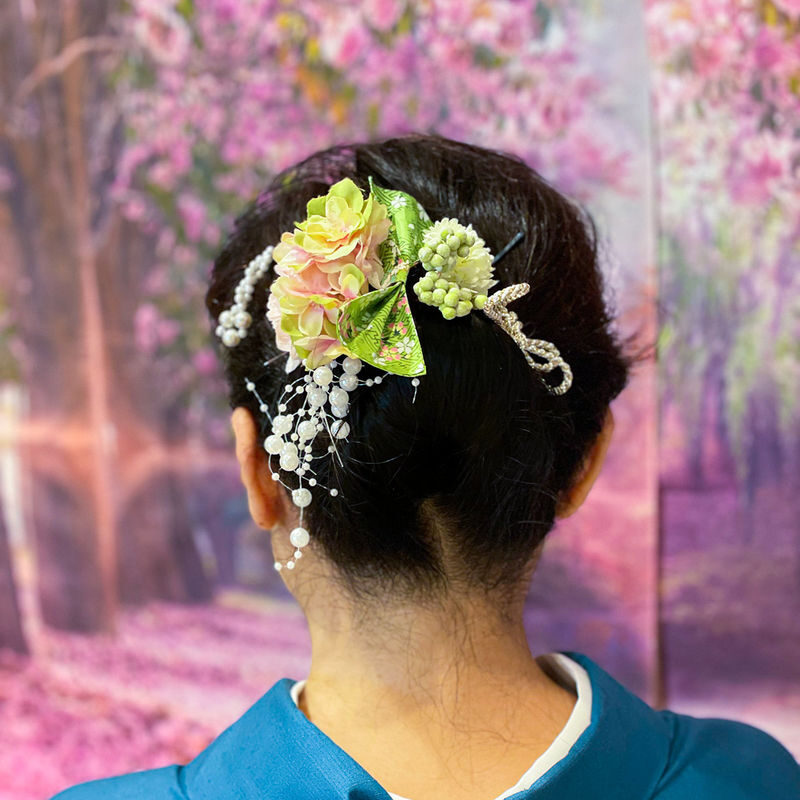
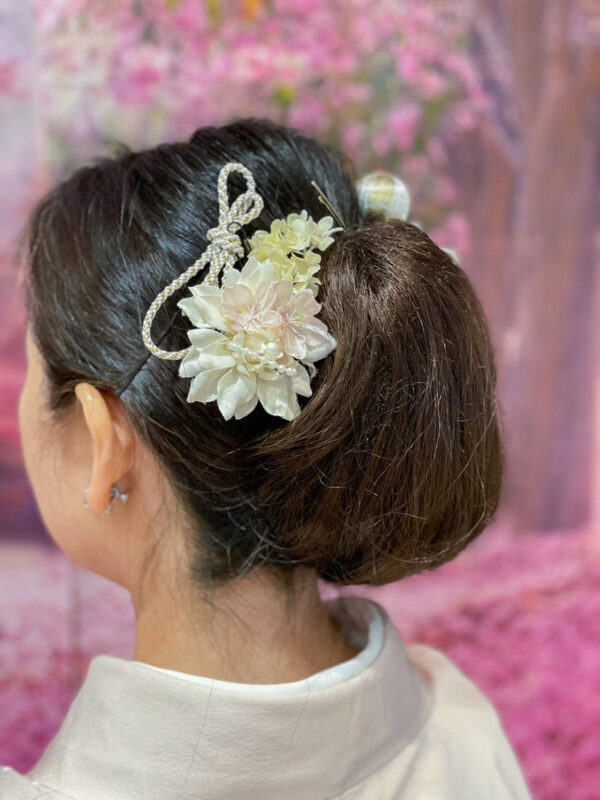
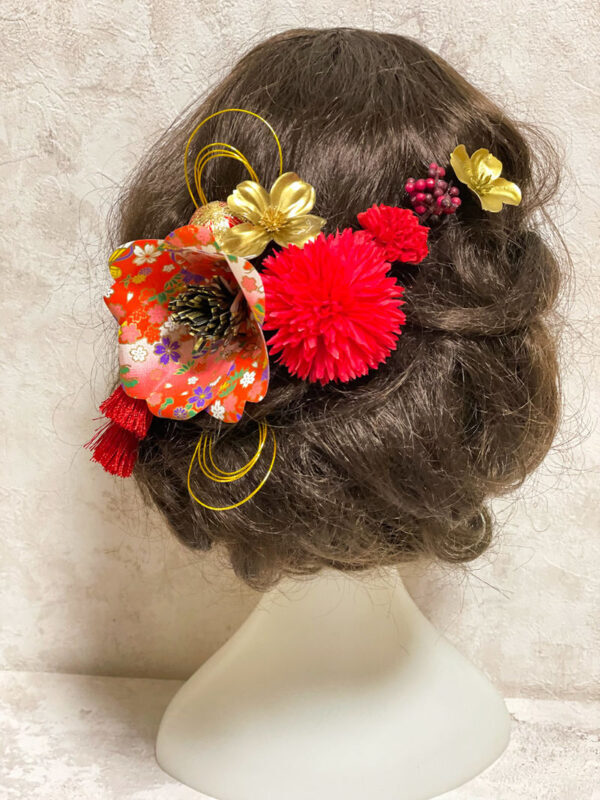
This is a practical craft session with a clear result: you leave with an accessory that can be worn in your hair or attached to clothing. The two-way design makes the finished piece more useful than a decorative object with only one job. You can wear it with a kimono or haori, or add a Japanese accent to everyday Western clothes.
The workshop takes place at Urban Hotel Kyoto Nijo PREMIUM, in Kyoto’s Nakagyo Ward. It is not a tour of several sights, and you should not expect a lecture-heavy cultural program. The focus is on choosing materials, making your accessory with an instructor’s help, and taking home your finished work.
That focused format is part of the appeal. Kyoto offers plenty of places to look at traditional craft; here, you get to work with some of its visual language yourself. You might choose flowers, folded paper or mizuhiki cord to shape the look of your piece, with support as you put it together.
The name kanzashi is often used for Japanese hair ornaments, and one participant described making a kanzashi that could also be worn on clothes. The workshop’s own description is broader: it offers hair ornaments and brooches in a Japanese style. In practical terms, you are making an accessory with two ways to wear it, rather than a strict lesson in one historical form.

👉 See our pick of the 25 Best Workshops And Classes In Kyoto
Choosing Flowers, Washi and Mizuhiki
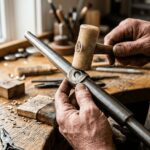
The first part of the session is about selecting the materials for your design. You can choose artificial flowers and washi paper, with origami and mizuhiki cords among the traditional materials used. These choices let you shape the piece’s color and feel before you begin assembling it.
Washi is Japanese paper known for its distinctive texture, while mizuhiki is decorative cord used in Japanese craft. The workshop combines these materials with flowers to make an accessory that is meant to be both attractive and wearable. The materials are described as high quality, and the finished work is intended to be durable.
You do not need to arrive with a design in mind. The instructor provides careful support, so the process is suitable if you enjoy making things but are not a practiced crafter. If you do have a clear idea, the choice of materials gives you room to make the result your own.
The flowers are artificial, a useful detail if you are choosing between this and a workshop centered on fresh floral work. Artificial blooms also make sense for an item meant to travel home and last. The finished piece is designed to be compact and durable, rather than something that needs special care during the journey.
You can also read our reviews of more tours and experiences in Kyoto.

A Guided 90-Minute Making Session
The package is a 90-minute lesson. That gives you a defined block of time to make an accessory without dedicating half a day to a class. The exact order and pace of each step are not specified, but the session centers on selecting materials and completing your own piece with instructor guidance.
English and Japanese-speaking support is included. The workshop materials are prepared in English, and the English-language instructions are useful if you want to focus on the craft rather than work out every step through gestures. The host has been described as friendly, and the instructor as a master of the craft, but no individual instructor’s name is provided.
The actual amount you make may be more than you expect. One participant said they completed more hairpieces and brooches than anticipated. That is encouraging, but it is not a stated guarantee of how many pieces you will finish. Your pace, chosen design and the group’s needs may affect what you get through in the allotted time.
The session may feel especially personal if the group is small. A participant found themselves working one-on-one with the teacher, but the activity has a minimum of two participants, and there is no promise of a private class. If individual attention matters to you, it is worth keeping that distinction in mind when booking.
Wearing Your Work With Kimono or Everyday Clothes
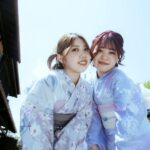
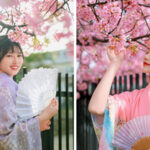
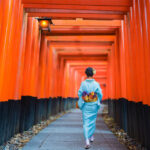
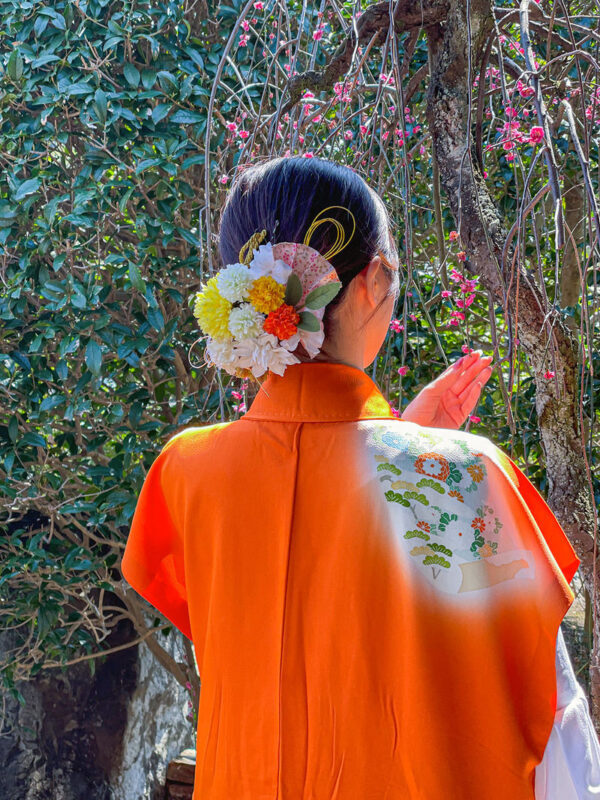
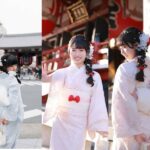
The workshop is a natural fit if you are arranging a kimono photoshoot or plan to wear a haori. You can make an accessory with that outfit in mind, then use it as a personal finishing touch. One participant specifically recommended making a hairpin to wear with a kimono for a photoshoot.
You do not need traditional clothing to get value from the session. The accessories are designed to match both Japanese and Western clothes, so you can wear your work at home with an ordinary outfit. That everyday use matters: a souvenir you can bring out again is often a better memento than something that stays packed away.
The two-way design also gives you a choice after the class. Wear it in your hair when the setting suits, or use it as a brooch on clothing. The finished item is described as visually striking and durable, though the exact size, colors and fastening details depend on the piece you make.
If you like craft but prefer a finished object to a purely decorative lesson, this format makes sense. You are not just watching an instructor demonstrate a technique. You are making a personal accessory with guidance, then taking it home.
Tea, a Certificate and a Small Souvenir
Refreshments are included, and tea gives the session a pause within its 90-minute format. You also receive a welcome gift and handmade Japanese craft souvenirs. The exact items are not specified, so think of them as an extra rather than the main reason to book.
At the end, you receive a certificate of completion. It is a small memento of the activity, particularly useful if you are collecting memories from a Kyoto trip or sharing the experience with a child or family member. The certificate does not replace the accessory, which is the more personal souvenir.
The package is designed to keep the finished work easy to transport. It should not take up much room in your luggage, and it is intended to be durable enough to bring home safely. Still, you are asked to bring your own bag for carrying the artwork. That is a simple thing to remember, especially if your day bag is already full.
Is US$78.85 Good Value?
The listed price starts at US$78.85 for the 90-minute lesson. That is not a bargain-priced craft table, but the fee covers more than the raw materials: you get instructor support, refreshments, a welcome gift, a completion certificate and a finished piece designed for regular use.
The value depends on what you want from a Kyoto activity. If you mainly want a cheap souvenir, you can spend less elsewhere. If you enjoy making things and want a guided introduction to Japanese materials, the price is easier to justify. You are paying for the time and help as well as the accessory.
The experience may be particularly good value for someone planning to wear a kimono or haori during the trip. Making an accessory that suits that outfit gives the session a purpose beyond filling an hour. It also makes for a personal keepsake tied to a specific moment in Kyoto.
Families can ask about child-friendly workshops and arrangements. Children aged 0 to 6 must be accompanied by a paying adult, and children aged 13 and older pay the adult rate. The provider says it can accommodate family needs flexibly, but confirm details before booking if you have a particular age group or requirement.



Getting to Urban Hotel Kyoto Nijo PREMIUM
The meeting point is Urban Hotel Kyoto Nijo PREMIUM, at 25-5 Jurakumawiminamicho, Nakagyo Ward, Kyoto, 604-8411. Arrive on time and use the address or map link provided with your booking to find the venue. No transport is included, and the activity information does not specify a station or route, so check your own navigation before setting out.
The voucher is mobile, and it is valid only on the date and time you booked. The minimum number of participants is two. If you are traveling solo, check that your chosen session can go ahead before you build the rest of your day around it.
You can change a booking up to 24 hours before the activity, subject to the stated exceptions for some booking types. A full refund is available if you cancel at least 24 hours before the activity date, based on local time. These terms matter if your Kyoto plans are still shifting.
Who Will Enjoy This Workshop Most?
I would put this near the top of the list for anyone who likes art and crafts, wants a hands-on cultural activity, or plans to wear Japanese clothing during the trip. It also suits a parent looking for a creative activity, provided the child’s age and adult accompaniment rules work for your group.
It is less compelling if you are looking for a long cultural lesson, a tour of Kyoto’s landmarks or a bargain activity. The emphasis is on making, and the time is short. You should book because you want to create something, not because you expect an extensive history lesson or a full afternoon program.
The English support, compact format and practical result make it approachable for visitors with little craft experience. You do not need to know how to make a hair ornament beforehand. You do need to be willing to spend the session choosing materials and working through the process.
Should You Book It?
Book this if you like hands-on crafts and want a wearable souvenir that connects with Japanese design. The best reasons are the two-way accessory, the chance to choose your materials, and the instructor’s English support. It is especially appealing if you have a kimono or haori outfit in mind.
Skip it if your schedule is tight enough that 90 minutes plus travel feels like too much, or if you want a low-cost souvenir rather than a guided activity. At US$78.85 and up, the price asks you to value the making as much as the finished object. If that sounds right, bring a bag, arrive on time and leave room in your luggage for your own bit of Kyoto craft.
Japanese Hair Ornament & Brooch Making Experience (Kyoto)
“This is the kind of experience where you never really expect it to be a one on one with the teacher, bur you're always the happiest when it turns o…”
FAQ
How long is the workshop?
The lesson lasts 90 minutes.
Where does the activity take place?
It meets at Urban Hotel Kyoto Nijo PREMIUM, 25-5 Jurakumawiminamicho, Nakagyo Ward, Kyoto, 604-8411.
What will I make?
You will make a Japanese-style accessory that can be worn as a hair ornament or a brooch.
What materials are used?
The workshop uses materials including artificial flowers, washi paper, origami and mizuhiki cords.
Is English-speaking help available?
Yes. An English- and Japanese-speaking guide is included, and the workshop materials are prepared in English.
Are refreshments included?
Yes. Refreshments are included, along with a welcome gift and a certificate of completion.
Can children take part?
Children aged 0 to 6 must be accompanied by a paying adult. Children aged 13 and older are charged the adult rate. The provider also offers workshops that children can enjoy and says it can accommodate family needs.
Do I need to bring anything?
Bring your own bag to carry your artwork. The voucher is mobile, and you should arrive on time.