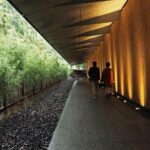
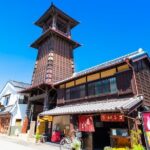
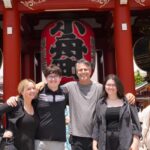
A morning fire ceremony in Tokyo, a night in a Buddhist temple, snow monkeys at Jigokudani and Hiroshima’s Peace Park: this 14-day route gives you Japan’s headline sights alongside experiences that feel more rooted in daily life. I like the contrast between Tokyo’s fast-moving streets and Kyoto’s old temples, and the chance to travel by train with a group small enough to keep the logistics manageable.
I also like that the schedule leaves room for your own discoveries in Tokyo, Kanazawa and Kyoto, rather than filling every hour with guided visits. The trade-off is pace: you change cities often, spend long stretches on your feet and have only a few days in Tokyo and Kyoto. Add time at either end if you want to explore those cities without watching the clock.
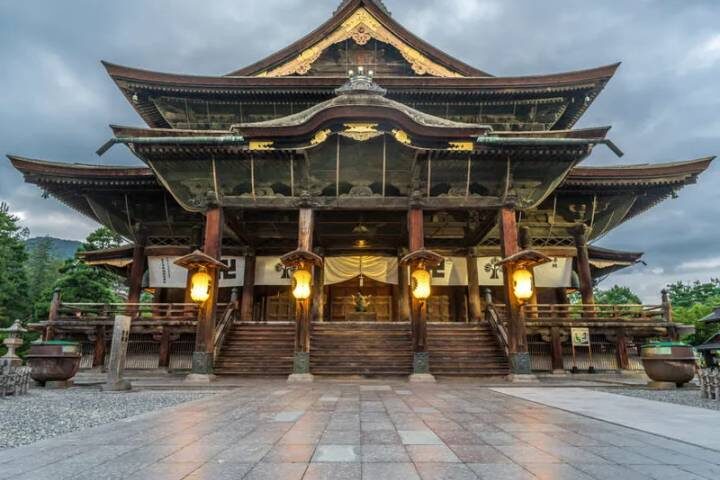
- A temple stay in Nagano pairs simple tatami rooms and shared facilities with early morning prayers at Zenkoji.
- The snow monkeys are wild animals, so sightings are never guaranteed, and their visits to the hot spring pool vary by season.
- Japan’s trains do much of the heavy lifting, including a shinkansen ride from Nagoya to Hiroshima.
- Free days in Tokyo, Kanazawa and Kyoto give you independence, but you’ll need to choose what matters most.
- The group is limited to 7 to 16 people, and the tour is guided in English for ages 16 and up.
- Tokyo begins with temples, fire and a famous crossing
- Matsumoto Castle and the walk to Jigokudani
- Kanazawa’s samurai streets and garden paths
- Takayama’s old town, sake and regional food
- Hiroshima’s Peace Park and a day on Miyajima
- Kyoto’s castle, tea ritual and bamboo grove
- What the ,120 starting price covers
- Who should book this Japan tour
- FAQ
- How long is the Simply Japan tour, and where does it start and end?
- What is the group size and minimum age?
- Are airport transfers included?
- Are meals included?
- Is the Nagano temple stay guaranteed?
- How strenuous is the tour?
- Are international flights included in the price?
- The Best Of Tokyo!
- More Tours in Tokyo
- More Tour Reviews in Tokyo
- Not for you? Here's more nearby things to do in Tokyo we have reviewed
Tokyo begins with temples, fire and a famous crossing
 1 / 8
 2 / 8
 3 / 8
 4 / 8
 5 / 8
 6 / 8
 7 / 8
 8 / 8
You meet in Tokyo, where the tour leader issues a preloaded Suica card for included public transport journeys. Airport transfers are included if you arrive on Day 1 and provide your flight details. Haneda is about an hour from the city centre, Narita about an hour and a half, and the transfer may be by shuttle bus or private vehicle.
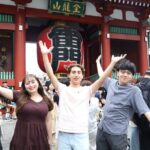
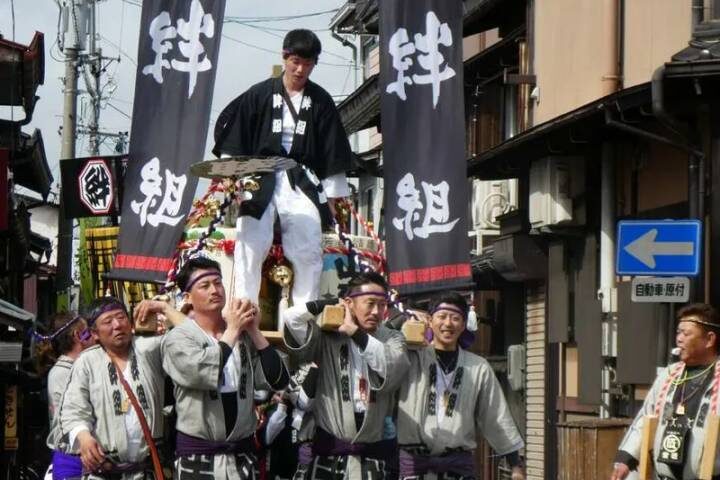
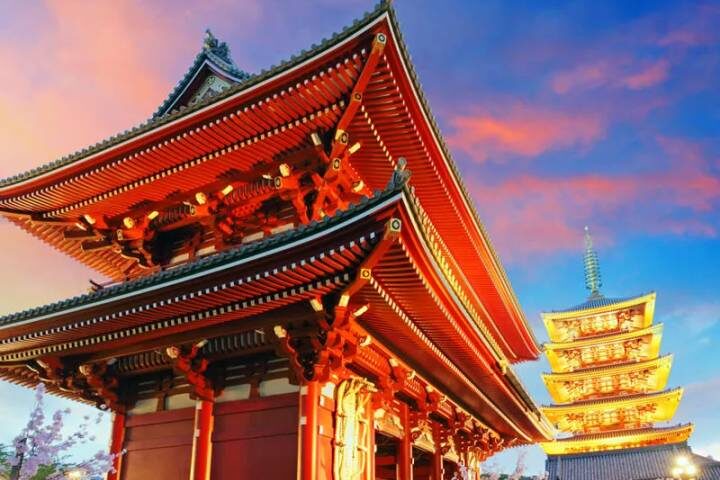
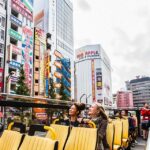
The first full day moves through several sides of the capital. At Senso-ji, Tokyo’s oldest temple, you pass through the Thunder Gate and into Asakusa’s lively temple precinct. The fire ceremony at Fukagawa Fudo-do is a more unusual stop: chanting and taiko drums accompany a Buddhist ritual that gives the morning a memorable, distinctly local feel.
After lunch, Meiji Jingu’s wooded grounds offer a quiet pause before the scale and energy of Shibuya. The crossing is worth seeing, but don’t mistake it for the whole neighbourhood: shops, galleries and streets beyond the intersection make a longer wander rewarding. Plan for seven to eight hours of walking and metro travel. Comfortable shoes are essential, and this is not the day to break in new ones.
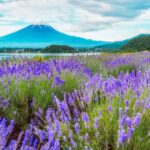
Day 3 is free. You could stay in Tokyo for Harajuku, Akihabara, Tokyo Skytree, Hamarikyu Gardens or a Sumida River cruise. Or take a day trip to Lake Kawaguchi for a chance to see Mount Fuji, visit Nikko’s shrines and wooded park, or go to Kamakura for its Great Buddha and beaches. Fuji views depend on weather, and popular day-trip options may need advance planning in peak seasons. A bonus night before the tour is sensible if Tokyo is high on your list.

👉 See our pick of the 25 Best Guided Tours In Tokyo
Matsumoto Castle and the walk to Jigokudani
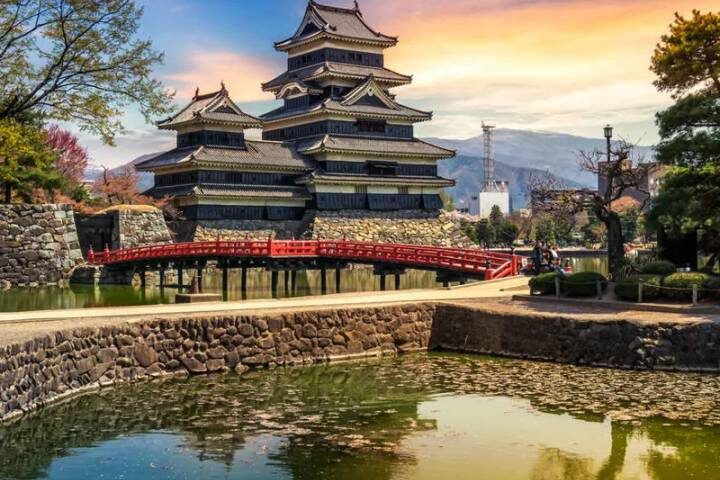
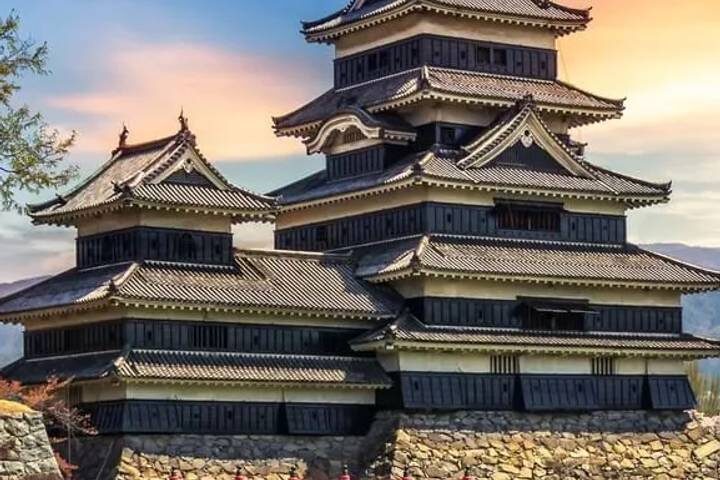
A roughly three-hour express train ride brings you to Matsumoto, with the Japanese Alps on either side. The town’s black-walled castle, often called Crow Castle, is a standout for its original wooden interior. Inside, you’ll find steep stairs, a hidden samurai floor and a moon-viewing pavilion, details that make the building feel less like a museum shell and more like a working piece of military history.
The steep staircases are worth taking at your own pace. You can decide how many levels to climb, then spend the rest of the afternoon in town. The tour travels with day bags on this leg and forwards main luggage to Kanazawa, so pack what you need for the overnight stop.
The next morning brings a forest walk to Jigokudani’s hot spring pool, where Japanese macaques sometimes bathe. The trail takes about 30 minutes each way and is mostly flat, though it has steep stairs and narrow sections. You spend around half an hour watching the monkeys. They can be seen throughout the year, but sightings and bathing behaviour vary: colder months tend to be better, while October and November can be less reliable.
From there, you continue to Nagano and Zenkoji, one of Japan’s early Buddhist temples. The temple lodging is deliberately simple, with tatami mats, futons and shared communal facilities. The next morning’s visit includes prayers and a blessing, with incense smoke and chanting creating a quieter, more reflective experience than a quick temple photo stop. Some departures stay in a hotel instead of the temple lodging, although the morning prayers remain part of the visit. Check the accommodation for your specific date before booking.
You can also read our reviews of more tours and experiences in Tokyo.


Kanazawa’s samurai streets and garden paths
After the early temple visit, you travel by express train to Kanazawa. The city’s connection to the powerful Maeda clan is visible in the samurai district, where narrow lanes and earthen walls offer a sense of how the warrior class lived. If you want a closer look at a historic residence, Nomura Samurai House is an optional visit.
The following day is free, and that flexibility suits Kanazawa. Omicho Fish Market is a good place to try chirashi-zushi, sushi ingredients arranged over rice, and to see seafood and produce from the region. The teahouse districts of Higashi Chaya and Kazuemachi make for a slower stroll. Some traditional establishments remain private, but public teahouses let you appreciate the neighbourhood’s architecture.
Save time for Kenrokuen, a celebrated garden begun by the Maeda clan in 1632 and developed over nearly two centuries. Its paths, ponds and carefully placed features reward unhurried wandering. Kanazawa was not targeted during World War II, so older buildings remain in parts of the city. That gives its historic districts a different feel from places where old and new sit side by side in a more visibly rebuilt city.
Takayama’s old town, sake and regional food
A train takes you to Takayama, a mountain town known for skilled carpenters and its former role under shogunal rule. Sanmachi Suji’s dark wooden merchant houses, many several centuries old, are the natural place to begin exploring. A brewery visit includes a look at sake making and a tasting. If the brewery is unavailable, the visit is replaced with a sake tasting and a stop at a local food shop.
Hida beef is the regional speciality to look for at dinner. Hida No Sato, an open-air museum of Edo-period thatched houses, is another option if you want more context on rural life. Time is the constraint: the following day is a long train journey, and main luggage is forwarded to Hiroshima, so keep a small overnight bag with you.
The accommodation details deserve a check here. The named day-by-day hotel is Tokyu Stay Hida Takayama, while the tour’s general description also refers to a simple ryokan night. Confirm the lodging for your departure rather than assuming the same stay applies to every date.
Hiroshima’s Peace Park and a day on Miyajima
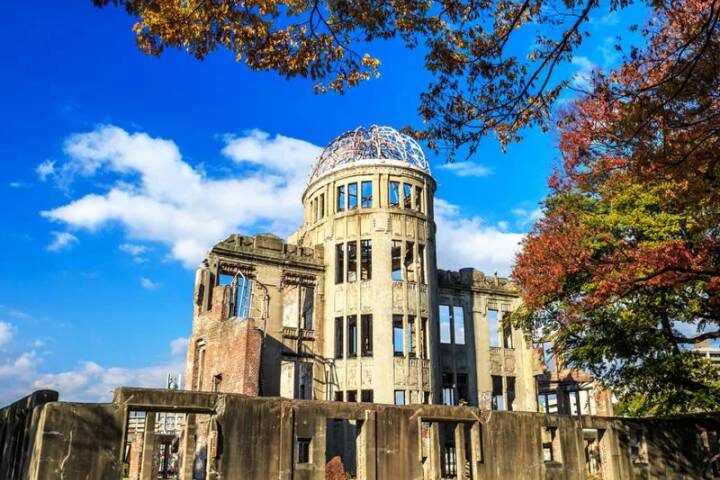
The journey to Hiroshima combines a scenic train beside the Hida River with a shinkansen from Nagoya. The bullet train covers about 400 kilometres in roughly two and a half hours, making a long cross-country transfer feel straightforward. In Hiroshima, the Peace Memorial Park and museum put the atomic bombing of 1945 into sobering context. Give the museum time and attention; this is one of the tour’s most affecting visits, not just another item to tick off.
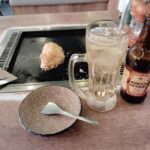
For dinner, try Hiroshima-style okonomiyaki, a savoury pancake cooked on a hot plate with its ingredients layered rather than mixed. The meal is a welcome change after a serious afternoon and an easy way to sample a local speciality.
The next day, a local train and ferry take you to Miyajima. Free-roaming deer and the great red torii gate make a striking welcome, though the gate’s apparent floating effect depends on the tide. Itsukushima Shrine, built over the sea, is an optional visit, while Daisho-in Temple is included. You can spin its prayer wheels for a blessing.
If you want a longer outing, Mt. Misen offers a two- to two-and-a-half-hour hike, or you can use the cable car and walk the final 20 to 30 minutes to the observatory. The views stretch over the Inland Sea; monkeys may be seen on the mountain, but they are not guaranteed. You return to Hiroshima for the night, so an overnight on the island is not part of this schedule.
Kyoto’s castle, tea ritual and bamboo grove
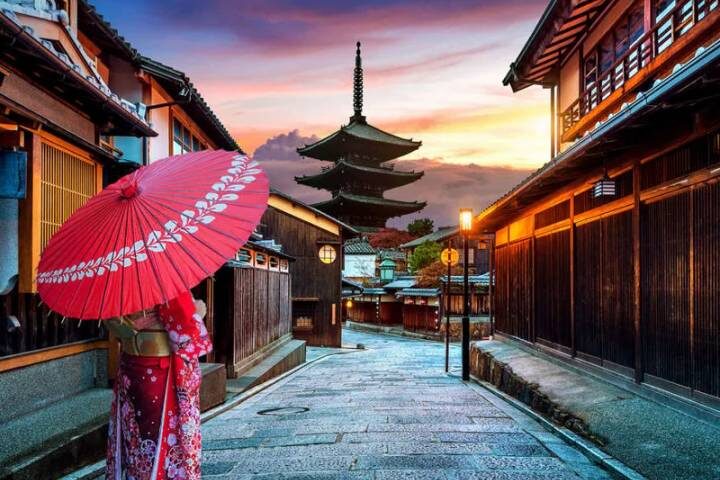
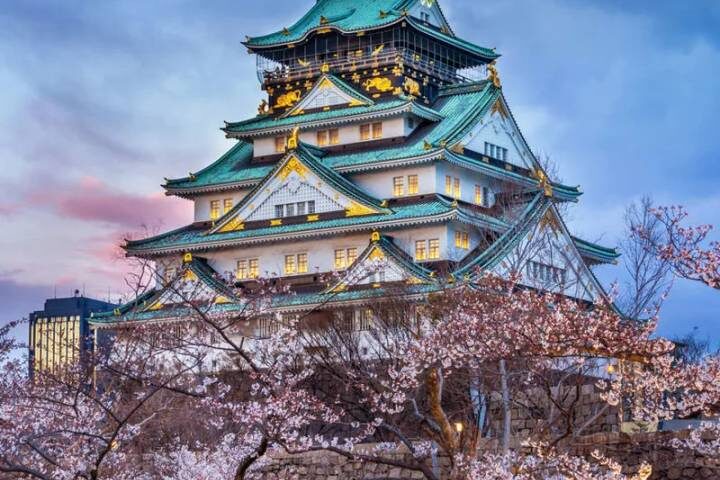
A morning shinkansen takes you to Kyoto, where the first visit is Nijo Castle. Built in 1603 as a shogun’s palace, it is known for its grand gates and rooms, landscaped gardens and nightingale floors. These wooden floors were designed to chirp underfoot, an ingenious warning system against intruders.
The next morning’s private tea ceremony gives you an active role: a tea master guides you through preparing and drinking matcha in a tatami-floored tearoom. The rest of the day is yours. Fushimi Inari is best approached early if you want to walk beneath its thousands of red torii gates before the busiest hours. Nishiki Market is the place to browse snacks and local foods, while the Philosopher’s Path connects several temple visits, including the Silver Pavilion, Eikando and Nanzenji.
Day 13 is a guided trip to Arashiyama, about 20 minutes from Kyoto by train. You visit Tenryu-ji and its garden, walk through the bamboo grove and stop at Togetsukyo Bridge. In spring and autumn, the group plans an early start to get ahead of the crowds. After lunch, you can explore the shopping street, try local sweets, rent a bicycle or head toward the quieter Sagano area and Adashino Nenbutsuji.
Kyoto is the tour’s final base, but not a thorough survey of the city. Three nights allow for a few major sites and some independent wandering, yet Kyoto has far more temples and districts than this schedule can cover. Staying extra nights is a good idea if you want a less hurried visit.


What the $5,120 starting price covers
At a starting price of $5,120, the value comes from the long-distance transport, guided logistics and a route that would take real planning to reproduce independently. The group uses trains, buses and ferries, including the shinkansen, and the tour leader helps coordinate the travel and explain how to get around. The group size of 7 to 16 is small enough for practical support without making this a private tour.
The price includes the listed accommodation, activities and 13 breakfasts. International flights, travel insurance, visas, spending money, tips and most lunches and dinners are not included. Expect to pay separately for optional day trips, meals and activities such as the Mt. Misen cable car or extra Kyoto visits.
Accommodation is mostly three-star hotels, with the Nagano temple stay as the main step away from standard hotel comfort. Rooms there are simple, and bathrooms and bathing facilities are shared. The tour information also refers to a simple ryokan stay, while the named hotel schedule varies in how it describes Takayama. Confirm your date’s exact lodging, especially if a single room or private facilities matter to you.
The tour’s high scores for transport and tour leaders are consistent with what this itinerary needs: clear instructions, good timing and someone who can keep a group moving through unfamiliar stations. Explore leaders are responsible for logistics, safety and briefings, and they share destination knowledge. There is no separate local guide at each cultural site. Names such as Raya, Raul, Santi, Doni, Sam and Jeff are associated with different departures, so you should not expect a particular leader on your date.
Who should book this Japan tour
This route suits you if you want a broad first look at Japan, enjoy public transport and can handle a busy schedule with substantial walking. The cultural range is its strength: city temples, a castle, a Buddhist lodging, a garden, a sobering memorial and time on a small island all fit into two weeks.
It is less suitable if you want slow mornings, extensive free time in Tokyo or Kyoto, or consistently private hotel facilities. The tour is rated medium intensity, and the long transfers and early start for prayers are part of the experience. People with visible tattoos should ask the tour leader about local onsen rules if they plan to use one; policies vary, and some establishments may offer patches or private baths.
Book it if you value variety and guided transport over a slow, single-city stay. If Tokyo or Kyoto is your main reason for visiting, add nights before or after the tour. That small investment in time can turn a strong overview into a more personal trip.
Simply Japan 14-Day Tour by Explore!
“Absolutely AMAZING trip!! Raya was an excellent guide- her knowledge of history; local recommendations for food & free time; ability to deal with u…”
FAQ
How long is the Simply Japan tour, and where does it start and end?
It lasts 14 days, starting in Tokyo and ending in Kyoto. The final day has no planned activities after breakfast.
What is the group size and minimum age?
The group size is 7 to 16 people. The tour is open to people aged 16 and older.
Are airport transfers included?
Transfers are included if you arrive on Day 1 and depart on the final day, provided you have supplied your international flight information. The start transfer is from Haneda or Narita. At the end, the options are Kansai International Airport or Osaka International Airport.
Are meals included?
The tour includes 13 breakfasts. Lunches and dinners are generally not included, giving you the choice to eat at local restaurants.
Is the Nagano temple stay guaranteed?
No. Some departures stay in a hotel instead because temple lodging is not available. Those departures still visit Zenkoji at sunrise and attend morning prayers.
How strenuous is the tour?
It is rated medium intensity. Expect plenty of walking, including a Tokyo sightseeing day of about seven to eight hours on foot and public transport. The Jigokudani trail has some steep stairs and narrow sections, and the Mt. Misen hike is optional.
Are international flights included in the price?
No. International flights and travel insurance are not included.