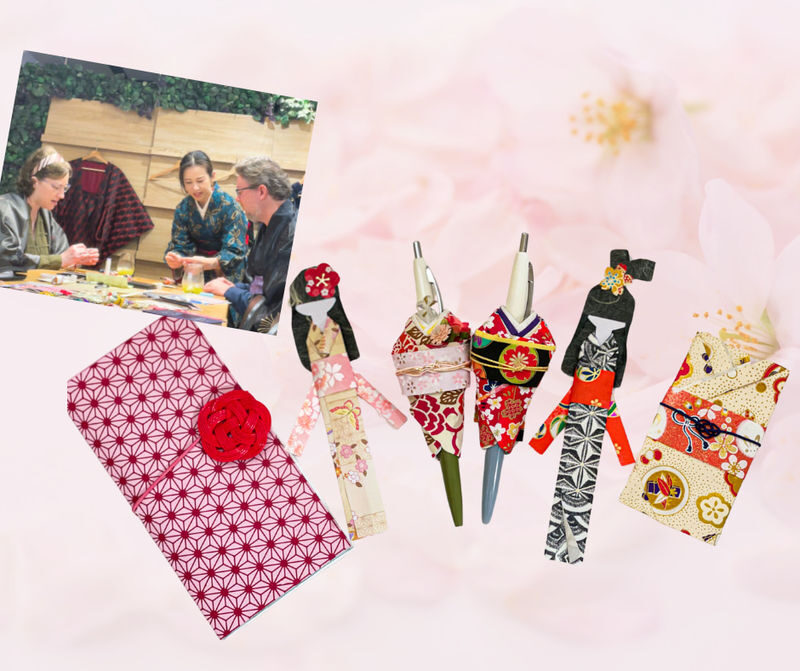
A washi doll with a pen tucked alongside it is a useful little Tokyo keepsake: decorative, handmade, and easy to pack. At this Asakusa workshop, you make that doll and pair it with a second paper craft, choosing from a bookmark, an amulet bag, or a washi notebook.
I like two things in particular: you can choose your own paper patterns, and the workshop fits into about 90 minutes while giving you more than one finished piece. The instructors teach in English, and refreshments, a handmade surprise souvenir, and a completion certificate are included.
One consideration: the experience requires at least two participants, so it may not suit a solo booking unless another participant is scheduled. And if you want a deep lesson in paper-making itself, this is a craft workshop using washi, not a washi-making demonstration.
At a glance
- Make two crafts: Create a washi doll called Hime with a Japanese-made ballpoint pen, then choose a second paper project.
- Pick your project: Options include a washi bookmark, an omamori amulet bag, or a washi notebook that can serve as a goshuin stamp book.
- Choose your patterns: You can select the washi and origami designs used in your creations.
- Get a taste of Japanese hospitality: Refreshments are included, with a drink choice and pudding dessert described as part of the experience.
- Leave with more than your own work: Each course includes a surprise handmade souvenir and a certificate of completion.
- Make it part of an Asakusa day: The venue is a three-minute walk from Asakusa Station on the Tsukuba Express, near Senso-ji Temple and Nakamise-dori.

👉 See our pick of the 25 Best Guided Tours In Tokyo
- At a glance
- Paper crafts, not just a souvenir stop
- What the 90 minutes are likely to feel like
- Choosing between the three craft combinations
- A welcoming workshop with English help
- Why the Asakusa address works well
- Is the price fair for what you get?
- Who will enjoy this most
- Should you book the Asakusa washi workshop?
- FAQ
- How long does the workshop take?
- Where is the meeting point?
- How do I get to the workshop?
- Which crafts can I make?
- Can I choose the paper designs?
- Is English instruction available?
- Are refreshments included?
- Do I receive anything besides the crafts I make?
- Can children take part?
- What is the cancellation policy?
- The Best Of Tokyo!
- More Tours in Tokyo
- More Tour Reviews in Tokyo
- Not for you? Here's more nearby things to do in Tokyo we have reviewed
Paper crafts, not just a souvenir stop
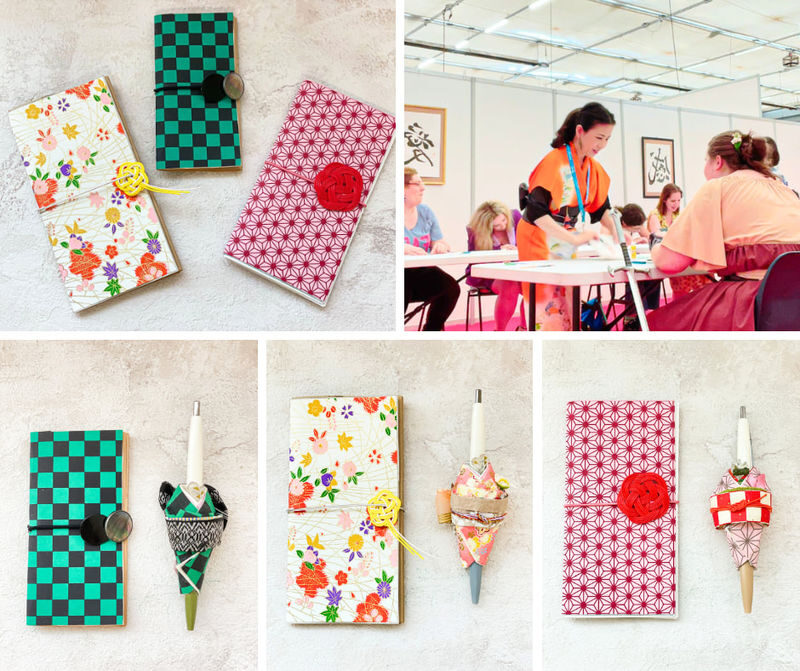
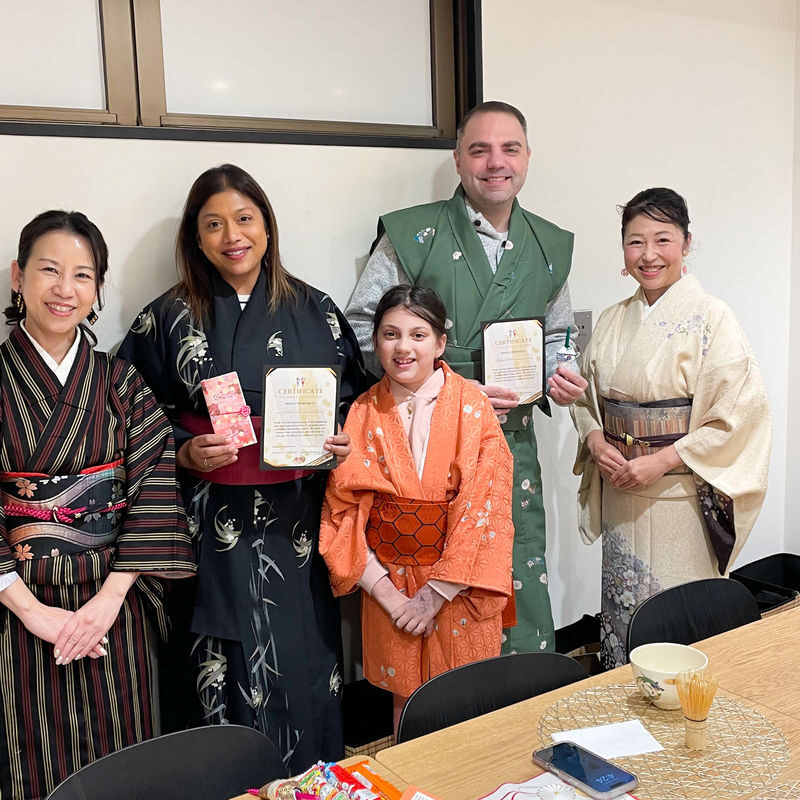
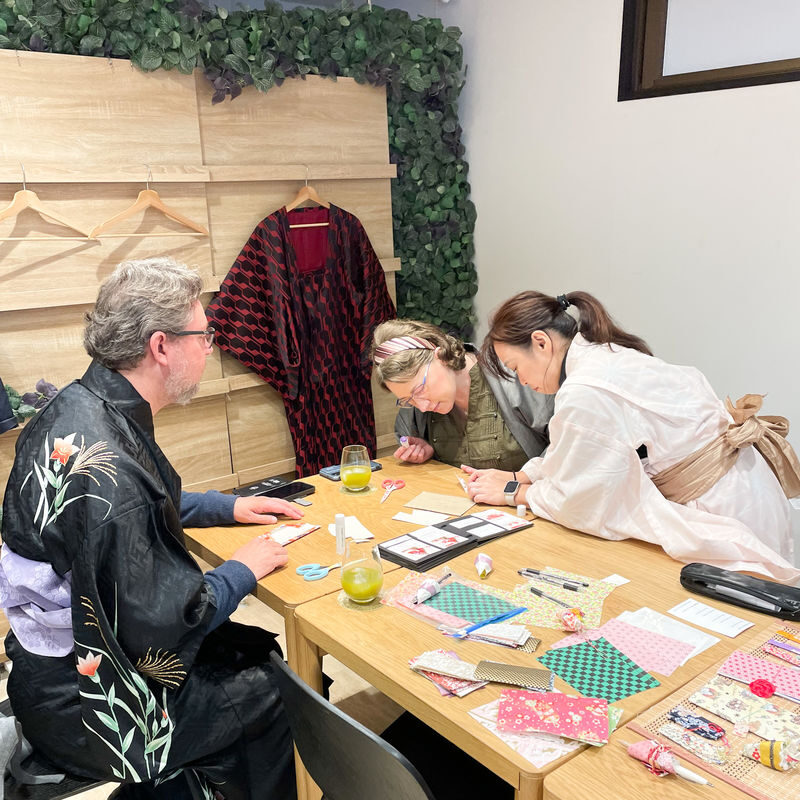
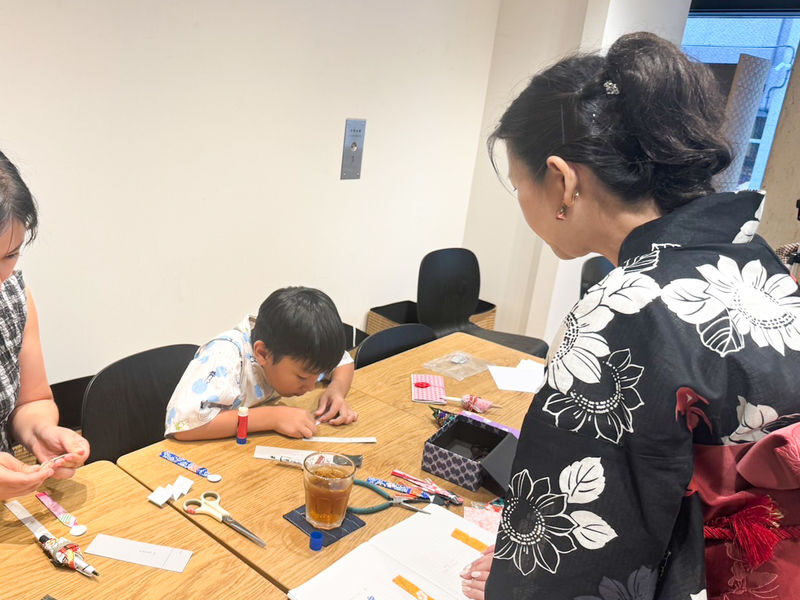
This experience gives you a chance to make something with your hands rather than simply shop for a finished item. The workshop centers on Japanese washi paper and origami, with an instructor guiding you through the techniques. You leave with crafts you made yourself, plus a handmade gift from the workshop.
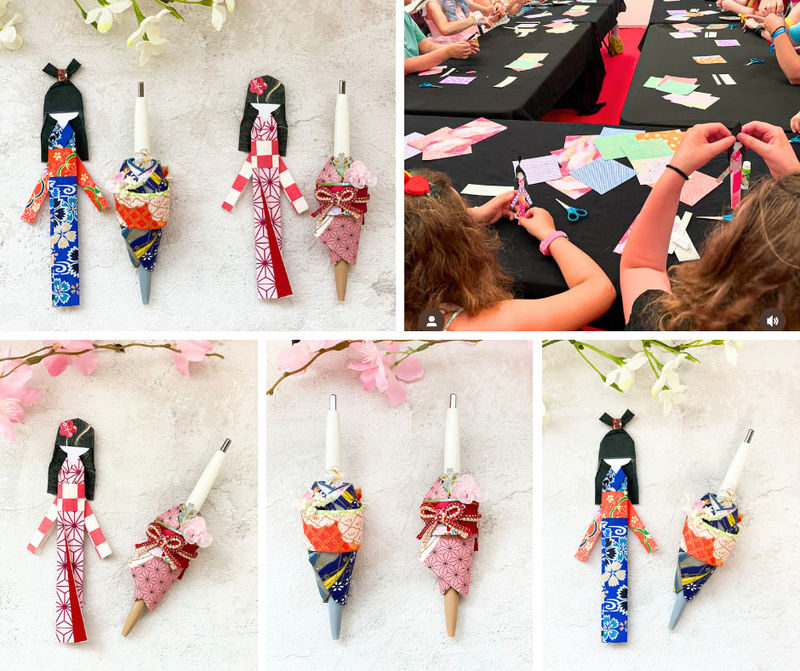
The main project is a washi doll called Hime, paired with a Japanese-made ballpoint pen. It is an appealing combination: the paper doll adds a traditional touch, while the pen gives the finished gift a practical use. If you are looking for a small present for someone at home, this set has more personal meaning than a generic souvenir.
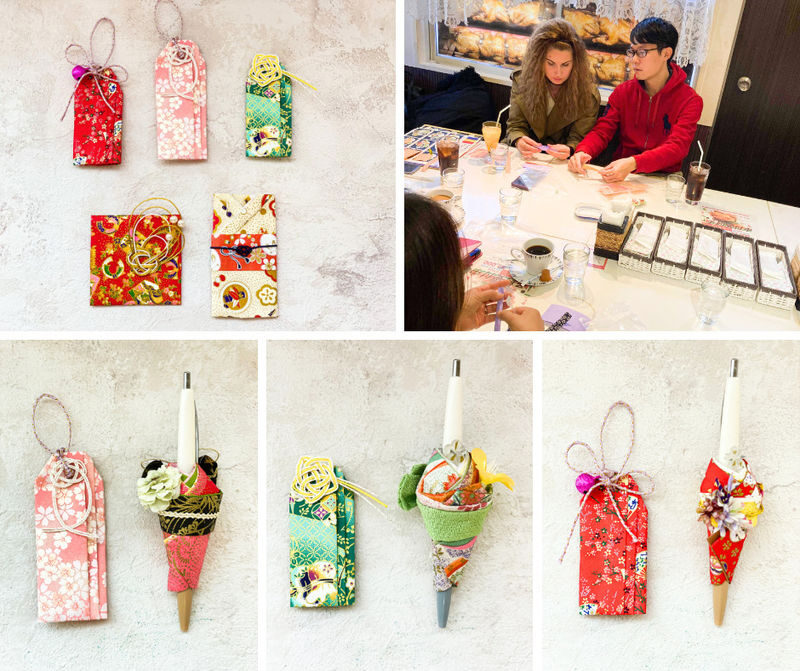
You then choose one additional craft. The three listed combinations are Hime with a washi doll bookmark, Hime with an omamori-style amulet bag, or Hime with a washi notebook that can be used as a goshuincho, a stamp book for shrine and temple visits. The notebook option is especially useful if you plan to collect temple or shrine stamps during your stay in Japan.
The workshop is designed to let you choose paper patterns, too. That choice matters: even if you and a companion make the same projects, different papers can give the finished pieces very different looks. If you already know you prefer a certain color or pattern, you can ask about the available selection when you arrive.
You can also read our reviews of more tours and experiences in Tokyo.



What the 90 minutes are likely to feel like
Plan for a session of about 90 minutes. You will meet at the workshop at 4-19-4 Asakusa, then choose your craft combination and paper designs with guidance from the instructor. The pace is intended to make two projects manageable in one visit, rather than turning the afternoon into a long class.
The exact order of the projects is not specified, so it is best not to expect a fixed demonstration schedule. You can expect instruction in folding and working with washi, along with help choosing suitable paper. One participant specifically appreciated careful guidance on both paper selection and folding, which is useful if you are new to origami or unsure where to begin.
The instructor teaches as you work, making this a hands-on introduction rather than a lecture about Japanese paper. The format should suit beginners and families who want a shared activity, though children may need some help depending on their age and the project. The workshop also offers activities intended for children and has a children’s space.
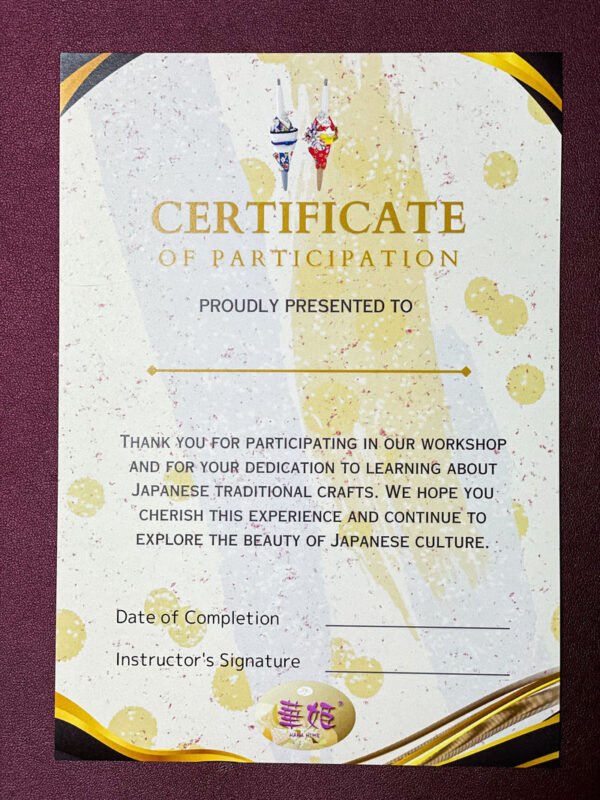
You can expect to finish with your projects, a surprise handmade craft, and a certificate of completion. Treat the certificate as a memento of the class, not as a professional teaching qualification. The description says you can proudly share what you learned at home, but the value here is the experience and the craft, not formal certification.
Choosing between the three craft combinations
The bookmark is the simplest choice to understand and use. It is compact, lightweight, and a natural fit if you like books or want a straightforward paper project alongside the doll and pen.
The amulet bag has a more distinctly Japanese feel. Omamori are protective charms commonly associated with shrines and temples, so this option makes a thoughtful small keepsake. The workshop provides the craft activity; the information does not say that the bag is blessed or has any religious function.
The washi notebook can be used as a goshuincho, a book for collecting calligraphic stamps from temples and shrines. If you are planning visits to Senso-ji or other religious sites, this may be the most practical choice. One participant made a stamp book at the workshop and then went to a nearby shrine to use it, which is a good example of how the craft can connect with the rest of an Asakusa visit.
All three options include the Hime doll and pen, so the decision is really about the second item. Consider what you will use or enjoy after the trip, rather than choosing only by appearance. If you are unsure, ask the instructor for help picking a paper pattern and project that suit your plans.
A welcoming workshop with English help
English-speaking staff are included, and the instruction has been described as easy to follow. The workshop is run by welcoming instructors; names associated with sessions include Ms. Mitue Yamashita and Mr. Hoshino, though you should not assume either person will lead your particular class.
The setting is described as carefully kept and decorated, with Japanese touches including flowers and character plush toys. The instructor may wear a kimono or kimono apron, adding to the atmosphere without making the class feel like a formal ceremony. There are windows with views, although no specific view is guaranteed or described.
The welcome seems to be a real strength of the experience. The instructors have been praised for being kind, patient, and accommodating, and one family described communication in English as comfortable. That sort of help matters in a craft class: clear demonstrations and a patient answer to a small question can make the difference between enjoying the process and worrying about getting each fold right.
A drink and pudding dessert are included, giving you a pause during the crafting. This is a small but welcome part of the visit, especially if you are fitting the class between sightseeing stops. The available information does not specify the drink choices, so ask on arrival if you have a preference.
Why the Asakusa address works well
The workshop is at 4-19-4 Asakusa, in Taito-ku, and is listed as a three-minute walk from Asakusa Station on the Tsukuba Express. Do check that you are heading to the Tsukuba Express station rather than assuming every station with Asakusa in its name is the same stop.
Senso-ji Temple, Kaminarimon, and Nakamise-dori are nearby, so the class is easy to pair with a walk through one of Tokyo’s best-known sightseeing areas. You could visit the temple and shopping street before or after crafting, then carry your finished pieces home without a large or fragile purchase to manage.
The location is a practical advantage, but it is also a reason to plan your timing. Asakusa has plenty to see, and you may want to leave room around the class rather than trying to squeeze the temple, market street, lunch, and workshop into a rushed block. Arrive on time for your booked session.






Is the price fair for what you get?
Prices start at US$61.79 for the cultural experience. That is more than you would spend on a simple souvenir, but the fee covers a guided 90-minute activity, two crafts, refreshments, a handmade gift, and a certificate. If you value the making process and the chance to choose your designs, the price is easier to justify than if you only want an inexpensive object to take home.
The option to make a second item adds value. You are not paying for a single quick fold or a short photo opportunity; you get time to work on two projects and leave with several small pieces. The included surprise souvenir is a pleasant extra, though its design is not known in advance.
There are six public ratings supplied, all at five stars, and the provider has 17 total reviews with a 94 percent positive rating. That is encouraging, but still a modest pool, so I would read the strong feedback as a useful signal rather than a guarantee that every session will be identical. The most consistently praised details are the friendly instruction, comfortable setting, paper choices, and family appeal.
Who will enjoy this most
This is a good fit for couples, friends, and families who want a calm, creative break from sightseeing. It is also suited to visitors who like making things and want a cultural activity that produces a compact keepsake. The projects are not bulky or easily broken, but bring a bag to carry them home.
Children are welcome, and child-focused workshops are available. Children aged 0 to 6 must be accompanied by a paying adult, while children aged 13 and older are charged the adult rate. The minimum number of participants is two, so check the booking details if you are travelling alone.
This may be less appealing if you prefer a large-scale demonstration, a long technical class, or a workshop focused on making washi from raw materials. Here, the emphasis is on using washi and origami to create finished crafts in a short, guided session.
Should you book the Asakusa washi workshop?
Book it if you want a hands-on activity near Senso-ji, enjoy paper crafts, or need a family-friendly break that leaves you with personal souvenirs. The combination of two projects, English instruction, refreshments, and a handmade extra makes the price reasonable for a guided cultural activity.
Skip it if you are looking for a formal qualification, a full-day craft course, or a guaranteed solo session. For most visitors, the best project choice is the goshuin notebook if you plan to visit temples and shrines, or the amulet bag if you want a distinctly Japanese keepsake. Either way, you will have something small and personal to take home.
Japanese Anime Washi & Origami Cultural Experience (Tokyo)
“Thank you so much for such a special experience. Ms. Mitue Yamashita was very nice and helpful.”
FAQ
How long does the workshop take?
The Japanese culture experience lasts about 90 minutes.
Where is the meeting point?
The address is 4-19-4 Asakusa, Taito-ku, Tokyo.
How do I get to the workshop?
It is a three-minute walk from Asakusa Station on the Tsukuba Express.
Which crafts can I make?
Each option includes a Hime washi doll with a Japanese-made ballpoint pen. You can pair it with a washi bookmark, an omamori amulet bag, or a washi notebook that can be used as a goshuin stamp book.
Can I choose the paper designs?
Yes. You can choose from available washi and origami patterns.
Is English instruction available?
Yes. English-speaking staff are included.
Are refreshments included?
Yes. Refreshments are included, with a choice of drink and a pudding dessert described as part of the experience.
Do I receive anything besides the crafts I make?
Yes. Each course includes a surprise handmade craft souvenir and a certificate of completion.
Can children take part?
Yes. Child-friendly workshops are available. Children aged 0 to 6 must be accompanied by a paying adult, and children aged 13 or older are charged the adult rate.
What is the cancellation policy?
You can receive a full refund if you cancel at least 24 hours before the activity date, using the destination’s local time.