Mount Fuji makes a different picture at every stop on this day trip: reflected in Lake Yamanaka, framed by Oshino Hakkai’s clear springs, or paired with the red pagoda at Arakurayama Sengen Park. I like the six distinct viewpoints and the convenience of round-trip transport from Tokyo, which saves you from planning several local connections.
The trade-off is a packed schedule, with most stops lasting 20 to 70 minutes and no meal included. Fuji can also disappear behind cloud, so this is a strong photo itinerary, not a promise of a clear mountain view.
- Six stops worth knowing
- Six Fuji views, one long day
- Lake Yamanaka: swans and an open horizon
- Oshino Hakkai: springs, bridges, and time to wander
- Lawson: a familiar shop with Fuji in the frame
- Oishi Park: lake, flowers, and seasonal color
- Hikawa Clock Shop: town life in the foreground
- Arakurayama Sengen Park: the pagoda view and the climb
- What the guide and shared bus add
- The price: inexpensive, with a busy itinerary
- Weather, crowds, and the return to Tokyo
- Who should book this Fuji day trip?
- FAQ
- How much does the Mount Fuji day trip cost?
- What is included in the tour?
- Which Mount Fuji attractions does the tour visit?
- How long is the tour?
- Is lunch included?
- Is Mount Fuji guaranteed to be visible?
- Does the Arakurayama viewpoint require walking?
- Can I bring luggage or request a child seat?
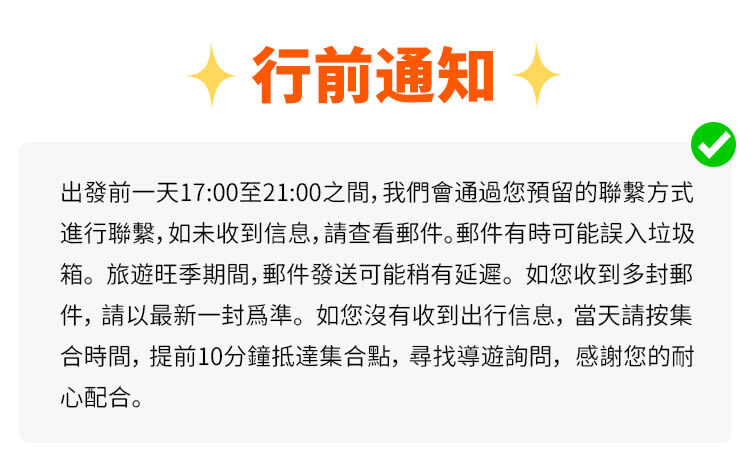
- What happens if I arrive late?
- The Best Of Fujiyoshida!
- More Guided Tours in Fujiyoshida
- More Tours in Fujiyoshida
- More Tour Reviews in Fujiyoshida
- Not for you? Here's more nearby things to do in Fujiyoshida we have reviewed
Six stops worth knowing
 1 / 8
 2 / 8
 3 / 8
 4 / 8
 5 / 8
 6 / 8
 7 / 8
 8 / 8
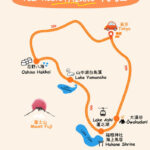
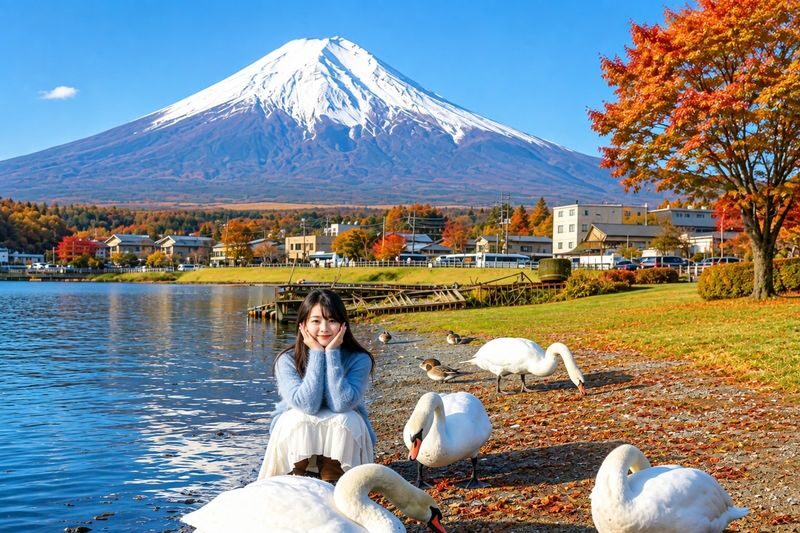
- Lake Yamanaka: Look for swans along the widest-viewing lake among the Fuji Five Lakes.
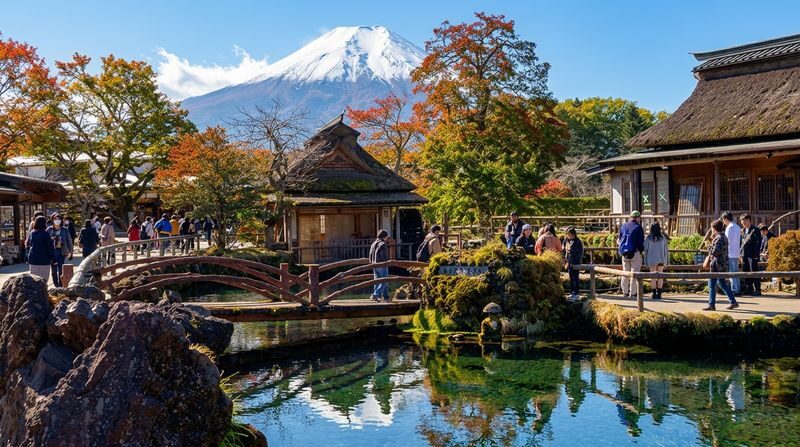
- Oshino Hakkai: Walk past clear spring ponds, waterwheels, and small bridges.
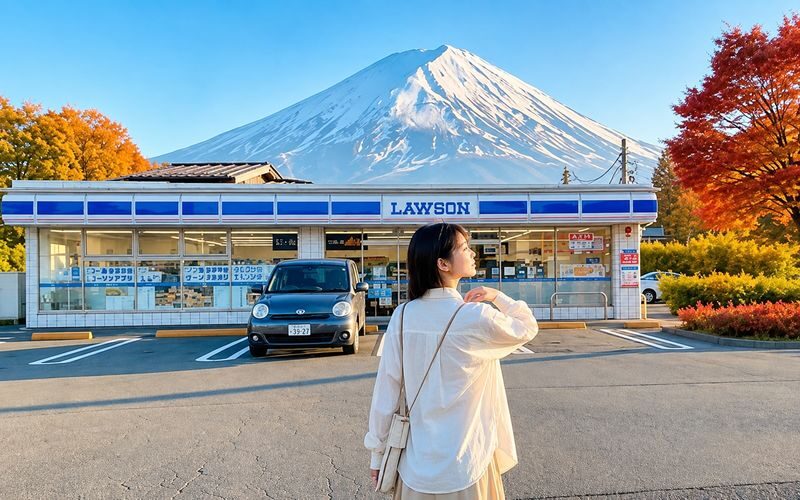
- Lawson Fujikawaguchiko Town Hall: Frame Fuji above a familiar convenience store.
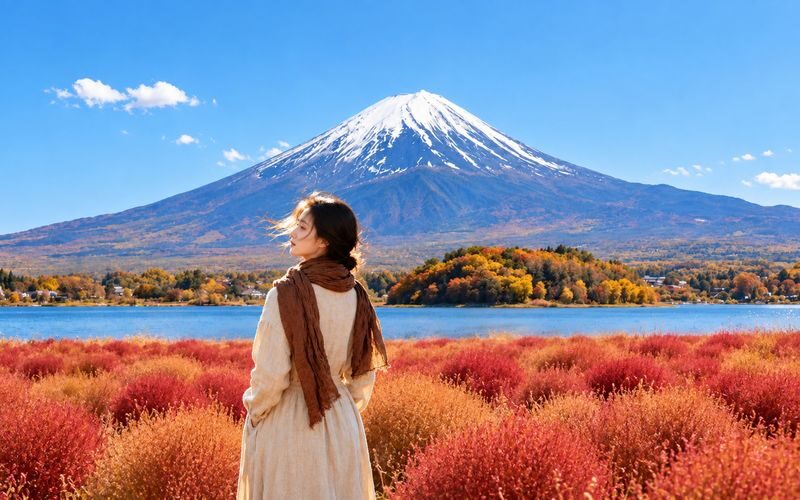
- Oishi Park: See the mountain across the lake, with seasonal flowers or foliage in the foreground.
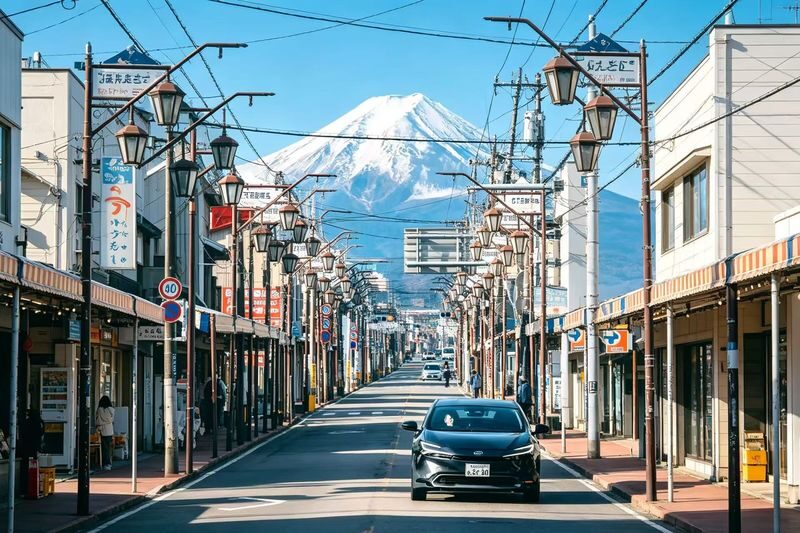
- Hikawa Clock Shop: Catch a street-level view that pairs Fuji with an everyday town scene.
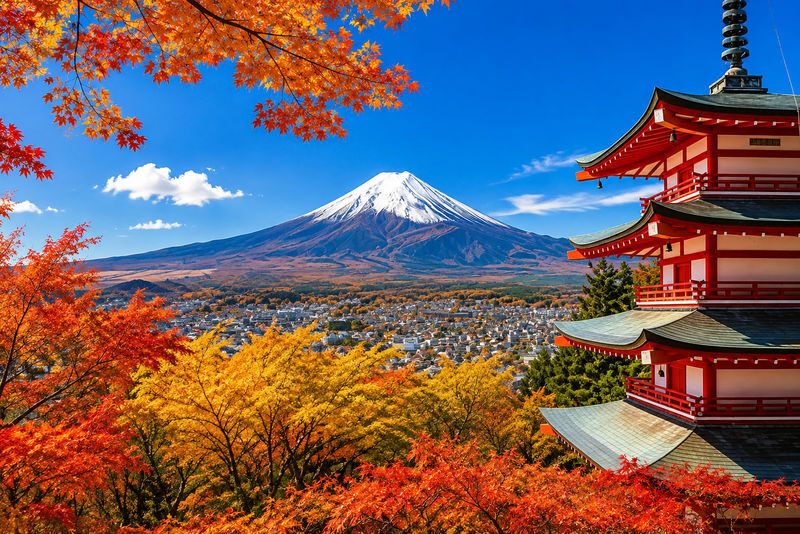
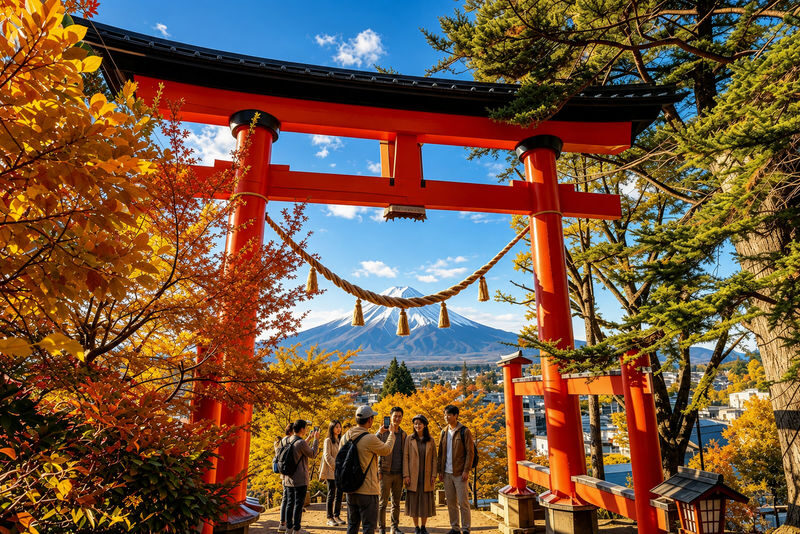
- Arakurayama Sengen Park: Climb stairs for the well-known Chureito Pagoda and Fuji composition.

👉 See our pick of the 3 Best Tours In Fujiyoshida
Six Fuji views, one long day
This is a photo-focused circuit through Fujiyoshida and the Fuji Five Lakes area, with six stops chosen for their different settings. You get lake, spring, shopfront, park, street, and pagoda views rather than spending the day at one large site.
The advertised plan starts at 7:30 or 8:00, depending on the departure arrangement, and returns to Tokyo at about 18:00 or 18:30. That is a substantial day out, but it means you can see several Fuji-area highlights without changing hotels or piecing together transport yourself.
The route prioritizes expressways to reduce travel time, though no road plan can cancel out holiday traffic. The schedule may change with road conditions, weather, maintenance, or other disruptions. Treat the stop times as a framework, not a guarantee that every visit will run to the minute.
You can also read our reviews of more guided tours in Fujiyoshida


Lake Yamanaka: swans and an open horizon
The first listed stop is Lake Yamanaka, with about 40 minutes to stroll and take photos. It is the widest of the Fuji Five Lakes, and the view can feel more open here than at the smaller, more built-up photo spots.
Swans are often seen along the shore throughout the year. On a clear day, Fuji may reflect on the water, giving you a calm, simple composition. The mountain’s visibility is never assured, though, and summer is noted as a season when haze and cloud can make it harder to see.
This is a short visit, so think of it as a chance to stretch your legs and get a first look at the area rather than a long lakeside outing. The tour describes swan feeding as part of the stop, but does not say whether feed is supplied or sold.
Oshino Hakkai: springs, bridges, and time to wander
Oshino Hakkai gets about 70 minutes, the longest stop on the schedule. Its eight spring ponds are fed by snowmelt from Mount Fuji, and the setting includes clear water, waterwheels, and small bridges. It has more to offer than one quick Fuji photograph: take time to notice the water and the village details.
The ponds can reflect Fuji when the weather cooperates, but the appeal here does not depend entirely on a perfect mountain view. I would use this stop to walk at an easy pace and look around, rather than spend the whole time trying to repeat one postcard composition.
There is no meal included, and the day plan does not identify a dedicated lunch stop. The 70 minutes here may give you a chance to find something to eat, but keep an eye on the clock and bring a light snack in case your stop is busy or your group needs to move on.
Lawson: a familiar shop with Fuji in the frame
The 20-minute Lawson Fujikawaguchiko Town Hall stop is built around an unlikely pairing: a Japanese convenience store and Mount Fuji behind it. The simple composition has become popular in photos, in part because it puts a very ordinary piece of daily life beside one of Japan’s most recognizable sights.
This is a quick photo stop, not a visit designed around shopping or a long break. Follow your guide’s timing and be considerate around the shop and street. The best frame depends on the conditions and the angle available when you arrive.
Oishi Park: lake, flowers, and seasonal color
Oishi Park offers about 40 minutes to take in the lake and Fuji views. It is known for seasonal foregrounds: cherry blossoms in spring, flowers in summer, autumn foliage, or snow in winter. The exact display depends on the weather and the timing of the season, so book for the overall route rather than one specific bloom.
The park’s appeal is its layered view, with the lake and flowers or other seasonal scenery leading the eye toward the mountain. That makes it a useful place for both wider views and portraits. If Fuji is clouded over, the park still has its seasonal setting, but the signature composition will be missing.
You can also read our reviews of more tours and experiences in Fujiyoshida


Hikawa Clock Shop: town life in the foreground
The Hikawa Clock Shop stop lasts around 20 minutes. Here, the aim is a street-level picture of Fuji rising above the town, with the clock and nearby buildings bringing a lived-in feel to the scene.
This is a short, focused pause rather than a full visit to a museum or historic site. The draw is the everyday street view. Keep your camera ready and stay aware of the group’s departure time, since the stop is brief.
Arakurayama Sengen Park: the pagoda view and the climb
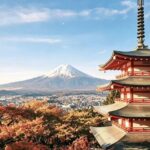
The final listed attraction is Arakurayama Sengen Park, with about an hour on site. Its famous view brings together the five-story Chureito Pagoda and Mount Fuji, a classic image of Japan. Getting to the viewpoint requires climbing stairs, so save some energy for this stop and wear comfortable shoes.
An hour gives you time to make the climb and take photos, but it is not a leisurely visit for everyone, especially if you prefer a slow pace or need extra time on stairs. The park is a highlight for many people because the pagoda gives the mountain a strong foreground, but the view remains weather-dependent.
The tour information recommends light clothing and shoes, with warm layers for winter or mountain visits. I would take that advice seriously: the day includes walking outdoors, and the temperature can feel different from Tokyo.
What the guide and shared bus add
The included Chinese-speaking guide and round-trip transport are the main conveniences. Instead of working out how to connect six stops by local bus or train, you travel between them in one vehicle and get a guide to help keep the group moving.
The tour offers Chinese- and English-guide packages, and the service information also refers to Chinese, English, and Korean support. Check the language attached to your chosen package when booking. The vehicle is set according to group size, and smaller groups may have a driver who also acts as the attendant, with shorter commentary.
Guide experiences can vary by departure, but the people named in recent trip accounts include Yang, Ya Ya, Mr. Ma, Xu, Yin, Mandy, Will, Agnes, and Mr. Ohashi. Several were praised for clear explanations, friendly help, and keeping the day on schedule. One guide helped with photos and shopping suggestions; another called a restaurant in Japanese when traffic threatened a dinner reservation. Those are useful extras, but no particular guide or service can be guaranteed.
Seating is shared and assigned on a first-come basis, so special seating requests are not assured. Luggage storage is not provided, and you must ask in advance if you need to bring luggage. Child seats are unavailable, and infants and children count toward the passenger total.
The price: inexpensive, with a busy itinerary
The Chinese-guide option starts at US$49.30, the English-guide option at US$61.65, and a nine-person small-group package with hotel transfer at US$67.45. Prices can change, but at these starting rates the value is clear if you want transport to six locations without arranging each leg yourself.
The lower price buys a shared day trip, not a private tour or an unhurried visit at every stop. Meals, drinks, personal expenses, and insurance are not included. You should also check what the hotel-transfer package covers before comparing it with the standard departure.
There is a practical cost to the tight schedule: you have limited time to linger, and the day is exposed to traffic delays. If your main aim is one or two locations at your own pace, a smaller itinerary may suit you better. If you want a broad set of Fuji-area photo stops in one day, the price is appealing.
Weather, crowds, and the return to Tokyo
Fuji visibility is the biggest unknown. The mountain can be hidden by cloud, particularly in summer, and a poor forecast does not mean the tour will be cancelled. Seasonal flowers, foliage, and snow are also climate-dependent, so a tour date cannot guarantee a particular display.
The drive can take longer than planned, especially on weekends, public holidays, and during Japan’s Obon peak from August 8 to 16. The operator advises against booking dinner, a flight, or a Shinkansen for the same evening. I would leave the evening open and carry a power bank and light snacks.
The return points listed are Shinjuku West Exit Mitsui Bank at about 18:00 and Tokyo Station Marunouchi North Exit at about 18:30. Actual arrival depends on road and weather conditions. Do not treat those times as firm connections for a train or reservation.
Who should book this Fuji day trip?
This route suits you if you are staying in Tokyo, want to visit several familiar Fuji photo spots, and value having transport handled for you. It is especially useful if you want a guide to manage the timing and provide commentary, while you focus on walking and taking pictures.
It is less suited to you if you want a slow visit, a guaranteed view of Fuji, a dedicated lunch break, or time to explore each stop beyond its main viewpoint. The stairs at Arakurayama are another factor to weigh, and participants must be under 70.
I would book it for variety and convenience, not for a perfect photograph on demand. Choose the guide language that suits you, pack for changing weather, and keep your return evening flexible. If that matches your plans, six different Fuji settings in one day make a useful, good-value outing from Tokyo.
Mount Fuji 6 Major Attractions Day Trip: Popular Photo Spot Route, Multilingual Guide (Departing from Tokyo/Shinjuku)
“Yang was an amazing tour guide! we had a lovely time and learned so much about Japanese culture and the history of Mt Fuji. Would recommend to anyo…”
FAQ
How much does the Mount Fuji day trip cost?
Starting prices are US$49.30 for the Chinese-guide package, US$61.65 for the English-guide package, and US$67.45 for a nine-person small-group option with hotel transfer. Prices may change.
What is included in the tour?
The package includes round-trip transfers from the meeting location and a Chinese-speaking guide for the Chinese-guide option. Meals, drinks, personal expenses, and insurance are not included.
Which Mount Fuji attractions does the tour visit?
The six stops are Lake Yamanaka, Oshino Hakkai, Lawson Fujikawaguchiko Town Hall, Oishi Park, Hikawa Clock Shop, and Arakurayama Sengen Park.
How long is the tour?
The tour departs in the morning, around 7:30 or 8:00, and is scheduled to return to Tokyo around 18:00 or 18:30. Traffic and weather can affect the actual timing.
Is lunch included?
No. Meals and beverages are not included, and the schedule does not list a dedicated lunch stop. Bring a light snack and use the stop times carefully.
Is Mount Fuji guaranteed to be visible?
No. Visibility depends on weather, and Fuji can be difficult to see, especially in summer. The tour still runs when the expected views or seasonal scenery do not appear.
Does the Arakurayama viewpoint require walking?
Yes. Reaching the Chureito Pagoda viewpoint requires walking up stairs. Comfortable shoes are recommended.
Can I bring luggage or request a child seat?
Luggage storage and delivery are not provided, and you should inform the operator in advance if you need to bring luggage. Child seats are not available.
What happens if I arrive late?
The tour does not wait for late arrivals, and joining midway is not allowed. Late arrivals and no-shows are not eligible for a refund.