Tokyo’s neon streets are only the opening act on this 13-day trip. You’ll cross Shibuya, ride the Hakone Ropeway, travel by Shinkansen and spend a night at a Buddhist monastery on Mount Koya, with Japan’s big-name sights balanced by quieter stops.
I like the mix of guided visits and free time, which gives you help with the logistics without scheduling every hour. I also like the ryokan and monastery stays: they add experiences a standard city-hotel circuit can easily miss.
The main consideration is pace. You cover Tokyo, the mountains, Hiroshima, Kyoto, Mount Koya and Osaka in less than two weeks, with several long transfers. And Contiki is strictly for ages 18 to 35, so this is not an all-ages group tour.
At a glance
- Tokyo to Osaka in 13 days: A broad first-timer’s route across Honshu, with major cities and smaller mountain towns.
- Two distinctive overnight stays: A ryokan with hot springs and kaiseki dinner, plus a Buddhist monastery stay on Mount Koya.
- A sobering stop in Hiroshima: A local-guided visit includes the Peace Memorial Museum.
- Room to make your own plans: Tokyo and Kyoto each have a full day of free time.
- Extras can add up: Sushi-making, Hida beef and some onsen options carry separate fees.
- Designed for young adults: The stated age range is 18 to 35, and groups can reach 30 people.

👉 See our pick of the 25 Best Guided Tours In Tokyo
- At a glance
- A fast-moving route from Tokyo to Osaka
- Tokyo’s temples, crossings and open hours
- Hakone’s ropeway and a night at a ryokan
- Matsumoto Castle and Takayama’s old streets
- Hiroshima’s Peace Park and Miyajima’s torii gate
- Kyoto’s shrine paths and a day to wander
- Mount Koya’s monastery stay and Osaka’s food culture
- What the price covers, and what it doesn’t
- Who should book this Japan tour?
- FAQ
- How long is the tour, and where does it start and end?
- What is the age range?
- Are international flights included?
- How many meals are included?
- Is the sushi-making class included?
- Do I need a Japan Rail Pass?
- What luggage can I bring?
- The Best Of Tokyo!
- More Tours in Tokyo
- More Tour Reviews in Tokyo
- Not for you? Here's more nearby things to do in Tokyo we have reviewed
A fast-moving route from Tokyo to Osaka
 1 / 9
 2 / 9
 3 / 9
 4 / 9
 5 / 9
 6 / 9
 7 / 9
 8 / 9
 9 / 9
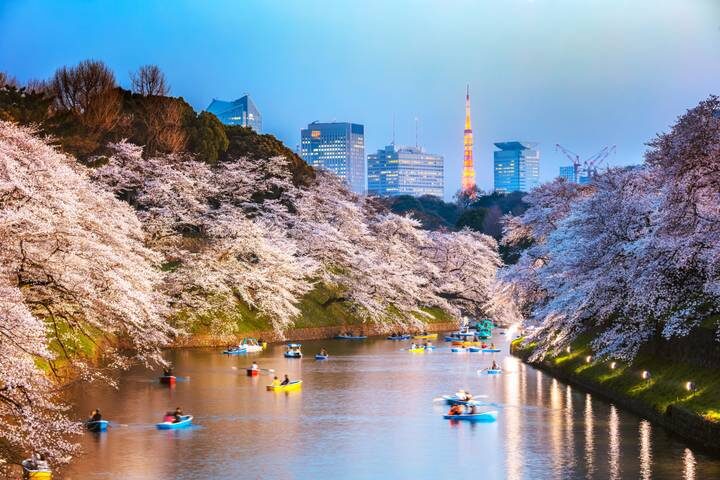
This tour works best as a first look at Japan, not as a slow, specialist visit to any one place. You get time in Tokyo and Kyoto, but the route also reaches Hakone, Matsumoto, Takayama, Hiroshima, Miyajima, Mount Koya and Osaka. That variety is a strong part of the value: in 13 days, you see distinct sides of Japan without having to plan every train and hotel yourself.
The trade-off is that you’ll change bases often. Some days include multiple stops or lengthy travel, and the schedule leaves limited time for an unplanned second visit to a favorite neighborhood or temple. I’d choose this trip if you want a well-organized introduction and enjoy traveling with a group. If you prefer a leisurely pace or long stretches on your own, consider a shorter route with fewer stops.
The tour is partially guided, in English, with a Trip Manager and local guides for selected visits. That distinction matters. You’ll have help with group movement and key excursions, but free days and evenings still call for independent choices. The stated group size is 1 to 30, with around 20 to 30 typical, so expect a social trip rather than a private or small-group outing.
You can also read our reviews of more tours and experiences in Tokyo.



Tokyo’s temples, crossings and open hours
Your first day is for arrival, meeting the group and getting settled. The evening is free, which is useful after an international flight. The listed starting hotel is Daiichi Ryogoku Hotel or a similar property. Airport transfers are not included: the information provided recommends taking a train from either Narita or Haneda, with the trip to the hotel taking about one to two hours.
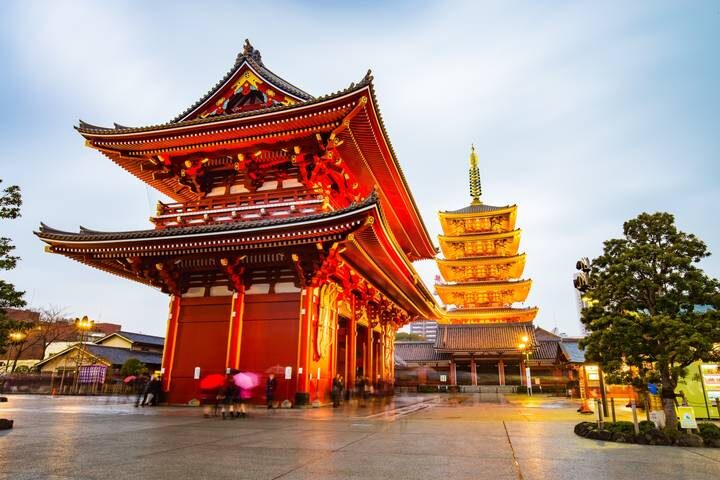
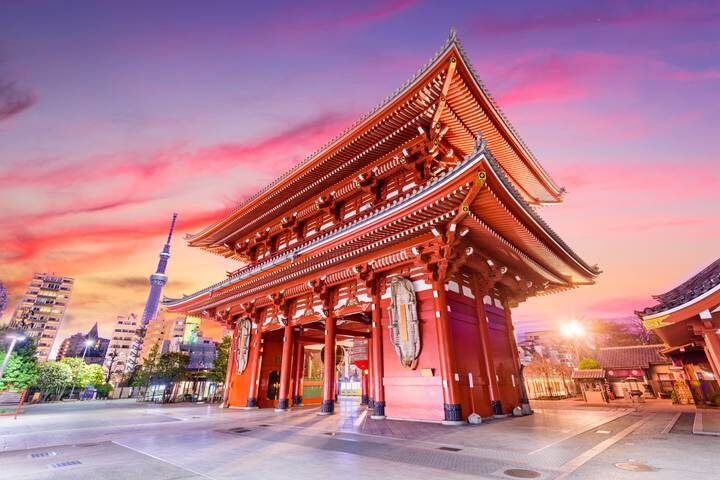
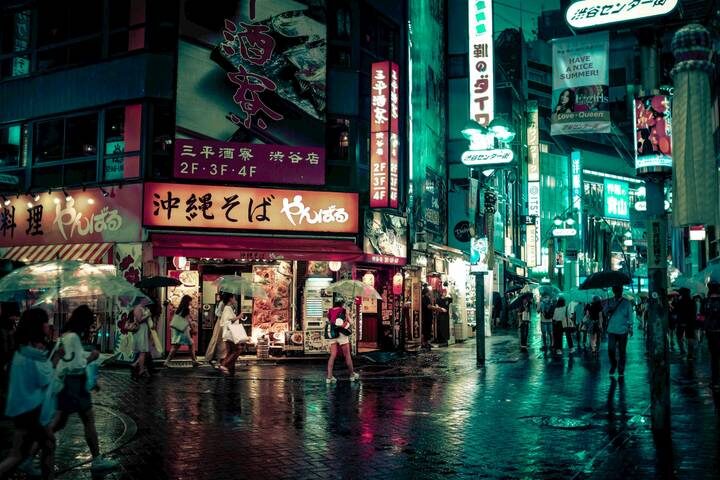
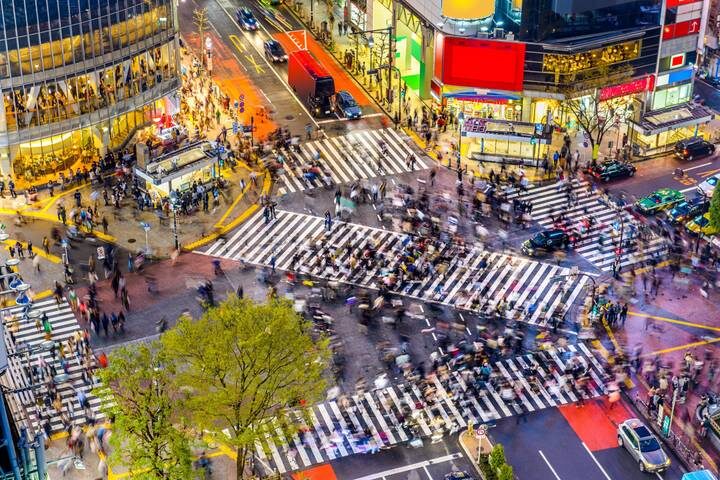
Day two puts old and new Tokyo side by side. You visit Senso-ji in Asakusa, with its large red lantern, and Meiji Jingu, a Shinto shrine set among trees. Harajuku brings a change of mood, with its fashion shops and street snacks, while Nakamise Street offers a handy stretch of stalls near Senso-ji. Shibuya Crossing is the famous finale, best understood by crossing it yourself rather than just taking a photo from the edge.
Day three is yours to shape. You could choose anime shops and Akihabara, museums, parks or food stops. Optional activities include a robot café, where robots deliver drinks and table avatars are piloted by people with disabilities who cannot work in a traditional setting, and a maid café in Akihabara. Both are specific, modern Tokyo experiences, but neither is included in the tour price. Keep your transport card topped up and leave time for getting between neighborhoods; Tokyo is not a city to measure in straight lines.
Hakone’s ropeway and a night at a ryokan
On day four, a visit to Tsukiji gives you one last taste of Tokyo’s seafood culture before the group heads south by coach. A sushi-making class is offered as an extra, listed at 9,300 yen. It’s a substantial add-on, so check the current price and what it includes before deciding.
In Hakone, the Ropeway carries you above mountain scenery, with a chance of seeing Mount Fuji if conditions cooperate. Fuji views are never something to count on, so enjoy the ride for the scenery even if the peak stays hidden. The day ends at a ryokan, a traditional inn, where the plan includes a hot-spring soak and a multi-course kaiseki dinner.
This is one of the trip’s most appealing changes of pace. A ryokan stay makes the overnight itself part of the visit, rather than just a place to sleep between sightseeing days. The itinerary lists the hot springs as included, but the extras section also lists an onsen experience at 2,480 yen. Confirm what is covered on your departure, especially if you want a particular bath or facility.
Matsumoto Castle and Takayama’s old streets
Day five is a mountain-road day. You stop at a fruit farm to pick and eat seasonal produce, then visit Matsumoto Castle, a striking black-and-white fortress known as the Black Crow. Its samurai-era history and Hida Mountains backdrop make the stop more than a quick photo break, though the schedule also includes a convenience-store lunch and another coach ride to Takayama.
An optional Hida beef dinner is listed at 6,500 yen. The area is associated with this prized beef, so it may appeal if you want to try a local specialty. It is an extra, not part of the included meal plan.
Takayama gets a full day on day six. Its wooden buildings and old-town character offer a welcome contrast to Tokyo’s scale. The planned cycle through town gives you a way to cover more ground, followed by an onsen visit. Check what the cycling involves and what is included before departure if you have questions about the activity or equipment.
The route’s rural section is a real strength. It breaks up the city sightseeing and gives you time to notice changes in architecture, food and pace. Still, the group’s time in both Matsumoto and Takayama is finite. If one of these towns is your main reason for visiting Japan, you may want a longer independent stay.
Hiroshima’s Peace Park and Miyajima’s torii gate
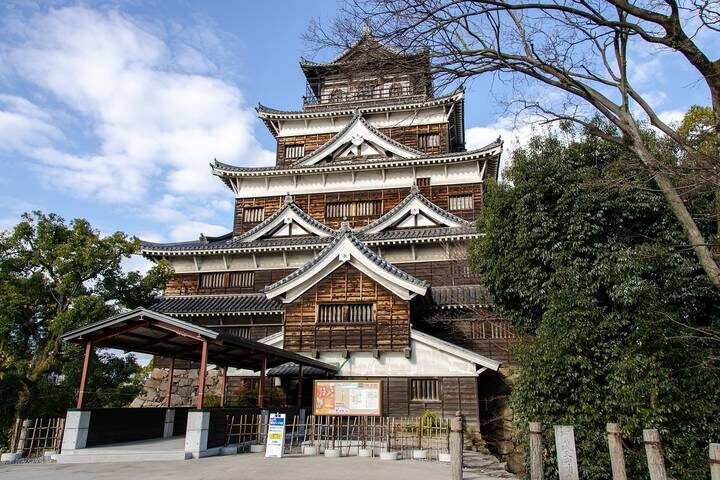
On day seven, you travel by train from Takayama to Hiroshima. The Shinkansen is a highlight in its own right, though this transfer is not a short hop. Once in Hiroshima, a local guide leads a private tour that includes the Peace Memorial Museum. This is an important and emotionally demanding visit; allow yourself time to absorb it rather than treating it as another stop to tick off.
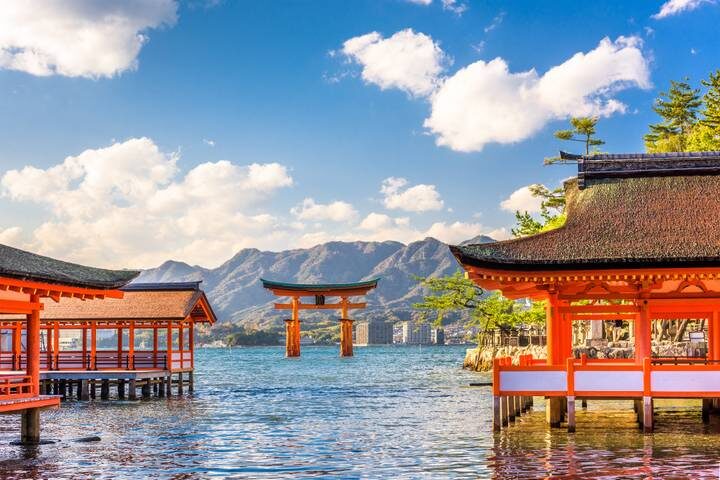
Day eight brings a change of setting. A tram and ferry take you to Miyajima, where you’ll see the Great Torii Gate and have time among the island’s temples, forests and roaming deer. The gate is the famous image, but the forested paths and religious sites make the island worth more than a quick look. The schedule returns you to Hiroshima for the night.
The tour includes the tram and sailing to Miyajima, along with time to explore. It does not spell out every meal on this day: breakfast is listed, while dinner is described in the day plan but is not included in the formal meal count. Check the final departure details if knowing exactly which meals are covered matters to your budget.




Kyoto’s shrine paths and a day to wander
Day nine takes you from Hiroshima to Kyoto by train. Guided sightseeing includes Fushimi Inari Shrine, known for its long runs of vermilion torii gates, and Kinkaku-ji, the Golden Pavilion. These are major sights, and seeing them with a guide can help put their religious and cultural meaning in context. They are also popular places, so expect the visit to feel more scheduled than a quiet temple stroll.
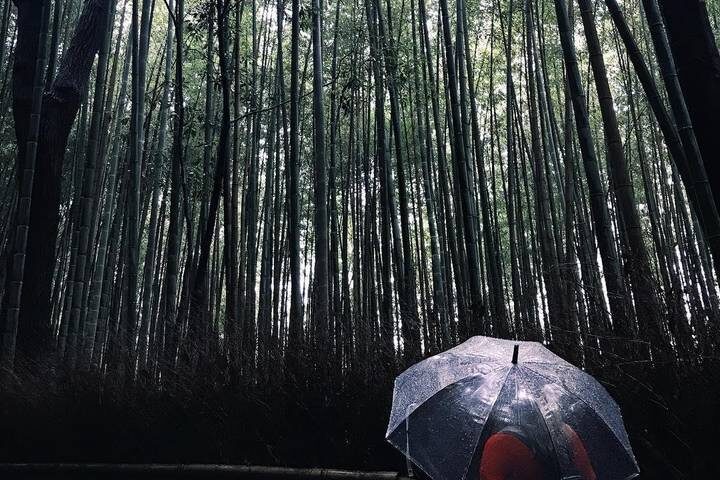
The next day is free for your own plans. You could head to Arashiyama’s bamboo grove, photograph Yasaka Pagoda or explore Gion, where you may spot geisha going about their work. A kimono rental is suggested, but it is not listed as an included activity. Kyoto’s sights are spread out, so pick a few places that fit together rather than trying to cross the city repeatedly.
Two days in Kyoto give you a useful balance: one guided day to cover major landmarks, then one for personal interests. It is still a brief visit to a city with far more temples, gardens and neighborhoods than any itinerary can fit. I’d use the free day to choose one area and slow down, rather than turning it into a race for photographs.
Mount Koya’s monastery stay and Osaka’s food culture
Day eleven takes you by train to Mount Koya for one of the tour’s most unusual nights. You stay at a Buddhist monastery, eat a traditional vegetarian meal and take part in a mindfulness or meditation experience. A monk explains aspects of Buddhist practice and daily temple life, and the stay supports the preservation of religious traditions. This is not simply a hotel with a temple nearby; the setting and schedule are the point.
The following morning begins early with a Buddhist service. If you value cultural encounters that ask you to pause and listen, this can be a memorable counterweight to the trip’s busy city days. It is also a structured religious setting, so bring a respectful attitude and be ready to follow the monastery’s customs. An overnight bag is needed because your main luggage is sent ahead.
Day twelve takes you to Osaka, where the emphasis shifts to food and free wandering. Osaka is often called Japan’s kitchen, and the plan encourages you to sample local dishes and street food. Americamura and a Pokémon store are suggested for shopping, but these are independent options rather than guided inclusions. The final night is at Ibis Budget Osaka Umeda or a similar hotel.
Day thirteen is departure day. The group tour ends in Osaka, and you arrange your own onward travel. Kansai International Airport is about 45 minutes from the hotel by bus, according to the provided arrival and departure guidance. Allow enough time for the airport transfer, particularly if you have an international flight.
What the price covers, and what it doesn’t
The starting price is $3,748, based on the cheapest room option. It covers 12 nights of accommodation, listed as 10 hotel nights and two special stays, plus transport between the tour destinations, selected sightseeing and the services of a Trip Manager and local guides. Eight breakfasts and two dinners are included. Vegetarian, vegan, halal and kosher food options can be requested.
For a first trip, the package has practical value: hotels, intercity transport and the major guided visits are arranged, and you don’t need to buy a Japan Rail Pass for the tour’s covered train journeys. That can reduce planning stress, especially if you’re traveling alone and want a built-in group.
But $3,748 is not an all-in cost. International flights and insurance are excluded, and optional sushi-making, Hida beef dinner and other activities are extra. You’ll also need money for most lunches, dinners, personal transport during free time and shopping. Add those costs before comparing this tour with arranging a similar route yourself.
Luggage planning also matters. The stated allowance is one bag up to 73 by 50 by 25 centimeters, with a maximum weight of 20 kilograms, plus carry-on luggage. On some Shinkansen journeys, your main bag is sent ahead by truck, so pack an overnight bag for Hiroshima and Mount Koya. Travel light enough to manage your essentials, not just your suitcase.
Past tours have had Trip Managers named Tom, Fi, Sam and Shannon. The strongest praise in the feedback centers on guides who keep plans organized, help with restaurant choices and make the group feel included. One traveler particularly valued the food recommendations; others praised guides for looking after the group during free time. Those names come from earlier departures and do not guarantee who will lead your trip, but they show how much the Trip Manager can shape a group tour.
Who should book this Japan tour?
Book it if you are 18 to 35, want to see a lot in a short time and like having a group around you. It suits first-time visitors who want major sights, a few distinctive stays and help navigating transport, but still want some freedom to choose how they spend their days.
Think twice if you are outside the age limit, want a private room guaranteed, need international flights included or prefer a slower pace. The tour information does not confirm a single-room arrangement, so ask before booking if that is essential. For an older traveler, Contiki is not an option; Costsaver and Trafalgar are named as sister brands with Japan trips open to all ages.
My call: this is a strong route for a young traveler who wants a guided framework, not a minute-by-minute escort. The monastery night, Hiroshima visit and Takayama stop give the trip more texture than a Tokyo-Kyoto-Osaka sprint. Budget for extras, pack for luggage forwarding and go in ready for early starts and long travel days.
Best of Japan by Contiki – 13-Day Tokyo to Osaka Tour
“Tommo was an amazing guide! He is smart, knowledgeable, and professional in all areas. He truly made the trip (and country) come alive! I would tru…”
FAQ
How long is the tour, and where does it start and end?
It lasts 13 days, starting in Tokyo and ending in Osaka.
What is the age range?
Contiki requires participants to be between 18 and 35 years old.
Are international flights included?
No. You arrange and pay for your international flights to Tokyo and from Osaka.
How many meals are included?
The tour lists eight breakfasts and two dinners. The dinners are a Japanese kaiseki meal at the ryokan and a traditional vegetarian monastery meal.
Is the sushi-making class included?
No. It is optional and listed at 9,300 yen.
Do I need a Japan Rail Pass?
The tour’s covered train transport is arranged for you, so a Japan Rail Pass is not needed for the tour itinerary.
What luggage can I bring?
You can bring one bag or suitcase up to 73 by 50 by 25 centimeters, with a maximum weight of 20 kilograms, plus one carry-on. You’ll need an overnight bag for Hiroshima and Mount Koya while your main luggage is sent ahead.