This route links Japan’s grand contrasts: Tokyo’s soaring Skytree, Hiroshima’s Peace Memorial, Shikoku’s island towns, and Kyoto’s temples. I like that the bullet train and ferries are part of the journey, not just ways to get from one hotel to another, and that the monastery night on Mount Koya offers a rare change from standard city hotels.
I also like the mix of landmark visits and smaller stops, from Matsuyama’s Dogo Onsen to the glass-floor walkway above Naruto’s whirlpools. The main trade-off is the pace: eight days cover a lot of ground, with only one full sightseeing day in Tokyo and a single day for Kyoto.
- Key points to know
- Tokyo: big views, quiet shrines, and a full day on your feet
- Hiroshima and Miyajima: memory, resilience, and a ferry crossing
- Matsuyama: castle views and a traditional bathhouse
- Kotohira, Takamatsu, and Naruto: a rewarding but demanding road day
- Kobe and Mount Koya: earthquake history and a night in a monastery
- Kyoto: famous landmarks in a single day
- Guides, group style, and what the ratings suggest
- Is ,772 good value?
- Who should book this Japan route?
- FAQ
- How long is the tour, and where does it start and end?
- Are flights included in the price?
- What is the starting price?
- What months have departures?
- Is the tour guided in English?
- How large can the group be?
- What meals are included?
- Is the Mount Koya accommodation a regular hotel?
- Is meditation at Mount Koya guaranteed?
- How strenuous is the tour?
- The Best Of Tokyo!
- More Tours in Tokyo
- More Tour Reviews in Tokyo
- Not for you? Here's more nearby things to do in Tokyo we have reviewed
Key points to know
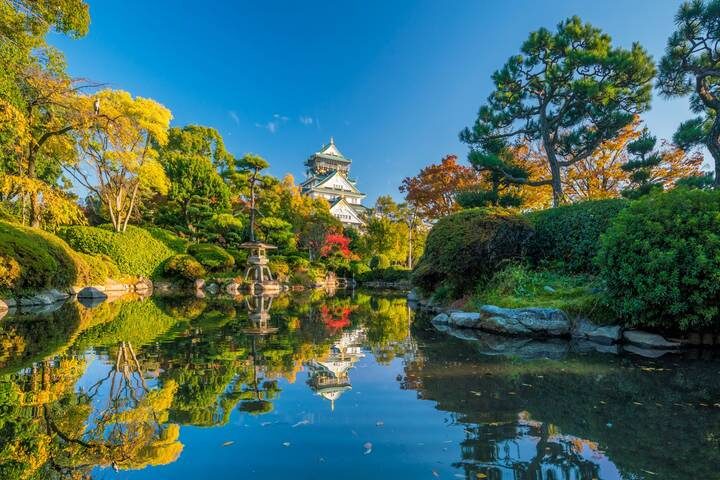
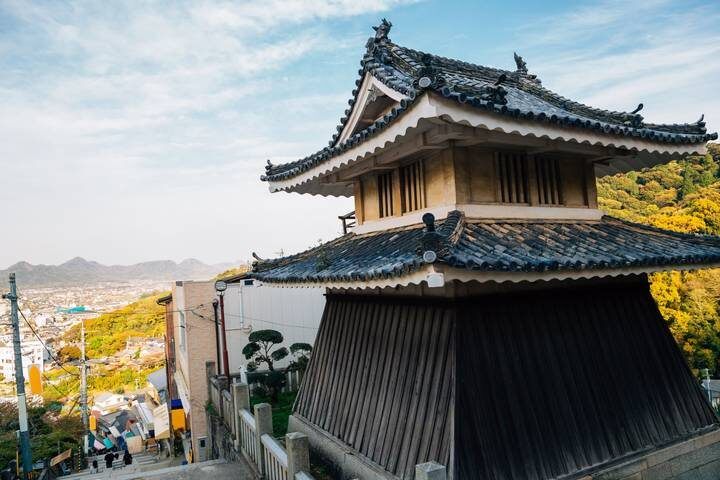
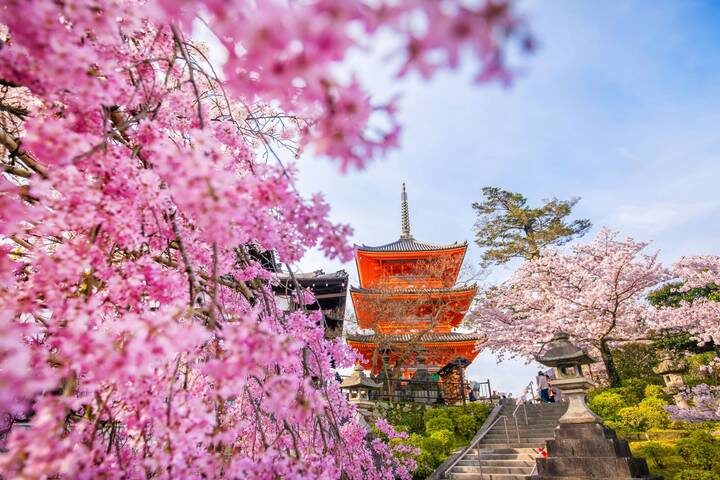
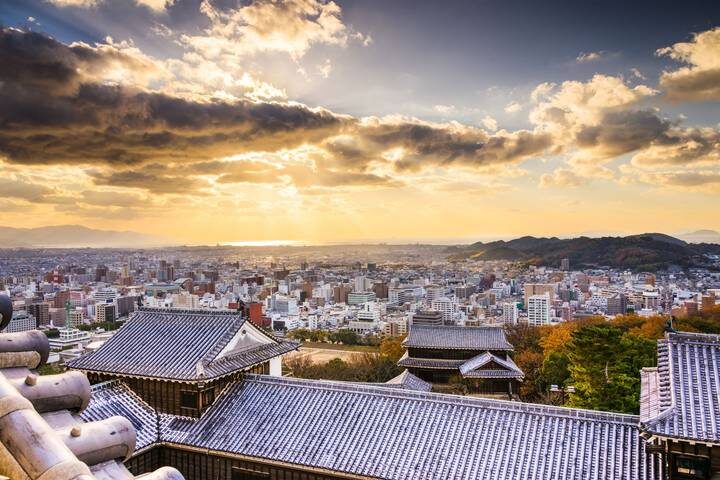
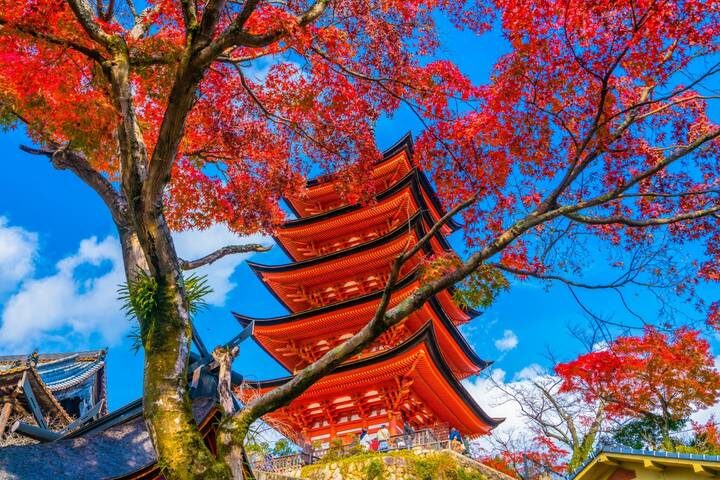
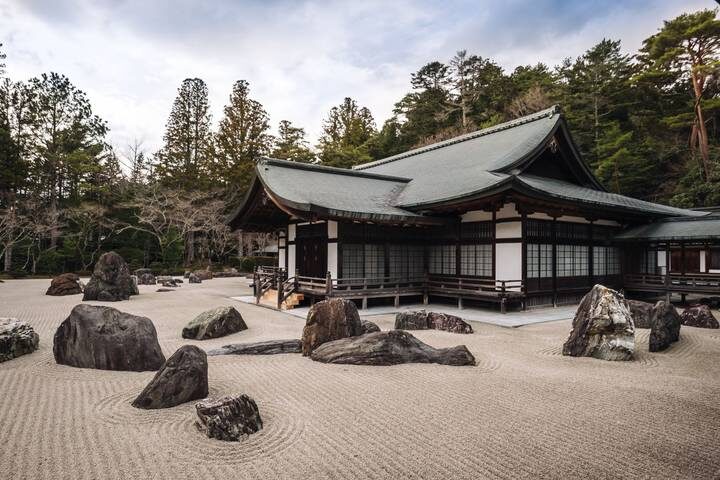
- A cross-country route: Start in Tokyo, travel by bullet train to Hiroshima, take ferries to Miyajima and Shikoku, then continue by road to Kyoto.
- A serious history stop: Hiroshima includes Peace Memorial Park, the Atomic Bomb Dome, and the Peace Memorial Museum.
- A distinctive overnight: Mount Koya brings temple visits, vegetarian dinner, a traditional breakfast, and a planned Ajikan meditation, though the meditation may not be available on peak dates.
- A busy day on Shikoku: Kotohira’s shrine requires climbing 785 steps, followed by Ritsurin Garden, Naruto, and a drive to Kobe.
- Good reported service, with a language caveat: Tour leaders are often praised for organization and care, but groups can be bilingual, and guides may change during the trip.
- From $2,772, before flights: Hotels, breakfast, several meals, transfers, transport, and many admissions are included. The value depends on how much you want handled for you.

👉 See our pick of the 25 Best Guided Tours In Tokyo
Tokyo: big views, quiet shrines, and a full day on your feet
Your first day is intentionally light. A shared shuttle takes you from the airport to your hotel after customs, then the rest of the day is yours. The hotel will be one of three options: Shinagawa Prince, Tokyo Dome, or Moxy Tokyo Kinshicho. The exact choice can affect your location, but all are described as having access to public transportation.
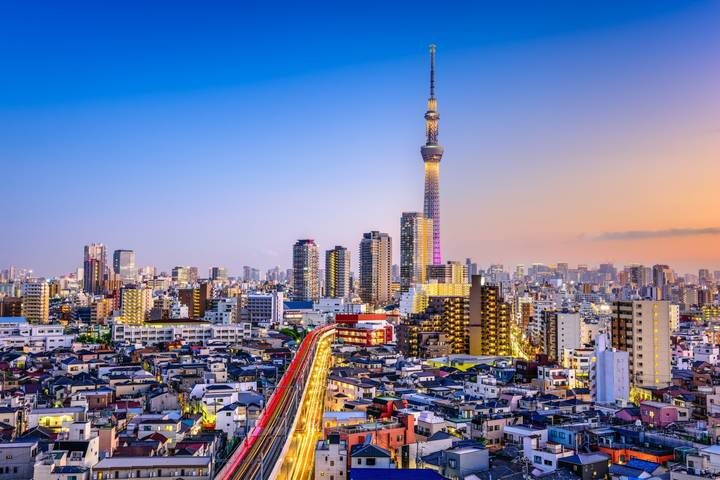
Day two is a packed introduction to the capital. You stop at Zojoji Temple, where Jizo statues stand beneath the view of Tokyo Tower, then pass Shibuya Crossing by bus. That means you see the famous crossing without getting a chance to walk through it with the crowds. Meiji Shrine offers a quieter contrast, set in a wooded area, before the tour heads to Tokyo Skytree. Admission to the Tembo Deck at 350 meters is included, although bad weather or other exceptional conditions can limit access.
Asakusa brings you to Sensoji Temple and Nakamise Street, followed by a drive past Akihabara and Ginza. These are brief introductions rather than time for extended shopping or exploration. In the evening, you take the subway with your guide to Shinjuku for a walk and included dinner, then return to the hotel by subway.
I’d plan to keep your first evening relaxed, since this day has a lot of stops and walking. The Shinjuku dinner is a useful inclusion, but you’ll want comfortable shoes and enough energy for a long day. The order of visits can change to fit Skytree admission times.
You can also read our reviews of more tours and experiences in Tokyo.


Hiroshima and Miyajima: memory, resilience, and a ferry crossing
On day three, you take the bullet train from Tokyo to Hiroshima, a journey of about four hours over roughly 800 kilometers. It is an efficient way to cover a large stretch of Japan, but it also means the day begins with a significant transfer.
Hiroshima’s Peace Memorial Park, the Atomic Bomb Dome, and the Peace Memorial Museum give the visit its emotional center. The museum and park are not light sightseeing; they ask for time and attention. Seeing them within a guided route helps place the memorials in context, though you may want to return independently if you prefer to spend longer at the museum.
Later, a ferry takes you to Miyajima, also called Itsukushima Island. Itsukushima Shrine is partly built over the water and is dedicated to the guardian of the seas. You have time to visit the shrine and walk around the island center before returning to Hiroshima for the night. Lunch is included on this day, as are dinner and breakfast.
The order of the Hiroshima stops may change, so don’t count on a specific sequence. The ferry journey also makes this more than a city visit: you get a first taste of how island travel shapes Japan’s geography.
Matsuyama: castle views and a traditional bathhouse
Day four begins with a roughly two-and-a-half-hour ferry crossing to Shikoku, Japan’s fourth-largest main island. It is a welcome change from rail travel and a reminder that this itinerary is built around different forms of transport.
In Matsuyama, a cable car takes you up to the castle, followed by a visit to Ishiteji, a Buddhist temple and pilgrimage site. Lunch at a local restaurant is included. Later, you visit Dogo Onsen, a 19th-century bathhouse, with admission included.
The day offers a more local feel than Tokyo’s headline sights, but the bathhouse visit is not the same as having an entire afternoon at a hot-spring resort. Treat it as a cultural stop and a chance to rest, rather than a long spa break. If bathing is new to you, it is worth learning the local bathing customs before you go.
Kotohira, Takamatsu, and Naruto: a rewarding but demanding road day
Day five is the itinerary’s most ambitious overland stretch. You leave Matsuyama for Kotohira, Takamatsu, and Naruto before reaching Kobe. At Kotohira, the shrine sits on Mount Zosu and is reached by climbing 785 steps. That climb is the day’s clearest physical challenge. The tour is rated low intensity overall, but this stop calls for steady legs and sensible footwear.
Next comes Ritsurin Garden in Takamatsu, one of Japan’s celebrated gardens, with lunch included. Then you continue to Naruto Bridge, where a glass-floor walkway lets you look down at the sea and whirlpools from 45 meters above. The drive onward crosses bridges linking islands, making the transfer itself part of the scenery.
The variety is a strength: a pilgrimage shrine, a carefully designed garden, sea whirlpools, and long bridge views in one day. The cost is time. Expect several transfers and a full schedule, not a slow afternoon in any one place. If climbing stairs is difficult for you, consider that before booking, since the Kotohira ascent is a stated part of the visit.
Kobe and Mount Koya: earthquake history and a night in a monastery
In Kobe, the group visits the Earthquake Memorial Museum, which tells the story of the 1995 earthquake and the city’s recovery. On certain dates, this stop may be replaced by the Sake Museum or Kobe Tower, so the exact visit is not guaranteed.
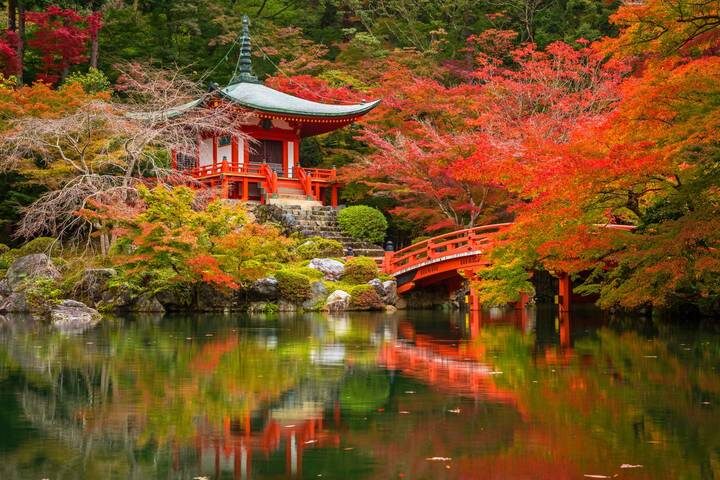
The route continues through Osaka before heading to Mount Koya, a major center of Shingon Buddhism with around 120 temples and monasteries. At Okuno Mausoleum, paths run through a vast cemetery said to contain more than 200,000 graves. Kongobuji Temple, originally built in 1593, adds another layer of religious and architectural history.
The overnight stay is one of the tour’s most distinctive features. You sleep in a Buddhist monastery, have a vegetarian dinner, and are scheduled to take part in Ajikan meditation with monks. The rooms are traditional and simple, with tatami mats and shared bathrooms rather than private facilities. The meditation may not be available on peak dates, and limited temple capacity can mean staying at a nearby hotel instead. If attending a morning religious ceremony appeals to you, it is listed as optional.
This is not a luxury-night upgrade. It is a chance to experience a different setting and routine, with some practical compromises. For many people, that makes it more memorable than another standard hotel room.






Kyoto: famous landmarks in a single day
After a traditional Japanese breakfast at the temple, you leave early for Kyoto. The city served as Japan’s capital from 794 to 1868 and avoided wartime bombing, leaving a deep store of historic and artistic sites. You visit Fushimi Inari Shrine, the Imperial Palace, and Kinkaku-ji, the Golden Pavilion, with its gardens.
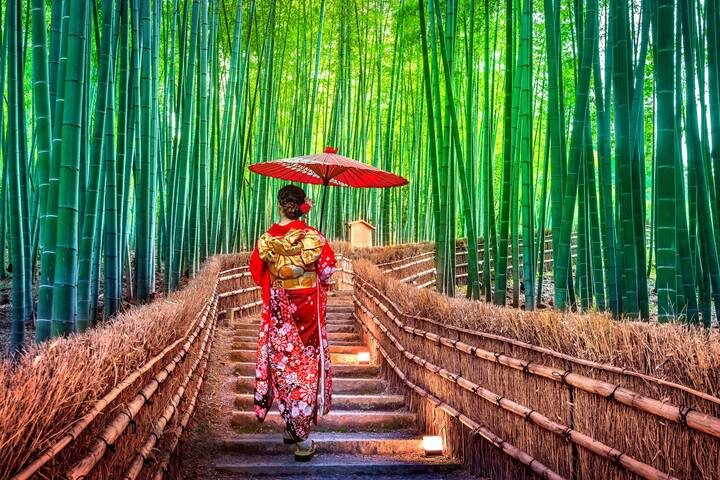
There is free time, then a visit to Gion, the traditional district known for geisha culture. The schedule gives you a sampling of Kyoto’s most familiar sights, but it does not leave much room to explore each one at your own pace. You may want to arrive a day early or stay on after the tour if Kyoto is a priority.
On day eight, breakfast is included and the tour ends. There is no scheduled sightseeing that morning, so plan your onward transport or extra nights separately. The tour’s final day is a departure point, not another full day in the city.
Guides, group style, and what the ratings suggest
Europamundo’s tour is described as fully guided, but the guide may change during the trip. English is offered in Tokyo and Kyoto, and the group can include English and Spanish speakers. Depending on group size, explanations may be delivered by separate guides or one guide working in both languages.
That distinction matters. English-speaking participants have praised guides including Pablo, Ken, Nadia, David, Michiko, and Rei for clear explanations, organization, and enthusiasm. Those names are examples from past departures, not a promise about who will lead yours. Some English-only participants have also found that bilingual explanations were uneven, particularly when English speakers were a minority. Ask about the language arrangement for your departure if uninterrupted English commentary is important.
The group size can range from 2 to 72, a wide span that can affect how intimate the experience feels. Reviews rate the itinerary, transport, guide, accommodation, and food between 4.8 and 4.9 out of 5, while the operator rating is 4.1. The strongest recurring praise is for organized transport and luggage handling, capable guides, and a route that covers many major sites. The weaker point to weigh is not the sightseeing itself, but the possibility of bilingual group logistics and the short time at each destination.
Is $2,772 good value?
The starting price is $2,772 for the cheapest room option, and flights are not included. The package includes hotel accommodation, breakfast, basic travel insurance, an arrival transfer, guided sightseeing, many admissions, train and ferry travel, and several meals. Three lunches and three dinners are included, with a vegetarian dinner at Mount Koya. The specific meal allocation can be checked against your departure details.
That is a substantial amount of logistics handled for you across eight days. The value is strongest if you want a guided route with transport, hotels, and major entry fees arranged, rather than planning each intercity connection yourself. It is less compelling if you prefer long independent stays, want to choose every hotel, or already know you want several days in Tokyo or Kyoto.
Hotel names vary by stop and departure. The listed city hotels are four-star properties, but Europamundo notes that standards, room sizes, and bed sizes can differ. Most are not in city centers, though public transportation is nearby. The Mount Koya night is a different category altogether: simple rooms and shared bathrooms are part of the arrangement.
Who should book this Japan route?
I’d consider this tour if you’re visiting Japan for the first time and want a broad introduction without managing trains, ferries, and hotel changes yourself. It also suits people who value cultural variety: modern Tokyo, Hiroshima’s memorials, island travel, pilgrimage sites, a monastery stay, and Kyoto’s major temples all fit into one trip.
It is a poorer match if you want an unhurried holiday or prefer to spend several days in each city. Check the language plan, consider the Kotohira steps, and think honestly about the rapid pace. If those trade-offs work for you, this is a well-rounded route with unusually varied transport and a memorable night on Mount Koya.
Capitals of Japan end Kyoto 8-Day Tour by Europamundo (2026-27 Departures)
“This was my second trip to Japan, and I sought out a tour that would take me to new places I hadn't been to in my prior visit. This tour accomplish…”
FAQ
How long is the tour, and where does it start and end?
The tour lasts eight days. It starts in Tokyo and ends in Kyoto.
Are flights included in the price?
No. Flights are not included.
What is the starting price?
The listed starting price is $2,772, based on the cheapest room option. The final price may depend on your departure and room choice.
What months have departures?
Departures are listed for January, February, March, October, November, and December.
Is the tour guided in English?
English is offered in Tokyo and Kyoto, and the tour is described as fully guided. Groups may be bilingual in English and Spanish, and guides may change during the trip.
How large can the group be?
The stated group size is from 2 to 72 people.
What meals are included?
Breakfast is included, along with three lunches and three dinners. The Mount Koya dinner is vegetarian, and breakfast there is traditional Japanese style.
Is the Mount Koya accommodation a regular hotel?
The planned stay is in a Buddhist monastery, with traditional tatami rooms and shared bathrooms. If temple accommodation is unavailable, the group may stay at a nearby hotel.
Is meditation at Mount Koya guaranteed?
No. Ajikan meditation is planned, but it may not be available on peak tourist dates.
How strenuous is the tour?
The tour is rated low intensity, but it includes walking and a climb of 785 steps to Kotohira Shrine. That climb is the clearest physical challenge described.























