Osaka’s street-food lanes, Kyoto’s temple paths and Hiroshima’s peace sites make a memorable six-day route through three very different cities. I like that the intercity train tickets and hotels are arranged, and that the itinerary leaves stretches of free time instead of keeping you in a group all day. One catch: this is a package of bookings, not a private guide accompanying you from hotel to hotel, and local transfers are yours to manage.
Two details make the plan especially appealing: you get a local guide for Osaka’s historic and food-focused sights, then explore Hiroshima by electric bicycle with a local guide. The main consideration is value. At a starting price of $1,185, you’re paying for convenience and a ready-made framework, but you could book many of the same pieces yourself. Hotel quality can also vary, so check the exact properties and room arrangements.
- Key points to know before you book
- A six-day route with useful structure
- Day 1: Find your feet in Osaka
- Day 2: Osaka Castle, markets and ramen
- Day 3: Train to Kyoto, then explore at your own pace
- Day 4: Kyoto’s temples and the Arashiyama bamboo paths
- Day 5: Hiroshima by electric bicycle
- Day 6: Return to Osaka
- What the price covers, and what it does not
- Who should book this trip?
- FAQ
- Are meals included in the tour?
- Are the train tickets between cities included?
- Is this a private tour?
- Is breakfast included at the hotels?
- What languages are available on the Kyoto bus tour?
- Is the Hiroshima cycling tour suitable for children?
- What happens if it rains during the Hiroshima cycling tour?
- The Best Of Osaka!
- More 6-Day Experiences in Osaka
- More Tours in Osaka
- More Tour Reviews in Osaka
- Not for you? Here's more nearby things to do in Osaka we have reviewed
Key points to know before you book
 1 / 10
 2 / 10
 3 / 10
 4 / 10
 5 / 10
 6 / 10
 7 / 10
 8 / 10
 9 / 10
 10 / 10
- Three cities, five hotel nights: Spend two nights in Osaka, two in Kyoto and one in Hiroshima.
- Shinkansen tickets are included between cities: You travel Osaka to Kyoto, Kyoto to Hiroshima, then Hiroshima to Osaka. Getting between stations and hotels is not included.
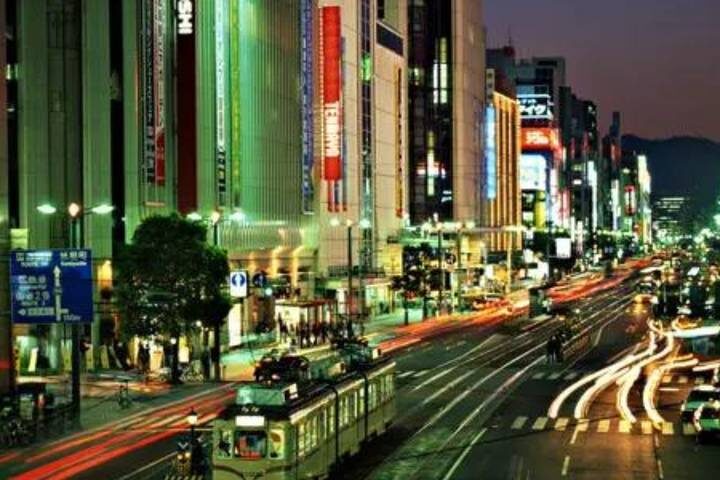
- Osaka’s guided day combines big sights and local streets: Expect Osaka Castle, Dotonbori, a traditional market, Tsutenkaku and Shitennoji, with ramen for lunch.
- Kyoto’s bus day covers major landmarks quickly: The route takes in Tenryu-ji, Arashiyama, Kinkaku-ji and Fushimi Inari, with audio guides in English, Chinese and Korean.
- Hiroshima’s e-bike outing adds local context: Ride with an English-speaking guide past Peace Park and sites tied to the atomic bombing and the city’s recovery.
- The package is only partly guided: You handle free-time plans, station-to-hotel journeys and some meeting-point connections on your own.
👉 See our pick of the 24 Best Workshops And Classes In Osaka
A six-day route with useful structure
Vio Travel’s package links Osaka, Kyoto and Hiroshima with five nights of hotel accommodation, rail tickets and three guided outings. It is designed for independent visitors who want the main logistics booked but do not need a guide beside them every hour.
The pace is brisk, particularly if you want to see more than the scheduled highlights. You get two nights in Osaka, two in Kyoto and one in Hiroshima, with some open time in each city. The trade-off is familiar: less planning work before departure, but less control over hotel selection and excursion times than if you arranged each part yourself.
The package is advertised as a private tour, but that does not mean every activity is private. The Osaka walking tour is not private, the Kyoto sightseeing bus is shared, and the Hiroshima cycling group can include up to 10 people. Think of the trip as a prearranged itinerary with group excursions, not a private guide and vehicle at your disposal.
You can also read our reviews of more tours and experiences in Osaka
Day 1: Find your feet in Osaka
You arrive in Osaka and check in at the hotel assigned for your departure. The listed property is Hearton Hotel Shinsaibashi Nagahoridori, though accommodation may be in a similar category hotel. The first day has no organized sightseeing, leaving you free to rest, eat and get used to the city.
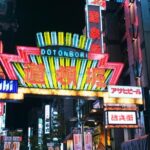
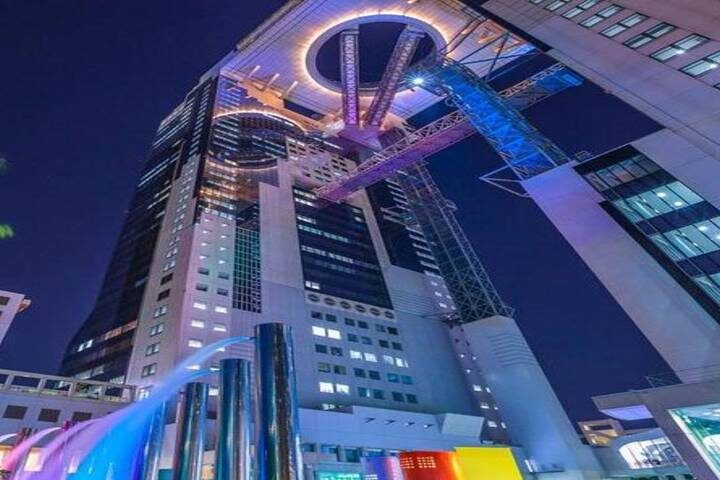
Osaka is a good place to start because it pairs modern city life with older sites and a famously food-focused social scene. Dotonbori, in the Minami area, is a lively first walk, with restaurants, bars and the Glico sign as a familiar landmark. Kita, farther north, is known for shopping and business, while Minami is the city’s better-known entertainment district.
If you arrive with energy, Osaka Castle, the aquarium or a meal around Dotonbori are possible first-day plans. Minoo, a suburb with woodland walks and a waterfall, is another option, but it takes more time and planning than a neighborhood stroll. Keep the first evening flexible. The next day’s walking tour has several stops, and a good night’s sleep is more useful than trying to see half of Osaka before dinner.
Day 2: Osaka Castle, markets and ramen
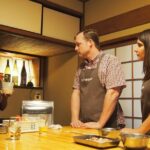
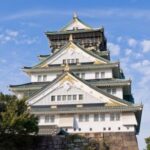
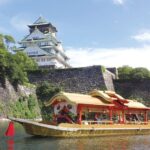
The guided walk gathers five major Osaka sights into one full day. You visit Osaka Castle and its grounds, Dotonbori, a public market with roots in the Edo period, Tsutenkaku’s observatory and Shitennoji Temple. Ramen is included for lunch, while the guide provides an English-language introduction to the city.
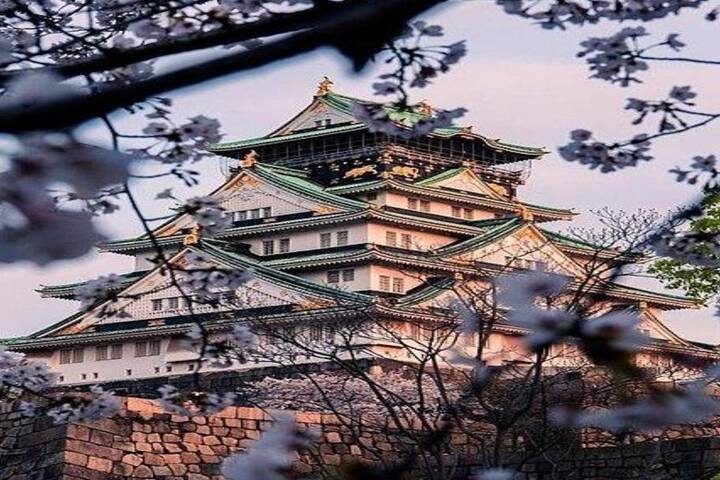
At Osaka Castle, the exhibits cover the castle and the Sengoku period, and the grounds offer a striking view of the reconstructed structure. The details matter here: admission to the castle is not included in the tour price as stated, and you may need an Osaka Amazing Pass or pay separately. The pass is listed at ¥2,800, but check which admissions it covers and whether it suits your day before buying.
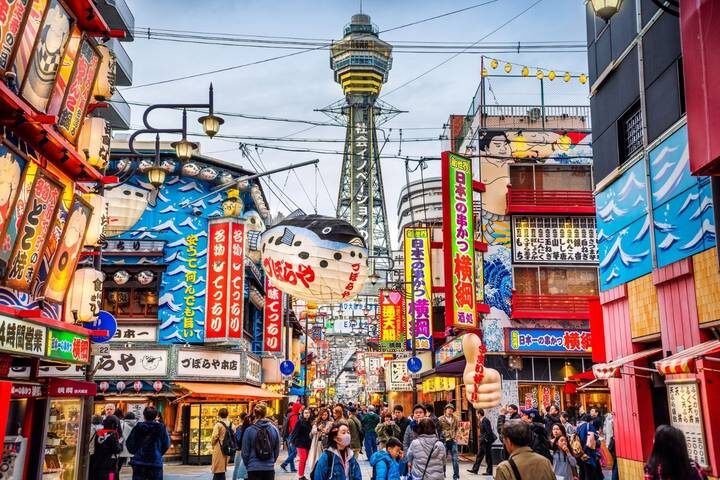
Dotonbori is Osaka at its most theatrical, with bright signs and a steady stream of people moving between restaurants. The Edo-era market offers a different feel, with the chance to see a long-running public market and sample street food at your own expense. Tsutenkaku gives you a city view and a look at the Shinsekai neighborhood, though observatory admission is also not included unless covered by a pass.
Shitennoji is described as one of Japan’s oldest Buddhist temples. Its Treasure Hall and garden charge separate admission, listed as ¥500 and ¥300. This is a lot of ground in one day, and the walking tour requires comfortable shoes, rain gear and a moderate level of fitness. It is not suitable for children under 12, pregnant participants or people with poor cardiovascular health, according to the activity guidance.
English-speaking guides on past departures have included Jay and Tacko. The guide can make the day more than a string of photo stops by explaining how Osaka’s castle, market streets and temple fit into the city’s story. Still, plan for a group outing rather than a private walk, and remember you must make your own way to the meeting point.
Day 3: Train to Kyoto, then explore at your own pace
The train from Osaka to Kyoto usually takes about 30 to 45 minutes. You check out, make your way to the station, take the train and then travel independently to your Kyoto hotel. Your listed hotel is KAYA Kyoto Nijo Castle, BW Signature Collection by Best Western, or a similar-category property.
The afternoon and evening are unstructured, which is welcome after the previous day’s sightseeing. You could walk through Gion, visit Kiyomizu-dera or go to Fushimi Inari, but these are not guided activities on this day. Kyoto’s sights are spread out, so choose one area rather than trying to cross the city several times.
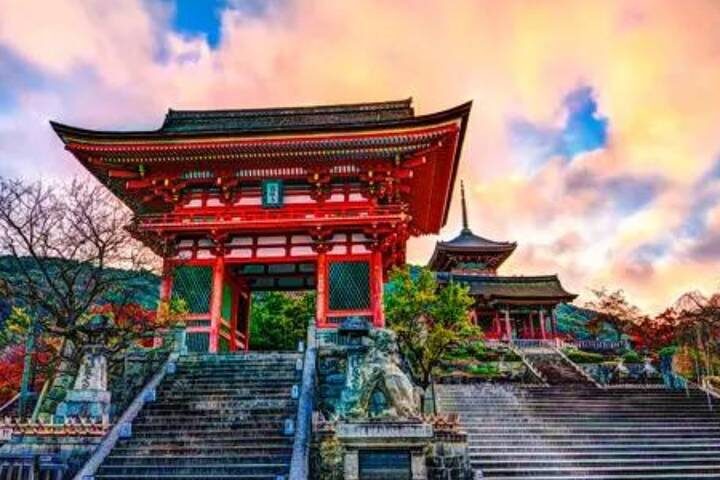
Gion’s traditional wooden buildings and lantern-lit streets give you a sense of an older Kyoto, while Fushimi Inari is known for its long rows of vermilion gates. Kiyomizu-dera is another major temple, but with so many choices, it helps to decide based on your interests and the time you have. The package leaves that decision to you, which means freedom, but also some route planning.
Day 4: Kyoto’s temples and the Arashiyama bamboo paths
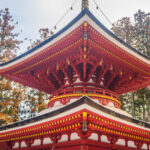
The sightseeing bus departs from Kyoto Station at 10:10 am. You need to arrive at least 20 minutes early to exchange your voucher for a boarding ticket. The day runs for about six hours and includes Tenryu-ji Temple’s garden, Arashiyama, Kinkaku-ji and Fushimi Inari Taisha.
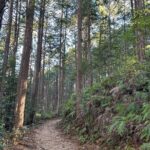
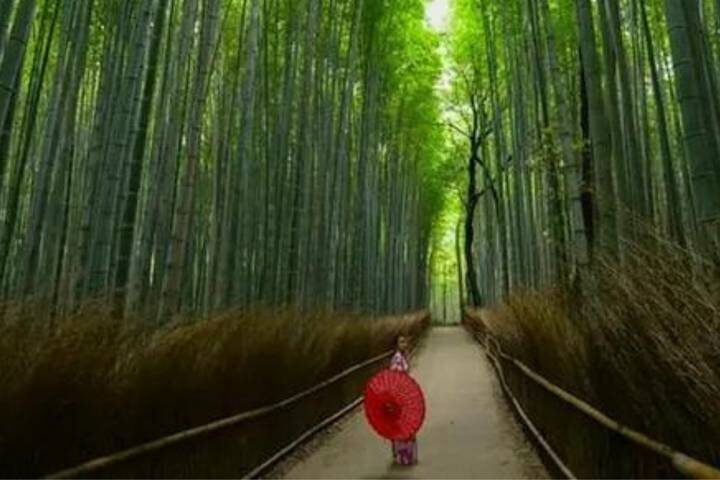
Arashiyama gets the most generous stop, with about 140 minutes for the temple, bamboo grove and surrounding area. That gives you room to walk through the famous grove and choose lunch on your own. Tenryu-ji admission is included, but only the garden visit is specified. The area also offers optional activities such as rickshaw rides and boat trips, with discounts listed for some purchases.
The bamboo grove is beautiful, but it is also one of Kyoto’s best-known sights, so do not expect solitude. The real advantage of the stop is having time to explore beyond the short path through the bamboo, perhaps with lunch or a wander around Arashiyama. Lunch is not included, so budget separately.
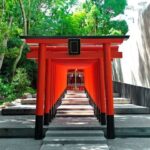
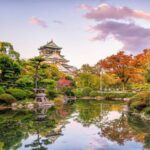
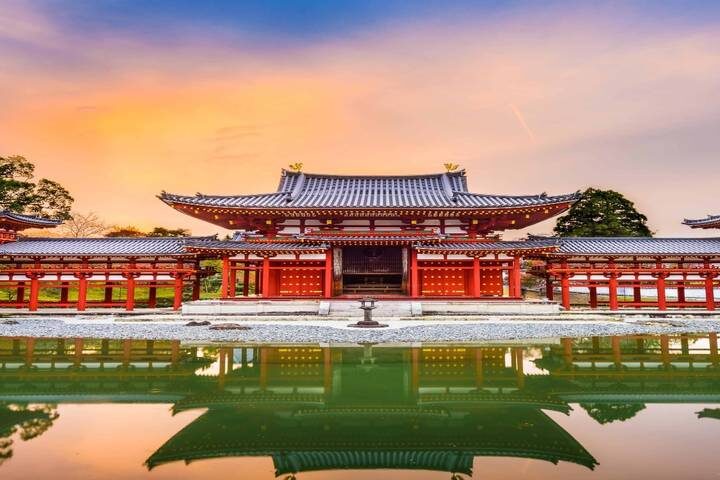
Kinkaku-ji, the Golden Pavilion, is a short stop of about 40 minutes. Its gold-leaf exterior reflected in the pond is a classic Kyoto view, though the time is enough for a visit and photographs rather than a long, quiet stay. Fushimi Inari gets about 70 minutes. The shrine’s torii gates are its famous feature, and a short walk takes you into the striking tunnel of red-orange frames. The full mountain route takes longer, so you’ll need to turn back when the group’s departure time approaches.
The bus provides audio guides in English, Chinese and Korean, along with a Japanese guide. Do not assume that every explanation off the bus will be in English. On some departures, the English audio guide has been the main English-language support once you are at the sites. This is worth confirming if spoken English guiding is important to you.



Day 5: Hiroshima by electric bicycle
The Kyoto-to-Hiroshima Shinkansen ticket is included, as is one night at Hotel Vista Hiroshima or a similar-category property. The plan then schedules an 11:00 am cycling tour, with a possible 3:00 pm departure also described. Because the train journey, hotel check-in and bike meeting time need to fit together, confirm your exact train arrival and cycling start before you book. The stated sequence can be tight.
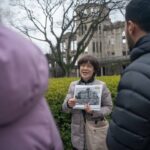
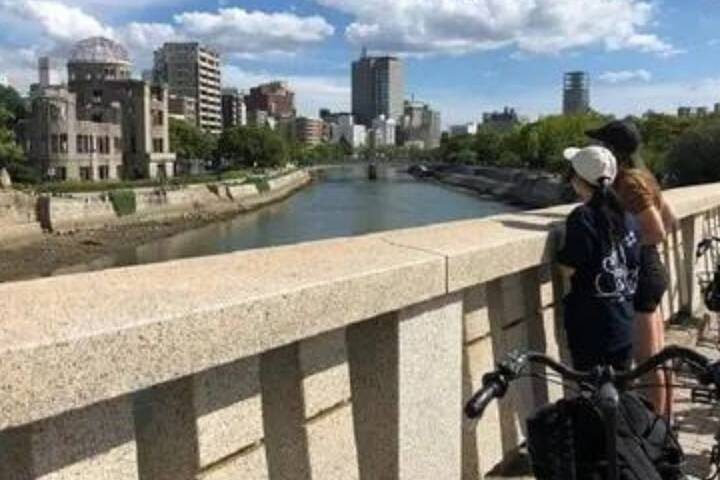
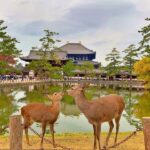
The e-bike tour begins at Peace Memorial Park, then heads toward Sendamachi, Miyukibashi Bridge and the Kyobashi River. With a local English-speaking guide, you ride beyond the best-known memorial area to see surviving bombed heritage sites and parts of the city that were rebuilt after the atomic bombing. The route follows riverside and park areas, helping you connect the scale of the destruction with the city as it exists today.
This is the itinerary’s most distinctive outing. The bicycle covers more ground than a short walking visit, while the guide supplies local stories and context at places you might otherwise pass without noticing. Guides on past departures have included Kana, and the bikes are electric, with accident insurance included. Riders on adult e-bikes must be at least 145 cm tall.
The standard ride can be changed to a walking route if rain makes cycling unsafe. That route covers Peace Memorial Park, the Atomic Bomb Dome, the hypocenter, the Former Bank of Japan and Fukuromachi Elementary School, among other stops. A visit to the Atomic Bomb Museum can be added for ¥1,000 cash, but it is limited to certain conditions and is not available when the guide is serving other participants. Check availability directly before relying on it.
Day 6: Return to Osaka
You take the Shinkansen from Hiroshima back to Shin-Osaka, where the package ends. Your ticket is included, but you make your own way to Hiroshima Station and handle any onward transport from Osaka. The rest of the day is free, which can be useful if you have a late departure or want another meal in the city.
The final train makes this a practical route for a short visit, but it is not an extra sightseeing day in Hiroshima. If the Peace Museum is a priority, allow enough time on Day 5 or ask about the optional guided visit. One night gives you a meaningful introduction, not a leisurely survey of the city.
What the price covers, and what it does not
The advertised starting price is $1,185 per person, based on the cheapest room option. It includes five hotel nights, intercity rail tickets, the three listed excursions and ramen lunch on the Osaka walk. Breakfast and other meals are not included, and neither are flights, travel insurance, tips or holiday surcharges.
That can be fair value if you want the hotels, train bookings and major activities organized in one package. The Shinkansen tickets are a meaningful part of the cost, and having vouchers and an itinerary can reduce uncertainty, especially on a first trip to Japan. Vio Travel’s response rate is listed as 100 percent, with a seven-hour response time, and several past departures noted prompt help with questions and arrangements.
But do the arithmetic before paying. Japan’s trains and local transit are manageable for many independent visitors, and the Osaka and Kyoto excursions can also be booked separately. One past comparison found that booking some components independently cost less, especially for a solo traveler facing a single supplement. The package does not include local station-to-hotel transfers, so it saves planning rather than removing every travel task.
Hotel experience is the biggest variable. The listed properties include two nights in Osaka, two in Kyoto and one in Hiroshima, but the actual hotel may be a similar-category substitute. Past stays have ranged from very good locations and comfortable rooms to basic rooms, unsuitable bed arrangements and occasional room-condition problems. Ask for the confirmed hotel names, bed type and room setup before you commit, particularly if you are traveling with family.
Who should book this trip?
I’d choose this package if you have six days, want the three-city route, and value having rail tickets, hotels and headline outings arranged in advance. It suits independent-minded visitors who are comfortable navigating stations and planning their own evenings, but would appreciate local guides for the more complex historic stops.
It is less compelling if you enjoy building your own itinerary, want a fully guided private trip, or are highly particular about hotels and meals. Compare the package price with the cost of separate hotels, train tickets and tours, and ask about the single supplement and room assignment. Before booking, also confirm the Hiroshima Day 5 schedule, the Kyoto bus tour’s English support and the final hotel choices.
Best of Osaka, Kyoto and Hiroshima 6 Days by Vio Travel
“I had an absolutely wonderful experience. The organisation, communication, hotel locations, and attention to detail were all excellent. The itinera…”
FAQ
Are meals included in the tour?
Only the ramen lunch on the Osaka walking tour is included. Breakfast and other meals are not included, though vegetarian and vegan ramen options can be requested.
Are the train tickets between cities included?
Yes. The package includes rail tickets from Osaka to Kyoto, Kyoto to Hiroshima and Hiroshima to Osaka. You are responsible for getting yourself to and from the stations and hotels.
Is this a private tour?
The overall package is described as private, but the excursions are not all private. The Osaka walking tour is not private, the Kyoto outing is a shared bus tour, and the Hiroshima cycling group can have up to 10 people.
Is breakfast included at the hotels?
No. The hotels are room-only. Breakfast may be available to add on request.
What languages are available on the Kyoto bus tour?
The bus has audio guides in English, Chinese and Korean, along with a Japanese guide. English spoken guiding at each stop is not guaranteed.
Is the Hiroshima cycling tour suitable for children?
Children’s bicycles are limited and must be checked in advance. Riders using an adult electric bicycle must be at least 145 cm tall. Children under 12 may use a children’s bicycle or adult bicycle at the child rate, subject to availability.
What happens if it rains during the Hiroshima cycling tour?
If weather makes cycling unsafe, you can choose a rainy-day walking route or a refund for the tour. The walking route visits sites around Peace Memorial Park and central Hiroshima.